Pregnancy usually starts to show around 12‑14 weeks, but belly size depends on body type and if it’s your first pregnancy. Discover the signs and factors.
By Shubhra Mishra — a mom of two who turned her own confusion during pregnancy into BumpBites, a global mission to make food choices clear, safe, and stress-free for every expecting mother. 💛
Check whether any food is safe during pregnancy with the BumpBites Food Safety Checker.
Quick take: Most people don’t see a noticeable baby bump until around 12 weeks, but a very subtle “show” can appear as early as 6 weeks for some women. How early it shows depends on body shape, uterine position, previous pregnancies, and lifestyle factors. If you’re unsure whether a small change is pregnancy or just bloating, a home urine test or a quick visit to your provider can give peace of mind.
It’s 2 a.m., you’re curled up on the couch, and a faint tightening in your lower abdomen makes you wonder: “Is this the start of my baby bump?” You’ve probably read dozens of articles promising a “baby bump” by the second month, but the reality is messier—and that’s okay. The bottom line is that the visible signs of pregnancy vary widely, and the first time you notice a change on your belly isn’t a definitive medical marker. In the next few minutes we’ll walk through exactly when a belly can start to show, why some women notice it sooner, how to tell the difference between a true bump and ordinary hormonal bloating, and what you can do to track growth safely during the first trimester.
We’ll cover the typical timeline from weeks 4 to 12, the physical and lifestyle factors that accelerate or delay a visible bump, the difference between “showing” and “baby bump size,” and the right moment to book your first prenatal appointment. You’ll also learn practical ways to measure a tiny bump, debunk common myths, and find answers to the most‑asked questions that pop up on Google’s “People also ask” box. By the end of this article you’ll have a clear, evidence‑based picture of what’s normal for you and when it’s time to get a professional confirmation.
When does pregnancy start to show at 6 weeks?
At six weeks after the first day of your last menstrual period (LMP), the embryo is still the size of a grain of rice and the uterus is only beginning to rise out of the pelvic cavity. For most women, the uterus is still hidden behind the pubic bone, so a visible “baby bump” is rare. However, a few subtle cues can appear:
Uterine lifting: In about 10 % of people, the uterus lifts enough to cause a faint firmness in the lower abdomen.
Early bloating: Hormonal progesterone relaxes smooth muscle, leading to mild abdominal swelling that some mistake for a bump.
Round ligament stretch: A pulling sensation on the hips may be felt as a faint bulge.
These signs are usually too subtle for an outside observer. If you’re looking in the mirror and notice a tiny, firm area just above the pubic hairline, it’s more likely a normal hormonal change than a true pregnancy protrusion. A home pregnancy test that detects hCG (human chorionic gonadotropin) is the most reliable way to confirm whether you’re pregnant at this stage.
In clinical practice, most obstetricians won’t be able to palpate the uterus until around 10–12 weeks, when the fundus (top of the uterus) can be felt just above the pubic symphysis. That’s why many providers recommend waiting until the 8‑week scan before expecting a visible bump.
Even though a pronounced bump is uncommon at six weeks, the tiny changes that do occur can be reassuring for those eager to know they’re pregnant. If you do feel a slight firmness, it’s usually harmless and simply reflects the uterus beginning its upward journey.
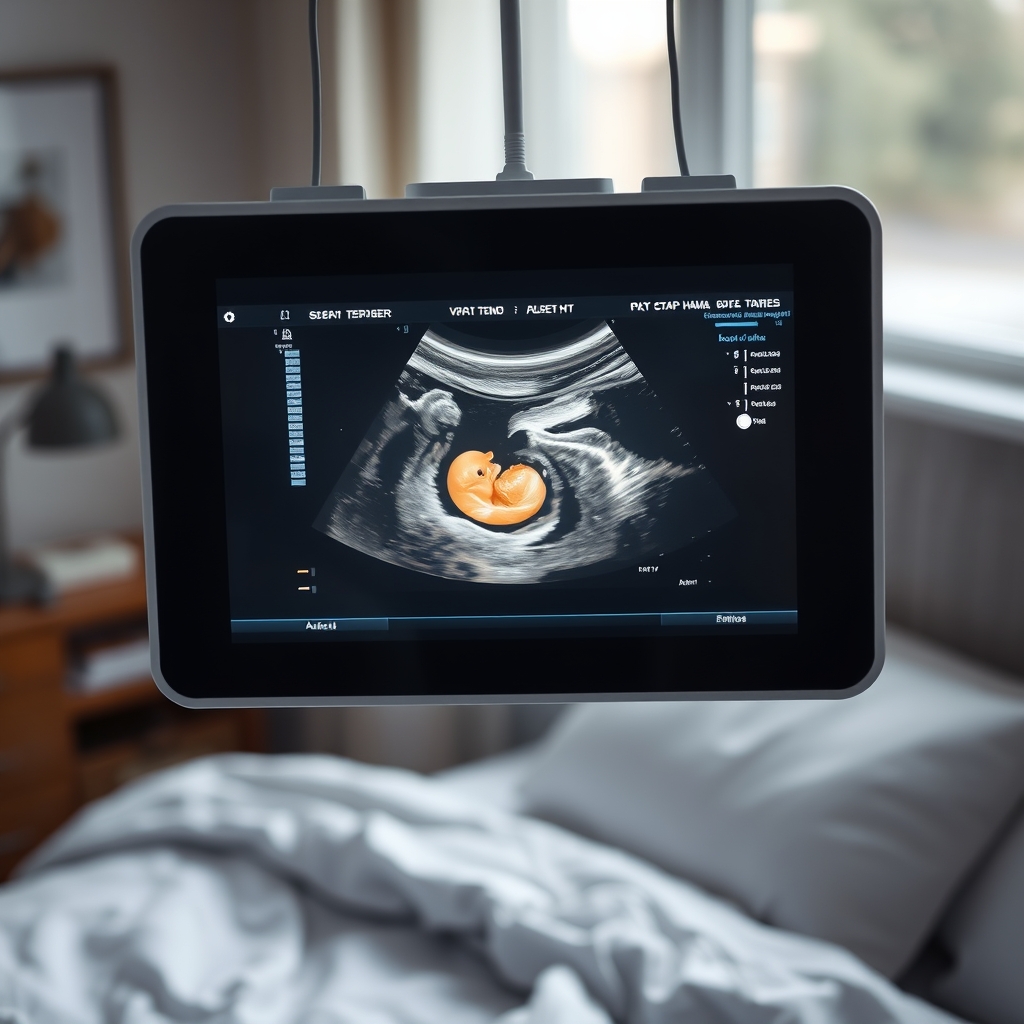
Even when the belly looks flat, an early scan can reveal the growing embryo.
How early can a baby bump appear in the first trimester?
The first trimester spans weeks 1‑12, but the visible bump typically lags behind the actual growth of the embryo. Here’s a week‑by‑week snapshot of what you might notice:
Gestational Week
Typical Visible Change
What’s Happening Inside
4 weeks
None; maybe slight bloating
Implantation and beginning of hCG production
5 weeks
Very faint firmness
Uterus starts to enlarge, progesterone rises
6 weeks
Possible subtle “show” in the lower abdomen
Embryo roughly the size of a lentil
7‑8 weeks
Soft swelling, sometimes a small roundness
Embryo grows to 0.5 cm, uterus rises above the pelvis
9‑10 weeks
Firmness just above the pubic bone; fundus may be palpable
Uterus reaches the level of the belly button (around week 12)
11‑12 weeks
Visible “baby bump” in most women, especially if they have a lower body fat percentage
Embryo becomes a fetus, about 5 cm long
Most first‑time mothers report the first noticeable bulge around weeks 10‑12. That’s also the period when many people start to feel the “baby bump” described in movies. If you have a slimmer build or a higher‑positioned uterus (retroverted uterus), the bump may appear a little earlier, sometimes as soon as week 8.
Conversely, people with higher body mass index (BMI) or a lot of abdominal muscle tone may not see a clear protrusion until after week 12. In those cases, the uterus is still growing, but the surrounding fat or muscle masks the outward curve.
It’s also worth noting that the timing can be affected by how quickly the placenta forms. A well‑vascularized placenta can modestly increase uterine size, making the bump appear a few days earlier, though this effect is subtle and varies from pregnancy to pregnancy (ACOG, 2023).
What factors affect when a pregnant belly shows?
Visibility of a baby bump is not a one‑size‑fits‑all answer. Several physical and lifestyle variables interact to determine how early the belly “shows.”
Body type and BMI
Women with a lower BMI (typically under 25) often notice a bump earlier because there’s less abdominal fat to conceal uterine growth. Those with a higher BMI may experience delayed visibility, sometimes not until the second trimester.
Uterine position
A uterus that tilts forward (anteverted) rises out of the pelvis sooner, creating an earlier “show.” A retroverted uterus (tilted backward) may stay hidden longer, delaying the outward curve.
Previous pregnancies
After a first pregnancy, the abdominal wall stretches and the muscles become more compliant. Many women report that a second or third pregnancy “shows” earlier, sometimes weeks before the first one did. The opposite can happen if a previous pregnancy involved significant weight gain that left excess abdominal tissue.
Weight gain and diet
Weight gain is a normal part of pregnancy, but the timing matters. Gaining a few pounds before the uterus has risen does not make the bump appear earlier; it may actually mask it. A balanced diet rich in protein, iron, and folate supports healthy tissue growth without excessive fat accumulation (NHS, 2023).
Exercise and core strength
Regular low‑impact exercise (walking, swimming, prenatal yoga) keeps muscles toned but does not prevent a bump from showing. In fact, a strong core can make the shape of the bump more defined, which some people interpret as “showing earlier.” However, intense abdominal workouts that increase intra‑abdominal pressure can cause temporary bloating that mimics a bump.
Age and hormonal differences
Older pregnant people (35+) may experience slightly different hormonal patterns, but the timing of visible changes is still largely driven by uterine growth rather than age alone.
Understanding these factors helps set realistic expectations. If you’re a slender first‑time mom, seeing a small firmness at 8 weeks is normal. If you’re a seasoned mom with a higher BMI, not seeing a pronounced bump until 14 weeks is also typical.
Body type, uterine position, and previous pregnancies all shape when the bump appears.
What’s the difference between “showing” and baby bump size?
The term “showing” is often used colloquially to describe the moment a pregnant person’s abdomen becomes visibly rounded enough for others to notice. “Baby bump size,” on the other hand, is a more precise reference to the actual dimensions of the uterus and surrounding tissues.
When you “show,” you’re typically describing a subjective impression—perhaps a slight curve that friends comment on. Baby bump size can be measured objectively using a tape measure from the top of the uterus (fundus) to the pubic bone, or by assessing the circumference at the level of the belly button.
In practice, a small “show” at 8 weeks may correspond to a fundal height of 2‑3 cm, while a larger bump at 12 weeks could measure 10‑12 cm. The two concepts overlap, but distinguishing them helps when you’re tracking growth. If you’re using a ruler to monitor week‑by‑week changes, you’re dealing with bump size; if you’re simply noting when friends first comment, you’re describing “showing.”
Both are useful. “Showing” gives you a social cue that pregnancy is progressing, while precise measurements are the data clinicians use to confirm that the uterus is growing at the expected rate.
When should I schedule my first prenatal appointment after I start showing?
Most guidelines from the American College of Obstetricians and Gynecologists (ACOG) and the UK’s National Institute for Health and Care Excellence (NICE) recommend the first prenatal visit by 8 weeks gestation, or as soon as you have a positive pregnancy test. If you notice a “show” before that, you can still schedule an appointment earlier—especially if you’re experiencing any of the following:
Persistent abdominal pain or cramping
Heavy spotting or bleeding
Severe nausea, vomiting, or dehydration
Sudden swelling of the feet or hands
Even if the bump appears early, a routine prenatal visit will include a urine hCG test, a pelvic exam, and often an early ultrasound (usually around 8‑10 weeks) to confirm gestational age and check for a viable pregnancy. Early confirmation is reassuring and helps you plan nutrition, supplements (like prenatal vitamins), and lifestyle adjustments.
For those who discover a bump after a missed period, waiting until the standard 8‑week window is still safe, but don’t hesitate to call if you have any red‑flag symptoms. Many providers will accommodate an earlier visit if you explain that you’re “showing” and want peace of mind.
Early signs of pregnancy vs normal hormonal changes – how can I tell the difference?
Pregnancy hormones (especially progesterone and estrogen) can mimic everyday hormonal fluctuations—think bloating, breast tenderness, and mood swings. Distinguishing true early‑pregnancy signs from normal pre‑menstrual or stress‑related changes is often the biggest source of anxiety.
Key differentiators
Timing: Pregnancy‑related changes often start a week after conception and persist for several weeks, whereas pre‑menstrual bloating typically peaks a few days before your period.
Consistency: A small, firm area that stays in the same spot and gradually becomes more pronounced is more likely uterine growth than random bloating.
Associated symptoms: Spotting, mild cramping, and a positive home pregnancy test are strong indicators of pregnancy. In contrast, pre‑menstrual symptoms usually include irritability, cravings, and a predictable pattern each month.
Another helpful trick is to track your basal body temperature (BBT). A sustained rise of about 0.5 °F after ovulation can hint at progesterone production, which often coincides with early pregnancy. However, BBT is not a diagnostic tool; it’s simply a piece of the puzzle.
If you’re still unsure, a simple urine test is the quickest way to separate pregnancy from regular hormonal fluctuations. Home tests are over 99 % accurate after a missed period and can be taken as early as the first day of a missed period.
Can a woman show before a missed period? How to tell if you’re pregnant before you miss a period?
Yes, a very small “show” can appear before you miss a period, especially if you have a low‑BMI, an anteverted uterus, or a prior pregnancy. The key is that any visible change before a missed period is usually subtle—a slight firmness or a faint roundness that may be mistaken for normal bloating.
To determine whether you’re pregnant before a missed period, consider these steps:
Take a home pregnancy test: Most rapid tests can detect hCG as early as 8‑10 days after ovulation, which is often before the period is due.
Observe other early signs: Light spotting (implantation bleeding), breast tenderness, and a slight increase in basal temperature are common.
Track your cycle: If you know the exact date of ovulation, you can better gauge whether a “bump” is premature or simply bloating.
Consult your provider: A serum hCG blood test can confirm pregnancy as early as 6 weeks gestation, sometimes before any visible change.
Remember, a “show” before a missed period does not guarantee pregnancy, but it can be an early clue. The safest confirmation remains a test—urine or blood.
How to measure and track a baby bump in early pregnancy?
Tracking your bump week by week can be both reassuring and useful for your prenatal care. While a professional ultrasound provides the most accurate measurement, you can safely monitor growth at home with a simple tape measure.
Measuring fundal height
Fundal height is the distance from the top of the uterus (fundus) to the pubic bone. Here’s a step‑by‑step guide:
Lie down on a firm surface or sit with your back straight.
Place a flexible measuring tape at the top of your uterus—this is usually just above the belly button after week 12, but at 6‑8 weeks it will be a few centimeters below.
Extend the tape down to the upper edge of your pubic bone.
Record the measurement in centimeters. For early pregnancy, expect a range of 2‑10 cm depending on gestational age and individual factors.
Repeat the measurement every 1‑2 weeks. A steady increase of about 1 cm per week after week 12 is typical, but in the first trimester the growth is slower and more variable.
Tracking with a weekly chart
Below is a simple chart you can print out and fill in. It combines the typical visible signs from the earlier table with your own measurements.
Week
Typical Visible Change
Fundal Height (cm)
Notes / Symptoms
4
None or mild bloating
0‑2
Implantation, possible light spotting
5
Very faint firmness
2‑3
Breast tenderness, mild nausea
6
Possible subtle show
3‑4
Increased urination, mood changes
7‑8
Soft swelling, roundness may appear
4‑6
Fatigue, food cravings
9‑10
Firmness above pubic bone
6‑8
More pronounced nausea, possible constipation
11‑12
Visible bump in most women
8‑10
Energy returns, baby movement still not felt
Keep this chart alongside your prenatal vitamins. If you notice a sudden drop in size or a plateau that lasts more than two weeks, it’s worth discussing with your provider.
In addition to tape measurements, you can take photos of your belly from the same angle each week. Visual records help you see gradual changes that a ruler might miss, especially if you have a higher BMI where the bump is less pronounced.
From our medical team: Measuring your belly at home is safe and can be empowering, but it’s not a substitute for clinical assessment. If a measurement feels off or you have any concerns about pain, bleeding, or sudden swelling, call your provider right away. Most clinicians will schedule an early ultrasound if there’s any doubt about growth patterns.
How does your diet affect when your baby bump becomes visible?
Nutrition plays a subtle but important role in how quickly the uterus rises and how the abdomen expands. A diet rich in lean protein, iron, and folate supports healthy placental and uterine tissue without adding excess fat (NHS, 2023). Conversely, diets high in refined sugars and saturated fats can promote abdominal bloating, which sometimes masks early uterine growth.
Hydration is another key factor. Adequate water intake helps prevent constipation and reduces the sense of fullness that can be mistaken for a bump. Some clinicians recommend a daily water intake of about 2.7 L for pregnant people (CDC, 2023). Adding a modest amount of healthy fats—like avocado, nuts, and olive oil—provides essential fatty acids for fetal development while keeping the mother’s weight gain gradual.
Finally, certain micronutrients, such as calcium and vitamin D, influence muscle tone in the abdominal wall. While they won’t make the bump appear earlier, they can help the muscles adapt smoothly as the uterus expands, potentially reducing the “tightness” that some people interpret as a premature show.
What impact does pelvic floor and core health have on early pregnancy showing?
The pelvic floor supports the uterus from below, and its strength can affect how the uterus lifts out of the pelvis. Women who practice gentle pelvic floor exercises (often called Kegels) may notice a more defined upward movement of the uterus, which can translate into an earlier visible bump (American Physical Therapy Association, 2022).
Core stability, rather than intense abdominal crunches, is beneficial. Engaging the deep transverse abdominis muscle helps maintain proper posture and can prevent excessive forward bulging that might otherwise be confused with a “show.” Prenatal yoga classes often incorporate these gentle core‑strengthening moves, and research from the Royal College of Obstetricians and Gynaecologists (RCOG) suggests that regular low‑impact core work is safe throughout the first trimester.
That said, over‑exertion or heavy lifting can increase intra‑abdominal pressure, leading to temporary bloating. Listening to your body and avoiding strain is the safest approach.
Can clothing and posture mask an early baby bump?
What you wear and how you stand can dramatically influence whether a subtle “show” is noticeable. Loose‑fitting tops, high‑waisted leggings, and fabrics with a bit of stretch can conceal a small firmness, while fitted dresses or tight waistbands may highlight it.
Posture also matters. Slouching can flatten the abdomen, making a budding uterus harder to see. Conversely, standing tall with shoulders back naturally accentuates the lower belly, sometimes revealing a slight curve earlier. Many women find that a gentle reminder to engage their core while walking—think “tuck your belly slightly”—helps them become more aware of early changes without straining.
If you’re eager to track early growth, consider wearing a fitted maternity top for a few days each week. This can give you a clearer visual cue, but remember that comfort and personal style are just as important for emotional wellbeing.
From our medical team: While diet, pelvic floor health, and clothing choices can influence how early a bump appears, they are not diagnostic tools. If you suspect pregnancy, a home test or a visit to your provider remains the most reliable method. Use these lifestyle tips as supportive measures, not as replacements for medical evaluation.
Myth vs. fact
Myth: You can always tell you’re pregnant by the size of your belly at 6 weeks.
Fact: At 6 weeks most people have a uterus that’s still hidden in the pelvis, so a visible bump is rare. A small firmness may be present, but it’s often indistinguishable from normal hormonal bloating.
Myth: If you don’t “show” by the end of the first trimester, something is wrong.
Fact: Many women, especially those with higher BMI or strong abdominal muscles, won’t have a noticeable bump until 14‑16 weeks. This is still within normal limits and usually confirmed by ultrasound.
Myth: Gaining weight early in pregnancy will make the bump appear sooner.
Fact: Early weight gain does not accelerate uterine growth. In fact, excess fat can mask the bump, making it appear later.
Key takeaways
Most women notice a visible baby bump between weeks 10‑12, but a subtle “show” can appear as early as 6 weeks.
Body type, uterine position, previous pregnancies, and lifestyle factors (weight, diet, exercise) all influence when the belly shows.
A small firmness before a missed period is usually hormonal; a home pregnancy test is the quickest way to confirm.
Measure fundal height with a flexible tape and track it weekly; a steady increase is reassuring.
Schedule your first prenatal visit by 8 weeks, or sooner if you experience pain, bleeding, or rapid swelling.
Distinguish “showing” (subjective visual cue) from “baby bump size” (objective measurement) for accurate tracking.
Nutrition, pelvic floor health, and clothing choices can subtly affect when a bump becomes noticeable, but they don’t replace medical testing.
Frequently asked questions
When does a pregnant belly start to show?
Most people notice a visible bump around weeks 10‑12, though a subtle change can appear as early as 6 weeks depending on body shape and uterine position.
Can you show before you miss a period?
Yes, especially if you have a low BMI or an anteverted uterus; however, any early “show” is usually faint and best confirmed with a home pregnancy test.
What week does a baby bump become visible?
Generally between weeks 9 and 12, with the average being week 12. Variations are normal and influenced by individual factors.
Do all women show at the same time?
No. Visibility varies widely based on body type, uterine orientation, previous pregnancies, and lifestyle. Some may not show until the second trimester.
How can I tell if my belly is showing pregnancy or just bloating?
Pregnancy‑related firmness stays in the same spot and gradually enlarges, while bloating shifts and fluctuates with meals and hormonal cycles. A positive pregnancy test and consistent growth confirm pregnancy.
What factors make a baby bump appear earlier?
Low body weight, an anteverted uterus, a previous pregnancy, and strong abdominal muscles can all lead to an earlier visible bump. Conversely, higher BMI and a retroverted uterus may delay visibility.
Is it safe to keep exercising when I notice a baby bump early?
Gentle, low‑impact activities like walking, swimming, or prenatal yoga are safe and can even support healthy uterine expansion. Avoid high‑impact or heavy‑weight training that raises intra‑abdominal pressure, and always listen to your body (ACOG, 2023).
What should I wear to feel comfortable as my belly starts to show?
Choose breathable, stretchy fabrics that support your abdomen without compressing it. High‑waisted maternity leggings, loose‑fitting tops, and supportive maternity belts can provide comfort while still letting you notice subtle changes.
When to call your doctor
If you experience any of the following, seek medical attention promptly: heavy vaginal bleeding, severe abdominal pain, sudden and rapid swelling of the abdomen, fever over 100.4 °F (38 °C), or persistent vomiting that prevents you from staying hydrated. This article is for informational purposes only and does not replace personalized medical advice. Always consult your own healthcare provider for concerns specific to you.
References
American College of Obstetricians and Gynecologists (ACOG). “Routine Prenatal Care.” 2023 clinical guidance.
National Institute for Health and Care Excellence (NICE). “Antenatal Care for Healthy Women and Babies.” Updated 2022.
Centers for Disease Control and Prevention (CDC). “Pregnancy and Birth: Early Pregnancy.” 2023.
World Health Organization (WHO). “Recommendations on Antenatal Care for a Positive Pregnancy Experience.” 2022.
Mayo Clinic. “Fundal height measurement during pregnancy.” Accessed July 2024.
Royal College of Obstetricians and Gynaecologists (RCOG). “Ultrasound in Pregnancy.” 2021.
National Health Service (NHS). “Early signs of pregnancy.” Updated 2023.
American Physical Therapy Association. “Pelvic Floor Exercise Guidelines for Pregnancy.” 2022.
Centers for Disease Control and Prevention (CDC). “Water Intake Recommendations for Pregnant People.” 2023.
Not sure about the label on When Does Pregnancy Start To Show products?
Snap the ingredients list and SafeFilter checks every ingredient for your stage — only 3 free scans this month, then you're locked until reset. Unlimited from $7/mo or $50/yr.
When Shubhra Mishra was expecting her first child in 2016, she was overwhelmed by conflicting food advice — one site said yes, another said never. By the time her second baby arrived in 2019, she realized millions of mothers face the same confusion.
That sparked a five-year journey through clinical nutrition papers, cultural diets, and expert conversations — all leading to BumpBites: a calm, compassionate space where science meets everyday motherhood.
Her long-term vision is to build a global community ensuring safe, supported, and free deliveriesfor every mother — because no woman should face pregnancy alone or uninformed. 🌿
🌍 Stand with mothers, shape safer guidance
Join a small circle of experts who review BumpBites articles so expecting parents everywhere can decide with confidence.