Introduce solid foods at 6 months, following pediatric guidelines. Learn the best age, signs of readiness, allergen tips, and a step-by-step tracker for babies.
By Shubhra Mishra — a mom of two who turned her own confusion during pregnancy into BumpBites, a global mission to make food choices clear, safe, and stress-free for every expecting mother. 💛
Check whether any food is safe during pregnancy with the BumpBites Food Safety Checker.
Quick take: Most babies are ready for solid foods between 4 and 6 months, but the best time depends on your baby’s individual signs of readiness—not just age. Start with iron-rich single-ingredient foods, introduce common allergens early and often, and follow a gradual schedule to help your baby explore new textures and flavors safely. Use our age-based tracker to monitor progress and know when to call your pediatrician if something doesn’t seem right.
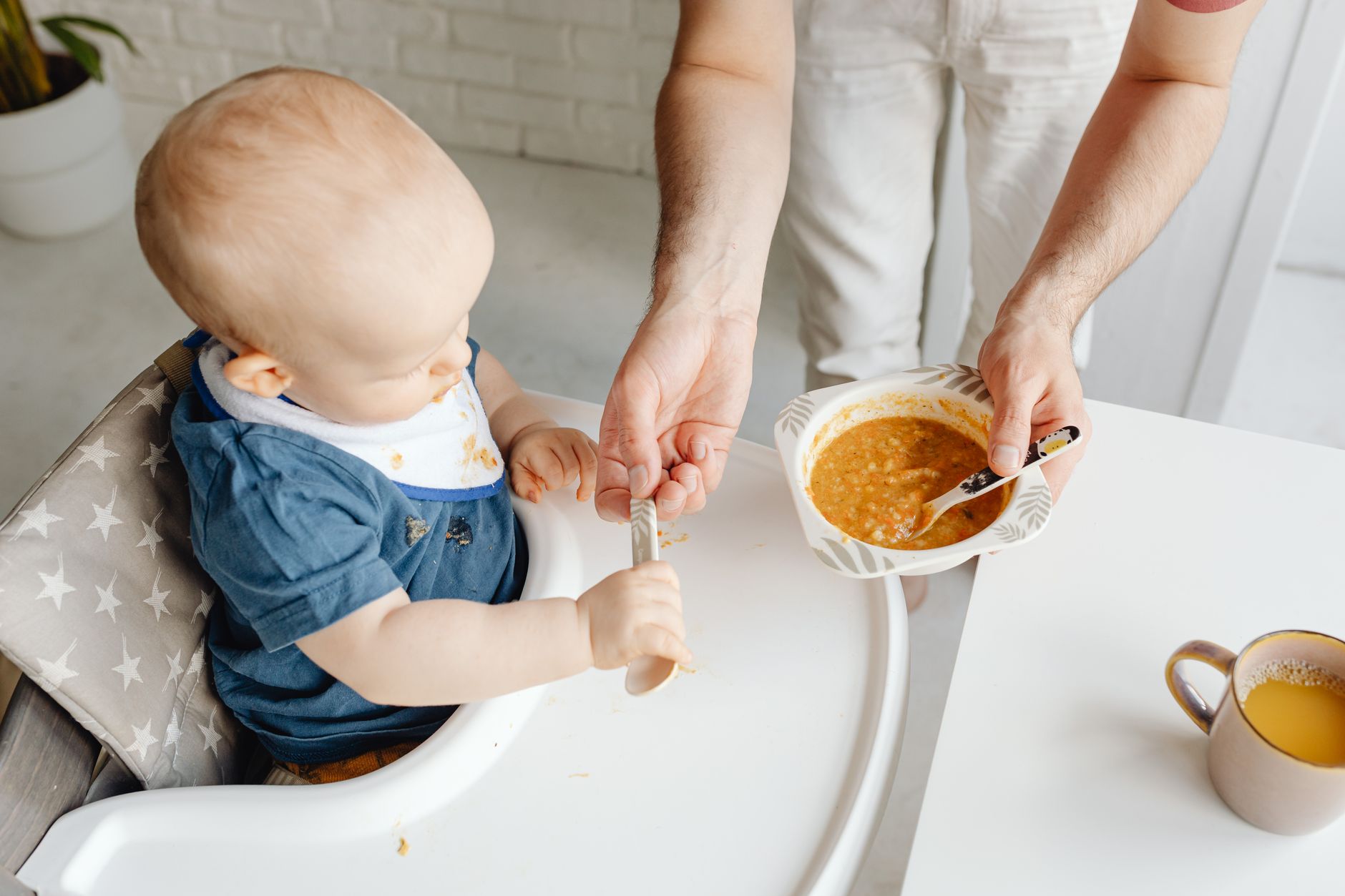
It’s 5:30 p.m., and your baby is sitting in the high chair, watching you eat with wide, curious eyes. They reach for your spoon, grab at your plate, and suddenly, you’re hit with the question: Are they ready for this? You’ve heard the “6-month rule,” but your friend’s baby started at 4 months, and your mom swears you were eating mashed bananas at 3 months. The internet is a minefield of conflicting advice—some say wait until 6 months, others say start earlier to prevent allergies, and a few even suggest rice cereal in a bottle (spoiler: don’t do that).
🔢 Calculate it for your situation: Use our Food Introduction Tracker for a personalized result in seconds.
Here’s the truth: there’s no one-size-fits-all answer. Every baby develops at their own pace, and the best time to start solids depends on their signs of readiness—not just a number on the calendar. That said, there are clear guidelines to follow, safe ways to introduce allergens, and a simple schedule to help you navigate this messy, exciting milestone without the guesswork. Below, we’ll walk you through exactly how to know when your baby is ready, what to feed them first, how to introduce allergens safely, and how to track their progress week by week. By the end, you’ll have a clear roadmap (and maybe a little less food on the floor).
The moment you’ve been waiting for—your baby’s first taste of solids. Start with small amounts and watch for their reaction.
How do I know if my baby is ready for solid foods?
Forget the calendar for a second. The real question isn’t “How old is my baby?” but “Is my baby ready?” Starting solids too early (before 4 months) can increase the risk of choking, allergies, and even obesity later in life, while waiting too long (after 6 months) can lead to nutrient deficiencies, especially iron. The sweet spot? Between 4 and 6 months—but only if your baby shows these key signs of readiness:
Good head and neck control: Your baby can sit upright with minimal support and hold their head steady. This is non-negotiable—if they’re slumping or wobbly, they’re not ready.
Shows interest in food: They watch you eat, reach for your plate, or open their mouth when you offer a spoon. (If they turn away or seem disinterested, they’re telling you they’re not ready yet.)
Loss of the tongue-thrust reflex: Babies are born with a reflex that pushes food out of their mouth. When they’re ready for solids, this reflex fades, and they can move food to the back of their throat to swallow. (If food keeps coming back out, give it a little more time.)
Ability to sit in a high chair: They should be able to sit with support and have enough core strength to stay upright. A reclined position increases the risk of choking.
One mom we talked to, Sarah, described the moment she knew her son was ready: “At 5 months, he started grabbing at my fork every time I ate. I’d pull it away, and he’d fuss—so I finally let him try a tiny bit of mashed avocado. He gummed it, made a face, and then reached for more. That was my sign.”
If your baby isn’t showing these signs by 6 months, talk to your pediatrician. Some babies, especially those born prematurely, may need a little more time. Others might be ready as early as 4 months, but this is less common and should always be discussed with your provider first.
When should I start introducing solid foods? The age-based timeline
By 6 months, most babies have developed the motor skills needed to eat safely.
Breast milk or formula alone no longer meets all their nutritional needs, especially for iron and zinc.
Introducing solids too early (before 4 months) is linked to a higher risk of allergies, obesity, and digestive issues.
Waiting too long (after 6 months) can make it harder for babies to accept new textures and flavors.
That said, every baby is different. Some may show readiness signs as early as 4 months, while others may not be interested until closer to 7 months. Here’s a general age-based timeline to guide you:
Age
What to Expect
What to Feed
Feeding Tips
4–6 months
Showing signs of readiness (head control, interest in food, loss of tongue-thrust reflex).
Start with 1–2 tablespoons of iron-rich single-ingredient foods (e.g., iron-fortified cereal, mashed sweet potato, pureed peas). Introduce one new food every 3–5 days to watch for allergies.
Offer solids once a day, after a milk feeding. Keep sessions short (5–10 minutes) and fun. Let your baby lead—if they turn away, they’re done.
6–8 months
Can sit upright with minimal support, may start grabbing food with hands, and shows more interest in textures.
Introduce thicker purees, mashed foods, and soft finger foods (e.g., avocado slices, banana spears, steamed carrot sticks). Begin introducing common allergens (see allergen guide below).
Aim for 2–3 meals a day, with breast milk or formula still as the main source of nutrition. Let your baby explore textures—messy is good!
8–10 months
Developing a pincer grasp (thumb and forefinger), can pick up small pieces of food, and may start chewing (even without teeth!).
Offer soft, bite-sized pieces of food (e.g., scrambled eggs, shredded chicken, soft-cooked pasta, small pieces of fruit). Continue introducing new allergens.
Increase to 3 meals a day, plus 1–2 snacks. Encourage self-feeding, but always supervise closely to prevent choking.
10–12 months
Can drink from a sippy cup, may start using a spoon (with help), and can handle a wider variety of textures.
Transition to family foods (cut into small, soft pieces). Offer a mix of finger foods and mashed or chopped foods. Continue introducing new allergens.
Aim for 3 meals and 2 snacks a day. Breast milk or formula can be reduced to about 16–24 oz per day, but solids should now be the main source of nutrition.
12+ months
Can eat most table foods, may start using a spoon independently, and can drink from an open cup.
Offer a variety of foods from all food groups, including whole cow’s milk (if approved by your pediatrician). Continue to introduce new foods and allergens.
Establish a routine of 3 meals and 2–3 snacks a day. Encourage self-feeding and independence, but always supervise meals.
Remember, this is a guide, not a rulebook. Some babies will progress faster, while others may take more time. The key is to follow your baby’s cues and go at their pace. If you’re ever unsure, our Food Introduction Tracker can help you log what your baby has tried, when they tried it, and any reactions they had.
What are the best first foods for my baby?
When it comes to first foods, think iron-rich, easy to digest, and low-risk for allergies. Iron is especially important because babies’ iron stores start to deplete around 6 months, and breast milk or formula alone can’t meet their needs. Here are some of the best first foods to try, along with how to prepare them:
Iron-fortified single-grain cereal: Mix 1 tablespoon of cereal with 4–5 tablespoons of breast milk or formula to create a thin, soupy consistency. As your baby gets used to it, you can thicken it slightly. Avoid rice cereal if possible—it’s low in nutrients and may contain traces of arsenic. Opt for oat or barley cereal instead.
Mashed or pureed sweet potato: Sweet potatoes are packed with vitamin A, which supports your baby’s immune system and vision. Steam or bake a sweet potato until soft, then mash it with a fork or blend it with a little breast milk or formula for a smoother texture.
Pureed peas: Peas are a great source of iron, vitamin K, and fiber. Steam fresh or frozen peas until tender, then blend them with a little water or breast milk until smooth. You can also mash them with a fork for a thicker texture.
Avocado: Avocados are rich in healthy fats, which are essential for your baby’s brain development. Mash a ripe avocado with a fork or cut it into small, soft slices for finger food. No cooking required!
Mashed banana: Bananas are easy to digest and naturally sweet, making them a hit with most babies. Mash a ripe banana with a fork or cut it into small pieces for finger food. Avoid giving whole bananas—they can be a choking hazard.
Pureed carrots: Carrots are high in vitamin A and have a naturally sweet taste. Steam or boil carrots until soft, then blend them with a little water or breast milk until smooth. You can also cut them into thin, soft sticks for finger food.
Pureed lentils or beans: Lentils and beans are excellent sources of iron, protein, and fiber. Cook them until very soft, then blend them with a little water or breast milk until smooth. You can also mash them with a fork for a thicker texture.
When introducing new foods, start with single-ingredient options and wait 3–5 days before introducing another new food. This makes it easier to identify any allergic reactions or sensitivities. Once your baby has tried a few single-ingredient foods, you can start mixing them together (e.g., mashed sweet potato and peas, or avocado and banana).
One mom, Priya, shared her experience with first foods: “I was so nervous about starting solids, but my pediatrician suggested we try mashed avocado first. My daughter loved it! She’d grab at the spoon and make these little ‘mmm’ sounds. It was such a relief to see her enjoying it.”
Start with single-ingredient foods like mashed sweet potato, avocado, and peas. Introduce one new food every 3–5 days to watch for reactions.
How to introduce common allergens (and why you should do it early)
For years, parents were told to avoid giving babies common allergens like peanuts, eggs, and dairy until they were older. But new research has turned that advice on its head. The Learning Early About Peanut Allergy (LEAP) study, published in the New England Journal of Medicine, found that introducing peanut products to babies as early as 4–6 months reduced the risk of developing a peanut allergy by up to 80%. Similar studies have shown that early introduction of other common allergens, like eggs and dairy, may also lower the risk of allergies.
Here’s what you need to know about introducing allergens safely:
When to introduce allergens
You can start introducing common allergens as early as 4–6 months, as long as your baby is showing signs of readiness for solids. The key is to introduce them early and often—once your baby has tolerated a few single-ingredient foods, you can start offering allergens regularly (at least 2–3 times a week) to maintain tolerance.
Which allergens to introduce first
The most common food allergens include:
Peanuts
Eggs
Dairy (cow’s milk, cheese, yogurt)
Wheat
Soy
Tree nuts (almonds, cashews, walnuts, etc.)
Fish (salmon, tuna, etc.)
Shellfish (shrimp, crab, etc.)
Sesame
Start with one allergen at a time, and wait 3–5 days before introducing another. This makes it easier to identify any reactions. If your baby has eczema or a family history of food allergies, talk to your pediatrician before introducing allergens—they may recommend allergy testing or a supervised introduction.
How to introduce each allergen
Here’s how to safely introduce some of the most common allergens:
Allergen
How to Introduce
What to Watch For
Peanuts
Mix 2 teaspoons of smooth peanut butter with 2–3 teaspoons of warm water, breast milk, or formula to thin it out. Offer a small amount (about ¼ teaspoon) on the tip of a spoon or mixed into a puree. You can also use peanut powder or peanut-containing baby snacks. Avoid whole peanuts or chunky peanut butter—they’re choking hazards.
Hives, rash, vomiting, diarrhea, or difficulty breathing. If you notice any of these, stop giving peanuts and call your pediatrician.
Eggs
Hard-boil an egg, then mash the yolk with a little breast milk or formula. Start with ¼ teaspoon of mashed yolk, then gradually increase to the whole yolk. Once your baby has tolerated the yolk, you can introduce the white. You can also scramble a small piece of egg (well-cooked, no runny yolk) or offer it as a soft finger food.
Rash, vomiting, diarrhea, or swelling around the mouth. If you notice any of these, stop giving eggs and call your pediatrician.
Dairy
Start with plain, whole-milk yogurt or small amounts of shredded cheese. You can also mix a little cow’s milk into cereal or purees. Avoid giving cow’s milk as a drink until your baby is 12 months old.
Rash, vomiting, diarrhea, or blood in the stool. If you notice any of these, stop giving dairy and call your pediatrician.
Wheat
Start with iron-fortified baby cereal made from wheat, or offer small pieces of soft whole-wheat toast or pasta. You can also mix wheat cereal into purees.
Rash, vomiting, diarrhea, or bloating. If you notice any of these, stop giving wheat and call your pediatrician.
Soy
Start with plain, unsweetened soy yogurt or tofu (soft or silken, cut into small pieces). You can also mix a little soy milk into cereal or purees. Avoid giving soy milk as a drink until your baby is 12 months old.
Rash, vomiting, diarrhea, or bloating. If you notice any of these, stop giving soy and call your pediatrician.
Tree nuts
Mix 2 teaspoons of smooth almond, cashew, or other nut butter with 2–3 teaspoons of warm water, breast milk, or formula to thin it out. Offer a small amount (about ¼ teaspoon) on the tip of a spoon or mixed into a puree. You can also use nut powders or nut-containing baby snacks. Avoid whole nuts or chunky nut butters—they’re choking hazards.
Hives, rash, vomiting, diarrhea, or difficulty breathing. If you notice any of these, stop giving tree nuts and call your pediatrician.
Fish
Start with mild, low-mercury fish like salmon or cod. Steam or bake the fish until very soft, then flake it into small pieces or mix it into a puree. Avoid high-mercury fish like shark, swordfish, king mackerel, and tilefish.
Rash, vomiting, diarrhea, or swelling around the mouth. If you notice any of these, stop giving fish and call your pediatrician.
Sesame
Start with tahini (sesame paste) mixed with a little water, breast milk, or formula to thin it out. Offer a small amount (about ¼ teaspoon) on the tip of a spoon or mixed into a puree. You can also sprinkle sesame seeds on soft foods like avocado or sweet potato.
Hives, rash, vomiting, or difficulty breathing. If you notice any of these, stop giving sesame and call your pediatrician.
What to do if your baby has a reaction
Most allergic reactions in babies are mild and may include:
A rash or hives around the mouth or on the body
Mild vomiting or diarrhea
Swelling of the lips or face
If you notice any of these symptoms, stop giving the allergen and call your pediatrician. They may recommend an antihistamine (like Benadryl) for mild reactions, but always check with them first—never give medication without their approval.
In rare cases, a baby may have a severe allergic reaction called anaphylaxis, which can be life-threatening. Signs of anaphylaxis include:
Difficulty breathing or wheezing
Swelling of the throat or tongue
Pale or blue skin
Loss of consciousness
If you notice any of these symptoms, call 911 or your local emergency number immediately. If your baby has a known severe allergy, your pediatrician may prescribe an epinephrine auto-injector (like an EpiPen) to keep on hand.
One dad, Mark, shared his experience introducing allergens: “We were so nervous about giving our son peanuts, but our pediatrician walked us through it. We started with a tiny bit of peanut butter mixed into his oatmeal, and he loved it! We’ve been giving it to him regularly ever since, and he’s had no issues. It’s such a relief to know we’re doing everything we can to prevent allergies.”
How much and how often should my baby eat solid foods?
When you first start solids, think of them as a supplement to breast milk or formula—not a replacement. Your baby’s main source of nutrition should still be milk until they’re about 12 months old. Here’s a general guide to how much and how often to offer solids as your baby grows:
Age
Number of Meals per Day
Portion Size per Meal
Notes
4–6 months
1 meal
1–2 tablespoons
Start with one meal a day, after a milk feeding. Keep sessions short (5–10 minutes) and fun. Let your baby lead—if they turn away, they’re done.
6–8 months
2–3 meals
2–4 tablespoons per food
Aim for 2–3 meals a day, with breast milk or formula still as the main source of nutrition. Offer a variety of textures and flavors, and let your baby explore.
8–10 months
3 meals + 1–2 snacks
¼ to ½ cup per food
Increase to 3 meals a day, plus 1–2 snacks. Encourage self-feeding, but always supervise closely to prevent choking. Offer a mix of finger foods and mashed or chopped foods.
10–12 months
3 meals + 2 snacks
½ to ¾ cup per food
Aim for 3 meals and 2 snacks a day. Breast milk or formula can be reduced to about 16–24 oz per day, but solids should now be the main source of nutrition. Offer a variety of family foods, cut into small, soft pieces.
12+ months
3 meals + 2–3 snacks
¾ to 1 cup per food
Establish a routine of 3 meals and 2–3 snacks a day. Offer a variety of foods from all food groups, including whole cow’s milk (if approved by your pediatrician). Encourage self-feeding and independence.
Remember, these are just guidelines. Some babies will eat more, while others will eat less. The key is to follow your baby’s hunger and fullness cues. If they’re turning away, pushing food away, or getting fussy, they’re probably done. If they’re still hungry after finishing their portion, offer a little more.
One mom, Lisa, shared her experience with portion sizes: “I was so worried my son wasn’t eating enough. He’d take a few bites and then play with his food. But our pediatrician reminded me that babies are good at regulating their hunger. As long as he’s growing and gaining weight, he’s getting what he needs.”
What foods should I avoid when starting solids?
Not all foods are safe for babies, especially when they’re first starting solids. Some foods are choking hazards, while others can cause illness or allergic reactions. Here’s what to avoid:
Choking hazards
Babies don’t develop the ability to chew and swallow effectively until they’re around 4 years old, so it’s important to avoid foods that are hard, round, or sticky. Common choking hazards include:
Whole nuts and seeds
Popcorn
Hard, raw fruits and vegetables (e.g., whole carrots, apples, celery)
Large chunks of meat or cheese
Whole grapes, cherry tomatoes, or berries (cut them into quarters)
Hot dogs or sausages (cut them lengthwise and then into small pieces)
Sticky foods like peanut butter (thin it out with water or breast milk)
Hard candies, gum, or marshmallows
To reduce the risk of choking, always cut food into small, soft pieces (about the size of a pea for younger babies, and the size of a fingernail for older babies). Avoid giving your baby food while they’re lying down or in a car seat, and always supervise meals closely.
Foods that can cause illness
Some foods can cause foodborne illness, which can be especially dangerous for babies. Avoid:
Honey: Honey can contain spores of Clostridium botulinum, which can cause infant botulism—a rare but serious illness. Avoid giving honey to babies under 12 months old.
Unpasteurized dairy or juice: Unpasteurized products can contain harmful bacteria like E. coli or Listeria. Stick to pasteurized dairy and juice for your baby.
Raw or undercooked meat, poultry, fish, or eggs: These can contain harmful bacteria or parasites. Always cook meat, poultry, fish, and eggs thoroughly before giving them to your baby.
High-mercury fish: Fish like shark, swordfish, king mackerel, and tilefish can contain high levels of mercury, which can harm your baby’s developing nervous system. Stick to low-mercury fish like salmon, cod, and light tuna.
Added salt or sugar: Babies’ kidneys can’t handle too much salt, and sugar can contribute to tooth decay and unhealthy eating habits. Avoid adding salt or sugar to your baby’s food, and limit processed foods that contain them.
Foods that may cause allergies
While it’s important to introduce common allergens early, you should still be cautious. If your baby has eczema or a family history of food allergies, talk to your pediatrician before introducing allergens. Start with small amounts and watch for reactions.
Foods that are low in nutrients
Some foods are filling but don’t offer much nutritional value. Limit or avoid:
Processed foods like chips, crackers, or sugary snacks
Sweetened drinks like soda, juice, or flavored milk
White bread, pasta, or rice (opt for whole-grain versions instead)
One dad, James, shared his experience with choking hazards: “I didn’t realize how small the pieces needed to be. My daughter choked on a piece of apple, and it was terrifying. Now I cut everything into tiny pieces and always watch her while she eats.”
How to handle picky eating and common challenges
Starting solids is an exciting milestone, but it’s not always smooth sailing. Many babies go through phases of picky eating, food refusal, or messy mealtimes. Here’s how to handle some of the most common challenges:
Picky eating
It’s normal for babies to go through phases where they refuse certain foods or textures. Here’s what you can do:
Offer a variety of foods: The more foods your baby tries, the more likely they are to find something they like. Keep offering new foods, even if they’ve refused them before.
Be patient: It can take 10–15 tries before a baby accepts a new food. Don’t give up after the first few attempts.
Let your baby explore: Babies learn about food through touch, smell, and taste. Let them play with their food—it’s all part of the process.
Set a good example: Eat meals together as a family, and let your baby see you enjoying a variety of foods. Babies are more likely to try foods they see others eating.
Avoid pressure: Forcing your baby to eat can create negative associations with food. Offer food, but let your baby decide how much to eat.
Food refusal
If your baby refuses to eat, try not to worry. Here’s what you can do:
Check for hunger cues: If your baby is turning away or getting fussy, they may not be hungry. Offer milk instead.
Try a different food: If your baby refuses one food, offer something else. They may be in the mood for something different.
Keep mealtimes positive: Avoid distractions like screens or toys during meals. Focus on making mealtimes a pleasant, social experience.
Offer small portions: Large portions can be overwhelming. Start with small amounts and let your baby ask for more.
Messy mealtimes
Messy mealtimes are a normal part of the process. Here’s how to make them a little easier:
Use a bib with a catch tray: A bib with a built-in tray can catch food that falls, making cleanup easier.
Put a splash mat under the high chair: A plastic or silicone mat can protect your floor from spills and splatters.
Embrace the mess: Let your baby explore their food with their hands. It’s all part of the learning process.
Keep wipes handy: Have a pack of wipes nearby for quick cleanups.
Constipation
Some babies experience constipation when they start solids, especially if they’re eating a lot of low-fiber foods like rice cereal. Here’s what you can do:
Offer high-fiber foods: Foods like prunes, pears, peas, and lentils can help relieve constipation.
Encourage fluids: Offer water with meals to help keep things moving.
Try a warm bath: A warm bath can help relax your baby’s muscles and relieve constipation.
Massage your baby’s tummy: Gently massage your baby’s tummy in a clockwise motion to help stimulate bowel movements.
Talk to your pediatrician: If your baby is constipated for more than a few days or seems uncomfortable, talk to your pediatrician. They may recommend a small amount of prune juice or a glycerin suppository.
Diaper rash
New foods can change the pH of your baby’s stool, which can lead to diaper rash. Here’s how to prevent and treat it:
Change diapers frequently: The longer your baby sits in a wet or dirty diaper, the more likely they are to develop a rash.
Use a barrier cream: Apply a thin layer of zinc oxide cream or petroleum jelly to your baby’s bottom at each diaper change to protect their skin.
Let your baby go diaper-free: Give your baby some diaper-free time each day to let their skin air out.
Avoid wipes with alcohol or fragrance: These can irritate your baby’s
🔢 Ready to crunch your numbers? Use our Food Introduction Tracker for a personalized result in seconds.
Not sure about the label on When To Introduce Solid Foods Age Based Tracker Allergen Guide products?
Snap the ingredients list and SafeFilter checks every ingredient for your stage — only 3 free scans this month, then you're locked until reset. Unlimited from $7/mo or $50/yr.
When Shubhra Mishra was expecting her first child in 2016, she was overwhelmed by conflicting food advice — one site said yes, another said never. By the time her second baby arrived in 2019, she realized millions of mothers face the same confusion.
That sparked a five-year journey through clinical nutrition papers, cultural diets, and expert conversations — all leading to BumpBites: a calm, compassionate space where science meets everyday motherhood.
Her long-term vision is to build a global community ensuring safe, supported, and free deliveriesfor every mother — because no woman should face pregnancy alone or uninformed. 🌿
🌍 Stand with mothers, shape safer guidance
Join a small circle of experts who review BumpBites articles so expecting parents everywhere can decide with confidence.