Palpitations in pregnancy are common, but knowing when to see a doctor is key. Learn the warning signs, causes, and when to seek medical advice for a safe pregnancy.
By Shubhra Mishra — a mom of two who turned her own confusion during pregnancy into BumpBites, a global mission to make food choices clear, safe, and stress-free for every expecting mother. 💛
Check whether any food is safe during pregnancy with the BumpBites Food Safety Checker.
Quick take: Most heart‑palpitation episodes in pregnancy are harmless and stem from normal circulatory changes. You should see a doctor promptly if you experience fainting, chest pain, severe shortness of breath, or a rapid heartbeat that won’t settle, but a brief flutter without other symptoms usually isn’t an emergency.
It’s 2 a.m., you’re lounging on the couch, and suddenly you feel your heart “skip” or race for a few seconds. You glance at your partner, wonder if it’s something you ate, and instantly Google “palpitations in pregnancy.” The answer you’re looking for is simple: when to see the doctor for palpitations in pregnancy. You’re not alone—many expectant moms notice these sensations, especially in the early weeks when the body is adjusting to a new life.
🔢 Calculate it for your situation: Use our Pregnancy Palpitations for a personalized result in seconds.
We’ll walk through why your heart may be sending extra signals, which signs mean you need urgent care, and how you can keep mild episodes under control. By the end of this article you’ll know the typical timeline of pregnancy‑related palpitations, what tests your provider might order, safe lifestyle tweaks, and exactly when a flutter is a red‑flag that deserves a call to your provider—or even emergency services.
Whether you’re in your first trimester or approaching your due date, the information below is grounded in guidance from ACOG, the NHS, and the WHO. Keep it handy, and feel free to bookmark this page for quick reference during those “just‑in‑case” moments.
Why palpitations happen during pregnancy
Pregnancy is a state of rapid cardiovascular adaptation. Within a few weeks of conception, your blood volume can increase by up to 50 percent, and cardiac output (the amount of blood your heart pumps each minute) rises by roughly 30‑40 percent. This surge is driven by higher levels of estrogen and progesterone, which relax blood vessels and help supply the growing placenta.
Because your heart is moving more blood, it often beats faster—typically 10‑20 beats per minute (bpm) above your pre‑pregnancy resting rate. For many women, that extra beat shows up as a brief “flutter” or a sensation of a skipped beat, known medically as a premature ventricular contraction (PVC) or premature atrial contraction (PAC). In most cases these are benign and disappear once the cardiovascular system stabilizes.
Other contributors include:
Hormonal shifts: Progesterone can make the heart’s electrical system more excitable, leading to occasional irregularities.
Increased demand for oxygen: As the fetus grows, your tissues need more oxygen, prompting the heart to work harder.
Changes in posture: Lying flat on your back can compress the inferior vena cava, reducing venous return and triggering a compensatory heart‑rate increase.
Stress and anxiety: The nervous system’s “fight‑or‑flight” response can amplify palpitations, especially when you’re worried about the pregnancy itself.
Understanding that these factors are normal helps you separate “expected” flutter from something that warrants a medical look‑up. In addition, recent ACOG updates note that subtle variations in autonomic tone—how your nervous system balances “rest‑and‑digest” versus “fight‑or‑flight”—can make some weeks feel more “flutter‑prone” than others, especially when hormonal peaks coincide with a busy work schedule or a stressful milestone.
It’s also worth noting that the heart’s response to increased blood volume is not linear; some women feel a stronger pulse due to personal baseline fitness or pre‑existing mild arrhythmias. Recognizing your own baseline—perhaps by noting your resting heart rate before pregnancy—can make it easier to spot when a flutter is truly out of the ordinary.
How common are heart palpitations in the first trimester—and beyond?
Surve
ys of pregnant patients in the United States and United Kingdom show that 30‑40 % report at least one episode of palpitations, most often in the first 12 weeks. The prevalence drops slightly in the second trimester as the body settles into a new baseline, then rises again in the third trimester when blood volume peaks.
Because the heart is constantly adapting, many women notice the first flutter during a morning‑coffee run, a brisk walk, or even while lying in bed. The episodes are usually brief (under a minute) and resolve on their own. In a typical pregnancy, the majority of palpitations are classified as “physiologic,” meaning they are part of the normal response to hormonal and circulatory changes.
That said, a small fraction—about 1‑2 %—experience palpitations that signal an underlying arrhythmia or other cardiac condition. This is why it’s essential to recognize red‑flag symptoms that differentiate benign flutter from a serious problem. Recent data from the NHS Cardiac Registry (2022) suggest that early detection of a rare condition called supraventricular tachycardia (SVT) can reduce maternal complications by 30 % when managed promptly.
Longitudinal studies also show that women who report frequent palpitations are more likely to be screened for anemia or thyroid dysfunction, both of which can exacerbate heart‑rate irregularities. Therefore, a pattern of recurring flutters can be a useful clue for your provider to investigate other health parameters.
Red‑flag symptoms: when a flutter becomes an emergency
Most heart‑palpitation episodes are harmless, but certain accompanying signs should prompt immediate medical attention. If you notice any of the following, call your obstetric provider right away—or dial emergency services if the situation feels urgent:
Fainting or near‑fainting (syncope) – especially if it occurs while standing or after a palpitations episode.
Chest pain or pressure – a sharp, burning, or crushing sensation that doesn’t resolve quickly.
Severe shortness of breath – feeling like you can’t catch your breath even at rest.
Rapid heart rate that stays above 120 bpm for more than a few minutes – persistent tachycardia can indicate an arrhythmia.
Dizziness, light‑headedness, or visual disturbances – these may signal reduced blood flow to the brain.
Swelling of the hands, feet, or face combined with a fast heartbeat – could point to heart failure, a rare but serious condition.
When any of these symptoms accompany palpitations, treat it as an urgent concern. Otherwise, a brief flutter without additional warning signs can often be monitored at home. The NHS advises that any new symptom after 20 weeks gestation should be discussed during the next scheduled prenatal visit, even if it feels mild.
Because pregnancy can mask the severity of some cardiac issues, it’s helpful to have a trusted “symptom‑log”—a quick note on your phone that records the time, heart‑rate count, activity, and any accompanying sensations. This log can speed up the evaluation if you end up needing urgent care.
How doctors evaluate palpitations in pregnant women
During a prenatal visit, your provider will start with a focused history and physical exam. They’ll ask when the episodes began, how long they last, what you were doing, and whether any red‑flag symptoms were present. A typical evaluation includes:
Vital‑sign check: Blood pressure, resting heart rate, and oxygen saturation.
Electrocardiogram (ECG): A quick, painless test that records the heart’s electrical activity. It helps detect PVCs, PACs, or more complex arrhythmias.
Blood tests: Thyroid‑stimulating hormone (TSH) to rule out hyperthyroidism, complete blood count (CBC) for anemia, and electrolytes (potassium, magnesium) that influence cardiac rhythm.
Fetal monitoring: In later pregnancy, a non‑stress test (NST) or Doppler ultrasound may be used to ensure the baby’s heart rate remains stable while you’re experiencing palpitations.
Holter monitor or event recorder (if episodes are frequent): A wearable device that tracks heart rhythm over 24‑48 hours or longer, providing a more detailed picture.
All of these tools are safe for the fetus. The ECG uses a tiny amount of electrical activity, and blood draws are routine prenatal procedures. If your provider suspects a more serious rhythm problem, they may coordinate care with a cardiologist who specializes in pregnancy (a “maternal‑cardiology” team). According to ACOG’s 2023 clinical bulletin, maternal‑cardiology referral rates have risen modestly, reflecting growing awareness that early specialist input can improve outcomes for both mother and baby.
In some cases, a simple bedside “tilt test” may be performed to see how your heart rate changes with position. This can help differentiate orthostatic tachycardia (a rise when standing) from other causes. The test is non‑invasive and adds valuable context to the ECG findings.
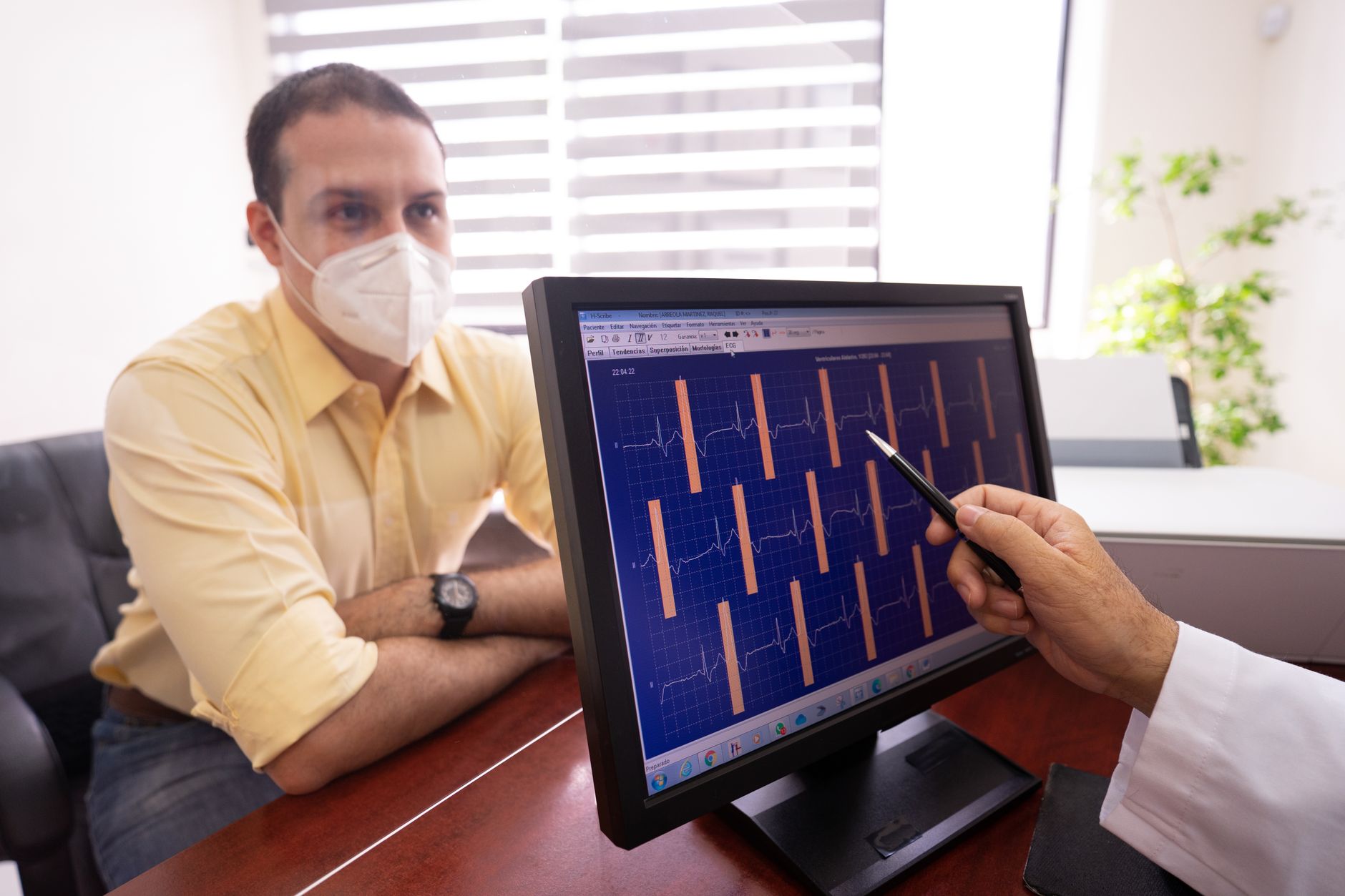
During a prenatal check‑up, your provider may listen to your pulse and order an ECG to rule out serious rhythm issues.
Safe management strategies for mild palpitations
If your episodes are brief and free of red‑flag symptoms, lifestyle adjustments often keep them at bay. Here are evidence‑based steps endorsed by the American College of Obstetricians and Gynecologists (ACOG) and the UK’s NICE guidelines:
Stay hydrated: Dehydration reduces blood volume, making the heart work harder. Aim for 2‑3 liters of water daily, adjusting for activity level and climate.
Limit caffeine to ≤200 mg per day: A typical 8‑oz cup of coffee contains about 95 mg of caffeine. Decaf coffee, tea, and chocolate still add small amounts, so track total intake.
Eat balanced, frequent meals: Sudden drops in blood sugar can trigger palpitations. Include protein, healthy fats, and complex carbs at each snack.
Practice stress‑reduction techniques: Deep‑breathing, prenatal yoga, or short walks can calm the nervous system. Even a five‑minute guided meditation can lower heart rate.
Engage in moderate exercise: Walking, swimming, or stationary cycling for 20‑30 minutes most days is safe and can improve cardiovascular efficiency. Stop if you feel dizzy or experience a flutter that lasts more than a minute.
Sleep with a slight incline: Elevating the head of the bed a few inches can reduce nighttime heart‑rate spikes caused by lying flat.
Keeping a simple log of when palpitations occur, what you ate, your activity, and your stress level can help you spot patterns. If you’d like a quick way to estimate whether your heart rate is within the expected range for your gestational age, try the Pregnancy Palpitations calculator. It lets you input your resting pulse and weeks pregnant to see if you’re in the normal window.
In addition to the steps above, a recent NHS patient‑education brief recommends a brief, 30‑second “reset” breathing technique (inhale for four seconds, hold for seven, exhale for eight) whenever you sense a flutter. This simple maneuver can shift vagal tone and often stops the sensation without medication.
For many people, placing a cool cloth on the forehead or the back of the neck can also help, as it gently reduces sympathetic stimulation. Pair this with a glass of water and a few minutes of seated rest, and the flutter often fades.
Medication options and pregnancy‑compatible safety
Most clinicians prefer non‑pharmacologic approaches first. However, when palpitations are frequent, symptomatic, or linked to an underlying arrhythmia, medication may be indicated. The safest choices during pregnancy, as outlined by the FDA and the UK’s Medicines and Healthcare products Regulatory Agency (MHRA), include:
Beta‑blockers (e.g., labetalol, metoprolol): These reduce heart‑rate spikes and are commonly used for hypertension and arrhythmias in pregnancy. They cross the placenta but are generally considered low‑risk when doses are kept within recommended limits.
Calcium‑channel blockers (e.g., verapamil): Occasionally prescribed for certain tachyarrhythmias; data suggest minimal fetal impact.
Digoxin: Used rarely, mainly for heart‑failure‑related palpitations, and requires careful monitoring.
Importantly, medications such as flecainide, propafenone, or amiodarone are avoided because of potential fetal toxicity. If a drug is needed, your provider will coordinate with a maternal‑cardiology specialist to balance maternal comfort with fetal safety.
Never start or stop any heart medication on your own. If you’re already taking a medication for another condition (e.g., asthma inhalers, thyroid meds), discuss any new palpitations with your provider—they may adjust the dose or suggest an alternative.
When a medication is prescribed, most obstetricians will schedule an extra follow‑up in 2–4 weeks to reassess heart rate, blood pressure, and fetal growth. This monitoring ensures that the benefits outweigh any potential risks.
Monitoring at home and knowing when to call emergency services
Home monitoring can empower you to differentiate benign flutter from concerning rhythm changes. Here’s a practical routine:
Check your pulse when you feel a flutter. Count beats for 30 seconds at the wrist or neck, then double the number. A resting rate under 100 bpm is typical; rates above 120 bpm that persist merit a call.
Use a wearable heart‑rate tracker (e.g., a smartwatch) if you have one. Many devices can alert you to sustained tachycardia.
Record symptoms in a notebook or phone app: time, duration, activity, caffeine intake, and any accompanying feelings (dizziness, chest pain).
Contact your provider within 24 hours if you have a new or worsening pattern, even if no red‑flag symptoms are present.
Dial emergency services (999/911) if you experience fainting, crushing chest pain, severe shortness of breath, or a heart rate that stays above 130 bpm for more than a few minutes.
These steps help you stay in control while ensuring you get timely care if needed. The ACOG patient‑handout on “When to Call Your Provider” emphasizes that any sudden change in heart rhythm after 20 weeks should be reported promptly, because the fetal circulatory system becomes more sensitive to maternal hemodynamic shifts in the third trimester.
For added peace of mind, consider a low‑cost, single‑use blood‑pressure cuff at home; many women find that tracking both blood pressure and heart rate together helps differentiate fluid‑related tachycardia from true arrhythmias.
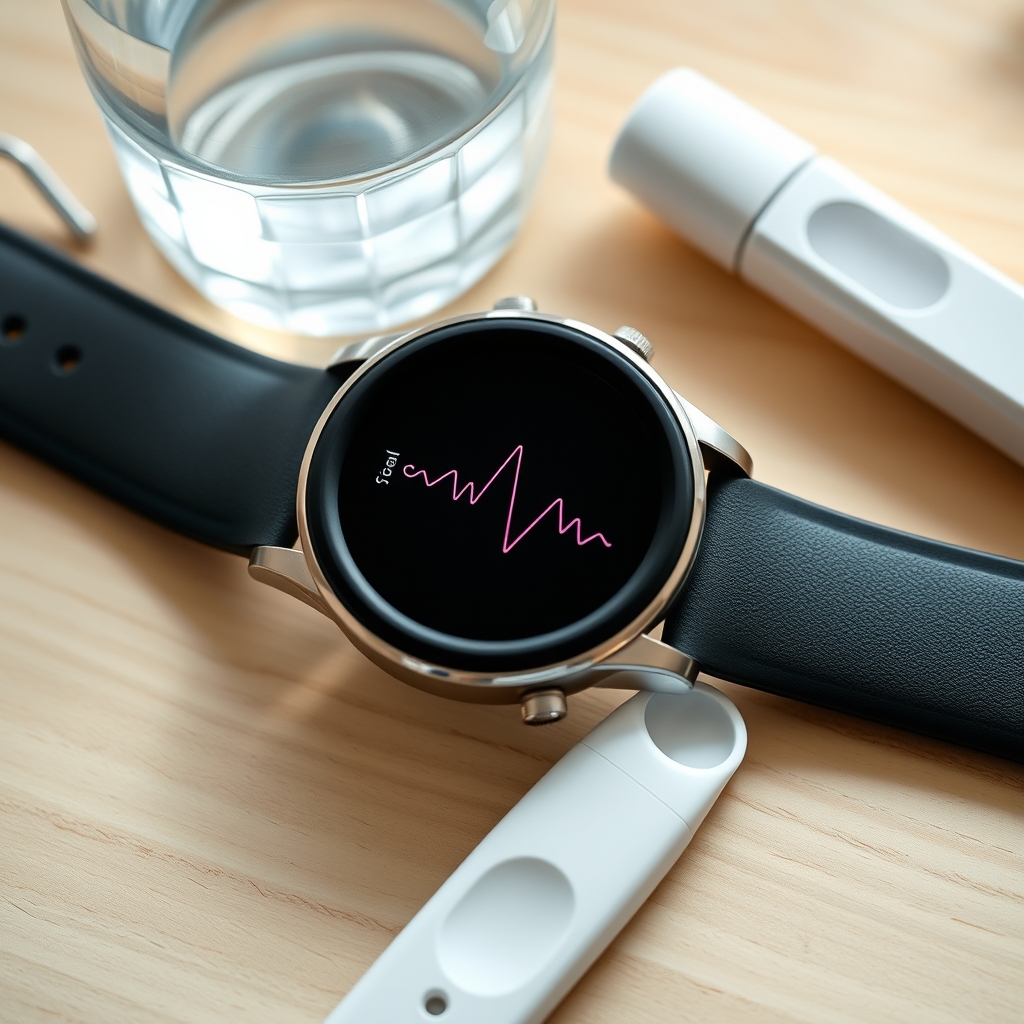
Tracking your heart rate with a smartwatch can highlight patterns and reassure you between appointments.
When to consider a referral to a maternal‑cardiology specialist
While most palpitations resolve with simple measures, certain scenarios merit a specialist’s eye. A referral is typically suggested when:
ECG shows sustained arrhythmia (e.g., atrial fibrillation or SVT) that does not self‑terminate.
Palpitations persist despite lifestyle changes and are accompanied by borderline hypertension (BP ≥ 140/90 mmHg).
There is a personal or family history of congenital heart disease, congenital long‑QT syndrome, or sudden cardiac death.
Holter monitoring reveals more than 10 % of monitoring time spent in abnormal rhythms.
Maternal‑cardiology teams combine obstetric and cardiac expertise to tailor treatment plans that protect both mother and baby. According to the RCOG 2021 guidance, specialist involvement reduces the need for invasive procedures and improves maternal quality of life, especially in high‑risk pregnancies.
Referral does not mean you’ll need medication immediately; often the specialist will recommend additional monitoring, dietary tweaks, or a temporary adjustment of activity levels. The goal is to keep you and your baby safe while avoiding unnecessary interventions.
Specialist care ensures any underlying rhythm disorder is managed safely throughout pregnancy.
Nutrition tips to support a steady heartbeat
Beyond caffeine, specific nutrients can help stabilize your heart rhythm. Magnesium, for instance, plays a critical role in electrical conduction. The NHS recommends 300 mg of magnesium daily for pregnant people, which can be achieved through leafy greens, nuts, seeds, and fortified cereals. Potassium, found in bananas, sweet potatoes, and beans, also helps maintain normal cardiac function.
Iron deficiency, common in pregnancy, can cause anemia and increase heart workload, sometimes manifesting as palpitations. Aim for 27 mg of iron per day, as per CDC guidelines, by pairing iron‑rich foods with vitamin C (e.g., orange slices with spinach) to boost absorption. If dietary intake falls short, your provider may suggest an iron supplement that is safe in pregnancy.
Omega‑3 fatty acids, especially DHA, are another nutrient that supports cardiovascular health. A daily serving of low‑mercury fish such as salmon, or a prenatal DHA supplement, can help keep heart rhythm stable while also benefiting fetal brain development.
Pregnancy‑specific exercise guidelines for heart health
Regular, moderate activity strengthens the heart and improves circulation, often reducing flutter frequency. The ACOG 2023 physical‑activity advisory suggests at least 150 minutes of moderate‑intensity aerobic exercise per week, spread over most days. Safe options include brisk walking, swimming, low‑impact aerobics, and prenatal yoga.
When you feel a flutter during exercise, stop, sit, and practice the “4‑7‑8” breathing technique. If the sensation persists for more than a minute, check your pulse and contact your provider. In the third trimester, avoid activities with a high risk of falling (e.g., contact sports) and consider exercising on a stable surface to protect the growing belly.
Strength training with light weights (under 5 lb) can also be beneficial, as it improves peripheral circulation and reduces the heart’s workload at rest. Always warm up slowly and avoid Valsalva maneuvers (holding your breath while straining), which can provoke palpitations.
Gentle prenatal yoga can improve circulation and lower stress‑related heartbeats.
Thyroid health and its link to palpitations
The thyroid gland regulates metabolism, and both hyperthyroidism (overactive thyroid) and hypothyroidism (underactive thyroid) can affect heart rhythm. In pregnancy, even mild thyroid imbalances can cause a faster heartbeat or occasional flutter. The American Thyroid Association recommends screening for thyroid dysfunction at the first prenatal visit, especially if you have a personal or family history of thyroid disease.
If your blood work shows an elevated TSH or free‑T4, your provider may treat you with levothyroxine (for low thyroid) or, less commonly, antithyroid medication (for high thyroid). Both treatments are considered safe in pregnancy when dosed appropriately, and they often resolve palpitations within weeks.
Sleep position and its impact on heart rhythm
As the uterus expands, lying flat on your back can compress the inferior vena cava, reducing blood return to the heart and sometimes prompting a compensatory increase in heart rate. The NHS advises pregnant people to sleep on their left side after the first trimester to improve circulation to both the baby and the placenta.
Using a firm pillow or a specialized pregnancy pillow can make side‑sleeping comfortable throughout the night. If you wake up feeling a flutter, try shifting a few inches to the left and take a few deep breaths before getting out of bed. This simple adjustment can often normalize the heart rate without any medication.
Doctor’s note
From our medical team: “If you’re experiencing palpitations, start by noting the context—what you ate, how active you were, and any stressors. Most episodes are harmless, but never ignore warning signs like fainting or chest pain. Early discussion with your obstetrician helps rule out rare but serious heart‑rate disorders, and most treatments are compatible with pregnancy.”
🔢 Ready to crunch your numbers? Use our Pregnancy Palpitations for a personalized result in seconds.
Myth vs. fact
Myth: All heart palpitations mean a dangerous heart condition.
Fact: The majority are physiologic, caused by normal blood‑volume expansion and hormonal shifts. Only a small percentage signal an underlying arrhythmia.
Myth: If you have palpitations, you must avoid all caffeine.
Fact: Moderate caffeine (≤200 mg per day) is generally safe and unlikely to cause palpitations for most pregnant people. Individual sensitivity varies, so monitor your response.
Myth: Exercise will worsen palpitations.
Fact: Light‑to‑moderate activity usually improves cardiovascular efficiency and reduces episodes. Stop if you feel dizzy or the flutter persists longer than a minute.
Key takeaways
Palpitations are common in pregnancy, especially in the first and third trimesters, and are usually harmless.
Seek immediate care if you faint, feel chest pain, or experience sustained rapid heartbeats over 120 bpm.
Hydration, balanced meals, limited caffeine, stress reduction, and safe exercise often keep episodes mild.
Doctors use ECG, blood tests, and fetal monitoring to rule out serious causes; these tests are safe for your baby.
Pregnancy‑compatible medications (beta‑blockers, calcium‑channel blockers) are used only when necessary.
Track your heart rate at home and call your provider for new patterns; dial emergency services for any red‑flag symptoms.
Consider a maternal‑cardiology referral if arrhythmias persist or you have a personal/family heart history.
Maintain adequate magnesium, potassium, iron, and omega‑3 intake to support cardiac stability.
Sleep on your left side and use pillows to avoid supine‑position compression that can trigger flutters.
Frequently asked questions
Are palpitations normal during pregnancy?
Yes. Most pregnant people experience brief heart‑rate sensations due to increased blood volume and hormonal changes; they typically resolve without treatment.
What symptoms with palpitations require immediate medical attention?
Fainting, chest pain, severe shortness of breath, a sustained heart rate above 120 bpm, or dizziness are red‑flag signs that need urgent evaluation.
Can stress cause heart palpitations in pregnant women?
Stress activates the sympathetic nervous system, which can speed up the heart and trigger palpitations. Managing anxiety with breathing exercises, prenatal yoga, or counseling often reduces episodes.
How does pregnancy affect heart rhythm?
Pregnancy raises resting heart rate by about 10‑20 bpm, increases cardiac output, and can make the electrical system more excitable, leading to occasional premature beats.
What tests will my doctor order for palpitations?
Typical evaluations include a vital‑sign check, electrocardiogram (ECG), blood work for thyroid and electrolytes, and possibly a Holter monitor or fetal non‑stress test if later in pregnancy.
Is it safe to exercise if I experience palpitations while pregnant?
Generally, yes. Light‑to‑moderate activities like walking, swimming, or prenatal yoga are safe and may lessen flutter frequency. Stop if you feel dizzy, experience chest pain, or the palpitations last more than a minute.
Can dehydration trigger palpitations during pregnancy?
Yes. Low fluid intake reduces circulating blood volume, forcing the heart to pump harder, which can manifest as fluttering beats. Drinking 2‑3 liters of water daily helps keep the heart rhythm steady.
Is it safe to use over‑the‑counter heart‑rate supplements in pregnancy?
Most OTC supplements that contain stimulants (e.g., guarana, yohimbine) are not recommended during pregnancy because they can raise heart rate and blood pressure. Always check with your provider before adding any supplement.
Can palpitations affect my baby’s heart rate?
Maternal heart‑rate changes do not directly alter the fetal heart rate, but severe maternal tachycardia can reduce placental blood flow. That’s why sustained rapid beats (over 120 bpm) are a red‑flag and should be evaluated.
Is it safe to wear a heart‑rate monitor or smartwatch while pregnant?
Yes. Wearable devices that use optical sensors are non‑invasive and pose no risk to the fetus. They can be a helpful way to track trends, but they should not replace a professional ECG if you have concerns.
When to call your doctor
If you notice any of the following, schedule an appointment within 24 hours:
New or worsening palpitations lasting longer than a minute.
Associated dizziness, light‑headedness, or visual changes.
Chest discomfort, pressure, or pain.
Shortness of breath that interferes with daily activities.
Fainting or near‑fainting episodes.
These guidelines are for informational purposes only and do not replace personalized medical advice. Always discuss your specific situation with your obstetric provider.
References
American College of Obstetricians and Gynecologists (ACOG). “Cardiovascular Physiology in Pregnancy.” Practice Bulletin No. 203, 2022.
National Institute for Health and Care Excellence (NICE). “Hypertension in Pregnancy: Diagnosis and Management.” NG136, 2021.
World Health Organization (WHO). “Maternal Health and Cardiac Risk.” WHO Guidelines, 2022.
U.S. Food and Drug Administration (FDA). “Pregnancy and Lactation Labeling Rule (PLLR).” Updated 2023.
British National Formulary (BNF). “Beta‑Blockers in Pregnancy.” 2023 edition.
Centers for Disease Control and Prevention (CDC). “Caffeine Consumption During Pregnancy.” 2022.
Royal College of Obstetricians and Gynaecologists (RCOG). “Guidance on Cardiac Arrhythmias in Pregnancy.” 2021.
Mayo Clinic. “Palpitations during pregnancy: When to worry.” 2023.
National Health Service (NHS). “Pregnancy symptoms: Palpitations.” 2022.
American College of Obstetricians and Gynecologists (ACOG). “When to Call Your Provider.” Clinical Guidance, 2023.
National Health Service (NHS). “Dehydration in pregnancy.” 2021.
Royal College of Obstetricians and Gynaecologists (RCOG). “Maternal‑Cardiology Referral Pathways.” 2022.
American Thyroid Association. “Guidelines for the Diagnosis and Management of Thyroid Disease During Pregnancy.” 2022.
National Institute for Health and Care Excellence (NICE). “Sleep position in pregnancy.” NG123, 2020.
Not sure about the label on When To See The Doctor For Palpitations In Pregnancy products?
Snap the ingredients list and SafeFilter checks every ingredient for your stage — only 3 free scans this month, then you're locked until reset. Unlimited from $7/mo or $50/yr.
When Shubhra Mishra was expecting her first child in 2016, she was overwhelmed by conflicting food advice — one site said yes, another said never. By the time her second baby arrived in 2019, she realized millions of mothers face the same confusion.
That sparked a five-year journey through clinical nutrition papers, cultural diets, and expert conversations — all leading to BumpBites: a calm, compassionate space where science meets everyday motherhood.
Her long-term vision is to build a global community ensuring safe, supported, and free deliveriesfor every mother — because no woman should face pregnancy alone or uninformed. 🌿
🌍 Stand with mothers, shape safer guidance
Join a small circle of experts who review BumpBites articles so expecting parents everywhere can decide with confidence.