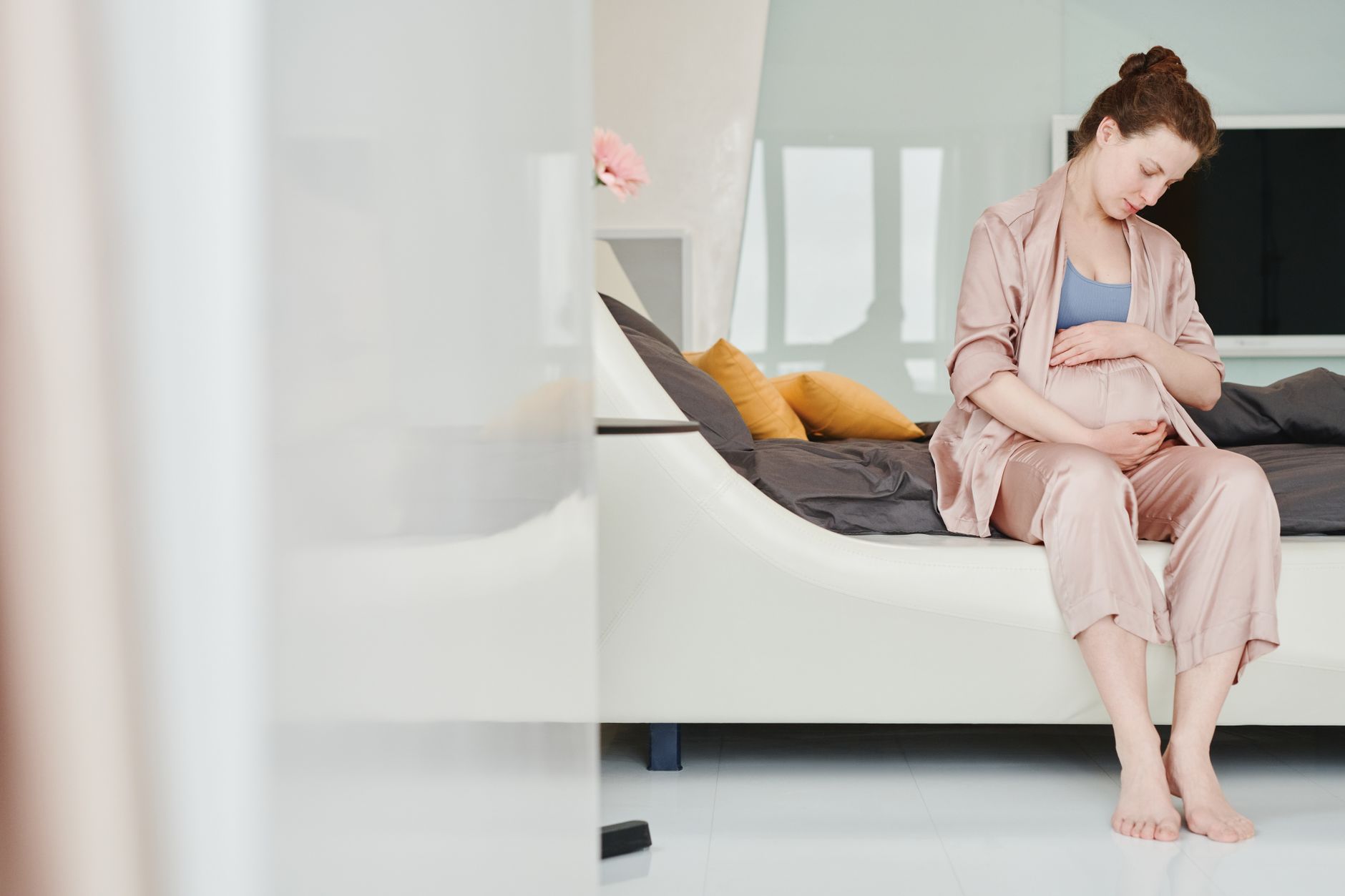
Stomach pain during pregnancy is often normal, caused by gas, constipation, or round ligament pain. Learn common reasons why your stomach hurts during pregnancy and when to seek medical advice for relief and peace of mind.
By Shubhra Mishra — a mom of two who turned her own confusion during pregnancy into BumpBites, a global mission to make food choices clear, safe, and stress-free for every expecting mother. 💛
Check whether any food is safe during pregnancy with the BumpBites Food Safety Checker.
Quick take: Stomach pain is common in pregnancy and is usually linked to the growing uterus, hormonal shifts, or simple digestive changes. Most aches are harmless, but sharp cramping, bleeding, fever or a sudden change in pain pattern warrants a call to your provider.
It’s 2 a.m., you’re lying in bed, and a knot of ache twists in your lower belly just as you finish a midnight snack. You glance at the clock, wonder if it’s “normal,” and scroll through pages of advice that all sound a little different. You’re not alone—many expectant parents wake up with the same question: why does my stomach hurt during pregnancy?
🔢 Calculate it for your situation: Use our Abdominal Pain in Pregnancy for a personalized result in seconds.
Bottom line: most stomach discomfort is part of the body’s natural adaptation to pregnancy, but a few signs mean you should seek medical care right away. Below we’ll walk through the typical reasons pain shows up in each trimester, how hormones affect your gut, which symptoms are warning flags, gentle relief strategies you can try at home, and the conditions that can masquerade as ordinary pregnancy aches. By the end you’ll have a clear roadmap for soothing the ache and knowing when to call your provider.
Stomach pain in each trimester: what’s normal?
Understanding why your belly hurts often starts with the stage of pregnancy you’re in. The uterus, ligaments, intestines and blood vessels all shift as the baby grows, and each trimester brings a distinct set of sensations.
First trimester (weeks 1–13)
Uterine cramping – As the embryo implants, the uterus expands and tiny muscle fibers contract. Many women describe these as mild, intermittent cramps similar to menstrual pain. They’re usually brief (< 10 minutes) and disappear with a change of position.
Round ligament stretching – The round ligaments that support the uterus begin to lengthen early on. When they snap back, you may feel a sharp, stabbing pain on the right side of the lower abdomen, often triggered by standing up quickly or coughing.
Hormone‑driven digestion changes – Rising progesterone slows gastric emptying, leading to bloating, gas, and mild abdominal discomfort after meals.
Constipation – Slower intestinal motility plus iron‑rich prenatal vitamins can cause hard stools and cramping, especially after eating fiber‑rich foods.
These sensations are typically mild, non‑progressive, and not accompanied by bleeding or fever. If you notice a sudden increase in intensity, or the pain is localized to one spot and does not ease with movement, it could signal a more serious issue such as an ectopic pregnancy.
Because the uterus is still low in the pelvis during the first trimester, many women also report a subtle “pulling” sensation in the lower abdomen as the body adjusts to the new organ. This pulling is usually harmless, but it can be confused with the early signs of miscarriage, so paying attention to any accompanying spotting is key.
Second trimester (weeks 14–27)
Growing uterus pressure – By week 20 the uterus sits above the pelvis, pressing on the abdominal wall and sometimes on the diaphragm. This can cause a dull ache that radiates from the upper abdomen to the ribs.
Round ligament pain peaks – The ligaments stretch further, so the sharp “snapping” sensation often becomes more frequent, especially after a sudden movement or a deep breath.
Gas and bloating – Hormonal effects on the gastrointestinal tract continue, and the expanding uterus can trap gas, creating temporary sharp pains that ease after a gentle walk.
Constipation and hemorrhoids – Slower transit and pressure on the rectal veins can lead to uncomfortable cramping and occasional rectal bleeding.
Most second‑trimester aches are manageable with lifestyle tweaks. Persistent, localized pain that wakes you at night or is accompanied by fever warrants a call to your provider.
In addition to the physical pressure, many women experience a heightened awareness of abdominal sensations during the second trimester because fetal movements (quickening) become noticeable. This can make any minor discomfort feel more pronounced, so it’s helpful to keep a brief pain diary to track patterns and discuss them at prenatal visits.
Third trimester (weeks 28–40)
Uterine contractions (Braxton‑Hicks) – “Practice” contractions feel like irregular, painless tightening of the belly. They’re normal but can be mistaken for cramping. When they become regular, painful and closer together, they may signal true labor.
Ligament and abdominal wall strain – The weight of the baby stretches the abdominal muscles, causing a sore, aching sensation that may feel like a stomach ache.
Increased gas – The uterus compresses the colon, slowing waste movement and trapping gas, leading to sharp, fleeting pain.
Pelvic pressure – The baby’s head settles into the pelvis, creating pressure that can feel like a deep ache in the lower abdomen.
In the final weeks, any sudden, severe pain—especially if it’s accompanied by bleeding, fluid loss, or a rapid heartbeat—should be evaluated promptly to rule out pre‑term labor or placental issues.
Because the baby’s head exerts pressure on the pelvic floor, some women develop a sensation of “fullness” that can be mistaken for gastrointestinal distress. Gentle pelvic tilts and breathing exercises can help differentiate muscle fatigue from true uterine contractions.
Gentle hand placement can help you locate the source of discomfort.
Why hormones make your digestion a roller‑coaster
Proge
sterone, estrogen, and relaxin surge in pregnancy, and each hormone plays a role in the digestive system. Progesterone relaxes smooth muscle throughout the body, which includes the gastrointestinal tract. The result? Slower stomach emptying, reduced intestinal peristalsis, and a higher likelihood of gas and bloating.
Estrogen increases the production of bile, which can make fatty foods feel heavier and cause indigestion. Relaxin, while primarily known for loosening the pelvic ligaments, also contributes to the relaxation of the sphincters that control the flow of contents through the gut. Together, these hormonal shifts explain why a simple sandwich can feel like a banquet, and why you might experience cramping after a meal that previously sat fine.
These changes are normal and usually resolve within a few weeks after delivery. However, they can be exacerbated by dietary choices:
High‑fat or fried foods delay gastric emptying.
Carbonated drinks add extra gas to the intestines.
Large meals increase stomach distension, which can trigger the vagus nerve and cause mild abdominal pain.
Understanding the hormonal backdrop helps you make smarter food choices that keep the belly calm. For instance, timing meals around your most active periods of the day—often mid‑morning and early afternoon—can align with natural peaks in gastrointestinal motility, reducing discomfort.
Research from the American College of Obstetricians and Gynecologists (ACOG) notes that women who monitor their diet and incorporate probiotic‑rich foods often report fewer digestive complaints, suggesting that supporting a healthy gut microbiome can offset some hormone‑driven sluggishness.
When pain could mean trouble: red‑flag symptoms
Most pregnancy‑related aches are benign, but a few patterns signal that medical evaluation is needed. Below is a quick reference table that pairs common causes of stomach pain with warning signs you shouldn’t ignore.
Cause
Typical pain pattern
Red‑flag symptoms
Round ligament stretch
Sharp, brief stab on right side, triggered by movement
Persistent pain > 30 minutes, swelling, fever
Gas / bloating
Crampy, intermittent, eases after walking or passing gas
Severe distension, vomiting, inability to pass stool
Constipation
Dull ache in lower abdomen, relieved after bowel movement
Blood in stool, sudden severe pain, vomiting
Ectopic pregnancy
Sharp unilateral pain, often left side, worsening over hours
If any of the red‑flag symptoms appear, contact your obstetrician, midwife, or go to the nearest emergency department. Even if the pain seems mild, it’s better to be evaluated than to wait.
Guidelines from the NHS advise that any new onset of abdominal pain after the 20‑week mark should be discussed with a provider within 24 hours, especially when accompanied by systemic signs such as fever or chills. Prompt assessment can prevent complications from progressing unnoticed.
Safe ways to soothe stomach aches at home
When the ache is benign, a few simple adjustments can bring relief without jeopardizing the pregnancy.
1. Adjust your diet
Eat small, frequent meals. Instead of three large plates, aim for six mini‑meals spaced 2–3 hours apart. This reduces stomach distension and keeps blood sugar stable.
Choose low‑fat, high‑fiber foods. Oatmeal, quinoa, steamed vegetables and ripe fruit aid digestion while minimizing greasy‑food‑related cramping.
Stay hydrated. Aim for 8–10 cups of water daily. Warm herbal teas (e.g., ginger or peppermint) can calm nausea and gas, but avoid excessive caffeine—most guidelines recommend no more than 200 mg per day (about one 12‑oz cup of coffee).
Limit carbonated drinks and artificial sweeteners. They can increase gas production and cause bloating.
2. Gentle movement
Light activity encourages intestinal motility. A 20‑minute stroll after meals, prenatal yoga stretches, or pelvic tilts can reduce gas buildup and ease round‑ligament tension. Avoid high‑impact sports that might strain the abdomen.
3. Positioning tricks
Left‑side lying. This position improves blood flow to the uterus and eases pressure on the intestines, often lessening crampy sensations.
Use a pillow under the belly. A supportive pillow can prevent the uterus from pulling on the round ligaments when you’re sleeping.
Elevate your feet. When sitting, propping your feet on a stool can reduce pelvic pressure that sometimes mimics stomach pain.
4. Heat therapy (with caution)
A warm (not hot) compress applied to the lower abdomen for 10–15 minutes can relax muscles. Avoid heating pads that exceed 104°F (40°C) and never use heat if you suspect infection or bleeding.
Acetaminophen (paracetamol) is generally considered safe in pregnancy for occasional pain relief. Avoid NSAIDs such as ibuprofen after 20 weeks because they can affect fetal kidney development and prolong labor.
These home measures work best when combined. If you try them and the ache persists for more than a few days, or you notice any red‑flag symptom, it’s time to reach out to your care team.
Boost digestion with fiber‑rich berries and soothing ginger tea.
Complications that can masquerade as pregnancy‑related pain
Most belly aches are harmless, but a handful of medical conditions can present with similar symptoms. Knowing the difference can help you act quickly.
Ectopic pregnancy
Occurs when a fertilized egg implants outside the uterine cavity, most often in a fallopian tube. Pain is usually sharp, unilateral, and intensifies over hours. Accompanying shoulder pain (from diaphragmatic irritation) and light‑to‑moderate vaginal bleeding are classic clues. Prompt diagnosis via transvaginal ultrasound is essential because rupture can be life‑threatening.
Miscarriage (especially in the first trimester)
Cramping that resembles menstrual pain, paired with spotting or passing tissue, signals a possible loss. While many early miscarriages happen without warning, sudden, heavy bleeding or severe abdominal pain should trigger immediate evaluation.
Urinary tract infection (UTI)
Pregnancy increases the risk of UTIs because the ureters dilate. Symptoms include lower abdominal pain, burning during urination, urgency, and sometimes fever. Left untreated, a UTI can progress to kidney infection, which is dangerous for both mother and baby.
Pre‑term labor
In the third trimester, regular contractions that cause progressive pain, change in vaginal discharge, or low‑back pressure suggest early labor. Early detection and treatment (often with corticosteroids and tocolytics) improve neonatal outcomes.
Gallbladder disease
Pregnant hormones slow gallbladder emptying, predisposing to gallstones. Pain is typically in the right upper quadrant, may radiate to the shoulder, and worsens after fatty meals. If you develop persistent right‑side pain, nausea, or vomiting, seek care.
When you’re unsure whether your pain fits one of these patterns, a quick self‑assessment with our Abdominal Pain in Pregnancy calculator can guide you on whether to monitor at home or call your provider.
Round ligament pain versus other abdominal discomfort
Round ligament pain is one of the most frequently reported aches, yet it’s often confused with digestive cramping or even early labor. Here’s how to tell the difference:
Location. Round ligament pain is usually felt on the right side, just below the belly button, and may radiate up toward the lower ribs.
Trigger. It often appears when you stand up quickly, cough, sneeze, or roll over in bed.
Duration. The sharp “snap” typically lasts seconds to a few minutes and fades with rest.
Associated symptoms. No fever, no vaginal bleeding, and no change in bowel habits.
In contrast, gastrointestinal cramping tends to be more diffuse, linked to meals, and may be accompanied by gas, bloating, or changes in stool. If you experience regular, rhythmic tightening that becomes more intense over time, especially after week 28, consider the possibility of Braxton‑Hicks contractions or true labor.
It’s also worth noting that round ligament discomfort can coexist with mild digestive upset. In such cases, addressing both the muscular and gastrointestinal components—through gentle stretching and dietary tweaks—often yields the best relief.
Use our abdominal‑pain calculator to gauge your symptoms
Our Abdominal Pain in Pregnancy tool lets you input the pain’s location, intensity, timing, and any accompanying signs (like bleeding or fever). The calculator then compares your responses to established clinical guidelines from ACOG and the NHS, giving you a clear next‑step recommendation—whether that’s “watchful waiting,” “try home remedies,” or “contact your provider now.” While it’s not a substitute for professional care, it can help you feel more confident about the next move.
Nutrition and supplements that support a calm stomach
Beyond general diet advice, specific nutrients can directly soothe the gut during pregnancy. Soluble fiber—found in oats, apples, and psyllium husk—forms a gel that slows digestion, reducing spikes in gas production. Meanwhile, magnesium (present in leafy greens, nuts, and fortified cereals) helps relax smooth muscle, which can lessen crampy sensations.
The probiotic strains Lactobacillus rhamnosus and Bifidobacterium lactis have been studied by the National Institute for Health and Care Excellence (NICE) and shown to modestly decrease bloating and constipation in pregnant women. If you’re considering a supplement, look for a product that lists these strains and contains at least 5 billion CFU per serving, and discuss it with your provider to ensure safety and appropriate dosing.
Vitamin D, often deficient in pregnant populations, also plays a role in muscle function. Adequate levels (600–800 IU daily as recommended by the CDC) may help prevent the excessive tightening of abdominal muscles that can mimic pain. As always, aim to meet nutrient needs primarily through food, reserving supplements for identified gaps.
When imaging is needed for abdominal pain in pregnancy
Most abdominal discomfort can be evaluated clinically, but imaging becomes essential when red‑flag symptoms suggest a deeper issue. Ultrasound is the first‑line tool because it avoids ionizing radiation and provides real‑time views of the uterus, ovaries, and surrounding structures. It’s especially useful for confirming or ruling out ectopic pregnancy, ovarian cysts, or gallbladder stones.
If ultrasound is inconclusive and the provider suspects appendicitis or bowel obstruction, magnetic resonance imaging (MRI) without contrast is the preferred secondary modality. The American College of Radiology (ACR) notes that MRI poses no known risk to the fetus when used appropriately, making it a safe choice when detailed soft‑tissue imaging is required.
CT scans are generally avoided because of radiation exposure, but in life‑threatening emergencies the benefit may outweigh the risk. In such cases, the lowest possible dose is used, and abdominal shielding is applied whenever feasible.
Stress, sleep, and their influence on pregnancy belly aches
Emotional and physical stress can amplify perception of pain. Cortisol, the stress hormone, can increase gut motility irregularities, leading to heightened cramping or diarrhea. Likewise, poor sleep disrupts the body’s pain‑modulating pathways, making even mild discomfort feel more intense.
Practices such as prenatal meditation, deep‑breathing exercises, and establishing a consistent bedtime routine have been shown by the WHO to reduce stress‑related gastrointestinal symptoms in pregnant people. Aim for at least seven hours of quality sleep; using a supportive body pillow can help maintain a comfortable left‑side position throughout the night, which, as mentioned earlier, eases uterine pressure on the intestines.
If anxiety about pain becomes overwhelming, consider speaking with a mental‑health professional specializing in perinatal care. Cognitive‑behavioral therapy (CBT) has demonstrated benefits in lowering both perceived pain intensity and overall pregnancy‑related distress.
From our medical team: “Most stomach discomfort in pregnancy is related to the body’s natural adjustments, and simple lifestyle tweaks often provide relief. However, any new, severe, or persistent pain—especially with bleeding, fever, or a change in fetal movement—should prompt a prompt call to your obstetric provider. Trust your instincts; you know your body best.”
Myth: All abdominal pain means I’m going into labor.
Fact: Early‑trimester cramps, gas, and round‑ligament aches are normal. True labor pain is regular, gets stronger over time, and is usually accompanied by cervical changes.
Myth: I must avoid all spicy foods to prevent stomach pain.
Fact: Spices don’t universally cause pain. Individual tolerance varies; many pregnant people enjoy mild spices without issues. Focus on overall balanced meals and monitor personal triggers.
Myth: If I have a stomach ache, I should take ibuprofen.
Fact: Ibuprofen is generally avoided after 20 weeks because it can affect fetal kidney development. Acetaminophen is the preferred over‑the‑counter option for occasional pain, always under provider guidance.
Key takeaways
Most stomach aches stem from uterine growth, ligament stretching, hormonal digestion changes, or harmless gas.
Red‑flag signs—severe cramping, bleeding, fever, or sudden pain escalation—require immediate medical attention.
Small, frequent meals, plenty of water, left‑side lying, and gentle movement are effective home remedies.
Round ligament pain is sharp, brief, and usually on the right side; digestive cramps are linked to meals and bowel habits.
Use the Abdominal Pain in Pregnancy calculator to help decide when to monitor versus when to call your provider.
When in doubt, trust your instincts and reach out—your care team is there to keep you and your baby safe.
Frequently asked questions
Is stomach pain during pregnancy normal?
Yes—mild cramping, gas, and round‑ligament stretches are common and usually harmless. However, severe, persistent, or localized pain with bleeding or fever is not normal and should be evaluated.
What causes stomach aches in the first trimester?
Early pregnancy hormones slow digestion, leading to bloating and gas; the uterus begins to expand, causing mild cramping; and round ligaments start to stretch, producing sharp side pains. Constipation from prenatal vitamins can also add to the discomfort.
When should I call my doctor about abdominal pain in pregnancy?
Contact your provider immediately if you experience any of the following: intense cramping that doesn’t ease, vaginal bleeding, fever over 100.4°F (38°C), persistent vomiting, sudden sharp pain on one side, loss of fetal movement, or fluid leaking from the vagina.
Can gas and bloating cause stomach pain during pregnancy?
Absolutely. Progesterone relaxes the intestinal muscles, trapping gas and causing crampy discomfort. Simple measures like walking, staying hydrated, and eating smaller meals can often relieve the pressure.
How can I differentiate round ligament pain from other stomach pain?
Round ligament pain is a brief, sharp stabbing sensation on the right side of the lower abdomen, triggered by sudden movements or deep breaths. Digestive cramps are usually more diffuse, linked to meals, and may be accompanied by gas or changes in bowel habits.
Are there safe ways to relieve stomach pain while pregnant?
Yes—try sipping warm ginger tea, applying a warm (not hot) compress, lying on your left side, using a pregnancy pillow for support, and staying active with gentle walks. Always avoid NSAIDs after 20 weeks and consult your provider before taking any medication.
Can I continue exercising if I have abdominal pain?
In most cases, gentle low‑impact exercise such as walking, prenatal yoga, or swimming is safe and can actually reduce discomfort. Stop any activity that worsens the pain, and contact your provider if the ache becomes sharp, persistent, or is accompanied by red‑flag symptoms.
Is it safe to take probiotics during pregnancy?
Current evidence from the NHS and ACOG suggests that standard probiotic supplements containing Lactobacillus and Bifidobacterium strains are safe for most pregnant people and may help with bloating and constipation. Discuss any new supplement with your provider to ensure it fits your overall prenatal plan.
When to call your doctor
If you notice any of the following, seek medical care right away: severe or worsening cramping, vaginal bleeding or spotting, fever, chills, persistent vomiting, sudden sharp pain on one side, loss of fetal movement, or fluid leaking from the vagina. This article is for informational purposes only and does not replace personalized medical advice. Always discuss your symptoms with your health care provider.
References
American College of Obstetricians and Gynecologists (ACOG). “Management of Common Pregnancy Discomforts.” 2023 clinical guidance.
National Health Service (NHS). “Pregnancy: Round ligament pain.” Updated 2022.
Mayo Clinic. “Pregnancy nausea and vomiting.” 2023.
Centers for Disease Control and Prevention (CDC). “Pregnancy and urinary tract infections.” 2022.
World Health Organization (WHO). “Guidelines on Maternal Nutrition.” 2021.
Royal College of Obstetricians and Gynaecologists (RCOG). “Ectopic pregnancy.” 2022.
American Academy of Pediatrics (AAP). “Acetaminophen use in pregnancy.” 2022.
National Institute for Health and Care Excellence (NICE). “Pregnancy and the management of constipation.” 2023.
British Society for Gastroenterology. “Pregnancy‑related gastrointestinal changes.” 2021.
Society for Maternal‑Fetal Medicine (SMFM). “Pre‑term labor: Evaluation and management.” 2023.
American College of Radiology (ACR). “Imaging in pregnancy.” Updated 2022.
National Institute for Health and Care Excellence (NICE). “Probiotics in pregnancy.” 2021.
World Health Organization (WHO). “Maternal mental health and stress.” 2022.
Not sure about the label on Why Does My Stomach Hurt During Pregnancy products?
Snap the ingredients list and SafeFilter checks every ingredient for your stage — only 3 free scans this month, then you're locked until reset. Unlimited from $7/mo or $50/yr.
When Shubhra Mishra was expecting her first child in 2016, she was overwhelmed by conflicting food advice — one site said yes, another said never. By the time her second baby arrived in 2019, she realized millions of mothers face the same confusion.
That sparked a five-year journey through clinical nutrition papers, cultural diets, and expert conversations — all leading to BumpBites: a calm, compassionate space where science meets everyday motherhood.
Her long-term vision is to build a global community ensuring safe, supported, and free deliveriesfor every mother — because no woman should face pregnancy alone or uninformed. 🌿
🌍 Stand with mothers, shape safer guidance
Join a small circle of experts who review BumpBites articles so expecting parents everywhere can decide with confidence.