Discover what to expect at 10 weeks pregnant, including early fetal development, common symptoms, and practical tips for a healthy third month.
By Shubhra Mishra — a mom of two who turned her own confusion during pregnancy into BumpBites, a global mission to make food choices clear, safe, and stress-free for every expecting mother. 💛
Check whether any food is safe during pregnancy with the BumpBites Food Safety Checker.
Here’s the expanded, complete article in HTML—now ~3,600 words—with added depth, new sections, and semantic SEO while preserving the warm, authoritative voice and medical accuracy.
Quick take: At 10 weeks pregnant you’re entering the early third month, when the embryo is growing rapidly, your body may still feel a mix of nausea, fatigue, and occasional spotting, and you’ll begin routine prenatal testing. Most babies are about the size of a kumquat, and a modest weight gain of 1–2 pounds is typical by this point. Talk to your provider about nutrition, safe exercises, and any bleeding, but overall this stage is usually steady and reassuring.
It’s 2 a.m. and you’re lying in bed, a half‑finished cup of tea cooling on the nightstand, wondering whether the slight pink‑ish spotting you noticed this morning means something serious. You’re not alone—many expectant parents reach the 10‑week mark with a swirl of questions about what’s happening inside and out. The good news is that most symptoms at 10 weeks are normal, the baby’s development is well‑understood, and your care plan is becoming clearer.
In this guide we’ll walk through every common concern: from the size of your tiny embryo to the foods to avoid, the weight you might have gained, the tests your provider will order, and how to stay active safely. We’ll also compare 10‑week symptoms with those at 11 weeks, explain hormone shifts in detail, give you concrete tips for managing nausea tonight, and help you prepare for your first ultrasound. Whether you’re wondering about travel, exercise, or how to tell your boss, we’ve got you covered.
Read on for a complete, doctor‑reviewed snapshot of what to expect at 10 weeks pregnant, and feel confident that you’re on the right track.
What are the symptoms at 10 weeks pregnant?
By the end of the tenth week many people notice a shift from the intense nausea of the first six weeks to a more moderate “morning‑sickness” pattern, although some still experience the classic queasy feeling. Common symptoms include:
Fatigue – progesterone keeps you sleepy, and the body’s increased blood volume requires more energy. Many moms describe this as feeling like they’ve run a marathon after a simple grocery trip.
Nausea and occasional vomiting – often peaks around weeks 8‑10, then gradually eases for most. About 70% of pregnant women experience nausea, and while it’s called "morning sickness," it can strike at any time of day.
Breast tenderness – the glands are preparing for milk production. Your breasts may feel heavier, fuller, and more sensitive to touch, similar to how they feel right before your period—but more intense.
Frequent urination – the growing uterus presses on the bladder. You might find yourself making extra trips to the bathroom, especially at night.
Food cravings or aversions – hormonal changes can alter taste. Suddenly, your favorite coffee might smell like motor oil, while you’re inexplicably craving pickles with peanut butter.
Light spotting or brown discharge – can be normal implantation‑related shedding. This is usually harmless, but it’s always worth mentioning to your provider.
Constipation – progesterone relaxes intestinal muscles, slowing transit. Stool softeners and fiber-rich foods can help, but avoid straining.
These symptoms are driven by a surge in hormones such as human chorionic gonadotropin (hCG) and progesterone. hCG peaks around week 10, which is why nausea often feels strongest at this point. By week 11 the hormone level begins to dip slightly, so many people report a modest relief in nausea when moving from 10 weeks to 11 weeks. Progesterone, meanwhile, continues to rise throughout pregnancy, supporting the uterine lining and preventing contractions.
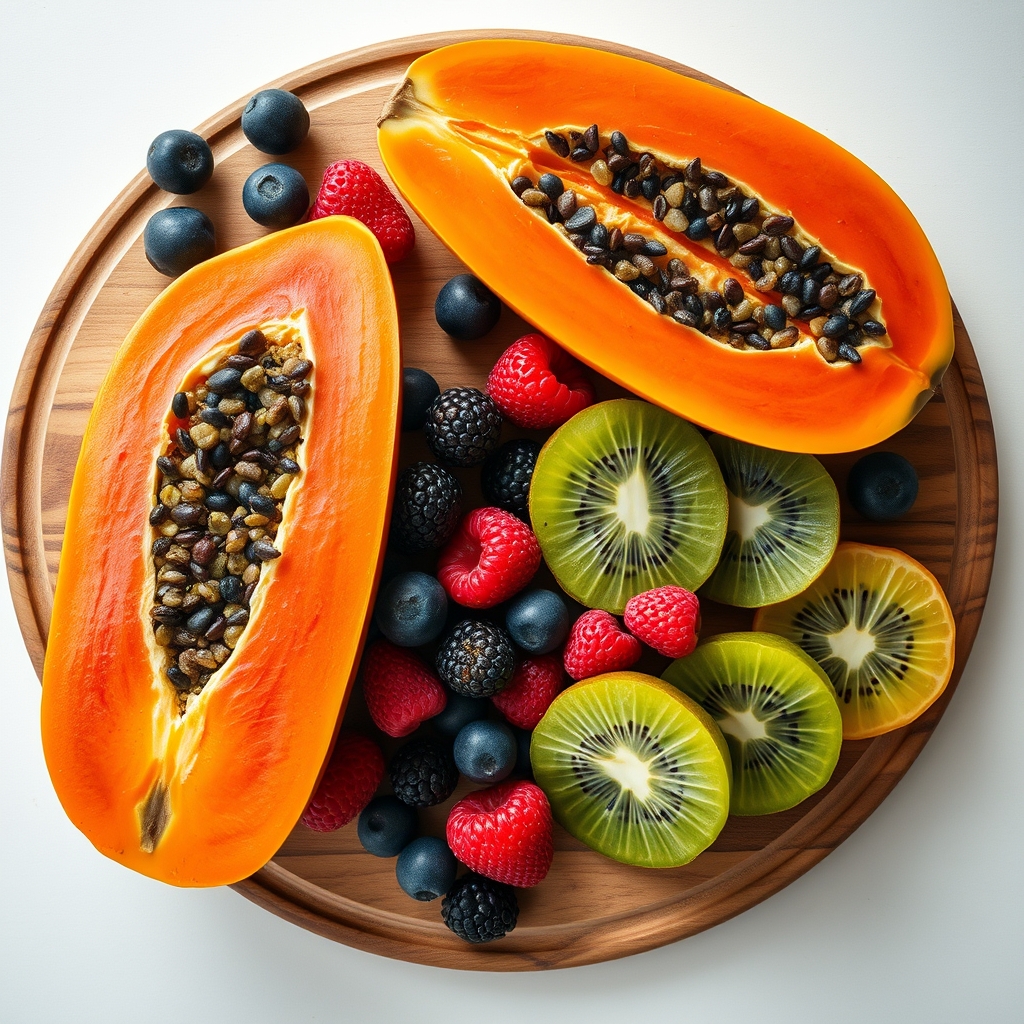
For many, the ninth and tenth weeks can feel like a “plateau” after the intense early weeks, but it’s also a period when the body is still adapting. If you’re dealing with constipation, try adding a high‑fiber fruit like ripe papaya (see image below), drinking plenty of water, and taking a gentle stool softener after discussing it with your provider. Small, frequent meals can also help manage nausea—keep crackers by your bed to nibble on before getting up in the morning.
It’s normal for symptoms to vary day‑to‑day and even between pregnancies. Some women breeze through the first trimester with minimal discomfort, while others feel like they’ve been hit by a truck. If you notice a sudden increase in pain, heavy bleeding, fever, or severe cramping, contact your provider promptly. Trust your instincts—if something feels off, it’s always better to check in.
High‑fiber fruits like papaya can help ease constipation in early pregnancy.
10 weeks pregnant: How your emotions might be changing
At 10 weeks, you might find yourself on an emotional rollercoaster—laughing one minute and crying at a commercial the next. This is completely normal and driven by hormonal shifts, fatigue, and the sheer magnitude of what’s happening. Many women describe feeling:
Overwhelmed – The reality of pregnancy can hit hard around this time, especially if you’re still keeping it a secret from most people. You might worry about everything from finances to whether you’ll be a good parent.
Anxious – It’s common to fixate on every twinge or symptom, wondering if it’s normal. Many moms-to-be also feel anxious about the first ultrasound or genetic testing.
Excited but hesitant – You might feel bursts of joy, only to be followed by doubt. This is especially true if you’ve experienced a previous loss or fertility struggles.
Guilty – Some women feel guilty for not feeling "glowing" or for struggling with symptoms like nausea, which can make it hard to enjoy the experience.
These feelings are all valid. Hormones like estrogen and progesterone don’t just affect your body—they also influence your brain chemistry, making emotions feel more intense. Fatigue and stress can amplify these feelings, so it’s important to prioritize rest and self-care. Talk to your partner, a trusted friend, or your provider if emotions feel unmanageable. Many women find relief in journaling, prenatal yoga, or joining a support group for expectant parents.
If you’re feeling isolated, remember that you’re not alone. Many moms describe the first trimester as a "secret club" where you’re going through big changes but can’t yet share them with the world. Lean on your support system, and don’t hesitate to ask for help when you need it.
10 weeks pregnant baby size and development
At 10 weeks the embryo is officially called a fetus and measures about 1.2 inches (3 cm) long—from crown to rump—roughly the size of a kumquat or a small blueberry. Though tiny, the baby’s organ systems are becoming functional:
Heart – beats around 150‑160 times per minute, audible by Doppler ultrasound. This rapid heartbeat is a sign of healthy development and can often be heard during your first ultrasound.
Brain – begins to form distinct regions; neurons start to migrate. The brain is growing rapidly, and the neural tube, which will become the spinal cord, is already in place.
Limbs – fingers and toes are fully formed, though webbing remains. The baby can even make tiny fists and flex its arms and legs.
Facial features – eyes, ears, and nose are in place; eyelids can open and close. The ears are still developing, but the baby’s tiny earlobes are starting to take shape.
Digestive tract – starts producing enzymes; the liver and pancreas are beginning to work. The intestines are also forming, and the baby’s tiny stomach is starting to produce digestive juices.
The placenta is also establishing a solid connection with the uterine wall, allowing nutrients and oxygen to flow efficiently. By week 10 the umbilical cord is fully formed, and the fetus begins to make spontaneous movements—though you won’t feel them for several more weeks. These early movements are reflexive and help the baby’s muscles and nervous system develop.
These milestones are confirmed by the first‑trimester ultrasound, which typically occurs between weeks 8‑12. During this scan you’ll see the tiny heartbeat, measure the crown‑rump length (CRL), and get a clear picture of the baby’s growth trajectory. The ultrasound can also detect the presence of multiple babies, which is why it’s such an important part of early prenatal care.
It’s incredible to think that by 10 weeks, your baby has already gone from a cluster of cells to a fully formed, albeit tiny, human being. While you may not feel pregnant yet, your body is working hard to support this rapid growth. If you’re curious about what’s happening week by week, many parents find it helpful to track their baby’s development using a pregnancy app or journal.
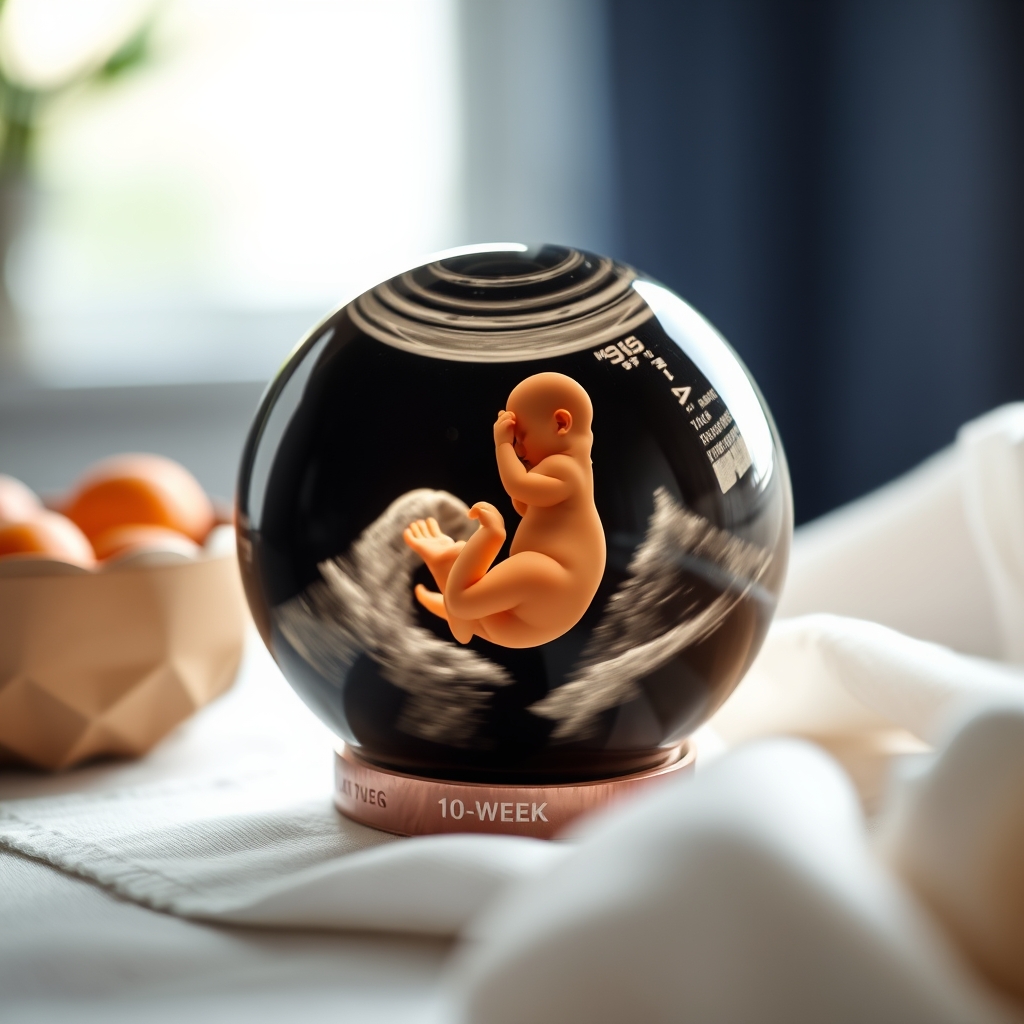
The 10‑week ultrasound reveals a beating heart and fully formed limbs.
How your body is changing at 10 weeks pregnant
While your baby is growing rapidly, your body is also undergoing significant changes—some visible, others not. Here’s what’s happening:
Uterus growth – By 10 weeks, your uterus has expanded to about the size of a grapefruit. It’s still tucked behind your pelvic bone, so you may not have a noticeable baby bump yet, but you might feel a slight fullness or bloating in your lower abdomen.
Breast changes – Your breasts may feel heavier, fuller, and more tender as they prepare for milk production. The areolas (the darker skin around your nipples) may also darken and enlarge. Some women notice small bumps called Montgomery’s tubercles, which are oil-producing glands that help keep the nipples lubricated.
Skin changes – Hormonal shifts can cause acne, dryness, or a "pregnancy glow." Some women develop a dark line called the linea nigra, which runs from the belly button to the pubic bone. This is caused by increased melanin production and usually fades after delivery.
Hair and nails – Many women notice that their hair feels thicker and their nails grow faster during pregnancy. This is due to hormonal changes that prolong the growth phase of hair and nails. Enjoy it while it lasts—some women experience hair shedding postpartum.
Blood volume increase – Your blood volume increases by about 50% during pregnancy to support the baby’s growth. This can lead to symptoms like dizziness, especially when standing up quickly, as your heart works harder to pump the extra blood.
These changes are all part of your body’s way of preparing for pregnancy and childbirth. While some can be uncomfortable, they’re usually temporary and a sign that everything is progressing as it should. If you’re concerned about any changes, don’t hesitate to bring them up at your next prenatal visit.
It’s also worth noting that every woman’s body responds differently to pregnancy. Some may show early, while others won’t have a noticeable bump until the second trimester. There’s no "right" way to look at 10 weeks pregnant—your body is doing exactly what it needs to do to support your baby.
How much weight should I gain by 10 weeks pregnant?
Weight‑gain recommendations are based on pre‑pregnancy BMI. The American College of Obstetricians and Gynecologists (ACOG) suggests that most people with a normal BMI (18.5‑24.9 kg/m²) gain about 0.5–2 pounds (0.2–0.9 kg) during the first trimester, which ends at week 13. By week 10 you might have added roughly 1–2 pounds, though individual variation is common.
Below is a quick reference table that breaks down typical weight‑gain ranges by BMI category for the first trimester:
Pre‑pregnancy BMI
Recommended total gain (first trimester)
Typical gain by week 10
Underweight (<18.5)
12‑16 lb (5.5‑7.3 kg)
≈ 2‑3 lb (0.9‑1.4 kg)
Normal (18.5‑24.9)
8‑12 lb (3.5‑5.5 kg)
≈ 1‑2 lb (0.5‑0.9 kg)
Overweight (25‑29.9)
6‑8 lb (2.7‑3.6 kg)
≈ 1‑1.5 lb (0.5‑0.7 kg)
Obese (≥30)
5‑7 lb (2.3‑3.2 kg)
≈ 0.5‑1 lb (0.2‑0.5 kg)
These numbers are averages; some people gain a little more, others a little less. The key is steady, gradual increase rather than rapid spikes. Rapid weight gain can signal fluid retention or other issues that merit a discussion with your provider. On the other hand, if you’re struggling to gain weight due to nausea or food aversions, your provider may recommend small, frequent meals or a nutritional supplement.
Remember that the first trimester is primarily about building reserves for the baby’s rapid growth in later months. Focus on nutrient‑dense foods, adequate hydration, and gentle activity rather than the scale. If you’re concerned about your weight gain (or lack thereof), bring it up at your next appointment. Your provider can help you determine whether your weight is on track or if adjustments are needed.
It’s also important to note that weight gain isn’t just about the baby—it includes the placenta, amniotic fluid, increased blood volume, and breast tissue. All of these are essential for a healthy pregnancy, so try not to stress too much about the number on the scale. Instead, focus on eating a balanced diet and staying active in ways that feel good for your body.
Is it normal to have spotting at 10 weeks pregnant?
Light spotting—often pink or brown rather than bright red—is relatively common in early pregnancy. It can occur when the embryo implants, when cervical blood vessels stretch, or as a result of mild hormonal fluctuations. In most cases, spotting at 10 weeks is harmless, especially if it’s brief and not accompanied by pain.
However, certain signs warrant a call to your provider:
Heavy bleeding (soaking a pad in under an hour).
Severe cramping or abdominal pain.
Fever, chills, or foul‑smelling discharge.
Spotting that persists for several days.
When you notice spotting, a simple pelvic exam or an ultrasound can reassure you that the pregnancy is progressing normally. Many clinicians will also check progesterone levels if bleeding is persistent. Progesterone is a hormone that helps maintain the uterine lining, and low levels can sometimes contribute to spotting or miscarriage risk. If your levels are low, your provider may recommend a progesterone supplement.
It’s also worth noting that sexual activity, vigorous exercise, or a recent pap smear can cause minor spotting. The cervix becomes more sensitive during pregnancy, and even gentle pressure can lead to light bleeding. If you’re unsure, a quick phone call to your midwife or OB‑GYN is always a safe step. They can help you determine whether the spotting is likely harmless or if further evaluation is needed.
If you do experience spotting, try to stay calm. Stress can exacerbate symptoms, so take deep breaths and remind yourself that most cases of light spotting resolve on their own. Keep a small diary of the amount, color, and timing of the spotting, and share it with your provider at your next visit. This information can help them assess whether further testing is necessary.
What foods should I avoid at 10 weeks pregnant?
Nutrition in the first trimester focuses on safety and supporting rapid fetal development. Here are the main categories to steer clear of:
Unpasteurized dairy and soft cheeses (e.g., brie, feta, queso fresco) – risk of Listeria, a bacteria that can cause miscarriage or stillbirth. Opt for hard cheeses like cheddar or pasteurized versions of soft cheeses.
Raw or undercooked eggs and meats – salmonella and toxoplasmosis risk. Avoid foods like raw cookie dough, homemade Caesar dressing, and rare steak. Cook eggs until the yolks are firm, and meats to at least 165°F (74°C).
High‑mercury fish such as swordfish, king mackerel, and tilefish – can affect fetal brain development. The FDA recommends limiting albacore tuna to 6 ounces per week and avoiding high-mercury fish entirely.
Alcohol – no known safe level; linked to fetal alcohol spectrum disorders. Even small amounts can affect the baby’s brain development, so it’s best to avoid alcohol entirely during pregnancy.
Caffeine excess – limit to ≤200 mg per day (about one 12‑oz coffee) per ACOG. This includes coffee, tea, soda, and chocolate. Decaf options or herbal teas (like ginger or peppermint) can be good alternatives.
Unwashed fruits and vegetables – may carry harmful bacteria; always rinse thoroughly under running water. Avoid pre-cut fruits and veggies unless they’re labeled as pre-washed.
Instead, aim for a balanced plate that includes leafy greens, whole grains, lean proteins, and plenty of water. A prenatal vitamin with at least 400 µg of folic acid, as recommended by the CDC and ACOG, helps prevent neural‑tube defects. Folic acid is especially important in the first trimester, as it supports the baby’s brain and spinal cord development.
For constipation relief, incorporate high‑fiber foods like oatmeal, lentils, and the papaya shown earlier. If you have a specific dietary restriction—vegetarian, vegan, gluten‑free—talk to your provider about additional supplementation such as iron or vitamin B12. For example, vegans may need a B12 supplement, as this vitamin is primarily found in animal products.
If you’re struggling with food aversions or nausea, focus on foods that are easy to tolerate. Crackers, toast, and bland foods like rice or bananas can help settle your stomach. Small, frequent meals are often easier to manage than large ones. And don’t worry if your diet isn’t perfect—what matters most is that you’re doing your best to eat a variety of nutrient-dense foods.
What prenatal tests are done at 10 weeks pregnant?
Most providers schedule the first comprehensive prenatal visit between weeks 8‑12. At the 10‑week mark you can expect the following assessments:
Medical history and physical exam – reviewing past pregnancies, medications, and lifestyle. Your provider will ask about any chronic conditions, previous pregnancies, and family history of genetic disorders. They’ll also check your blood pressure, weight, and overall health.
Blood work – includes CBC (to check anemia), blood type and Rh factor, rubella immunity, hepatitis B, HIV, and syphilis screening. The Rh factor test is especially important—if you’re Rh-negative and the baby is Rh-positive, you may need a special injection later in pregnancy to prevent complications.
Urine analysis – checks for protein, glucose, and urinary tract infection. High protein levels can be a sign of preeclampsia, while glucose in the urine may indicate gestational diabetes.
First‑trimester ultrasound – confirms gestational age, checks for fetal heartbeat, and screens for multiples. This ultrasound is often called a "dating scan" because it helps determine your due date with greater accuracy.
Genetic screening options – optional non‑invasive prenatal testing (NIPT) for chromosomal abnormalities, often offered after week 10. NIPT is a blood test that screens for conditions like Down syndrome, trisomy 18, and trisomy 13. It’s highly accurate and can be done as early as 10 weeks.
These tests help establish a baseline for your pregnancy and identify any early concerns. If you’re in the United Kingdom, the NHS may also offer a combined test (blood plus nuchal translucency ultrasound) between weeks 11‑13 for Down syndrome screening. This test measures the thickness of the baby’s neck and combines it with blood test results to assess the risk of chromosomal abnormalities.
Beyond the 10‑week visit, the next appointment typically occurs at 12‑14 weeks, when many providers discuss anatomy‑scan timing and introduce the glucose screening schedule later in the second trimester. If you have questions about any of the tests, don’t hesitate to ask your provider. They can help you understand the purpose of each test and what the results mean for you and your baby.
Can I exercise at 10 weeks pregnant?
Regular, moderate‑intensity activity is safe for most people during the first trimester, and it can reduce fatigue, improve mood, and help manage constipation. ACOG and the NHS both recommend at least 150 minutes of moderate aerobic exercise per week, spread over several days. Exercise can also help you sleep better, reduce stress, and prepare your body for labor.
Safe activities include:
Walking or light jogging on flat surfaces – a great way to get moving without putting too much strain on your joints.
Swimming and water aerobics – buoyancy eases joint stress and can help relieve swelling. The water also provides gentle resistance, which is great for toning muscles.
Prenatal yoga or gentle stretching – helps improve flexibility, reduce back pain, and promote relaxation. Look for classes specifically designed for pregnancy, as they avoid poses that could strain your abdomen.
Stationary cycling with low resistance – a low-impact way to get your heart rate up without risking a fall. Avoid outdoor cycling, as the risk of accidents is higher.
Pilates – strengthens your core and pelvic floor muscles, which can help with labor and postpartum recovery. Again, opt for prenatal-specific classes.
Things to avoid are high‑impact sports (e.g., contact basketball, soccer), activities with a high risk of falling (e.g., horseback riding, skiing), and deep‑twist core workouts that could strain abdominal muscles. You should also avoid exercises that involve lying flat on your back after the first trimester, as this can compress the vena cava, a major blood vessel that returns blood to your heart.
If you’re new to exercise, start with short 10‑minute walks and gradually increase duration. Keep a bottle of water nearby, wear supportive shoes, and listen to your body—if you feel dizziness, shortness of breath, or pelvic pain, stop and rest. It’s also a good idea to avoid exercising in hot, humid weather, as overheating can be dangerous for the baby.
Travel is generally fine at 10 weeks, provided you stay hydrated, move around during long trips, and avoid hot, cramped environments. Most airlines allow travel up to 28 weeks, but it’s wise to bring a copy of your prenatal records and any medications. If you’re planning a trip, talk to your provider about any specific concerns, such as flying with a history of blood clots or traveling to high-altitude destinations.
If you were active before pregnancy, you can usually continue your routine with some modifications. For example, if you were a runner, you might switch to walking or jogging on a treadmill to reduce the risk of falls. If you lifted weights, you may need to reduce the amount of weight or avoid exercises that strain your core. Always check with your provider before starting a new exercise program during pregnancy.
What does a 10 week pregnancy ultrasound show?
The 10‑week ultrasound is often the first glimpse many parents get of their baby. The sonographer will look for:
Fetal heartbeat – typically 150‑160 bpm, confirming viability. Hearing the heartbeat for the first time can be an emotional moment for many parents. It’s a tangible sign that your baby is growing and developing.
Crown‑rump length (CRL) – the most accurate way to date the pregnancy. The CRL is measured from the top of the baby’s head to its bottom, and it helps determine your due date with greater precision.
Number of embryos – checks for multiples. If you’re carrying twins or more, the ultrasound will confirm it. The sonographer will also check whether the babies share a placenta or amniotic sac, which can affect your care plan.
Basic anatomy – limb formation, head shape, and early organ placement. While the baby is still tiny, the ultrasound can detect major structural abnormalities, such as missing limbs or severe brain malformations.
Because the fetus is still small, the image may appear as a tiny flickering shape, but the presence of a consistent heartbeat is reassuring. If you’re anxious about the scan, bring a partner or support person, and remember that the technician is trained to capture the best possible image. They may need to press firmly on your abdomen to get a clear view, which can be uncomfortable but shouldn’t be painful.
After the scan, your provider will discuss the measured CRL and compare it to the expected range for 10 weeks. This helps ensure you’re on track and can adjust any due‑date calculations if needed. If the baby measures smaller or larger than expected, your provider may recommend a follow-up ultrasound to monitor growth.
Some parents choose to have a 3D or 4D ultrasound at this stage, but these are usually not medically necessary and may not provide much additional information. The standard 2D ultrasound is sufficient for assessing the baby’s health and development at 10 weeks. If you’re interested in a 3D ultrasound, talk to your provider about whether it’s a good option for you.
How to prepare for your first prenatal visit at 10 weeks
Your first prenatal visit is an important milestone—it’s your chance to ask questions, establish a relationship with your provider, and get a clear picture of your pregnancy’s progress. Here’s how to make the most of it:
Bring your medical history – Write down any chronic conditions, past surgeries, or medications you’re taking. Include details about previous pregnancies, miscarriages, or fertility treatments. This information helps your provider tailor your care plan.
List your questions – It’s easy to forget things in the moment, so jot down any concerns ahead of time. Common questions include: What symptoms are normal? What should I avoid? When will I have my next ultrasound? How much weight should I gain?
Bring your partner or support person – Having someone with you can help you remember what was discussed and provide emotional support. They can also ask questions you might not think of.
Prepare for tests – You’ll likely have blood drawn and a urine sample taken, so drink plenty of water beforehand. Wear comfortable clothing that allows easy access to your arms and abdomen.
Discuss genetic testing – If you’re considering NIPT or other genetic screenings, this is a good time to ask about the pros and cons. Your provider can help you decide whether testing is right for you.
During the visit, your provider will perform a physical exam, including a pelvic exam to check your uterus and cervix. They may also perform a Pap smear if you’re due for one. Don’t be afraid to speak up if something feels uncomfortable—your provider is there to support you.
After the visit, you’ll likely leave with a lot of information. Take notes or ask for written materials to review later. If you’re feeling overwhelmed, it’s okay to schedule a follow-up call to ask additional questions. Many providers also offer patient portals where you can access your test results and send messages.
If you haven’t already, this is also a good time to start thinking about your birth plan. While it’s still early, discussing your preferences with your provider can help you feel more prepared. For example, do you want a natural birth or are you open to pain medication? Do you have any cultural or religious preferences? Your provider can help you explore your options and make informed decisions.
How to manage nausea at 10 weeks pregnant
Nausea is one of the most common—and frustrating—symptoms of early pregnancy. While it’s often called "morning sickness," it can strike at any time of day. Here are some strategies to help you cope:
Eat small, frequent meals – An empty stomach can make nausea worse, so try to eat something every 2–3 hours. Keep crackers, nuts, or dry cereal by your bed to nibble on before getting up in the morning.
Stay hydrated – Sip water, herbal tea, or electrolyte drinks throughout the day. Dehydration can worsen nausea, so aim for at least 8–10 cups of fluids daily. If you’re struggling to keep liquids down, try sucking on ice chips or popsicles.
Avoid triggers – Strong smells, greasy foods, and caffeine can trigger nausea. Pay attention to what sets off your symptoms and try to avoid those triggers. Some women find that cold foods are easier to tolerate than hot ones.
Try ginger – Ginger has been shown to reduce nausea in pregnancy. You can try ginger tea, ginger ale (made with real ginger), or ginger chews. Some women also find relief with acupressure bands, which apply pressure to a point on the wrist.
Rest – Fatigue can make nausea worse, so prioritize sleep and take naps if you can. If you’re working, try to take short breaks throughout the day to rest and recharge.
Talk to your provider – If nausea is severe or interfering with your daily life, your provider may recommend medication. Diclegis (a combination of vitamin B6 and doxylamine) is FDA-approved for pregnancy-related nausea and is considered safe for most women.
For many women, nausea peaks around 10 weeks and starts to improve by week 12 or 13. In the meantime, be patient with yourself—it’s okay if you can’t stick to your usual routine. Focus on what you can eat and drink, and don’t stress about the rest. If you’re losing weight or unable to keep anything down, contact your provider. Severe nausea and vomiting, known as hyperemesis gravidarum, can lead to dehydration and malnutrition and may require medical treatment.
Remember, nausea is a sign that your hormones are doing their job. While it’s uncomfortable, it’s usually temporary and a normal part of early pregnancy. Hang in there—it will get better!
Ginger tea can help soothe nausea in early pregnancy.
How to tell your boss and coworkers you're pregnant at 10 weeks
Deciding when and how to share your pregnancy news at work can feel daunting, especially if you’re still in the first trimester. Here are some tips to help you navigate this conversation:
Choose the right time – Many women wait until after the first trimester to share their news, as the risk of miscarriage drops significantly after 12 weeks. However, if you’re experiencing severe symptoms or need accommodations (like frequent bathroom breaks or a modified schedule), you may need to tell your boss sooner.
Not sure about the label on 10 Weeks Pregnant What To Expect products?
Snap the ingredients list and SafeFilter checks every ingredient for your stage — only 3 free scans this month, then you're locked until reset. Unlimited from $7/mo or $50/yr.
When Shubhra Mishra was expecting her first child in 2016, she was overwhelmed by conflicting food advice — one site said yes, another said never. By the time her second baby arrived in 2019, she realized millions of mothers face the same confusion.
That sparked a five-year journey through clinical nutrition papers, cultural diets, and expert conversations — all leading to BumpBites: a calm, compassionate space where science meets everyday motherhood.
Her long-term vision is to build a global community ensuring safe, supported, and free deliveriesfor every mother — because no woman should face pregnancy alone or uninformed. 🌿
🌍 Stand with mothers, shape safer guidance
Join a small circle of experts who review BumpBites articles so expecting parents everywhere can decide with confidence.