Discover common 10 weeks pregnant symptoms, from nausea to fatigue. Learn what’s normal, what’s not, and how to manage early pregnancy changes safely.
By Shubhra Mishra — a mom of two who turned her own confusion during pregnancy into BumpBites, a global mission to make food choices clear, safe, and stress-free for every expecting mother. 💛
Check whether any food is safe during pregnancy with the BumpBites Food Safety Checker.
Quick take: At 10 weeks pregnant you’re entering the end of the first trimester, and it’s common to feel a mix of nausea, breast tenderness, and a growing uterus. Most symptoms—like mild spotting, fatigue, and early fetal movement sensations—are normal, but any heavy bleeding or severe pain should prompt a call to your provider.
It’s 2 a.m., you’ve just gotten out of bed, and a wave of nausea hits you again. You glance at the clock: you’re 10 weeks into your pregnancy. “Is this everything that’s supposed to happen?” you wonder. You’re not alone. Many expecting parents reach the ten‑week mark and wonder which sensations are typical and which call for a doctor’s advice.
In this guide we’ll walk through every common 10‑week pregnancy symptom, explain why they happen, and give you practical tips—what to eat, how to move, and when to schedule appointments—so you can feel confident about what’s normal and what isn’t.
We’ll also cover spotting, fetal movement, weight‑gain goals, safe exercise, and diet recommendations, all backed by reputable sources such as ACOG, NHS, and the Mayo Clinic. Keep reading for a clear, step‑by‑step rundown that you can refer back to whenever a new symptom pops up.
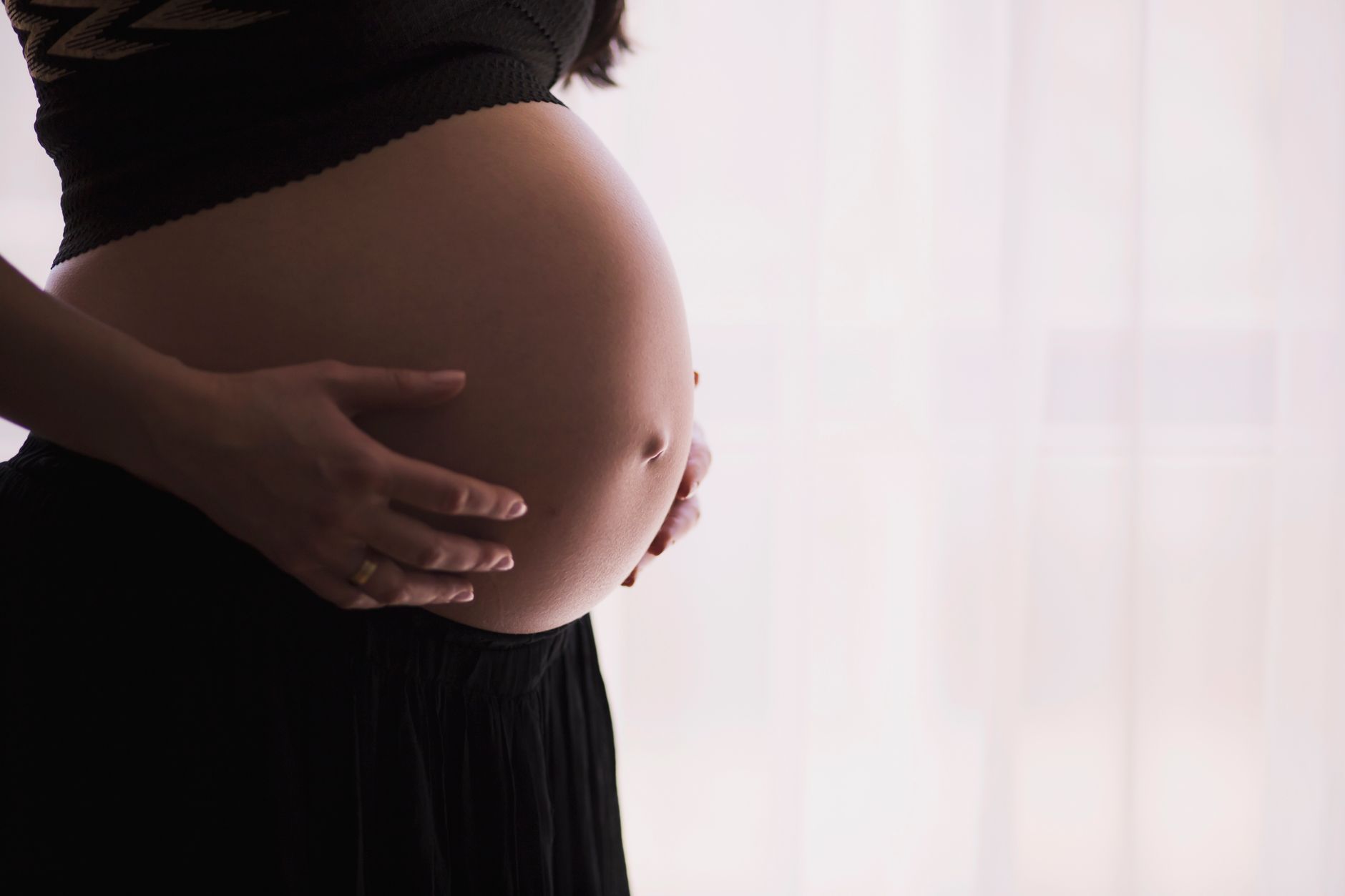
At ten weeks, many women notice a subtle swelling of the belly as the uterus expands.
What are the common symptoms at 10 weeks pregnant?
By the time you reach week 10, the embryo has grown into a fetus about the size of a kumquat and is beginning to form recognizable facial features. Hormonal surges—particularly progesterone and estrogen—drive the most frequent symptoms.
Typical symptom list
Nausea and occasional vomiting (morning sickness)
Fatigue—you may feel the need to nap more often
Breast tenderness, swelling, and darkening of the areola
Increased urination due to greater blood flow to the kidneys
Mild spotting or brown discharge (often harmless)
Food cravings or aversions—your palate may shift dramatically
Constipation from slowed gastrointestinal motility
Mood swings driven by hormonal changes
Most women experience a combination of these, but the intensity varies widely. One reader described waking up at 4 a.m. feeling “like I’ve run a marathon” while also noticing a faint tingling in her breasts—a classic mix of fatigue and breast changes that many expectant moms report.
Why these changes happen
Progesterone relaxes smooth muscle throughout the body, which slows digestion (leading to constipation) and relaxes the uterine wall to accommodate the growing fetus. Estrogen boosts blood volume, which can make you feel light‑headed and increase nasal congestion.
How long does morning sickness last at 10 weeks pregnancy?
M
orning sickness usually peaks between weeks 8 and 12. At 10 weeks, you’re likely in the height of the nausea cycle, but the duration differs per person.
Typical timeline
First trimester (weeks 1‑13): 70‑80 % of pregnant people experience nausea.
Peak intensity: weeks 8‑12, with many reporting daily episodes.
Gradual decline: by weeks 13‑14, symptoms often lessen for most.
According to the American College of Obstetricians and Gynecologists (ACOG), if nausea persists beyond the second trimester or is severe enough to cause dehydration, it’s worth discussing treatment options with your provider.
Relief methods that work
Ginger – sip ginger tea or chew crystallized ginger (up to 1 gram per day).
Vitamin B6 – 10‑25 mg three times daily (check with your provider).
Acupressure wrist bands – may reduce nausea for some people.
Hydration – sip water, electrolytes, or clear broth throughout the day.
One common anecdote from our community: a mom‑to‑be found that a cold, plain cracker before getting out of bed cut her morning nausea in half. Simple, low‑risk strategies often make the biggest difference.
Can I feel my baby move at 10 weeks pregnant?
True fetal movement—called “quickening”—usually begins between weeks 16 and 25. However, many first‑trimester women report a faint “flutter” or “bubbling” sensation caused by the fetus’s early limb motions.
What the sensation feels like
At 10 weeks the fetus is about 1.2 cm long and has limited muscle strength. The “movement” you might feel is often the result of the uterus contracting slightly as it expands. It can feel like a subtle ripple or a gentle pressure.
When to expect real movement
First quickening: typically 16‑20 weeks, though some people feel it as early as 13‑14 weeks.
Frequency: by 20 weeks many report 5‑10 movements per day.
If you ever notice a sudden drop in fetal activity after you’ve confirmed movement, contact your provider—though at 10 weeks you’re unlikely to have a baseline yet.
Is spotting normal at 10 weeks pregnancy?
Light spotting—often pink or brown—can be common in early pregnancy. It usually results from implantation bleeding, cervical changes, or the expanding uterus irritating tiny blood vessels.
When spotting is typically harmless
Spotting that’s light, lasts less than 24 hours, and isn’t accompanied by pain.
Brown discharge that appears after intercourse (due to minor cervical irritation).
When to seek medical attention
Contact your provider if you experience any of the following:
Heavy bleeding (soaking a pad in an hour).
Accompanied cramping, especially if the pain is sharp or radiates to the back.
Fever, chills, or foul‑smelling discharge (signs of infection).
Spotting that persists beyond a few days or becomes increasingly frequent.
The National Health Service (NHS) advises that any bleeding after the first trimester warrants a prompt evaluation to rule out ectopic pregnancy or miscarriage.
What foods should I avoid at 10 weeks pregnant?
Nutrition is a cornerstone of a healthy pregnancy. While most foods are safe, a few carry higher risk of food‑borne illness or excess compounds that could affect fetal development.
Foods to limit or avoid
Category
Why it’s risky
Safer alternatives
Raw or undercooked seafood (sushi, oysters)
Risk of Listeria and parasites
Cooked fish, canned salmon, shrimp
Unpasteurized dairy (soft cheeses, raw milk)
Listeria contamination
Pasteurized cheese, yogurt, milk
Cold deli meats & hot dogs
Listeria risk unless heated
Heat to steaming before eating
High‑mercury fish (shark, king mackerel)
Mercury can affect fetal brain
Low‑mercury options: salmon, sardines
Excess caffeine (>200 mg/day)
Linked to lower birth weight
Limit to 1‑2 cups coffee or 200 mg caffeine
Helpful nutrition tips
Focus on leafy greens, whole grains, lean protein, and fruit.
Include folic‑acid‑rich foods (lentils, fortified cereals) to support neural‑tube development.
Stay hydrated—aim for 8‑10 glasses of water daily.
One community member shared that swapping her usual morning bagel for a whole‑grain toast topped with avocado and a poached egg helped curb cravings while delivering essential folate and healthy fats.
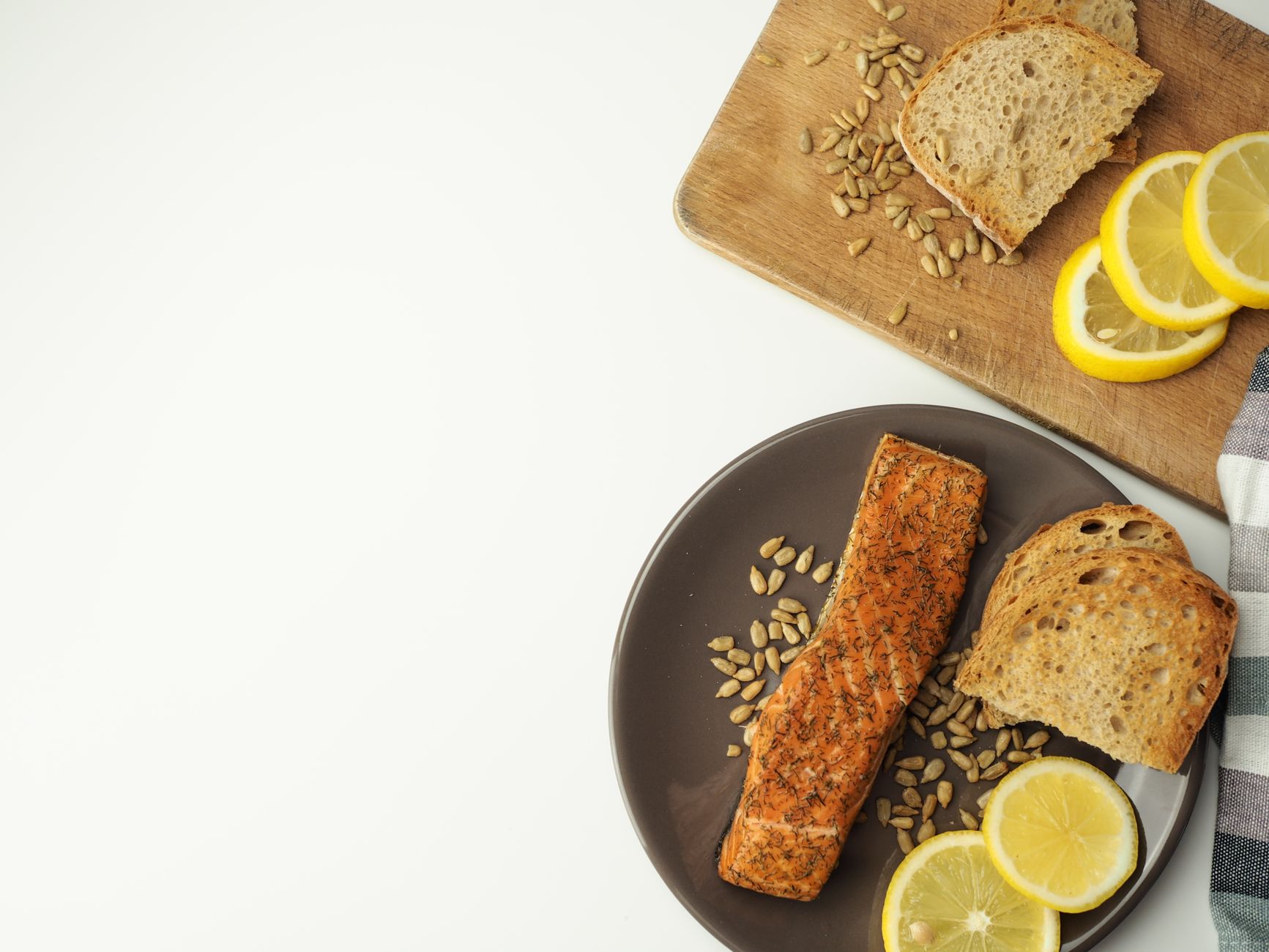
A balanced meal with low‑mercury fish provides omega‑3s without excess mercury.
When should I schedule my first prenatal appointment at 10 weeks?
Many providers recommend the first prenatal visit between weeks 8 and 12. At 10 weeks you’re well within that window, making it an ideal time to establish care.
What to expect at the first visit
Medical history review – past pregnancies, medications, and family health.
Physical exam – blood pressure, weight, and pelvic exam.
Ultrasound (optional) – to confirm dating and check heartbeat.
Discussion of prenatal vitamins – especially folic acid and iron.
If you haven’t booked an appointment yet, call your OB‑GYN or midwife today. Early prenatal care improves outcomes and lets you ask personalized questions about diet, exercise, and any lingering symptoms.
How much weight should I gain by 10 weeks pregnant?
Weight‑gain recommendations are based on pre‑pregnancy BMI. The Institute of Medicine (IOM) suggests the following total gain ranges:
Pre‑pregnancy BMI
Total recommended gain
Typical gain by 10 weeks
Underweight (BMI < 18.5)
28‑40 lb (12.5‑18 kg)
~4‑5 lb (1.8‑2.3 kg)
Normal weight (BMI 18.5‑24.9)
25‑35 lb (11‑16 kg)
~4‑5 lb (1.8‑2.3 kg)
Overweight (BMI 25‑29.9)
15‑25 lb (7‑11 kg)
~3‑4 lb (1.4‑1.8 kg)
Obese (BMI ≥ 30)
11‑20 lb (5‑9 kg)
~2‑3 lb (0.9‑1.4 kg)
These figures are averages; individual gains can vary. The key is steady, gradual increase—roughly 0.5‑1 lb per week after the first trimester. Tracking your weight weekly and discussing any rapid changes with your provider helps keep both you and the baby healthy.
Can I exercise safely at 10 weeks pregnant?
Exercise is encouraged throughout pregnancy unless contraindicated. At 10 weeks the uterus is still protected by the pelvic bones, making most low‑impact activities safe.
Recommended activities
Walking – 30 minutes most days, at a comfortable pace.
Prenatal yoga – focuses on gentle stretching and breathing.
Swimming or water aerobics – reduces joint stress.
Stationary cycling – maintains cardiovascular fitness without impact.
Light strength training – using body weight or light dumbbells (≤ 5 lb).
Activities to modify or avoid
High‑impact sports (running, aerobics with jumps) if you experience pelvic pain.
Contact sports (soccer, basketball) due to risk of abdominal trauma.
Scuba diving – pressure changes can affect the fetus.
Exercises that require lying flat on your back for extended periods (after the first trimester, it can compress the vena cava).
One reader who loved HIIT workouts switched to brisk walking and found that the gentle routine kept her energy steady without triggering her nausea. Listening to your body and adjusting intensity as needed is the safest approach.
Additional common concerns at 10 weeks
10 weeks pregnant symptoms list – a quick reference
Here’s a concise checklist you can print or keep on your phone:
Nausea / vomiting
Fatigue
Breast tenderness & darkening
Mild spotting (pink/brown)
Increased urination
Food cravings or aversions
Constipation
Mood swings
Early pregnancy symptoms week 10 – what’s new?
Compared with weeks 6‑9, you may notice a more pronounced uterine size (you might feel a low‑lying “bump” under the pubic bone) and a stronger sense of “butterflies” in the stomach due to subtle fetal movements.
10 weeks pregnant how to relieve nausea
Beyond ginger and B6, try the following:
Keep crackers or plain toast by the bedside for a quick snack upon waking.
Stay cool—overheated rooms can worsen nausea.
Avoid strong odors; open windows for fresh air.
Consider acupressure bracelets if you’re traveling.
10 weeks pregnant fatigue causes
Fatigue stems from hormonal changes, increased blood volume, and the body’s effort to build the placenta. Prioritizing sleep hygiene—dark room, limited screen time, and a short nap if needed—can make a noticeable difference.
10 weeks pregnant breast changes explained
Breasts may feel sore, swollen, or “full.” The areola often darkens due to increased melanin. These changes prepare the milk ducts for lactation after birth.
10 weeks pregnant constipation tips
Boost fiber (fruits, vegetables, whole grains), drink plenty of water, and move daily. If constipation persists, discuss a gentle stool softener with your provider.
10 weeks pregnant mood swings reasons
Rapid hormonal fluctuations affect neurotransmitters, while the emotional impact of a new life can heighten anxiety. Talking with a partner, journaling, or a brief counseling session can help stabilize mood.
From our medical team: “Week 10 is still early, but your body is already working hard to support a growing fetus. Most symptoms you’re experiencing—nausea, breast changes, mild spotting—are typical. Keep a symptom diary, stay hydrated, and schedule that first prenatal visit if you haven’t already. If anything feels out of the ordinary, especially heavy bleeding or severe pain, reach out to your provider right away.”
Myth vs. fact
Myth: Spotting always means a miscarriage.
Fact: Light spotting is common in early pregnancy and often harmless; heavy bleeding or pain warrants medical evaluation.
Myth: You can’t exercise after the first trimester.
Fact: Most low‑impact exercises are safe throughout pregnancy; modify intensity as your body changes.
Myth: You should gain a lot of weight in the first ten weeks.
Fact: Typical weight gain by week 10 is modest—about 4‑5 lb for a normal‑weight individual.
Key takeaways
Typical 10‑week symptoms include nausea, fatigue, breast tenderness, mild spotting, and increased urination.
Morning sickness often peaks now; ginger, B6, and small snacks can help.
True fetal movement usually starts later (16‑20 weeks), but a faint flutter is normal.
Light spotting is usually harmless, but heavy bleeding or pain should prompt a call.
Avoid raw seafood, unpasteurized dairy, and high‑mercury fish; aim for a balanced, folate‑rich diet.
Plan your first prenatal appointment now if you haven’t already—ideally between weeks 8‑12.
Target weight gain by week 10 is modest; track progress and discuss any concerns with your provider.
Low‑impact exercise (walking, prenatal yoga, swimming) is safe and can boost energy.
Frequently asked questions
What are the signs of being 10 weeks pregnant?
The most common signs are nausea, breast tenderness, a slight uterine bump, increased urination, and occasional spotting.
Is it normal to have spotting at 10 weeks?
Light pink or brown spotting is often normal and caused by implantation or cervical changes; however, heavy bleeding or cramping should be evaluated by a provider.
When do I start feeling my baby move?
Most people feel true fetal movement (quickening) between 16 and 20 weeks, though a subtle flutter can be noticed as early as 10 weeks.
How much weight should I have gained by 10 weeks?
Most women gain about 4‑5 lb (1.8‑2.3 kg) by the end of the first trimester, depending on pre‑pregnancy BMI.
Can I continue exercising at 10 weeks pregnant?
Yes—low‑impact activities such as walking, prenatal yoga, and swimming are safe, while high‑impact or contact sports should be modified or avoided.
What foods should I avoid during the 10th week of pregnancy?
Avoid raw seafood, unpasteurized dairy, deli meats unless heated, high‑mercury fish, and limit caffeine to under 200 mg per day.
When to call your doctor
Seek immediate medical care if you experience any of the following:
Heavy vaginal bleeding (soaking a pad in an hour) or bright red blood.
Severe abdominal or pelvic pain, especially if it radiates to the back.
Fever ≥ 100.4 °F (38 °C) with chills.
Persistent vomiting that prevents you from keeping fluids down.
Sudden loss of fetal movement after you’ve previously felt it.
This article is for informational purposes only and does not replace personalized medical advice. Always discuss any concerns with your obstetrician, midwife, or qualified health professional.
References
American College of Obstetricians and Gynecologists (ACOG). “Nausea and Vomiting of Pregnancy.” Clinical Guidance, 2023.
National Health Service (NHS). “Early pregnancy bleeding.” Patient Information, 2022.
Mayo Clinic. “Pregnancy week by week.” Health Guide, 2024.
Institute of Medicine (IOM). “Weight Gain During Pregnancy: Reexamining the Guidelines.” 2009.
Centers for Disease Control and Prevention (CDC). “Food Safety for Pregnant Women.” 2023.
World Health Organization (WHO). “Nutrition during pregnancy.” Recommendations, 2021.
Royal College of Obstetricians and Gynaecologists (RCOG). “Exercise in Pregnancy.” Clinical Guidance, 2022.
National Institutes of Health (NIH). “Fetal Development: First Trimester.” 2023.
American Pregnancy Association. “Morning Sickness Remedies.” 2022.
U.S. Food and Drug Administration (FDA). “Caffeine in Pregnancy.” Consumer Update, 2023.
Not sure about the label on 10 Weeks Pregnant Symptoms products?
Snap the ingredients list and SafeFilter checks every ingredient for your stage — only 3 free scans this month, then you're locked until reset. Unlimited from $7/mo or $50/yr.
When Shubhra Mishra was expecting her first child in 2016, she was overwhelmed by conflicting food advice — one site said yes, another said never. By the time her second baby arrived in 2019, she realized millions of mothers face the same confusion.
That sparked a five-year journey through clinical nutrition papers, cultural diets, and expert conversations — all leading to BumpBites: a calm, compassionate space where science meets everyday motherhood.
Her long-term vision is to build a global community ensuring safe, supported, and free deliveriesfor every mother — because no woman should face pregnancy alone or uninformed. 🌿
🌍 Stand with mothers, shape safer guidance
Join a small circle of experts who review BumpBites articles so expecting parents everywhere can decide with confidence.