Early diabetes screening in pregnancy is crucial for high-risk women. Use this risk calculator to determine if you need testing before 24 weeks for a healthier pregnancy.
By Shubhra Mishra — a mom of two who turned her own confusion during pregnancy into BumpBites, a global mission to make food choices clear, safe, and stress-free for every expecting mother. 💛
Check whether any food is safe during pregnancy with the BumpBites Food Safety Checker.
Quick take: Early diabetes screening in pregnancy is recommended for women who have strong risk factors such as a high body‑mass index, a prior diagnosis of gestational diabetes, or a family history of diabetes. The screening usually involves a fasting glucose test or a 75‑gram oral glucose tolerance test in the first trimester. If your risk score is high, your provider will repeat testing and may start early lifestyle or medication management to protect you and your baby.
It’s 8 a.m., you’re sipping coffee while scrolling through a list of symptoms you’ve never heard of. Somewhere in the middle of the page, a headline catches your eye: “Who needs early diabetes screening in pregnancy?” Your heart skips a beat because you’ve just learned that you’re 12 weeks along and you’re not sure whether you should be tested now or wait until the usual 24‑ to 28‑week window.
🔢 Calculate it for your situation: Use our Gestational Diabetes Risk for a personalized result in seconds.
First, breathe. You’re not alone—many expectant parents wonder the same thing, especially if they have a family history of diabetes, a higher‑than‑average BMI, or have been told they’re “at risk.” In this article we’ll break down what early diabetes screening means, who qualifies, how a risk calculator works, what the next steps are if you’re flagged as high‑risk, and how early screening differs from the standard third‑trimester test. By the end, you’ll have a clear roadmap and a set of practical actions you can discuss with your obstetric provider.
What is early diabetes screening in pregnancy?
Early diabetes screening in pregnancy is a set of blood‑test assessments performed in the first trimester (typically before 14 weeks gestation) to identify either pre‑existing (often called pre‑gestational) diabetes or an elevated risk for gestational diabetes mellitus (GDM). The purpose is two‑fold: to catch undiagnosed type 1 or type 2 diabetes that may have been present before conception, and to spot women whose glucose metabolism is already shifting toward the patterns that later develop into GDM.
Screening usually involves one of two approaches:
Fasting plasma glucose (FPG): A blood draw after an overnight fast. Values ≥ 92 mg/dL (5.1 mmol/L) meet the threshold for a diabetes diagnosis in pregnancy, according to the International Association of the Diabetes and Pregnancy Study Groups (IADPSG) and endorsed by ACOG.
75‑gram oral glucose tolerance test (OGTT): The patient drinks a glucose solution, and blood glucose is measured fasting, then at 1‑hour and 2‑hours. Any single value above the IADPSG thresholds (92 mg/dL fasting, 180 mg/dL at 1 hour, 153 mg/dL at 2 hours) signals gestational diabetes.
Early detection enables your care team to start lifestyle counseling, close glucose monitoring, and, if needed, medication earlier—often improving pregnancy outcomes such as birth weight, pre‑eclampsia risk, and the likelihood of a cesarean delivery.
Beyond the diagnostic numbers, early screening also offers a psychological benefit: knowing your glucose status early can reduce anxiety later in pregnancy, allowing you to focus on other aspects of prenatal care with confidence.
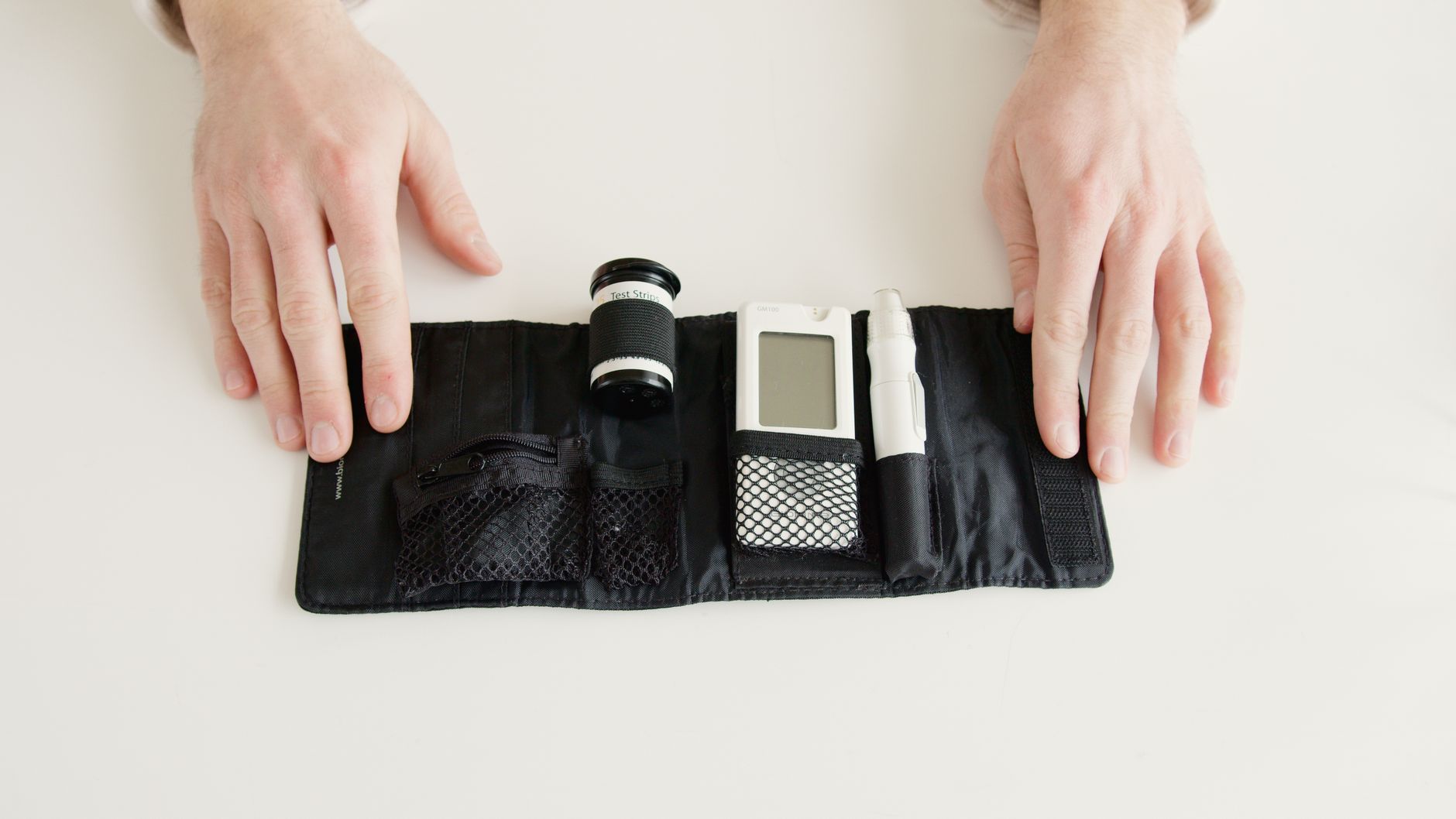
Early diabetes screening often starts with a simple fasting blood draw.
Who is eligible? Current guidelines and criteria for early screening
Guide
lines from the American College of Obstetricians and Gynecologists (ACOG), the National Institute for Health and Care Excellence (NICE) in the UK, and the World Health Organization (WHO) all agree that universal early screening is not necessary for every pregnant person. Instead, they recommend targeted early testing for those who meet specific risk criteria.
Below is a consolidated list of the most widely accepted eligibility factors (as of 2024):
Age ≥ 35 years at conception.
Pre‑pregnancy body‑mass index (BMI) ≥ 30 kg/m² (or ≥ 27 kg/m² with additional risk factors).
History of gestational diabetes in a previous pregnancy.
Previous delivery of a baby weighing ≥ 4,500 g (9 lb 15 oz) or a stillbirth.
Known impaired glucose tolerance or pre‑diabetes before pregnancy.
First‑degree relative (parent or sibling) with type 1 or type 2 diabetes.
Ethnicity associated with higher GDM rates (e.g., South Asian, Hispanic, African‑American, Native American, Pacific Islander).
Polycystic ovary syndrome (PCOS) or other insulin‑resistant conditions.
Use of medications that affect glucose metabolism (e.g., glucocorticoids, antipsychotics).
If you check any one of these boxes, your provider will likely suggest an early glucose test. Some clinicians also use a risk‑calculator tool to quantify the probability more precisely, which we’ll explore in the next section.
Recent updates from NICE (2024) now advise that women with a BMI ≥ 30 kg/m² should be offered early testing even if no other risk factor is present, reflecting growing evidence that obesity alone significantly raises GDM risk.
Key risk factors that trigger early screening
Understanding why each factor matters can help you recognize your own risk profile. Below we unpack the most common triggers:
Age: Metabolic changes with advancing age can reduce insulin sensitivity, raising the likelihood of hyperglycemia.
Body‑mass index (BMI): Excess adipose tissue releases hormones that interfere with insulin signaling. A BMI ≥ 30 kg/m² is a strong predictor of GDM across multiple studies, including a large CDC cohort.
Previous gestational diabetes: If you’ve had GDM before, your pancreas may already be struggling to keep up with pregnancy‑related insulin demands.
Family history: Genetics play a role; a first‑degree relative with diabetes raises your baseline risk by roughly 2‑fold.
Ethnicity: Certain ethnic groups have higher rates of insulin resistance due to both genetic and environmental factors.
Polycystic ovary syndrome (PCOS): PCOS is linked to chronic insulin resistance, making glucose spikes more likely.
Medication use: Some drugs raise blood sugar directly; your provider will consider these when deciding on early testing.
Many readers tell us that they were surprised to discover a “risk factor” they hadn’t considered—like a modestly elevated BMI or a distant family history. The key is that early screening is a proactive step, not a judgment of lifestyle choices.
Importantly, risk factors can interact. For example, a woman who is 36 years old, has a BMI of 32 kg/m², and a first‑degree relative with type 2 diabetes may have a cumulative risk well above the threshold for early testing, even if each factor alone would be borderline.
Common risk factors are often visualized in a quick‑reference chart.
How the risk calculator works: inputs, scoring, and interpretation
One of the easiest ways to gauge whether you fall into the early‑screening bracket is to use an online risk calculator. The Gestational Diabetes Risk tool, for example, asks for a handful of data points and translates them into a percentage chance of developing GDM.
Typical inputs include:
Age (years)
Pre‑pregnancy weight and height (to calculate BMI)
Ethnicity (selected from a dropdown)
History of prior gestational diabetes (yes/no)
Family history of diabetes (yes/no)
Presence of PCOS or other insulin‑resistant conditions (yes/no)
Each response is assigned a weighted score based on large cohort studies. The calculator adds the points and converts the total into a risk percentage. Here’s a simplified illustration of the scoring system:
Input
Points
Risk contribution
Age ≥ 35
2
≈ 10 % increase
BMI ≥ 30 kg/m²
3
≈ 20 % increase
Prior GDM
4
≈ 30 % increase
South Asian ethnicity
2
≈ 12 % increase
Family history of diabetes
1
≈ 5 % increase
PCOS
2
≈ 10 % increase
After you input your information, the calculator produces a result such as “Your estimated risk of GDM is 22 %.” Health professionals typically use a threshold of ≥ 15 % to recommend early testing, though exact cut‑offs can vary by clinic. If your score lands above that line, you’ll be scheduled for a fasting glucose or an OGTT right away.
Because the calculator is based on population data, it is a guide—not a definitive diagnosis. Your provider will interpret the result in the context of your overall health, any medication you’re taking, and the timing of your prenatal visits.
Recommended follow‑up tests and next steps if the risk score is high
When the risk calculator flags you as high‑risk, your obstetrician will usually order one of the following:
Fasting plasma glucose (FPG): A single blood draw after an overnight fast. If the result meets the diagnostic threshold (≥ 92 mg/dL), you’ll be diagnosed with either pre‑gestational diabetes or GDM, depending on gestational age.
75‑gram OGTT: Conducted in the same visit if the fasting level is borderline (85‑91 mg/dL). The full test helps differentiate early‑onset GDM from pre‑existing diabetes.
HbA1c (glycated hemoglobin): While not a primary diagnostic tool in early pregnancy, an HbA1c ≥ 6.5 % can indicate pre‑existing diabetes.
If any of these tests return a positive result, your care team will develop a personalized management plan that may include:
Nutrition counseling focused on low‑glycemic‑index foods and balanced macronutrients.
Physical activity recommendations (e.g., 150 minutes of moderate‑intensity exercise per week, as tolerated).
Frequent self‑monitoring of blood glucose (SMBG) using a glucometer, especially after meals.
Medication such as insulin or metformin if lifestyle measures alone cannot keep glucose within target ranges.
Because early detection can affect pregnancy timing, many providers will also schedule a repeat OGTT at 24‑28 weeks regardless of early results, ensuring that any later‑emerging glucose intolerance is captured.
Insurance coverage for these follow‑up tests varies by region. In the United States, Medicare and most private insurers cover a fasting glucose when a documented risk factor is present, but a full OGTT may require prior authorization. It’s wise to confirm coverage before the appointment to avoid surprise bills.
Management and lifestyle recommendations for women identified at risk
Being labeled “high‑risk” can feel overwhelming, but the good news is that most women can control their glucose levels with relatively simple changes. Here are evidence‑based steps that have helped countless readers:
Choose whole foods over refined carbs: Swap white bread for whole‑grain, and aim for at least 25 g of fiber per day (fruits, vegetables, legumes, and whole grains).
Spread carbohydrate intake: Instead of one large carbohydrate‑heavy meal, distribute carbs across three to five smaller meals and snacks to avoid spikes.
Include protein and healthy fats: Pair each carbohydrate source with lean protein (chicken, fish, tofu) and a modest amount of healthy fat (avocado, nuts, olive oil) to blunt glucose rises.
Stay hydrated: Water helps kidneys excrete excess glucose. Aim for at least 8‑10 cups daily.
Exercise safely: Walking, prenatal yoga, and swimming are low‑impact options that improve insulin sensitivity. Always check with your provider before starting a new regimen.
Monitor weight gain: The Institute of Medicine recommends a total weight gain of 25‑35 lb for a BMI < 25, and 11‑20 lb for a BMI ≥ 30. Staying within these ranges reduces GDM risk.
Sleep and stress management: Poor sleep and chronic stress raise cortisol, which can increase blood sugar. Aim for 7‑9 hours of rest and use relaxation techniques such as deep breathing or meditation.
These interventions are not one‑size‑fits‑all; your provider may tailor them based on your baseline glucose readings, dietary preferences, and cultural considerations. The key is to start early—ideally as soon as you learn you’re pregnant—so you have ample time to adjust before the baby’s major growth phases.
For many women, a simple food diary during the first few weeks of pregnancy reveals hidden sources of refined sugars (like flavored yogurts or sweetened sauces). Adjusting those items can lower fasting glucose by 5‑10 mg/dL, often enough to keep you in the target range without medication.
Balanced meals with protein, fiber, and healthy fats support stable blood sugar.
Early screening vs. standard third‑trimester screening: differences you should know
Many expectant parents wonder why there are two separate windows for testing. The answer lies in the physiology of pregnancy and the evolving nature of guidelines.
Aspect
Early (first‑trimester) screening
Standard (24‑28 weeks) screening
Timing
Before 14 weeks gestation
24‑28 weeks gestation
Primary goal
Identify pre‑existing diabetes or early‑onset GDM
Detect typical gestational diabetes that develops later
Often covered when risk factors present; may require prior authorization
Generally covered as part of standard prenatal care
Potential impact on pregnancy
Allows earlier intervention, may reduce macrosomia and pre‑eclampsia
Still effective at preventing complications if managed promptly
In the United Kingdom, NICE recommends a universal 75‑g OGTT at 24‑28 weeks, but they also advise early testing for women with a BMI ≥ 30 kg/m² or a known history of diabetes. In the United States, ACOG endorses a risk‑based approach for early testing, with the same diagnostic thresholds used later in pregnancy.
Cost considerations vary. A single fasting glucose test may be billed as a routine lab panel ($20‑$40 in many US plans), while a full OGTT can run $80‑$150. Insurance typically covers these when ordered for a documented indication. If you’re uninsured or under a high‑deductible plan, ask your provider about community health clinics or sliding‑scale labs that often provide the test at reduced cost.
Clinicians also note that early screening can uncover subtle glucose abnormalities that, while not meeting full GDM criteria, still warrant closer monitoring. This “borderline” group often benefits from targeted nutrition counseling, even if they don’t require medication.
Understanding the benefits of early detection
Detecting diabetes or pre‑diabetes early in pregnancy gives both you and your care team a head start. Studies cited by ACOG in 2023 show that early intervention can lower the rate of large‑for‑gestational‑age infants by up to 15 % and reduce the incidence of pre‑eclampsia by roughly 10 %.
Early detection also opens the door to pre‑conception counseling for future pregnancies. If you are diagnosed with pre‑gestational diabetes, your provider can begin tighter glucose control right away, which is associated with a lower risk of neural‑tube defects and other congenital anomalies.
Nutrition deep dive: foods that help control glucose
Beyond general advice, certain foods have a documented ability to blunt post‑meal glucose spikes. A 2022 systematic review in the *American Journal of Clinical Nutrition* highlighted the benefits of low‑glycemic‑index (GI) staples such as steel‑cut oats, lentils, and berries for pregnant women with GDM.
In practice, aim for a plate that follows the “plate method”: half non‑starchy vegetables, one quarter lean protein, and one quarter complex carbs (like quinoa or sweet potato). Adding a source of healthy fat—olive oil, nuts, or avocado—further slows carbohydrate absorption.
Snack ideas that keep glucose steady include a small apple with a tablespoon of almond butter, Greek yogurt topped with chia seeds, or a handful of edamame. Hydrating with water or unsweetened herbal tea, rather than sugary drinks, also prevents unnecessary glucose loads.
Preparing for your early screening appointment
Knowing what to expect can make the first‑trimester test feel less daunting. Most clinics ask you to fast for 8–10 hours before the appointment (water is usually permitted). Bring a list of any medications you’re taking, as some—like steroids—can affect glucose results.
It can be helpful to write down any symptoms you’ve noticed—excess thirst, frequent urination, or unusual fatigue—so you can discuss them with your provider. If you’re nervous about the blood draw, practicing deep breathing or a brief mindfulness exercise on the way to the lab can reduce anxiety.
Finally, ask your provider to explain the follow‑up plan if your results are normal. Many women assume a normal early screen means they’re “out of the woods,” but guidelines still recommend the standard 24‑28 week OGTT to catch any later‑emerging glucose intolerance.
Doctor’s note
Early screening is a nuanced decision that balances individual risk with resource considerations. It’s not a blanket rule for every pregnancy, but for those with identifiable risk factors, the benefits often outweigh the inconvenience of an extra lab visit.
From our medical team: Early screening is not a “one‑size‑fits‑all” mandate, but it is a valuable safety net for those with identifiable risk factors. If you fall into any of the high‑risk categories listed above, we recommend discussing an early fasting glucose or OGTT with your obstetrician. Remember, early detection does not guarantee a complication‑free pregnancy, but it does give you and your care team more time to intervene, adjust nutrition, and, when needed, start medication safely. Always keep your follow‑up appointments and share any new symptoms promptly.
🔢 Ready to crunch your numbers? Use our Gestational Diabetes Risk for a personalized result in seconds.
Myth vs. fact
Understanding common misconceptions can keep anxiety from spiraling when you hear about screening.
Myth: Only women who are overweight need early diabetes screening.
Fact: While a high BMI is a strong risk factor, age, family history, prior gestational diabetes, and certain ethnic backgrounds also qualify a woman for early testing, even if her weight is normal.
Myth: Early screening always involves a complicated, fasting‑only test.
Fact: Many clinics start with a simple fasting plasma glucose; if the result is borderline, they may follow up with a full OGTT. The process is tailored to your risk profile and can be done quickly.
Myth: If you’re diagnosed with gestational diabetes early, you’ll need insulin for the rest of the pregnancy.
Fact: Most women manage early‑detected GDM with diet and exercise alone. Medication is added only if glucose targets aren’t met after lifestyle changes.
Key takeaways
Before you finish reading, here’s a quick recap of the most actionable points.
Early diabetes screening targets women with strong risk factors such as age ≥ 35, BMI ≥ 30, prior GDM, or a family history of diabetes.
The primary tests are fasting plasma glucose and a 75‑gram oral glucose tolerance test, performed before 14 weeks.
Use a risk calculator (e.g., Gestational Diabetes Risk) to estimate your likelihood and discuss the result with your provider.
If flagged high‑risk, schedule the recommended blood tests promptly; a positive result leads to early lifestyle counseling and, if needed, medication.
Early screening differs from standard third‑trimester testing in timing, purpose, and sometimes insurance coverage, but both aim to protect mother and baby.
Red‑flag symptoms such as excessive thirst, frequent urination, blurry vision, or unexplained weight loss should prompt an immediate call to your doctor.
Frequently asked questions
What are the criteria for early diabetes screening in pregnancy?
The direct answer: early screening is recommended for women who have any of the following—age ≥ 35, pre‑pregnancy BMI ≥ 30, prior gestational diabetes, a first‑degree relative with diabetes, certain high‑risk ethnicities, PCOS, or a history of delivering a very large infant.
Guidelines from ACOG and NICE use these factors to decide who should be tested before 14 weeks, ensuring that those most likely to develop hyperglycemia are evaluated promptly.
How is the gestational diabetes risk calculator calculated?
First, you enter basic data—age, BMI, ethnicity, prior GDM, family history, and PCOS status—into the calculator.
Each answer contributes points derived from large cohort studies; the total points are converted into a percentage risk. A score of ≥ 15 % typically triggers an early glucose test, though exact thresholds may vary by clinic.
Can early screening detect pre‑existing diabetes?
Yes. Early screening can uncover undiagnosed type 1 or type 2 diabetes that existed before conception, as well as early‑onset gestational diabetes.
Fasting plasma glucose ≥ 126 mg/dL or an HbA1c ≥ 6.5 % would indicate pre‑existing diabetes, prompting immediate management to reduce risks such as congenital anomalies.
When should I have my glucose tolerance test in the first trimester?
If you meet any high‑risk criteria, aim to have the test done as soon as you confirm the pregnancy, ideally before 14 weeks.
Schedule the appointment with your obstetrician as soon as you learn you’re pregnant; many providers can arrange a fasting glucose draw during a routine prenatal visit.
What are the main risk factors for gestational diabetes?
The short answer: age ≥ 35, BMI ≥ 30, prior GDM, family history of diabetes, high‑risk ethnicity, PCOS, and certain medications.
These factors reflect both genetic predisposition and lifestyle influences that affect insulin sensitivity, and they form the basis for targeted early screening recommendations.
Is early diabetes screening covered by insurance?
In the United States, most major insurers cover early screening when a documented risk factor exists, though prior authorization may be required.
Medicaid and many private plans treat the test as a preventive service, but out‑of‑pocket costs can range from $20 for a fasting glucose to $150 for a full OGTT. Always verify coverage with your insurer before the appointment.
Can I take the early screening test if I'm already on metformin?
Yes. Being on metformin does not invalidate the test, but you should inform your provider because the medication can lower fasting glucose values, potentially masking a diagnosis.
Your clinician may adjust the timing of the test or interpret results in the context of medication effects, ensuring an accurate assessment.
What should I do if my early test is normal but I still have risk factors?
A normal early‑trimester result is reassuring, but it does not eliminate the need for the standard 24‑28 week OGTT if you retain risk factors.
Continue with lifestyle recommendations, keep a symptom diary, and schedule the routine third‑trimester screening as planned. Your provider will reassess if any new symptoms develop.
When to call your doctor
If you experience any of the following, contact your obstetrician or midwife right away: persistent thirst, frequent urination, unexplained weight loss, blurred vision, nausea/vomiting that doesn't improve, or a fasting glucose reading above 126 mg/dL. This article is for informational purposes only and does not replace personalized medical advice.
References
American College of Obstetricians and Gynecologists (ACOG). Practice Bulletin No. 190: Gestational Diabetes Mellitus. 2023.
National Institute for Health and Care Excellence (NICE). Diabetes in pregnancy: management from preconception to the postnatal period. NG3. Updated 2024.
World Health Organization (WHO). Diagnostic criteria and classification of hyperglycaemia first detected in pregnancy. 2023.
Centers for Disease Control and Prevention (CDC). Gestational Diabetes. 2022.
Mayo Clinic. Gestational diabetes: risk factors and screening. Accessed June 2026.
International Association of Diabetes and Pregnancy Study Groups (IADPSG). Consensus Panel Report. 2023.
U.S. Department of Health and Human Services, Office of the Secretary. Health Insurance Coverage for Diabetes Screening in Pregnancy. 2024.
Royal College of Obstetricians and Gynaecologists (RCOG). Screening and diagnosis of gestational diabetes. Green‑top Guideline 75. 2023.
American Diabetes Association (ADA). Standards of Care in Diabetes—2024. Section on Pregnancy.
National Health Service (NHS). Gestational diabetes – testing and treatment. Updated 2024.
American Journal of Clinical Nutrition. Low‑glycemic‑index diets and gestational diabetes outcomes: systematic review. 2022.
Not sure about the label on Who Needs Early Diabetes Screening In Pregnancy Risk Calculator products?
Snap the ingredients list and SafeFilter checks every ingredient for your stage — only 3 free scans this month, then you're locked until reset. Unlimited from $7/mo or $50/yr.
When Shubhra Mishra was expecting her first child in 2016, she was overwhelmed by conflicting food advice — one site said yes, another said never. By the time her second baby arrived in 2019, she realized millions of mothers face the same confusion.
That sparked a five-year journey through clinical nutrition papers, cultural diets, and expert conversations — all leading to BumpBites: a calm, compassionate space where science meets everyday motherhood.
Her long-term vision is to build a global community ensuring safe, supported, and free deliveriesfor every mother — because no woman should face pregnancy alone or uninformed. 🌿
🌍 Stand with mothers, shape safer guidance
Join a small circle of experts who review BumpBites articles so expecting parents everywhere can decide with confidence.