Preeclampsia risk? Use this simple self-check guide to assess your likelihood. Learn key symptoms, risk factors, and when to seek medical advice for a safer pregnancy.
By Shubhra Mishra — a mom of two who turned her own confusion during pregnancy into BumpBites, a global mission to make food choices clear, safe, and stress-free for every expecting mother. 💛
Check whether any food is safe during pregnancy with the BumpBites Food Safety Checker.
Quick take: Preeclampsia is a serious pregnancy complication marked by high blood pressure and often protein in your urine. It affects about 1 in 20 pregnancies and can develop after 20 weeks. While there’s no single test to predict it, certain risk factors—like chronic hypertension, a history of preeclampsia, or IVF pregnancy—can raise your chances. Use our simple self-check calculator to see your risk level, but remember: this isn’t a diagnosis. If you’re concerned or notice symptoms like sudden swelling or severe headaches, call your provider right away.
You’re 28 weeks pregnant, scrolling through your phone at midnight, heart pounding. The word “preeclampsia” keeps popping up in your pregnancy app’s alerts. You’ve heard it’s serious, but what does it *really* mean? And—more urgently—could it happen to you?
🔢 Calculate it for your situation: Use our Preeclampsia Risk for a personalized result in seconds.
It’s 3 a.m., and the worry feels heavier than your growing belly. You’re not alone. Nearly every pregnant person Googles “Am I at risk for preeclampsia?” at some point. The good news? While preeclampsia can’t always be predicted, knowing your risk factors—and the early warning signs—can help you stay one step ahead. Below, we’ll walk you through a simple self-check calculator to estimate your risk, explain what the results mean, and give you clear steps to take next. No medical degree required.
First, let’s get one thing straight: preeclampsia isn’t your fault. It’s not caused by stress, diet, or anything you did (or didn’t do). But understanding your risk can help you and your provider monitor your pregnancy more closely—and catch any signs early. So take a deep breath. We’re here to help you feel informed, not scared.
What is preeclampsia—and why does it matter?
Preeclampsia is a pregnancy-related condition that usually starts after 20 weeks. It’s characterized by high blood pressure (hypertension) and often protein in your urine (a sign your kidneys aren’t working as they should). In some cases, it can also affect your liver, blood, or brain. Left untreated, preeclampsia can lead to serious complications for both you and your baby, including preterm birth, low birth weight, or even life-threatening conditions like eclampsia (seizures) or HELLP syndrome (a liver and blood disorder).
Here’s the key: preeclampsia doesn’t always cause noticeable symptoms at first. That’s why it’s sometimes called the “silent complication.” Some women feel completely fine—even as their blood pressure climbs. Others notice subtle changes, like swelling in their hands or face, or a headache that won’t go away. That’s why knowing your risk factors and staying on top of prenatal visits is so important.
Preeclampsia affects about 1 in 20 pregnancies worldwide, according to the American College of Obstetricians and Gynecologists (ACOG). It’s more common in first pregnancies, but it can happen in any pregnancy. The good news? With early detection and proper care, most women with preeclampsia go on to have healthy babies. The goal is to catch it early—and that starts with understanding your risk.
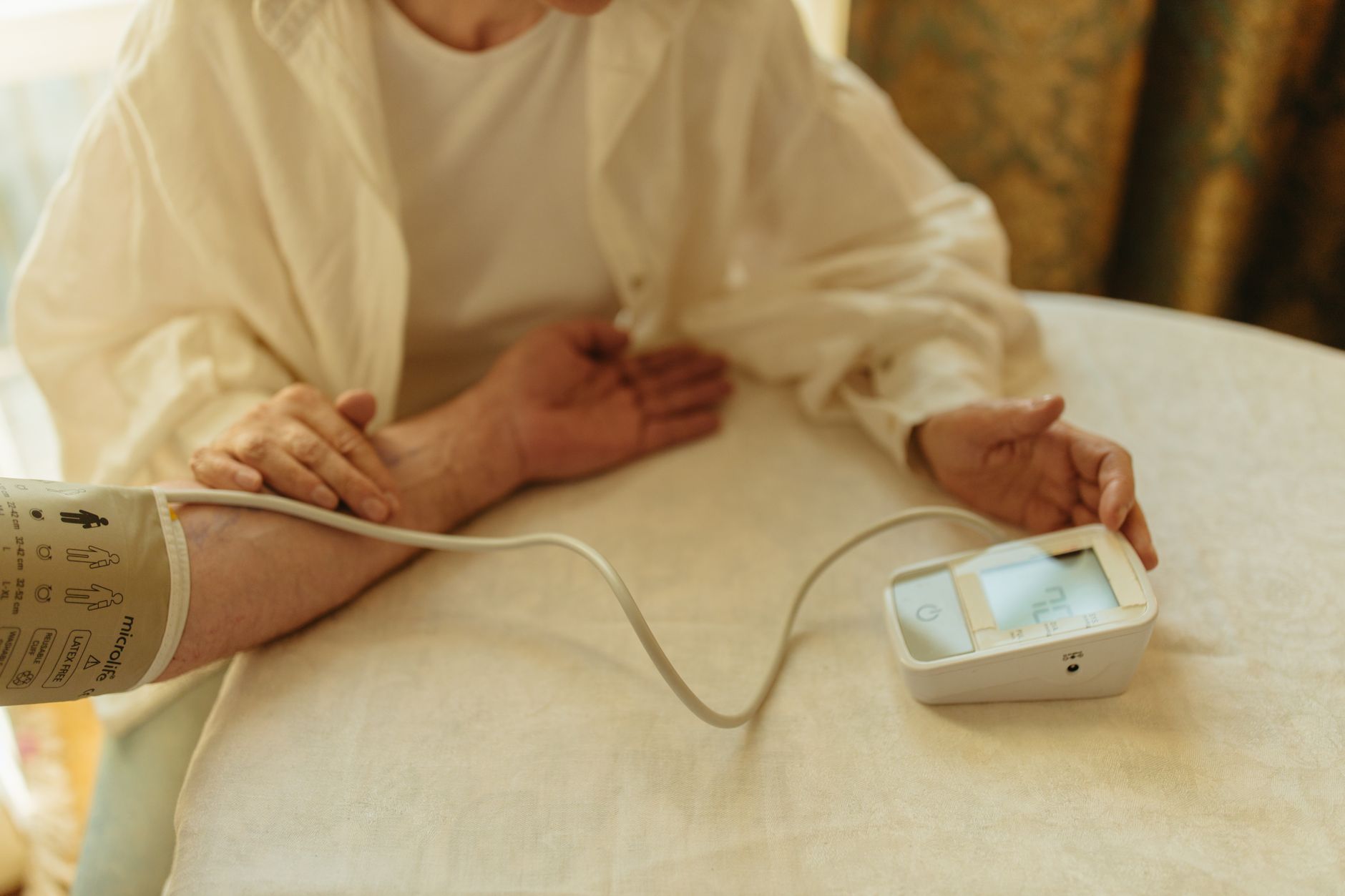
Monitoring your blood pressure at home can help you stay aware of changes—but always follow up with your provider if you notice spikes.
Key risk factors for preeclampsia
Preeclampsia isn’t caused by one single thing. Instead, it’s usually a combination of factors—some you can control, and some you can’t. Knowing these risk factors can help you and your provider decide how closely to monitor your pregnancy. Below, we’ve broken them down into categories: high-risk factors (the ones that raise your risk the most) and moderate-risk factors (those that may increase your risk slightly).
One note: having one or more risk factors doesn’t mean you’ll definitely develop preeclampsia. It just means your provider might recommend extra monitoring, like more frequent blood pressure checks or ultrasounds. On the flip side, some women with no risk factors still develop preeclampsia. That’s why staying alert to symptoms is important for everyone.
High-risk factors (major red flags)
History of preeclampsia: If you had preeclampsia in a previous pregnancy, your risk is about 7 times higher in future pregnancies, according to the CDC. The risk is even higher if you had severe preeclampsia, preeclampsia that led to preterm birth, or preeclampsia in more than one pregnancy.
Chronic hypertension: If you had high blood pressure before pregnancy or before 20 weeks, you’re at higher risk. Chronic hypertension affects about 1–5% of pregnancies and increases the risk of preeclampsia by 3–4 times, per ACOG.
Pregnancy with multiples (twins, triplets, etc.): Carrying more than one baby raises your risk of preeclampsia by about 2–3 times. This is likely because your body is working harder to support multiple babies, which can strain your blood vessels.
Kidney disease: If you have a history of kidney problems, your risk of preeclampsia is higher. Kidney disease can affect how your body handles fluids and waste, which may contribute to high blood pressure.
Autoimmune disorders: Conditions like lupus or antiphospholipid syndrome (APS) can increase your risk. These disorders cause your immune system to attack healthy cells, which can affect blood flow to the placenta.
Type 1 or type 2 diabetes: Diabetes can damage blood vessels and increase inflammation, both of which may raise your risk of preeclampsia. Women with diabetes are about 2 times more likely to develop preeclampsia, per the National Institutes of Health (NIH).
IVF or assisted reproductive technology (ART): If you conceived through IVF or another fertility treatment, your risk of preeclampsia is slightly higher. This may be due to underlying health conditions that contributed to infertility or the medications used during treatment.
Moderate-risk factors (smaller but still important)
First pregnancy: If this is your first baby, your risk of preeclampsia is about 2–3 times higher than in subsequent pregnancies. Experts aren’t entirely sure why, but it may be related to how your body’s immune system reacts to the placenta.
Family history of preeclampsia: If your mother or sister had preeclampsia, your risk is about 2 times higher. This suggests there may be a genetic component, though no single “preeclampsia gene” has been identified.
Obesity: Having a body mass index (BMI) of 30 or higher before pregnancy increases your risk. Obesity is linked to inflammation and insulin resistance, both of which may contribute to preeclampsia.
Age: Women under 20 or over 35 have a slightly higher risk. This may be due to underlying health conditions that become more common with age or changes in blood vessel function.
Interval between pregnancies: If you had a baby less than 2 years ago or more than 10 years ago, your risk is slightly higher. Short intervals may not give your body enough time to recover, while long intervals may mean your body “forgets” how to adapt to pregnancy.
Polycystic ovary syndrome (PCOS): Women with PCOS are at higher risk for preeclampsia, likely due to underlying insulin resistance and inflammation.
Sickle cell disease: This blood disorder can affect blood flow and oxygen delivery, which may increase the risk of preeclampsia.
One mom we spoke to, Sarah, shared her experience: “I had no idea I was at risk. It was my first pregnancy, and I was 36, but I felt great. Then at 32 weeks, my blood pressure spiked during a routine checkup. My provider sent me straight to the hospital. It was scary, but because we caught it early, I was able to deliver a healthy baby at 37 weeks. Now I tell all my pregnant friends: know your risk factors, even if you feel fine.”
Early symptoms and warning signs of preeclampsia
Preeclampsia doesn’t always come with obvious symptoms, but when it does, they can develop quickly. Some women notice changes over days or weeks, while others experience sudden, severe symptoms. The key is to trust your instincts. If something feels “off,” don’t wait—call your provider. It’s always better to be safe.
Here are the most common early symptoms of preeclampsia:
High blood pressure: A reading of 140/90 mmHg or higher on two separate occasions, at least 4 hours apart, is a red flag. Some women monitor their blood pressure at home, but remember: home monitors aren’t a substitute for prenatal visits.
Protein in your urine: This is usually detected during a prenatal visit. Your provider may ask you to collect your urine over 24 hours for a more accurate test.
Severe headaches: Headaches that don’t go away with rest, hydration, or over-the-counter pain relievers (like acetaminophen) can be a sign of preeclampsia. These headaches often feel like a throbbing pain, usually in the front of your head.
Vision changes: Blurred vision, seeing spots or flashing lights, or temporary loss of vision can signal preeclampsia. These symptoms are caused by swelling in the brain or changes in blood flow to the eyes.
Upper abdominal pain: Pain under your ribs, usually on the right side, can be a sign of liver involvement. This pain may feel like heartburn or a sharp, stabbing sensation. Don’t ignore it—it’s not normal in pregnancy.
Sudden swelling: While some swelling (edema) is normal in pregnancy, sudden or severe swelling in your hands, face, or feet can be a warning sign. Pay attention if your rings feel tight or your face looks puffy when you wake up.
Nausea or vomiting: While morning sickness is common in early pregnancy, new or worsening nausea and vomiting in the second or third trimester can be a sign of preeclampsia.
Shortness of breath: Difficulty breathing or a sudden drop in your oxygen levels can occur if preeclampsia affects your lungs. This is a medical emergency—seek help immediately.
Decreased urine output: If you’re not peeing as much as usual, it could be a sign your kidneys aren’t working properly. This is another reason to call your provider right away.
One important note: not all swelling is a sign of preeclampsia. Mild swelling in your feet and ankles is common, especially in the third trimester. But if the swelling is sudden, severe, or accompanied by other symptoms (like headaches or vision changes), it’s time to call your provider.
Sudden swelling in your hands or face—like a ring that suddenly feels tight—can be a sign of preeclampsia. Don’t ignore it.
How the self-check calculator works
Now that you know the risk factors and symptoms, let’s put it all together. Our Preeclampsia Risk calculator is a simple tool to help you estimate your risk level based on your personal health history. It’s not a diagnosis, but it can give you a clearer picture of what to watch for—and when to talk to your provider.
Here’s how it works:
What you’ll need to input
The calculator asks a series of questions about your health, pregnancy history, and current symptoms. You’ll be asked about:
Your age
Whether this is your first pregnancy
If you’re carrying multiples (twins, triplets, etc.)
Your pre-pregnancy BMI (if you’re not sure, you can estimate)
Any history of chronic hypertension, diabetes, kidney disease, or autoimmune disorders
Whether you’ve had preeclampsia in a previous pregnancy
If you conceived through IVF or another fertility treatment
Any current symptoms, like headaches, swelling, or vision changes
The scoring system
The calculator assigns points based on your answers. Here’s a general idea of how the scoring breaks down (note: this is a simplified version of what the tool uses):
Risk Factor
Points Assigned
History of preeclampsia in a previous pregnancy
3 points
Chronic hypertension
3 points
Pregnancy with multiples
2 points
Kidney disease or autoimmune disorder
2 points
Type 1 or type 2 diabetes
2 points
IVF or assisted reproductive technology
1 point
First pregnancy
1 point
Family history of preeclampsia
1 point
Obesity (BMI ≥ 30)
1 point
Age under 20 or over 35
1 point
Current symptoms (e.g., headaches, swelling, vision changes)
1–3 points (depending on severity)
Interpreting your score
After you input your information, the calculator will give you a risk level: low, moderate, or high. Here’s what each level means:
Low risk (0–2 points): Your risk of developing preeclampsia is similar to the general population (about 5%). This doesn’t mean preeclampsia is impossible, but it’s less likely. Focus on staying healthy, attending all your prenatal visits, and being aware of the early symptoms.
Moderate risk (3–5 points): Your risk is higher than average, but not extremely high. Your provider may recommend extra monitoring, like more frequent blood pressure checks or ultrasounds. They might also suggest low-dose aspirin (more on that below) to reduce your risk.
High risk (6+ points): Your risk is significantly higher than average. Your provider will likely recommend close monitoring, possibly including weekly or biweekly visits, blood pressure checks at home, and regular blood and urine tests. They may also prescribe low-dose aspirin to help lower your risk.
Remember: this calculator is a starting point, not a diagnosis. It’s based on general guidelines, but every pregnancy is unique. Always follow up with your provider to discuss your results and next steps.
One mom, Priya, shared her experience with the calculator: “I was 34, pregnant with my first baby, and had no idea I was at risk. The calculator flagged me as moderate risk because of my age and first pregnancy. My provider recommended low-dose aspirin, and I started monitoring my blood pressure at home. At 36 weeks, I noticed my hands were swelling more than usual. I called my provider, and they diagnosed me with mild preeclampsia. Because we caught it early, I was able to deliver a healthy baby at 38 weeks. The calculator gave me the heads-up I needed.”
What to do based on your risk level
No matter your risk level, there are steps you can take to stay healthy and reduce your chances of complications. Below, we’ll break down what to do based on your calculator results.
If you’re low risk
Even if your risk is low, it’s important to stay vigilant. Here’s what you can do:
Attend all prenatal visits: Your provider will check your blood pressure and urine at every visit. These simple tests can catch preeclampsia early, even if you feel fine.
Know the symptoms: Review the early warning signs of preeclampsia (headaches, swelling, vision changes, etc.) and call your provider if you notice anything unusual.
Stay active: Regular, moderate exercise (like walking, swimming, or prenatal yoga) can help keep your blood pressure in check. Aim for at least 30 minutes most days of the week, unless your provider advises otherwise.
Eat a balanced diet: Focus on whole foods like fruits, vegetables, lean proteins, and whole grains. Limit processed foods and excess salt, which can contribute to high blood pressure.
Stay hydrated: Drink plenty of water throughout the day. Dehydration can sometimes mimic or worsen symptoms like headaches.
If you’re moderate risk
If your calculator results show a moderate risk, your provider may recommend some or all of the following:
Low-dose aspirin: Taking 81 mg of aspirin daily (starting between 12 and 28 weeks) can reduce your risk of preeclampsia by about 20–30%, according to ACOG. Aspirin helps improve blood flow to the placenta and reduces inflammation. Don’t start taking aspirin without talking to your provider first—it’s not safe for everyone.
More frequent prenatal visits: Your provider may want to see you every 2–3 weeks instead of monthly, especially in the third trimester. They’ll monitor your blood pressure, urine, and baby’s growth more closely.
Home blood pressure monitoring: Your provider may recommend checking your blood pressure at home 1–2 times a day. They’ll show you how to use a monitor and what readings to watch for. Keep a log of your results to share at your visits.
Regular ultrasounds: You may have more frequent ultrasounds to check your baby’s growth and the amount of amniotic fluid. Preeclampsia can sometimes restrict blood flow to the baby, so these checks are important.
Lifestyle adjustments: In addition to the steps for low-risk pregnancies, your provider may recommend reducing stress, getting enough rest, and avoiding excessive salt. Some women also find it helpful to elevate their feet when sitting to reduce swelling.
If you’re high risk
If your calculator results show a high risk, your provider will likely recommend close monitoring and may suggest the following:
Low-dose aspirin: If you haven’t already started, your provider will likely prescribe 81 mg of aspirin daily. This is one of the most effective ways to reduce your risk.
Weekly or biweekly visits: You’ll see your provider more often, possibly every week in the third trimester. They’ll check your blood pressure, urine, and baby’s growth at each visit.
Home blood pressure monitoring: You may need to check your blood pressure 2–3 times a day and keep a detailed log. Your provider will tell you what readings to watch for and when to call them.
Blood and urine tests: In addition to regular urine tests, your provider may order blood tests to check your liver and kidney function, as well as your platelet count. These tests can help detect early signs of complications like HELLP syndrome.
Non-stress tests (NSTs): Starting around 32 weeks, you may have weekly NSTs to monitor your baby’s heart rate and movements. This test is painless and takes about 20–30 minutes.
Doppler ultrasounds: These ultrasounds check blood flow through the umbilical cord and baby’s brain. They can help your provider see if the baby is getting enough oxygen and nutrients.
Early delivery: If your preeclampsia becomes severe or your baby shows signs of distress, your provider may recommend delivering early. This is usually done after 34 weeks, but in some cases, it may be necessary earlier. Your provider will weigh the risks of early delivery against the risks of continuing the pregnancy.
One high-risk mom, Maria, shared her story: “I had chronic hypertension and was pregnant with twins. The calculator flagged me as high risk, and my provider put me on low-dose aspirin and weekly visits. At 30 weeks, my blood pressure started climbing, and I developed protein in my urine. My provider admitted me to the hospital for monitoring. I was scared, but the team was amazing. They stabilized my blood pressure and gave me steroids to help my babies’ lungs develop. At 34 weeks, I delivered two healthy girls. They spent a few weeks in the NICU, but now they’re thriving. I’m so glad I knew my risk and had a plan in place.”
Can you prevent preeclampsia?
There’s no surefire way to prevent preeclampsia, but there are steps you can take to reduce your risk—especially if you’re at moderate or high risk. Here’s what the evidence says:
Low-dose aspirin
For women at moderate or high risk, taking 81 mg of aspirin daily (starting between 12 and 28 weeks) can reduce the risk of preeclampsia by about 20–30%, according to ACOG and the U.S. Preventive Services Task Force (USPSTF). Aspirin works by improving blood flow to the placenta and reducing inflammation. It’s most effective when started before 16 weeks, but it can still help if started later.
Not everyone should take aspirin, though. It’s not recommended for women with a history of bleeding disorders, stomach ulcers, or allergies to aspirin. Always talk to your provider before starting any new medication.
Calcium supplements
If you don’t get enough calcium in your diet, taking a calcium supplement may help reduce your risk of preeclampsia. The World Health Organization (WHO) recommends 1.5–2 grams of calcium daily for women with low dietary calcium intake. This is especially important in low- and middle-income countries, where calcium deficiency is more common. In the U.S., most women get enough calcium through their diet, but your provider may recommend a supplement if you’re at high risk.
Lifestyle changes
While lifestyle changes alone can’t prevent preeclampsia, they can help reduce your risk and improve your overall health. Here are some evidence-based strategies:
Eat a balanced diet: Focus on fruits, vegetables, whole grains, lean proteins, and healthy fats. Limit processed foods, excess salt, and added sugars. Some research suggests that diets rich in antioxidants (like vitamins C and E) may help reduce inflammation, but more studies are needed.
Stay active: Regular, moderate exercise (like walking, swimming, or prenatal yoga) can help keep your blood pressure in check. Aim for at least 30 minutes most days of the week, unless your provider advises otherwise.
Manage your weight: If you’re overweight or obese, losing weight before pregnancy can reduce your risk of preeclampsia. If you’re already pregnant, focus on gaining weight within the recommended range for your BMI. Your provider can help you set a healthy goal.
Stay hydrated: Drink plenty of water throughout the day. Dehydration can sometimes worsen symptoms like headaches or swelling.
Reduce stress: High stress levels can raise your blood pressure. Try relaxation techniques like deep breathing, meditation, or prenatal massage. If you’re feeling overwhelmed, talk to your provider or a mental health professional.
Avoid smoking and alcohol: Smoking and drinking alcohol during pregnancy can increase your risk of preeclampsia and other complications. If you need help quitting, talk to your provider.
What doesn’t work
There’s a lot of misinformation out there about preeclampsia prevention. Here are some strategies that don’t have strong evidence behind them:
Bed rest: While bed rest was once commonly recommended, there’s no evidence that it prevents preeclampsia. In fact, it can increase your risk of blood clots and muscle loss. Unless your provider specifically recommends it, stay active and mobile.
Herbal supplements: Some supplements, like garlic or magnesium, are sometimes touted as preeclampsia preventatives. However, there’s no strong evidence that they work, and some can be harmful during pregnancy. Always talk to your provider before taking any supplements.
Salt restriction: While excessive salt can raise blood pressure, there’s no evidence that restricting salt prevents preeclampsia. In fact, your body needs some salt to function properly. Focus on eating a balanced diet rather than cutting out salt entirely.
Low-dose aspirin (81 mg) is one of the most effective ways to reduce preeclampsia risk for women at moderate or high risk—but always check with your provider first.
Preeclampsia vs. gestational hypertension: What’s the difference?
Preeclampsia and gestational hypertension are both pregnancy-related conditions that involve high blood pressure, but they’re not the same thing. Here’s how to tell them apart:
Feature
Preeclampsia
Gestational Hypertension
Timing
Usually after 20 weeks
After 20 weeks
Blood pressure
140/90 mmHg or higher on two occasions, at least 4 hours apart
140/90 mmHg or higher on two occasions, at least 4 hours apart
Protein in urine
Yes (or other signs of organ damage, like low platelets or liver/kidney problems)
Higher risk of preterm birth, low birth weight, or stillbirth
Lower risk, but can progress to preeclampsia
Treatment
Close monitoring, possible early delivery, medications to lower blood pressure
Monitoring, possible blood pressure medication, may progress to preeclampsia
One key difference: gestational hypertension doesn’t involve protein in your urine or other signs of organ damage. However, about 25% of women with gestational hypertension go on to develop preeclampsia, according to ACOG. That’s why it’s important to monitor both conditions closely.
If you’re diagnosed with gestational hypertension, your provider will likely recommend more frequent prenatal visits to check your blood pressure and urine. They may also suggest monitoring your baby’s growth with ultrasounds. In some cases, they may prescribe blood pressure medication to keep your levels in a safe range.
Doctor’s note
From our medical team:
Preeclampsia is one of the most common—and most serious—complications of pregnancy. But here’s the good news: when we catch it early, we can manage it effectively. That’s why knowing your risk factors and symptoms is so important. If you’re at moderate or high risk, low-dose aspirin is a game-changer. It’s safe, inexpensive, and backed by decades of research. Don’t wait until you’re symptomatic—start the conversation with your provider early in your pregnancy.
And remember: preeclampsia isn’t your fault. It’s not caused by stress, diet, or anything you did. But being proactive can make all the difference. If you notice symptoms like sudden swelling, severe headaches, or vision changes, don’t brush them off. Call your provider right away. It’s always better to be safe.
🔢 Ready to crunch your numbers? Use our Preeclampsia Risk for a personalized result in seconds.
Myth vs. fact
There’s a lot of confusion about preeclampsia. Let’s clear up some common myths:
Myth: Preeclampsia only happens in the third trimester. Fact: While preeclampsia is most common after 20 weeks, it can develop earlier—even in the first trimester, though this is rare. Early-onset preeclampsia (before 34 weeks) is often more severe and requires closer monitoring.
Myth: If you don’t have high blood pressure, you can’t have preeclampsia. Fact: Some women with preeclampsia have normal or only slightly elevated blood pressure. Other signs, like protein in your urine or organ damage, can still indicate preeclampsia even if your blood pressure isn’t sky-high.
Myth: Preeclampsia always causes noticeable symptoms. Fact: Preeclampsia can be “silent” at first. Some women feel completely fine, even as their blood pressure climbs. That’s why regular prenatal visits are so important—they can catch preeclampsia before you notice any symptoms.
Myth: Bed rest can prevent preeclampsia. Fact: There’s no evidence that bed rest prevents preeclampsia. In fact, it can increase your risk of blood clots and muscle loss. Stay active and mobile unless your provider specifically recommends bed rest.
Myth: Preeclampsia goes away as soon as the baby is born. Fact: While delivery is the only “cure” for preeclampsia, symptoms can persist for days or even weeks after birth. Some women develop postpartum preeclampsia, which can be just as serious. That’s why it’s important to continue monitoring your blood pressure and symptoms after delivery.
Key takeaways
Preeclampsia is a serious pregnancy complication marked by high blood pressure and often protein in your urine. It affects about 1 in 20 pregnancies and can develop after 20 weeks.
Risk factors include a history of preeclampsia, chronic hypertension, pregnancy with multiples, kidney disease, autoimmune disorders, diabetes, IVF, first pregnancy, obesity, and age under 20 or over 35.
Early symptoms include high blood pressure, protein in your urine, severe headaches, vision changes, upper abdominal pain, sudden swelling, nausea, shortness of breath, and decreased urine output.
Use our Preeclampsia Risk calculator to estimate your risk level based on your health history. It’s not a diagnosis, but it can help you and your provider decide on next steps.
If you’re at moderate or high risk, your provider may recommend low-dose aspirin, more frequent prenatal visits, home blood pressure monitoring, and regular ultrasounds.
There’s no surefire way to prevent preeclampsia, but low-dose aspirin
Not sure about the label on Am I At Risk For Preeclampsia Simple Self Check Calculator products?
Snap the ingredients list and SafeFilter checks every ingredient for your stage — only 3 free scans this month, then you're locked until reset. Unlimited from $7/mo or $50/yr.
When Shubhra Mishra was expecting her first child in 2016, she was overwhelmed by conflicting food advice — one site said yes, another said never. By the time her second baby arrived in 2019, she realized millions of mothers face the same confusion.
That sparked a five-year journey through clinical nutrition papers, cultural diets, and expert conversations — all leading to BumpBites: a calm, compassionate space where science meets everyday motherhood.
Her long-term vision is to build a global community ensuring safe, supported, and free deliveriesfor every mother — because no woman should face pregnancy alone or uninformed. 🌿
🌍 Stand with mothers, shape safer guidance
Join a small circle of experts who review BumpBites articles so expecting parents everywhere can decide with confidence.