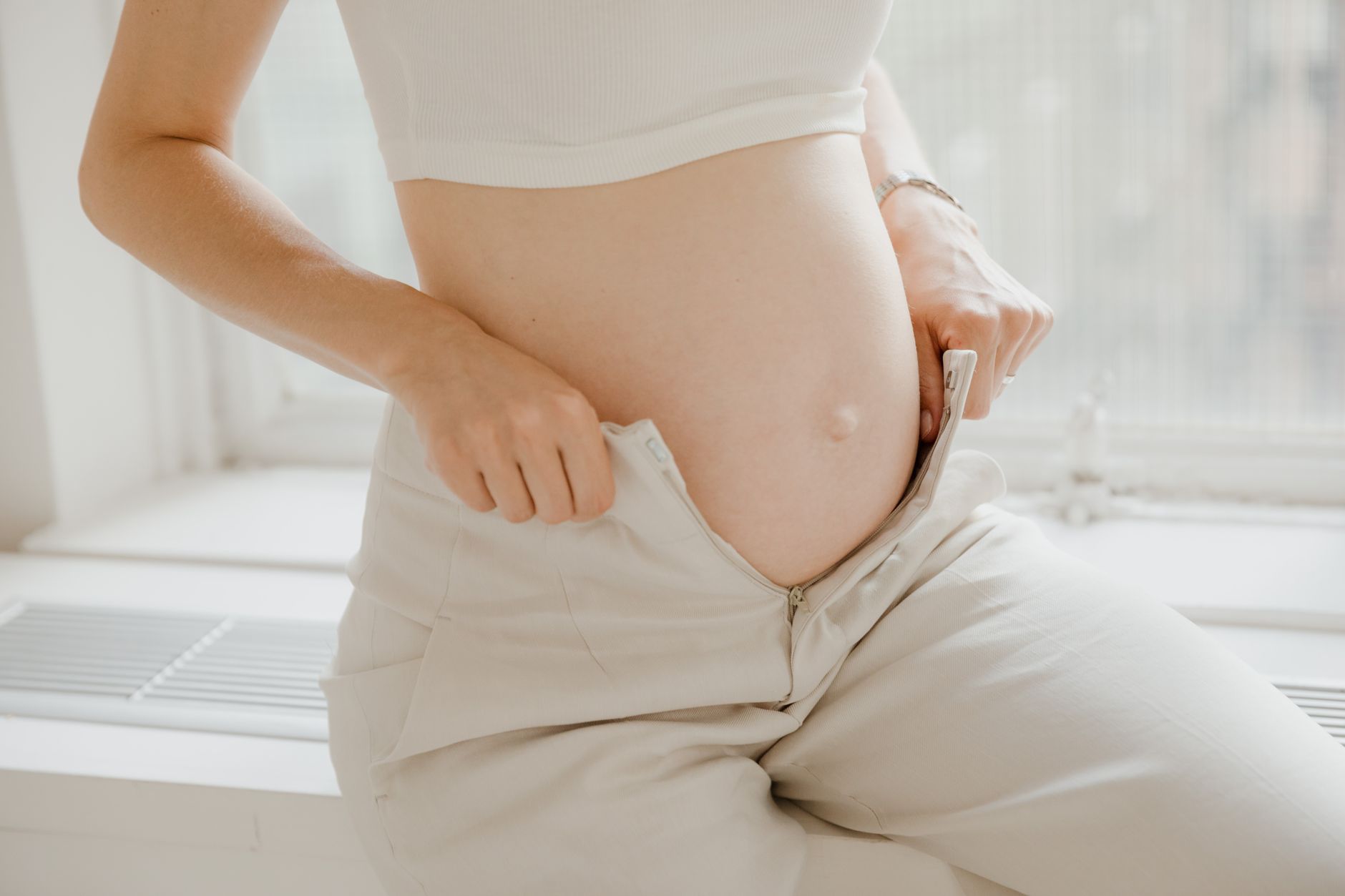
Discover how the anatomy of a pregnant woman transforms during pregnancy. Learn about key physical changes, their purposes, and what to expect each trimester.
By Shubhra Mishra — a mom of two who turned her own confusion during pregnancy into BumpBites, a global mission to make food choices clear, safe, and stress-free for every expecting mother. 💛
Check whether any food is safe during pregnancy with the BumpBites Food Safety Checker.
Quick take: A pregnant woman's body transforms dramatically—from a tiny uterus the size of a fist to a balloon‑like organ that fills most of the abdomen, while hormones, blood volume, heart size, joints, lungs, skin and breasts all remodel to nurture the growing baby. Most changes are normal and peak in the third trimester, but any sudden pain, severe shortness of breath, or rapid swelling should prompt a call to your provider.
It’s 2 a.m.; you’re curled up on the couch, feeling a gentle flutter and wondering why your belly feels heavier even though you haven’t changed your diet. You’re not alone—every expectant mother asks herself, “What exactly is happening inside me?” The short answer: pregnancy rewires your anatomy from head to toe, preparing a safe, nutrient‑rich environment for the fetus.
In this guide we break down the anatomy of the pregnant woman, trimester by trimester, and explain why each shift matters for you and your baby. We’ll cover the uterus, hormones, blood, heart, abdominal wall, pelvic joints, lungs, breasts, skin, digestion, and posture—answering the most common questions that show up on Google searches.
By the end you’ll have a clear, science‑backed picture of the changes, know what’s typical, and feel confident about the next steps you can take for a comfortable pregnancy.
How does a pregnant woman's uterus change during each trimester?
The uterus is the centerpiece of pregnancy, and its growth is one of the most visible signs that a baby is developing. In the first trimester the uterus expands from a small, pear‑shaped organ situated deep in the pelvis to a balloon‑like structure that rises into the lower abdomen. By the end of the third trimester it can hold up to 5 liters of blood, amniotic fluid, and the baby itself.
First trimester (weeks 1–13): Hormonal signals—especially estrogen and progesterone—cause the uterine muscle (myometrium) to thicken and the endometrial lining to become highly vascular. The uterus rises just a few centimeters above the pelvic brim and is still largely hidden behind the bladder.
Second trimester (weeks 14–27): The uterus continues to enlarge, pushing the bladder upward and causing the “baby bump” to become noticeable. By week 20 the uterine fundus is typically level with the umbilicus, and the uterine wall thins slightly as the cavity fills with amniotic fluid.
Third trimester (weeks 28–40): The uterus expands to its maximum size, reaching the rib cage by week 36. The uterine wall becomes more compliant, allowing space for the baby’s rapid weight gain. The cervix softens and shortens in preparation for labor—a process called “cervical ripening.”
On average, a uterus can increase its volume by 1,000‑plus percent, growing from roughly 70 mL pre‑pregnancy to 1,000 mL at term. This dramatic expansion is why many women feel pressure on the lower back, pelvis, and diaphragm as the pregnancy progresses.
Uterine growth from the first to the third trimester.
What are the hormonal changes in a pregnant woman's body and how do they affect anatomy?
P
regnancy is a hormonal marathon. Three key hormones—estrogen, progesterone, and relaxin—drive most anatomical adaptations.
Estrogen rises steadily, reaching up to 30‑fold higher levels by term. It stimulates uterine blood flow, breast glandular development, and the synthesis of melanin‑producing enzymes, which can darken the skin (the “mask of pregnancy”).
Progesterone maintains the uterine lining, relaxes smooth muscle, and reduces gastrointestinal motility, leading to slower digestion and increased constipation.
Relaxin peaks in the first trimester and again in the third, acting like a natural “glue‑breaker.” It softens the pelvic ligaments, widens the pubic symphysis, and loosens the cervix to prepare for delivery.
These hormones also influence the cardiovascular system (by increasing blood volume), the respiratory system (by relaxing airway smooth muscle), and the skin (by boosting melanin production and altering collagen turnover). The net effect is a body that is more flexible, better supplied with blood, and primed for the metabolic demands of a growing fetus.
How does a pregnant woman's blood volume increase and what does it mean for circulation?
By the third trimester, a pregnant woman's total blood volume expands by roughly 40‑50 percent—about 1.5 liters more than non‑pregnant levels. This surge supports the placenta, supplies oxygen to the baby, and accommodates the increased metabolic needs of maternal tissues.
Increased blood volume raises cardiac output (the amount of blood the heart pumps per minute) by about 30‑50 percent. The heart itself enlarges slightly—its chambers dilate, and the left ventricular wall thickens—to handle the extra workload. This is why many women notice a slightly faster heartbeat and a feeling of “pounding” during the day.
Blood pressure often dips in the first two trimesters due to vasodilation, then returns to pre‑pregnancy levels in the third trimester. A modest rise is normal, but a sustained hypertension (blood pressure ≥ 140/90 mm Hg) may signal pre‑eclampsia and warrants prompt medical attention.
Parameter
First Trimester
Second Trimester
Third Trimester
Blood volume increase
~10 %
~30 %
~45‑50 %
Cardiac output
+15 %
+30 %
+40‑50 %
Heart size (chamber dilation)
Minimal
Moderate
Noticeable
Systolic BP trend
↓
Stable
↗ (toward baseline)
These circulatory changes also explain why many pregnant women feel light‑headed after standing quickly—gravity pulls blood into the expanded lower extremities, and the heart must work harder to push it back up.
Why does a pregnant woman's belly grow and what are the layers of the abdominal wall?
The belly expands for three main reasons: the growing uterus, increased abdominal fat stores, and fluid retention. Even if you don’t eat more, hormonal shifts cause the body to store extra calories as a protective reserve for breastfeeding.
The abdominal wall consists of several layers:
Skin – stretches dramatically and may develop a dark line called the linea nigra, a pigment band that runs from the navel to the pubic bone.
Subcutaneous fat – thickens under the skin, providing insulation and energy.
Superficial fascia (Camper’s fascia) – a connective tissue sheet that helps bind skin to deeper structures.
Deep fascia (Scarpa’s fascia) – lies beneath the superficial layer and offers structural support.
Rectus abdominis muscles – the “six‑pack” muscles that become separated by the linea alba, which stretches and thins.
Transversus abdominis – the deepest core muscle, which may weaken, leading to lower‑back strain.
As the uterus pushes outward, the linea alba stretches, sometimes forming a slight bulge called “diastasis recti.” Gentle core‑strengthening exercises, approved by a prenatal therapist, can help prevent severe separation.
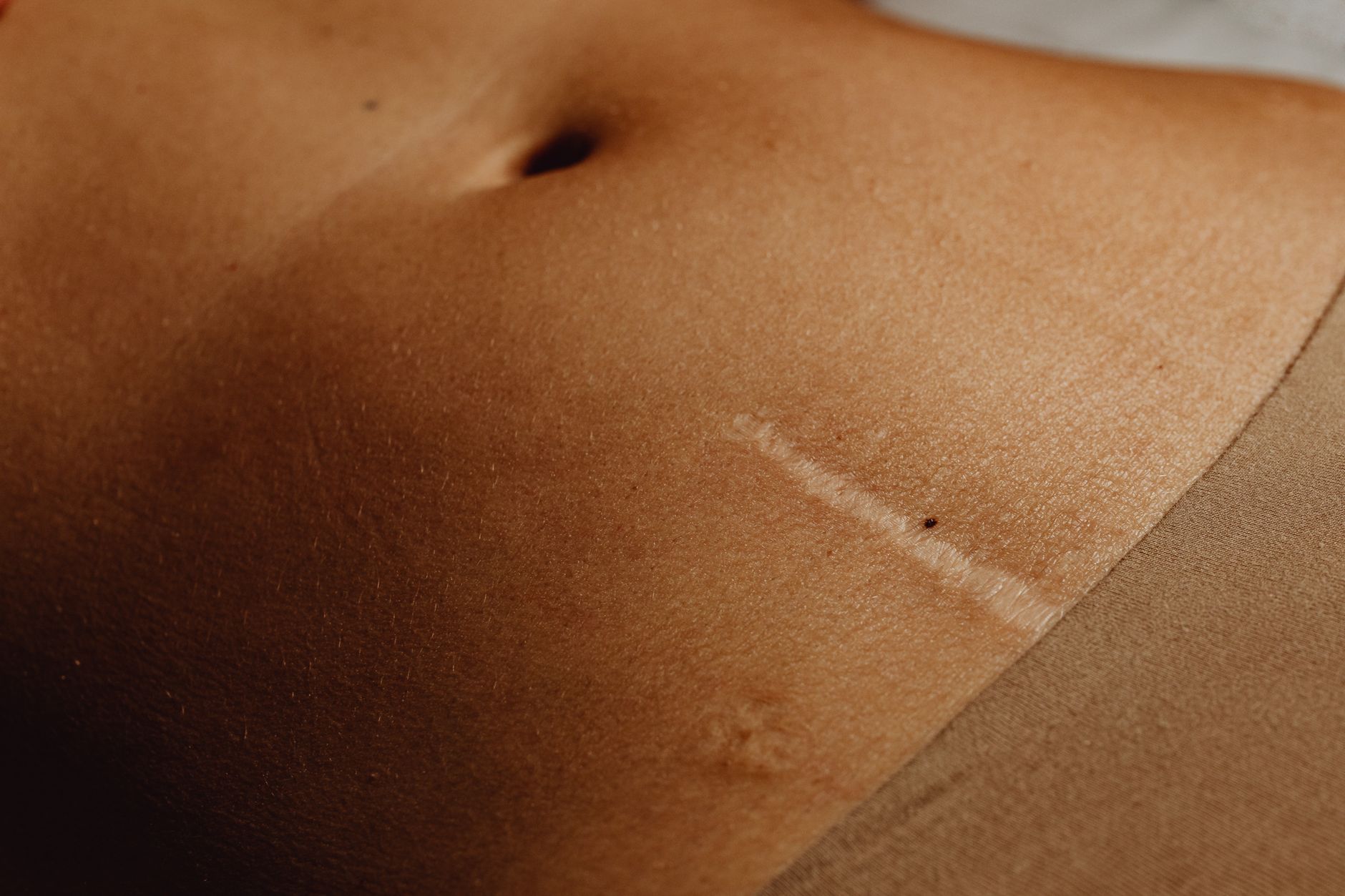
The linea nigra and stretch marks are common skin changes as the belly expands.
What happens to a pregnant woman's pelvic joints and ligaments as the baby grows?
Relaxin, the hormone mentioned earlier, loosens the ligaments of the pelvis, especially the sacroiliac joints and the pubic symphysis. This flexibility is essential for the baby to pass through the birth canal.
However, the same looseness can cause pelvic girdle pain (PGP) or “symphysis pubis dysfunction.” The pain often radiates to the hips, thighs, or lower back and may worsen when standing, climbing stairs, or turning over in bed.
A supportive maternity belt, gentle pelvic‑tilt exercises, and proper footwear can alleviate discomfort. Physical therapists specializing in prenatal care can tailor a program that strengthens the surrounding muscles without overstretching the ligaments.
How does a pregnant woman's respiratory system adapt to support the fetus?
Pregnancy demands more oxygen for both mother and baby. To meet this need, the respiratory system undergoes several adjustments:
Increased tidal volume – the amount of air inhaled and exhaled with each breath rises by about 30‑40 percent, allowing more oxygen exchange.
Elevated diaphragm – the expanding uterus pushes the diaphragm upward, reducing lung capacity slightly, but the increase in tidal volume compensates.
Higher minute ventilation – overall ventilation (breaths per minute × tidal volume) can increase up to 50 percent, leading to a mild, physiological respiratory alkalosis.
Relaxed airway smooth muscle – progesterone relaxes the bronchi, making breathing feel easier for many women.
These changes explain why shortness of breath is common, especially in the third trimester. Most shortness of breath is normal, but sudden severe breathlessness, chest pain, or a feeling of suffocation should be evaluated promptly.
What skin changes occur in a pregnant woman and why they happen?
Skin is a visible canvas of pregnancy’s hormonal surge. The most frequent changes include:
Melasma (the “mask of pregnancy”) – increased melanin production leads to dark patches on the cheeks, forehead, and upper lip.
Linea nigra – a dark line along the mid‑abdomen, caused by estrogen‑driven melanin.
Stretch marks (striae gravidarum) – when the dermis stretches faster than collagen can remodel, tiny reddish or purplish lines appear, later fading to silver.
Spider angiomas – tiny, spider‑like blood vessels that appear on the face or chest due to hormonal vascular changes.
Increased skin elasticity – estrogen promotes collagen synthesis, but the rapid stretch can still overwhelm the skin’s ability to adapt.
Most of these changes fade after delivery, though some (like stretch marks) may remain. Gentle moisturizers, staying hydrated, and a balanced diet rich in vitamins C and E can support skin health, but no cream can guarantee prevention.
How does pregnancy affect a woman's heart size and posture?
As blood volume rises, the heart adap‑tively enlarges—a condition known as “physiologic cardiac remodeling.” The left ventricle’s walls thin slightly while the chamber enlarges, allowing it to pump the extra blood efficiently without a rise in resting heart rate.
Posture also shifts. The growing uterus pushes the center of gravity forward, prompting a slight lumbar lordosis (inward curve of the lower back) to maintain balance. This change can strain the back muscles and lead to lower‑back pain, especially if core muscles are weak.
Counter‑balancing strategies include:
Wearing supportive shoes.
Practicing prenatal yoga or pelvic‑tilt exercises.
Using a firm mattress and pillow to support the hips while sleeping.
These measures help maintain alignment and reduce discomfort as the heart and spine adapt.
What changes occur in a pregnant woman's breasts and why do they enlarge?
Breast tissue responds early to pregnancy hormones. Estrogen stimulates ductal growth, while progesterone expands the glandular alveoli that will later produce milk. As a result, breasts often increase in size by one to two cup sizes by the end of the first trimester.
Additional changes include:
Darkening of the areola – melanin intensifies, making the nipple region appear larger.
Visible veins – increased blood flow leads to more pronounced vascular patterns.
Sensitivity – hormonal fluctuations can make nipples tender or sore.
Supportive, well‑fitted maternity bras reduce discomfort and help prevent stretch‑mark formation on the skin.
How does pregnancy impact a woman's digestive system?
Progesterone relaxes the smooth muscle of the gastrointestinal tract, slowing motility. This leads to common symptoms such as heartburn, constipation, and slower gastric emptying. The growing uterus also compresses the stomach and intestines, especially in the third trimester, exacerbating reflux.
Drinking plenty of water and avoiding carbonated beverages.
If severe nausea or vomiting (hyperemesis gravidarum) occurs, medical evaluation is essential to prevent dehydration and nutrient deficiencies.
From our medical team: All of these anatomical changes are normal adaptations that support fetal growth. If you ever feel unsure—whether it’s a new joint ache, a sudden rise in shortness of breath, or an unexpected rash—reach out to your obstetric provider. They can differentiate typical pregnancy physiology from conditions that need treatment.
Myth vs. fact
Myth: A pregnant belly grows only because the mother eats more. Fact: Hormonal shifts cause the uterus and abdominal muscles to expand, and the body stores extra fat as a reserve, even without increased caloric intake.
Myth: All stretch marks can be prevented with special creams. Fact: Stretch marks form when the dermis stretches faster than collagen can remodel; moisturizers help with comfort but cannot guarantee prevention.
Myth: Shortness of breath means something is wrong with the lungs. Fact: Mild breathlessness is a normal physiologic response to increased oxygen demand and diaphragm elevation; however, severe or sudden breathlessness requires medical assessment.
Key takeaways
The uterus expands up to 1,000 mL, moving from the pelvis to the rib cage by term.
Estrogen, progesterone, and relaxin drive most anatomical changes, from breast growth to pelvic ligament loosening.
Blood volume rises 40‑50 %, the heart enlarges modestly, and cardiac output can increase by half.
The abdominal wall stretches in layers, creating the linea nigra, stretch marks, and possible diastasis recti.
Pelvic joints become more flexible, which can cause hip and lower‑back pain; supportive belts and targeted exercises help.
Respiratory tidal volume climbs 30‑40 % and the diaphragm lifts, explaining common shortness of breath.
Skin changes—melasma, linea nigra, and stretch marks—are driven by hormonal melanin increase and rapid stretching.
Listen to your body: sudden swelling, severe pain, or abrupt shortness of breath warrant a prompt call to your provider.
Frequently asked questions
How much does a pregnant woman's uterus expand?
By the end of pregnancy the uterus can increase its volume more than tenfold, growing from about 70 mL pre‑pregnancy to roughly 1,000 mL at term.
When do hormonal changes start during pregnancy?
Hormonal shifts begin within days of conception; estrogen and progesterone rise rapidly after implantation, and relaxin peaks in the first trimester and again in the third.
Is it normal for a pregnant woman's blood pressure to rise?
A mild increase in blood pressure during the third trimester is typical, but a sustained reading of 140/90 mm Hg or higher should be evaluated for pre‑eclampsia.
Why does a pregnant woman's belly get larger even if she doesn't eat more?
The uterus itself enlarges, hormones promote fat storage, and fluid retention all contribute to belly growth independent of food intake.
What causes joint pain in a pregnant woman's hips?
Relaxin softens the pelvic ligaments, and the shifting center of gravity adds stress to the hips, leading to pelvic girdle pain.
Do pregnant women need to change their breathing techniques?
While normal breathing usually suffices, practicing slow, deep breaths can help manage the increased tidal volume and reduce anxiety.
When to call your doctor
If you experience any of the following, seek medical attention promptly: sudden or severe shortness of breath, chest pain, rapid swelling of hands or face, persistent severe abdominal pain, bleeding, or a sudden increase in blood pressure. This article is for informational purposes only and does not replace personalized medical advice.
References
American College of Obstetricians and Gynecologists (ACOG). “Management of Pregnancy‑Related Physiologic Changes.” 2023 Clinical Guidance.
National Institute for Health and Care Excellence (NICE). “Antenatal Care Guidelines.” Updated 2022.
World Health Organization (WHO). “Maternal Health and Nutrition.” 2021.
Centers for Disease Control and Prevention (CDC). “Pregnancy‑related Hormonal Changes.” 2022.
Mayo Clinic. “Uterine Changes During Pregnancy.” Accessed July 2026.
Royal College of Obstetricians and Gynaecologists (RCOG). “Physiological Changes in Pregnancy.” 2023.
National Health Service (NHS). “Pregnancy and the Heart.” 2022.
American Academy of Pediatrics (AAP). “Nutrition and Skin Changes in Pregnancy.” 2023.
Not sure about the label on Anatomy Of A Pregnant Woman How Your Body Changes products?
Snap the ingredients list and SafeFilter checks every ingredient for your stage — only 3 free scans this month, then you're locked until reset. Unlimited from $7/mo or $50/yr.
When Shubhra Mishra was expecting her first child in 2016, she was overwhelmed by conflicting food advice — one site said yes, another said never. By the time her second baby arrived in 2019, she realized millions of mothers face the same confusion.
That sparked a five-year journey through clinical nutrition papers, cultural diets, and expert conversations — all leading to BumpBites: a calm, compassionate space where science meets everyday motherhood.
Her long-term vision is to build a global community ensuring safe, supported, and free deliveriesfor every mother — because no woman should face pregnancy alone or uninformed. 🌿
🌍 Stand with mothers, shape safer guidance
Join a small circle of experts who review BumpBites articles so expecting parents everywhere can decide with confidence.