Yes—balance ball pregnancy exercises are safe for moms when done correctly; they deliver low‑impact core, posture, and pelvic floor training that supports both mother and baby throughout pregnancy.
By Shubhra Mishra — a mom of two who turned her own confusion during pregnancy into BumpBites, a global mission to make food choices clear, safe, and stress-free for every expecting mother. 💛
Check whether any food is safe during pregnancy with the BumpBites Food Safety Checker.
Quick take: Yes—balance (stability) ball exercises are generally safe throughout pregnancy when you choose the right ball size, follow trimester‑specific modifications, and listen to your body. Start with gentle movements, aim for 2‑3 sessions a week, and stop if you feel pain, dizziness, or any concerning symptoms.
It’s 2 a.m., you’re curled up on the couch, and a flutter of anxiety spikes as you wonder whether the goofy “exercise ball” you saw on Instagram is actually a good idea for your growing belly. You’re not alone—many expectant moms grapple with the same question, especially when they hear that a stability ball can ease back pain, improve posture, and even prep the pelvis for labor.
Bottom line: balance ball workouts can be a safe, low‑impact way to stay active during pregnancy, provided you follow a few key guidelines. In this guide we’ll walk through trimester‑specific tips, suggest specific routines for core, cardio, and pelvic‑floor work, explain how to pick the right ball, and outline when you should pause or seek medical advice. By the end, you’ll have a complete, doctor‑approved plan you can start today.
How to safely perform balance ball exercises during each trimester of pregnancy
Pregnancy is a three‑act play, and each trimester brings its own physical cues. The first trimester is all about hormonal shifts and a tiny uterus, the second trimester is when the belly starts to show and the lumbar spine bears more load, and the third trimester is about preparing the body for labor. Tailoring your stability‑ball routine to these stages helps you stay comfortable while reaping the benefits.
First trimester: gentle movements and balance training
During weeks 1‑12, many women experience nausea, fatigue, and heightened ligament laxity due to the hormone relaxin. The ball can be a safe way to engage muscles without over‑exertion. Aim for short sessions (10‑15 minutes) of low‑intensity moves such as seated pelvic tilts, seated march‑on‑the‑ball, and seated side‑to‑side rotations. Keep the ball partially inflated (about 70 % of full size) so it offers a stable yet supportive surface.
Why it works: Gentle rocking on the ball can relieve lower‑back tension and improve circulation, which may reduce early‑pregnancy cramping.
Because your body is still adjusting, focus on breath and movement quality rather than how many repetitions you can complete. Adding a brief 30‑second “ball breathing” pause between each set helps keep your heart rate low and supports the growing placenta.
Second trimester: strength, stability, and posture
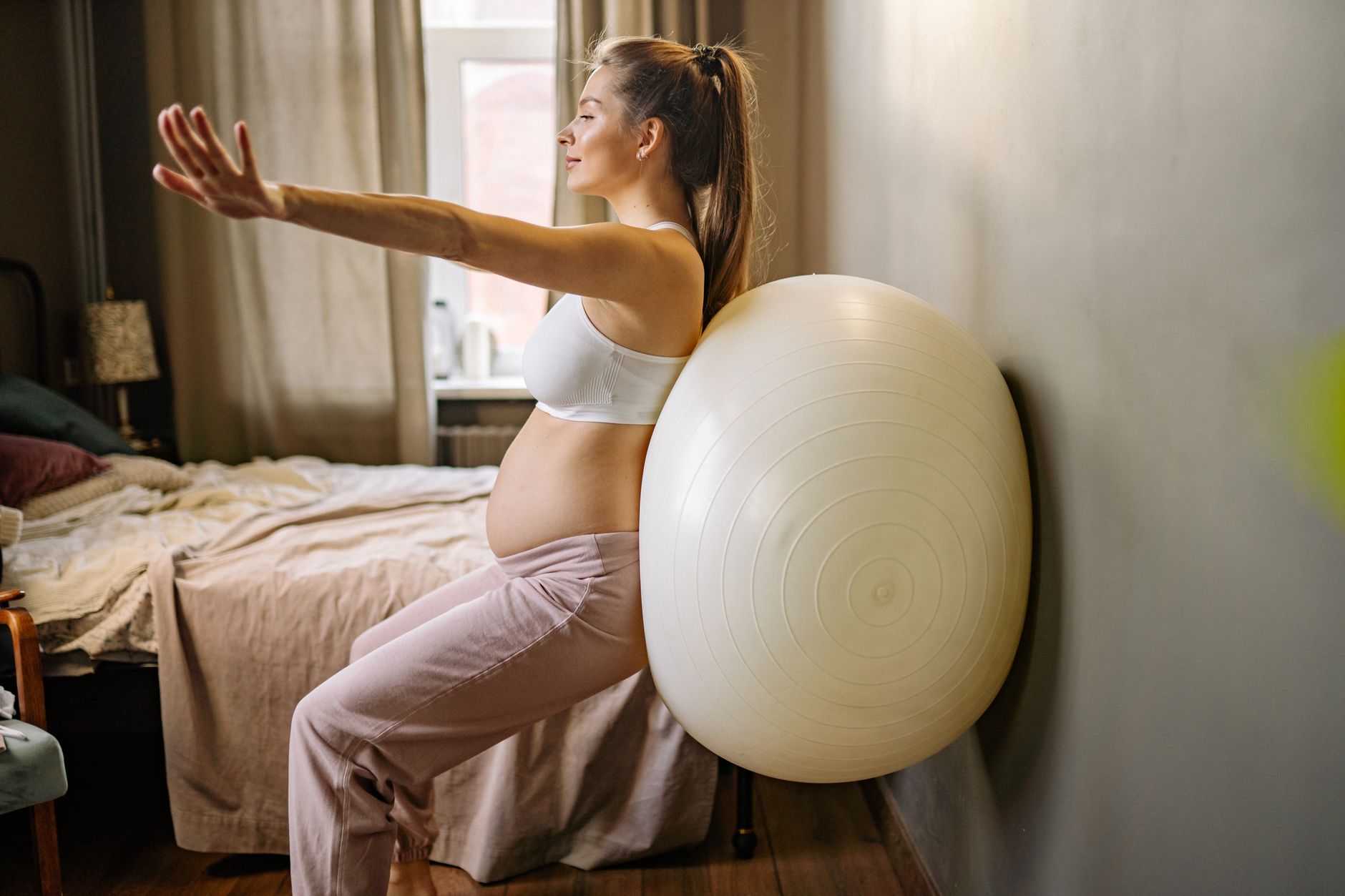
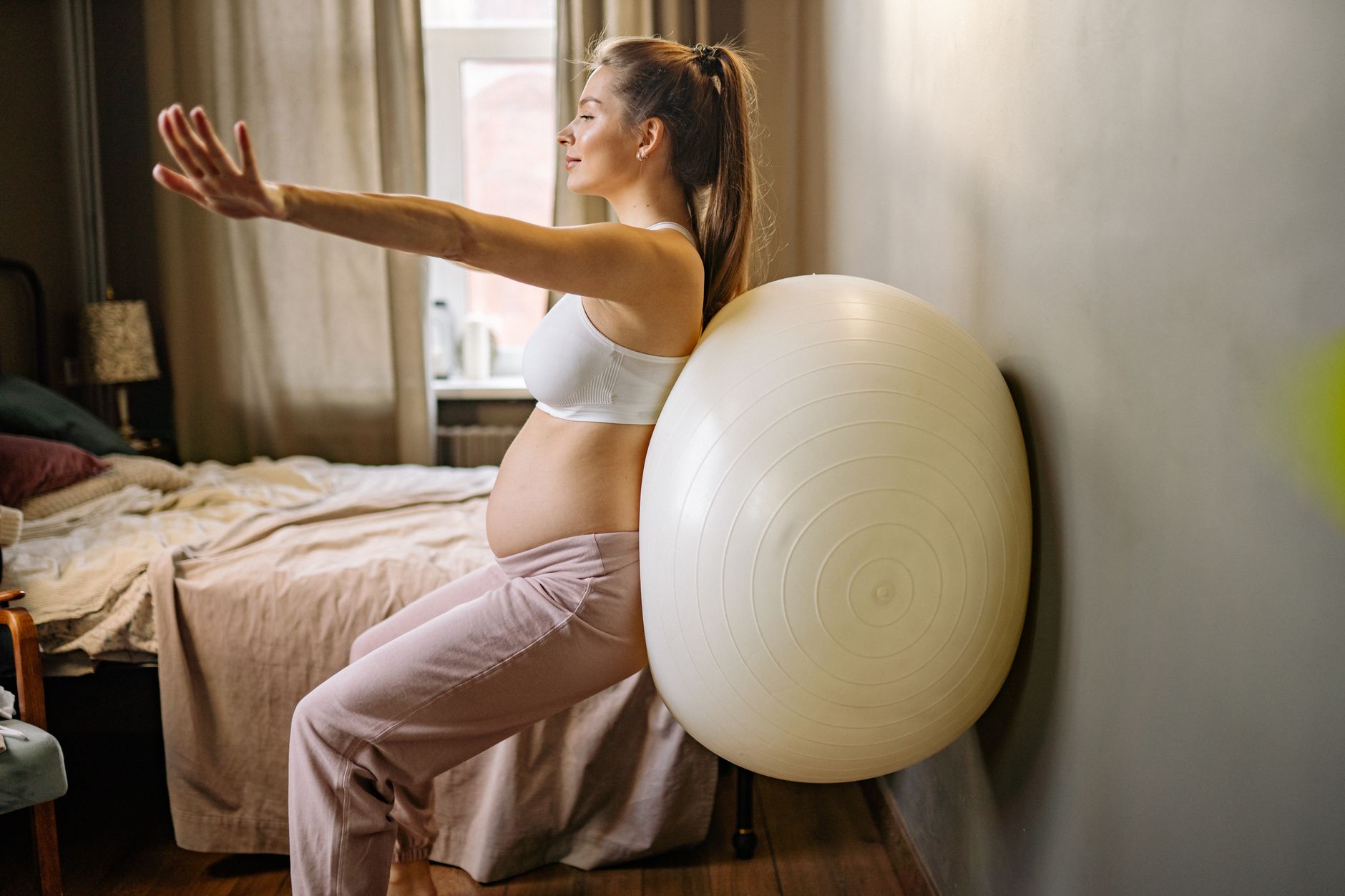
Weeks 13‑27 bring a noticeable bump and a shifting center of gravity. This is the perfect window for core‑strengthening and pelvic‑floor work that can help prevent back pain and prepare for labor. Use a fully inflated ball (about 65‑70 cm in diameter for most women) and incorporate moves like wall squats with the ball, seated “ball bridge,” and standing hip‑abduction while holding onto the ball for balance.
Maintain a moderate intensity—aim for a perceived exertion of 11‑13 on the Borg scale (light to somewhat hard). If you feel any sharp pain, stop immediately. Remember to breathe deeply and exhale on the effort phase of each movement.
Adding a few resistance‑band rows while seated on the ball can further engage the upper back, which often becomes sore as the pregnancy progresses. This combination supports a healthy posture for both daily activities and the upcoming third trimester.
Third trimester: preparation for labor and safe mobility
In weeks 28‑40, the belly may be large enough that sitting on the ball becomes uncomfortable. Switch to upright, supported positions: stand behind the ball and use it as a “wall” for gentle squats, or sit on a small stool and place the ball behind your back for lumbar support while doing pelvic‑floor squeezes.
Focus on slow, controlled motions that open the hips (e.g., seated hip circles) and encourage diaphragmatic breathing. These exercises can help relax the pelvic joints and improve the “ball‑sitting” position many women use during labor for pain relief.
Another useful third‑trimester move is the “ball-assisted cat‑cow” on all fours with the ball placed under the abdomen. This gently mobilizes the spine while providing a soft cushion for the growing uterus.
Across all trimesters, always start each session with a 5‑minute warm‑up (marching in place, shoulder rolls) and finish with a cool‑down stretch (cat‑cow on the ball, gentle forward fold). This routine keeps joints lubricated and reduces the risk of muscle strain.
Early‑trimester ball work can ease back tension and improve circulation.
Best balance ball workouts for pregnant moms in the second trimester
The second trimester is often called the “golden period” for staying active—energy levels rise, the risk of miscarriage drops, and many women feel more confident moving their bodies. Below are three balanced workouts that target the major muscle groups used during pregnancy while keeping joint stress low.
Workout A: Full‑body strength (30 minutes)
Warm‑up (5 min): Seated marching on the ball, shoulders rolled forward and back.
Wall squat with ball (3 sets × 12 reps): Place the ball between your lower back and a wall, slide down into a squat, keep knees behind toes.
Ball bridge (3 sets × 10 reps): Lie on your back with feet on the ball, lift hips toward the ceiling, squeeze glutes at the top.
Seated row (3 sets × 12 reps): Sit on the ball, hold a resistance band anchored to a sturdy object, pull toward your hips.
Cool‑down (5 min): Cat‑cow on the ball, gentle forward fold.
Adding a brief pause of 30 seconds between each set lets your heart rate stay in the moderate zone recommended by ACOG, while also giving your muscles time to recover.
Workout B: Pelvic‑floor focus (20 minutes)
Begin with diaphragmatic breathing while seated on the ball—inhale through the nose, let the belly expand, exhale through the mouth.
Perform “ball Kegels”: gently contract the pelvic floor while maintaining a stable seated posture, hold 5 seconds, release 5 seconds (10 reps).
Do “ball pelvic tilts”: rock the pelvis forward and back, focusing on engaging the lower abdomen (3 sets × 15 reps).
Finish with a seated “hip opener”: cross one ankle over the opposite knee, gently press down on the knee to stretch the glutes (30 seconds each side).
This routine aligns with the NHS recommendation to include specific pelvic‑floor work at least twice a week during pregnancy.
Workout C: Low‑impact cardio (25 minutes)
Set a timer for 30‑second intervals. Alternate between gentle “ball marching” (lifting each foot while seated) and “ball side steps” (standing beside the ball, stepping side‑to‑side while holding the ball for balance). This interval format keeps heart rate in a safe zone (110‑140 bpm) without over‑loading the joints.
Finish with a 3‑minute “ball cool‑down” where you sit, place hands on the ball, and gently roll it forward and back, allowing the spine to lengthen.
These workouts can be mixed and matched, but aim for no more than three sessions per week to allow recovery. Consistency, rather than intensity, is the key to reaping the benefits of a stability‑ball routine during pregnancy.
Balance ball core strengthening routine for pregnant women
The core during pregnancy isn’t just the “abs” you see in a six‑pack. It includes the transverse abdominis, obliques, pelvic floor, and deep spinal muscles—all of which work together to support the uterus and protect the lower back. A stability‑ball routine can activate these deep layers safely.
Step‑by‑step core routine (15 minutes)
Seated ball “dead‑bug” (2 sets × 10 reps each side): Sit on the ball, lean forward slightly, extend one leg while reaching the opposite arm toward the floor. Keep the lower back neutral.
Ball “bird‑dog” (2 sets × 8 reps each side): Kneel on the ball with hands on the floor, extend opposite arm and leg, hold 3 seconds, return.
Supine ball “roll‑out” (2 sets × 12 reps): Lie on your back, place forearms on the ball, roll it forward a few inches, engage the core to roll back.
Side‑lying ball “hip lift” (2 sets × 12 reps each side): Lie on your side with the ball under your torso, lift hips, hold 2 seconds, lower.
Maintain a breathing pattern that supports the core: inhale to prepare, exhale during the effort phase. If any movement causes sharp pain, stop and switch to a gentler alternative, such as seated pelvic tilts.
Research from the American Physical Therapy Association (APTA) shows that targeted core work during pregnancy can reduce the incidence of low‑back pain by up to 30 %.
Low‑impact balance ball cardio exercises safe for pregnancy
Cardiovascular health is crucial in pregnancy, and low‑impact options protect the joints while keeping the heart rate elevated. The stability ball can serve as a moving platform for gentle cardio that’s both fun and safe.
Ball marching with arm swings
Sit on the ball, keep feet flat on the floor, and lift each knee in a marching motion while swinging opposite arms. Aim for 3 minutes at a pace that lets you talk comfortably (the “talk test”).
Ball “step‑up” with support
Place the ball against a sturdy wall. Stand with one foot on the ball, the other on the floor, and gently press up into a partial squat. Alternate legs for 2 minutes. This move raises heart rate while strengthening the quads and glutes.
Ball “side‑to‑side” shuffles
Stand beside the ball, hold onto it for balance, and shuffle laterally for 30‑second intervals, resting for 30 seconds. Repeat 5 times. This low‑impact lateral movement improves agility and keeps the cardiovascular system engaged.
Remember to stay hydrated, wear supportive footwear, and stop if you feel dizziness, shortness of breath, or any uterine cramping.
Side‑to‑side shuffles keep the heart rate up without stressing the joints.
Postpartum recovery: using a stability ball after giving birth
The weeks after delivery are a time of healing, hormonal shifts, and often, a desire to regain strength. A stability ball can be a gentle, supportive tool for re‑engaging the core, easing back pain, and rebuilding pelvic‑floor tone.
When to start
Most providers clear light ball work after the 6‑week postpartum check, provided there are no complications such as diastasis recti, severe perineal tears, or pelvic‑organ prolapse. Always ask your obstetrician or physical therapist before beginning.
Post‑birth ball routine (10‑15 minutes)
Pelvic‑floor “ball squeezes” (2 sets × 10 reps): Sit on the ball, gently contract the pelvic floor, hold 5 seconds, release.
Supine ball “pelvic tilt” (2 sets × 12 reps): Lie on your back with knees bent, place the ball under the lower back, gently rock the pelvis upward.
Ball “cat‑cow” (2 sets × 8 reps): Hands on the ball, hips over knees, arch and round the back.
Standing hip circles (2 sets × 10 reps each direction): Hold the ball for balance, rotate the hip in a circle to mobilize the joints.
These movements are low impact and encourage blood flow to the abdominal muscles without risking a re‑tear. Progress slowly, and listen to your body—if you experience any sharp pain, stop and consult a professional.
What are the contraindications for balance ball use in pregnancy
While stability‑ball exercise is safe for most pregnant women, certain conditions call for caution or avoidance.
Pre‑eclampsia or severe hypertension: Elevated blood pressure can make balance activities risky; avoid any exercise that raises heart rate dramatically.
Placenta previa or low‑lying placenta: Excessive abdominal pressure should be avoided; consult your provider before any core work.
History of preterm labor: Your clinician may recommend limiting strenuous activity.
Severe lower‑back pain or spinal instability: Ball exercises that involve bending or twisting may aggravate the condition.
Multiple pregnancies (twins, triplets) with high‑risk status: Your provider may suggest a modified or reduced activity plan.
If any of these apply, discuss alternative low‑impact options—such as walking, swimming, or prenatal yoga on a mat—with your healthcare team.
How often should pregnant moms do balance ball workouts
Frequency depends on your fitness level, trimester, and overall health. General guidance from the American College of Obstetricians and Gynecologists (ACOG) and the UK’s NHS suggests aiming for at least 150 minutes of moderate‑intensity aerobic activity per week, plus two days of strength training.
For stability‑ball work, a practical schedule looks like:
First trimester: 2 sessions per week, 10‑15 minutes each, focusing on gentle mobility.
Second trimester: 3 sessions per week, 20‑30 minutes each, incorporating core, strength, and low‑impact cardio.
Third trimester: 2‑3 sessions per week, 15‑20 minutes, emphasizing hip opening, pelvic‑floor activation, and safe standing moves.
Always include a rest day between sessions to allow muscles to recover. If you feel fatigued, scale back intensity or duration. The goal is consistency, not intensity.
How to choose the right stability ball for pregnancy
Not every ball is created equal. The right size, material, and inflation level can make the difference between a comfortable workout and an unnecessary strain.
Size matters: For most women, a 65‑cm (26‑inch) ball works well in the second and third trimesters. If you’re under 5 ft 4 in (162 cm), a 55‑cm (22‑inch) ball may feel more stable. The “knee‑angle” rule is a quick test—when you sit on the ball, your knees should form roughly a 90‑degree angle.
Material and surface: Anti‑burst PVC or latex‑free balls are recommended to reduce the risk of sudden deflation. A textured surface provides better grip, which is especially helpful as hands become more prone to sweating.
Inflation level: A ball that’s too firm can feel hard on the spine, while one that’s too soft offers little support. Aim for a firmness where you can press a finger into the surface without it sinking more than an inch.
Finally, consider a ball with a built‑in pump or a separate hand pump—this makes adjustments easy as your belly grows.
Choosing the right size and material helps keep your workouts safe and comfortable.
Balancing ball exercises for common pregnancy discomforts
Pregnancy brings a range of aches—from lower‑back strain to swollen ankles. The stability ball can target these issues with specific moves.
Back pain relief: The “ball cat‑cow” and “seated pelvic tilt” gently mobilize the lumbar spine, reducing tension that builds from a forward‑leaning posture.
Sciatica or hip tightness: A seated “hip opener” (crossing one ankle over the opposite knee while perched on the ball) stretches the piriformis, which often compresses the sciatic nerve.
Swelling in feet and ankles: Standing “ball calf raises” while holding the ball for balance can promote venous return, helping fluid move back toward the heart.
These targeted exercises align with the NHS recommendation to address discomforts with gentle, supportive movement rather than prolonged rest.
Integrating balance ball work with prenatal yoga or other workouts
Many moms already attend prenatal yoga classes or follow home‑based fitness videos. Adding a stability ball can deepen those routines without over‑complicating them.
For example, replace a traditional yoga “bridge” with a “ball bridge” to add an element of instability that activates deeper core muscles. Or use the ball as a prop during a seated forward fold, allowing a safer stretch for the hamstrings as the belly grows.
When combining modalities, keep the overall weekly activity within the 150‑minute moderate‑intensity guideline. A typical week might include two yoga sessions, two ball‑strength days, and a light cardio walk, all spaced out to avoid fatigue.
Myth vs. fact
Myth: You should avoid any ball work after the first trimester because the belly will get in the way.
Fact: With proper ball size and positioning, stability‑ball exercises can be adapted throughout pregnancy and even after delivery, providing safe ways to strengthen core and pelvic muscles.
Myth: Sitting on a stability ball all day will cause a “ball‑butt” and no real fitness benefits.
Fact: Occasional seated use can improve posture and relieve pressure on the spine, but it should be combined with active movements to yield strength and cardiovascular benefits.
Myth: All stability balls are the same, so any ball will work.
Fact: Ball diameter, material, and inflation level affect stability. Choosing the right size (based on height and pregnancy stage) is essential for safety and effectiveness.
Key takeaways
Balance‑ball exercise is safe in pregnancy when you choose the correct ball size and follow trimester‑specific modifications.
Start with short, low‑intensity sessions in the first trimester and progress to strength and cardio moves in the second and third trimesters.
Core, pelvic‑floor, and hip‑opening exercises on the ball can reduce back pain and may help with labor positioning.
Aim for 2‑3 balanced workouts per week, with each session lasting 15‑30 minutes.
Stop any movement that causes sharp pain, dizziness, or uterine cramping, and contact your provider.
After delivery, gentle ball work can aid recovery, but only after a clearance from your postpartum check‑up.
Choosing the right ball (size, material, firmness) and integrating it with yoga or other low‑impact activities maximizes benefits while minimizing risk.
Frequently asked questions
Can I use a stability ball during pregnancy?
Yes—most pregnant women can safely use a stability ball if they select the appropriate size, keep the ball properly inflated, and avoid high‑impact or unsupported moves.
What are the safest balance ball exercises for pregnant women?
The safest moves include seated pelvic tilts, wall squats with the ball, supine bridges with feet on the ball, and gentle seated cat‑cow stretches. These exercises engage core and lower‑body muscles without excessive strain.
How many times a week should I do balance ball workouts while pregnant?
Generally, 2‑3 times per week is recommended, with each session lasting 15‑30 minutes. Adjust frequency based on your energy levels and any medical guidance you receive.
Are there any trimester restrictions for using a balance ball?
In the first trimester, keep sessions short and avoid deep bends. In the second trimester, you can add strength moves like ball squats. In the third trimester, focus on upright, supportive positions and avoid sitting directly on the ball for long periods.
What size stability ball is best for a pregnant mom?
For most women, a 65‑cm (26‑inch) ball works well in the second and third trimesters. If you’re under 5 ft 4 in (162 cm), a 55‑cm (22‑inch) ball may be more comfortable. The rule of thumb: when you sit on the ball, your knees should be at a 90‑degree angle.
Can balance ball exercises help with labor and delivery?
Yes—regular ball work can improve pelvic flexibility, strengthen the core, and teach you how to find comfortable sitting positions during labor, which may ease the birthing process.
Is it safe to use a stability ball if I have diastasis recti?
If you have a confirmed diastasis recti, avoid moves that heavily load the anterior abdominal wall, such as deep roll‑outs. Gentle seated pelvic tilts and supported bridges are usually safe, but always check with a physical therapist before proceeding.
Can I use a stability ball for warm‑up before a prenatal fitness class?
Yes—light ball‑based warm‑ups like seated marching or gentle hip circles can increase blood flow and prepare your joints for a class. Keep the intensity low and stop if you feel any discomfort.
When to call your doctor
If you experience any of the following, stop exercising and contact your healthcare provider right away: sudden or severe abdominal pain, vaginal bleeding, dizziness, shortness of breath at rest, uterine contractions that don’t subside, or any new swelling of the hands or face.
Remember, this article is for informational purposes only and does not replace personalized medical advice.
Doctor's note
From our medical team: Balance‑ball exercise is a valuable component of a well‑rounded prenatal fitness plan when performed mindfully. We recommend starting with short, low‑intensity sessions and progressing as your comfort grows, always respecting your body’s signals. If you have any pregnancy‑related complications, discuss modifications with your obstetrician or a certified prenatal fitness specialist.
References
American College of Obstetricians and Gynecologists (ACOG). “Physical Activity and Exercise During Pregnancy and the Postpartum Period.” Practice Bulletin No. 229, 2022.
National Health Service (NHS). “Exercise in Pregnancy.” Updated 2023.
Mayo Clinic. “Prenatal Exercise: Benefits and Precautions.” 2024.
Royal College of Obstetricians and Gynaecologists (RCOG). “Guideline on Physical Activity in Pregnancy.” 2021.
Centers for Disease Control and Prevention (CDC). “Physical Activity for Pregnant Women.” 2022.
World Health Organization (WHO). “Recommendations on Antenatal Care for a Positive Pregnancy Experience.” 2016.
American Physical Therapy Association (APTA). “Core Stability and Pelvic Floor Training in Pregnancy.” 2023.
National Institute for Health and Care Excellence (NICE). “Antenatal Care Guidance.” 2022.
U.S. Food and Drug Administration (FDA). “Guidance for Exercise Equipment Safety.” 2021.
Not sure about the label on Balance Ball Pregnancy Exercises Safe Workouts For Moms products?
Snap the ingredients list and SafeFilter checks every ingredient for your stage — only 3 free scans this month, then you're locked until reset. Unlimited from $7/mo or lock $50/yr through Aug 31 (5 days left).
When Shubhra Mishra was expecting her first child in 2016, she was overwhelmed by conflicting food advice — one site said yes, another said never. By the time her second baby arrived in 2019, she realized millions of mothers face the same confusion.
That sparked a five-year journey through clinical nutrition papers, cultural diets, and expert conversations — all leading to BumpBites: a calm, compassionate space where science meets everyday motherhood.
Her long-term vision is to build a global community ensuring safe, supported, and free deliveriesfor every mother — because no woman should face pregnancy alone or uninformed. 🌿
🌍 Stand with mothers, shape safer guidance
Join a small circle of experts who review BumpBites articles so expecting parents everywhere can decide with confidence.