Bloatedness in early pregnancy is often due to hormonal changes, primarily increased progesterone. Learn why this happens, what symptoms to expect, and effective strategies to find relief and manage discomfort during this early stage.
By Shubhra Mishra — a mom of two who turned her own confusion during pregnancy into BumpBites, a global mission to make food choices clear, safe, and stress-free for every expecting mother. 💛
Check whether any food is safe during pregnancy with the BumpBites Food Safety Checker.
Quick take: Bloating in early pregnancy is a very common, normal symptom caused primarily by the surge in progesterone, which slows digestion and can lead to gas and water retention. It often starts even before a missed period and usually peaks in the first trimester. While uncomfortable, it's typically harmless and can be managed with dietary adjustments, hydration, and lifestyle changes.
It's 2 a.m., you're tossing and turning, and you suddenly notice your jeans feel tighter than they did yesterday. You haven't even missed your period yet, but you're already feeling strangely full and gassy. If this sounds familiar, take a deep breath – you're likely experiencing early pregnancy bloating, and it's completely normal.
This uncomfortable, often unexpected symptom is one of the earliest signs many women notice, long before a visible baby bump. It's largely due to the incredible hormonal changes happening in your body as it prepares to nurture new life. While it can feel frustrating, understanding why it happens and how to manage it can bring significant relief.
At BumpBites, we understand the worry that comes with every new sensation during this special time. In this article, we'll explore what causes hormonal bloating in early pregnancy, when to expect it, practical strategies for relief, and when it might be time to chat with your healthcare provider.
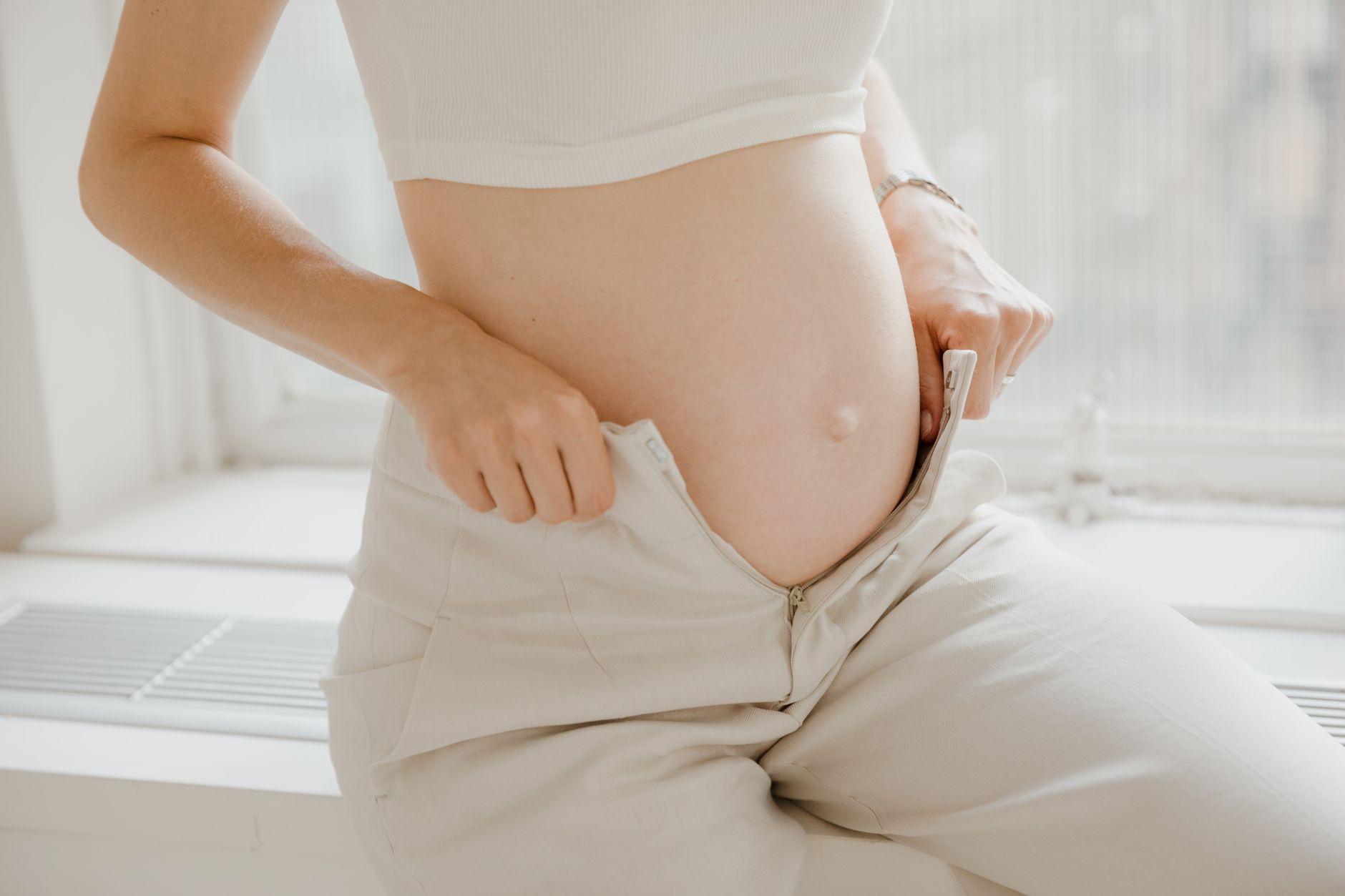
Feeling unexpectedly bloated early in pregnancy is a common experience for many expecting moms.
What causes hormonal bloating in early pregnancy?
The main culprit behind that early pregnancy bloat is a powerful hormone called progesterone. As soon as conception occurs, your body starts producing significantly higher levels of progesterone, which is essential for maintaining the pregnancy. While vital, this hormonal surge has a profound effect on your digestive system.
Progesterone's primary role is to relax the smooth muscles throughout your body. This includes the muscles of your uterus, preventing contractions that could threaten the early pregnancy. However, this relaxation effect isn't selective; it extends to the smooth muscles of your digestive tract, including your esophagus, stomach, and intestines.
The Progesterone Effect: Slowed Digestion and Gas
Slower Transit Time: When the smooth muscles of your digestive system relax, the movement of food through your gut slows down considerably. This means food takes longer to digest and pass through your intestines, leading to a buildup of gas and stool.
Increased Gas Production: With food lingering longer in your digestive tract, there's more time for gut bacteria to ferment carbohydrates, which produces more gas. This trapped gas contributes significantly to the feeling of fullness, pressure, and visible distention.
Constipation: The slowed motility also makes you more prone to constipation, another common early pregnancy complaint. When stool moves slowly, more water is absorbed from it, making it harder and more difficult to pass. Constipation itself can worsen bloating and discomfort.
Other Hormonal Influences: Estrogen and Water Retention
While progesterone takes center stage, other hormonal changes also play a part. Rising levels of estrogen can contribute to increased water retention. This fluid buildup, combined with slower digestion, can make the bloating feel even more pronounced. Your body is also increasing its blood volume to support the growing pregnancy, which can subtly contribute to overall fluid shifts.
Early Uterine Growth (Minor Contribution)
In the very early weeks, your uterus is still quite small and tucked safely within your pelvis. It's not yet large enough to cause significant outward abdominal distention. Therefore, the bloating you feel is predominantly due to internal gas and fluid retention, rather than the physical size of your growing uterus. This explains why you might feel incredibly bloated but aren't yet "showing."
For many women, these internal shifts can make you feel surprisingly full and puffy, sometimes even making your clothes feel tight, long before your pregnancy is visible to others. It's a natural, if unwelcome, side effect of your body's amazing work.
When does early pregnancy bloating start and how long does it last?
One of the most surprising aspects of early pregnancy bloating for many women is just how early it can begin. It's not uncommon to experience significant bloating even before you've missed a period or received a positive pregnancy test. This means you could be feeling bloated as early as 4 to 6 weeks pregnant, or even sooner, around the time of implantation.
The reason it starts so early is directly related to the rapid rise in progesterone immediately after ovulation and conception. This hormonal surge begins preparing your body for pregnancy, leading to digestive slowdowns almost right away.
How Long Does Early Pregnancy Bloating Last?
For most women, hormonal bloating tends to be most noticeable and persistent during the first trimester. This is when your body is undergoing the most dramatic hormonal shifts and adaptations. While it can feel relentless, the good news is that for many, bloating often starts to ease as you enter the second trimester, typically around weeks 12-16.
As your body adjusts to the higher hormone levels, your digestive system may become more accustomed to the slower pace. However, it's also common for bloating to ebb and flow, meaning you might have days or even weeks where it's worse, followed by periods of relief. You might feel fine one morning, and by afternoon, your jeans feel uncomfortably tight – this coming and going is perfectly normal.
Some women may find that bloating returns later in pregnancy, particularly in the third trimester. This later bloating is often due to different factors, such as the growing uterus placing physical pressure on your digestive organs, further slowing transit time, and continued fluid retention.
So, if you're 4 weeks pregnant and feeling uncomfortably bloated, rest assured that it's a very normal and common experience. It's a sign that your body is busy at work, preparing a safe and nurturing environment for your baby.
How to relieve hormonal bloating during first trimester?
While early pregnancy bloating is a normal part of the journey, it doesn't mean you have to suffer in silence. There are many safe and effective strategies you can adopt to help manage the discomfort and feel a little more like yourself. The key is often small, consistent lifestyle adjustments.
Stay Hydrated
It might seem counterintuitive to drink more water when you feel puffy, but proper hydration is crucial. Drinking plenty of water helps your digestive system function more efficiently, softens stool (combating constipation), and can actually help reduce water retention. Aim for at least 8-10 glasses of water daily. Keep a water bottle handy and sip throughout the day.
Eat Small, Frequent Meals
Instead of three large meals, try eating five or six smaller meals or snacks throughout the day. This reduces the burden on your slowed digestive system, making it easier to process food and reducing the likelihood of excessive gas buildup. Large meals can overwhelm your system and exacerbate bloating.
Increase Fiber Gradually
Fiber is essential for healthy digestion, but adding too much too quickly can worsen gas. Gradually increase your intake of soluble fiber (found in oats, apples, pears, beans, and carrots) and insoluble fiber (found in whole grains, nuts, seeds, and leafy greens). This helps keep things moving and prevents constipation, which can contribute to bloating. Always combine fiber intake with plenty of water.
Engage in Gentle Exercise
Light physical activity, such as walking, swimming, or prenatal yoga, can stimulate your digestive system and help move gas through your intestines. Even a short 20-30 minute walk after meals can make a noticeable difference. Always listen to your body and consult your doctor before starting any new exercise routine in pregnancy.
Gentle exercise like walking or prenatal yoga can aid digestion and alleviate bloating.
Choose Loose-Fitting Clothing
Tight waistbands can put pressure on your abdomen and worsen discomfort. Opt for comfortable, loose-fitting clothing, especially around your waist. Maternity pants with elastic waistbands, leggings, and flowy dresses can provide much-needed relief and allow you to move freely.
Practice Mindful Eating
Eat slowly and chew your food thoroughly. When you eat too quickly, you tend to swallow more air, which contributes to gas and bloating. Pay attention to your body's hunger and fullness cues.
Consider Probiotics (with caution)
Some research suggests that probiotics, which are beneficial bacteria, can help improve gut health and reduce digestive discomfort. However, not all probiotics are created equal, and their safety during pregnancy can vary. Always talk to your healthcare provider before starting any new supplement, including probiotics.
Warm Compresses or Baths
A warm bath or a gentle warm compress placed on your abdomen can help relax your digestive muscles and alleviate cramping associated with gas. Ensure the water isn't too hot to protect your core body temperature.
Many moms tell us the same thing: finding what works for you might involve a bit of trial and error. One reader described feeling immense relief after simply switching to loose dresses and adding a daily walk, along with consistent water intake. Experiment with these strategies, and remember to discuss any persistent discomfort with your healthcare provider.
Is early pregnancy bloating different from period bloat?
It's a common question: how can you tell if that familiar puffiness is just your period on its way or a sign of something more? The truth is, early pregnancy bloating and premenstrual syndrome (PMS) bloating share many similarities, making them tricky to distinguish based on this symptom alone.
Shared Mechanisms: Hormonal Fluctuations
Both types of bloating are largely driven by hormonal fluctuations. Before your period, estrogen and progesterone levels change, leading to water retention and digestive slowdowns. In early pregnancy, the surge of progesterone, as we've discussed, causes similar effects on your digestive system.
Key Differences: Persistence and Intensity
While the sensation might feel similar, there are often subtle differences:
Persistence: Period bloat typically subsides once your period starts or shortly thereafter. Early pregnancy bloating, however, often persists and can even worsen as pregnancy progresses through the first trimester.
Intensity: For some women, early pregnancy bloating can feel more pronounced or severe than their usual period bloat. It might be accompanied by more gas, burping, or a feeling of being unusually "stuffed."
Accompanying Symptoms: The most significant differentiator is the presence of other early pregnancy symptoms. While PMS can bring mood swings and breast tenderness, early pregnancy often introduces a broader range of symptoms like extreme fatigue, nausea (morning sickness), frequent urination, and heightened sense of smell. Of course, a missed period and a positive pregnancy test are the definitive indicators.
Progesterone Bloating vs. Pregnancy Bloating
The term "progesterone bloating" is essentially synonymous with "early pregnancy bloating" in this context because progesterone is the primary hormone responsible. You experience a rise in progesterone during the luteal phase of your menstrual cycle (after ovulation) which can cause some pre-period bloating. However, if pregnancy occurs, progesterone levels continue to rise sharply, leading to more sustained and often more intense "pregnancy bloating."
So, if you're feeling bloated and it's accompanied by other unusual symptoms, or if the bloating doesn't resolve as expected, it might be worth taking a pregnancy test. Remember, your body is unique, and how it responds to hormonal changes can vary greatly from person to person and even from cycle to cycle.
Can bloating be an early sign of pregnancy before a missed period?
Absolutely, yes! For many women, bloating is one of the very first signs of pregnancy, often appearing even before a missed period. This can be confusing, as it's a common symptom of premenstrual syndrome (PMS) as well. However, the mechanism behind early pregnancy bloating means it can kick in almost immediately after conception.
Why So Early? The Progesterone Surge
The moment a fertilized egg implants in the uterine wall, your body begins to produce significant amounts of progesterone. This hormone is crucial for thickening the uterine lining and preventing contractions that could dislodge the embryo. As we've discussed, this surge in progesterone also triggers a slowdown in your digestive system, leading to increased gas and fluid retention.
This means that by the time you're around 3-4 weeks pregnant (which is typically 1-2 weeks past ovulation, still before your expected period), your progesterone levels are already high enough to cause noticeable bloating. You might feel a general puffiness, a tight sensation in your abdomen, or increased gas and burping.
"Extreme Bloating Early Pregnancy No Other Symptoms"
It's not uncommon to experience significant bloating without any other obvious pregnancy symptoms in the very early weeks. One reader shared, "I felt so incredibly bloated, almost like I'd swallowed a balloon, but I had no nausea or breast tenderness yet. I actually thought my period was coming early because of it." This is a common experience because the digestive changes can manifest quickly and prominently.
Bloating as a standalone symptom: While often accompanied by other subtle signs like fatigue, frequent urination, or breast tenderness, bloating can sometimes be the most prominent or even the only noticeable early symptom.
The "not showing" factor: Remember, this early bloating is due to internal gas and fluid, not the size of your uterus. So, you might feel quite bloated but still have a flat stomach visually, which can add to the confusion.
If you're experiencing unexplained bloating that is more persistent or intense than your typical pre-period bloat, especially if it occurs around the time your period is due or slightly before, it's certainly a reason to consider taking a pregnancy test. Bloating, when combined with other subtle clues, can be an important early indicator that your body is undergoing the amazing changes of pregnancy.
What foods to avoid and eat for pregnancy bloating relief?
Managing early pregnancy bloating often comes down to making thoughtful dietary choices. While every body reacts differently, certain foods are known culprits for exacerbating gas and discomfort, while others can actively help soothe your digestive system.
Foods to Limit or Avoid
These foods can contribute to gas and bloating by being difficult to digest or by promoting gas production in the gut:
Gas-Producing Vegetables: Broccoli, cauliflower, cabbage, Brussels sprouts, and beans are notorious for causing gas due to their complex carbohydrates. You don't have to eliminate them entirely, but try them in smaller portions or cooked thoroughly.
Carbonated Drinks: Sodas, sparkling water, and other fizzy beverages introduce air into your digestive system, directly contributing to bloating and burping. Stick to still water.
Artificial Sweeteners: Sorbitol, xylitol, and other sugar alcohols found in diet foods, sugar-free gum, and some candies can be difficult for your body to digest, leading to gas, bloating, and sometimes diarrhea.
High-Sodium Foods: Processed snacks, canned soups, and fast food are often loaded with sodium, which promotes water retention and can worsen the feeling of puffiness.
Large, Fatty, or Fried Meals: High-fat foods take longer to digest, putting more strain on your already slowed digestive system. Large meals in general can overwhelm your gut.
Dairy Products (if sensitive): If you have lactose intolerance, dairy can significantly worsen bloating and gas. Even if you're not fully intolerant, pregnancy can sometimes heighten sensitivities.
Foods to Enjoy for Relief
Focus on foods that are easily digestible, rich in fiber (but introduced gradually), and help with hydration:
Water-Rich Fruits and Vegetables: Cucumber, watermelon, berries, oranges, and leafy greens are hydrating and provide gentle fiber.
Ginger: Known for its anti-nausea properties, ginger can also help soothe digestive upset and reduce gas. Try ginger tea (ensure it's pregnancy-safe, consult your provider), or add fresh ginger to meals.
Peppermint: Peppermint tea (in moderation and after checking with your doctor) can help relax digestive muscles and relieve gas.
Lean Proteins: Chicken, fish, tofu, and eggs are easier to digest than fatty meats and provide essential nutrients without contributing to excessive gas.
Whole Grains (in moderation): While some whole grains can be gassy, others like oats and brown rice provide soluble fiber that can help regulate digestion. Introduce them gradually.
Probiotic-Rich Foods: Plain yogurt, kefir, and fermented foods (like sauerkraut or kimchi) can introduce beneficial bacteria to your gut, which may improve digestion and reduce gas. Again, choose plain, unsweetened varieties and consult your doctor.
Here's a quick guide to help you make informed choices:
Foods to Enjoy
Foods to Limit/Avoid
Water (still)
Carbonated drinks (soda, sparkling water)
Herbal teas (ginger, peppermint - check with provider)
Cruciferous vegetables (broccoli, cabbage - in large amounts)
Whole grains (oats, brown rice - in moderation)
Legumes (beans, lentils - if they cause gas)
Probiotic-rich foods (yogurt, kefir - plain)
Large meals
Remember that food sensitivities can change during pregnancy, so pay attention to how your body reacts to different foods and adjust your diet accordingly. The goal isn't to restrict unnecessarily but to find a balance that supports your comfort and nutrition.
When should I worry about severe bloating in early pregnancy?
While bloating is a normal and common symptom of early pregnancy, there are instances when it could signal something more serious. It's crucial to understand the difference between typical pregnancy discomfort and symptoms that warrant a call to your healthcare provider. Your intuition is your best guide, but here are some specific red flags to look out for.
Signs to Call Your Doctor Immediately
Severe Abdominal Pain: If your bloating is accompanied by sharp, intense, or persistent abdominal pain, especially if it's localized to one side or feels like cramping that's more severe than typical period pain. This could be a sign of an ectopic pregnancy (where the fertilized egg implants outside the uterus), ovarian cysts, or other complications.
Vaginal Bleeding or Spotting: Any amount of vaginal bleeding or spotting, especially when combined with severe pain or cramping, should be reported to your doctor right away. While some spotting is normal in early pregnancy, it can also be a sign of miscarriage or other issues.
Fever and Chills: If you develop a fever (usually over 100.4°F or 38°C) along with bloating and pain, it could indicate an infection, which needs immediate medical attention.
Persistent Vomiting or Diarrhea: While morning sickness is common, severe, persistent vomiting that prevents you from keeping down fluids or food, or severe diarrhea, can lead to dehydration and other complications.
Painful Urination or Changes in Urination: Bloating accompanied by pain or burning during urination, frequent urges to urinate with little output, or blood in your urine could indicate a urinary tract infection (UTI), which needs treatment during pregnancy.
Sudden Swelling (especially in hands, face, or ankles): While some fluid retention is normal, sudden and significant swelling in your extremities, face, or hands, particularly later in pregnancy, can be a sign of pre-eclampsia. In early pregnancy, while less common, it should still be noted.
Distinguishing Normal Bloating from Concerning Symptoms
Typical early pregnancy bloating usually feels like general fullness, pressure, or gassiness. It might be uncomfortable, but it's generally not agonizing pain. It can come and go, and often responds to home remedies like dietary changes and gentle movement. The discomfort is usually diffuse across the abdomen, rather than sharp and localized.
If you're worried about "bloating in early pregnancy vs miscarriage," it's important to remember that bloating itself is not typically a direct symptom of miscarriage. Miscarriage symptoms usually involve vaginal bleeding, cramping (which can range from mild to severe), and the loss of pregnancy symptoms. While bloating might be present with other digestive upset, it's not the primary indicator of a miscarriage. However, if you experience severe abdominal pain *with* bleeding, that's a different story and requires urgent medical review.
Always trust your instincts. If something feels truly "off," or if your symptoms are severe, worsening, or accompanied by any of the red flags listed above, don't hesitate to contact your healthcare provider. It's always better to be safe and get checked out, even if it turns out to be nothing serious.
Does progesterone cause bloating in early pregnancy?
Yes, absolutely. Progesterone is the primary hormonal driver behind early pregnancy bloating. Its effects on your digestive system are significant and directly contribute to the discomfort many expectant mothers experience.
The Mechanism of Progesterone's Effect
Smooth Muscle Relaxation: Progesterone's essential role in pregnancy is to relax the smooth muscles of the uterus, preventing premature contractions. However, this relaxation is systemic, meaning it affects all smooth muscles in your body, including those lining your gastrointestinal (GI) tract.
Slower Gastric Emptying: When the muscles of your stomach relax, food stays there longer before moving into the small intestine. This delayed emptying can lead to a feeling of fullness and contribute to indigestion and acid reflux, which can worsen bloating.
Reduced Intestinal Motility: Beyond the stomach, progesterone also slows the rhythmic contractions (peristalsis) that move food and waste through your intestines. This significantly increases the "transit time" for food to pass through your digestive system.
Increased Gas Production: With food lingering longer in the intestines, there's more time for gut bacteria to ferment the food particles, particularly carbohydrates. This fermentation process produces more gas, leading to the characteristic abdominal distention, pressure, and frequent burping or flatulence associated with bloating.
Constipation: The slowed intestinal motility also means that more water is absorbed from the stool as it moves through the colon. This can result in harder, drier stools that are difficult to pass, leading to or worsening constipation, which is a major contributor to bloating and discomfort.
Fluid Retention: While progesterone's direct impact is on smooth muscles and digestion, its overall influence on hormonal balance can also indirectly contribute to fluid retention, making the feeling of puffiness more generalized.
The sheer quantity of progesterone produced in early pregnancy is substantial, making its effects on your digestive system particularly noticeable during this time. Your body is undergoing a massive hormonal shift to create and maintain a hospitable environment for your baby, and the slowed digestion that causes bloating is an unavoidable side effect of these vital processes.
Essentially, your body is prioritizing the safety and development of your pregnancy, and the digestive system takes a temporary backseat. While uncomfortable, this progesterone-induced bloating is a normal and healthy sign that your body is working hard to support your growing baby.
From our medical team: "Early pregnancy bloating is a classic symptom, and while it can be quite uncomfortable, it's almost always a normal physiological response to the significant hormonal changes, especially the rise in progesterone. We always encourage patients to stay hydrated, eat small, frequent meals, and keep up with gentle activity. If the bloating is accompanied by severe pain, bleeding, or fever, that's when we want to hear from you right away for a proper evaluation."
Myth vs. fact
Myth: Bloating means you're gaining weight too quickly.
Fact: Early pregnancy bloating is primarily due to gas and fluid retention, not actual fat gain. While weight gain is a normal and healthy part of pregnancy, the bloating you experience in the first trimester is largely internal and hormonal, not an indicator of your overall weight trajectory. You might feel heavier and puffier, but it's not necessarily reflecting a significant increase in body mass.
Myth: You should avoid all fiber if you're bloated.
Fact: While some high-fiber foods can initially cause gas, fiber is crucial for preventing constipation, which often worsens bloating. The key is to increase fiber intake gradually and ensure you're drinking plenty of water. Avoiding all fiber can actually make constipation and bloating worse in the long run. Focus on soluble fibers found in fruits and oats, and cook vegetables thoroughly to make them easier to digest.
Myth: Bloating is a sign of an unhealthy pregnancy.
Fact: Quite the opposite! Bloating, particularly due to progesterone, is a very normal and common sign of a healthy, progressing pregnancy. It indicates that your body is producing the necessary hormones to support the developing embryo. While uncomfortable, it's generally a positive sign that your body is adapting to its new role.
Key takeaways
Early pregnancy bloating is a very common and normal symptom, primarily caused by the surge in progesterone.
It can start as early as 4-6 weeks pregnant, often before a missed period, and usually peaks in the first trimester.
Progesterone slows digestion, leading to increased gas, constipation, and fluid retention.
Manage bloating by staying well-hydrated, eating small, frequent meals, and gradually increasing fiber.
Gentle exercise, loose clothing, and avoiding gas-producing foods can also provide relief.
While similar to period bloat, early pregnancy bloating is often more persistent and can be accompanied by other early pregnancy symptoms.
Contact your doctor if bloating is accompanied by severe pain, bleeding, fever, or persistent vomiting.
Frequently asked questions
What does early pregnancy bloating feel like?
Early pregnancy bloating typically feels like a general fullness, pressure, or distention in your abdomen. You might describe it as feeling "stuffed," gassy, or unusually puffy, even after eating very little. Some women experience more burping or flatulence, and their clothes might feel tighter around the waist. It's often uncomfortable but usually not sharp or severe pain.
How do you get rid of bloating in early pregnancy?
While you can't completely eliminate hormonal bloating, you can significantly reduce its discomfort. Focus on staying well-hydrated with still water, eating small, frequent meals instead of large ones, and gradually increasing your fiber intake. Gentle exercise like walking, wearing loose clothing, and avoiding common gas-producing foods (like carbonated drinks and some cruciferous vegetables) can also provide relief.
Is bloating a sign of healthy pregnancy?
Yes, in most cases, bloating in early pregnancy is a sign of a healthy, progressing pregnancy. It's a direct result of the elevated progesterone levels necessary to support the developing embryo. While it can be uncomfortable, it indicates that your body is undergoing the vital hormonal changes needed to nurture your baby.
How early can you feel bloated in pregnancy?
You can start feeling bloated very early in pregnancy, often as soon as 1-2 weeks after conception, which is typically around 3-4 weeks pregnant. This means it can begin even before you've missed your period or taken a positive pregnancy test, making it one of the earliest noticeable symptoms for many women.
Does early pregnancy bloating come and go?
Yes, early pregnancy bloating can definitely come and go. It's common to experience fluctuations, feeling more bloated on some days or at certain times of the day (often worsening in the evening) and less on others. This ebb and flow is normal as your body adjusts to changing hormone levels and dietary intake.
What foods make bloating worse in early pregnancy?
Foods that commonly worsen bloating in early pregnancy include carbonated drinks, artificial sweeteners, high-sodium processed foods, large or fatty meals, and certain gas-producing vegetables like broccoli, cabbage, and beans (though individual tolerance varies). Limiting these can often bring relief.
When to call your doctor
While early pregnancy bloating is usually normal, it's important to know when to seek medical advice. Call your healthcare provider if your bloating is accompanied by any of the following symptoms:
Severe, sharp, or persistent abdominal pain or cramping.
Vaginal bleeding or spotting.
Fever (over 100.4°F or 38°C) or chills.
Persistent vomiting that prevents you from keeping down fluids or food.
Severe diarrhea.
Pain or burning during urination.
Sudden or significant swelling in your hands, face, or ankles.
This article is for informational purposes only and is not a substitute for professional medical advice, diagnosis, or treatment. Always seek the advice of your physician or other qualified health provider with any questions you may have regarding a medical condition.
Not sure about the label on Bloatedness In Early Pregnancy Hormonal Bloating products?
Snap the ingredients list and SafeFilter checks every ingredient for your stage — only 3 free scans this month, then you're locked until reset. Unlimited from $7/mo or lock $50/yr through Aug 31 (5 days left).
When Shubhra Mishra was expecting her first child in 2016, she was overwhelmed by conflicting food advice — one site said yes, another said never. By the time her second baby arrived in 2019, she realized millions of mothers face the same confusion.
That sparked a five-year journey through clinical nutrition papers, cultural diets, and expert conversations — all leading to BumpBites: a calm, compassionate space where science meets everyday motherhood.
Her long-term vision is to build a global community ensuring safe, supported, and free deliveriesfor every mother — because no woman should face pregnancy alone or uninformed. 🌿
🌍 Stand with mothers, shape safer guidance
Join a small circle of experts who review BumpBites articles so expecting parents everywhere can decide with confidence.