Borderline GDM results mean you’re close to the diagnostic threshold. Learn the next steps, how to use our monitoring plan calculator, and when to seek care.
By Shubhra Mishra — a mom of two who turned her own confusion during pregnancy into BumpBites, a global mission to make food choices clear, safe, and stress-free for every expecting mother. 💛
Check whether any food is safe during pregnancy with the BumpBites Food Safety Checker.
Quick take: Borderline gestational diabetes (GDM) means your glucose numbers are just above the normal range but not high enough for a full GDM diagnosis. You’ll need a structured monitoring plan, a balanced diet, regular activity, and occasional blood‑sugar checks. Most women with borderline GDM deliver healthy babies, and with careful management you can keep risks low. Use a simple calculator like the GDM OGTT Interpreter to see how your numbers compare to the thresholds.
It’s 2 a.m., you’re lying in bed, and the phone buzzes with a reminder to log today’s fasting glucose. You stared at the lab report earlier—“borderline gestational diabetes” in bold letters—and a swirl of questions rushed in: “Is this safe? Do I need medication? Will my baby be okay?” You’re not alone. Many expectant parents feel the same mix of relief that it’s not full‑blown GDM and anxiety that the label still carries a warning.
🔢 Calculate it for your situation: Use our GDM OGTT Interpreter for a personalized result in seconds.
Below we break down exactly what “borderline” means, how to build a day‑by‑day monitoring plan, what foods and moves keep blood sugar steady, when medication might become necessary, and how this diagnosis fits into the bigger picture of pregnancy and postpartum health. We’ll also give you a handy table to track your numbers, a myth‑busting section, and a quick FAQ so you can find answers without endless scrolling.
By the end of this guide you’ll know the concrete steps to take today, the safe targets to aim for, and the signals that mean it’s time to call your provider. Let’s turn that uneasy uncertainty into a clear, doable plan.
What does “borderline” mean in gestational diabetes?
Gestational diabetes is diagnosed when a glucose tolerance test (OGTT) shows blood‑sugar levels above specific thresholds. In the United States, the American College of Obstetricians and Gynecologists (ACOG) defines GDM as a fasting glucose ≥ 92 mg/dL, a 1‑hour value ≥ 180 mg/dL, or a 2‑hour value ≥ 153 mg/dL after a 75‑gram glucose load. In the United Kingdom, the National Institute for Health and Care Excellence (NICE) uses a slightly different cut‑off (fasting ≥ 100 mg/dL or 2‑hour ≥ 140 mg/dL).
“Borderline” typically refers to results that sit just above the normal range but below the formal diagnostic cut‑offs. For example, a fasting glucose of 88–91 mg/dL, a 1‑hour reading of 170–179 mg/dL, or a 2‑hour reading of 145–152 mg/dL may be labeled borderline. The terminology varies by clinic, but the common thread is that the numbers suggest reduced glucose tolerance without meeting full criteria for GDM.
Why does this matter? A borderline result signals that your body is beginning to struggle with insulin production or sensitivity. During pregnancy, hormones can make your body less responsive to insulin, leading to higher blood sugar. While not a full GDM diagnosis, these slightly elevated levels indicate a need for proactive management to prevent progression and reduce potential risks to both you and your baby. Think of it as a yellow light rather than a red one—it’s a warning to proceed with caution and make adjustments.
It’s important to understand that there isn't one universal, official definition for "borderline GDM" across all medical bodies, which can sometimes be confusing. However, the general consensus is that any glucose levels that are elevated beyond optimal, but not quite meeting the strict diagnostic criteria for GDM, warrant closer attention. Your healthcare provider will use their clinical judgment, along with your individual risk factors and the specific OGTT results, to recommend the best course of action. This might include more frequent monitoring, dietary modifications, and increased physical activity—all designed to keep your blood sugar in a healthy range.
Seeing the numbers for the first time can feel overwhelming—take a moment to breathe before you act.
How the diagnosis is made – understanding your OGTT numbers
The o
ral glucose tolerance test (OGTT) is the gold‑standard screening tool used worldwide. After an overnight fast, you drink a solution containing 75 grams of glucose. Blood samples are drawn before the drink (fasting), then at 1 hour and 2 hours. The three values are compared against the thresholds set by your local guideline (ACOG, NICE, or WHO). Borderline results fall just above the normal range but below the diagnostic cut‑offs, meaning your pancreas is handling glucose less efficiently than most pregnant people.
Because the OGTT can vary slightly between labs, many clinicians will repeat the test or order a fasting glucose the next week to confirm the trend. This “re‑check” helps rule out lab error, a temporary dietary influence, or stress‑related spikes. If the repeat still shows borderline values, a structured management plan is usually recommended—rather than watching and waiting.
For many readers, numbers can feel abstract. Think of glucose as traffic on a highway. Normal numbers mean the road is clear; borderline numbers mean there’s a little congestion. Your job, with the help of your care team, is to keep that traffic moving smoothly through diet, activity, and occasional monitoring.
The OGTT can be administered in a one-step or two-step approach, depending on your region and provider's preference. The one-step test involves a single 75-gram glucose load and three blood draws (fasting, 1-hour, 2-hour). The two-step approach, common in the US, starts with a 50-gram glucose challenge test (GCT) where only a 1-hour blood sample is taken. If that result is elevated, a longer 100-gram OGTT with four blood draws (fasting, 1-hour, 2-hour, 3-hour) is performed. Borderline results can arise from either testing method, indicating that your body is having some difficulty processing sugar efficiently during pregnancy.
Preparing for your OGTT correctly is crucial for accurate results. You’ll typically be asked to fast for 8-14 hours before the test (water is usually fine, but check with your clinic). It’s also important to eat your usual diet for a few days beforehand, without restricting carbohydrates, as this can sometimes lead to artificially high readings. Avoid strenuous exercise the morning of the test. Understanding these preparation steps can help ensure your results truly reflect your body's glucose metabolism during pregnancy.
Understanding insulin resistance in pregnancy
To really grasp what "borderline GDM" means, it helps to understand a little about how your body handles sugar during pregnancy. When you eat carbohydrates, your body breaks them down into glucose, which is sugar. This glucose enters your bloodstream and is used by your cells for energy. Insulin, a hormone produced by your pancreas, acts like a key, helping glucose get from your blood into your cells.
During pregnancy, especially in the second and third trimesters, your placenta produces hormones that are essential for your baby's growth. However, these hormones can also make your body's cells less responsive to insulin. This is called **insulin resistance**. It's a natural physiological change that ensures more glucose is available for your growing baby. For most pregnant people, the pancreas simply produces more insulin to compensate and keep blood sugar levels normal.
With borderline GDM, your body is experiencing some degree of insulin resistance, but your pancreas isn't quite able to produce enough extra insulin to fully overcome it and keep your glucose levels perfectly in check. Your blood sugar is a little higher than ideal, but not yet high enough to meet the criteria for a full GDM diagnosis. This "gray area" means your body is working harder than it should to process glucose, making it a critical time to implement lifestyle changes to support your pancreas and keep your blood sugar stable.
This increased demand on the pancreas is why conditions like GDM and borderline GDM typically emerge in mid-pregnancy. If your pancreas can’t keep up with the increased insulin resistance, glucose levels in your blood rise. Recognizing this underlying mechanism helps you understand why diet and exercise are so effective: they reduce the demand on your pancreas and improve your cells' sensitivity to the insulin you *do* produce.
Building a monitoring plan – targets, frequency, and tools
When you have borderline GDM, the goal is to keep fasting glucose < 95 mg/dL and post‑meal (1‑hour) glucose < 140 mg/dL. These targets are a bit looser than those for full‑blown GDM, but they still provide a safety net for both you and your baby.
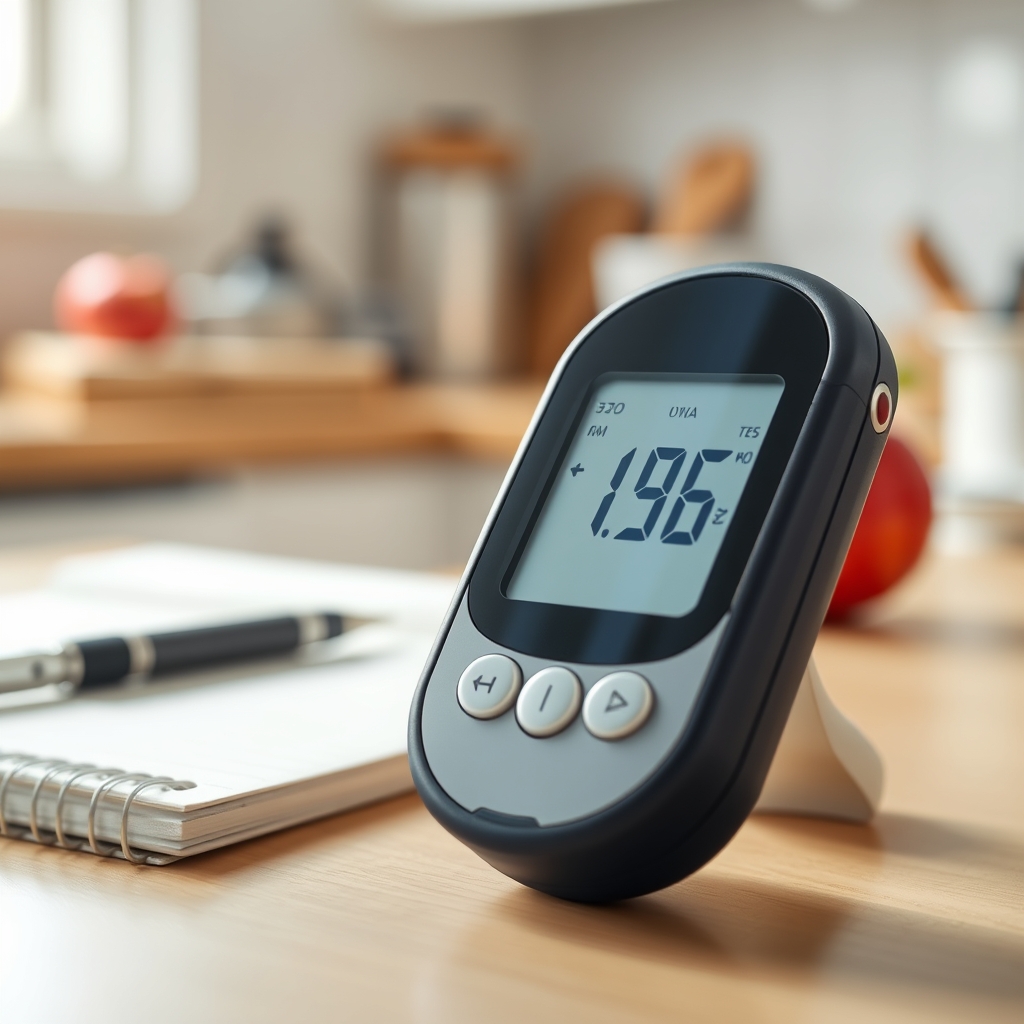
Most providers ask you to check blood glucose four times a day: fasting (first thing in the morning) and 1 hour after each of your three main meals. If you’re using a continuous glucose monitor (CGM), your device will automatically capture trends, but you’ll still record the key values in a log.
Below is a simple table you can print or keep on your phone. Fill in the blanks each day, and note any readings that exceed the target range. If you see two or more high values in a week, contact your provider.
Time
Target range (mg/dL)
Today’s reading
Fasting (upon waking)
≤ 95
1 hour after Breakfast
≤ 140
1 hour after Lunch
≤ 140
1 hour after Dinner
≤ 140
To make tracking easier, many women use a smartphone app or a printable worksheet. The GDM OGTT Interpreter can also help you see how close your numbers are to the diagnostic thresholds, giving you a visual cue for when a pattern might be shifting toward full GDM.
When you first start monitoring, expect a learning curve. Your first few days may feel like a math class, but after a week the rhythm becomes second nature. Keep your glucometer clean, store test strips in a cool, dry place, and calibrate the device according to the manufacturer’s instructions. Proper technique for finger pricking involves washing your hands, using a fresh lancet each time, and pricking the side of your fingertip, not the pad, to minimize discomfort. Gently squeeze your finger to get a drop of blood, then apply it to the test strip.
Regular monitoring helps you identify which foods and activities impact your blood sugar most, allowing you to fine-tune your lifestyle choices. It also gives your healthcare team valuable data to assess your progress and make informed decisions about your care. Don't be discouraged by occasional high readings; instead, use them as learning opportunities to adjust your diet or activity for the next meal or day.
Keeping a simple log helps you and your care team spot trends early.
Nutrition and movement – diet and exercise recommendations
Food is the most powerful lever you have over blood‑sugar spikes. A balanced plate that emphasizes low‑glycemic carbohydrates, lean protein, healthy fats, and fiber will keep glucose levels stable while still providing the calories you need for a growing baby.
Key dietary principles
Choose complex carbs. Swap white bread, white rice, and sugary cereals for whole‑grain options like quinoa, barley, or whole‑wheat pita. These foods digest more slowly, preventing rapid glucose spikes. Focus on whole, unprocessed grains like oats, brown rice, and legumes (beans, lentils).
Pair carbs with protein or fat. Adding a slice of cheese to an apple, or a handful of nuts to a bowl of oatmeal, blunts the post‑meal rise. Protein and healthy fats slow down the digestion of carbohydrates, leading to a more gradual release of glucose into the bloodstream. Think chicken with sweet potato, or avocado with whole-grain toast.
Eat consistent meals. Aim for three main meals and two modest snacks spaced 3–4 hours apart. Skipping meals can cause low blood sugar, while large gaps can lead to overeating later. Regular eating helps stabilize blood sugar throughout the day and prevents your body from overcompensating.
Mind portion size. A palm‑sized serving of starchy foods (about ½ cup cooked) is a good starting point. Use the “hand‑method”: a fist of vegetables, a palm of protein, and a thumb of healthy fat. This visual guide helps you estimate appropriate serving sizes without needing to weigh everything.
Hydrate wisely. Water, herbal tea, and milk are safe. Limit sugary drinks, fruit juices, and energy drinks, which can add hidden carbs. Staying well-hydrated is important for overall health and can sometimes help with satiety, reducing the urge to snack unnecessarily.
Prioritize fiber. Foods high in fiber, such as vegetables, fruits with skin, and whole grains, help slow down sugar absorption and contribute to satiety. Aim for at least 25-30 grams of fiber daily.
Sample meal plan for a day
Breakfast: ½ cup steel‑cut oats topped with sliced berries, a tablespoon of ground flaxseed, and a splash of almond milk. Or, a two-egg scramble with spinach and a small slice of whole-wheat toast with avocado.
Snack: Greek yogurt (plain) with a few walnut halves. Alternatively, a handful of almonds and a small pear.
Lunch: Large mixed‑green salad with grilled chicken, cherry tomatoes, cucumber, olive oil‑lemon dressing, and a small whole‑grain roll. Another option could be a lentil soup with a side of whole-grain crackers and cheese.
Snack: Apple slices with 1 tbsp peanut butter. Or, a hard-boiled egg with a few carrot sticks.
Dinner: Baked salmon, roasted sweet potato wedges (½ cup), and steamed broccoli. Consider adding a small serving of brown rice or quinoa, keeping the portion modest.
Evening Snack (if needed): A small glass of milk or a few whole-grain crackers with cheese, especially if your fasting numbers tend to be high.
Exercise guidelines
Physical activity improves insulin sensitivity, helping your cells use glucose more efficiently. The CDC recommends at least 150 minutes of moderate aerobic activity per week for pregnant people, unless contraindicated. For borderline GDM, aim for 30 minutes of brisk walking, swimming, or stationary cycling on most days.
Strength training—using light dumbbells or body‑weight moves—twice a week can also be beneficial, as long as you avoid heavy lifting that strains the abdomen. Always start with a warm‑up and end with gentle stretching to keep muscles limber. Activities like prenatal yoga or Pilates can also be excellent for both physical conditioning and stress reduction.
If you’re new to exercise, begin with short 10‑minute walks after meals and gradually increase duration. Many women find that a post‑lunch stroll keeps their afternoon glucose in check. Even short bursts of activity, like walking up and down stairs or doing some gentle stretches, can make a difference. Always listen to your body, stay hydrated, and stop if you feel dizzy or experience any discomfort. Consult your provider before starting any new exercise regimen.
Meal planning strategies & reading food labels
Successfully managing borderline GDM often comes down to smart meal planning and understanding the nutritional content of the foods you eat. It’s not about deprivation, but about making informed choices that support stable blood sugar.
Building a balanced plate
A simple visual guide for each meal is to fill half your plate with non-starchy vegetables (like leafy greens, broccoli, bell peppers), one-quarter with lean protein (chicken, fish, eggs, tofu), and one-quarter with complex carbohydrates (whole grains, starchy vegetables like sweet potatoes, legumes). This ensures you get plenty of fiber, protein, and healthy fats to slow down glucose absorption.
Non-starchy vegetables: Eat these freely! They are low in carbohydrates and high in fiber and nutrients.
Protein: Essential for satiety and muscle building. Choose lean options.
Complex carbohydrates: Portion control is key. Focus on quality over quantity.
Healthy fats: Include sources like avocado, nuts, seeds, and olive oil to enhance satiety and absorb fat-soluble vitamins.
Reading food labels
Becoming a label detective can empower you to make better choices. Here's what to look for:
Total Carbohydrates: This is the number you need to pay closest attention to. It includes sugars, starches, and fiber.
Dietary Fiber: Aim for foods with higher fiber content. Fiber helps slow down sugar absorption. You can subtract half the fiber from total carbs for a rough "net carb" estimate, but generally, focusing on whole foods naturally high in fiber is best.
Sugars: Look for "added sugars" and try to keep these to a minimum. Ingredients lists can hide sugar under names like high-fructose corn syrup, dextrose, sucrose, or maltose.
Serving Size: Always check this first! All other numbers on the label refer to one serving. It's easy to accidentally eat two or three servings if you're not paying attention.
For example, if a serving of crackers has 20 grams of total carbohydrates and you eat twice the serving size, you’ve consumed 40 grams of carbs, which could significantly impact your blood sugar. Small adjustments based on label reading can make a big difference in keeping your glucose levels steady throughout the day.
Medication and treatment options – when diet alone isn’t enough
Most people with borderline GDM can achieve target glucose levels with diet, exercise, and careful monitoring. However, about 15–20 % of women will need medication because lifestyle changes alone don’t keep numbers in range.
First‑line medication is usually metformin, an oral agent that reduces hepatic glucose production and improves peripheral insulin sensitivity. Metformin crosses the placenta, but large cohort studies (e.g., the Metformin in Pregnancy trial) have shown no increase in major malformations and similar birth‑weight outcomes compared with insulin.
If metformin is contraindicated or ineffective, insulin remains the safest option. Insulin does not cross the placenta, and dosing can be adjusted based on your glucose logs. Typical starting doses range from 0.1 units/kg before meals, titrated upward as needed.
When your provider recommends medication, they’ll discuss the benefits, potential side effects (e.g., gastrointestinal upset with metformin), and the plan for dose adjustments. Remember, medication is a tool—not a failure. It simply means your body needs a little extra help to keep glucose stable. The decision to start medication is always made in close consultation with your healthcare team, weighing the benefits of tighter glucose control against any potential risks or side effects.
It's important to understand that the need for medication doesn't reflect a lack of effort on your part. Pregnancy hormones can be incredibly powerful, and sometimes, despite your best efforts with diet and exercise, your body simply requires additional support to manage blood sugar. Your healthcare provider will guide you through the process, ensuring you understand how to take your medication, monitor for side effects, and make necessary adjustments to keep your glucose levels within the target range for the health of both you and your baby. The primary goal is always to achieve optimal glucose control to minimize any potential complications.
Risks and complications associated with borderline GDM
Even a borderline elevation in glucose can increase the likelihood of certain pregnancy complications, though the absolute risk is lower than with full‑blown GDM.
Macrosomia (large baby). Slightly higher glucose can lead to modest increases in birth weight, raising the chance of shoulder dystocia during delivery. When a baby grows too large, particularly in the shoulders, it can become stuck during a vaginal birth, potentially leading to injuries for both mother and baby.
Pre‑eclampsia. Some studies suggest a modest rise in blood‑pressure disorders, especially if glucose control is inconsistent. Pre-eclampsia is a serious condition characterized by high blood pressure and signs of damage to other organ systems, most often the liver and kidneys.
Preterm birth. Elevated glucose may slightly increase the odds of delivering before 37 weeks, though most women with borderline GDM deliver at term. This risk is often linked to other complications like pre-eclampsia or if the baby is growing too large too quickly.
Neonatal hypoglycemia. After birth, babies whose mothers had higher glucose may experience low blood sugar in the first 24 hours. This happens because the baby's pancreas has been producing extra insulin to handle the high glucose from the mother, and after birth, that extra insulin can cause their own blood sugar to drop. Monitoring newborn glucose is routine in most hospitals.
Polyhydramnios. This is a condition where there is too much amniotic fluid surrounding the baby. Elevated maternal glucose can cause the baby to urinate more, leading to an excess of fluid, which can sometimes increase the risk of preterm labor or premature rupture of membranes.
Importantly, most of these risks are mitigated when you follow a monitoring plan and keep glucose within target ranges. That’s why consistent self‑testing and dietary adherence are emphasized. While the risks are real, proactive management significantly reduces their likelihood. Your care team will closely monitor you and your baby's health to intervene if any of these complications begin to emerge, ensuring the safest possible outcome.
Impact on pregnancy, delivery, and postpartum health
During pregnancy, borderline GDM usually does not change the timing of prenatal visits, but you may see your provider a little more often for glucose reviews. Some clinics schedule an extra ultrasound around 32 weeks to assess fetal growth, ensuring the baby isn’t growing excessively fast. These ultrasounds specifically look at abdominal circumference and estimated fetal weight to predict if macrosomia might be an issue. Regular blood pressure checks will also be emphasized to monitor for any signs of pre-eclampsia.
For delivery, many women with borderline GDM have a vaginal birth without complications. If your baby is estimated to be large (> 4,000 g), your obstetrician may discuss induction or a planned Cesarean. These decisions are individualized and based on the most recent growth measurements, as well as your personal health history. During labor, your blood sugar may be monitored more closely to maintain stable levels, which helps prevent neonatal hypoglycemia after birth.
After birth, the focus shifts to postpartum glucose screening. The American Diabetes Association (ADA) recommends a 75‑gram OGTT at 6–12 weeks postpartum for all women who had any degree of GDM. Even with borderline results, you’re at higher risk for developing type 2 diabetes later in life, so the test is crucial. This follow-up screening is vital because it helps identify women who might need continued lifestyle interventions or further monitoring for prediabetes or type 2 diabetes. Don't skip this important appointment, even if you feel completely back to normal.
Long‑term, research from the CDC shows that women with borderline GDM have a 1.5‑fold higher chance of type 2 diabetes within ten years compared with women who had completely normal glucose. Lifestyle counseling, regular physical activity, and weight management can substantially lower that risk. Continuing the healthy habits you've adopted during pregnancy—like a balanced diet and regular exercise—is the best way to protect your long-term health and reduce your risk of developing type 2 diabetes.
The emotional toll: managing stress and anxiety
Receiving any kind of "borderline" diagnosis during pregnancy can be incredibly stressful. It's normal to feel a range of emotions: worry about your baby's health, frustration with dietary restrictions, anxiety about constant monitoring, and perhaps even guilt. These feelings are valid and common among expectant parents navigating GDM or borderline GDM.
The constant need to track blood sugar, plan meals, and ensure you're getting enough exercise can feel like a full-time job on top of growing a human. Stress itself can even impact blood sugar levels, creating a challenging cycle. It's crucial to acknowledge these feelings and find healthy ways to cope. Sharing your concerns with your partner, a trusted friend, or your healthcare provider can provide much-needed emotional support.
Consider incorporating stress-reduction techniques into your daily routine. Simple practices like deep breathing exercises, prenatal yoga, gentle meditation, or even just taking a few minutes to listen to calming music can make a difference. Focusing on what you *can* control—your diet, activity, and monitoring—rather than dwelling on what you can't, can also be empowering. Remember, you're doing everything you can to ensure a healthy pregnancy, and that's an incredible effort. Don't hesitate to ask your provider for a referral to a dietitian or a mental health professional if you feel overwhelmed; they are there to support you through every aspect of this journey.
Practical tips for day‑to‑day living
Plan your meals ahead. Batch‑cook whole‑grain grains and portion them into reusable containers. This reduces the temptation to grab high‑glycemic fast food. Use a weekly meal planner to map out your meals and snacks, making grocery shopping more efficient.
Keep a “low‑glycemic” snack stash. Nuts, cheese sticks, and veggie sticks with hummus are easy to grab when hunger strikes. Keep these readily available in your fridge, pantry, and even your car or purse.
Set a reminder. Use a phone alarm for your 1‑hour post‑meal checks. Consistency is key. You might also set reminders for meal times to ensure you don't skip meals.
Stay hydrated. Aim for 8‑10 glasses of water a day; dehydration can falsely elevate glucose readings. Carry a reusable water bottle with you and sip throughout the day.
Track your mood and stress. Stress hormones can raise blood sugar. Simple breathing exercises or a short meditation after meals can smooth spikes. A brief walk or listening to music can also help manage stress.
Involve your support system. Share your monitoring schedule with your partner or a close friend so they can remind you or help with meal prep. Having an accountability partner can make adherence easier and less lonely.
Eat out wisely. When dining out, look for grilled or baked protein options, ask for extra vegetables, and request dressings or sauces on the side. Don't be afraid to ask for substitutions like whole grains instead of white rice.
Manage cravings. If you have a strong craving, try to find a healthier, portion-controlled alternative. For example, instead of a large sugary dessert, a small piece of dark chocolate or a handful of berries with a dollop of plain Greek yogurt can satisfy your sweet tooth without spiking your sugar.
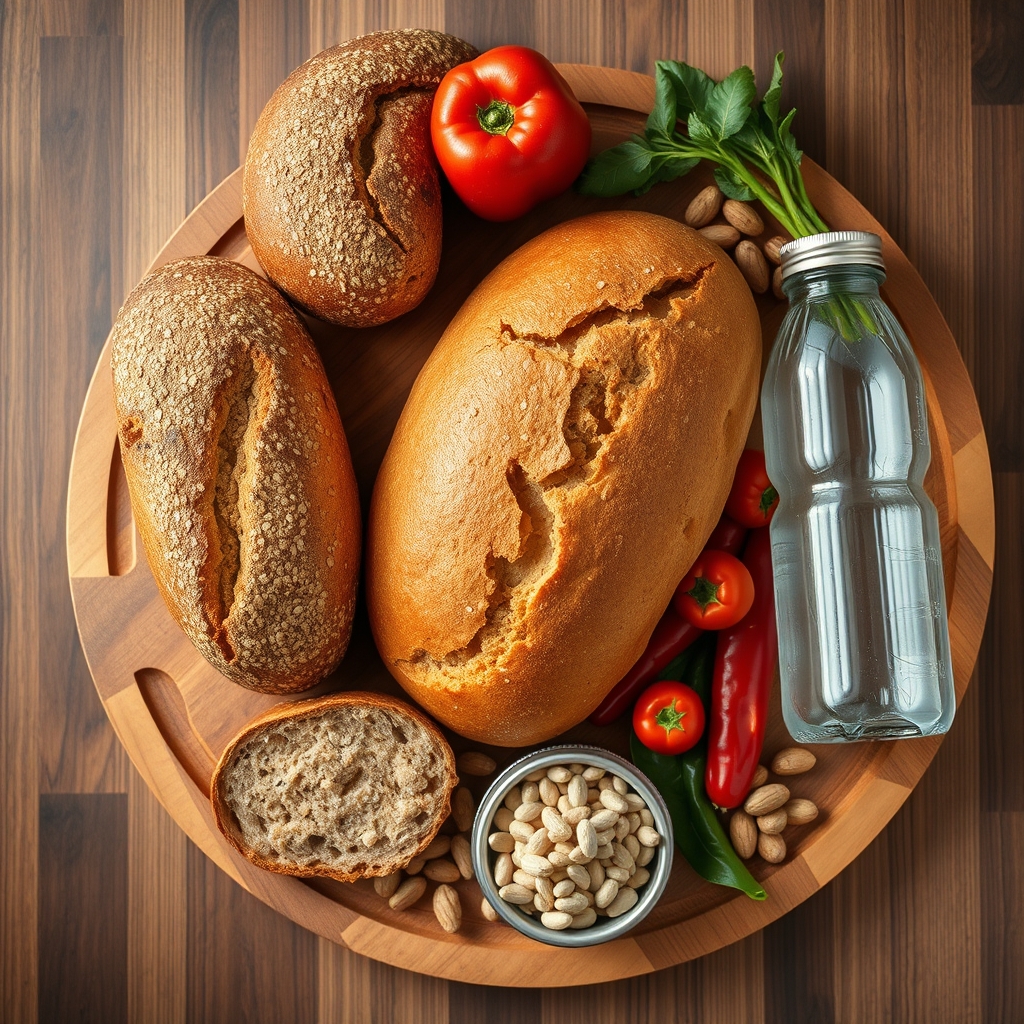
Building a balanced plate is the cornerstone of managing borderline GDM.
From our medical team: Borderline GDM is a signal, not a sentence. Most women who follow a structured plan—regular glucose checks, a modest low‑glycemic diet, and daily movement—maintain target levels and have uncomplicated deliveries. If you ever feel unsure, reach out to your provider sooner rather than later; early adjustments prevent bigger problems down the road. Remember, your healthcare team is your partner in this journey, and open communication is key to successful management.
🔢 Ready to crunch your numbers? Use our GDM OGTT Interpreter for a personalized result in seconds.
Myth vs. fact
Myth: Borderline GDM means I’ll definitely need insulin.
Fact: Only about 15–20 % of women with borderline results require medication; most manage with diet and exercise alone.
Myth: I have to give up all carbs.
Fact: Carbohydrates are essential for pregnancy. The goal is to choose complex carbs and pair them with protein or fat to avoid rapid spikes.
Myth: My baby will be born with health problems because of borderline GDM.
Fact: With proper monitoring and management, most babies are born healthy and at a normal weight. The risks associated with GDM are significantly reduced with good glucose control.
Key takeaways
Borderline GDM means glucose numbers are just above normal; it calls for careful monitoring, not panic.
Aim for fasting ≤ 95 mg/dL and 1‑hour post‑meal ≤ 140 mg/dL; check blood sugar four times daily.
Focus on low‑glycemic carbs, protein‑fat pairings, and consistent meal timing.
Engage in at least 150 minutes of moderate exercise per week, such as brisk walking.
Medication (metformin or insulin) is a backup if lifestyle changes don’t keep numbers in range.
Schedule a postpartum OGTT at 6–12 weeks to assess future diabetes risk.
Manage stress and seek support; the emotional toll of monitoring is real and valid.
Frequently asked questions
What are the risks of borderline gestational diabetes?
Borderline GDM slightly raises the chance of a larger baby, mild pre‑eclampsia, and neonatal low blood sugar, but these risks are largely preventable with good glucose control. It also increases the long-term risk of developing type 2 diabetes for the mother.
How often should I monitor my blood sugar with borderline GDM?
Four times a day is standard: fasting in the morning and 1 hour after each main meal. Adjust frequency only if your provider advises based on your trends. Consistent monitoring helps you and your care team understand your glucose patterns.
Can I still have a normal delivery with borderline GDM?
Yes. The majority of women with borderline GDM deliver vaginally without complications, especially when glucose stays within target ranges. Your provider will monitor your baby's growth and discuss delivery options if there are concerns.
What are the chances of developing type 2 diabetes after borderline GDM?
Studies from the CDC and ADA show a roughly 1.5‑fold increased risk over ten years compared with women who had normal glucose, but lifestyle changes can substantially lower that risk. Postpartum screening is crucial for early detection.
How does borderline GDM affect my baby's health?
When glucose is well‑controlled, babies are usually born at a healthy weight and have normal development. Slightly higher glucose can increase the chance of a larger birth weight, which is monitored with ultrasounds, and can lead to temporary low blood sugar in the newborn.
Can I prevent gestational diabetes from progressing with borderline GDM results?
Yes. Consistent diet, regular exercise, and daily glucose checks are the most effective ways to keep numbers from climbing into full‑diagnostic territory. Proactive lifestyle changes can often prevent progression.
Can I eat fruit with borderline GDM?
Yes, you can eat fruit, but choose wisely and mind your portions. Fruits contain natural sugars (fructose) and carbohydrates. Opt for whole fruits with skin (like berries, apples, pears) which are high in fiber, and pair them with protein or fat (e.g., an apple with a few almonds) to minimize spikes. Avoid fruit juices, which lack fiber and can cause rapid glucose rises.
What if I miss a blood sugar reading?
Don't worry if you occasionally miss a reading. Just resume your monitoring schedule as soon as you remember. Consistency over time is more important than any single missed reading. Inform your provider if you're consistently missing readings so they can help you troubleshoot or adjust your plan.
When to call your doctor
If you record two or more fasting readings above 95 mg/dL, or any 1‑hour post‑meal values over 140 mg/dL, call your provider. It means your current management plan may need adjustment. Also reach out immediately if you experience any of the following: persistent nausea or vomiting, severe headache, vision changes, sudden swelling of hands or face, or a blood pressure reading ≥ 140/90 mmHg. These could be signs of other pregnancy complications requiring urgent medical attention. This article is for information only and does not replace personalized medical advice from your healthcare provider.
References
American College of Obstetricians and Gynecologists (ACOG). “Gestational Diabetes Mellitus.” Clinical Management Guidelines, 2023.
National Institute for Health and Care Excellence (NICE). “Gestational Diabetes: Screening and Diagnosis.” NG3, 2022.
World Health Organization (WHO). “Diagnostic Criteria and Classification of Hyperglycaemia First Detected in Pregnancy.” 2023.
American Diabetes Association (ADA). “Standards of Care in Diabetes—2024.” Diabetes Care, 2024.
Centers for Disease Control and Prevention (CDC). “Long‑Term Outcomes of Gestational Diabetes.” National Diabetes Statistics Report, 2022.
Metformin in Pregnancy Trial Collaborative Group. “Metformin versus insulin for gestational diabetes.” New England Journal of Medicine, 2020.
National Health Service (NHS). “Gestational Diabetes – What You Need to Know.” 2023.
Not sure about the label on Borderline Gdm Results Next Steps Monitoring Plan Calculator products?
Snap the ingredients list and SafeFilter checks every ingredient for your stage — only 3 free scans this month, then you're locked until reset. Unlimited from $7/mo or lock $50/yr through Aug 31 (5 days left).
When Shubhra Mishra was expecting her first child in 2016, she was overwhelmed by conflicting food advice — one site said yes, another said never. By the time her second baby arrived in 2019, she realized millions of mothers face the same confusion.
That sparked a five-year journey through clinical nutrition papers, cultural diets, and expert conversations — all leading to BumpBites: a calm, compassionate space where science meets everyday motherhood.
Her long-term vision is to build a global community ensuring safe, supported, and free deliveriesfor every mother — because no woman should face pregnancy alone or uninformed. 🌿
🌍 Stand with mothers, shape safer guidance
Join a small circle of experts who review BumpBites articles so expecting parents everywhere can decide with confidence.