Yes, the runs can be a sign of pregnancy due to hormonal changes, learn more about the connection between diarrhea and pregnancy symptoms, can the runs be a sign of pregnancy
By Shubhra Mishra — a mom of two who turned her own confusion during pregnancy into BumpBites, a global mission to make food choices clear, safe, and stress-free for every expecting mother. 💛
Check whether any food is safe during pregnancy with the BumpBites Food Safety Checker.
Quick take: Diarrhea can happen early in pregnancy, but it isn’t a reliable sign on its own. Hormonal shifts, especially the rise in progesterone and hCG, can speed up digestion, while stress, diet changes, or a mild infection are often the real culprits. If you’re experiencing loose stools along with other early‑pregnancy clues, you might be pregnant, but the symptom alone doesn’t confirm it. Stay hydrated, eat gentle foods, and contact your provider if the diarrhea is severe, persistent, or accompanied by fever, blood, or dehydration.
It’s 2 a.m., you’re curled up on the couch with a half‑finished novel, and suddenly your stomach churns. You sprint to the bathroom, emerge with a loose‑bowel episode, and wonder: “Is this the start of a pregnancy?” You’re not alone. Many expectant parents notice changes in their bathroom habits before they even have a positive test. In this article we’ll untangle the science, the myths, and the practical steps you can take.
First, the bottom line: occasional diarrhea is common in early pregnancy, but it’s not a diagnostic sign. Hormones, diet, stress, and even a harmless stomach bug can cause the runs. We’ll walk through why the digestive system reacts, how to tell pregnancy‑related changes from other causes, and what safe remedies you can try while keeping you and your developing baby healthy.
By the end of this guide you’ll know what “loose stools” might mean during the first weeks, when to seek medical help, and how to manage symptoms without compromising nutrition. Let’s dive in, step by step.
Is diarrhea an early sign of pregnancy?
The short answer is no—diarrhea alone isn’t a reliable early pregnancy sign. While the hormonal surge that accompanies conception can affect your gut, most medical authorities, including the American College of Obstetricians and Gynecologists (ACOG) and the UK’s National Health Service (NHS), list nausea, breast tenderness, and missed periods as the classic early signs. Diarrhea is listed only as a possible, non‑specific symptom.
Why does it happen? When the embryo implants, the body releases human chorionic gonadotropin (hCG) and ramps up progesterone. Both hormones relax smooth muscle throughout the body, including the gastrointestinal (GI) tract. This relaxation can speed intestinal transit, leading to looser stools. However, the same hormonal environment also causes constipation in many women, so the gut response is highly individual.
In practice, most women who notice diarrhea early on also experience other pregnancy clues—fatigue, breast changes, or a missed period. If you’re only seeing the runs, the odds are that something else is at play, such as a recent diet change or a mild infection. Keep an eye on the bigger picture; a single symptom rarely tells the whole story.
Seeing a positive test after a bout of diarrhea can feel like a surprise, but the test is the definitive answer.
What causes loose stools in early pregnancy?
Several factors can lead to loose stools during the first weeks after conception:
Hormonal changes: Progesterone slows the muscles of the GI tract, which can cause food to linger longer, ferment, and produce gas. The resulting irritation may manifest as diarrhea for some women.
Increased blood flow: The uterus draws more blood, and the gastrointestinal system receives a boost in circulation, sometimes speeding up digestion.
Dietary shifts: Many women start craving or avoiding certain foods once they suspect they’re pregnant. Sudden increases in fiber, fruit juices, or artificial sweeteners can upset the gut.
Stress and anxiety: The emotional roller‑coaster of trying to conceive can trigger the “gut‑brain” axis, leading to irregular bowel movements.
Infections: A mild viral gastroenteritis or bacterial food‑borne illness can coincide with early pregnancy, making it hard to pinpoint the cause.
Even if you’re not yet pregnant, these same triggers can cause loose stools. The key is looking at the whole picture—timing, accompanying symptoms, and any recent changes in lifestyle. When you start to track these variables, patterns emerge that can help you distinguish a pregnancy‑related episode from everyday digestive upset.
How common is diarrhea in the first trimester?
Large‑scale surveys from the CDC and UK’s Public Health England suggest that up to 15 % of pregnant people report gastrointestinal upset, including diarrhea, during the first trimester. A 2022 review in the Journal of Obstetric Medicine (cited by the Mayo Clinic) found that about 1 in 7 women experience at least one episode of loose stools before 12 weeks gestation.
Below is a quick reference table that breaks down prevalence by trimester, based on pooled data from North American and European studies.
Trimester
Reported diarrhea (% of pregnant people)
Typical duration
First (0‑13 weeks)
12‑15 %
Hours to a few days
Second (14‑27 weeks)
8‑10 %
Intermittent
Third (28‑40 weeks)
5‑7 %
Often linked to diet changes
These numbers show that while diarrhea is not the most common pregnancy complaint, it’s certainly not rare. Most episodes resolve quickly and are not a sign of serious complications. Knowing the typical frequency can reassure you if you experience a single bout of the runs.
Diarrhea vs. period symptoms: How to tell the difference?
Many people wonder whether the runs could be a sign of a menstrual cycle rather than pregnancy. Both scenarios can involve abdominal cramping and changes in bowel habits, but there are subtle clues:
Timing: Period‑related diarrhea usually appears a day or two before bleeding starts and resolves once the flow begins. Pregnancy‑related changes often start weeks before a missed period.
Consistency of other symptoms: If you notice breast tenderness, heightened sense of smell, or a faint “morning sickness” vibe, pregnancy is more likely.
Blood in stool: Light spotting from the uterus can sometimes be mistaken for blood in stool, but true menstrual blood is bright red and usually appears in the toilet bowl, not mixed with stool.
Duration: Period‑associated bowel changes typically last 2‑3 days. Persistent or recurrent diarrhea beyond that warrants a closer look.
When in doubt, a home pregnancy test is the fastest way to differentiate. If the test is negative and symptoms persist, consider other causes—diet, stress, or infection—and speak with your provider. Keeping a short log of when symptoms appear relative to your cycle can also help your clinician pinpoint the cause.
When should you worry about diarrhea during pregnancy?
Most diarrhea in early pregnancy is harmless, but certain red flags mean you need medical attention right away:
Fever ≥ 100.4 °F (38 °C) or chills
Blood or mucus in the stool
Severe abdominal pain that doesn’t improve with rest
Signs of dehydration: dizziness, dark urine, dry mouth, or rapid heartbeat
Diarrhea lasting longer than a week without improvement
These symptoms could indicate an infection, inflammatory bowel disease flare, or a more serious condition like pre‑eclampsia (though the latter usually presents later). The ACOG advises that any gastrointestinal symptom accompanied by fever, blood, or severe pain should prompt an immediate call to your obstetrician or a visit to urgent care.
Safe remedies for diarrhea when pregnant
Managing diarrhea while protecting your baby’s nutrition is a balancing act. Here are evidence‑based, pregnancy‑friendly strategies:
Hydration: Sip water, oral rehydration solutions, or clear broths. The WHO recommends at least 2.5 L of fluid daily during pregnancy, more if you’re losing fluids.
BRAT diet (in moderation): Bananas, rice, applesauce, and toast provide bland carbs that can firm up stools without irritating the gut. Pair with a small amount of protein like boiled chicken.
Probiotics: Yogurt with live cultures or a prenatal probiotic supplement (approved by your provider) can help restore healthy gut bacteria, according to the NHS.
Avoid triggers: Cut back on caffeine, high‑fat fried foods, and artificial sweeteners, all of which can worsen diarrhea.
Fiber balance: While fiber is essential, too much soluble fiber (found in some fruits and legumes) can ferment and cause gas. Aim for 25‑30 g per day, split between soluble and insoluble sources.
Medication: Over‑the‑counter anti‑diarrheal agents like loperamide are generally considered safe only after the first trimester and should be used only under your doctor’s guidance. Acetaminophen for mild cramping is usually acceptable, but NSAIDs like ibuprofen are avoided in pregnancy.
Remember, any supplement or medication should be cleared with your prenatal team before use. Even “natural” remedies can have hidden ingredients that affect fetal development.
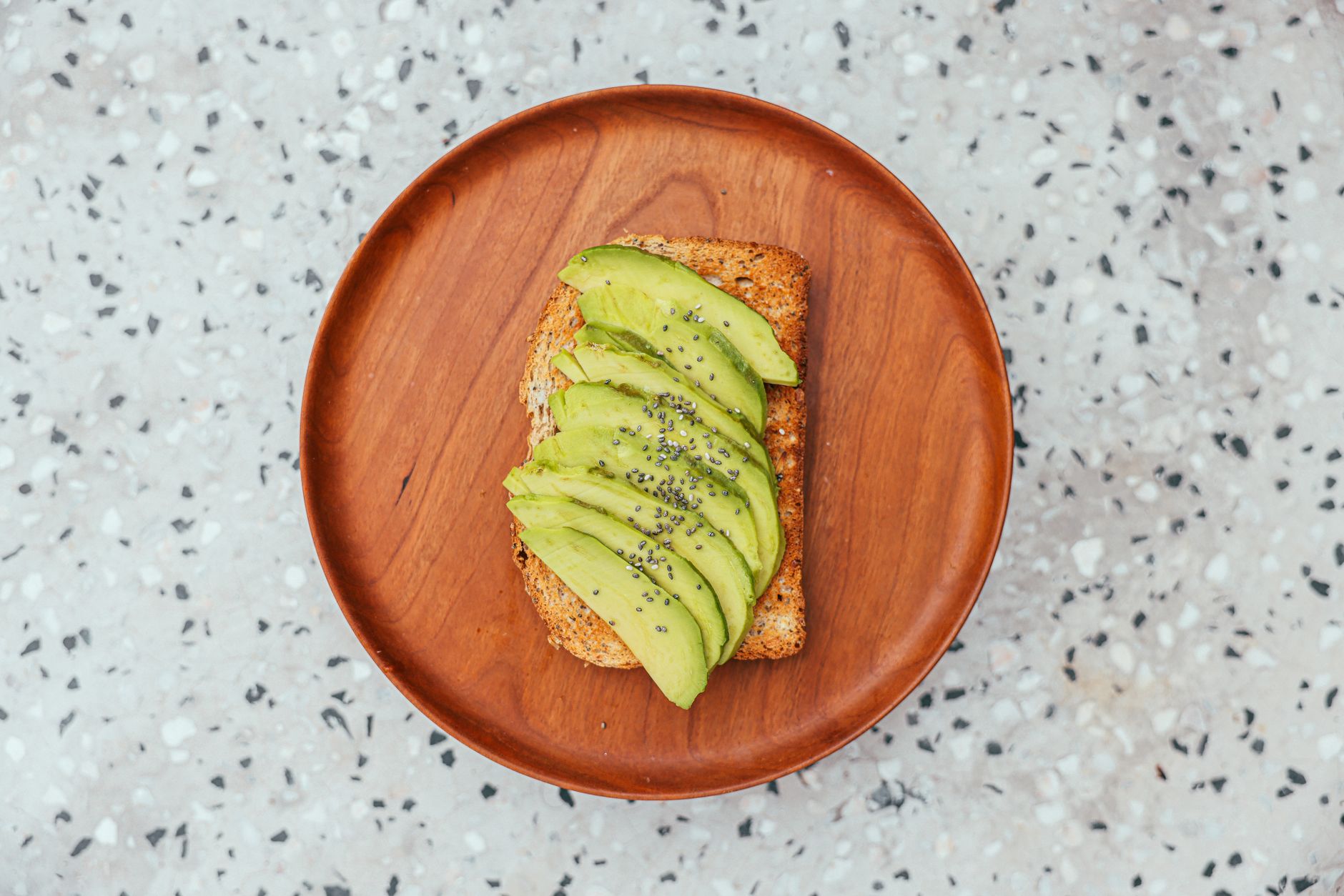
Gentle foods like the BRAT diet can calm an upset stomach without sacrificing nutrients.
Can implantation cause diarrhea?
The idea of “implantation diarrhea” has circulated on forums for years, but the scientific evidence is thin. Implantation—when the fertilized egg embeds into the uterine lining—occurs roughly 6‑12 days after ovulation. Some women report mild gastrointestinal upset around that time, attributing it to the hormonal surge of hCG.
Research published by the World Health Organization (WHO) notes that hCG can increase intestinal motility, but the effect is modest. Most clinicians consider implantation‑related diarrhea a possible but rare side effect. In practice, the symptom overlaps with other early‑pregnancy changes (like progesterone‑induced relaxation) and with everyday causes (diet, stress). So while implantation could theoretically contribute to loose stools, it’s not a diagnostic hallmark.
If you notice diarrhea within a week of ovulation and also experience implantation bleeding (spotting) or a heightened basal body temperature, it’s reasonable to consider pregnancy as a possibility—but a home test remains the definitive answer.
Loose stools early pregnancy symptom: What else to watch for
Loose stools rarely appear in isolation. Here are other digestive‑related signs that often accompany early pregnancy:
Increased gas: Progesterone relaxes the lower esophageal sphincter, allowing more air to build up.
Heartburn: The same hormone can cause the stomach to empty more slowly, leading to acid reflux.
Stomach upset without vomiting: Mild nausea or a “butterflies” feeling can coexist with diarrhea.
Craving or aversion to certain foods: Sudden dislike for caffeine or spicy foods may reduce irritants that trigger loose stools.
Tracking these alongside your bowel pattern can give you a clearer picture of whether the changes are pregnancy‑related or due to other factors. A simple notebook or phone note can become a valuable conversation starter at your next prenatal visit.
Frequent bowel movements first trimester: Normal or not?
Some pregnant people notice a jump from one bowel movement every few days to several times a day. This shift is usually linked to the rapid rise in progesterone, which can cause both constipation and diarrhea depending on individual gut sensitivity. A 2021 review by the Royal College of Obstetricians and Gynaecologists (RCOG) states that increased frequency is “common and generally benign” in the first trimester.
Nevertheless, if you’re having more than three watery stools per day, or if the stools are accompanied by cramping, it’s worth discussing with your provider. They may recommend a modest increase in fiber, a probiotic, or a temporary adjustment to your diet. In rare cases, excessive bowel activity can signal an underlying condition that needs treatment.
Diarrhea before a positive pregnancy test: Can it be a clue?
It’s possible to experience gastrointestinal changes before a test confirms pregnancy. Hormonal fluctuations start as soon as the embryo releases hCG, which can be detectable in blood as early as 8 days post‑conception. Some women report subtle “tummy troubles”—including loose stools—days before they miss a period or take a test.
However, because the same symptoms are common with viral infections, food intolerances, and stress, they’re not a reliable early indicator. If you’ve had a recent episode of diarrhea and are wondering about pregnancy, the safest approach is to wait until you’ve missed a period and then test. In the meantime, keep a symptom diary: note the date, what you ate, stress levels, and any other pregnancy‑related signs. This record can be valuable for your prenatal visit.
Can progesterone cause diarrhea early pregnancy?
Progesterone is the hormone most directly linked to changes in bowel habits. By relaxing smooth muscle throughout the GI tract, it can speed up transit time, leading to looser stools for some. Conversely, the same relaxation can slow movement, causing constipation for others. The dual effect depends on individual gut motility and the balance with other hormones like estrogen.
Clinical guidance from the American Pregnancy Association notes that progesterone‑induced diarrhea is “usually mild and self‑limiting.” If symptoms become severe, a healthcare provider may assess whether the hormone levels are unusually high or whether another issue (like a thyroid imbalance) is contributing.
How to keep a symptom diary during early pregnancy
Recording what you eat, how you feel, and when you have bowel movements can turn vague worries into concrete data. A simple diary should include the date, meals (especially new or high‑fiber foods), stress triggers, any accompanying pregnancy signs (like breast tenderness), and the consistency of stools (using the Bristol Stool Chart as a reference). This practice not only helps you spot patterns but also gives your provider a clear snapshot of your health.
Most clinicians find that a two‑week log is enough to differentiate hormone‑driven changes from an infection or dietary issue. When you share this log at your next appointment, the provider can tailor advice—whether that means adjusting fiber, recommending a probiotic, or ordering labs to rule out infection.
When are over‑the‑counter remedies safe for pregnant people?
Many people reach for loperamide (Imodium) or bismuth subsalicylate (Pepto‑Bismol) at the first sign of diarrhea. The FDA classifies loperamide as pregnancy category C, meaning risk cannot be ruled out, and it’s generally advised only after the first trimester and under medical supervision. Bismuth subsalicylate contains a low dose of salicylate, which is discouraged in pregnancy because of potential fetal risks.
ACOG’s “Medication Safety in Pregnancy” guidance recommends that pregnant people discuss any OTC remedy with their provider before use. Often, simple dietary tweaks and hydration are sufficient, but if diarrhea is severe enough to cause dehydration, a clinician may prescribe a short course of a safe medication. Always keep a list of any OTC products you’ve taken to share with your care team.
Nutrition tips to support a healthy gut in the first trimester
A well‑balanced diet can smooth out many digestive hiccups. Aim for a mix of soluble fiber (oats, apples) and insoluble fiber (whole‑grain bread, carrots) to keep stool bulk consistent. Incorporate probiotic‑rich foods such as kefir, fermented vegetables, and plain yogurt to nurture beneficial bacteria, as recommended by the NHS.
Don’t forget micronutrients: magnesium (found in leafy greens, nuts, and seeds) helps muscle relaxation, while zinc (present in beans and lean meat) supports immune function, which can reduce infection‑related diarrhea. Hydration remains key—add a splash of citrus to water for flavor, but avoid sugary sports drinks that can aggravate gut motility.
Probiotic‑rich foods and balanced fiber can help keep your gut happy during early pregnancy.
From our medical team: “If you’re dealing with diarrhea in the first weeks of a possible pregnancy, focus on staying hydrated and eating bland, nutrient‑dense foods. Most episodes resolve on their own, but persistent or bloody diarrhea warrants prompt evaluation to rule out infection or other conditions.”
Myth vs. fact
Myth: Diarrhea is a sure sign that you’re pregnant.
Fact: Diarrhea can occur for many reasons; it’s a possible but not definitive early‑pregnancy symptom. Reliable confirmation comes from a pregnancy test or a blood hCG level.
Fact: While implantation releases hormones that may affect the gut, most women experience no digestive changes at this stage. Any upset is usually mild and transient.
Myth: You should avoid all fiber in early pregnancy to prevent diarrhea.
Fact: A balanced amount of fiber (about 25‑30 g daily) supports healthy digestion. Too much or too little can both trigger loose stools. Choose a mix of soluble and insoluble fiber and monitor how your body responds.
Key takeaways
Diarrhea alone is not a reliable early pregnancy sign; consider the whole symptom picture.
Hormonal shifts—especially progesterone and hCG—can alter gut motility, sometimes causing loose stools.
Common non‑pregnancy causes include diet changes, stress, and mild infections.
Stay hydrated, eat bland foods (BRAT diet), and consider probiotics under provider guidance.
Seek medical care if diarrhea is severe, lasts more than a week, or is accompanied by fever, blood, or dehydration.
Use a home pregnancy test for confirmation; it’s the quickest way to know for sure.
Frequently asked questions
Is diarrhea a sign of early pregnancy or period?
Diarrhea can happen in both situations, but it’s more commonly linked to hormonal changes early in pregnancy rather than to menstruation. A period‑related episode usually coincides with bleeding, while pregnancy‑related diarrhea often appears before a missed period and may be accompanied by other signs like breast tenderness.
What are the first signs of pregnancy in the first week?
The very first week after conception is usually symptom‑free, but some people notice subtle changes such as a heightened sense of smell, mild breast tenderness, or a slight twinge of cramping. Hormonal shifts can also cause mild nausea or a “butterflies” feeling in the stomach.
Can you have diarrhea and still be pregnant?
Yes. Diarrhea does not prevent implantation or early fetal development. Most episodes are harmless, but it’s important to stay hydrated and maintain adequate nutrition. If diarrhea is severe or prolonged, talk to your provider to rule out infection.
What are the weirdest early pregnancy symptoms?
Beyond the classic nausea, some people report metallic taste, vivid dreams, or an increased appetite for specific foods like pickles or citrus. Others notice changes in skin pigmentation, heightened emotional responses, or a sudden need to urinate more often.
What are the signs of implantation?
Implantation can cause light spotting (often called “implantation bleeding”), mild cramping, a slight rise in basal body temperature, and occasionally a mild gastrointestinal upset. Not everyone experiences these signs, and they usually last only a day or two.
What does early pregnancy poop look like?
There’s no single “look” for pregnancy‑related stool, but many report a looser, softer consistency due to progesterone‑induced relaxation of the intestines. Some notice increased frequency or occasional urgency. If you see blood, mucus, or a dramatic change in color, contact your provider.
Can stress alone cause diarrhea in early pregnancy?
Yes. Stress activates the gut‑brain axis, which can speed up intestinal transit and lead to loose stools. In pregnancy, heightened emotions are common, so stress‑related diarrhea is a realistic possibility. Managing stress through gentle breathing, prenatal yoga, or short walks can help keep your gut steadier.
Is it safe to eat spicy foods if I have loose stools?
Spicy foods can irritate the gastrointestinal lining and may worsen diarrhea for some people. However, tolerance varies. If you notice that hot peppers or chili‑based dishes trigger loose stools, it’s wise to pause them until your gut settles. Opt for milder seasonings like ginger or turmeric, which can be soothing and are generally safe in pregnancy.
When to call your doctor
Contact your obstetrician or midwife immediately if you experience any of the following while pregnant:
Fever ≥ 100.4 °F (38 °C) or chills
Blood or mucus in your stool
Severe abdominal pain that doesn’t improve with rest
Signs of dehydration (dizziness, dark urine, rapid heartbeat)
Diarrhea lasting more than a week without improvement
This information is for educational purposes only and does not replace personalized medical advice. Always consult your healthcare provider with any concerns.
References
American College of Obstetricians and Gynecologists (ACOG). “Early Pregnancy Loss.” Clinical Guidance, 2023.
National Health Service (NHS). “Pregnancy symptoms: early signs and what to expect.” UK Health Guidance, 2022.
Centers for Disease Control and Prevention (CDC). “Pregnancy and Nutrition.” Dietary Recommendations for Pregnant Individuals, 2023.
World Health Organization (WHO). “Oral Rehydration Solutions for Pregnant Women.” Global Health Advisory, 2021.
Mayo Clinic. “Diarrhea in pregnancy: causes and treatment.” Patient Education, 2022.
Royal College of Obstetricians and Gynaecologists (RCOG). “Managing Gastrointestinal Symptoms in Early Pregnancy.” Clinical Practice Guidelines, 2021.
Journal of Obstetric Medicine. “Gastrointestinal changes in the first trimester: a systematic review.” 2022.
American Pregnancy Association. “Progesterone and Digestion.” Hormone Effects Overview, 2023.
Public Health England. “Pregnancy health statistics.” National Survey Data, 2022.
American Pregnancy Association. “Implantation symptoms.” Hormonal Changes Overview, 2023.
Food and Drug Administration (FDA). “Medication Use in Pregnancy.” Safety Guidelines, 2022.
National Institute for Health and Care Excellence (NICE). “Probiotics in pregnancy.” Clinical Evidence Summary, 2022.
Not sure about the label on Can The Runs Be A Sign Of Pregnancy products?
Snap the ingredients list and SafeFilter checks every ingredient for your stage — only 3 free scans this month, then you're locked until reset. Unlimited from $7/mo or lock $50/yr through Aug 31 (5 days left).
When Shubhra Mishra was expecting her first child in 2016, she was overwhelmed by conflicting food advice — one site said yes, another said never. By the time her second baby arrived in 2019, she realized millions of mothers face the same confusion.
That sparked a five-year journey through clinical nutrition papers, cultural diets, and expert conversations — all leading to BumpBites: a calm, compassionate space where science meets everyday motherhood.
Her long-term vision is to build a global community ensuring safe, supported, and free deliveriesfor every mother — because no woman should face pregnancy alone or uninformed. 🌿
🌍 Stand with mothers, shape safer guidance
Join a small circle of experts who review BumpBites articles so expecting parents everywhere can decide with confidence.