Yes, you can get piercings during pregnancy, but there are important health considerations and precautions to follow. Learn the risks, safe practices, and doctor recommendations in this guide.
By Shubhra Mishra — a mom of two who turned her own confusion during pregnancy into BumpBites, a global mission to make food choices clear, safe, and stress-free for every expecting mother. 💛
Check whether any food is safe during pregnancy with the BumpBites Food Safety Checker.
Quick take: Most doctors recommend waiting until after pregnancy to get a new piercing. Your immune system is working overtime, hormones are shifting, and the risk of infection or slow healing is higher — especially for belly button piercings, which can stretch or tear as your bump grows. Existing piercings are usually fine if they’re healed, but you may need to switch to softer, hypoallergenic jewelry to avoid irritation. If you’re set on a new piercing, your second trimester is the safest window — but always check with your provider first.
You’re scrolling through your phone at 11 p.m., one hand on your growing bump, the other hovering over a booking link for that tiny gold hoop you’ve been eyeing. Maybe it’s your first pregnancy, and you’re holding onto little rituals that feel like *you*. Or maybe you’ve just hit the second trimester, the nausea has eased, and you’re suddenly craving something that feels like a small, safe indulgence. A piercing seems harmless — but then the doubt creeps in. Is this actually okay?
We get it. Pregnancy comes with a long list of “can I or can’t I?” questions, and piercings often fall into a gray area. The internet is full of mixed advice: some moms swear they got their ears done with no issues, while others warn of infections or even miscarriage risks. The truth? There’s no one-size-fits-all answer — but there are clear safety guidelines, risks to weigh, and smart ways to care for your body if you choose to go ahead. Let’s break it down, so you can make the call that’s right for you.
Many moms-to-be wonder if a small piercing is a safe way to treat themselves during pregnancy.
Is it safe to get a new piercing during the first trimester?
The first trimester is a time of rapid change — and not just for your baby. Your immune system dials back slightly to prevent your body from rejecting the pregnancy, which means you’re more vulnerable to infections. Your skin is also stretching, hormones are surging, and fatigue and nausea can make aftercare feel like a chore. For these reasons, most healthcare providers recommend avoiding new piercings in the first trimester.
Infections are the biggest concern. Even a small infection can become serious during pregnancy, potentially leading to complications like preterm labor or low birth weight. The first 12 weeks are also when your baby’s major organs are forming, so minimizing any unnecessary risks is key. If you’re dealing with morning sickness, the smell of antiseptics or the stress of a piercing might make you feel even worse — and let’s be honest, you’ve got enough on your plate.
That said, if you’re healthy, have no history of infections, and are set on a piercing, some providers may green-light a very low-risk piercing (like a simple earlobe) in the late first trimester — but only if you use a reputable piercer, follow strict aftercare, and avoid high-risk areas like the belly button or nipples. We’ll cover safer options later in this article.
Can existing piercings cause infections while pregnant?
If your piercing is fully healed — meaning it’s been at least 6–12 months since you got it — it’s unlikely to cause problems during pregnancy. But pregnancy can throw a wrench in even the most settled piercings. Hormonal shifts can make your skin more sensitive, prone to irritation, or even slightly swollen. This can lead to discomfort, especially with piercings in areas that stretch, like your belly button or nipples.
One mom we spoke with, Sarah, had her belly button pierced years before her pregnancy. By her second trimester, she noticed the jewelry was digging into her skin as her bump grew. “I had to switch to a flexible plastic retainer,” she told us. “The metal was just too rigid, and it started to feel like it was pulling.” This kind of irritation can create small tears in the skin, which are gateways for bacteria — and that’s when infections can flare up.
Signs of an infection include:
Redness, swelling, or warmth around the piercing
Yellow or green discharge (pus)
Pain that gets worse, not better
Fever or chills (a sign the infection may be spreading)
If you notice any of these, call your provider. Most infections can be treated with antibiotics that are safe during pregnancy, but it’s important to catch them early. To lower your risk, switch to hypoallergenic jewelry (like surgical steel, titanium, or niobium) and avoid tight or dangly pieces that can snag on clothing or stretch marks.
What are the risks of getting a belly button piercing during pregnancy?
Belly button piercings are one of the most popular — and one of the riskiest — during pregnancy. As your bump grows, the skin around your navel stretches significantly. A new piercing in this area is already prone to slow healing, and pregnancy adds extra strain. Here’s what you need to know:
Stretching and tearing: The skin around your belly button can stretch so much that it thins out, making it more likely to tear around the piercing. This can lead to scarring, irritation, or even the piercing being rejected by your body.
Increased infection risk: The belly button is a warm, moist environment — perfect for bacteria to thrive. During pregnancy, your immune system is already working harder, so an infection here can escalate quickly.
Discomfort: Even if the piercing heals well, the jewelry can dig into your skin as your bump grows, causing pain or pressure. Some women find that the piercing rubs against their waistbands or clothing, leading to irritation.
Potential for migration: As your skin stretches, the piercing can shift position, which may cause it to heal crooked or even fall out.
If you already have a belly button piercing, you don’t necessarily need to remove it — but you may need to switch to a flexible retainer (like a PTFE or bioplast barbell) to accommodate your growing bump. If the piercing becomes painful or shows signs of infection, it’s best to remove it entirely and let it close up. You can always get it redone postpartum.
Flexible retainers like this PTFE barbell are gentler on stretching skin during pregnancy.
Do doctors recommend avoiding ear piercings while pregnant?
Ear piercings are the most common — and generally the safest — option during pregnancy. But even here, there are caveats. Most doctors don’t outright ban ear piercings during pregnancy, but they do recommend caution, especially for cartilage piercings (like the helix or tragus) or any piercing in an area that’s prone to swelling.
Here’s why:
Slower healing: Hormonal changes can slow down your body’s healing process. A piercing that might take 6–8 weeks to heal pre-pregnancy could take 3–6 months now. The longer a piercing takes to heal, the higher the risk of infection.
Increased sensitivity: Your ears may be more tender during pregnancy, and the piercing process could feel more painful than usual. Some women also report that their ears swell slightly after piercing, which can make jewelry feel tight or uncomfortable.
Jewelry choices: If you’re getting a new piercing, you’ll need to wear the initial jewelry for several months. Opt for hypoallergenic materials like surgical steel or titanium to avoid irritation. Avoid nickel, which is a common allergen and can cause reactions during pregnancy.
If you’re considering a new ear piercing, the second trimester is the safest window. Your energy levels are usually higher, morning sickness has eased, and the risk of miscarriage is lower. Still, it’s a good idea to check with your provider first, especially if you have a history of keloids (raised scars) or slow-healing wounds.
For existing ear piercings, you’re likely fine to keep them — just pay extra attention to aftercare. If you notice any redness, swelling, or discharge, switch to a hypoallergenic stud and clean the area gently with saline solution. If symptoms persist, call your provider.
How to care for a piercing during pregnancy to prevent complications
If you decide to get a new piercing during pregnancy — or if you’re managing an existing one — aftercare is everything. Proper care can mean the difference between a smooth healing process and a painful infection. Here’s what you need to know:
1. Choose the right piercer
Not all piercing studios are created equal. Look for a reputable piercer who:
Uses single-use, sterile needles (not a piercing gun, which can’t be fully sterilized)
Wears gloves and uses fresh, disposable equipment for each client
Has experience working with pregnant clients (they’ll know to avoid high-risk areas and use gentler techniques)
Uses high-quality, hypoallergenic jewelry (ask for implant-grade titanium or niobium)
Before your appointment, call ahead and ask if they have experience with pregnant clients. Some studios may refuse to pierce pregnant women due to liability concerns — and that’s a sign you should probably wait.
2. Follow a strict aftercare routine
Clean your piercing 2–3 times a day with a saline solution (you can buy pre-made saline spray or make your own by mixing 1/4 teaspoon of non-iodized sea salt with 1 cup of warm distilled water). Avoid alcohol, hydrogen peroxide, or harsh soaps, which can dry out your skin and slow healing.
Here’s a step-by-step aftercare routine:
Wash your hands: Always wash your hands with soap and water before touching your piercing.
Soak or spray: Apply the saline solution to the piercing using a clean cotton ball, gauze, or a spray bottle. Let it sit for 5–10 minutes to loosen any crusties.
Gently clean: Use a clean cotton swab to remove any buildup around the piercing. Don’t force it — if it’s stuck, soak it longer.
Rinse and pat dry: Rinse the area with clean water and pat it dry with a disposable paper towel (cloth towels can harbor bacteria).
Avoid touching: Don’t twist, turn, or play with the jewelry. This can introduce bacteria and irritate the piercing.
3. Watch for signs of infection
Even with the best aftercare, infections can happen. Call your provider if you notice:
Increasing redness, swelling, or warmth around the piercing
Thick, yellow, or green discharge (pus)
Pain that gets worse over time
A fever or chills
Red streaks radiating from the piercing (a sign of spreading infection)
If you suspect an infection, don’t remove the jewelry — this can trap bacteria inside the piercing. Instead, call your provider. Most infections can be treated with pregnancy-safe antibiotics, but it’s important to act quickly.
4. Adjust your jewelry as needed
As your body changes, you may need to switch to different jewelry. For example:
Belly button piercings: Switch to a flexible retainer (like PTFE or bioplast) to accommodate your growing bump.
Nipple piercings: If your breasts are swelling, opt for a longer barbell to prevent pressure or irritation.
Ear piercings: If your ears are sensitive, switch to lightweight studs instead of heavy hoops or dangly earrings.
Avoid jewelry made from nickel, which is a common allergen and can cause reactions during pregnancy. Stick to hypoallergenic materials like surgical steel, titanium, niobium, or 14K gold.
Can hormonal changes during pregnancy affect healing of piercings?
Yes — and in more ways than you might think. Pregnancy hormones like estrogen and progesterone don’t just affect your mood and energy levels; they also play a role in how your skin heals. Here’s what’s happening beneath the surface:
1. Slower healing time
Hormonal shifts can slow down your body’s natural healing process. Collagen production — which is essential for wound healing — decreases during pregnancy, meaning piercings may take longer to close up. A piercing that would normally heal in 6–8 weeks could take 3–6 months (or longer) while you’re pregnant. The longer a piercing takes to heal, the higher the risk of infection or complications.
2. Increased sensitivity and swelling
Hormones can make your skin more sensitive, which means piercings may feel more painful or irritated than usual. Some women also experience mild swelling around piercings, especially in areas like the ears or belly button. This can make jewelry feel tight or uncomfortable, and in some cases, it can even lead to the piercing being rejected by your body.
3. Higher risk of keloids
Keloids are raised scars that form when the body produces too much collagen during healing. Pregnancy hormones can increase your risk of developing keloids, especially if you’re prone to them. If you have a history of keloids, it’s best to avoid new piercings during pregnancy — and even existing piercings may need extra care to prevent scarring.
4. Changes in pain perception
Pregnancy can make you more sensitive to pain, thanks to hormonal changes and increased blood flow. Some women report that piercings feel more painful during pregnancy, while others say they barely felt a thing. There’s no way to predict how you’ll react, but it’s worth keeping in mind if you’re considering a new piercing.
If you already have piercings, hormonal changes can also cause them to feel different. For example, you might notice that your belly button piercing feels tighter as your bump grows, or that your ear piercings are more sensitive to touch. These changes are usually temporary, but they’re a good reminder to listen to your body and adjust your jewelry as needed.
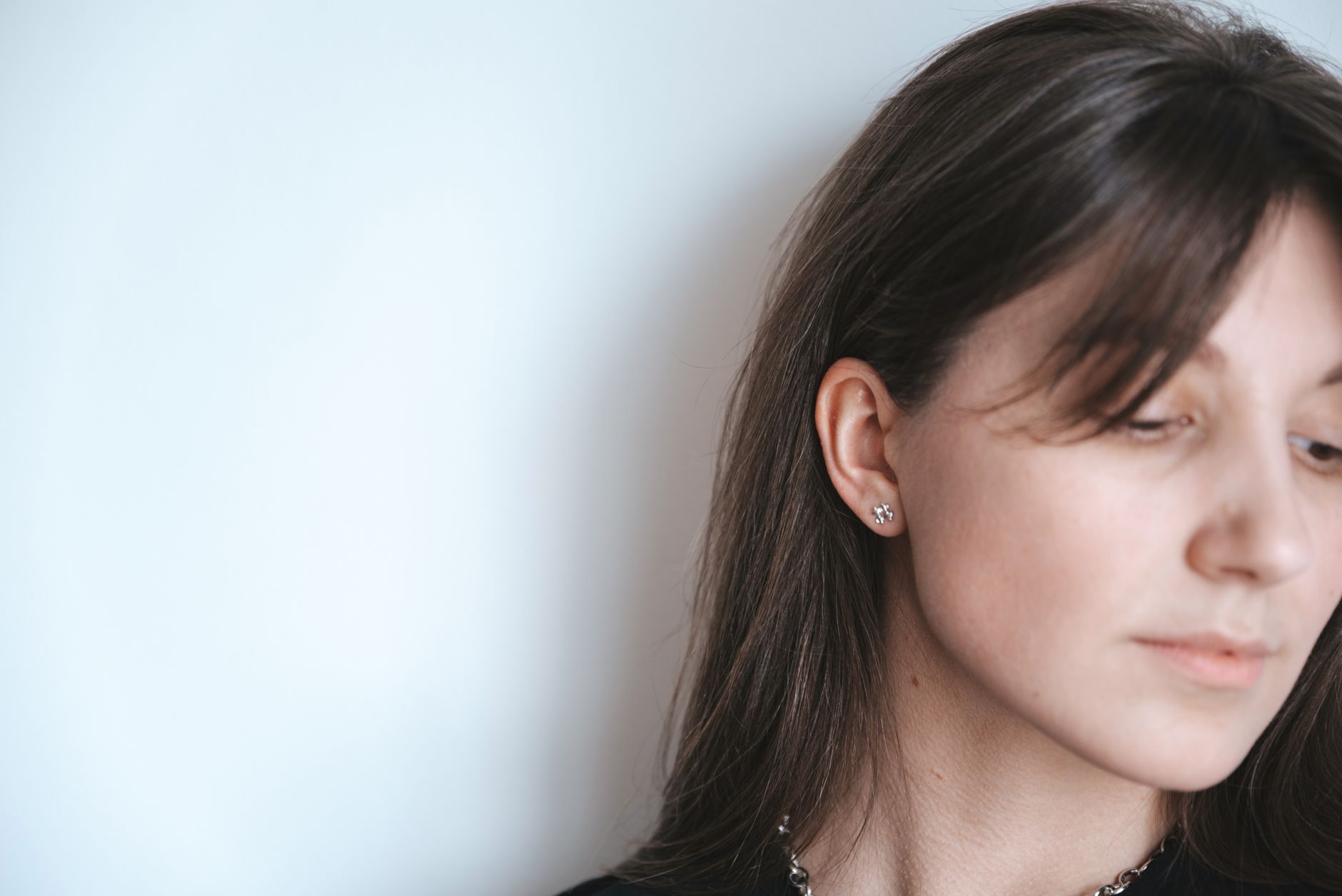
Hormonal changes can make ear piercings feel more sensitive during pregnancy.
Are there any piercings that are prohibited during pregnancy?
While no piercing is technically “prohibited” during pregnancy, some are riskier than others — and most healthcare providers recommend avoiding them until after you’ve given birth. Here’s a breakdown of the riskiest piercings and why they’re best postponed:
Piercing Location
Risks During Pregnancy
Recommendation
Belly button
Stretching skin, increased infection risk, discomfort as bump grows, potential for migration or rejection
Avoid new piercings; switch to a flexible retainer if you have an existing one
Nipples
Increased blood flow can cause swelling, higher infection risk, potential for milk ducts to be affected (though rare), discomfort as breasts grow
Avoid new piercings; existing piercings may need longer barbells to accommodate swelling
Genital piercings
High risk of infection (warm, moist area), potential for interference with labor or postpartum healing, increased sensitivity and discomfort
Avoid new piercings; existing piercings may need to be removed for labor and delivery
Tongue
Swelling can make jewelry uncomfortable or unsafe, increased risk of infection, potential for jewelry to interfere with eating or speaking
Avoid new piercings; existing piercings may need to be downsized or removed if swelling occurs
Cartilage (e.g., helix, tragus, industrial)
Slower healing, higher risk of infection, increased sensitivity, potential for keloids
Proceed with caution; best to wait until postpartum if possible
Surface piercings (e.g., nape, hip, wrist)
High risk of rejection, especially as skin stretches, slower healing, increased sensitivity
Avoid new piercings; existing piercings may need to be removed if irritation occurs
Earlobe
Lowest risk, but still slower healing and potential for irritation
Safest option for new piercings; proceed with caution and strict aftercare
If you’re unsure about a specific piercing, the safest bet is to wait until after pregnancy. Your body is already going through so many changes — why add another variable to the mix? If you’re set on a new piercing, stick to low-risk areas like the earlobe and choose a reputable piercer who uses hypoallergenic jewelry and sterile techniques.
What should you tell your piercer if you are pregnant?
If you decide to go ahead with a piercing during pregnancy, it’s important to be upfront with your piercer. They need to know you’re pregnant so they can take extra precautions and tailor their approach to your needs. Here’s what to tell them — and what to ask:
1. Disclose your pregnancy upfront
As soon as you book your appointment (or even before), let the piercer know you’re pregnant. Some studios have policies against piercing pregnant women due to liability concerns, so it’s best to check ahead of time. If they’re comfortable proceeding, they’ll likely ask which trimester you’re in and whether you’ve had any complications so far.
2. Ask about their experience with pregnant clients
Not all piercers have experience working with pregnant women, so it’s worth asking. A good piercer will:
Use gentler techniques to minimize discomfort
Avoid high-risk areas like the belly button or nipples
Recommend hypoallergenic jewelry to reduce irritation
Provide detailed aftercare instructions tailored to pregnancy
If the piercer seems unsure or dismissive of your concerns, it’s a red flag — and a sign you should probably wait.
3. Discuss jewelry options
Pregnancy can make your skin more sensitive, so it’s important to choose jewelry that’s gentle and hypoallergenic. Ask your piercer about:
Material: Implant-grade titanium or niobium are the safest options. Avoid nickel, which can cause allergic reactions.
Style: For new piercings, opt for simple studs or barbells. Avoid hoops or dangly jewelry, which can snag or irritate the piercing.
Size: If you’re getting a piercing in an area that might swell (like your ears or belly button), ask for slightly longer jewelry to accommodate changes in your body.
4. Talk about aftercare
Aftercare is especially important during pregnancy, when your immune system is more vulnerable. Ask your piercer:
What saline solution they recommend (pre-made sprays are convenient and sterile)
How often you should clean the piercing (usually 2–3 times a day)
What signs of infection to watch for (redness, swelling, pus, fever)
Whether they’re available for follow-up questions (some piercers offer check-ins via text or email)
Write down their instructions or ask for a printed aftercare sheet. It’s easy to forget details in the excitement (or exhaustion) of the moment.
5. Ask about timing
If you’re in your first trimester, your piercer may recommend waiting until the second trimester, when the risk of miscarriage is lower and your energy levels are usually higher. If you’re in your third trimester, they may suggest waiting until postpartum, when your body isn’t under as much strain. Be open to their advice — they’ve seen what works (and what doesn’t) for pregnant clients.
Finally, trust your gut. If something feels off — whether it’s the piercer’s attitude, the studio’s cleanliness, or your own discomfort — it’s okay to walk away. There’s no rush. Your health and your baby’s health come first.
From our medical team:
“Pregnancy is a time to prioritize safety and simplicity. While a new piercing might seem like a small indulgence, the risks — even for something as simple as an earlobe — are real. Your immune system is already working overtime, and adding a wound to the mix can create unnecessary stress for your body. If you’re set on a piercing, the second trimester is the safest window, but we still recommend waiting until postpartum if possible. And if you have an existing piercing, pay extra attention to aftercare. Hormonal changes can make even healed piercings more prone to irritation or infection. When in doubt, check with your provider — we’re here to help you make the best decision for you and your baby.”
Myth vs. fact
When it comes to piercings and pregnancy, myths abound. Let’s set the record straight on some of the most common misconceptions:
Myth: Getting a piercing during pregnancy can cause a miscarriage.
Fact: There’s no scientific evidence that piercings directly cause miscarriage. However, infections — which are more likely during pregnancy due to a weakened immune system — can lead to complications like preterm labor or low birth weight. The risk is low, but it’s not zero. That’s why most providers recommend waiting until after pregnancy for new piercings.
Myth: You should remove all piercings before labor and delivery.
Fact: Most piercings don’t need to be removed for labor, but there are exceptions. Genital piercings, for example, may need to be taken out to avoid interference with delivery or postpartum healing. Nipple piercings are usually fine, but let your provider know so they can monitor for signs of infection. Ear and facial piercings can typically stay in — just make sure they’re secure and won’t get caught on anything during skin-to-skin contact or breastfeeding.
Myth: Piercings always get infected during pregnancy.
Fact: While the risk of infection is higher during pregnancy, it’s not a given. With proper aftercare — like cleaning the piercing regularly and using hypoallergenic jewelry — most piercings heal without issues. The key is to be vigilant. If you notice signs of infection (redness, swelling, pus, fever), call your provider right away.
Key takeaways
Most doctors recommend waiting until after pregnancy to get a new piercing, especially in high-risk areas like the belly button, nipples, or genital region.
If you’re set on a new piercing, the second trimester is the safest window — but always check with your provider first.
Existing piercings are usually fine if they’re fully healed, but hormonal changes can make them more sensitive or prone to irritation. Switch to hypoallergenic jewelry if needed.
Aftercare is critical during pregnancy. Clean your piercing 2–3 times a day with saline solution and watch for signs of infection (redness, swelling, pus, fever).
Belly button piercings are particularly risky during pregnancy due to stretching skin and increased infection risk. Switch to a flexible retainer if you have an existing piercing.
Ear piercings are the safest option for new piercings during pregnancy, but cartilage piercings (like the helix) still carry a higher risk of slow healing or infection.
Always tell your piercer you’re pregnant so they can take extra precautions and tailor their approach to your needs.
If you notice signs of infection, call your provider. Most infections can be treated with pregnancy-safe antibiotics, but early intervention is key.
Frequently asked questions
Can you get a new piercing while pregnant?
Technically, yes — but it’s not recommended. Your immune system is more vulnerable during pregnancy, and the risk of infection or slow healing is higher. If you’re set on a new piercing, the second trimester is the safest window, and you should stick to low-risk areas like the earlobe. Always check with your provider first.
Is it safe to get an ear piercing during pregnancy?
Ear piercings are the safest option during pregnancy, but they’re not risk-free. Hormonal changes can slow healing and increase sensitivity, so it’s important to use hypoallergenic jewelry and follow strict aftercare. Cartilage piercings (like the helix) carry a higher risk of infection and are best avoided until postpartum.
What are the risks of getting a belly button piercing while pregnant?
Belly button piercings are one of the riskiest during pregnancy. As your bump grows, the skin around your navel stretches, which can lead to tearing, irritation, or the piercing being rejected by your body. There’s also a higher risk of infection in this warm, moist area. If you already have a belly button piercing, switch to a flexible retainer to accommodate your growing bump.
Can a piercing cause a miscarriage?
There’s no direct evidence that piercings cause miscarriage. However, infections — which are more likely during pregnancy due to a weakened immune system — can lead to complications like preterm labor or low birth weight. The risk is low, but it’s one reason most providers recommend waiting until after pregnancy for new piercings.
How should I care for my piercing during pregnancy?
Clean your piercing 2–3 times a day with a saline solution (either pre-made spray or a DIY mix of 1/4 teaspoon non-iodized sea salt and 1 cup warm distilled water). Avoid alcohol, hydrogen peroxide, or harsh soaps. Watch for signs of infection (redness, swelling, pus, fever) and call your provider if you notice any. Switch to hypoallergenic jewelry if your skin becomes irritated.
Should I avoid getting a piercing in the second trimester?
The second trimester is the safest window for a new piercing, but it’s still not risk-free. Your energy levels are usually higher, morning sickness has eased, and the risk of miscarriage is lower — but your immune system is still more vulnerable than usual. If you’re considering a piercing, stick to low-risk areas like the earlobe and choose a reputable piercer who uses sterile techniques and hypoallergenic jewelry.
When to call your doctor
While most piercings heal without issues, it’s important to know when to seek help. Call your provider if you notice any of the following:
Increasing redness, swelling, or warmth around the piercing
Thick, yellow, or green discharge (pus)
Pain that gets worse over time
A fever or chills
Red streaks radiating from the piercing (a sign of spreading infection)
Any signs of an allergic reaction, like itching, rash, or hives around the piercing
This article is for informational purposes only and is not a substitute for professional medical advice, diagnosis, or treatment. Always seek the advice of your physician or other qualified health provider with any questions you may have regarding a medical condition.
References
American College of Obstetricians and Gynecologists (ACOG). Skin Conditions During Pregnancy. [ACOG Guidelines](https://www.acog.org)
National Health Service (NHS). Piercings: Risks and Safety. [NHS UK](https://www.nhs.uk)
Mayo Clinic. Pregnancy Week by Week: First Trimester. [Mayo Clinic](https://www.mayoclinic.org)
Association of Professional Piercers (APP). Pregnancy and Piercing. [Safe Piercing](https://www.safepiercing.org)
Centers for Disease Control and Prevention (CDC). Infections During Pregnancy. [CDC](https://www.cdc.gov)
Royal College of Obstetricians and Gynaecologists (RCOG). Skin Changes in Pregnancy. [RCOG](https://www.rcog.org.uk)
American Academy of Dermatology (AAD). Keloids: Diagnosis and Treatment. [AAD](https://www.aad.org)
Not sure about the label on Can You Get Piercings During Pregnancy products?
Snap the ingredients list and SafeFilter checks every ingredient for your stage — only 3 free scans this month, then you're locked until reset. Unlimited from $7/mo or lock $50/yr through Aug 31 (5 days left).
When Shubhra Mishra was expecting her first child in 2016, she was overwhelmed by conflicting food advice — one site said yes, another said never. By the time her second baby arrived in 2019, she realized millions of mothers face the same confusion.
That sparked a five-year journey through clinical nutrition papers, cultural diets, and expert conversations — all leading to BumpBites: a calm, compassionate space where science meets everyday motherhood.
Her long-term vision is to build a global community ensuring safe, supported, and free deliveriesfor every mother — because no woman should face pregnancy alone or uninformed. 🌿
🌍 Stand with mothers, shape safer guidance
Join a small circle of experts who review BumpBites articles so expecting parents everywhere can decide with confidence.