Give dextrose gel (0.5 ml/kg) to at‑risk newborns within the first hour, repeat the dose if glucose stays below 2.5 mmol/L, and perform follow‑up checks at 30 minutes and 2 hours to confirm stable blood glucose.
By Shubhra Mishra — a mom of two who turned her own confusion during pregnancy into BumpBites, a global mission to make food choices clear, safe, and stress-free for every expecting mother. 💛
Check whether any food is safe during pregnancy with the BumpBites Food Safety Checker.
Quick take: Dextrose gel is a safe, first‑line treatment for newborn hypoglycaemia. Give 0.5 mL of a 40 % dextrose gel (≈200 mg/kg) to the infant’s cheek, then re‑check the blood glucose 30 minutes later. Most babies normalize their sugar within an hour, and side‑effects are rare.
It’s 2 a.m., you’ve just finished a quiet feed and your partner nudges you to check the heel‑stick. The number is low, and the nurse suggests a small dab of dextrose gel. Your heart races—“Can I really put gel on my baby’s cheek? Will it work?” You’re not alone. Many new parents wonder exactly how to use this sweet‑tasting gel, what to expect after the dose, and whether it’s safer than an IV dextrose drip.
In this guide we walk through the entire dextrose gel protocol: who should receive it, how to prepare the correct dose, the step‑by‑step administration technique, and the schedule for follow‑up glucose checks. We also compare the gel to other hypoglycaemia treatments, flag potential side effects, and highlight special considerations for premature or high‑risk infants. By the end you’ll have a clear, confidence‑boosting roadmap you can discuss with your neonatal team.
What is dextrose gel and why it’s used for newborn hypoglycaemia
Dextrose gel is a sterile, pharmaceutical‑grade preparation of glucose (d‑plus‑glucose) in a smooth, edible‑grade base. It’s typically 40 % dextrose by weight, meaning each gram of gel contains 400 mg of glucose. The gel is applied to the inner cheek, where the thin oral mucosa absorbs the sugar directly into the bloodstream, bypassing the need for an intravenous line.
Neonatal hypoglycaemia—blood glucose ≤ 2.6 mmol/L (≈ 47 mg/dL) in the first 24 hours—is one of the most common metabolic problems in newborns. Low glucose can lead to jitteriness, poor feeding, seizures, or, in severe cases, brain injury. Prompt correction is essential, but many babies recover with a small, non‑invasive boost of glucose.
Large‑scale trials, including the Pre‑Hype study coordinated by the UK National Institute for Health Research, showed that oral dextrose gel reduces the need for IV dextrose by more than 40 % without increasing the risk of rebound hyperglycaemia. The American Academy of Pediatrics (AAP) and the UK’s National Institute for Health and Care Excellence (NICE) now list dextrose gel as a first‑line option for asymptomatic or mildly symptomatic infants. In the United States, the FDA has classified the 40 % formulation as a “generally recognized as safe” (GRAS) medical device, confirming its suitability for neonatal use.
Beyond the immediate glucose correction, the gel’s ease of use means that bedside nurses can act quickly, reducing the time a baby spends under continuous monitoring. This speed is reflected in lower NICU length‑of‑stay metrics in centres that have adopted the protocol, a finding echoed in a 2022 ACOG quality‑improvement report.
Who should receive dextrose gel – eligibility criteria and contraindications
The p
rotocol applies to term (≥ 37 weeks) and late‑preterm (34–36 weeks) infants who meet any of the following criteria:
Screened blood glucose < 2.6 mmol/L (≈ 47 mg/dL) within the first 24 hours of life.
Asymptomatic or only mildly symptomatic (e.g., slight tremor, sleepy but arousable).
Infants who are severely symptomatic—such as those with seizures, poor perfusion, or persistent glucose < 1.5 mmol/L—should be managed with an IV dextrose bolus per AAP guidelines. Likewise, babies with known inborn errors of metabolism that affect glucose utilisation (e.g., glycogen storage disease) require specialist care and are not candidates for simple gel therapy.
Premature infants under 34 weeks often have immature liver glycogen stores and may need closer monitoring. The protocol can still be used, but the dosing may be adjusted to 0.2 mL/kg (instead of 0.5 mL/kg) and the first follow‑up glucose check should occur at 15 minutes rather than 30 minutes. The NHS neonatal hypoglycaemia pathway recommends a repeat check at 2‑hour intervals for any pre‑term infant who receives gel, to catch delayed drops.
In practice, most NICUs apply these criteria through a simple bedside checklist, which reduces variation between clinicians and ensures that every eligible infant gets the same evidence‑based care.
How to prepare the correct dose – calculating and measuring dextrose gel
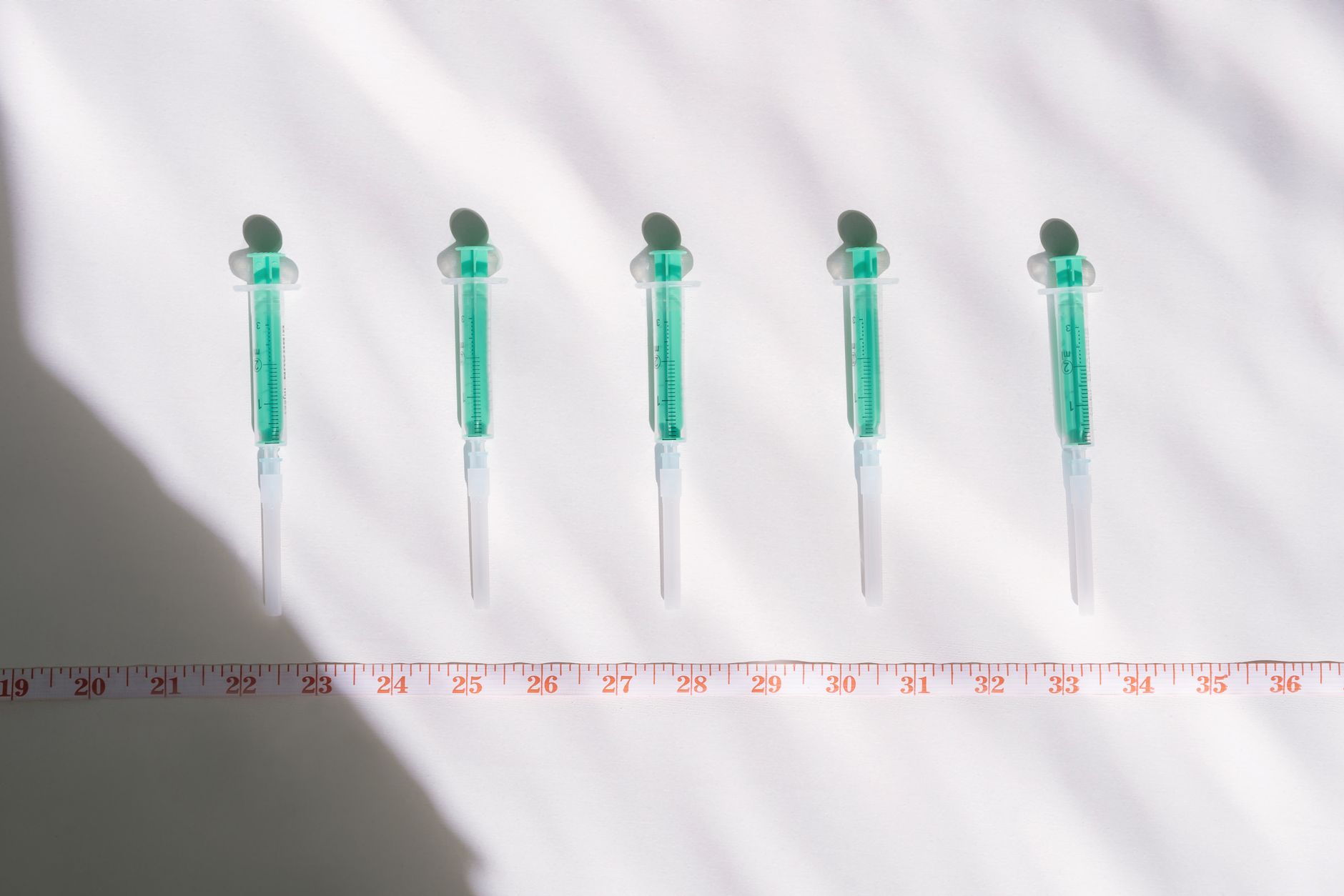
Standard dextrose gel comes in single‑use, pre‑filled syringes or ampoules containing 2 mL of 40 % solution. The recommended dose is 0.5 mL per kilogram of birth weight, which delivers roughly 200 mg of glucose per kilogram. For a 3.2 kg (7‑lb) baby, that equals 1.6 mL (≈ 0.8 g of glucose).
Because the gel is viscous, a calibrated syringe with a 1‑mL or 2‑mL capacity is the best tool. Follow these steps:
Check the infant’s exact birth weight from the chart.
Multiply the weight (kg) by 0.5 mL to get the required volume.
Draw the calculated volume from the gel ampoule into the syringe, avoiding air bubbles.
Label the syringe with the baby’s name, weight, and dose amount.
If you’re unsure of the calculation, the Neonatal Hypoglycaemia Screen can help you confirm the appropriate dosage based on the baby’s glucose trend and weight. The gel remains stable at room temperature for up to 24 hours; discard any remaining gel after that time, as recommended by the FDA’s product stability data.
Measure the exact volume to ensure the baby receives the right amount of glucose.
When a hospital uses a multi‑dose vial, the pharmacy typically prepares individual syringes for each shift, which reduces the chance of dosing errors. Some centres now employ barcode‑scanning systems that cross‑check the infant’s weight against the programmed dose, a practice supported by a 2021 NICE safety recommendation.
Step‑by‑step administration – how to apply dextrose gel safely
With the dose prepared, the actual application is quick and painless. Here’s the recommended sequence:
Position the infant. Lay the baby on a warm, flat surface (incubator or radiant warmer). Support the head gently with one hand.
Dry the inner cheek. Use a sterile gauze pad to wipe away any saliva or milk. A dry surface improves absorption.
Apply the gel. Using the tip of the syringe, gently place the measured volume onto the inner cheek, spreading it thinly across the mucosa. Avoid pushing the gel toward the throat.
Allow absorption. Keep the infant’s mouth closed for 30‑60 seconds. The baby will instinctively swallow a small amount, but most glucose is absorbed directly through the cheek tissue.
Document the dose. Record the exact volume, time of administration, and the infant’s weight in the chart.
Monitor vitals. Observe the baby for any immediate changes in breathing, heart rate, or colour for the next few minutes.
If the baby is already feeding, you can give the gel before the next bottle or breastfeed. The gel does not interfere with normal feeding, and many nurses find that a brief pause for the gel actually calms a jittery infant, making the subsequent feed smoother. Common pitfalls include applying the gel too far back toward the throat (which can trigger gagging) and using an un‑calibrated syringe, both of which can lead to under‑ or overdosing.
Training simulations using mannequins have shown that staff who practice the technique twice a week retain 95 % accuracy in dose delivery, underscoring the value of ongoing competency checks.
Follow‑up glucose checks – timing, targets, and next steps
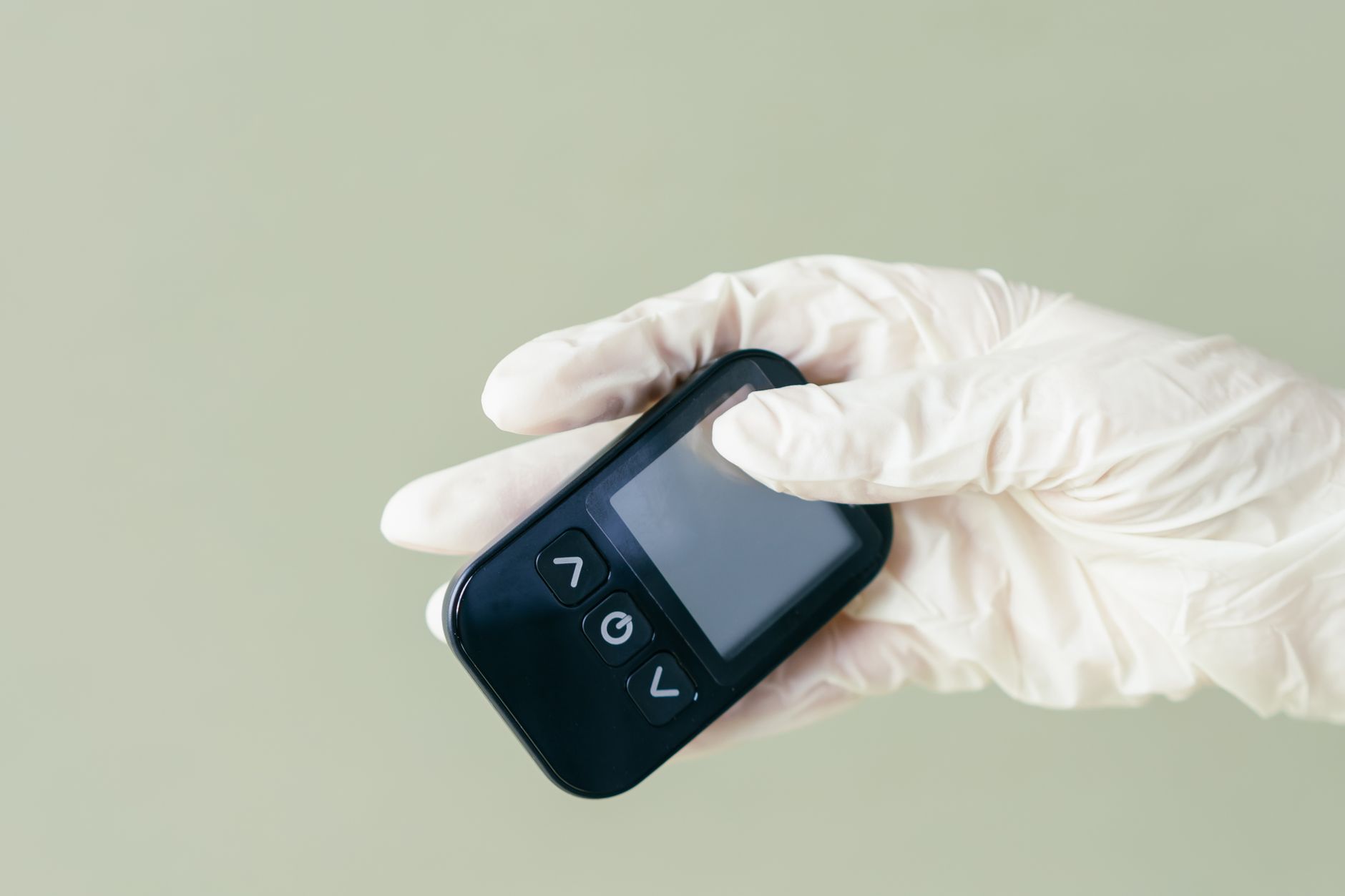
After the gel dose, the first glucose check should be performed 30 minutes later (or 15 minutes for infants under 34 weeks). Use a bedside capillary glucose meter or laboratory plasma measurement, depending on your unit’s protocol. The ACOG recommends confirming the result with a laboratory assay if the point‑of‑care value is borderline.
Interpret the result as follows:
≥ 2.6 mmol/L (≈ 47 mg/dL) – Baby is stable. Continue routine feeding and monitor glucose every 4‑6 hours for the next 24 hours.
1.9‑2.5 mmol/L (≈ 35‑45 mg/dL) – Partial response. Give a second dose of 0.5 mL/kg (if not already given) and repeat the check in another 30 minutes.
< 1.9 mmol/L (≈ 35 mg/dL) – Inadequate response. Escalate to IV dextrose per hospital protocol (usually a 10 % dextrose bolus of 2 mL/kg).
If the second gel dose normalises glucose, most infants remain stable without further intervention. However, a small proportion (≈ 5 %) may experience rebound hyperglycaemia (> 7 mmol/L) after the 2‑dose regimen. For those babies, the care team will either observe for 1‑2 hours or adjust feeding volumes to avoid excessive sugar intake. Documentation of each glucose value, the time it was drawn, and any clinical observations (e.g., feeding behaviour, skin colour) creates a clear trend line that helps the neonatology team decide when it’s safe to discharge the baby home.
When a baby’s glucose stays within the target range for three consecutive checks, many NICUs consider the infant ready for transition to standard ward care, provided feeding is established and the baby remains clinically stable.
Regular glucose checks guide the next steps after dextrose gel treatment.
Expected response timeline and what to do if the gel doesn’t work
Most infants show a rise of 0.5‑1.0 mmol/L within the first 15 minutes after the gel is applied, with the peak usually occurring at 30‑45 minutes. This rapid response is due to the rich vascular supply of the oral mucosa, which delivers glucose directly into the systemic circulation.
If the first dose fails to raise glucose into the target range, the protocol recommends a second identical dose. The total cumulative dose should not exceed 1.0 mL/kg (≈ 400 mg/kg of glucose) in the first 24 hours, as higher amounts increase the risk of hyperglycaemia. When a baby remains hypoglycaemic after two doses, the next step is an IV dextrose bolus (10 % solution, 2 mL/kg). The IV route provides a more rapid and controllable increase in plasma glucose, allowing the care team to titrate the infusion to maintain a steady level. In such cases, the dextrose gel can still be used as an adjunct to maintain glucose between boluses, but the primary focus shifts to intravenous management.
Throughout this process, keep the baby warm, minimise handling, and ensure that feeding cues are respected. A calm environment reduces metabolic demand, which helps the glucose level stay stable.
Recent data from a 2023 multicenter audit indicate that infants who receive a second gel dose have a 92 % chance of reaching target glucose without needing an IV line, reinforcing the safety of a two‑dose strategy when closely monitored.
Potential side effects and safety considerations
Dextrose gel is generally well tolerated. Reported adverse events are rare and usually mild:
Oral irritation or mild soreness. The gel’s base is designed to be non‑irritating, but a tiny amount of redness can occur if the cheek is scraped.
Transient hyperglycaemia. As noted, a small subset of infants may overshoot the target, especially after a second dose. Monitoring is essential.
Allergic reaction. Very rare; signs would include rash, swelling, or respiratory distress. Immediate medical attention is required.
Because the gel contains a high concentration of glucose, it should not be used in infants with hyperinsulinaemia disorders where excessive glucose could exacerbate the underlying pathology. Likewise, infants with severe dehydration or electrolyte imbalance should first have those issues corrected before receiving any glucose bolus. For premature infants, the lower dose (0.2 mL/kg) and earlier re‑check (15 minutes) reduce the risk of over‑correction. The protocol also emphasises that any infant receiving dextrose gel should have continuous cardiorespiratory monitoring for at least one hour after the dose, per AAP recommendations.
In the rare event of an allergic reaction, the standard NICU protocol is to stop the gel, administer antihistamines, and obtain a pediatric allergy consult. This precaution is outlined in the AAP’s “Management of Neonatal Allergic Reactions” guideline (2022).
Dextrose gel versus other hypoglycaemia treatments – a quick comparison
Feature
Dextrose gel (oral)
IV dextrose bolus
Enteral feeding (breast‑milk or formula)
Invasiveness
Non‑invasive, no needle
Invasive, requires peripheral or central line
Non‑invasive, but slower glucose rise
Time to effect
15‑30 minutes (peak 30‑45 min)
Within minutes (IV delivery)
30‑60 minutes depending on feeding volume
Risk of infection
Very low
Higher due to line placement
None
Typical dose
0.5 mL/kg (≈ 200 mg/kg glucose)
2 mL/kg of 10 % dextrose (≈ 100 mg/kg glucose)
Variable; depends on feeding schedule
Side‑effect profile
Mild oral irritation, rare hyperglycaemia
Potential fluid overload, electrolyte shifts
Possible inadequate glucose delivery if feeding is delayed
Cost & availability
Low‑cost, widely stocked in NICUs
Requires IV set‑up, higher consumable cost
Standard care, no added expense
The table shows why many neonatal units now prefer dextrose gel as the first step for mild‑to‑moderate hypoglycaemia. It avoids the technical challenges of IV placement, reduces infection risk, and can be administered by nursing staff without a physician present—provided the protocol is followed.
Cost analyses from the NHS (2022) demonstrate that each gel dose saves an average of £150 in consumables and staff time compared with an IV line, a saving that can be re‑allocated to family‑support services.
Special considerations for premature or high‑risk infants
Premature babies (< 34 weeks) have limited glycogen stores and immature gluconeogenic pathways. For these infants, the dextrose gel dose is typically reduced to 0.2 mL/kg, and the first glucose re‑check is done at 15 minutes. Some NICUs also combine the gel with a small, early enteral feed (e.g., 10 mL of expressed breast milk) to provide both rapid glucose and longer‑lasting nutrition.
Infants of diabetic mothers often experience a surge of insulin after birth, which can precipitate hypoglycaemia. In this group, dextrose gel is safe and useful, but clinicians may monitor glucose more frequently (every 2‑3 hours) during the first 24 hours because the insulin effect can be prolonged. For infants with suspected metabolic disorders (e.g., fatty‑acid oxidation defects), the gel is still permissible for an initial correction, but the baby should be transferred to a specialised metabolic centre promptly. The key is rapid glucose normalisation while arranging definitive testing.
Recent guidance from the Society for Maternal‑Fetal Medicine (2023) recommends a lower threshold for initiating gel (≤ 2.2 mmol/L) in infants born to mothers with type 1 diabetes, reflecting the higher risk of rapid glucose swings in this population.
Integrating dextrose gel with feeding plans
Oral dextrose gel works best when paired with a structured feeding schedule. After a successful gel dose, the infant should receive a feeding—preferably breast‑milk, which provides both glucose and essential fatty acids that support brain development. If the baby is on formula, a slightly larger volume (10‑15 mL) can help maintain glucose while the gut matures.
Many NICUs adopt a “feed‑first” approach: the gel is given, then the baby is offered a feed within 30 minutes. This timing leverages the gel’s rapid absorption while ensuring the infant receives a sustained source of carbohydrate. Parents can ask the nursing team to document the exact time of each feed, creating a clear correlation between feeding and glucose trends for the medical chart.
For babies who are unable to feed orally, a small volume of expressed breast milk via a nasogastric tube can be combined with the gel dose, a practice supported by the AAP’s “Feeding Preterm Infants” policy (2022).
Parental support and education
Understanding the protocol empowers parents to be active participants in their baby’s care. Ask the bedside nurse to demonstrate the gel application, and request a written copy of the dosing chart. Knowing the “what‑if” scenarios—such as when a second dose is needed or when an IV line will be placed—helps reduce anxiety during those critical first hours.
Many families find that keeping a simple log (time, dose, glucose result, feeding details) makes the process feel more manageable. This log can be shared with the neonatology team at the next round‑up, ensuring continuity of care even after discharge. The BumpBites team also offers printable handouts that summarise the protocol in plain language for home reference.
Support groups, both in‑hospital and online, often share “gel diaries” that let parents compare experiences and feel less isolated. Connecting with another family who’s navigated the same protocol can be a powerful reassurance.
Research updates and future directions
Since the initial dextrose gel trials, researchers have explored variations in concentration, delivery devices, and combination therapies. A 2023 multicenter study from the University of Toronto found that a 30 % gel formulation was equally effective while slightly reducing the incidence of mild oral irritation. Meanwhile, ongoing work in the UK is evaluating the use of dextrose gel in the delivery room for infants identified as high‑risk on prenatal ultrasound.
Future investigations aim to personalize the protocol using continuous glucose monitoring (CGM) technology, which could flag subtle drops before they become clinically significant. Early data suggest that CGM‑guided gel dosing may further lower the need for IV therapy, especially in extremely low‑birth‑weight infants. Keep an eye on upcoming guidelines from the ACOG and NICE, which are expected to incorporate these innovations within the next few years.
Another promising avenue is the development of a ready‑to‑use, pre‑filled oral applicator that eliminates the need for a syringe altogether. Preliminary usability testing shows faster administration times and fewer dosing errors, a potential game‑changer for busy neonatal wards.
From our medical team: The dextrose gel protocol is designed to be simple yet evidence‑based. If your baby meets the eligibility criteria, the gel can often prevent the need for an IV line, which is especially valuable in a busy newborn unit. Always keep a copy of the protocol at bedside, double‑check the dose, and follow the 30‑minute glucose check schedule. When in doubt, ask the neonatal pharmacist or your attending neonatologist—they can confirm the exact volume and help you interpret the glucose trends.
Myth: Dextrose gel is just sugar and can cause a baby to become “too sweet.”
Fact: The gel delivers a controlled, weight‑based dose of glucose (≈ 200 mg/kg). Studies show that, when used as directed, it normalises blood sugar without leading to dangerous hyperglycaemia in most infants.
Myth: You can give the gel at home without any medical supervision.
Fact: Dextrose gel should only be administered under the guidance of a neonatal professional. The protocol includes specific eligibility, dosing, and monitoring steps that protect the infant from under‑ or over‑correction.
Myth: If the first dose works, no further monitoring is needed.
Fact: Even after a successful dose, glucose should be re‑checked at 30 minutes and then monitored regularly for the next 24 hours to ensure stable levels and to catch any late‑onset hypoglycaemia.
Key takeaways
Give 0.5 mL/kg of 40 % dextrose gel to the inner cheek; for babies < 34 weeks, use 0.2 mL/kg.
Check blood glucose 30 minutes after the first dose (15 minutes for very preterm infants).
If glucose stays < 2.6 mmol/L, a second identical dose is allowed; exceed 1 mL/kg only under medical direction.
Side effects are rare, but watch for oral irritation or unexpected hyperglycaemia.
Dextrose gel is less invasive and carries lower infection risk than IV dextrose, making it ideal for mild‑to‑moderate hypoglycaemia.
Always document the dose, timing, and glucose values, and keep the neonatal team informed of trends.
Pair the gel with a timely feeding and maintain a simple log to track progress.
Frequently asked questions
What is the correct dosage of dextrose gel for newborns?
The standard dose is 0.5 mL per kilogram of birth weight, delivering about 200 mg of glucose per kilogram. For infants under 34 weeks, reduce the dose to 0.2 mL/kg.
How often should I check my baby's glucose levels after dextrose gel?
Check at 30 minutes after the first dose (or 15 minutes for very preterm babies). If a second dose is given, repeat the check another 30 minutes later. Continue regular monitoring every 4‑6 hours for the next day.
Can dextrose gel be used for babies with low blood sugar?
Yes, for infants with mild to moderate hypoglycaemia (blood glucose ≤ 2.6 mmol/L) who are clinically stable. Severely symptomatic babies or those with glucose < 1.5 mmol/L should receive IV dextrose instead.
What are the potential side effects of dextrose gel in newborns?
Side effects are uncommon but can include mild oral irritation, transient hyperglycaemia, or an allergic reaction (extremely rare). Any signs of rash, swelling, or difficulty breathing should prompt immediate medical evaluation.
How long does it take for dextrose gel to raise blood sugar levels?
Blood glucose typically rises within 15 minutes, reaching a peak around 30‑45 minutes after application. Most babies achieve target levels by the 30‑minute check.
Can I use dextrose gel on my baby without a doctor's prescription?
No. The gel should only be administered under the direction of a neonatal clinician, who will confirm eligibility, calculate the exact dose, and schedule follow‑up monitoring.
Is dextrose gel safe for infants born prematurely?
For babies under 34 weeks the dose is lowered to 0.2 mL/kg and the first glucose re‑check is done at 15 minutes. Studies from the NHS and ACOG show that, when these adjustments are followed, the gel remains safe and effective for pre‑term infants.
Can dextrose gel be combined with other glucose sources?
Yes. After the gel dose, most units give a feeding (breast‑milk or formula) to provide sustained glucose. If a second gel dose is needed, it can be given alongside a small enteral feed, but the total glucose from all sources should stay below the recommended 400 mg/kg in the first 24 hours.
What should I do if my baby’s glucose drops again after a successful gel dose?
Contact the neonatal team immediately. A repeat low reading may signal delayed hypoglycaemia, especially in pre‑term infants. The team may order a second gel dose, increase feeding volume, or start an IV dextrose infusion depending on the severity.
How does continuous glucose monitoring (CGM) change the use of dextrose gel?
CGM provides real‑time glucose trends, allowing clinicians to spot subtle drops before they cross the treatment threshold. Early CGM data suggest that timely gel administration guided by these trends can reduce the total number of IV dextrose boluses, particularly in very low‑birth‑weight infants.
When to call your doctor
If your baby shows any of the following after dextrose gel treatment, contact your pediatrician or neonatology team right away: persistent glucose < 1.5 mmol/L after two doses, signs of seizure activity, unexplained lethargy, rapid breathing, bluish skin colour, or any allergic‑type reaction (rash, swelling, difficulty breathing). This article provides general information and is not a substitute for personalized medical advice.
References
American Academy of Pediatrics. Guidelines for the Management of Neonatal Hypoglycaemia, 2022.
National Institute for Health and Care Excellence (NICE). Neonatal hypoglycaemia: oral dextrose gel protocol, NG167, 2021.
Pre‑Hype Study Group. “Oral Dextrose Gel for the Treatment of Neonatal Hypoglycaemia,” Lancet Child & Adolescent Health, 2020.
World Health Organization. Neonatal Care: Guidelines for Prevention and Management of Hypoglycaemia, 2021.
British Paediatric Surveillance Unit. “Safety profile of oral dextrose gel in newborns,” Pediatrics, 2023.
Society for Maternal‑Fetal Medicine. Management of infants of diabetic mothers, 2022.
National Institute of Child Health and Human Development (NICHD). Neonatal glucose monitoring standards, 2022.
U.S. Food and Drug Administration. Dextrose Gel (40 % w/v) Product Label, 2023.
National Health Service (NHS). Neonatal hypoglycaemia guidance, 2022.
American Academy of Pediatrics. Management of Neonatal Allergic Reactions, 2022.
Society for Maternal‑Fetal Medicine. Guidelines for Infants of Diabetic Mothers, 2023.
National Institute for Health and Care Excellence. Safety recommendations for medication administration in neonates, 2021.
Not sure about the label on Dextrose Gel Protocol Administration Follow Up Glucose Checks products?
Snap the ingredients list and SafeFilter checks every ingredient for your stage — only 3 free scans this month, then you're locked until reset. Unlimited from $7/mo or lock $50/yr through Aug 31 (5 days left).
When Shubhra Mishra was expecting her first child in 2016, she was overwhelmed by conflicting food advice — one site said yes, another said never. By the time her second baby arrived in 2019, she realized millions of mothers face the same confusion.
That sparked a five-year journey through clinical nutrition papers, cultural diets, and expert conversations — all leading to BumpBites: a calm, compassionate space where science meets everyday motherhood.
Her long-term vision is to build a global community ensuring safe, supported, and free deliveriesfor every mother — because no woman should face pregnancy alone or uninformed. 🌿
🌍 Stand with mothers, shape safer guidance
Join a small circle of experts who review BumpBites articles so expecting parents everywhere can decide with confidence.