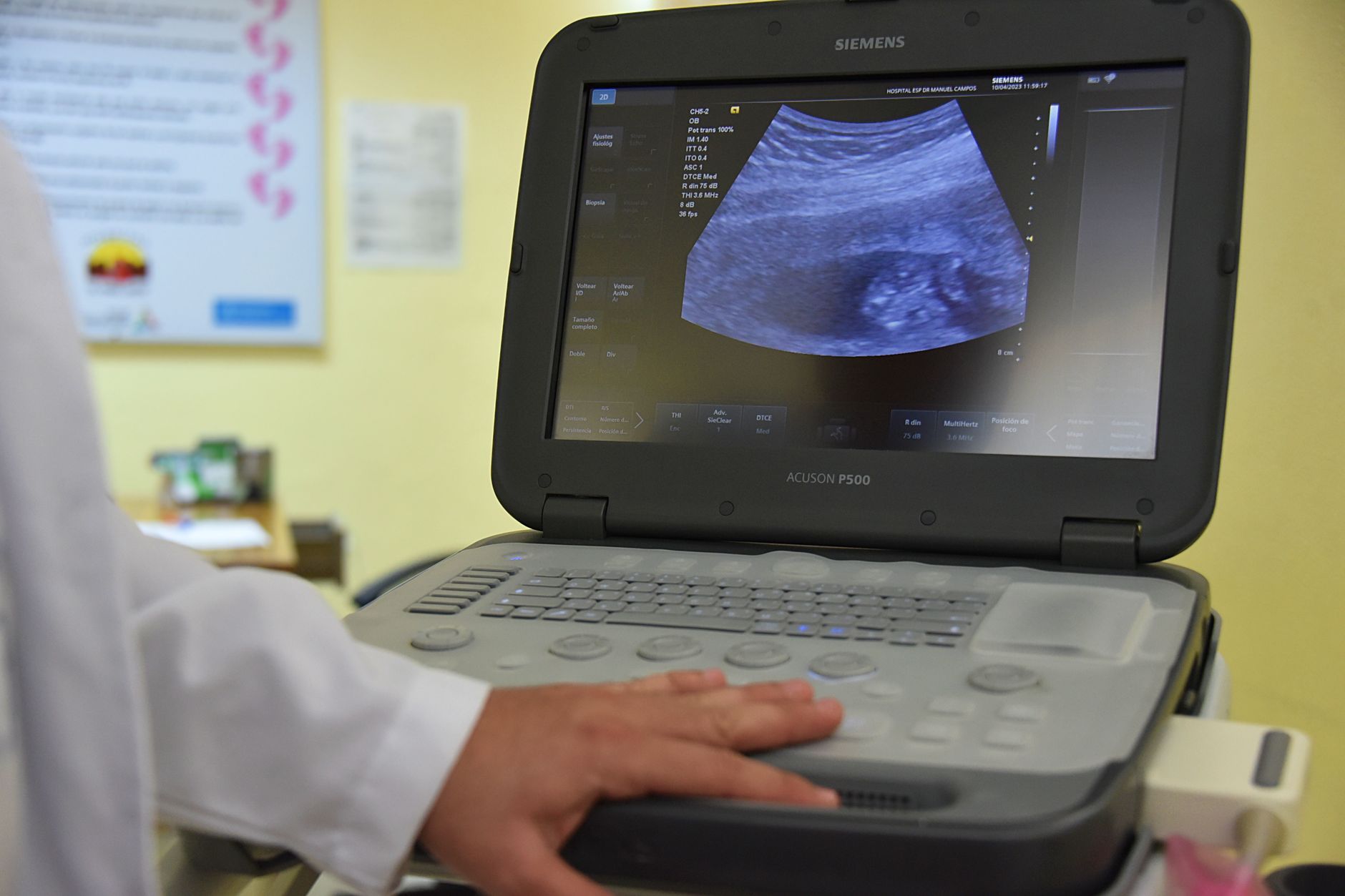
Discover how the CPR + Doppler composite protocol enhances fetal surveillance in pregnancy. Learn its benefits, safety, and when to use this integrated monitoring method.
By Shubhra Mishra — a mom of two who turned her own confusion during pregnancy into BumpBites, a global mission to make food choices clear, safe, and stress-free for every expecting mother. 💛
Check whether any food is safe during pregnancy with the BumpBites Food Safety Checker.
Quick take: The CPR + Doppler composite protocol is an advanced fetal monitoring technique that combines measurements of blood flow in the baby's brain and umbilical cord. It helps healthcare providers assess your baby's well-being and placental function, especially in pregnancies at higher risk for complications like growth restriction. This integrated approach offers a more comprehensive picture than traditional methods, guiding timely and informed decisions for your baby's care.
It’s natural to feel a mix of excitement and anxiety during pregnancy, especially as you approach those later weeks. Every scan, every check-up, you’re just hoping to hear that everything is progressing well with your baby. But sometimes, your doctor might mention a more advanced type of scan, like a "CPR + Doppler composite protocol," and it can sound a little intimidating. You might wonder, what exactly is this, and why is it being recommended?
At BumpBites, we understand that you're looking for clear, trustworthy answers. This integrated fetal surveillance protocol is a sophisticated tool designed to give your healthcare team a deeper insight into your baby’s health and the placenta’s function, particularly when there are concerns about growth or oxygen supply. It’s about being proactive and ensuring the best possible outcomes for both you and your little one.
In this article, we’ll break down what the CPR + Doppler composite protocol involves, why it’s considered a gold standard in certain situations, how to understand its results, and how it compares to other fetal monitoring methods. Our goal is to empower you with knowledge, so you can feel more confident and less anxious about your pregnancy journey.
What is the CPR + Doppler Composite Protocol?
The CPR + Doppler composite protocol is a cutting-edge approach to fetal surveillance that integrates several key measurements obtained through a specialized ultrasound. Essentially, it's about looking at how blood flows to and from your baby's vital organs, particularly the brain and the placenta, to assess their well-being.
Let's break down the components:
Doppler Ultrasound: This is a type of ultrasound that measures blood flow velocity. It uses sound waves that bounce off moving blood cells to show how fast and in what direction blood is flowing. During pregnancy, Doppler ultrasound is commonly used to assess blood flow in specific fetal vessels.
Umbilical Artery (UA) Doppler: The umbilical artery carries deoxygenated blood and waste products from your baby back to the placenta. A UA Doppler measurement assesses the resistance to blood flow in the umbilical cord. High resistance can indicate problems with the placenta's ability to deliver oxygen and nutrients effectively to your baby.
Middle Cerebral Artery (MCA) Doppler: The middle cerebral artery is a major blood vessel in your baby's brain. An MCA Doppler measurement assesses blood flow to the brain. If a baby isn't getting enough oxygen or nutrients, their body may try to "spare" the brain by redirecting more blood flow to it. This is known as the "brain-sparing effect," and it's a sign that the baby is adapting to a less-than-ideal environment.
Cerebroplacental Ratio (CPR): This is the "composite" part of the protocol. The CPR is a ratio calculated by dividing the pulsatility index (PI) of the MCA by the PI of the UA (MCA PI / UA PI). The pulsatility index is a measure derived from the Doppler waveform that reflects the resistance to blood flow in a vessel. A normal CPR indicates balanced blood flow. A low CPR suggests that the brain-sparing effect is active, meaning blood flow to the brain has increased relative to the resistance in the umbilical artery, often a sign of potential fetal compromise.
By combining these measurements, the CPR + Doppler composite protocol provides a more nuanced and predictive assessment of fetal health than looking at individual parameters alone. It allows your healthcare provider to identify babies who might be struggling even before other signs of distress become apparent.
This protocol is particularly valuable because it helps to detect subtle changes in fetal circulation that can indicate the early stages of issues like fetal growth restriction (FGR) or placental insufficiency. Instead of waiting for a baby's growth to significantly slow down, or for other tests to show distress, the CPR offers an earlier warning signal, enabling proactive management.
Understanding advanced monitoring protocols can bring reassurance when you're navigating pregnancy concerns.
Why is Integrated Fetal Surveillance So Important?
Pregn
ancy is a delicate balance, and ensuring your baby receives adequate oxygen and nutrients from the placenta is paramount for healthy development. When this balance is disrupted, it can lead to complications such as fetal growth restriction (FGR), where the baby doesn't grow as expected, or even more serious outcomes if not managed properly.
Traditional fetal monitoring methods, while important, often provide a snapshot of fetal well-being at a given moment. For example, a non-stress test (NST) checks for accelerations in the baby's heart rate, and a biophysical profile (BPP) looks at factors like movement, breathing, and amniotic fluid volume. While these are valuable, they might not always catch subtle, early signs of stress or placental issues.
Integrated fetal surveillance, particularly with the CPR + Doppler composite protocol, steps in to fill this gap. It's not just about identifying if a baby is currently distressed; it's about predicting which babies are at higher risk of becoming distressed in the near future. This predictive power is incredibly significant.
Think of it like this: if your baby's growth starts to slow, or if the placenta isn't working as efficiently as it should, your baby's body will try to adapt. One of the primary adaptations is the "brain-sparing effect," where the baby prioritizes blood flow to the brain, sometimes at the expense of other organs. The CPR is specifically designed to detect this physiological adaptation.
By identifying these early signs, healthcare providers can intervene sooner, potentially preventing complications or guiding decisions about the optimal timing of delivery. This approach aligns with the core principle of modern obstetrics: proactive, personalized care based on the most accurate information available. It allows for a more targeted management plan, reducing the risk of both unnecessary interventions and delayed necessary interventions.
How Does CPR + Doppler Composite Work?
The CPR + Doppler composite protocol is performed using a standard ultrasound machine equipped with Doppler capabilities. It’s a non-invasive procedure, similar to your regular prenatal ultrasounds, and typically takes a bit longer as the sonographer or doctor carefully measures blood flow in specific vessels.
The Measurement Process
Fetal Position and Vessel Identification: First, the sonographer will locate your baby's position and identify the key blood vessels. This requires skill and experience, as the baby can move, and the vessels are small.
Umbilical Artery (UA) Doppler: The sonographer will place the Doppler cursor over a segment of the umbilical artery, usually near its insertion into the placenta or close to the fetal abdomen. They will then obtain a waveform that shows the blood flow pattern. From this waveform, the Pulsatility Index (PI) for the umbilical artery is calculated. A high UA PI indicates increased resistance in the placenta, suggesting it might not be functioning optimally.
Middle Cerebral Artery (MCA) Doppler: Next, the sonographer will locate the middle cerebral artery in your baby's brain. This requires a precise angle to ensure accurate measurement. Similar to the UA, a waveform is obtained, and the Pulsatility Index (PI) for the MCA is calculated. A low MCA PI suggests vasodilation (widening of blood vessels) in the brain, which is the "brain-sparing effect" – the baby is directing more blood to the brain to ensure it gets enough oxygen.
Calculating the Cerebroplacental Ratio (CPR): Once both the UA PI and MCA PI are obtained, the CPR is calculated by dividing the MCA PI by the UA PI (MCA PI / UA PI).
It’s important to remember that these measurements are highly dependent on the skill of the operator and the quality of the equipment. Your healthcare provider will ensure that these scans are performed by trained professionals.
What the Numbers Mean
The resulting CPR value is what your doctor will interpret. Generally:
Normal CPR: A CPR value above a certain threshold (often above the 5th or 10th percentile for gestational age) is considered reassuring. It indicates that blood flow to the brain and through the placenta is balanced, and there's no immediate sign of the brain-sparing effect.
Low or Abnormal CPR: A CPR value below the threshold (e.g., below the 5th percentile for gestational age) is considered abnormal. This typically signifies that the baby is experiencing the brain-sparing effect, suggesting that they might be adapting to a suboptimal environment, such as reduced oxygen or nutrient supply from the placenta. This finding prompts closer monitoring and potentially further investigations or interventions.
A low CPR is often one of the earliest signs of fetal compromise, preceding changes in other monitoring parameters like fetal growth or amniotic fluid volume. This makes it a crucial tool for early detection and intervention.
If you're interested in understanding how these numbers are derived and what they signify, you can explore the Cerebroplacental Ratio (CPR) calculator on BumpBites, which can help demystify the calculation process, though interpretation should always be done by your medical provider.
Doppler ultrasound visualizes blood flow, offering critical insights into fetal circulation and well-being.
When is CPR + Doppler Composite Recommended?
The CPR + Doppler composite protocol is not a routine scan for every pregnancy. It's typically reserved for situations where there's a higher risk of complications, allowing your healthcare team to keep a closer eye on your baby's well-being. Your doctor will assess your individual circumstances to determine if this advanced monitoring is right for you.
Indications for CPR + Doppler Composite
Here are some common reasons why your provider might recommend a CPR + Doppler composite scan:
Fetal Growth Restriction (FGR) or Suspected Small for Gestational Age (SGA): This is one of the primary indications. If your baby is measuring small for their gestational age, or if their growth has slowed, the CPR can help determine if the small size is due to placental insufficiency or if it's simply a genetically smaller but healthy baby. The Royal College of Obstetricians and Gynaecologists (RCOG) and the American College of Obstetricians and Gynecologists (ACOG) both highlight the utility of Doppler studies in the management of FGR.
Hypertensive Disorders of Pregnancy: Conditions like chronic hypertension, gestational hypertension, or pre-eclampsia can affect placental function. The CPR + Doppler composite can help monitor the impact of these conditions on your baby.
Gestational Diabetes: While some babies of diabetic mothers can be larger, uncontrolled diabetes can also lead to placental issues and fetal compromise, making Doppler surveillance valuable.
Multiple Gestations: Pregnancies with twins or more babies carry a higher risk of growth discordance (where one twin grows significantly slower than the other) and other complications. Doppler studies, including CPR, are crucial for monitoring these pregnancies.
Previous Adverse Pregnancy Outcomes: If you've had a previous pregnancy complicated by stillbirth, severe FGR, or pre-eclampsia, your current pregnancy might be monitored more closely with Doppler.
Reduced Fetal Movements: While often investigated with other tests, persistent concerns about fetal movements might lead to a Doppler assessment to rule out underlying placental issues.
Abnormal Amniotic Fluid Volume: Both too little (oligohydramnios) and too much (polyhydramnios) amniotic fluid can sometimes be associated with underlying fetal or placental issues that Doppler can help investigate.
Advanced Maternal Age: While not a direct indication, women of advanced maternal age may have a slightly higher risk of certain pregnancy complications, leading to a more cautious approach to monitoring.
Placental Abnormalities: If there are known issues with the placenta, such as an abnormal cord insertion or placental insufficiency identified on earlier scans.
Contraindications and Considerations
There are generally no absolute contraindications to performing a CPR + Doppler composite scan, as it is a non-invasive ultrasound procedure. However, its utility might be limited in certain situations:
Operator Skill: Accurate Doppler measurements require a skilled and experienced sonographer or physician. If such expertise is not available, the reliability of the results can be compromised.
Fetal Position: Sometimes, the baby's position makes it difficult to obtain clear and accurate Doppler waveforms from the umbilical artery or middle cerebral artery. In such cases, the scan might need to be repeated.
Early Gestation: The CPR is typically most informative in the late second and third trimesters. In very early pregnancy, the physiological adaptations that CPR detects may not yet be established or as clearly interpretable.
Your healthcare provider will always weigh the benefits of obtaining this detailed information against any practical limitations and will discuss with you why this specific monitoring strategy is being recommended for your pregnancy.
Interpreting Your CPR + Doppler Composite Results
Receiving the results of any fetal surveillance test can be nerve-wracking. It’s important to remember that the CPR + Doppler composite is a tool to guide your care, not a definitive diagnosis of a problem. Your healthcare provider will interpret the results in the context of your overall pregnancy, medical history, and other clinical findings.
Normal Findings: What's Reassuring?
A "normal" CPR + Doppler composite typically means:
Normal Umbilical Artery (UA) Pulsatility Index (PI): This indicates appropriate resistance in the umbilical cord, suggesting the placenta is functioning well and delivering adequate blood flow to your baby.
Normal Middle Cerebral Artery (MCA) Pulsatility Index (PI): This shows that blood flow to your baby's brain is within expected parameters, without signs of vasodilation.
Normal Cerebroplacental Ratio (CPR): A CPR value that is above the established threshold for your gestational age (e.g., above the 5th or 10th percentile) suggests that your baby is not currently exhibiting the "brain-sparing effect." This is a reassuring sign, indicating that your baby is likely receiving sufficient oxygen and nutrients.
When results are normal, it generally means that the immediate risk of fetal compromise due to placental insufficiency or oxygen deprivation is low. Your provider will likely continue with routine monitoring based on your risk factors.
Abnormal Findings: What Do They Mean?
An "abnormal" CPR + Doppler composite often points to a low CPR value, which can be a result of:
High Umbilical Artery (UA) PI: This indicates increased resistance in the placental circulation, meaning the placenta may not be functioning optimally.
Low Middle Cerebral Artery (MCA) PI: This suggests that your baby's brain blood vessels have widened (vasodilation) to increase blood flow to the brain – the "brain-sparing effect." This is a physiological adaptation to perceived or actual oxygen deprivation.
Low Cerebroplacental Ratio (CPR): When the MCA PI is low and/or the UA PI is high, the resulting CPR will be low (below the 5th or 10th percentile). This is the key finding that suggests your baby might be adapting to a suboptimal environment.
A low CPR is a significant finding because it's often an early indicator of fetal compromise. It signals that your baby is trying to protect its brain, which can be a precursor to other signs of distress, such as reduced growth, abnormal non-stress tests, or issues during labor. The specific implications can vary based on your baby's gestational age and other clinical factors.
What Happens After an Abnormal Result?
If your CPR + Doppler composite results are abnormal, your healthcare team will develop a personalized management plan. This might include:
Increased Surveillance: More frequent monitoring with additional Doppler scans, non-stress tests (NSTs), or biophysical profiles (BPPs).
Further Investigations: Depending on the findings, your doctor might recommend additional tests to assess fetal well-being or placental function.
Consideration of Delivery: In some cases, especially if the baby is nearing term and there are other signs of compromise, your doctor might discuss the optimal timing for delivery to prevent further risk to the baby. This decision is made carefully, weighing the risks of prematurity against the risks of continuing the pregnancy.
Maternal Management: If the abnormal CPR is linked to a maternal condition (like pre-eclampsia), managing that condition effectively becomes even more critical.
One BumpBites reader shared her experience: "My baby was consistently measuring a bit small, and my doctor suggested a CPR + Doppler scan. The results showed a low CPR, indicating some placental issues. It was scary, but knowing this early meant my team could monitor me much more closely. We had weekly scans, and they ultimately decided to induce labor a couple of weeks early. My baby was small but healthy, and I'm so grateful they caught it in time." This illustrates how early detection with CPR can lead to proactive, life-saving management.
It's crucial to have an open conversation with your provider about what your specific results mean and what the next steps will be. Don't hesitate to ask questions until you feel you fully understand the situation and the plan moving forward.
CPR + Doppler Composite vs. Traditional Monitoring: A Comparison
When it comes to fetal surveillance, there isn't a one-size-fits-all approach. Different methods offer unique insights, and often, they are used in combination to provide a complete picture of your baby's health. The CPR + Doppler composite protocol stands out for its specific ability to assess placental function and fetal adaptation to potential compromise.
Let's compare it to some other commonly used fetal monitoring techniques:
Monitoring Method
What it Measures
Key Strengths
Key Limitations
When It's Used
CPR + Doppler Composite
Blood flow in umbilical artery (UA PI) and middle cerebral artery (MCA PI), and their ratio (CPR). Detects brain-sparing effect.
Early detection of placental insufficiency and fetal compromise (hypoxia), predictive of adverse outcomes, guides timing of delivery.
Requires specialized equipment and skilled operator; not a routine scan for low-risk pregnancies.
Fetal heart rate response to uterine contractions (either spontaneous or induced).
Assesses fetal tolerance to labor-like stress, good for predicting fetal distress during labor.
Invasive (sometimes requires oxytocin), not always feasible, can induce labor.
Pre-labor assessment in specific high-risk cases where NST is non-reassuring.
Amniotic Fluid Index (AFI) / Maximum Vertical Pocket (MVP)
Volume of amniotic fluid around the baby.
Simple, non-invasive indicator of fetal kidney function and placental health (low fluid often linked to placental issues).
Less sensitive for early compromise; fluid levels can fluctuate.
Part of BPP, suspected oligohydramnios or polyhydramnios.
As you can see, each method has its strengths. The CPR + Doppler composite protocol offers a distinct advantage by directly assessing the fetal circulatory adaptations to a potentially compromised environment. It's often more sensitive than isolated UA Doppler, NST, or BPP in identifying fetuses at risk, particularly for those with FGR, who may appear "normal" on other tests despite underlying placental insufficiency. This makes it a powerful tool for predicting adverse outcomes and optimizing the timing of delivery, which is where its true value lies for high-risk pregnancies.
Clinical Applications and Benefits of CPR + Doppler Composite in Fetal Surveillance
The integration of CPR into fetal surveillance protocols has revolutionized how healthcare providers manage high-risk pregnancies. Its ability to provide early and accurate information about fetal well-being and placental function translates into tangible benefits for both parents and babies.
Diagnosis and Staging: CPR helps differentiate between genuinely growth-restricted babies (often with abnormal CPR) and constitutionally small but healthy babies (usually with normal CPR). This distinction is critical for avoiding unnecessary interventions for healthy babies while ensuring close monitoring for those truly at risk.
Timing of Delivery: For babies with FGR, a persistently low CPR is a strong indicator that the intrauterine environment may no longer be optimal. This information, combined with other monitoring parameters, helps guide the decision on when to deliver the baby, balancing the risks of prematurity with the risks of continued compromise in the womb. International guidelines from organizations like ACOG and RCOG emphasize the role of Doppler studies, including CPR, in determining optimal delivery timing for FGR.
Monitoring Pregnancies Complicated by Hypertensive Disorders:
Pre-eclampsia and Gestational Hypertension: These conditions can severely impact placental blood flow. CPR + Doppler composite allows for continuous assessment of the baby's response to these maternal conditions, helping to identify fetuses at risk of compromise and guiding management strategies, including the need for early delivery.
Surveillance in Multiple Gestations:
Growth Discordance: In twin or triplet pregnancies, one baby might grow slower than the others. CPR helps assess the health of each fetus individually and aids in managing growth discordance, especially in cases of selective FGR.
Identifying Fetuses at Risk of Adverse Perinatal Outcomes:
Numerous studies have shown that an abnormal CPR is a significant predictor of adverse outcomes such as fetal distress during labor, need for emergency C-section, admission to neonatal intensive care unit (NICU), and even stillbirth, independent of other Doppler findings. This predictive power allows for proactive planning and intervention.
Benefits for You and Your Baby
The advantages of using the CPR + Doppler composite protocol are substantial:
Earlier Detection of Fetal Compromise: CPR can detect signs of fetal stress (brain-sparing) often days or even weeks before other signs, like abnormal NSTs or BPPs, become apparent. This early warning system is invaluable.
Improved Prediction of Adverse Outcomes: Its superior predictive accuracy allows healthcare providers to better anticipate and prepare for potential complications, leading to better neonatal outcomes.
Optimized Timing of Delivery: By providing a clearer picture of fetal well-being versus risk, CPR helps avoid both premature deliveries (reducing risks associated with prematurity) and delayed deliveries (preventing further fetal compromise).
Reduced Unnecessary Interventions: By accurately identifying babies who are truly at risk, it can help avoid unnecessary inductions or C-sections for babies who are small but healthy.
Personalized Care: The detailed information from CPR allows for a highly individualized management plan, tailored to your baby's specific needs and your unique pregnancy circumstances.
Enhanced Reassurance (or Informed Action): For parents, knowing that such advanced monitoring is being used provides reassurance when results are normal. When results are abnormal, it empowers them and their medical team to take informed, proactive steps.
The National Institute for Health and Care Excellence (NICE) in the UK, and ACOG in the US, continually update their guidelines to reflect the growing evidence supporting the use of Doppler studies, including the CPR, in high-risk pregnancies. This underscores its recognized value in clinical practice.
Potential Limitations and Future Directions for CPR + Doppler Composite
While the CPR + Doppler composite protocol is a powerful tool, like any medical technology, it has its limitations. Understanding these can help set realistic expectations and appreciate the ongoing research in this field.
Current Limitations
Operator Dependency: Obtaining accurate Doppler measurements, especially of the MCA, requires significant skill and experience from the sonographer or physician. Variations in technique can lead to inconsistent results.
Availability and Cost: Specialized ultrasound equipment with advanced Doppler capabilities and trained personnel may not be universally available, especially in resource-limited settings.
Not a Standalone Test: CPR + Doppler composite is a risk assessment tool, not a diagnostic test for a specific disease. An abnormal CPR doesn't automatically mean your baby has a particular problem; rather, it indicates an increased risk that requires further investigation and closer monitoring. It's always interpreted in conjunction with other clinical findings.
False Positives: While its predictive accuracy is high, like any test, there can be false positives where a low CPR is found, but the baby turns out to be perfectly healthy. This can lead to increased anxiety and potentially unnecessary interventions, though this risk is generally lower than with some other monitoring methods.
Timing and Gestational Age: The utility and interpretation of CPR can vary with gestational age. It's most commonly used and validated in the late second and third trimesters.
Lack of Universal Cut-offs: While general thresholds exist, there can be slight variations in recommended cut-off values (e.g., 5th vs. 10th percentile) among different institutions or guidelines, which can sometimes lead to slight discrepancies in interpretation.
Future Directions and Research
The field of fetal surveillance is constantly evolving, and research continues to explore ways to enhance the CPR + Doppler composite protocol and overcome its limitations:
Integration with AI and Machine Learning: Researchers are investigating how artificial intelligence and machine learning algorithms can assist in interpreting Doppler waveforms and CPR values, potentially reducing operator variability and improving predictive accuracy.
Multi-parametric Models: Future protocols may involve integrating CPR with an even broader range of biometric data, maternal factors, and even genetic markers to create highly personalized risk assessment models.
Standardization of Protocols: Efforts are ongoing to standardize measurement techniques and interpretative criteria globally, which would further enhance the reliability and comparability of results.
Non-invasive Fetal Monitoring (NIFM): While Doppler is already non-invasive, even less invasive techniques, such as continuous monitoring of fetal heart rate variability or oxygen saturation using external sensors, are being explored, potentially in combination with Doppler data.
Understanding Long-term Outcomes: Ongoing studies are looking into the long-term neurodevelopmental outcomes of babies who exhibited abnormal CPR in utero, to better understand the full impact and guide postnatal follow-up.
Ultimately, the goal is to make fetal surveillance even more precise, accessible, and personalized, ensuring every baby has the best possible start to life. The CPR + Doppler composite protocol is a significant step in that direction, and its continued evolution promises even greater insights into fetal health.
From our medical team: "Understanding your baby's well-being is our top priority. The CPR + Doppler composite protocol gives us a powerful, early warning system, especially for those pregnancies that need extra attention. It helps us make informed decisions, not just react to problems. If this test is recommended for you, it's because we want to ensure your baby has the safest journey possible, and we're using the best tools available to do that."
When it comes to advanced medical procedures, it's easy for misconceptions to arise. Let's clear up some common myths about the CPR + Doppler composite protocol:
Myth: A low CPR score always means something is seriously wrong with my baby.
Fact: While a low CPR is an important indicator of potential fetal compromise or adaptation to a suboptimal environment (like the brain-sparing effect), it doesn't automatically mean a severe problem. It's a risk factor that prompts closer monitoring and further evaluation. Many babies with a low CPR are born healthy, but the finding helps doctors be prepared and intervene if necessary.
Myth: The CPR + Doppler composite protocol is a dangerous test for my baby because it uses special ultrasound waves.
Fact: Doppler ultrasound is a non-invasive procedure and is considered safe for both you and your baby when performed by trained professionals. It uses sound waves, not radiation, and the energy levels used are well within established safety guidelines. It's similar to your routine ultrasounds, just with a focus on blood flow.
Myth: If my doctor recommends CPR + Doppler, it means they think my baby has a growth problem.
Fact: While suspected fetal growth restriction (FGR) is a common reason for recommending this test, it's not the only one. Other high-risk factors like pre-eclampsia, gestational diabetes, or a previous complicated pregnancy can also prompt its use. It's a surveillance tool to assess overall fetal well-being and placental function, not just growth.
Key Takeaways
The CPR + Doppler composite protocol is an advanced ultrasound technique that assesses blood flow in your baby's brain (MCA Doppler) and umbilical cord (UA Doppler), then calculates the Cerebroplacental Ratio (CPR).
It's a crucial tool for identifying early signs of fetal compromise, such as the "brain-sparing effect," which indicates your baby is adapting to potential oxygen or nutrient deprivation.
This integrated approach is particularly valuable in high-risk pregnancies, including those with suspected fetal growth restriction (FGR), pre-eclampsia, gestational diabetes, or multiple gestations.
A low CPR is an important finding that can predict adverse perinatal outcomes and helps guide your healthcare team in making decisions about increased monitoring or optimal timing of delivery.
The CPR + Doppler composite offers superior predictive accuracy compared to many traditional monitoring methods by detecting subtle physiological changes earlier.
It's a non-invasive, safe procedure, but its interpretation requires skilled professionals and is always considered alongside your overall clinical picture.
Frequently Asked Questions
What is the purpose of CPR + Doppler composite in pregnancy?
The primary purpose is to assess fetal well-being and placental function, especially in high-risk pregnancies. It helps detect early signs of fetal compromise, like reduced oxygen supply or nutrient deficiency, by evaluating blood flow patterns in the baby's brain and umbilical cord, giving providers crucial information to guide management and delivery timing.
How accurate is CPR + Doppler composite in detecting fetal distress?
The CPR + Doppler composite is highly accurate in identifying fetuses at risk for adverse outcomes and for detecting fetal compromise, often earlier than traditional methods. Its ability to detect the "brain-sparing effect" makes it a strong predictor of conditions like fetal growth restriction (FGR) and the need for interventions, making it a valuable tool for risk stratification.
Can CPR + Doppler composite predict pregnancy complications?
Yes, an abnormal CPR is a strong predictor of various pregnancy complications, including fetal distress during labor, increased risk of emergency C-section, need for neonatal intensive care unit (NICU) admission, and even stillbirth. It helps identify fetuses that are adapting to a suboptimal intrauterine environment, allowing for proactive clinical management.
What are the limitations of CPR + Doppler composite in fetal monitoring?
Limitations include the need for a highly skilled operator for accurate measurements, potential for false positives (leading to anxiety or unnecessary interventions), and its utility being primarily in the late second and third trimesters. It's a risk assessment tool, not a standalone diagnostic test, and must be interpreted with other clinical factors.
How often should CPR + Doppler composite be performed during pregnancy?
The frequency depends on the individual clinical situation and the level of risk. For high-risk pregnancies, such as those with confirmed fetal growth restriction or severe pre-eclampsia, scans might be performed weekly or even more frequently. For lower-risk indications, they may be less frequent. Your doctor will determine the appropriate surveillance schedule.
Is CPR + Doppler composite a non-invasive test?
Yes, the CPR + Doppler composite protocol is a completely non-invasive test. It uses standard ultrasound technology with Doppler capabilities, which employs sound waves to measure blood flow. There are no needles, radiation, or surgical procedures involved, making it safe for both the pregnant person and the baby.
When to Call Your Doctor
While the CPR + Doppler composite protocol provides valuable information, it's essential to remain vigilant for any signs that might indicate a change in your baby's well-being. Always call your doctor or midwife immediately if you experience any of the following:
A noticeable decrease in your baby's movements, or a change in their usual pattern.
Any vaginal bleeding or fluid leakage.
Severe or persistent headaches, changes in vision, or sudden swelling in your face or hands, which could be signs of pre-eclampsia.
Persistent abdominal pain or contractions.
Any other concerns about your health or your baby's well-being.
This article is for informational purposes only and is not a substitute for professional medical advice, diagnosis, or treatment. Always seek the advice of your physician or other qualified health provider with any questions you may have regarding a medical condition.
References
American College of Obstetricians and Gynecologists (ACOG). Practice Bulletin No. 204: Fetal Growth Restriction. Obstetrics & Gynecology. 2019 Feb;133(2):e97-e109.
Royal College of Obstetricians and Gynaecologists (RCOG). Green-top Guideline No. 31: The Investigation and Management of the Small for Gestational Age Fetus. 2013 (updated 2014).
National Institute for Health and Care Excellence (NICE). Antenatal care: routine care for healthy pregnant women. Clinical guideline [CG62]. 2017.
World Health Organization (WHO). WHO recommendations on antenatal care for a positive pregnancy experience. 2016.
Baschat AA. The cerebroplacental ratio: is it a reliable marker of fetal compromise? Ultrasound Obstet Gynecol. 2015 Oct;46(4):379-81.
Prior T, Mullins E, Bennett P, Kumar S. Prediction of stillbirth and adverse perinatal outcomes in fetal growth restriction: a systematic review and meta-analysis. Ultrasound Obstet Gynecol. 2019 Jul;54(1):15-24.
Not sure about the label on Cpr Doppler Composite Integrated Fetal Surveillance Protocol products?
Snap the ingredients list and SafeFilter checks every ingredient for your stage — only 3 free scans this month, then you're locked until reset. Unlimited from $7/mo or lock $50/yr through Aug 31 (5 days left).
When Shubhra Mishra was expecting her first child in 2016, she was overwhelmed by conflicting food advice — one site said yes, another said never. By the time her second baby arrived in 2019, she realized millions of mothers face the same confusion.
That sparked a five-year journey through clinical nutrition papers, cultural diets, and expert conversations — all leading to BumpBites: a calm, compassionate space where science meets everyday motherhood.
Her long-term vision is to build a global community ensuring safe, supported, and free deliveriesfor every mother — because no woman should face pregnancy alone or uninformed. 🌿
🌍 Stand with mothers, shape safer guidance
Join a small circle of experts who review BumpBites articles so expecting parents everywhere can decide with confidence.