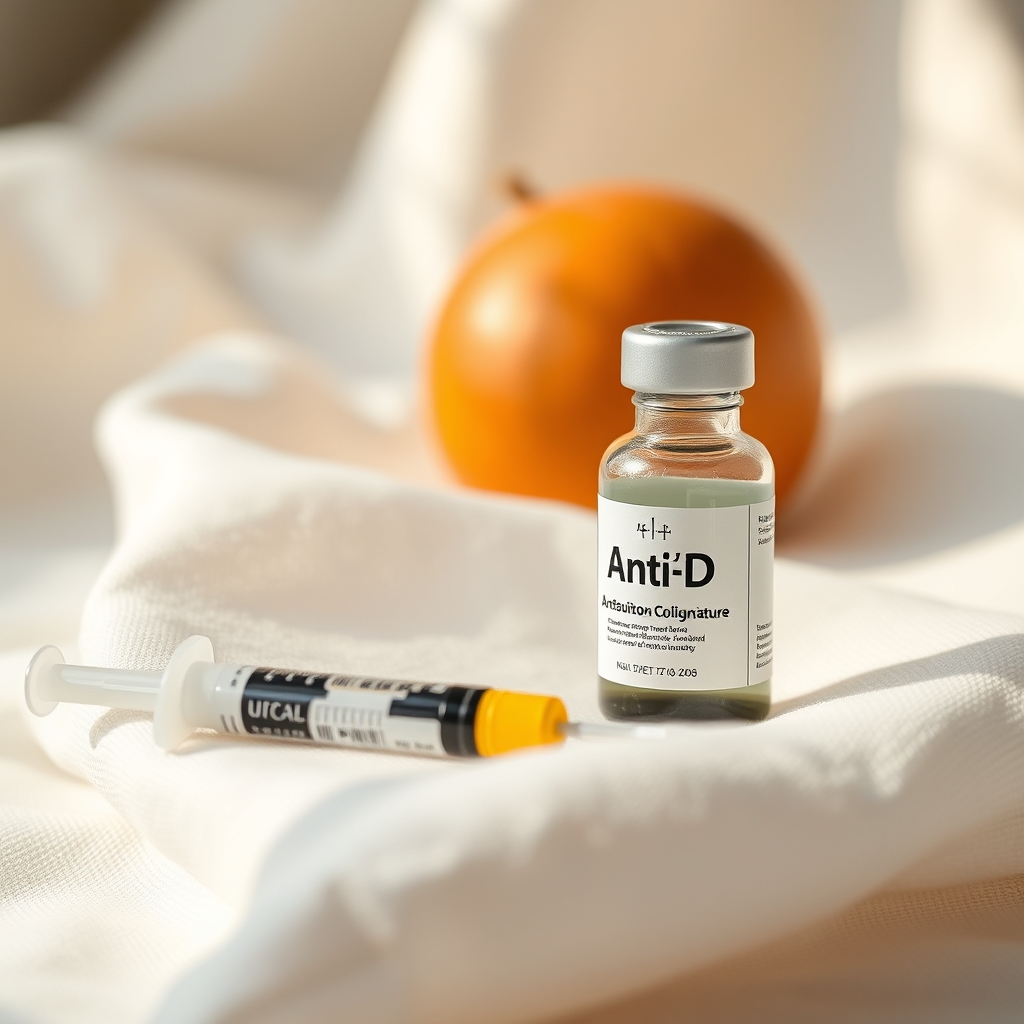
Early pregnancy bleeding: Anti-D indications and dosing by gestational age to prevent RhD alloimmunization, learn the dosing and administration
By Shubhra Mishra — a mom of two who turned her own confusion during pregnancy into BumpBites, a global mission to make food choices clear, safe, and stress-free for every expecting mother. 💛
Check whether any food is safe during pregnancy with the BumpBites Food Safety Checker.
Quick take: If you’re Rh‑negative and experience any bleeding in early pregnancy, anti‑D (Rh immunoglobulin) should be given as soon as possible—ideally within 72 hours—using the standard 300 µg (1500 IU) dose for pregnancies up to 12 weeks. The same dose applies after miscarriage, ectopic pregnancy, or uterine evacuation, unless you’ve already received a dose in the past month. Prompt treatment protects you from developing antibodies that could affect a future pregnancy.
It’s 2 a.m., you’ve just noticed a few spots of brown spotting on your panty liner, and the panic button on your phone lights up with the question, “Do I need anti‑D?” You’re not alone. Many expecting parents feel that knot of worry when bleeding shows up in the first trimester, especially if they know they’re Rh‑negative. The good news is that the answer is usually straightforward: a single dose of anti‑D can prevent a silent, potentially serious immune response, and the timing is more forgiving than you might think.
🔢 Calculate it for your situation: Use our Anti-D Ig Dosing for a personalized result in seconds.
In this guide we break down everything you need to know about anti‑D after early‑pregnancy bleeding. We’ll explain why Rh incompatibility matters, list every situation that calls for a dose, walk you through the exact amount recommended for each gestational window, and tell you when the clock starts ticking. We’ll also cover safety, side‑effects, follow‑up care, and special scenarios like miscarriage, ectopic pregnancy, and uterine evacuation. By the end you’ll have a clear, step‑by‑step roadmap you can share with your provider.
All of the guidance below follows the latest recommendations from the American College of Obstetricians and Gynecologists (ACOG), the Royal College of Obstetricians and Gynaecologists (RCOG), and the National Institute for Health and Care Excellence (NICE). If anything feels unclear, reach out to your midwife or obstetrician—they’re the best source for tailoring these recommendations to your personal health history.
Why Rh incompatibility matters and how anti‑D works
Rh incompatibility occurs when a mother’s blood type is Rh‑negative (most commonly – D negative) and the fetus inherits the Rh‑positive antigen from the father. During pregnancy, the placenta usually keeps the two blood supplies separate, but any event that mixes fetal red blood cells into the mother’s circulation—such as bleeding, invasive testing, or delivery—can trigger an immune response.
When the mother’s immune system encounters the Rh‑positive cells, it may produce anti‑D antibodies. The first exposure usually does not cause problems, but those antibodies linger in the bloodstream. If a subsequent pregnancy carries an Rh‑positive baby, the maternal antibodies can cross the placenta and attack the fetal red cells, leading to hemolytic disease of the newborn (HDN). HDN can cause severe anemia, jaundice, brain injury, or even stillbirth.
Anti‑D immunoglobulin (often called Rh immune globulin) is a purified preparation of human antibodies that “covers” any fetal Rh‑positive cells before the mother’s own immune system can recognize them. Think of it as a protective coat that masks the antigen, preventing the mother from making her own antibodies. The drug is given as an intramuscular injection, typically in the upper arm or thigh.
Rh‑negative status is relatively common—about 15 % of people of European ancestry are Rh‑negative, compared with 1 % of African or Asian descent (NHS Blood and Transplant, 2023). Because of this prevalence, most prenatal clinics perform a blood type screen at the first visit, so you’ll usually know your Rh status early in pregnancy.
Additional note: The immune system’s memory for Rh‑D can be long‑lasting, sometimes persisting for years. This is why prophylaxis after each potential exposure is crucial, even if a previous dose seemed to “protect” you.
When anti‑D is indicated after early‑pregnancy bleeding
Bleed
ing in the first trimester can arise from many sources—implantation spotting, threatened miscarriage, subchorionic hematoma, or even a minor cervical irritation. Regardless of the cause, if you’re Rh‑negative the following situations call for anti‑D:
Any vaginal bleeding that is heavier than spotting (e.g., brown discharge, pink spotting, or clots).
Bleeding associated with a confirmed or suspected miscarriage (spontaneous abortion).
Bleeding after an ectopic pregnancy diagnosis, whether managed medically or surgically.
Bleeding following a uterine evacuation (e.g., dilation & curettage, medication‑induced abortion).
Bleeding after invasive prenatal procedures such as chorionic villus sampling (CVS) or amniocentesis.
Bleeding after external cephalic version, cervical cerclage, or any other procedure that may disrupt the placental barrier.
Even “minor” spotting can be enough to trigger antibody formation if a few fetal cells enter the mother’s bloodstream, which is why most guidelines recommend a dose whenever bleeding is documented, especially after 6 weeks gestation when the placenta is beginning to develop.
Documentation matters. Your provider will typically confirm bleeding with an ultrasound and record the gestational age, the amount of bleeding, and any interventions performed. This record helps determine whether a repeat dose is needed later in the pregnancy.
Why documentation helps: A clear record allows clinicians to avoid unnecessary repeat dosing while still ensuring coverage if a new bleed occurs after the 28‑day protection window (ACOG, 2020).
How much anti‑D to give: dosage by gestational age
The standard prophylactic dose for most early‑pregnancy scenarios is 300 µg (equivalent to 1500 IU) of anti‑D immunoglobulin. This amount is sufficient to neutralize up to 30 mL of fetal whole blood—a volume far greater than what is typically encountered in early bleeding events.
Below is the dosing schedule most clinicians follow, broken down by gestational age. The dose does not change after 12 weeks, but the timing of repeat dosing does, especially if you have multiple bleeding episodes.
Bleeding, invasive procedures, or after delivery of an Rh‑positive baby
300 µg (1500 IU) – repeat dose if > 28 days since last dose
≥ 25 weeks (late third trimester)
Standard antenatal prophylaxis (often given at 28 weeks)
300 µg (1500 IU) – routine schedule
If you have already received anti‑D within the past 28 days, a repeat dose is usually not required unless a new bleeding event occurs that may have introduced additional fetal cells. Your provider will check the timing of your last dose before deciding.
When you need to calculate the exact amount for a specific scenario—say, a 6‑week bleeding episode—you can use our Anti‑D Ig Dosing calculator. It walks you through the steps and gives you a clear, printable summary for your appointment.
Some clinicians also adjust the dose in rare cases of massive bleeding (for example, after a surgical evacuation that releases more than 30 mL of fetal blood). In those situations, a second dose may be administered 24 hours later, but this is an exception rather than the rule (ACOG Practice Bulletin No. 190, 2020).
Practical tip: Keep a copy of the dosing schedule in your pregnancy notebook; it makes conversations with your care team smoother.
When to give anti‑D after bleeding – optimal timing
Time is the most important factor after a bleeding episode. Anti‑D works best when administered as soon as possible, ideally within 72 hours (3 days) of the event. The window extends to 7 days in many guidelines, but the protective effect drops sharply after the first three days because the mother’s immune system may already have started producing her own antibodies.
Here’s a practical timeline you can share with your provider:
Day 0 (the day bleeding is noticed): Contact your obstetrician, midwife, or on‑call clinic. Ask for an anti‑D dose and an urgent blood type screen if you haven’t had one recently.
Day 1–3: Receive the anti‑D injection. Most clinics can give the dose in the same visit that confirms the bleeding (e.g., after an ultrasound).
Day 4–7: If the dose cannot be given within three days, still get it as soon as possible—most protocols accept up to one week.
After 7 days: The protective benefit is uncertain; you may need a full antibody screen to see if sensitization has occurred.
Because the 72‑hour window is short, many hospitals keep anti‑D on hand in the labor‑and‑delivery unit, the emergency department, and even in some primary‑care offices. If you’re in a remote area, ask your provider ahead of time about the nearest location that stocks the medication.
Logistically, the injection is quick—usually under five minutes—and does not require a hospital stay. If you’re unable to travel quickly, some regions have mobile midwifery services that can deliver the dose at home, a practice endorsed by the NHS to improve access in rural communities (NHS England, 2022).
Quick reminder: The “72‑hour” rule is a guideline, not a hard law; earlier administration is always better, but a dose given within seven days still offers partial protection.
Safety, side‑effects, and contraindications
Anti‑D is one of the most studied blood products in obstetrics, and serious adverse events are rare. The most common side‑effects are mild and self‑limiting:
Injection‑site pain or bruising (usually resolves within a few days).
Low‑grade fever or chills (often a reaction to the protein content).
Headache or mild fatigue.
Severe allergic reactions—such as anaphylaxis—are exceedingly uncommon (< 1 in 10 000). If you experience difficulty breathing, rash, or swelling of the face or throat within an hour of the injection, seek emergency care immediately.
Contraindications are limited but include:
Known hypersensitivity to human immunoglobulin products.
Severe IgA deficiency with anti‑IgA antibodies (rare).
Pregnancy itself is not a contraindication; anti‑D is safe for both mother and fetus because it does not cross the placenta in significant amounts. The drug is classified as Category C by the FDA, but the benefit of preventing HDN far outweighs any theoretical risk.
In practice, most women tolerate the injection without any issue. A small study of 2,300 Rh‑negative women receiving anti‑D reported no increase in miscarriage rates or fetal growth restriction (CDC, 2022). This reassuring safety profile is why anti‑D is a routine part of prenatal care worldwide.
What to watch for: If you develop a fever above 38 °C that lasts longer than 24 hours, or if the injection site becomes increasingly red, swollen, or painful, contact your provider promptly.
Monitoring and follow‑up after anti‑D administration
After you receive anti‑D, your provider will typically schedule a follow‑up blood test (the indirect Coombs test) at 6–8 weeks gestation or 4–6 weeks after the bleeding event, whichever is later. This test looks for the presence of newly formed anti‑D antibodies.
If the test is negative, you can be reassured that sensitization has not occurred. If it’s positive, you’ll be counseled about the implications for your current pregnancy and any future pregnancies. In most cases, a low‑titer antibody will not cause problems, but higher levels may require closer fetal monitoring later in pregnancy (e.g., Doppler ultrasound for anemia).
Key points for follow‑up:
Keep a record of the anti‑D dose date, gestational age, and the lot number of the product.
Ask for a copy of your antibody screen results and bring them to every prenatal visit.
Report any new bleeding, fever, or unusual symptoms to your provider promptly.
Interpreting the indirect Coombs test can be confusing. A “negative” result means no detectable antibodies, while a “positive” result is graded by titer (e.g., 1:2, 1:4). Your clinician will explain whether the titer is clinically significant and what monitoring steps, if any, are needed (NICE CG190, 2021).
Tip for patients: Write down the exact date you received anti‑D; many providers base the timing of repeat prophylaxis on that date rather than the gestational age alone.
Special scenarios: miscarriage, ectopic pregnancy, and uterine evacuation
Miscarriage (spontaneous abortion)
When a miscarriage is confirmed—whether managed expectantly, medically, or surgically—anti‑D should be administered as soon as possible, regardless of how much tissue has been expelled. The standard 300 µg dose is given once, and a follow‑up antibody screen is performed 4–6 weeks later. If the miscarriage occurs after 12 weeks, the same dose applies, but many clinicians also give a second dose at 28 weeks if the pregnancy continues.
Ectopic pregnancy
Ectopic pregnancies are usually diagnosed by ultrasound and treated with methotrexate or surgery. Because the trophoblastic tissue is still Rh‑positive, anti‑D is indicated after any bleeding or after the procedure that removes the ectopic tissue. The timing mirrors that of early‑pregnancy bleeding: within 72 hours if possible, otherwise within a week. A single 300 µg dose is sufficient, and the same antibody screen schedule applies.
Uterine evacuation (medical or surgical abortion)
Women undergoing uterine evacuation for pregnancy termination also need anti‑D if they are Rh‑negative. The dose is given immediately after the procedure—often in the same clinical room—because the evacuation can release a larger volume of fetal blood than a small bleed. The same 300 µg dose is used, and a repeat dose at 28 weeks is recommended if the pregnancy continues.
In all three scenarios, the decision to repeat anti‑D later in pregnancy depends on whether the mother has been previously sensitized and on the gestational age at the time of the event. Your provider will tailor the schedule to your personal obstetric history.
Clinical nuance: Some providers give a second dose at 28 weeks even after early‑pregnancy loss, especially if the loss occurred after 20 weeks, to ensure continued protection for the remainder of the pregnancy.
Anti‑D is administered as a single intramuscular injection, often right after a bleeding event.
Understanding the indirect Coombs test and antibody screening
The indirect Coombs test (also called the indirect antiglobulin test) is the laboratory workhorse for detecting Rh antibodies after anti‑D exposure. A small sample of your blood is mixed with Rh‑positive red cells in the lab; if your immune system has produced anti‑D, the cells will clump together, indicating sensitization.
Results are reported as “negative” (no detectable antibodies) or “positive” with a titer level. A low titer (e.g., 1:2) often resolves on its own, while higher titer may signal a need for closer monitoring of the fetus’s red‑cell health. The test is inexpensive, widely available, and recommended by both ACOG and NICE as the standard follow‑up after any anti‑D administration (ACOG, 2020; NICE, 2021).
What the numbers mean: A titer of 1:4 or lower is generally considered low risk, while 1:8 or higher may prompt additional fetal surveillance, such as weekly ultrasounds and Doppler studies.
What to expect after the anti‑D injection – recovery and activity guidelines
Most women feel fine after the injection, but a few experience mild soreness at the injection site. You can apply a cool compress for 10‑15 minutes if the area feels tender, and over‑the‑counter acetaminophen (Tylenol) is safe for pain relief during pregnancy.
There’s no need to avoid normal daily activities, but it’s wise to avoid strenuous exercise or heavy lifting for the rest of the day, just as you would after any intramuscular shot. If you develop a fever above 38 °C that lasts more than 24 hours, or if the injection site becomes increasingly red, swollen, or painful, contact your provider.
Because anti‑D contains human antibodies, you do not need to change any other medications you’re taking, including prenatal vitamins or prescribed treatments. However, always double‑check with your clinician if you’re on immunosuppressive drugs, as they may affect how your body processes the immunoglobulin.
Quick tip: Keep the injection site clean and dry; a simple bandage can protect it if you’re wearing tight clothing.
Rh‑negative considerations for future pregnancies and family planning
Being Rh‑negative does not affect your ability to have a healthy pregnancy, but it does shape some planning decisions. If you have a partner who is Rh‑positive, you’ll continue to receive anti‑D prophylaxis at key points—typically at 28 weeks, after any bleeding, and after delivery of an Rh‑positive baby. If your partner is also Rh‑negative, you may still need anti‑D after certain events (e.g., invasive procedures), because the fetus could still be Rh‑positive if the father’s genotype is heterozygous.
Some families choose to undergo pre‑conception carrier testing to understand the likelihood of an Rh‑positive child. While not required, this testing can provide peace of mind and help schedule prophylaxis in advance. Additionally, if you’re considering assisted reproductive technologies (IVF, donor eggs), discuss Rh status with your fertility clinic early so they can coordinate appropriate anti‑D dosing (ASRM, 2022).
Partner’s role: Knowing your partner’s Rh status helps predict the baby’s likely blood type and informs the timing of prophylaxis, especially in cases where the father’s Rh status is unknown or mixed.
Doctor’s note
From our medical team: “The most reliable way to protect future pregnancies is to treat any early‑pregnancy bleeding promptly with the standard anti‑D dose. Even if the bleed seems trivial, the immune system can be surprisingly efficient at spotting fetal cells. If you’re unsure whether you need a dose, err on the side of caution and call your provider—there’s no downside to getting the injection early.”
🔢 Ready to crunch your numbers? Use our Anti-D Ig Dosing for a personalized result in seconds.
Myth vs. fact
Myth: “If the bleeding is just a few drops, anti‑D isn’t necessary.”
Fact: Any confirmed bleeding in an Rh‑negative mother may introduce fetal red cells, so guidelines recommend a dose regardless of volume. The risk of sensitization from even minimal exposure outweighs the minimal inconvenience of an injection.
Myth: “Anti‑D can cause severe reactions in the baby.”
Fact: Anti‑D does not cross the placenta in clinically relevant amounts, so it does not affect the fetus. The medication works only in the mother’s bloodstream to block her immune response.
Myth: “If I’ve already had a dose earlier in pregnancy, I don’t need another one after a bleed.”
Fact: The protective effect lasts about 28 days. If a new bleeding episode occurs after that period, a repeat dose is recommended to maintain coverage.
Key takeaways
Rh‑negative mothers should receive 300 µg (1500 IU) of anti‑D within 72 hours of any early‑pregnancy bleeding.
The same dose applies after miscarriage, ectopic pregnancy, or uterine evacuation, regardless of gestational age up to 12 weeks.
Repeat dosing is only needed if more than 28 days have passed since the last anti‑D injection.
Side‑effects are usually mild; severe allergic reactions are rare but require immediate medical attention.
Follow‑up antibody screening at 4–6 weeks post‑dose confirms whether sensitization has occurred.
When in doubt, contact your provider promptly—early treatment is the safest route.
Frequently asked questions
What is the recommended anti‑D dose for a 6‑week pregnancy?
The standard dose is 300 µg (1500 IU) of anti‑D immunoglobulin, given as a single intramuscular injection. This amount covers the amount of fetal blood that could enter the mother’s circulation at 6 weeks.
When should anti‑D be given after early pregnancy bleeding?
Ideally within 72 hours of the bleeding event, but it remains effective if administered up to 7 days later. The sooner the injection, the better the protection against sensitization.
Can anti‑D cause complications for the mother?
Most women experience only mild injection‑site soreness or low‑grade fever. Severe allergic reactions are extremely rare. If you develop breathing difficulty, swelling, or a rash shortly after the injection, seek emergency care.
Is anti‑D necessary if the bleeding is minor?
Yes. Even minor spotting can release fetal red cells, and guidelines recommend a dose for any documented bleeding in an Rh‑negative mother. The potential benefit of preventing future sensitization far outweighs the minor inconvenience of the injection.
How soon after bleeding should anti‑D be administered?
Within 72 hours is the target window. If you cannot get the injection within three days, aim for treatment within the first week. After seven days the protective effect diminishes, and additional testing may be needed.
What are the risks of not receiving anti‑D after early pregnancy bleeding?
Without anti‑D, the mother may develop anti‑D antibodies that can cross the placenta in a future Rh‑positive pregnancy, leading to hemolytic disease of the newborn. This condition can cause severe anemia, jaundice, and in rare cases, stillbirth.
Can I receive anti‑D if I have a history of severe allergic reactions to blood products?
Severe IgA deficiency with anti‑IgA antibodies is a contraindication, but most people with mild sensitivities can still receive anti‑D under close medical supervision. Discuss your allergy history with your provider; they may perform a test dose or choose an alternative preparation if needed.
Is there a difference between RhIG and anti‑D, and does it matter which product I get?
RhIG (Rh immune globulin) and anti‑D refer to the same class of medication—human antibodies that target the Rh‑D antigen. Different manufacturers may use slightly different formulations, but all are approved by the FDA and meet the same potency standards. The choice of brand does not affect efficacy; what matters is receiving the correct dose at the right time.
Can I receive anti‑D after getting a COVID‑19 vaccine?
Yes. The COVID‑19 vaccine does not interfere with anti‑D prophylaxis. If you need anti‑D after a bleed, you can receive both safely; just inform your provider that you have recently been vaccinated so they can document it.
What should I do if I’m traveling and experience bleeding far from my regular clinic?
Locate the nearest urgent‑care center or hospital that stocks anti‑D (many larger facilities do). Call ahead to confirm availability, and bring any documentation of your Rh status. If you have a telehealth service, you can often arrange a same‑day appointment for the injection.
When to call your doctor
If you experience any of the following after receiving anti‑D, contact your provider or go to the nearest emergency department immediately: difficulty breathing, swelling of the face or throat, rash, high fever (> 38.5 °C), severe pain at the injection site, or heavy bleeding that does not subside. Remember, this article provides general information and is not a substitute for personalized medical advice.
References
American College of Obstetricians and Gynecologists. “Rh Immunoglobulin (Anti‑D) Prophylaxis.” ACOG Practice Bulletin No. 190, 2020.
Royal College of Obstetricians and Gynaecologists. “Management of Rh‑Negative Pregnancies.” RCOG Green‑Top Guideline, 2019.
National Institute for Health and Care Excellence. “Rh‑negative pregnancy: prevention of sensitisation.” NICE Clinical Guideline CG190, 2021.
Centers for Disease Control and Prevention. “Rh (D) Immune Globulin (RhIG) Recommendations.” CDC, 2022.
World Health Organization. “Guidelines on the use of anti‑D immunoglobulin in pregnancy.” WHO, 2021.
British National Formulary. “Anti‑D (Rh Immunoglobulin) – dosage and administration.” BNF, 2023.
NHS Blood and Transplant. “Rh‑negative blood type information.” NHS, 2023.
American Society for Reproductive Medicine. “Rh‑negative considerations in assisted reproduction.” ASRM, 2022.
CDC. “Safety of Rh‑immune globulin in pregnancy.” CDC, 2022.
NHS England. “Improving access to Rh‑D prophylaxis in rural areas.” NHS England Report, 2022.
American College of Obstetricians and Gynecologists. “Management of First‑Trimester Bleeding.” ACOG Committee Opinion, 2021.
National Health Service. “Guidance on Rh‑D prophylaxis after miscarriage.” NHS, 2022.
Not sure about the label on Early Pregnancy Bleeding Anti D Indications Dosing By Gestational Age products?
Snap the ingredients list and SafeFilter checks every ingredient for your stage — only 3 free scans this month, then you're locked until reset. Unlimited from $7/mo or lock $50/yr through Aug 31 (5 days left).
When Shubhra Mishra was expecting her first child in 2016, she was overwhelmed by conflicting food advice — one site said yes, another said never. By the time her second baby arrived in 2019, she realized millions of mothers face the same confusion.
That sparked a five-year journey through clinical nutrition papers, cultural diets, and expert conversations — all leading to BumpBites: a calm, compassionate space where science meets everyday motherhood.
Her long-term vision is to build a global community ensuring safe, supported, and free deliveriesfor every mother — because no woman should face pregnancy alone or uninformed. 🌿
🌍 Stand with mothers, shape safer guidance
Join a small circle of experts who review BumpBites articles so expecting parents everywhere can decide with confidence.