Learn how to use the community health toolkit for rapid MUAC and dehydration assessment in pregnancy. Quick, accurate methods to improve maternal and child health outcomes.
By Shubhra Mishra — a mom of two who turned her own confusion during pregnancy into BumpBites, a global mission to make food choices clear, safe, and stress-free for every expecting mother. 💛
Check whether any food is safe during pregnancy with the BumpBites Food Safety Checker.
Quick take: A community health toolkit for MUAC (Mid-Upper Arm Circumference) and dehydration rapid assessment empowers community health workers to quickly identify and address nutritional deficiencies and dehydration in pregnant women, especially in low-resource settings. These simple, non-invasive checks are crucial for preventing serious complications and ensuring healthier pregnancies, bridging critical gaps in maternal care.
For many expecting parents, especially those in remote areas or communities with limited access to consistent healthcare, worries about nutrition and hydration can feel overwhelming. It's a fundamental truth that a healthy mom is key to a healthy baby, but how do we ensure that every pregnant woman, no matter her circumstances, gets the basic assessment she needs?
🔢 Calculate it for your situation: Use our MUAC + Dehydration Scale for a personalized result in seconds.
This is where a simple, yet powerful, community health toolkit comes in. Designed for rapid assessment by community health workers (CHWs), this toolkit focuses on two vital indicators: Mid-Upper Arm Circumference (MUAC) and dehydration. These tools allow for quick identification of potential risks, enabling timely intervention and support.
In this guide, we'll walk through exactly what's in this toolkit, how to use it, and why these assessments are so crucial for maternal health. Our goal is to empower both health workers and expecting parents with the knowledge to identify and address these common, yet critical, health challenges.
A well-prepared community health toolkit ensures vital assessments can be performed anywhere, anytime.
Understanding MUAC: A Quick Look at Maternal Nutrition
MUAC, or Mid-Upper Arm Circumference, is a straightforward, non-invasive measurement that provides a rapid assessment of a person's nutritional status. While often associated with assessing malnutrition in children, MUAC is equally, if not more, critical for pregnant women. It helps identify those who are at risk of poor nutritional outcomes, which can have significant implications for both the mother and her developing baby.
Why is MUAC so important in pregnancy? During pregnancy, a woman’s nutritional needs increase dramatically. If she isn't getting enough calories or essential nutrients, it can lead to several serious complications. For the mother, these can include anemia, increased risk of infection, prolonged labor, and postpartum hemorrhage. For the baby, maternal malnutrition is linked to low birth weight, preterm birth, and impaired fetal development, which can have long-term health consequences.
Measuring MUAC is particularly valuable because it reflects a woman's chronic nutritional status, meaning it gives an indication of her nutritional health over time, not just her immediate food intake. Unlike weight-for-height measurements, which can be tricky to interpret accurately during pregnancy due to natural weight gain, MUAC isn't significantly affected by the physiological changes of pregnancy until later stages. This makes it a reliable screening tool, especially in settings where scales might not be available or practical.
A low MUAC measurement indicates that a pregnant woman may be acutely malnourished or at high risk of becoming so. This early identification allows community health workers and healthcare providers to intervene promptly with nutritional counseling, dietary supplementation, and referrals to specialized care if needed. It's a proactive step that can prevent a cascade of complications, ensuring that both mother and baby have the best possible start.
Spotting Dehydration: What to Look For in Pregnancy
Dehyd
ration occurs when your body loses more fluids than it takes in, preventing it from carrying out normal functions. For anyone, dehydration can be serious, but in pregnancy, it poses unique risks. Pregnant women have increased fluid requirements due to the demands of supporting their own body and the growing fetus, as well as increased blood volume. This makes them particularly vulnerable to dehydration.
Why are pregnant women more susceptible? Common pregnancy symptoms like morning sickness (nausea and vomiting), increased urination, and sometimes diarrhea, can all lead to significant fluid loss. Additionally, if an expectant mother lives in a hot climate or engages in physical labor, her risk of dehydration increases further. Even mild dehydration can lead to uncomfortable symptoms like fatigue, headaches, and dizziness. More severe dehydration, however, can reduce blood flow to the uterus, potentially leading to complications such as preterm contractions, low amniotic fluid levels, and in extreme cases, even preterm labor.
How quickly can dehydration be identified? The good news is that rapid assessment techniques can help identify dehydration quickly, often within minutes. This speed is crucial because early detection allows for immediate rehydration efforts, preventing the condition from escalating. Community health workers are trained to look for specific signs and symptoms, which we'll detail below, to make a quick and accurate assessment.
It’s important to remember that thirst, while a primary indicator, isn't always the first or most reliable sign, especially in mild dehydration or if a person has reduced sensation. Therefore, CHWs use a combination of visual cues and physical assessments to determine a woman's hydration status. Being able to spot these signs early means a CHW can advise on increasing fluid intake, or, if necessary, refer for more intensive medical attention, safeguarding both mother and baby.
Assembling Your Community Health Toolkit
A well-prepared community health toolkit for MUAC and dehydration assessment is designed to be portable, practical, and effective in diverse settings, from rural villages to urban outreach programs. The goal is to provide CHWs with the essential tools to conduct rapid, accurate assessments without needing extensive infrastructure or specialized equipment. Here are the core components:
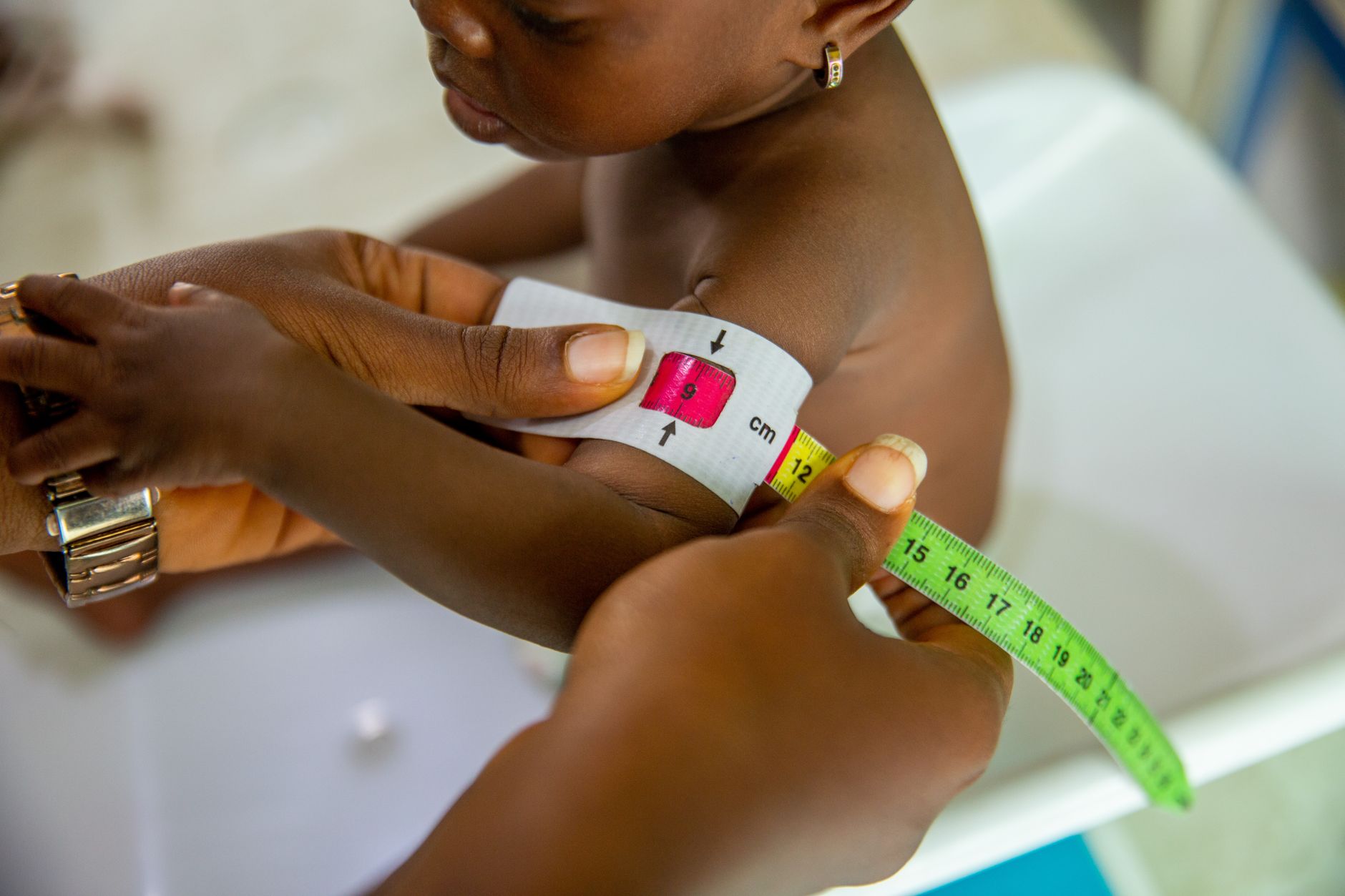
1. MUAC Tape: This is a specially designed non-stretchable plastic or paper tape, color-coded for easy interpretation. It typically has measurements in centimeters and often includes color zones (e.g., green for healthy, yellow for moderate malnutrition, red for severe malnutrition) that correspond to specific nutritional thresholds. Different tapes might be available for children and adults; ensure the one for adults/pregnant women is used.
Why it's essential: Simple, quick, and provides a clear visual indicator of nutritional status.
2. Oral Rehydration Salts (ORS) Packets: These pre-packaged salts, when mixed with clean water, create a solution that helps replace fluids and electrolytes lost due to dehydration, particularly from vomiting or diarrhea. They are a cornerstone of dehydration management.
Why it's essential: Critical for immediate treatment of mild to moderate dehydration.
3. Clean Water and Soap/Hand Sanitizer: Essential for maintaining hygiene before and after assessments, protecting both the CHW and the pregnant woman from potential infection.
Why it's essential: Prevents disease transmission and ensures a safe assessment environment.
4. Notebook and Pen: For accurate recording of MUAC measurements, dehydration signs, date of assessment, and any actions taken or referrals made. Good record-keeping is vital for tracking progress and ensuring continuity of care.
Why it's essential: Facilitates monitoring, follow-up, and data collection for program evaluation.
5. Job Aid/Reference Chart: A laminated card or small flipchart summarizing MUAC thresholds for pregnant women, key signs of dehydration, and corresponding actions (e.g., counseling points, referral criteria). This serves as a quick reminder and ensures consistent application of guidelines.
Why it's essential: Supports accurate interpretation of findings and guides appropriate clinical action.
6. Gloves (Disposable): For situations requiring direct contact with bodily fluids, such as assessing dry mucous membranes in the mouth, or if there are any open cuts or wounds on the woman being assessed or the CHW.
Why it's essential: Enhances hygiene and safety, particularly in areas with higher infection risks.
7. Thermometer (Optional but Recommended): A simple digital thermometer can help assess for fever, which can exacerbate dehydration or indicate an underlying infection.
Why it's essential: Provides additional diagnostic information for comprehensive assessment.
This portable toolkit ensures that community health workers are equipped to perform these vital screenings effectively, bringing essential maternal health services directly to the communities that need them most. The simplicity and low cost of these components make the toolkit highly adaptable and sustainable in low-resource settings.
Proper technique for MUAC measurement ensures accuracy and reliability in assessing nutritional status.
Step-by-Step: Rapid MUAC Measurement Technique
Measuring MUAC is a simple procedure, but accuracy is key. Community health workers (CHWs) can absolutely perform this assessment reliably with proper training and practice. Here’s a step-by-step guide:
Preparation is Key
Explain the Procedure: Always start by explaining to the pregnant woman what you're going to do and why it's important. Reassure her that it's a quick and painless measurement to check her nutritional health.
Ensure Privacy and Comfort: Find a private, comfortable spot. The woman should ideally be sitting or standing upright.
Wash Hands: Thoroughly wash your hands with soap and water or use hand sanitizer before touching the woman.
Taking the Measurement
Select the Arm: Always use the woman's left arm. If the left arm has an injury, swelling, or a cast, use the right arm instead.
Expose the Arm: Ask the woman to remove any clothing that covers her upper left arm. The sleeve should be rolled up high enough so it doesn't constrict the arm.
Locate the Midpoint:
Ask the woman to bend her left arm at the elbow so her forearm is parallel to the ground.
Find the bony prominence at the top of her shoulder (acromion) and the tip of her elbow (olecranon process).
Use the MUAC tape to measure the distance between these two points.
Mark the exact midpoint of this distance with your finger or a pen. This is where the tape will be placed.
Apply the MUAC Tape:
Ask the woman to relax her arm and let it hang freely by her side.
Wrap the MUAC tape around her upper arm at the midpoint you just identified.
Ensure the tape lies flat against the skin, without twisting or gaps.
Read the Measurement:
Pull the tape gently but firmly, so it is snug but not tight enough to indent the skin. It should not be loose.
Read the measurement where the arrow or designated mark on the tape overlaps with the numerical scale.
Record the measurement immediately in your notebook.
Repeat for Accuracy (Optional but Recommended): If you are unsure or if the reading is close to a threshold, repeat the measurement two more times. If the readings are different, take the average of the two closest readings.
Common Pitfalls to Avoid
Incorrect Arm: Always use the left arm unless contraindicated.
Wrong Midpoint: Measuring too high or too low will give an inaccurate reading.
Tape Too Tight or Too Loose: The tape should be snug but not indent the skin. A common error is pulling too hard.
Clothing Under the Tape: Ensure no clothing is caught under the tape.
Arm Not Relaxed: If the arm is tensed, the muscle circumference will be larger, leading to an overestimation.
By following these steps meticulously, community health workers can accurately measure MUAC and gather vital information about a pregnant woman's nutritional status. This simple assessment is a cornerstone of early intervention strategies in maternal health.
Rapid Dehydration Assessment: A Practical Guide
Assessing dehydration quickly and accurately is crucial for pregnant women. Community health workers utilize a combination of visual cues and physical tests to determine hydration status. Here's a practical guide:
Initial Observation and History Taking
Ask About Symptoms: Start by asking the pregnant woman about common dehydration symptoms:
Are you feeling unusually thirsty?
Have you noticed your urine is darker than usual or are you urinating less frequently?
Do you feel dizzy, lightheaded, or unusually tired?
Have you had any recent vomiting or diarrhea? (Crucial for fluid loss assessment)
Do you have a headache or muscle cramps?
Observe General Appearance: Look for signs such as lethargy, irritability, or unusual drowsiness. Severe dehydration can affect mental status.
Check Mucous Membranes: Ask the woman to open her mouth. Look at her tongue and inside of her cheeks. Are they dry or moist? Dry mucous membranes are a strong indicator of dehydration.
Physical Assessment Tests
Skin Turgor Test (Skin Pinch Test):
Gently pinch a fold of skin on the upper chest, just below the collarbone, or on the inner thigh. In pregnant women, the abdomen may not be as reliable due to skin stretching.
Hold the pinch for a few seconds, then release.
Interpretation:
Normal: The skin snaps back immediately (within 1-2 seconds).
Mild-Moderate Dehydration: The skin takes a few seconds to return to normal, forming a "tent" briefly.
Severe Dehydration: The skin remains "tented" for more than 2-3 seconds.
Capillary Refill Time (CRT) Test:
Gently press on one of the woman's fingernails (or toenails) until it blanches (turns white).
Release the pressure and observe how quickly the color returns.
Interpretation:
Normal: Color returns within 2 seconds.
Delayed: Color takes longer than 2 seconds to return, indicating reduced peripheral circulation, a sign of dehydration or shock.
Pulse Check (if trained and equipment available): A weak, rapid pulse can indicate moderate to severe dehydration as the heart works harder to circulate reduced blood volume.
Other Important Indicators
Urine Color: Ask about or observe urine color if possible. Dark yellow or amber urine is a sign of dehydration. A urine color chart can be a helpful visual aid.
Sunken Eyes: While more pronounced in children, severely dehydrated adults might show somewhat sunken eyes.
By combining these observations and tests, a CHW can rapidly assess the degree of dehydration and determine the appropriate immediate action, from encouraging increased fluid intake and ORS administration to urgent referral for medical intervention.
The skin turgor test is a simple, quick way to assess hydration status.
Interpreting Results: What Your MUAC and Dehydration Scores Mean
Once you've conducted the MUAC measurement and rapid dehydration assessment, the next critical step is interpreting these findings to guide appropriate action. These scores aren't just numbers; they are vital indicators that inform counseling, referral, and ultimately, improve maternal and fetal health outcomes.
Interpreting MUAC Thresholds in Pregnancy
While specific cut-off points can vary slightly based on regional guidelines (e.g., WHO, UNICEF, national health ministries), here are commonly used MUAC thresholds for pregnant women and their implications:
MUAC Measurement
Interpretation
Recommended Action
≥ 23 cm (9.1 inches)
Well-nourished or Low Risk
Continue routine antenatal care, emphasize balanced diet and healthy lifestyle.
21 cm to < 23 cm (8.3 to < 9.1 inches)
Moderate Malnutrition Risk
Intensive nutritional counseling, dietary diversity promotion, consider food supplementation, close monitoring, and follow-up.
< 21 cm (8.3 inches)
Severe Malnutrition Risk
Urgent referral to a health facility for comprehensive nutritional assessment and management, potentially therapeutic feeding, close medical supervision.
It’s important to note that some guidelines may use a <19 cm threshold for severe acute malnutrition (SAM) in non-pregnant adults, but for pregnant women, a <21 cm threshold is often used to identify those at higher risk, allowing for earlier intervention. A low MUAC significantly increases the risk of adverse pregnancy outcomes, including low birth weight, preterm delivery, and maternal complications.
Interpreting Dehydration Findings
Dehydration assessment isn't about a single number but a constellation of signs and symptoms. The severity dictates the urgency and type of intervention:
Dehydration Level
Key Signs
Recommended Action
No Dehydration
Normal thirst, moist tongue, skin snaps back immediately, normal capillary refill, normal urine output.
Encourage regular fluid intake (8-12 glasses/day), especially water, milk, and fruit juices.
URGENT referral to a health facility for intravenous (IV) fluid rehydration and medical management. This is a medical emergency.
Connecting MUAC and Dehydration for Clinical Action
These assessments are rarely isolated. A pregnant woman who is malnourished (low MUAC) is often more susceptible to dehydration, and dehydration can worsen her nutritional status by reducing appetite or causing nutrient loss. Therefore, findings from both assessments should be considered together.
If a woman has a low MUAC, she needs immediate nutritional counseling and potentially supplementation, regardless of her hydration status.
If she shows signs of dehydration, immediate rehydration is paramount, followed by addressing any underlying causes (e.g., persistent vomiting, diarrhea) and integrating nutritional support.
For women with both low MUAC and signs of dehydration, the risk is significantly higher, requiring prompt and comprehensive care, often involving referral to a higher level of care.
To help you quickly interpret these measurements and understand the implications for maternal health, you can refer to the BumpBites MUAC + Dehydration Scale. This tool provides clear guidance based on the collected data, helping to streamline decision-making in the field.
The ability of community health workers to accurately interpret these results and act upon them is transformative. It ensures that vulnerable pregnant women receive timely, appropriate care, preventing minor issues from becoming major health crises. This early intervention is a cornerstone of effective maternal health programs.
Integrating Assessments into Antenatal Care and Follow-Up
For these rapid assessments to be truly effective, they must be seamlessly integrated into routine antenatal care (ANC) visits and supported by robust training, data recording, and follow-up protocols for community health workers (CHWs). This structured approach ensures consistency, quality, and sustained impact on maternal health outcomes.
Integrating into Routine Antenatal Care Visits
The beauty of MUAC and dehydration assessments is their simplicity, making them ideal for integration at various points of contact:
First ANC Visit: Every pregnant woman should receive a MUAC measurement and dehydration assessment during her initial antenatal visit. This establishes a baseline and identifies immediate risks.
Subsequent ANC Visits: These assessments should be repeated at subsequent ANC visits, particularly in areas with high prevalence of malnutrition or during seasons prone to dehydration (e.g., hot weather, diarrheal disease outbreaks). This helps monitor progress and detect any new or worsening conditions.
Community Outreach: CHWs can also perform these assessments during home visits or at community health days, bringing care closer to women who may not attend facility-based ANC regularly.
When performing these checks, CHWs should clearly explain the purpose to the pregnant woman. For instance, "We're just checking your arm to make sure you're getting enough nutrients for you and the baby," or "We're looking at your skin and asking about your thirst to ensure you're well-hydrated, which is extra important during pregnancy." This transparency builds trust and empowers women to understand their own health.
Training, Data Recording, and Follow-Up Protocols
1. Comprehensive Training for CHWs
Effective implementation hinges on well-trained CHWs. Training should cover:
Theory: Understanding the "why" behind MUAC and dehydration, their impact on maternal and fetal health.
Practical Skills: Hands-on practice with MUAC tape and dehydration assessment techniques, ensuring correct procedure and interpretation. Role-playing scenarios are highly effective.
Communication Skills: How to explain the procedures, counsel women on nutrition and hydration, and deliver sensitive messages about risks and referrals.
Referral Pathways: Clear understanding of when and how to refer women to higher levels of care for malnutrition or severe dehydration.
Refresher Training: Regular refresher courses and ongoing supervision are crucial to maintain skills and address any challenges faced in the field.
2. Standardized Data Recording
Consistent and accurate data recording is vital for individual patient management and program monitoring:
Simple Forms: Use standardized, easy-to-fill forms that include sections for MUAC measurement, observed dehydration signs, date of assessment, actions taken (e.g., counseling, ORS given), and referral details.
Unique Identifiers: Each pregnant woman should have a unique identifier to track her progress across visits.
Trend Monitoring: CHWs should be encouraged to look at trends over time. For example, a decreasing MUAC over several visits or recurring signs of dehydration warrant increased concern and intervention.
Reporting: Establish clear reporting lines for CHWs to submit their data to supervisors or health facilities, contributing to broader public health surveillance.
3. Robust Follow-Up Protocols
An assessment is only as good as the follow-up it generates:
Scheduled Re-assessments: Women identified with moderate malnutrition or mild dehydration should have a scheduled follow-up visit within a specified timeframe (e.g., 2 weeks) to reassess their status and reinforce counseling.
Home Visits: For high-risk women (severe malnutrition, persistent dehydration), regular home visits by CHWs can provide ongoing support, monitor adherence to nutritional plans or ORS, and identify barriers to recovery.
Linkage to Services: Ensure that referrals for nutritional support programs (e.g., supplementary feeding), specialized medical care, or water and sanitation improvements are followed through. CHWs often play a crucial role in advocating for women to access these services.
Community Support: Encourage community support networks, where families and neighbors can help monitor and support pregnant women, especially those at higher risk.
By embedding MUAC and dehydration assessments within a comprehensive framework of training, data management, and follow-up, communities can significantly improve the health and well-being of pregnant women and their babies. It transforms simple tools into powerful instruments for health equity.
From our medical team: "Early detection of malnutrition and dehydration in pregnancy is not just about numbers; it's about giving every mother and baby the best possible chance. These simple, community-level assessments are often the first line of defense, providing crucial insights that can trigger timely interventions and prevent serious complications. Trusting and training our community health workers to perform these vital checks is one of the most impactful ways we can strengthen maternal health outcomes globally."
🔢 Ready to crunch your numbers? Use our MUAC + Dehydration Scale for a personalized result in seconds.
Myth vs. Fact
There are many misconceptions about health assessments, especially in community settings. Let's clear up some common myths surrounding MUAC and dehydration in pregnancy.
Myth: MUAC is only for assessing malnutrition in children, not adults or pregnant women.
Fact: While commonly used for children, MUAC is a highly effective and validated tool for assessing nutritional status in adults, including pregnant women. Its simplicity and reliability make it invaluable in low-resource settings to identify maternal malnutrition, which directly impacts birth outcomes and maternal health.
Myth: Dehydration is only a concern in very hot climates or if a woman has severe vomiting/diarrhea.
Fact: While extreme conditions increase the risk, pregnant women can become dehydrated even in moderate climates or with common pregnancy symptoms like mild morning sickness or increased urination. Their increased fluid needs mean they are more susceptible, and even mild dehydration can lead to fatigue, dizziness, and potentially trigger preterm contractions. Constant vigilance is key.
Myth: Community health workers can't accurately perform assessments like MUAC or dehydration checks without a doctor present.
Fact: With proper training, supervision, and standardized tools, community health workers are highly capable of accurately performing MUAC measurements and rapid dehydration assessments. Their role is crucial in extending basic health services to underserved populations, and their reliability in these tasks is well-established by global health organizations.
Key takeaways
MUAC (Mid-Upper Arm Circumference) is a simple, non-invasive tool to quickly assess a pregnant woman's nutritional status.
Early detection of maternal malnutrition via MUAC can prevent serious complications for both mother and baby, like low birth weight.
Pregnant women are highly susceptible to dehydration; rapid assessment of signs like skin turgor and capillary refill is crucial for timely intervention.
A well-equipped community health toolkit includes MUAC tape, ORS packets, hygiene supplies, and a job aid for accurate assessment.
Community health workers (CHWs) are essential for performing these assessments accurately after thorough training and follow-up.
Interpreting MUAC thresholds (e.g., <21cm for severe risk) and dehydration signs guides immediate counseling, rehydration, or urgent referral.
Integrating these checks into routine antenatal care and ensuring robust data recording and follow-up protocols are vital for sustained impact.
Frequently asked questions
What is MUAC and why is it important for pregnant women?
MUAC, or Mid-Upper Arm Circumference, is a measurement of the circumference of the upper arm, used as a quick indicator of nutritional status. For pregnant women, it's vital because it identifies those at risk of malnutrition, which can lead to complications like low birth weight, preterm birth, and increased maternal health risks. It's a simple, effective screening tool in diverse settings.
How quickly can dehydration be identified using a rapid assessment tool?
Dehydration can often be identified within minutes using rapid assessment tools. By observing key signs like thirst and dry mouth, and performing quick physical tests such as checking skin turgor (how quickly skin snaps back after a pinch) and capillary refill time (how fast color returns to a blanched nail bed), community health workers can quickly gauge hydration status and determine the urgency of intervention.
Can community health workers accurately measure MUAC without a doctor?
Yes, absolutely. With proper training, standardized MUAC tapes, and ongoing supervision, community health workers (CHWs) can accurately measure MUAC. Global health organizations endorse CHW-led MUAC screening as a reliable method to identify malnutrition, particularly in settings where access to doctors or advanced healthcare facilities is limited, making it a cornerstone of community-based maternal care.
What are the signs of dehydration in expectant mothers?
Signs of dehydration in expectant mothers include increased thirst, dry mouth and tongue, reduced frequency of urination or dark-colored urine, fatigue, dizziness, and headaches. More severe signs involve significantly delayed skin turgor (skin staying tented after pinching), sunken eyes, a rapid and weak pulse, and confusion or lethargy. Early recognition is crucial for prompt rehydration.
How does a MUAC measurement influence nutrition counseling?
A MUAC measurement directly influences nutrition counseling by identifying a pregnant woman's risk level. If her MUAC is low, it signals a need for immediate, targeted counseling on dietary diversity, increased food intake, and potentially food supplementation. For those with healthy MUAC, counseling focuses on maintaining a balanced diet. This personalized approach ensures women receive the specific nutritional support they need.
What supplies are included in a community health toolkit for rapid assessment?
A typical community health toolkit for rapid assessment includes essential items like a MUAC tape for nutritional screening, Oral Rehydration Salts (ORS) packets for immediate dehydration treatment, clean water and soap/hand sanitizer for hygiene, a notebook and pen for recording data, and a job aid or reference chart for quick interpretation of findings and guidance on next steps. Gloves and a thermometer are often included for comprehensive care.
When to call your doctor
While this toolkit empowers early assessment, certain signs in pregnancy always warrant immediate medical attention. Call your doctor or midwife right away if you experience:
Signs of severe dehydration: extreme thirst, very dry mouth, no urination for 8 hours or more, sunken eyes, rapid/weak pulse, confusion, or dizziness upon standing.
Persistent vomiting or diarrhea that prevents you from keeping fluids down.
New or worsening symptoms accompanied by a low MUAC measurement (indicating severe malnutrition).
Any signs of preterm labor, such as regular contractions, fluid leaking, or vaginal bleeding.
This article provides general information and is not a substitute for professional medical advice. Always consult your healthcare provider for diagnosis and treatment of any health condition or before making any decisions related to your health or care during pregnancy.
References
World Health Organization (WHO). WHO Recommendations on Antenatal Care for a Positive Pregnancy Experience. 2016.
UNICEF. Mid-Upper Arm Circumference (MUAC) for Assessing Nutritional Status. 2021.
American College of Obstetricians and Gynecologists (ACOG). Nutrition During Pregnancy. 2020.
Centers for Disease Control and Prevention (CDC). Fluid and Electrolyte Balance. 2023.
Médecins Sans Frontières (MSF). Nutrition Guidelines. 2011.
National Institute for Health and Care Excellence (NICE). Antenatal care: clinical guideline. 2021.
Not sure about the label on Community Health Toolkit Muac Dehydration Rapid Assessment products?
Snap the ingredients list and SafeFilter checks every ingredient for your stage — only 3 free scans this month, then you're locked until reset. Unlimited from $7/mo or lock $50/yr through Aug 31 (5 days left).
When Shubhra Mishra was expecting her first child in 2016, she was overwhelmed by conflicting food advice — one site said yes, another said never. By the time her second baby arrived in 2019, she realized millions of mothers face the same confusion.
That sparked a five-year journey through clinical nutrition papers, cultural diets, and expert conversations — all leading to BumpBites: a calm, compassionate space where science meets everyday motherhood.
Her long-term vision is to build a global community ensuring safe, supported, and free deliveriesfor every mother — because no woman should face pregnancy alone or uninformed. 🌿
🌍 Stand with mothers, shape safer guidance
Join a small circle of experts who review BumpBites articles so expecting parents everywhere can decide with confidence.