BP titration monitoring targets reduction and avoids hypoperfusion, learn how to monitor blood pressure during pregnancy safely and effectively
By Shubhra Mishra — a mom of two who turned her own confusion during pregnancy into BumpBites, a global mission to make food choices clear, safe, and stress-free for every expecting mother. 💛
Check whether any food is safe during pregnancy with the BumpBites Food Safety Checker.
Quick take: In pregnancy you aim for a systolic BP between 110‑140 mmHg and a diastolic BP between 70‑90 mmHg, adjusting slowly to stay above 100/60 mmHg. Monitor at least twice daily, watch for dizziness, pale skin, or fetal movement changes, and contact your provider if you notice any signs of low‑blood‑flow. This balanced approach keeps both mother and baby well‑perfused while preventing dangerous hypertension.
It’s 2 a.m., you’re lying in bed, and the baby’s hiccuping against your ribs. The next morning you’ll have a routine prenatal visit, but tonight a home‑blood‑pressure cuff flashes a reading of 118/78 mmHg after you’ve taken your antihypertensive dose. “Is this too low? Will the baby be okay?” you wonder. You’re not alone—many expectant parents grapple with the fine line between controlling high blood pressure and maintaining enough circulation for the placenta.
In this guide we’ll walk through BP titration monitoring: Target reduction + avoiding hypoperfusion step by step. You’ll learn the exact blood‑pressure numbers doctors aim for, how to track them safely at home, what symptoms signal that the pressure is dropping too far, and how to adjust medication without risking the baby’s blood supply. We’ll also share a quick‑reference table, a realistic story from a mom‑to‑be, and a handy checklist you can print or save on your phone.
By the end of the article you’ll feel confident in setting realistic BP goals, spotting early warning signs, and having a clear plan for talking with your obstetric team. Let’s get started.
Why precise blood‑pressure control matters in pregnancy
High blood pressure (hypertension) is one of the most common medical complications in pregnancy, affecting about 10 % of expectant mothers worldwide (World Health Organization). When left unmanaged, it can lead to preeclampsia, placental abruption, premature birth, or even maternal stroke. Conversely, dropping the pressure too quickly or too low can reduce uteroplacental blood flow, starving the fetus of oxygen and nutrients. This delicate balance is why your care team emphasizes careful titration—adjusting medication doses in small increments while closely monitoring your body’s response.
Pregnancy remodels the cardiovascular system: blood volume expands by up to 50 %, cardiac output rises, and the arteries become more compliant. These changes mean that the “normal” range for a pregnant woman is slightly lower than for a non‑pregnant adult, but the safety window is narrower. Precise titration—adjusting medication dose in small increments while watching the response—helps you stay within that safe window. Beyond the immediate risks, poorly controlled blood pressure can also have long-term implications for both maternal and offspring cardiovascular health, highlighting the importance of diligent management throughout pregnancy and beyond.
Think of your circulation as a garden hose. The pressure must be strong enough to push water (blood) through the sprinkler heads (placenta) but not so high that the hose bursts. A well‑tuned pump (your medication) keeps the flow steady, while a sudden turn down can cause the sprinkler heads to dry out. That analogy is why clinicians stress gentle, stepwise changes rather than dramatic dose cuts. The goal is to maintain a steady, nourishing flow to your baby without putting undue strain on your own vital organs.
Understanding different types of hypertension in pregnancy
Not a
ll high blood pressure in pregnancy is the same. Your doctor will classify your hypertension, which helps guide treatment and target BP ranges. Knowing the difference can help you understand your care plan.
Chronic hypertension
This means you had high blood pressure before pregnancy or developed it before 20 weeks of gestation. Women with chronic hypertension often continue their pre-pregnancy medications, with adjustments for safety in pregnancy. The goal is to prevent complications like superimposed pre-eclampsia.
Gestational hypertension
This is high blood pressure that develops for the first time after 20 weeks of pregnancy, without other signs of organ damage (like protein in the urine). It usually resolves after delivery but can sometimes progress to pre-eclampsia. Close monitoring is crucial for these cases.
Preeclampsia
Preeclampsia is a more serious condition characterized by high blood pressure that develops after 20 weeks, accompanied by signs of damage to other organ systems, most commonly the kidneys (protein in the urine), liver, blood, or brain. It can range from mild to severe and requires careful management, often including hospitalization and sometimes early delivery. Eclampsia is the most severe form, involving seizures.
Your care team will regularly assess your symptoms and conduct tests (like blood work and urine analysis) to determine your specific diagnosis and tailor your treatment plan accordingly. This classification directly influences the urgency and intensity of blood pressure monitoring and medication adjustment.
Target blood‑pressure ranges for different hypertensive disorders
Guidelines from the American College of Obstetricians and Gynecologists (ACOG) and the UK National Institute for Health and Care Excellence (NICE) converge on similar target ranges. Below is a quick reference you can keep at your bedside.
Condition
Target Systolic (mmHg)
Target Diastolic (mmHg)
Upper Safety Limit (mmHg)
Chronic hypertension (pre‑existing)
110‑140
70‑90
160/110
Gestational hypertension (new onset after 20 weeks)
110‑140
70‑90
160/110
Mild pre‑eclampsia
≤140
≤90
160/110
Severe pre‑eclampsia (or eclampsia risk)
110‑140
70‑90
160/110
Notice the lower bound of roughly 100/60 mmHg. Dropping below this threshold raises concern for maternal hypoperfusion and fetal growth restriction, especially after 28 weeks when the placenta is most active. The upper limit of 160/110 mmHg is the point at which most clinicians would consider urgent treatment or hospitalization (ACOG Practice Bulletin No. 202). These targets are chosen to reduce risks like stroke and placental abruption while ensuring adequate blood flow to the placenta and your vital organs. The goal isn't just to lower the pressure, but to stabilize it within this optimal window.
These targets are not one‑size‑fits‑all. Your provider may individualize them based on factors such as kidney function, pre‑existing cardiovascular disease, or whether you’re already experiencing symptoms of low blood pressure. For instance, if you have underlying kidney disease, a slightly lower target might be considered. Always discuss your specific target range with your healthcare team to ensure it's tailored to your unique health profile and pregnancy needs.
How to monitor blood pressure at home and in the clinic
Home monitoring empowers you to catch trends before they become emergencies. Here’s a step‑by‑step plan that aligns with ACOG’s recommendation for at least twice‑daily readings during medication titration.
Choosing the right cuff
Size matters: Use a cuff that encircles 80‑100 % of your upper arm circumference. An ill‑fitting cuff can misread up to 10 mmHg. A cuff that is too small will give an artificially high reading, while one that is too large will give an artificially low reading.
Validated devices: Look for cuffs that carry the “AAMI” (Association for the Advancement of Medical Instrumentation) or “British Hypertension Society” validation mark. These independent bodies test devices for accuracy, ensuring you can trust your readings.
Automatic vs. manual: Automatic digital devices reduce observer error and are easier for home use. While manual cuffs are used in clinics, they require training to operate correctly and are not recommended for routine home monitoring.
Preparing for a measurement
To get the most accurate readings, proper technique is essential. Follow these steps consistently:
Rest seated for five minutes in a quiet room; avoid caffeine, nicotine, or vigorous exercise for at least 30 minutes prior to measurement. Make sure your feet are flat on the floor and your back is supported.
Place the cuff on a bare arm, at heart level, with the palm facing upward. Ensure the bottom edge of the cuff is about one inch above the bend of your elbow.
Take two readings one minute apart; record both numbers and note the average. If the readings are very different, take a third.
Log the results in a notebook or a smartphone app, noting the time, any symptoms, and whether you’ve taken medication. This log is vital for your provider to see trends.
Frequency during titration
When you start a new antihypertensive or adjust the dose, aim for:
First 48 hours: Three readings per day (morning, mid‑day, evening) to see how your body responds to the new dose.
Days 3‑7: Twice daily (morning and evening) as your body adjusts.
Beyond one week: Once daily, unless symptoms arise or your provider advises more frequent checks.
Bring your log to each prenatal visit. Clinicians will compare home readings with office measurements, which are typically taken after a 5‑minute seated rest and may be slightly higher due to “white‑coat” effect (anxiety in a medical setting). Home readings often provide a more accurate picture of your typical blood pressure.
Track each reading in a notebook or app to spot trends early.
Identifying and preventing maternal hypoperfusion
Maternal hypoperfusion occurs when blood pressure falls low enough to compromise organ blood flow, including the uterus‑placenta unit. Early recognition is key because the placenta cannot compensate for prolonged low pressure, potentially leading to complications for your baby. It's important to differentiate between temporary, mild dips and more concerning sustained drops.
Warning symptoms
These symptoms indicate that your body, or your baby, might not be getting enough blood flow. Pay close attention to them:
Dizziness or light‑headedness, especially when standing quickly (orthostatic hypotension).
Blurred vision or “tunnel” vision, which can be a sign of reduced blood flow to the brain.
Pale, cool skin, especially on the hands and face, as blood is shunted away from the periphery.
Sudden fatigue, weakness, or a feeling of “brain fog” or difficulty concentrating.
Decreased fetal movements (noticeable after 28 weeks), which is a critical sign of potential fetal distress.
If any of these appear, sit or lie down immediately, elevate your legs, and sip water. Avoid sudden changes in posture and consider a brief reduction in medication dose only after consulting your provider. Never stop or drastically reduce medication without medical advice.
Preventive strategies
Simple lifestyle adjustments can help maintain stable blood pressure and prevent dips:
Maintain adequate hydration (at least 2 L of fluid daily unless fluid‑restricted for another condition). Dehydration can significantly lower blood pressure.
Eat small, frequent meals to avoid post‑prandial hypotension (a drop in BP after eating a large meal).
Wear supportive stockings if you experience venous pooling in the legs, which can reduce blood return to the heart.
Schedule medication doses around meals and bedtime to smooth out plasma peaks and troughs, ensuring a more consistent effect throughout the day.
Use the Hypertensive Emergency Ladder calculator to visualize safe blood‑pressure corridors during dose changes and understand the thresholds.
How maternal blood pressure impacts fetal perfusion
The placenta is a high‑flow, low‑resistance organ that relies on a stable pressure gradient between the mother’s arterial system and the fetal circulation. When maternal systolic pressure dips below 100 mmHg, or especially if diastolic pressure falls below 60 mmHg, this gradient narrows, and oxygen and nutrient delivery to the baby can fall. This is why maintaining a balanced blood pressure is so critical.
Research from the National Institute for Health and Care Excellence (NICE) shows that sustained maternal diastolic pressures under 60 mmHg are associated with a higher incidence of intrauterine growth restriction (IUGR). IUGR means the baby isn't growing at the expected rate and can be linked to developmental issues and increased risks around birth. The mechanism is thought to be reduced uterine artery flow, which can be demonstrated on Doppler ultrasound as increased resistance indices – essentially, the blood vessels supplying the placenta are constricting, reducing flow.
That said, occasional brief dips—such as a single reading of 95/55 mmHg after standing—are usually benign if you feel fine and fetal movements remain normal. Your body has compensatory mechanisms to protect the baby’s blood supply during short-term fluctuations. The danger lies in prolonged or progressive drops, especially when accompanied by the symptoms listed above, which can lead to chronic oxygen and nutrient deprivation for the fetus.
Safe medication adjustment strategies
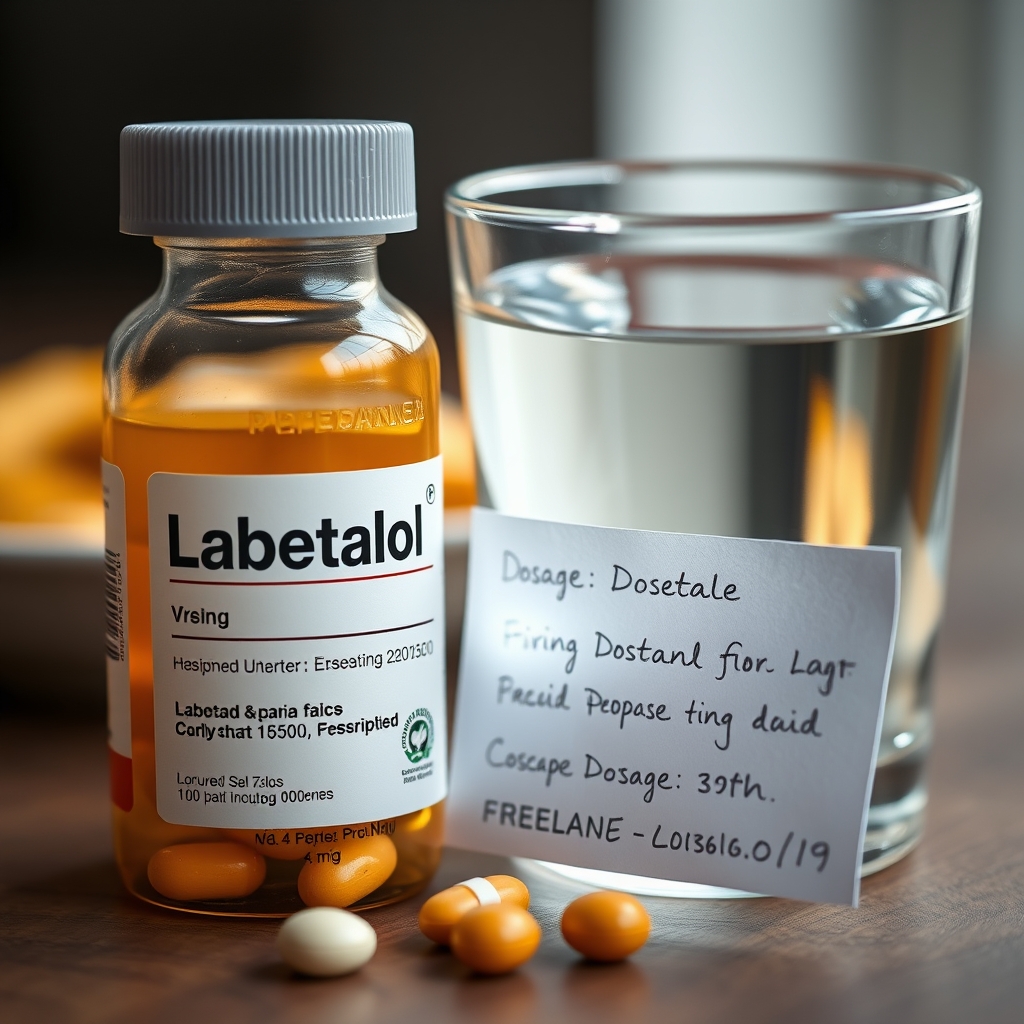
Most antihypertensives used in pregnancy are either labetalol, nifedipine (extended‑release), or methyldopa. The choice depends on your trimester, side‑effect profile, and any comorbidities. Your doctor will choose the safest and most effective option for you. Below are core principles for titrating these agents safely.
Start low, go slow
This principle minimizes the risk of overshooting the target and causing hypoperfusion. Your body needs time to adjust to medication changes.
Initial dose: Begin with the lowest effective dose (e.g., labetalol 50 mg twice daily). This allows your doctor to assess your sensitivity to the medication.
Increment size: Increase by 25‑50 % of the current dose, not more than once every 48‑72 hours. This slow approach helps prevent sudden drops in blood pressure.
Maximum dose: Follow the ceiling recommended by ACOG (e.g., labetalol ≤300 mg three times daily). Exceeding these limits increases the risk of side effects without necessarily providing greater benefit.
Timing of doses
Split dosing (morning, midday, evening) smooths plasma peaks, reducing the chance of a sudden low after the last dose. This helps maintain a more consistent blood pressure throughout the day. If you’re on a once‑daily formulation, consider shifting to a twice‑daily schedule during titration if your provider recommends it, as this can offer better control.
Combining agents
If one drug does not achieve target BP, clinicians may add a second agent rather than double the dose of the first. For example, labetalol plus a low‑dose nifedipine can provide synergistic vasodilation while keeping each individual dose within safe limits. This combination strategy often allows for better blood pressure control with fewer side effects than maximizing a single drug.
Monitoring after each change
Record home readings for at least 48 hours after any dose adjustment. Look for:
Average systolic between 110‑140 mmHg.
Diastolic between 70‑90 mmHg.
No readings consistently below 100/60 mmHg.
No new symptoms of dizziness, visual changes, or reduced fetal movement.
If any of those flags appear, pause the titration and discuss with your provider. In many cases, a modest reduction (e.g., 25 mg less labetalol) restores the balance. Never adjust your medication without consulting your healthcare team.
Small, incremental changes keep blood pressure steady without overshooting.
Lifestyle and diet strategies to support BP management
While medication is often essential for managing hypertension in pregnancy, lifestyle and dietary adjustments can play a significant supportive role. These strategies won't replace your prescribed medication but can help your body respond better to treatment and promote overall well-being for you and your baby.
Dietary considerations
Reduce sodium intake: Aim for less than 2,300 mg of sodium per day (about one teaspoon of salt). This means limiting processed foods, canned goods, and salty snacks.
Increase potassium-rich foods: Foods like bananas, spinach, sweet potatoes, and avocados can help balance sodium levels and support healthy blood pressure.
Eat a balanced diet: Focus on whole grains, lean proteins, plenty of fruits and vegetables, and healthy fats. The DASH (Dietary Approaches to Stop Hypertension) diet, adapted for pregnancy needs, can be a helpful guide.
Stay hydrated: As mentioned, adequate fluid intake is crucial. Water, herbal teas, and fruit-infused water are great choices.
Exercise and stress reduction
Regular, moderate exercise: Unless advised otherwise by your doctor, aim for at least 30 minutes of moderate-intensity exercise most days of the week. Walking, swimming, or prenatal yoga are excellent options. Exercise helps improve cardiovascular health and can contribute to lower blood pressure.
Manage stress: Stress can temporarily raise blood pressure. Incorporate relaxation techniques into your daily routine, such as deep breathing exercises, meditation, gentle stretching, or spending time in nature. Quality sleep is also vital for stress management.
Always discuss any significant dietary changes or new exercise routines with your healthcare provider, especially if you have an underlying health condition or are on medication. They can help you create a safe and effective plan tailored to your specific needs during pregnancy.
A balanced diet rich in fruits, vegetables, and whole grains supports healthy blood pressure.
Postpartum blood pressure management
The journey with blood pressure management doesn't necessarily end with delivery. The postpartum period is a critical time, as blood pressure can fluctuate significantly, and complications like postpartum pre-eclampsia can arise, even in women who didn't have hypertension during pregnancy. Continued vigilance is key for your ongoing health.
Continued monitoring
Even if your blood pressure was well-controlled during pregnancy, or if you developed gestational hypertension, your doctor will likely recommend continued home blood pressure monitoring for at least 6-8 weeks postpartum. This is because the risk of hypertension and pre-eclampsia often peaks in the first few days to weeks after delivery. Be sure to attend all follow-up appointments, as your provider will monitor your blood pressure and adjust any medications as needed.
Medication adjustments
If you were on antihypertensive medication during pregnancy, your doctor will re-evaluate your dose and type of medication after delivery. Many women can reduce or stop their medication postpartum, but this must be done under medical supervision. Factors such as breastfeeding, other health conditions, and your long-term cardiovascular risk will be considered. Never stop your medication suddenly without consulting your doctor.
Warning signs postpartum
Be aware of symptoms of postpartum pre-eclampsia, which can mimic those during pregnancy: severe headache, visual changes, upper abdominal pain, nausea, vomiting, and sudden swelling (edema). If you experience any of these, seek immediate medical attention. The American Heart Association (AHA) emphasizes that postpartum pre-eclampsia is a serious condition that requires prompt diagnosis and treatment.
Managing blood pressure postpartum is an important step in protecting your long-term cardiovascular health. It's an opportunity to establish healthy habits that will benefit you for years to come.
Red flags: when to contact your provider
Even with careful titration, unexpected changes can happen. Keep this checklist handy and call your obstetrician, midwife, or go to the nearest emergency department if you experience any of the following:
Two consecutive home readings < 100/60 mmHg, especially with symptoms like dizziness or feeling faint. This could indicate significant maternal hypoperfusion.
Sudden onset of severe headache that doesn't improve with over-the-counter pain relievers, visual disturbances (like blurred vision, flashing lights, or spots), or upper‑abdominal pain (especially under the ribs on the right side). These are classic symptoms of worsening pre-eclampsia.
Persistent dizziness that does not improve with lying down or hydrating.
Noticeable decrease in fetal movement for more than two hours (after 28 weeks). Always trust your instincts on fetal movement.
Rapid heart rate (>120 bpm) combined with low blood pressure, which could signal a serious cardiovascular issue.
Any blood pressure reading of 160/110 mmHg or higher, even if you feel fine. This is considered a hypertensive emergency in pregnancy and requires immediate medical attention to prevent complications like stroke.
These signs may indicate maternal hypoperfusion, worsening pre‑eclampsia, or another obstetric emergency. Prompt evaluation—including blood tests, urine protein assessment, and fetal monitoring—helps protect both you and your baby. When in doubt, always err on the side of caution and contact your care team.
From our medical team: “Blood‑pressure titration in pregnancy is a dance, not a sprint. Small, measured steps, frequent monitoring, and clear communication with your care team keep the rhythm smooth. If you ever feel unsure, pause and call—better safe than sorry.”
Myth: “If my BP is low, the baby will definitely be harmed.”
Fact: A brief, mild dip in maternal blood pressure is usually well tolerated; sustained low pressures (<100/60 mmHg) can affect placental flow, so monitoring and symptom awareness are essential. Your body has mechanisms to protect your baby during minor fluctuations.
Myth: “I should aim for the lowest possible BP to protect my baby.”
Fact: Over‑lowering blood pressure can cause maternal hypoperfusion and fetal growth restriction. The goal is a balanced range (110‑140/70‑90 mmHg) that avoids both hypertension complications and hypotension risks. Lower isn't always better.
Myth: “Home cuffs are unreliable, so I only need clinic readings.”
Fact: Validated home devices, when used correctly, provide accurate trends and help catch problems early. Combine home data with periodic clinic checks for the best picture, as home readings can often be more representative of your true BP.
Myth: “I can stop my blood pressure medication once my readings look normal.”
Fact: Never stop or adjust your medication without consulting your doctor. Your blood pressure may appear normal precisely because the medication is working. Stopping abruptly can lead to a dangerous rebound in blood pressure.
Key takeaways
Target BP in pregnancy: 110‑140 mmHg systolic, 70‑90 mmHg diastolic; stay above 100/60 mmHg to prevent hypoperfusion.
Monitor twice daily during medication titration, recording each reading with time and any associated symptoms.
Watch for dizziness, pale skin, blurred vision, or reduced fetal movements as signs of maternal hypoperfusion.
Adjust medication slowly—25‑50 % increments every 48‑72 hours, and keep doses split throughout the day for steady control.
Use a validated cuff that fits correctly; log results in a notebook or app for your provider.
Incorporate lifestyle changes like a low-sodium diet, adequate hydration, and moderate exercise to support BP management.
Continue monitoring blood pressure postpartum, as risks for hypertension and pre-eclampsia can persist or arise after delivery.
Contact your provider immediately if two consecutive readings fall below 100/60 mmHg with symptoms, or if readings are 160/110 mmHg or higher.
Frequently asked questions
What is the target blood pressure for pre‑eclampsia?
The target is ≤140 mmHg systolic and ≤90 mmHg diastolic; most clinicians aim for a range of 110‑140/70‑90 mmHg to keep the pressure low enough to prevent complications while avoiding hypoperfusion. Close monitoring for symptoms of worsening pre-eclampsia is also vital.
How often should blood pressure be monitored during medication titration in pregnancy?
During the first 48 hours after a dose change, take three readings per day; from days 3‑7, take two readings daily; after one week, one daily reading is sufficient unless you develop symptoms or your provider advises otherwise.
What are the symptoms of low blood pressure in pregnant women?
Common signs include dizziness or light‑headedness on standing, pale or cool skin, blurred vision, fatigue, and a sudden drop in fetal movements. If you notice any of these, sit down, hydrate, and call your provider, as it may indicate maternal hypoperfusion.
Can blood pressure medication affect the baby's blood flow?
Appropriately dosed antihypertensives do not cross the placenta in harmful amounts; however, excessive lowering of maternal pressure can reduce uteroplacental perfusion, which is why careful titration and monitoring are critical to ensure a balance between maternal safety and fetal well-being.
How do I know if my blood pressure is dropping too fast?
If you see a drop of more than 15 mmHg systolic or 10 mmHg diastolic within a few hours, especially accompanied by symptoms like dizziness, lightheadedness, or sudden fatigue, you should pause the dose change and contact your provider immediately for guidance.
What is considered a dangerous low blood pressure during pregnancy?
Readings consistently below 100/60 mmHg, especially with symptoms such as dizziness, weakness, or a decrease in fetal movement, are considered potentially unsafe and warrant immediate medical evaluation to ensure adequate blood flow to both you and your baby.
How long will I need to take blood pressure medication postpartum?
The duration varies. Many women can reduce or stop medication within 6-12 weeks postpartum, but some may need to continue it long-term, especially if they had chronic hypertension. Your doctor will assess your individual needs at your postpartum check-ups and make recommendations.
What foods should I avoid or eat more of for blood pressure?
Aim to reduce high-sodium processed foods and increase potassium-rich foods like fruits, vegetables, and whole grains. Focus on a balanced diet similar to the DASH diet, but always discuss specific dietary changes with your healthcare provider.
When to call your doctor
Seek urgent care if you experience any of the following: two consecutive BP readings < 100/60 mmHg with dizziness or visual changes; a single reading of 160/110 mmHg or higher; severe headache, abdominal pain, or sudden swelling; marked decrease in fetal movement; or any rapid change in heart rate or breathing. This article is for informational purposes only and does not replace personalized medical advice. Always discuss your individual situation with your healthcare provider.
References
American College of Obstetricians and Gynecologists. “Gestational Hypertension and Preeclampsia.” ACOG Practice Bulletin No. 202, 2019.
National Institute for Health and Care Excellence. “Hypertension in Pregnancy: Diagnosis and Management.” NICE Guideline NG133, 2022.
World Health Organization. “Maternal Mortality and Hypertensive Disorders of Pregnancy.” WHO Publication, 2021.
Mayo Clinic. “Blood pressure targets during pregnancy.” Mayo Clinic Proceedings, 2020.
U.S. Food and Drug Administration. “Pregnancy and Lactation Labeling Rule (PLLR).” FDA Guidance, 2020.
Royal College of Obstetricians and Gynaecologists. “Hypertensive disorders of pregnancy.” RCOG Green-top Guideline 73, 2021.
American Heart Association. “Understanding Blood Pressure Readings.” AHA Patient Education, 2022.
Centers for Disease Control and Prevention. “High Blood Pressure During Pregnancy.” CDC, 2023.
American Heart Association. “Postpartum Preeclampsia.” AHA Patient Education, 2023.
Not sure about the label on Bp Titration Monitoring Target Reduction Avoiding Hypoperfusion products?
Snap the ingredients list and SafeFilter checks every ingredient for your stage — only 3 free scans this month, then you're locked until reset. Unlimited from $7/mo or lock $50/yr through Aug 31 (5 days left).
When Shubhra Mishra was expecting her first child in 2016, she was overwhelmed by conflicting food advice — one site said yes, another said never. By the time her second baby arrived in 2019, she realized millions of mothers face the same confusion.
That sparked a five-year journey through clinical nutrition papers, cultural diets, and expert conversations — all leading to BumpBites: a calm, compassionate space where science meets everyday motherhood.
Her long-term vision is to build a global community ensuring safe, supported, and free deliveriesfor every mother — because no woman should face pregnancy alone or uninformed. 🌿
🌍 Stand with mothers, shape safer guidance
Join a small circle of experts who review BumpBites articles so expecting parents everywhere can decide with confidence.