The BPP Pregnancy Biophysical Profile Test measures fetal well‑being using ultrasound and heart‑rate monitoring; learn how it works and what results mean.
By Shubhra Mishra — a mom of two who turned her own confusion during pregnancy into BumpBites, a global mission to make food choices clear, safe, and stress-free for every expecting mother. 💛
Check whether any food is safe during pregnancy with the BumpBites Food Safety Checker.
Quick take: A biophysical profile (BPP) is a safe, ultrasound‑based test that checks your baby’s well‑being by looking at breathing movements, heart rate, muscle tone, amniotic fluid amount, and sometimes a non‑stress test. Most women score 8‑10 points, which means the pregnancy is progressing normally. Abnormal scores may prompt closer monitoring, but the test itself carries minimal risk.
It’s 2 a.m., you’ve just felt a flutter and wonder, “Is this something I should be worried about?” You’re not alone—many expecting parents search for reassurance after a surprise fetal movement or a doctor’s recommendation for extra testing. The biophysical profile (BPP) is one of the most common ways providers evaluate your baby’s health, especially if you’re considered high‑risk. In this guide we’ll explain what a BPP is, how it’s done, what the numbers mean, when it’s needed, and how it compares to other prenatal checks.
We’ll walk through each step, from preparation to interpretation, and give you practical tips for talking with your care team. By the end you’ll know whether a BPP is right for you, what to expect on the day of the test, and what the results could mean for your pregnancy plan.
What is a biophysical profile test in pregnancy?
A biophysical profile test is a non‑invasive ultrasound assessment that evaluates five key indicators of fetal well‑being. The test combines standard ultrasound imaging with a non‑stress test (NST) to produce a composite score ranging from 0 to 10. Each of the five components—breathing movements, body movements, fetal tone, amniotic fluid volume, and the NST—receives a score of 0 or 2, depending on whether the finding meets a predefined “normal” threshold.
The purpose of the BPP is to give clinicians a snapshot of how the baby is coping inside the womb, especially when there are concerns about oxygen delivery, growth restriction, or placental function. A high score (8‑10) suggests the baby is thriving, while a low score (≤ 6) may indicate a need for closer surveillance or intervention.
Why it matters: The BPP helps identify fetal distress early, allowing timely actions such as medication adjustments, early delivery, or additional testing. It’s most often ordered for pregnancies with hypertension, diabetes, reduced fetal movement, or abnormal growth patterns.
Biophysical profile test at 28 weeks pregnant
At 28 weeks, the test focuses on confirming that the baby’s lungs are beginning to practice breathing movements and that amniotic fluid levels are adequate. While a full BPP is less common this early, some providers use it to rule out early placental insufficiency in high‑risk cases.
Biophysical profile test at 32 weeks pregnant
By 32 weeks, the BPP becomes a standard tool for monitoring high‑risk pregnancies. The baby’s movements and tone are more pronounced, making the scoring easier and more reliable. A score of 8 or higher at this stage is reassuring, whereas a lower score may trigger a repeat test within 24‑48 hours.
How is a biophysical profile test performed?
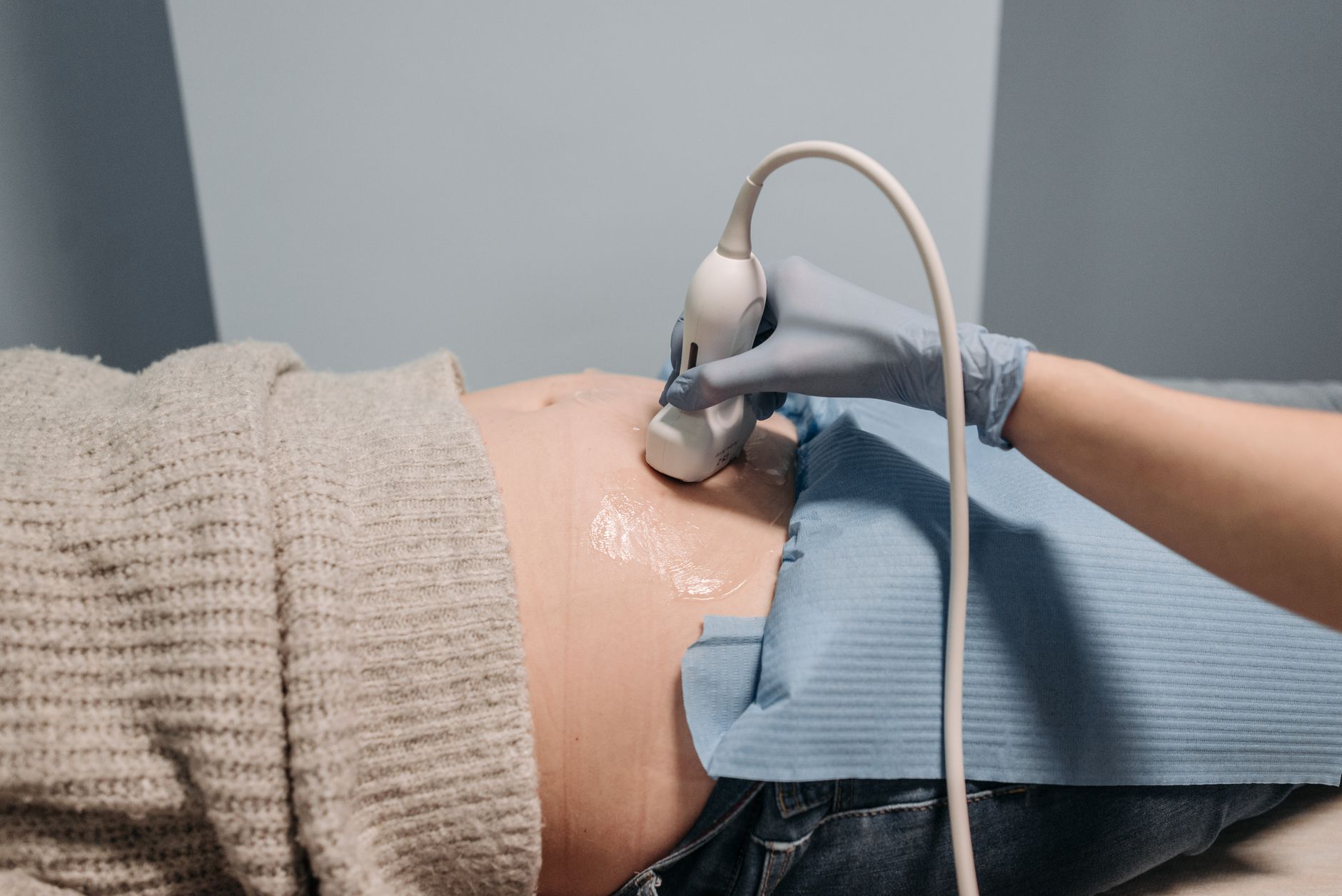
The BPP is performed in a hospital or outpatient ultrasound suite. You’ll lie on a comfortable exam table, and a technician will apply a water‑based gel to your abdomen. The ultrasound probe sends high‑frequency sound waves that create real‑time images of your baby.
First, the technician assesses the four ultrasound components:
Breathing movements: The baby’s chest should rise and fall at least once every 30 seconds.
Body movements: At least three distinct movements (e.g., arm kicks, leg bends) within a 30‑minute window.
Fetal tone: Flexion and extension of the limbs, indicating muscle strength.
Amniotic fluid volume: Measured as the deepest vertical pocket; adequate fluid is usually > 2 cm.
While the ultrasound is ongoing, a fetal heart‑rate monitor is attached to a small belt around your abdomen. This monitor records the baby’s heart rate for 20‑40 minutes to generate the non‑stress test portion. If the NST shows at least two accelerations of the heart rate during the monitoring period, it earns a score of 2.
The entire procedure typically lasts 30‑45 minutes, though the actual scanning time may be shorter if the baby is active. You can usually eat and drink normally before the test; however, some clinics ask you to have a light snack and stay hydrated to encourage fetal movement.
Biophysical profile test cost
In the United States, the cost varies widely—from $200 to $600 without insurance, depending on the facility and region. In the United Kingdom, the NHS provides the test free of charge for eligible patients, while private clinics may charge £150‑£300. Always verify coverage with your insurer beforehand.
Biophysical profile test near me
Most hospitals with obstetric units offer BPPs. A quick online search for “biophysical profile test near me” will list nearby facilities, and many provider websites let you schedule the appointment directly. If you’re traveling, ask your OB‑GYN for a list of recommended imaging centers.
What does a biophysical profile test measure?
The BPP measures five distinct aspects of fetal health:
Component
What it reflects
Normal criteria
Breathing movements
Lung development and oxygen exchange
≥ 1 movement/30 seconds
Body movements
Neuromuscular activity
≥ 3 movements/30 minutes
Fetal tone
Muscle tone and central nervous system
Flexion/extension observed
Amniotic fluid volume
Placental function and fluid balance
Deepest pocket > 2 cm
Non‑stress test (NST)
Cardiac response to movement
≥ 2 accelerations in 20‑40 min
Each component receives a 0 (absent/abnormal) or 2 (present/normal) score. The total score guides clinicians in deciding whether the pregnancy is progressing well or needs closer monitoring.
Biophysical profile test and fetal movement
Fetal movement is a key part of the BPP. If you notice a sudden decrease in kicks, your provider may order a BPP to objectively assess whether the baby’s activity level aligns with healthy development. The test quantifies movement, removing the guesswork from “is my baby moving enough?”
Biophysical profile test results interpretation
A score of 8 or 10 is considered reassuring. It means at least four of the five components are normal, indicating adequate oxygenation and overall well‑being. A score of 6 (often called “borderline”) suggests that one component is abnormal; clinicians usually repeat the BPP within 24‑48 hours to see if the score improves.
Scores of 4 or lower are concerning. They signal that two or more components are abnormal, which may point to fetal distress, placental insufficiency, or other complications. In such cases, the care team may:
Order additional testing (e.g., Doppler ultrasound, biochemistry labs).
Consider hospitalization for continuous monitoring.
Discuss early delivery options if the pregnancy is far enough along.
It’s important to remember that a low score does not guarantee a problem; it simply flags the need for further evaluation. Many women with borderline scores go on to have normal outcomes after a repeat, reassuring BPP.
Biophysical profile test abnormal results
When a BPP comes back abnormal, the first step is usually a repeat test to confirm the finding. If the repeat remains low, a detailed assessment—including a detailed growth scan and possible delivery planning—will follow. It’s natural to feel anxious, but remember that an abnormal score is a signal to act, not a diagnosis of inevitable harm.
Is a biophysical profile test necessary during pregnancy?
Not every pregnancy requires a BPP. It’s most commonly ordered when there are risk factors that could affect fetal oxygenation or growth. Typical indications include:
Maternal hypertension or pre‑eclampsia.
Gestational or pre‑existing diabetes.
Suspected intrauterine growth restriction (IUGR).
Decreased fetal movement reported by the mother.
Post‑term pregnancies (beyond 40 weeks) where placental function may decline.
If you have a low‑risk pregnancy and no concerning symptoms, your provider may rely on routine ultrasounds and NSTs instead of a full BPP. Always discuss the reasoning behind ordering a BPP with your obstetrician; they can explain how the test fits into your overall care plan.
What are the risks and benefits of a biophysical profile test?
The BPP is generally safe. The ultrasound uses low‑intensity sound waves that have not been shown to cause harm to the fetus. The NST involves a simple external monitor similar to a baby‑monitor device. However, there are a few considerations:
Discomfort: The abdominal belt for the NST may feel snug, especially if you’re already uncomfortable from pregnancy aches.
False positives: A low score can sometimes occur because the baby is sleeping, not because of true distress. This is why repeat testing is common.
Limited scope: The BPP does not assess all possible complications (e.g., genetic anomalies).
The benefits usually outweigh these minor drawbacks. By providing a comprehensive view of fetal health, the BPP can:
Detect early signs of oxygen deprivation.
Guide timely interventions, such as medication changes or early delivery.
Offer reassurance when the score is normal, reducing maternal anxiety.
Biophysical profile test during high‑risk pregnancy
In high‑risk pregnancies—such as those complicated by pre‑eclampsia, multiple gestation, or severe maternal illness—the BPP is a cornerstone tool. It helps clinicians balance the risks of early delivery against the risk of fetal compromise, allowing a more personalized approach.
Biophysical profile test vs non‑stress test: what’s the difference?
Both the BPP and the NST assess fetal well‑being, but they do so in different ways. The NST alone records the baby’s heart‑rate response to spontaneous movements. It’s quicker (usually 20 minutes) and focuses solely on cardiac acceleration patterns.
The BPP adds three ultrasound components—breathing, movement, and tone—plus an assessment of amniotic fluid volume. Because it combines structural and functional data, the BPP provides a broader picture. However, it takes longer and may be more expensive.
Below is a concise comparison:
Feature
Biophysical Profile (BPP)
Non‑Stress Test (NST)
Components
Ultrasound (4) + NST (1)
Only NST
Duration
30‑45 minutes
20‑40 minutes
Score
0‑10 points
Pass/fail based on accelerations
Best for
High‑risk pregnancies, decreased fetal movement
Routine monitoring, quick assessment
Cost
Higher (US $200‑$600)
Lower (US $100‑$300)
If your provider suspects a specific issue—like low amniotic fluid—they may favor a BPP. For routine surveillance without concerning signs, an NST may be sufficient.
How often is a biophysical profile test done during pregnancy?
The frequency of BPP testing depends on the underlying risk factors. Typical schedules include:
Once or twice in the third trimester for women with chronic hypertension or diabetes.
Weekly if there’s ongoing concern about growth restriction or abnormal NSTs.
Every 48‑72 hours in cases of severe pre‑eclampsia where rapid changes can occur.
Most clinicians aim to keep the number of BPPs as low as necessary, balancing the need for information with the desire to avoid excessive testing. Your care team will tailor the schedule to your specific situation and discuss any changes as your pregnancy progresses.
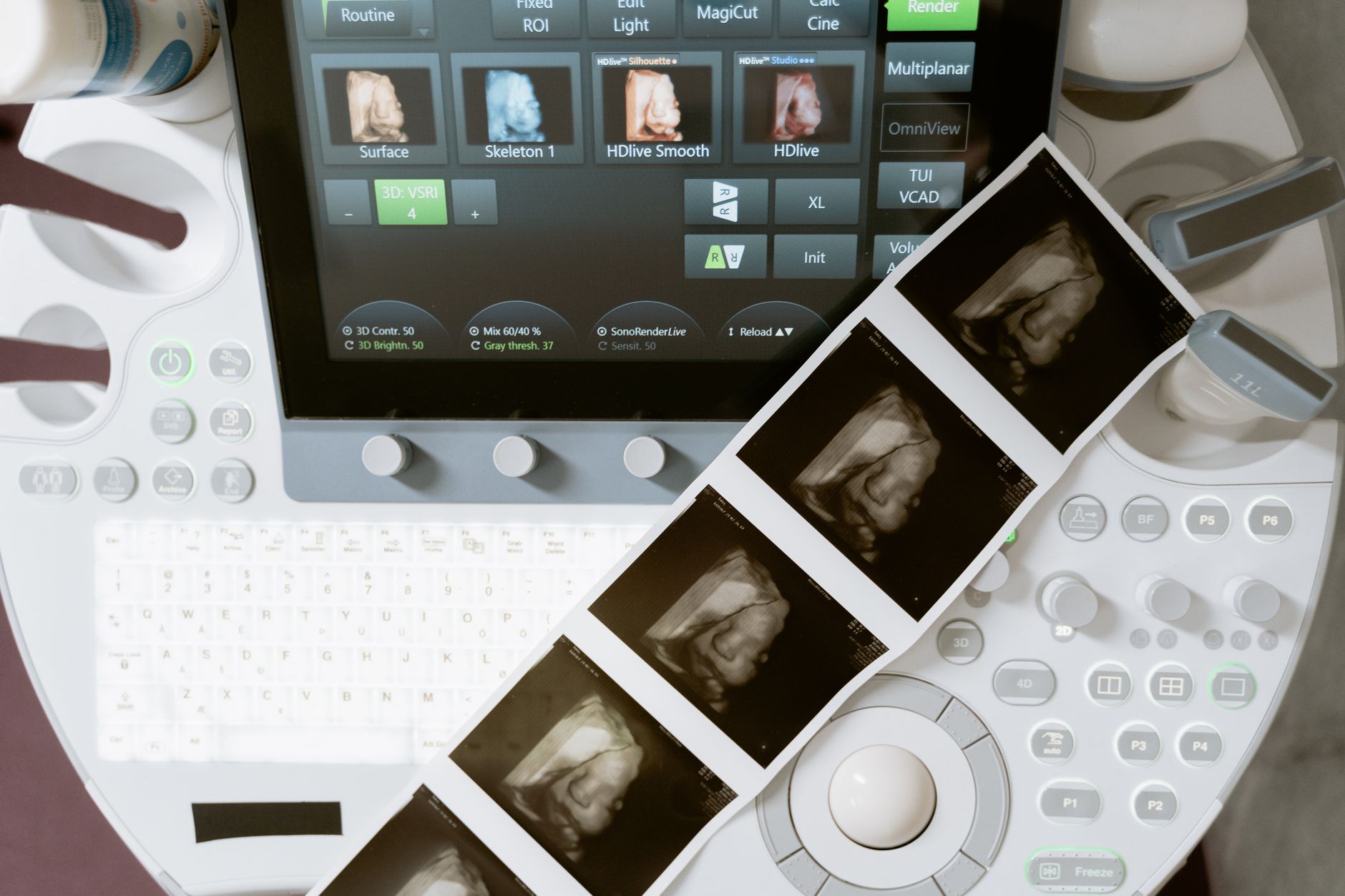
During a biophysical profile, a sonographer captures both movement and fluid data on a single screen.
From our medical team: The biophysical profile is a valuable, low‑risk tool that adds context to routine fetal monitoring. If you’re asked to have a BPP, it’s usually because your provider wants the most complete picture possible. The test itself is painless, and most women find the experience reassuring once they understand what each component means. Always feel free to ask your clinician how the results will guide your next steps.
Myth vs fact
Myth: A low BPP score means the baby will definitely be harmed.
Fact: A low score signals a need for closer observation, not an inevitable outcome. Repeat testing and additional evaluation often resolve the concern.
Myth: The BPP is the same as a standard ultrasound.
Fact: While both use ultrasound, the BPP adds functional assessments (movement, breathing, tone) and a heart‑rate monitor, providing more comprehensive data than a routine anatomy scan.
Myth: You can’t eat before a BPP.
Fact: Light meals are usually fine. A full stomach may make the ultrasound harder, so many clinics suggest a light snack and staying hydrated.
Preparing for a biophysical profile: tips to maximize your score
While the BPP is designed to reflect your baby’s natural condition, a few simple steps can help ensure the test captures the best possible picture. First, stay well‑hydrated on the day of the exam; adequate amniotic fluid makes the ultrasound clearer. Drinking a glass of water 30 minutes before you arrive is often enough.
Second, consider a light, protein‑rich snack (e.g., a banana with a spoonful of peanut butter) about an hour before the appointment. A small amount of food can stimulate fetal activity without causing discomfort. Finally, try to relax. Stress hormones can affect uterine blood flow, so deep‑breathing or a brief meditation before you start can help both you and your baby feel calm.
Hydration and a light snack can promote fetal activity, helping the BPP capture accurate movement data.
Biophysical profile for twins and higher‑order multiples
When you’re carrying twins, the BPP is performed for each fetus individually. The technician will assess breathing, movement, tone, and fluid volume for each baby, and each will receive its own NST score. Because twins share a placenta (in many cases) and may have different growth trajectories, separate scores are crucial for identifying which baby might need more intensive monitoring.
Guidelines from the Society for Maternal‑Fetal Medicine (SMFM) suggest that twins with any concerning signs—such as discordant growth or abnormal NSTs—receive a BPP at least once per week after 28 weeks. The test can be slightly longer, as the sonographer must alternate between the two babies, but the safety profile remains the same.
Biophysical profile after 37 weeks: why it matters
After 37 weeks, the placenta begins to age, and the risk of decreased oxygen transfer can rise, especially in high‑risk pregnancies. A BPP at this stage can confirm that the baby is still receiving adequate oxygen and that amniotic fluid remains sufficient. Many obstetricians use a BPP as part of the decision‑making process for timing delivery, especially when other indicators (like Doppler studies) show borderline results.
Research cited by the American College of Obstetricians and Gynecologists (ACOG) indicates that a normal BPP score after 37 weeks is associated with a lower likelihood of emergency cesarean delivery. Conversely, a low score may prompt induction of labor or a planned cesarean to prevent complications.
Understanding the amniotic fluid index (AFI) in a BPP
The amniotic fluid component of the BPP is often reported as a single deepest vertical pocket (> 2 cm) rather than a full AFI measurement. However, many clinicians also calculate the AFI—a sum of the deepest pockets in each of the four uterine quadrants—to get a broader picture of fluid volume.
When the AFI falls below 5 cm, it’s classified as oligohydramnios, which can be a sign of placental insufficiency. In a BPP, low fluid scores are weighted heavily because they directly affect the fetus’s ability to move and breathe. If the AFI is low, the care team may increase monitoring frequency or consider early delivery, especially if other BPP components are also abnormal.
Measuring the deepest fluid pocket helps determine the amniotic fluid component of the BPP.
Key takeaways
The biophysical profile combines four ultrasound observations with a non‑stress test to give a 0‑10 score of fetal well‑being.
A reassuring score (8‑10) means the baby is likely thriving; a low score prompts repeat testing or closer monitoring.
The test is safe, painless, and typically lasts 30‑45 minutes; you can usually eat normally beforehand.
It’s most useful for high‑risk pregnancies, decreased fetal movement, or when other tests raise concerns.
Costs vary, but many insurance plans cover the test; check with your provider for exact pricing.
Ask your clinician about the test schedule, what each component means, and how results will affect your birth plan.
Frequently asked questions
What is a normal biophysical profile score?
A normal BPP score is 8 or 10 points, indicating that at least four of the five components are within the expected range. Scores of 6 are borderline and usually lead to a repeat test, while scores ≤ 4 are considered abnormal and require further evaluation.
Can a biophysical profile test detect fetal distress?
Yes, the BPP can identify signs of fetal distress, such as reduced breathing movements or low amniotic fluid, which often correlate with inadequate oxygen delivery. However, it’s one piece of the puzzle and may be followed by additional tests if concerns persist.
How long does a biophysical profile test take?
The entire BPP appointment typically lasts 30‑45 minutes, including set‑up, the ultrasound components, and the non‑stress test monitoring period. The actual scanning time is often shorter, especially if the baby is active.
Is a biophysical profile test painful?
No. The ultrasound probe and the NST belt are non‑invasive and cause no pain. Some women feel mild pressure from the belt or minor discomfort from lying still for an extended period, but most describe the experience as painless.
Can I eat before a biophysical profile test?
Generally, you can have a light snack and stay hydrated. A heavy meal may make the abdomen feel full and could affect the ultrasound image quality, so many clinics recommend a light meal and plenty of water.
What happens if my biophysical profile test results are abnormal?
If the score is low, your provider will likely repeat the test within 24‑48 hours. Persistent abnormal results may lead to additional imaging, hospital admission for continuous monitoring, or discussion of early delivery options if the pregnancy is sufficiently advanced.
Do twins require separate biophysical profiles?
Yes. Each fetus in a multiple pregnancy receives its own BPP score, because breathing, movement, tone, and fluid volume can differ between babies. The NST component is also recorded separately for each baby.
How does a low amniotic fluid score affect my care plan?
A low fluid score (deepest pocket < 2 cm) can signal oligohydramnios, which may increase the risk of fetal distress. Your provider might increase monitoring frequency, perform a detailed Doppler study, or consider early delivery if other BPP components are also abnormal.
When to call your doctor
If you notice any of the following, contact your obstetrician or midwife right away: a sudden decrease in fetal movements, persistent abdominal pain, bleeding, fever, or a BPP score of 6 or lower that does not improve on repeat testing. This article is for informational purposes only and does not replace personalized medical advice.
References
American College of Obstetricians and Gynecologists (ACOG). “Non‑Stress Test and Biophysical Profile.” Practice Bulletin No. 225, 2022.
National Institute for Health and Care Excellence (NICE). “Fetal Monitoring in Pregnancy.” NG247, 2021.
Society for Maternal‑Fetal Medicine (SMFM). “Guidelines for the Use of Biophysical Profile in High‑Risk Pregnancy.” 2023.
U.S. Food and Drug Administration (FDA). “Ultrasound Safety in Pregnancy.” Updated 2022.
Centers for Disease Control and Prevention (CDC). “Pregnancy and Birth: Monitoring Guidelines.” 2023.
Royal College of Obstetricians and Gynaecologists (RCOG). “Fetal Surveillance.” Green‑top Guideline No. 57, 2022.
Mayo Clinic. “Biophysical Profile (BPP) Test.” Patient Education, 2023.
World Health Organization (WHO). “Recommendations on Antenatal Care for a Positive Pregnancy Experience.” 2022.
National Health Service (NHS). “Biophysical Profile (BPP) Test for Pregnancy.” Updated 2023.
Society for Maternal‑Fetal Medicine (SMFM). “Twin Pregnancy Monitoring: Role of BPP.” 2022.
Not sure about the label on Bpp Pregnancy Biophysical Profile Test Explained products?
Snap the ingredients list and SafeFilter checks every ingredient for your stage — only 3 free scans this month, then you're locked until reset. Unlimited from $7/mo or lock $50/yr through Aug 31 (5 days left).
When Shubhra Mishra was expecting her first child in 2016, she was overwhelmed by conflicting food advice — one site said yes, another said never. By the time her second baby arrived in 2019, she realized millions of mothers face the same confusion.
That sparked a five-year journey through clinical nutrition papers, cultural diets, and expert conversations — all leading to BumpBites: a calm, compassionate space where science meets everyday motherhood.
Her long-term vision is to build a global community ensuring safe, supported, and free deliveriesfor every mother — because no woman should face pregnancy alone or uninformed. 🌿
🌍 Stand with mothers, shape safer guidance
Join a small circle of experts who review BumpBites articles so expecting parents everywhere can decide with confidence.