Yes, you can have light bleeding that mimics a period early in pregnancy, but it isn’t a true menstrual cycle. Learn why it happens and when to see a doctor.
By Shubhra Mishra — a mom of two who turned her own confusion during pregnancy into BumpBites, a global mission to make food choices clear, safe, and stress-free for every expecting mother. 💛
Check whether any food is safe during pregnancy with the BumpBites Food Safety Checker.
Quick take: You cannot have a true menstrual period while you’re pregnant, but spotting or light bleeding can happen for many reasons that are usually harmless. If the bleeding is heavy, painful, or accompanied by other warning signs, call your provider right away.
It’s 2 a.m., you’re curled up with a warm cup of tea, and a trickle of pink‑red fluid on your pajama leg makes you jump. Your mind races: “Is this my period? Am I pregnant?” You’re not alone—millions of expecting parents wonder if a period‑like bleed means a problem.
Below, we break down what “bleeding” really means at each stage of pregnancy, how it differs from a menstrual period, and what signs merit a quick call to your doctor. We’ll cover the most common causes, the role of hormones, the impact of birth‑control pills and medications, and bust a few myths that float around online.
By the end of this guide you’ll know whether that pink‑red spot is likely harmless, when it could signal something more serious, and exactly what questions to ask at your next prenatal visit.
Can you bleed during early pregnancy and still be pregnant?
Yes—light bleeding or spotting can occur in the first weeks after conception and still be compatible with a healthy pregnancy. Early pregnancy bleeding happens in roughly 20‑30 % of pregnancies, according to the American College of Obstetricians and Gynecologists (ACOG). The most common culprits are implantation bleeding, cervical irritation, or a small subchorionic hemorrhage (a tiny bleed between the placenta and uterine wall).
Implantation bleeding occurs when the fertilized egg burrows into the uterine lining, usually 6‑12 days after ovulation. The blood is often pink or brown, lasts a few hours to a couple of days, and is much lighter than a period. A subchorionic hemorrhage may cause spotting that lasts longer, but most are small and resolve without harming the baby.
It’s also possible to experience bleeding from a newly formed cervical polyp or from vigorous intercourse. These sources are unrelated to the menstrual cycle, which is suppressed by the rise in progesterone and estrogen once pregnancy is established. The key is the amount and accompanying symptoms: if bleeding is heavy (soaking a pad in less than an hour), crampy, or you feel dizzy, seek care promptly.
Even though spotting can be unsettling, most clinicians agree that the uterus is designed to accommodate a small amount of blood without jeopardizing the developing embryo. Your provider will likely reassure you after a quick ultrasound and may suggest monitoring hCG levels to confirm that the pregnancy is progressing as expected.
Most subchorionic hemorrhages identified on early ultrasound are tiny—often less than 2 cm—and resolve on their own. Studies cited by ACOG show that these small bleeds rarely increase the risk of miscarriage, but they do warrant a follow‑up scan to make sure the bleeding isn’t expanding.
Early pregnancy spotting often looks like a faint pink‑brown stain, not a full flow.
Is spotting in the first trimester a sign of miscarriage?
Spotting alone does not inevitably mean miscarriage, but it can be a warning sign when paired with other symptoms. Miscarriage rates are about 10‑20 % of known pregnancies, and about half of those women notice some bleeding. The ACOG notes that heavy bleeding, clots, or tissue passage, especially with cramping, raises the risk of loss.
When spotting is light, isolated, and without pain, many pregnancies continue without issue. A study published by the National Institute for Health and Care Excellence (NICE) found that 85 % of women who experienced first‑trimester spotting delivered healthy babies. Still, any bleeding warrants a conversation with your provider, who may order an ultrasound to confirm that the embryo is growing normally and the placenta is attached properly.
It’s also worth noting that hormonal fluctuations, especially a sudden dip in progesterone, can cause spotting that mimics early miscarriage symptoms. In such cases, a blood test for hCG (human chorionic gonadotropin) levels can help determine whether the pregnancy is progressing as expected.
For many patients, reassurance comes from serial hCG measurements taken 48 hours apart. A steady rise (roughly doubling) is a reassuring sign, whereas a plateau or decline may prompt closer observation or early intervention.
Emotionally, spotting can be distressing. Clinics often schedule a follow‑up appointment within a week of any first‑trimester bleed, giving you a chance to discuss concerns and receive a repeat ultrasound if needed. Knowing that the majority of early bleeds end in healthy deliveries can ease anxiety while you await results.
What causes period‑like bleeding in the second trimester?
Bleeding after the first 12 weeks is less common—about 5 % of pregnancies experience it—but it can still happen. The most frequent reasons include cervical changes (growth of the cervix makes it more sensitive to contact), placenta previa (where the placenta partially covers the cervical opening), or a low‑lying placenta that begins to detach slightly.
Placenta previa often presents as painless, bright‑red bleeding that may start suddenly. Because the placenta is covering the cervix, any bleeding can signal a risk for preterm delivery, so doctors typically monitor these pregnancies closely with serial ultrasounds. A subchorionic hemorrhage that persists into the second trimester can also cause intermittent spotting.
Infections such as bacterial vaginosis or sexually transmitted infections (STIs) can irritate the cervix and cause bleeding. Hormonal shifts, especially a sudden drop in estrogen if you stop using hormonal birth control, may also trigger a “false period” feel. If you notice any bleeding after 20 weeks, it’s essential to contact your provider right away to rule out serious complications.
Because the uterus is expanding rapidly at this stage, even a minor cervical abrasion from a Pap smear or a pelvic exam can cause a brief episode of pink‑tinged discharge. Most providers will ask about recent exams to help differentiate benign irritation from more concerning placental issues.
Another often‑overlooked cause is a cervical polyp—small, benign growths that can bleed when touched. They are easily removed in the office, and removal typically stops the spotting. Your clinician may recommend a speculum exam to check for polyps if bleeding is recurrent.
Second‑trimester bleeding often stems from cervical changes or placental issues, not a menstrual period.
Can hormonal changes or birth control cause a false period while pregnant?
Pregnancy hormones—especially progesterone and estrogen—are dramatically higher than during a typical menstrual cycle. This hormonal surge suppresses the normal shedding of the uterine lining, which is why a true period cannot occur while you’re pregnant. However, fluctuations in these hormones can sometimes mimic period‑like symptoms.
If you were taking combined oral contraceptives (COCs) before you discovered you were pregnant, the sudden discontinuation of synthetic hormones can lead to a withdrawal bleed that feels like a period. This “false period” is usually light, brief, and may be brown rather than bright red. The same can happen with hormonal patches or vaginal rings that you stop using after learning of your pregnancy.
Stress, diet changes, and irregular sleep can also cause minor hormone swings, but they rarely produce enough bleeding to be confused with a menstrual flow. The key differences are the volume (usually much lighter) and the timing (often occurring soon after you stop the birth control).
In the United Kingdom, the NHS advises that any bleeding after stopping hormonal contraception should be reported, especially if you are already pregnant, because it may indicate cervical irritation that needs gentle examination.
Some clinicians may prescribe a low‑dose estrogen patch for a few days to stabilize the lining if bleeding persists, but this is only done under close supervision because excess estrogen can affect placental development. Always discuss any hormone‑related bleeding with your provider before starting any medication.
How to differentiate period blood from implantation bleeding?
Implantation bleeding is typically much lighter than a period and often appears as a few specks of pink or brown fluid rather than a steady stream. It usually occurs 6‑12 days after conception—often before you even realize you’re pregnant—and lasts less than 48 hours. In contrast, a menstrual period involves the shedding of the entire endometrial lining, resulting in a heavier flow that lasts several days.
Here’s a quick visual guide:
Feature
Implantation bleeding
True period
Timing
6‑12 days after ovulation
Usually 28‑day cycle, 14‑day luteal phase
Color
Pink to brown, often spotty
Bright red, uniform flow
Amount
Few drops to a teaspoon
One to several pads per day
Duration
Hours to 2 days
3‑7 days
Associated symptoms
Often none; may feel mild cramp
Full‑body cramps, bloating, breast tenderness
If you notice brown or pink spotting and suspect implantation, a home pregnancy test can confirm whether conception has occurred. If the test is positive and the bleeding is light, most providers consider it benign. However, any bleeding that escalates in volume or is accompanied by pain should be evaluated.
Many clinicians recommend keeping a brief bleeding diary—date, amount, color, and any accompanying sensations—to share at your next appointment. This simple record can help differentiate a harmless implantation event from a sign that warrants further testing.
Can certain medications, stress, or other factors trigger bleeding during pregnancy?
Medication‑related bleeding is most often linked to non‑steroidal anti‑inflammatory drugs (NSAIDs) like ibuprofen. The FDA advises that ibuprofen be avoided after 20 weeks because it may affect fetal blood flow and increase the risk of miscarriage if used early. If you experience bleeding while taking ibuprofen, stop the medication and discuss alternatives with your provider. Acetaminophen is generally considered safer for pain relief during pregnancy.
Other drugs, such as anticoagulants (e.g., heparin) or certain antibiotics, can increase bleeding risk. If you’re on prescription medication, always verify its safety with your obstetrician. Even over‑the‑counter supplements like high‑dose vitamin E have been associated with bleeding in some case reports.
Stress doesn’t directly cause uterine bleeding, but chronic high cortisol can influence hormone balance, potentially leading to spotting. Additionally, stress can amplify the perception of normal vaginal discharge, making it seem more alarming. Maintaining good sleep hygiene, gentle exercise, and relaxation techniques can help keep hormone levels stable.
Nutrition also plays a subtle role. Very low‑iron diets can make the vaginal lining more fragile, while excessive citrus or spicy foods have been anecdotally linked to irritation, though evidence is limited. A balanced diet rich in leafy greens, lean protein, and whole grains supports overall vascular health, which may help keep bleeding episodes minimal.
When pain is the main driver of medication use, non‑pharmacologic options such as warm compresses, prenatal yoga, or a gentle massage can relieve discomfort without increasing bleeding risk.
When does bleeding signal a serious problem such as ectopic pregnancy or miscarriage?
While most early bleeding is benign, certain patterns raise red flags. An ectopic pregnancy—where the embryo implants outside the uterus, most commonly in a fallopian tube—often presents with sharp abdominal pain on one side, faint spotting, and sometimes shoulder pain due to internal bleeding. If untreated, an ectopic pregnancy can be life‑threatening, so any pain with bleeding in early pregnancy warrants immediate evaluation.
Heavy bleeding (soaking a pad in under an hour), clots larger than a quarter, or passing tissue should also trigger a call to your provider. These signs may indicate a miscarriage or a placental complication. In the second trimester, painless bright‑red bleeding could suggest placenta previa, while painful bleeding might point to a placental abruption—a medical emergency.
Other warning signs include fever, foul‑smelling discharge, or severe cramping. In these cases, a quick ultrasound and blood tests for hCG levels help determine the cause and the safest course of action for you and your baby.
Even when bleeding is light, the NHS recommends that any new vaginal bleeding after 20 weeks be evaluated promptly, because the placenta’s location may have shifted as the uterus expands. Early detection of placenta previa, for example, can allow for a planned delivery strategy that minimizes risk.
Transvaginal ultrasound is the gold‑standard tool for locating an ectopic pregnancy or assessing placental position. When combined with serial hCG measurements, clinicians can often differentiate between a viable intrauterine pregnancy and a potentially dangerous extra‑uterine implantation.
From our medical team: Light spotting is common and often harmless, but you are the best judge of your own body. If you notice any change in bleeding pattern, intensity, or accompanying pain, give your provider a call. Early evaluation can catch rare complications before they become serious, and peace of mind is priceless.
Myth vs. fact
Myth: You can have a regular period while you’re pregnant.
Fact: Pregnancy suppresses the menstrual cycle; any bleeding you see is not a true period but rather spotting, implantation bleeding, or a symptom of another condition.
Myth: All bleeding in the first trimester means you’ll miscarry.
Fact: Up to 80 % of first‑trimester spotting resolves without affecting the pregnancy, though heavy or painful bleeding should be evaluated.
Myth: Birth‑control pills protect you from any bleeding during pregnancy.
Fact: Hormonal birth‑control can cause a withdrawal bleed when stopped, but it does not prevent spotting that may arise from cervical irritation or other pregnancy‑related changes.
Can you have bleeding in the third trimester?
Bleeding after 28 weeks is uncommon but not unheard of. The most frequent causes are placenta previa, placental abruption, and cervical dilation in preparation for labor. Placenta previa usually presents as painless, bright‑red bleeding that can start suddenly, while placental abruption often brings intense abdominal pain, uterine firmness, and rapid blood loss.
Because the baby’s head is descending, the cervix may begin to efface (thin) and dilate, leading to a small amount of pink or brown discharge that can be mistaken for a “period.” This type of bleeding, called “show,” is generally harmless if it’s light and not accompanied by pain. However, any third‑trimester bleeding should be reported immediately, as it can herald preterm labor or a need for early delivery.
In the United Kingdom, RCOG advises that any vaginal bleeding after 20 weeks warrants an urgent ultrasound to locate the placenta and assess fetal well‑being. Prompt assessment can guide decisions about hospital admission, steroids for lung maturity, or timing of delivery.
Even a tiny “show” can be reassuring, signalling that the cervix is preparing for birth. Still, keep an eye on the volume and any new cramping; those are the signals that merit a call.
How to track and report bleeding during pregnancy
Keeping a simple bleeding log can make conversations with your provider much smoother. Note the date, time of day, color (bright red, pink, brown), amount (a few drops, a pad, a tampon), and any associated symptoms such as cramping, dizziness, or fever. Many women find a small notebook or a notes app on their phone works best.
When you call your provider, be ready to describe the bleeding using the chart above. This helps the clinician decide whether a quick office visit, an urgent ultrasound, or just reassurance is needed. Remember, you don’t have to wait for a bleeding episode to bring up any related worries—your prenatal appointments are the perfect time to discuss any past episodes so they can be placed in context.
Some clinics provide a “bleeding diary” worksheet that you can fill out at home. If you’re unsure how to use it, ask the front desk staff for a copy. Sharing this information not only eases your anxiety but also gives the care team a clearer picture of how your pregnancy is progressing.
Tracking the amount, color, and timing of any spotting helps your provider decide the next steps.
Is it safe to have sex if I experience spotting during pregnancy?
For most women, gentle intercourse is safe even when light spotting occurs. The cervix is protected by a mucus plug, and the baby is well‑shielded by the amniotic sac, so typical spotting does not increase the risk of miscarriage. However, if bleeding is heavy, painful, or you have been diagnosed with placenta previa, your provider may advise abstaining until the cause is clarified.
Using a water‑based lubricant and avoiding deep penetration can reduce cervical irritation that sometimes sparks a fresh spot of blood. If you notice that bleeding consistently follows intercourse, bring it up at your next visit; the clinician may recommend a pelvic ultrasound to ensure the placenta is not low‑lying before you resume sexual activity.
Can diet and lifestyle choices affect spotting in pregnancy?
While no single food will “cure” spotting, a well‑balanced diet supports healthy blood vessels and can minimize irritation. Adequate iron intake—through leafy greens, lean meat, or prenatal supplements—helps keep the uterine lining robust. The NHS notes that dehydration can make vaginal tissues more prone to cracking, so aim for at least eight glasses of water a day.
Moderate caffeine consumption (up to 200 mg per day, roughly one 12‑oz cup of coffee) is considered safe by ACOG and does not increase the risk of spotting. Regular, low‑impact exercise such as prenatal yoga or walking improves circulation and may reduce the frequency of minor bleeds. If you notice a pattern linking certain foods or intense workouts to spotting, discuss it with your provider; sometimes a simple adjustment can make a big difference.
Key takeaways
True menstrual periods cannot occur while you’re pregnant; any bleeding is either spotting or a sign of a separate issue.
Light pink or brown spotting in early pregnancy is often harmless, but heavy bleeding, clots, or pain require prompt medical attention.
Common causes differ by trimester: implantation, cervical changes, subchorionic hemorrhage early; placenta previa, infection, or cervical irritation later.
Stopping hormonal birth‑control can cause a brief, period‑like bleed, but it’s usually lighter and shorter than a normal cycle.
Ibuprofen and other NSAIDs should be avoided after 20 weeks; use acetaminophen for pain unless your provider advises otherwise.
Third‑trimester bleeding, even if light, should be evaluated to rule out placenta previa or preterm labor.
Keeping a simple bleeding log and sharing it with your provider streamlines care and reduces anxiety.
Gentle sex is usually safe with spotting, but heavy or unexplained bleeding warrants a provider’s clearance.
Balanced nutrition, adequate hydration, and moderate caffeine are supportive, while extreme exercise may increase irritation.
Call your provider if you experience heavy bleeding, severe cramps, fever, foul‑smelling discharge, or any signs of ectopic pregnancy.
Frequently asked questions
Can you have a period while pregnant?
No. Pregnancy halts the menstrual cycle, so any bleeding you see is not a true period but rather spotting, implantation bleeding, or a symptom of another condition.
What does bleeding in the first trimester mean?
Most first‑trimester bleeding is light spotting that is harmless, but heavy bleeding, clots, or pain can indicate miscarriage, ectopic pregnancy, or other complications and should be evaluated.
Is spotting during pregnancy normal?
Yes, light spotting is common in up to 30 % of pregnancies, especially early on, and often resolves without affecting the baby.
Can a period cause a miscarriage?
A true period cannot occur during pregnancy, but sudden, heavy bleeding that resembles a period may be a sign of miscarriage and needs medical assessment.
Can pregnancy hormones cause a false period?
Hormonal fluctuations, especially after stopping birth‑control, can produce a brief, light bleed that feels like a period, but it is not a true menstrual flow.
When should you call a doctor for bleeding during pregnancy?
Call immediately if bleeding is heavy (soaking a pad in under an hour), accompanied by severe cramping, clots, fever, foul discharge, or if you suspect an ectopic pregnancy.
Is it safe to take prenatal vitamins if I’m experiencing spotting?
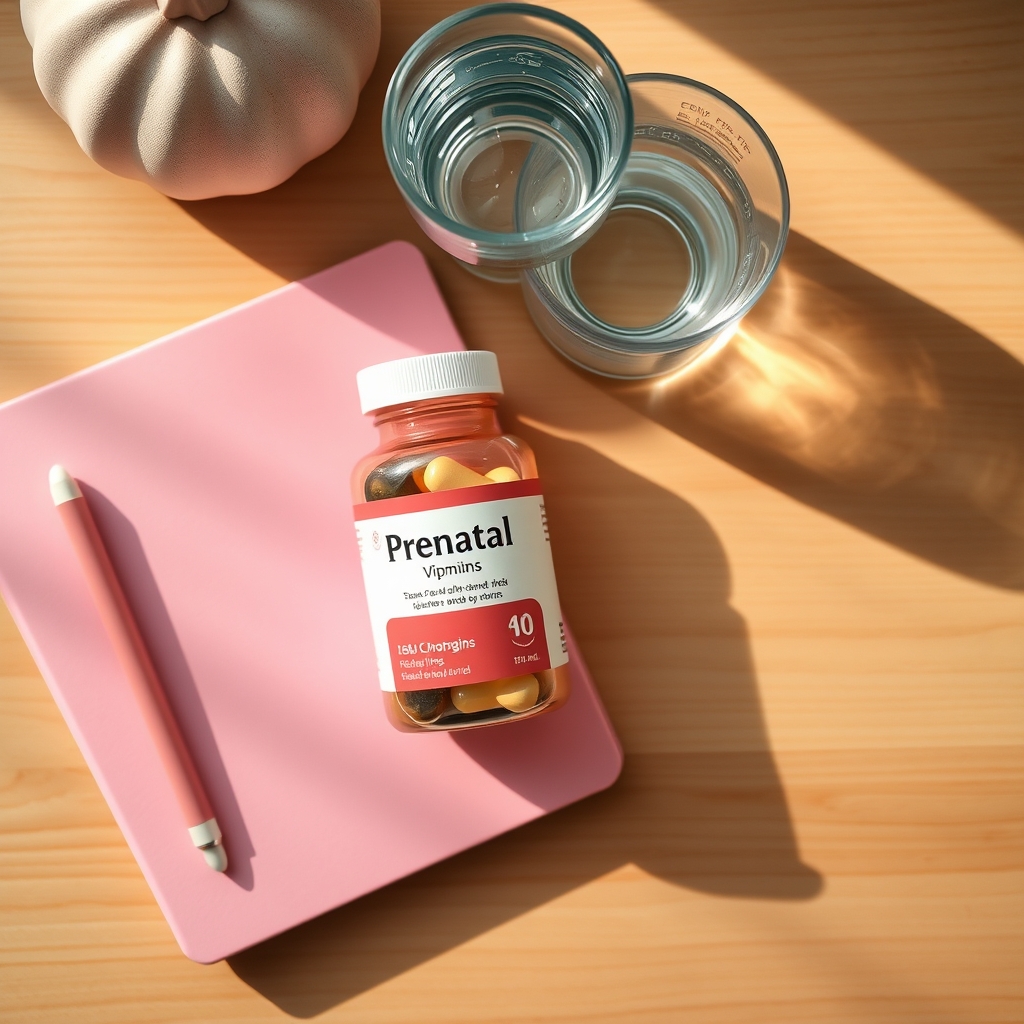
Yes. Prenatal vitamins, especially those containing folic acid and iron, are recommended throughout pregnancy and do not increase spotting. If you notice a rash or unusual discharge after starting a new supplement, let your provider know.
Can I exercise if I have light spotting?
Most light spotting does not restrict moderate activity. Gentle walks, prenatal yoga, or swimming are usually fine, but avoid high‑impact sports until you confirm with your provider that the bleeding is not a sign of a more serious condition.
Can I use tampons when I have spotting?
For light spotting, many providers allow the use of tampons, but it’s safest to opt for pads until the cause is identified. If you have a high‑risk pregnancy (e.g., placenta previa), your doctor may recommend avoiding tampons altogether.
Does exercise cause bleeding?
Moderate, low‑impact exercise rarely triggers bleeding. However, vigorous activities that increase abdominal pressure—like heavy lifting or high‑impact aerobics—can irritate the cervix and lead to spotting, especially in the second trimester.
When to call your doctor
If you experience any of the following, contact your provider right away: heavy or rapid bleeding, large clots, persistent pain, fever, foul‑smelling discharge, sudden shoulder pain, or signs of ectopic pregnancy (sharp side pain, dizziness). This information is for educational purposes only and does not replace personalized medical advice.
References
American College of Obstetricians and Gynecologists (ACOG). “Bleeding in Early Pregnancy.” ACOG Committee Opinion, 2022.
National Institute for Health and Care Excellence (NICE). “Early Pregnancy: Diagnosis and Management.” Clinical guideline NG73, 2021.
World Health Organization (WHO). “Maternal Health: Guidelines on Antenatal Care.” WHO, 2020.
U.S. Food and Drug Administration (FDA). “Pregnancy and Lactation Labeling Final Rule.” FDA, 2021.
Centers for Disease Control and Prevention (CDC). “Pregnancy and Birth Control: Risks and Recommendations.” CDC, 2022.
Royal College of Obstetricians and Gynaecologists (RCOG). “Placenta Previa and Placental Abruption.” Green‑top Guideline No. 27, 2021.
Mayo Clinic. “Implantation Bleeding.” Mayo Clinic, 2023.
National Health Service (NHS). “Bleeding in Pregnancy.” NHS, 2022.
American Pregnancy Association. “Spotting in Pregnancy: Causes and When to Seek Help.” APA, 2023.
American Academy of Pediatrics (AAP). “Pain Management in Pregnancy.” AAP Clinical Report, 2021.
Not sure about the label on Can You Have A Period During Your Pregnancy Facts products?
Snap the ingredients list and SafeFilter checks every ingredient for your stage — only 3 free scans this month, then you're locked until reset. Unlimited from $7/mo or lock $50/yr through Aug 31 (5 days left).
When Shubhra Mishra was expecting her first child in 2016, she was overwhelmed by conflicting food advice — one site said yes, another said never. By the time her second baby arrived in 2019, she realized millions of mothers face the same confusion.
That sparked a five-year journey through clinical nutrition papers, cultural diets, and expert conversations — all leading to BumpBites: a calm, compassionate space where science meets everyday motherhood.
Her long-term vision is to build a global community ensuring safe, supported, and free deliveriesfor every mother — because no woman should face pregnancy alone or uninformed. 🌿
🌍 Stand with mothers, shape safer guidance
Join a small circle of experts who review BumpBites articles so expecting parents everywhere can decide with confidence.