When pregnancy nausea strikes, bland foods like crackers, toast, and plain pasta can offer relief. Discover a list of safe and soothing bland foods for nausea during pregnancy to help manage morning sickness and keep you nourished.
By Shubhra Mishra — a mom of two who turned her own confusion during pregnancy into BumpBites, a global mission to make food choices clear, safe, and stress-free for every expecting mother. 💛
Check whether any food is safe during pregnancy with the BumpBites Food Safety Checker.
Quick take: Dealing with pregnancy nausea can be incredibly challenging, but bland foods are often your best allies. Focus on small, frequent meals of low-odor, easy-to-digest options like crackers, toast, and plain rice. Staying hydrated and listening to your body's signals are key to managing symptoms and ensuring you get the nutrients you need.
It’s 3 PM, and that familiar wave of queasiness hits you again, making the thought of anything beyond a plain cracker feel impossible. Or maybe it’s 6 AM, and the smell of your partner’s coffee is enough to send you running for the bathroom. Pregnancy nausea, often called "morning sickness" (though it can strike any time of day or night), is a common and often debilitating symptom for many expecting parents. It can make eating a struggle, leaving you wondering what on earth is safe – and appealing – to put in your body.
You're not alone. Up to 80% of pregnant people experience some form of nausea and vomiting, especially in the first trimester. The good news? While it feels awful, it’s usually a sign of a healthy, progressing pregnancy. And the even better news? There are strategies to help you cope, starting with embracing bland foods.
This article will guide you through understanding why bland foods help, which ones to choose, what to avoid, and practical tips for managing nausea so you can nourish yourself and your baby through this challenging phase. We’ll also cover when it’s time to reach out to your doctor for extra support.
What are the best bland foods to ease pregnancy nausea?
When nausea strikes, your stomach becomes a very picky eater. The best bland foods for pregnancy nausea are typically low in fat, easy to digest, have minimal odor, and aren't overly spicy, acidic, or sweet. Think of foods that are gentle on your digestive system and unlikely to trigger further queasiness.
Here’s a list of go-to options many expecting parents find helpful:
Dry, starchy carbohydrates:
Crackers: Saltines, plain water crackers, or even dry toast are classic choices. Their mild flavor and crunchy texture can help absorb stomach acid.
Pretzels: Plain, unsalted pretzels can offer a similar benefit to crackers.
Dry cereal: Unsweetened or lightly sweetened cereals like Cheerios or corn flakes can be easy to stomach.
Plain toast: White or wheat toast, dry or with a tiny smear of butter if tolerated, is a staple.
Fruits and vegetables:
Bananas: Easy to digest, provide potassium, and have a very mild flavor.
Applesauce: Smooth, slightly sweet, and provides some fiber.
Melons: Watermelon and cantaloupe are hydrating and generally well-tolerated due to their high water content and mild taste.
Baked potatoes: Plain, skinless baked potatoes offer energy and are easy on the stomach.
Steamed or boiled vegetables: Carrots, green beans, or sweet potatoes, cooked until very soft and unseasoned.
Lean proteins:
Plain chicken or turkey breast: Boiled, baked, or grilled with minimal seasoning. Protein can help stabilize blood sugar.
Fish: Plain white fish like cod or tilapia, baked or steamed.
Eggs: Hard-boiled or scrambled without much oil.
Tofu: Plain, soft tofu can be a good source of protein if prepared simply.
Dairy and alternatives (if tolerated):
Plain yogurt: Small amounts of plain, unflavored yogurt can be soothing for some, especially if it's cold.
Cottage cheese: Mild and a good source of protein.
Milk: Some find cold milk comforting, while others find it worsens nausea. Listen to your body.
Clear liquids:
Water: Essential for hydration. Small, frequent sips are better than large gulps.
Clear broths: Vegetable or chicken broth (low sodium) can provide electrolytes and some nutrients.
Ginger tea: Known for its anti-nausea properties. Make it yourself with fresh ginger or use ginger tea bags.
Electrolyte drinks: Pedialyte or similar oral rehydration solutions can be vital if you're struggling to keep fluids down.
Decaffeinated herbal teas: Peppermint or chamomile can be soothing for some.
Remember, what works for one person might not work for another. It’s a process of trial and error to discover your personal bland food heroes.
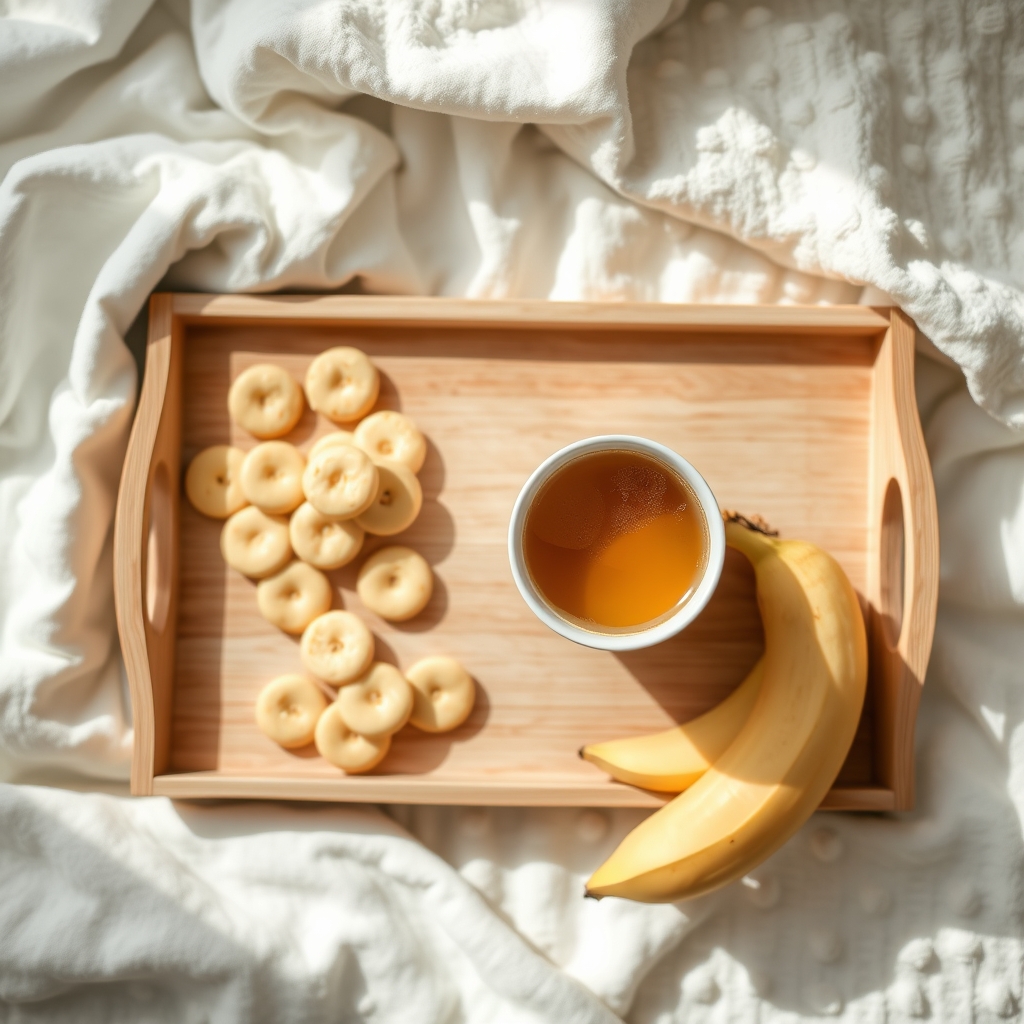
Keep bland snacks like crackers and bananas within reach, especially for those unexpected waves of nausea.
Why do bland foods often help soothe pregnancy nausea?
The science behind why bland foods offer relief during pregnancy nausea is multi-faceted and rooted in how your body processes food and reacts to sensory input. During pregnancy, hormonal changes – particularly the surge in human chorionic gonadotropin (hCG) and estrogen – can heighten your sense of smell and make your digestive system more sensitive.
Here’s a breakdown of why bland foods are often your best bet:
Low Odor: One of the most common triggers for pregnancy nausea is strong smells. Bland foods, by definition, have very little aroma. This means they are less likely to activate your heightened olfactory senses and trigger a gag reflex or feelings of queasiness before you even take a bite.
Easy to Digest: Your digestive system can slow down during pregnancy, making it harder to process rich, fatty, or complex foods. Bland foods are typically low in fat and fiber (in their refined forms, like white toast or crackers), which means they require less effort from your stomach and intestines to break down. This reduces the likelihood of indigestion, bloating, or a feeling of heaviness that can exacerbate nausea.
Less Irritating: Spicy, acidic, or highly seasoned foods can irritate the sensitive lining of your stomach and esophagus, which may already be inflamed by frequent vomiting or acid reflux. Bland foods are gentle and non-irritating, helping to calm your digestive tract rather than agitating it.
Stabilize Blood Sugar: Many bland foods, especially carbohydrates like toast, crackers, and rice, provide a quick and steady source of glucose. Keeping your blood sugar stable can be crucial, as low blood sugar (hypoglycemia) can sometimes trigger or worsen nausea for some people. Eating small, frequent portions of these foods can prevent drops in blood sugar.
Reduce Stomach Acidity: Dry, starchy bland foods like crackers can absorb excess stomach acid, which might be contributing to your nausea, especially on an empty stomach. This is why many people find relief from nibbling on a few crackers first thing in the morning.
Psychological Comfort: There’s also a psychological component. Bland foods are often associated with comfort and recovery from illness. This familiarity can offer a sense of security and reduce anxiety around eating, which can indirectly help manage nausea.
By understanding these mechanisms, you can strategically choose foods that work with your body, rather than against it, during this challenging time.
What are some easy, bland meal ideas for pregnancy nausea?
When you're battling nausea, cooking elaborate meals is probably the last thing on your mind. The key is simplicity, minimal prep, and focusing on ingredients you can tolerate. Here are some easy, bland meal ideas that require little effort:
Breakfast:
Dry Toast and Banana: A classic for a reason. Toast provides carbs, and a banana is gentle and offers potassium.
Plain Oatmeal: Cooked with water or a small amount of plain milk. Avoid adding too much sugar or strong flavors.
Dry Cereal with Milk (if tolerated): A small bowl of plain corn flakes or Cheerios.
Hard-Boiled Egg: A good source of protein, easy to prepare ahead of time, and minimal odor.
Lunch:
Plain Baked Potato: Microwave or oven-baked, eaten plain or with a tiny bit of salt.
Rice with Plain Chicken/Tofu: White rice (easy to digest) with a small portion of baked or boiled chicken breast or plain tofu.
Clear Broth with Crackers: A warm, comforting option that provides hydration and a little salt.
Plain Pasta: Cooked al dente and tossed with a tiny bit of olive oil or eaten plain.
Dinner:
Chicken and Rice Soup: Homemade with a clear broth, shredded plain chicken, and white rice.
Plain Baked Fish with Steamed Carrots: White fish like cod or tilapia, baked with just a touch of salt, served with very soft steamed carrots or green beans.
Scrambled Eggs and Toast: A simple, easy-to-digest dinner when you can't face anything else.
Sweet Potato: Baked or mashed plain.
Remember to keep portions small and eat frequently. It's often better to graze throughout the day than to try to eat three large meals.
Here's a quick comparison of common bland food types and their benefits:
Food Type
Examples
Key Benefits for Nausea
Starchy Carbs
Saltines, plain toast, white rice, plain pasta, pretzels, dry cereal
Crucial for hydration, replenishes electrolytes, can be soothing, easy to consume when solids are difficult
Mild Vegetables
Baked potato, steamed carrots, cooked green beans, sweet potato
Provides vitamins and minerals, easy to digest when soft and unseasoned, low in fat
Which foods should you avoid when you're feeling nauseous during pregnancy?
Just as some foods can help, others can actively trigger or worsen pregnancy nausea. Knowing what to steer clear of can be just as important as knowing what to eat. The general rule is to avoid anything that is hard to digest, has a strong odor, or can irritate your sensitive digestive system.
Here are the main culprits to avoid:
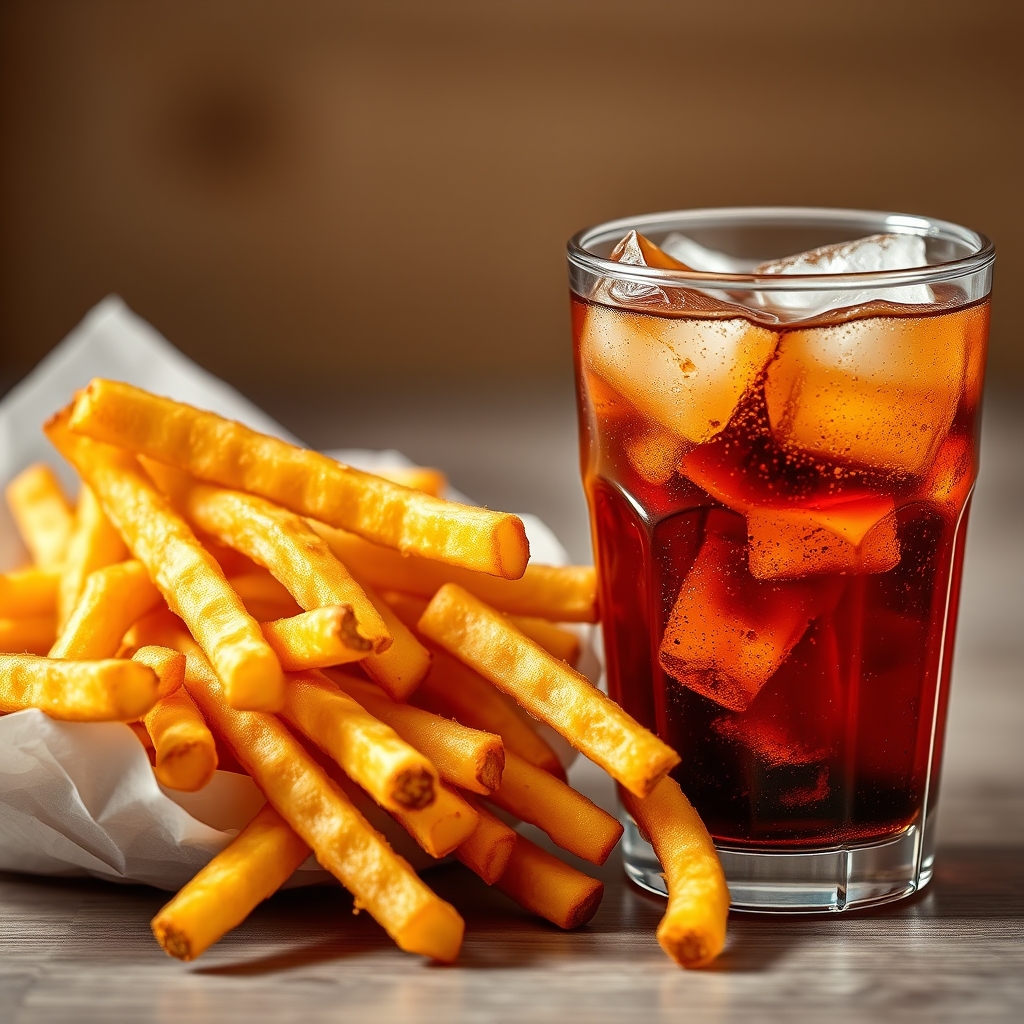
Greasy and Fried Foods: Foods high in fat take longer to digest, putting extra strain on your stomach and often leading to indigestion and increased nausea. Think fried chicken, french fries, greasy burgers, and rich desserts.
Spicy Foods: Chili, hot sauces, and heavily spiced dishes can irritate the stomach lining and cause heartburn or indigestion, all of which can exacerbate nausea. Even a little black pepper can be too much for some.
Acidic Foods: Citrus fruits (oranges, lemons, grapefruit), tomatoes, and vinegar-based dressings can increase stomach acid, potentially leading to heartburn and a sour stomach. While some people tolerate small amounts, it's often best to limit them.
Foods with Strong Odors: This is a big one. Your sense of smell is often heightened during pregnancy. Foods like strong cheeses, garlic, onions, certain meats (especially when cooking), and even some perfumes can trigger instant nausea. Opt for cold or room-temperature foods, which tend to have less aroma.
Overly Sweet Foods: While a little sweetness can be comforting, too much sugar can lead to rapid blood sugar spikes and crashes, which might worsen nausea for some. Candies, sugary sodas, and very rich desserts are often best avoided.
Caffeine: While moderate caffeine intake is generally considered safe in pregnancy (under 200 mg per day, according to ACOG and NHS), for many with nausea, coffee can be a major trigger due to its acidity and strong smell. Energy drinks are also best avoided due to high caffeine and other stimulants.
Certain Dairy Products: While some tolerate plain yogurt or milk, others find dairy products, especially full-fat ones, difficult to digest and worsening their nausea.
Processed and Artificial Foods: These often contain ingredients that are hard for your body to process and may contribute to general digestive upset. Stick to whole, simple foods.
It's important to remember that triggers can be highly individual. Pay attention to how you feel after eating certain foods and adjust your diet accordingly. If a food you usually love suddenly makes you feel ill, it's okay to put it aside for now.
Greasy, spicy, and strongly scented foods are common triggers for pregnancy nausea and are best avoided.
How can you effectively incorporate bland foods into your daily pregnancy diet?
Successfully navigating pregnancy nausea with bland foods isn't just about what you eat, but also how and when you eat. It requires a strategic approach to keep you nourished and minimize discomfort.
Here are practical tips for incorporating bland foods into your diet:
Eat Small, Frequent Meals: This is perhaps the most crucial strategy. An empty stomach can worsen nausea, but a very full one can too. Aim for 5-6 small meals or snacks throughout the day, rather than three large ones. This keeps your blood sugar stable and prevents your stomach from becoming either too empty or too full.
Don't Let Your Stomach Get Empty: Keep bland snacks (crackers, pretzels, dry cereal, a banana) by your bedside, in your bag, and at your desk. Nibble on a few crackers before you even get out of bed in the morning to preempt morning sickness.
Hydration is Key: Dehydration can exacerbate nausea. Sip on clear fluids throughout the day. Water, clear broths, diluted fruit juices (like apple or white grape, if tolerated), and ginger tea are excellent choices. Try sipping small amounts frequently, rather than large gulps, which can upset your stomach. Consider electrolyte drinks if you're struggling to keep anything down.
Listen to Your Cravings (Within Reason): Sometimes, your body will tell you what it can tolerate. If a specific bland food sounds appealing, go for it. Don't force yourself to eat something that makes you feel worse, even if it's "healthy." The goal right now is to eat *something*.
Prepare Ahead: On days you feel a little better, prepare some bland options for when nausea inevitably returns. Bake a batch of plain chicken breast, chop some melon, or portion out dry cereal into small bags. This reduces the effort needed when you're feeling unwell.
Eat Cold or Room-Temperature Foods: Hot foods tend to have stronger odors, which can trigger nausea. Opt for cold dishes like plain yogurt, cottage cheese, cold melon, or even a plain sandwich with cold, unseasoned chicken.
Focus on Nutrient Density (When Possible): While simply eating *anything* is the priority, try to include a variety of bland foods to get a range of nutrients. Combine a carb (toast) with a protein (egg) or a fruit (banana) when you can. If you're struggling to eat much at all, discuss vitamin supplements with your healthcare provider.
Avoid Triggers: Pay close attention to what makes your nausea worse (smells, specific foods, stress, fatigue) and try to minimize exposure to them.
Consider Timing: Some people find they tolerate food better at certain times of day. Experiment to see if there's a "sweet spot" for eating.
Managing pregnancy nausea is often a marathon, not a sprint. Be patient and kind to yourself, and remember that this phase is temporary.
What if bland foods aren't enough to relieve your pregnancy nausea?
While bland foods are a cornerstone of managing pregnancy nausea, they don't always provide complete relief. For some, nausea can be severe and persistent, making it difficult to function or even keep down fluids. If you find that dietary changes alone aren't making a significant difference, don't despair—and most importantly, don't suffer in silence. There are other strategies and medical interventions available.
Here are additional steps and considerations:
Natural Remedies and Supplements:
Ginger: Well-researched for its anti-nausea properties. Try ginger tea (made with fresh ginger root), ginger chews, ginger lozenges, or even ginger ale made with real ginger (check labels for sugar content).
Vitamin B6 (Pyridoxine): The American College of Obstetricians and Gynecologists (ACOG) and the National Health Service (NHS) recommend Vitamin B6 as a first-line treatment for nausea and vomiting in pregnancy. Always consult your doctor for the correct dosage and to ensure it's appropriate for you.
Acupressure: Acupressure wristbands (like Sea-Bands) apply pressure to a point on the inner wrist (P6, or Neiguan point) that some find helpful for nausea.
Peppermint: Peppermint tea or inhaling peppermint oil (diffused or on a tissue) can be soothing for some, though it can worsen heartburn for others.
Lifestyle Adjustments:
Fresh Air: Spending time outdoors or opening windows can sometimes alleviate nausea, especially if strong odors inside are a trigger.
Rest: Fatigue can worsen nausea. Prioritize rest and naps whenever possible.
Avoid Triggers: Beyond food, identify and avoid other triggers like certain perfumes, car sickness, or strong cleaning product smells.
Distraction: Sometimes, engaging in a gentle activity or conversation can help take your mind off the queasiness.
Medical Interventions:
If nausea and vomiting are severe, persistent, and impacting your ability to eat, drink, or perform daily activities, your healthcare provider may recommend:
Prescription Medications: There are safe and effective prescription medications specifically for pregnancy nausea and vomiting, including antiemetics. Your doctor will discuss the best option for your situation. Don't hesitate to ask about these if over-the-counter remedies aren't working.
Intravenous (IV) Fluids: If you become dehydrated due to severe vomiting, you may need IV fluids to replenish lost fluids and electrolytes. This is particularly important for conditions like hyperemesis gravidarum.
It's crucial to maintain open communication with your doctor or midwife. They can assess your symptoms, rule out other conditions, and guide you towards the most appropriate and safest management plan. Remember, getting help for severe nausea is not a sign of weakness; it's a vital part of caring for yourself and your baby.
Ginger, whether in tea or chews, is a well-known natural remedy that can help soothe pregnancy nausea for many.
What are the best bland snacks for all-day pregnancy sickness?
When nausea lingers throughout the day, having a supply of easily digestible, low-odor snacks is essential. The goal is to keep your stomach from getting too empty, which can often worsen nausea, without overwhelming your digestive system. These snacks should be easy to grab, quick to eat, and not require much preparation.
Here are some top bland snack choices for all-day pregnancy sickness:
Plain Crackers or Rusks: Keep a box of saltines, water crackers, or plain rusks (like zwieback toasts) by your bed, in your car, and at your desk. They're excellent for absorbing stomach acid and providing quick, gentle energy.
Pretzels: Similar to crackers, plain pretzels offer a satisfying crunch and a salty taste that can sometimes cut through nausea. Opt for unsalted or lightly salted varieties.
Dry Cereal: A handful of plain, unsweetened or lightly sweetened cereal (like Cheerios, Rice Krispies, or corn flakes) can be a surprisingly effective snack. It's quick, easy, and requires no milk if you're feeling extra sensitive.
Bananas: The ultimate bland fruit. Bananas are easy to digest, provide potassium (which can be helpful if you've been vomiting), and have a very mild flavor and scent.
Applesauce: Smooth, cool, and gently sweet, unsweetened applesauce is a comforting and easy-to-eat option. Single-serving cups are great for on-the-go.
Plain Rice Cakes: These provide a crunchy, bland base. You can eat them plain or with a tiny smear of plain cream cheese or avocado if tolerated.
Hard-Boiled Eggs: A fantastic source of protein that can help stabilize blood sugar. Prepare a batch ahead of time and keep them in the fridge for a quick, no-fuss snack.
Plain Yogurt (if tolerated): Small portions of plain, unflavored yogurt can be soothing and offer probiotics. Opt for full-fat if you need extra calories, but low-fat might be easier to digest for some.
Melon Slices: Watermelon and cantaloupe are hydrating and refreshing, with a subtle sweetness that's usually well-tolerated. Keep them chilled.
Plain Popcorn: Air-popped with just a tiny bit of salt (or none at all) can be a good source of fiber and a satisfying crunch. Avoid butter or heavy seasonings.
The key is to have these items readily available so you can reach for them the moment you feel a wave of nausea. Don't wait until you're starving or severely nauseous to eat, as this can make things worse.
Are there specific bland foods for severe pregnancy nausea or hyperemesis gravidarum?
For those experiencing severe pregnancy nausea or hyperemesis gravidarum (HG), the challenge of eating becomes incredibly difficult. HG is characterized by persistent, severe nausea and vomiting, often leading to dehydration, weight loss, and electrolyte imbalances. In these cases, even typically bland foods can be hard to keep down, and the priority shifts from general nutrition to preventing dehydration and maintaining any caloric intake possible.
When dealing with severe symptoms, the "bland" criteria become even stricter:
Focus on Liquids First: If you're vomiting frequently, maintaining hydration is paramount.
Small sips of water: Even a tablespoon every 15-20 minutes can make a difference.
Oral Rehydration Solutions (ORS): Products like Pedialyte or homemade electrolyte solutions are crucial for replacing lost salts and minerals.
Clear broths: Low-sodium chicken or vegetable broth can offer some electrolytes and a tiny bit of protein.
Diluted fruit juice: Very diluted apple or white grape juice can provide some sugar and fluid if tolerated.
Ice chips or popsicles: These can be easier to tolerate than liquid and provide some fluid.
Extremely Simple Carbohydrates: When you can manage solids, the simplest, most easily digestible carbs are often the only option.
Dry toast or crackers: Often the first foods people try.
Plain white rice: Cooked until very soft.
Plain pasta: Cooked with no sauce or oil.
Potatoes: Plain baked or boiled potatoes, mashed without butter or milk.
Very Mild Fruits:
Bananas: Still often the top choice due to their softness and mildness.
Applesauce: Smooth and easy.
Avoidance is Even More Critical: For severe nausea, absolutely steer clear of anything greasy, spicy, acidic, strong-smelling, or overly sweet. Even foods that might be tolerated by those with mild nausea can be triggers for HG.
Nutritional Considerations: It's common to struggle with adequate nutrition during severe nausea.
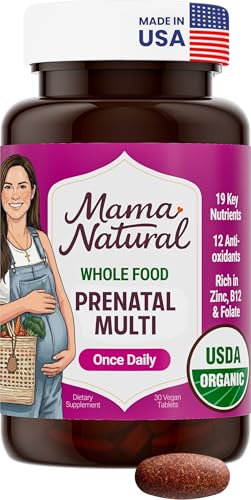
Prenatal Vitamins: Your doctor may recommend a specific type or timing for your prenatal vitamin, or even suggest temporarily pausing it if it's contributing to nausea (though this is rare and should only be done under medical guidance).
Nutrient-dense sips: If you can only manage liquids, try to make them count. For example, a very thin, plain broth has more nutrients than plain water.
Medical Intervention is Often Necessary: For hyperemesis gravidarum, dietary changes alone are usually insufficient. It's vital to work closely with your healthcare provider. They may prescribe anti-nausea medications, recommend IV fluids, or even consider a temporary feeding tube in very severe cases to ensure you and your baby receive adequate nutrition and hydration.
If you suspect you have hyperemesis gravidarum, or if your nausea and vomiting are severe enough to cause weight loss, dizziness, or inability to keep down fluids for more than 12-24 hours, seek immediate medical attention. Your health and your baby's health depend on proper management.
From our medical team: "Pregnancy nausea, from mild queasiness to severe vomiting, is a true challenge, but it's crucial to remember that it's temporary for most. My key advice is to prioritize hydration above all else and to eat *something* small every couple of hours. Don't feel guilty if all you can tolerate are crackers and plain rice for a while. Your body is doing incredible work, and sometimes simply surviving this phase with minimal discomfort is the win. But if you're unable to keep fluids down or are losing weight, please reach out. We have safe and effective treatments to help."
Myth vs. fact
There are many misconceptions about pregnancy nausea. Let's clear up a few:
Myth: "Morning sickness" only happens in the morning.
Fact: While often worse in the morning for some, pregnancy nausea can strike at any time of day or night. For many, it's an all-day, relentless feeling.
Myth: You just have to "power through" pregnancy nausea.
Fact: While it's true that it often resolves on its own, you don't have to suffer silently. There are many strategies, from dietary changes to medical interventions, that can provide relief. Seeking help is a sign of strength, not weakness.
Myth: Ginger ale is always a safe and effective remedy.
Fact: While ginger can be helpful, many commercial ginger ales contain very little real ginger and are loaded with sugar, which can sometimes worsen nausea. Opt for ginger tea made with fresh ginger or ginger chews with high ginger content instead.
Myth: If you have severe nausea, it means you're having a girl.
Fact: This is a popular old wives' tale! While some studies have shown a slight correlation between severe nausea and carrying a girl, it's by no means a reliable predictor. Many people with severe nausea have boys, and many with mild nausea have girls.
Key takeaways
Embrace bland foods: low odor, easy to digest, and gentle on your stomach are your best friends.
Eat small, frequent meals and snacks to keep your blood sugar stable and prevent an empty or overly full stomach.
Prioritize hydration by sipping water, clear broths, or electrolyte solutions throughout the day.
Avoid common triggers like greasy, spicy, acidic, and strong-smelling foods.
Don't hesitate to try natural remedies like ginger or Vitamin B6 (after consulting your doctor).
If bland foods and other remedies aren't enough, talk to your healthcare provider about safe and effective medical treatments.
Frequently asked questions
What foods help with nausea during pregnancy?
Foods that are bland, low in fat, and easy to digest are generally most helpful. This includes dry, starchy carbohydrates like crackers, toast, and plain rice, as well as mild fruits like bananas and applesauce, and lean proteins such as plain chicken or fish. Clear broths and ginger tea are also excellent for soothing the stomach.
What should I eat when I feel sick and pregnant?
When feeling sick, focus on very simple, low-odor options. Start with small portions of dry toast, saltine crackers, or a plain banana. Cold foods like chilled melon or plain yogurt can sometimes be more tolerable due to their reduced smell. Sip on water or clear broth frequently to prevent dehydration.
What foods should be avoided during pregnancy nausea?
Avoid greasy, fried, spicy, or highly acidic foods, as these can irritate your digestive system and worsen nausea. Foods with strong odors, excessive sugar, or high caffeine content (like coffee for some) are also common triggers. Listen to your body and eliminate anything that makes you feel worse.
Is the BRAT diet safe for pregnancy nausea?
The BRAT diet (Bananas, Rice, Applesauce, Toast) is generally considered safe and effective for short-term relief of pregnancy nausea, as these foods are very bland and easy to digest. However, it lacks many essential nutrients, so it should only be used temporarily. Once you feel better, gradually reintroduce a wider variety of bland, nutrient-rich foods.
What drinks are good for pregnancy nausea?
Staying hydrated is crucial. Water, clear broths (vegetable or chicken), ginger tea, and electrolyte solutions (like Pedialyte) are excellent choices. Some find diluted fruit juices (apple, white grape) or peppermint tea soothing. Avoid sugary sodas, highly acidic juices, and excessive caffeine, as these can sometimes worsen symptoms.
When does morning sickness usually peak?
Pregnancy nausea, commonly known as morning sickness, typically begins around 6 weeks of pregnancy, often peaks between weeks 9 and 10, and usually starts to subside by weeks 14 to 16. However, every pregnancy is unique, and for some, symptoms may last longer or even throughout the entire pregnancy.
When to call your doctor
While pregnancy nausea is common, there are times when it warrants immediate medical attention. Call your doctor or midwife if you experience any of the following:
Inability to keep down fluids for more than 12-24 hours.
Signs of dehydration, such as decreased urination, dark urine, dizziness, lightheadedness, or fainting.
Significant weight loss (more than 5 pounds).
Severe vomiting that occurs more than 3-4 times a day.
Vomiting blood or what looks like coffee grounds.
Nausea and vomiting that persist beyond the first trimester and are severely impacting your quality of life.
If you have any concerns or feel that your symptoms are unmanageable.
This article is for informational purposes only and does not constitute medical advice. Always consult your healthcare provider for personalized guidance regarding your pregnancy and health concerns.
Not sure about the label on Bland Foods For Nausea Pregnancy What To Eat products?
Snap the ingredients list and SafeFilter checks every ingredient for your stage — only 3 free scans this month, then you're locked until reset. Unlimited from $7/mo or lock $50/yr through Aug 31 (5 days left).
When Shubhra Mishra was expecting her first child in 2016, she was overwhelmed by conflicting food advice — one site said yes, another said never. By the time her second baby arrived in 2019, she realized millions of mothers face the same confusion.
That sparked a five-year journey through clinical nutrition papers, cultural diets, and expert conversations — all leading to BumpBites: a calm, compassionate space where science meets everyday motherhood.
Her long-term vision is to build a global community ensuring safe, supported, and free deliveriesfor every mother — because no woman should face pregnancy alone or uninformed. 🌿
🌍 Stand with mothers, shape safer guidance
Join a small circle of experts who review BumpBites articles so expecting parents everywhere can decide with confidence.