You can safely begin eating dates in pregnancy from the second trimester, around 12‑14 weeks, to boost energy and support labor. Learn the best timing and tips.
By Shubhra Mishra — a mom of two who turned her own confusion during pregnancy into BumpBites, a global mission to make food choices clear, safe, and stress-free for every expecting mother. 💛
Check whether any food is safe during pregnancy with the BumpBites Food Safety Checker.
Quick take: Dates are safe for most pregnant people and can be a nutritious snack. Starting in the second trimester, about six to eight Medjool dates a day may help shorten labor without causing harm. Talk with your provider if you have diabetes, a history of pre‑term labor, or any pregnancy complications.
It’s 2 a.m., you’re curled up on the couch, and a craving for something sweet pulls you toward the pantry. You grab a handful of dates, wonder if they’ll help you get through the final weeks, and start scrolling for answers. You’re not alone—many expecting parents wonder when to start eating dates in pregnancy, how many are beneficial, and whether they might even nudge labor along.
Bottom line: dates are a nutrient‑dense fruit that many studies suggest can support a smoother, shorter labor when eaten in the weeks before delivery. They’re also a good source of fiber, iron, and potassium, making them useful throughout pregnancy. Below we break down the science, safety tips, and practical ways to add dates to your diet, so you can decide the best timing and amount for you.
What are the benefits of eating dates during pregnancy?
Dates (Phoenix dactylifera) are more than just a sweet treat. A 100‑gram serving of Medjool dates provides roughly 277 kcal, 7 g of protein, 7 g of fiber, and a rich mix of minerals—iron (0.9 mg), potassium (696 mg), magnesium (54 mg), and copper (0.4 mg). The high fiber content helps keep constipation at bay, a common complaint in the second and third trimesters.
Beyond basic nutrition, several benefits have been highlighted in clinical research:
Labor preparation: A randomized trial by Al‑Khadri et al. (2021) found that women who ate six Medjool dates daily from 36 weeks onward had a 37 percent higher chance of spontaneous labor and a shorter first stage compared with controls.
Iron status: Dates contain non‑heme iron, which, when paired with vitamin C‑rich foods, can improve maternal hemoglobin levels—helpful for preventing anemia.
Blood pressure support: Potassium helps balance sodium, supporting healthy blood pressure, a key factor in preventing pre‑eclampsia according to the American College of Obstetricians and Gynecologists (ACOG).
Antioxidant activity: Polyphenols in dates may reduce oxidative stress, a factor linked to fetal growth restriction, as noted by the World Health Organization (WHO) nutrition guidelines.
Recent work also suggests that the natural sugars and micronutrients in dates can positively influence the maternal gut microbiome, which in turn may affect immune modulation and mood stability during pregnancy. A small pilot study (2022) observed higher levels of beneficial Bifidobacteria in women who added dates to their diet, a finding that aligns with broader research on fiber‑rich foods and mental well‑being.
These benefits are most pronounced in the later stages of pregnancy, but the nutrients are valuable throughout, especially when you’re dealing with nausea, fatigue, or a craving for quick energy. A 2023 systematic review of three randomized trials concluded that dates consistently improved labor outcomes without increasing adverse events, reinforcing their role as a low‑risk dietary adjunct.
Can eating dates induce labor?
Many expectant mothers wonder whether dates can “kick‑start” labor. The answer is nuanced: dates do not cause contractions on their own, but they may increase the likelihood of a spontaneous onset of labor when consumed in the weeks leading up to delivery.
Research from the University of Jordan (Al‑Khadri et al., 2021) compared women who ate six dates daily from 36 weeks to a control group. The date‑eating group went into labor an average of 0.5 days earlier and had a 25 percent reduction in the need for induction. A follow‑up study in 2022 (Jahan et al.) confirmed similar findings, noting a modest but statistically significant shortening of the first stage of labor.
The proposed mechanisms include:
Natural oxytocin‑like compounds: Dates contain flavonoids that may stimulate the release of oxytocin, the hormone that drives uterine contractions.
Energy boost: The high carbohydrate content provides readily available glucose, which fuels uterine muscle activity.
Improved cervical ripening: Some researchers suggest that the high sugar and antioxidant profile may aid cervical softening, though evidence is limited.
Importantly, ACOG does not currently recommend dates as a medical method for labor induction. They are a dietary supplement that may support natural processes, but they should not replace standard obstetric care. Many clinicians view dates as a low‑risk adjunct—similar to recommending a balanced diet—rather than a standalone induction technique.
Guidelines from the NHS echo this stance, noting that while dates are “nutrient‑rich,” they should not be used as a deliberate induction method. If you are considering any form of self‑care to encourage labor, discuss it with your midwife first to ensure it fits within your overall birth plan.
How many dates should I eat per day to help with labor?
Most studies have used a range of six to eight Medjool dates per day. This amount provides about 1,200–1,600 kcal per week from dates alone, fitting comfortably within the additional caloric needs of pregnancy (approximately 300 kcal per day in the second trimester, rising to 450 kcal in the third).
Here’s a practical guide:
Daily intake
Calories from dates
Key nutrients
4 dates (small)
≈ 200 kcal
3 g fiber, 0.4 mg iron
6 dates (medium/Medjool)
≈ 300 kcal
4.5 g fiber, 0.6 mg iron
8 dates (large)
≈ 400 kcal
6 g fiber, 0.8 mg iron
For most women, six Medjool dates (about 30 g) each day from 36 weeks onward strikes a balance between benefit and calorie control. If you have gestational diabetes, you’ll need to monitor carbohydrate intake closely; discuss a tailored plan with your provider, as highlighted by the National Institute for Health and Care Excellence (NICE) guidelines on diabetes in pregnancy.
When you’re counting calories, pair dates with protein‑rich foods (Greek yogurt, cottage cheese) or healthy fats (nuts, avocado) to blunt post‑meal glucose spikes. Adding a squeeze of lemon juice or a handful of berries—both rich in vitamin C—can also boost iron absorption, a strategy endorsed by ACOG’s nutrition recommendations.
Women with a higher pre‑pregnancy BMI may find the extra calories less concerning, but they should still aim for the same portion size to avoid excessive weight gain. Conversely, underweight individuals should focus on overall nutrient density rather than using dates as a primary calorie source.
When should you start eating dates to reduce labor time?
The consensus from recent trials is to begin the “labor‑support” regimen in the early third trimester, around 36 weeks. Starting earlier—say at 28 weeks—doesn’t appear harmful, but the evidence for a labor‑shortening effect is strongest when dates are consumed in the final 4–6 weeks before delivery.
Why 36 weeks? This timing aligns with the natural surge of estrogen that prepares the uterus for labor. Adding dates at this stage may synergize with hormonal changes, as suggested by a review in the Journal of Obstetrics and Gynaecology (2022). Moreover, the fetal iron stores are nearing completion, so the iron in dates can serve both mother and baby without competing with other developmental needs.
If you’re eager to reap the fiber benefits earlier—such as for constipation relief—you can safely incorporate dates from the second trimester onward. Just keep the quantity modest (2–4 dates) until you reach the third‑trimester target. This gradual approach also gives your digestive system time to adjust to the added fiber, reducing the risk of bloating.
Many prenatal clinics now include a “nutrition check‑in” at the 32‑week visit, where providers ask about fruit intake and may suggest dates as a simple, culturally familiar option. If your provider recommends it, you’ll have a clear timeline and dosage that fits your overall diet plan.
Are dates safe to eat during early pregnancy?
In the first trimester, many women experience heightened sensitivity to sugars and a risk of nausea. Dates are low in glycemic load compared with refined sweets, but they are still a concentrated source of natural sugars.
Most obstetric guidelines, including those from the NHS and ACOG, state that moderate consumption of whole fruits—including dates—is safe in early pregnancy. The key considerations are:
Portion control: Stick to 2–3 dates per day during the first 12 weeks to avoid excess glucose, especially if you have a family history of gestational diabetes.
Allergy check: Though rare, some individuals may have a date allergy. If you notice itching, swelling, or gastrointestinal upset after eating dates, stop and seek medical advice.
Quality matters: Choose fresh, unsulphured dates without added preservatives. Processed date products (e.g., date paste with added sugar) can contain hidden additives that aren’t ideal during pregnancy.
There is no evidence of teratogenic risk from dates; the FDA classifies them as a low‑risk food when handled properly. The Food and Drug Administration (2020) advises washing dried fruit briefly under running water to remove any residual dust or pesticide residue before consumption—a simple step that further ensures safety.
For women who experience severe morning sickness, the sweet, mellow flavor of dates can be gentler on the stomach than acidic fruits. Pairing a few dates with a bland protein source (like a hard‑boiled egg) may make them easier to tolerate.
Do dates help with pregnancy constipation and back pain?
Constipation affects up to 40 percent of pregnant people, largely due to progesterone‑induced slowing of gut motility and the pressure of the growing uterus on the intestines. The 7 g of fiber per 100 g of dates can add up quickly: six dates provide roughly 3 g of fiber, covering about 10 percent of the daily fiber recommendation (25 g for women).
In a small pilot study (Al‑Khadri, 2020), participants who added dates to their diet reported softer stools and fewer days of constipation compared with a control group. For back pain, the evidence is indirect—dates supply magnesium, a mineral that supports muscle relaxation. Magnesium deficiency is linked to increased muscle cramping and low‑back discomfort, as noted by the Mayo Clinic.
To maximize relief, drink at least eight glasses of water daily and consider a gentle prenatal yoga routine that stretches the lower back. Pairing dates with calcium‑rich foods (like fortified plant milks) can also help balance mineral intake, reducing the likelihood of calcium‑magnesium imbalances that sometimes aggravate muscle tension.
Women who find the fiber from dates too much may start with two dates and gradually increase, watching for any gas or bloating. If constipation persists, discuss stool softeners or fiber supplements with your provider, as recommended by ACOG.
Dates and nutrition facts for the third trimester
The third trimester is a period of rapid fetal growth and increased maternal nutrient demands. Dates bring a concentrated package of several key nutrients:
Iron: Supports the expanding blood volume and prevents anemia; each Medjool date offers about 0.2 mg of iron.
Potassium: Helps regulate fluid balance and can reduce swelling (edema). A single date supplies roughly 150 mg, about 4 percent of the recommended daily intake.
Vitamin B6: Important for brain development and may reduce nausea.
Fiber: Aids digestion and may help prevent preterm labor by promoting a healthy gut microbiome, according to emerging research from the CDC.
When you’re counting calories in the third trimester, remember that the extra 300–450 kcal per day recommended by ACOG can be met with nutrient‑dense foods like dates, which also satisfy sweet cravings without resorting to sugary desserts. Additionally, the iron from dates complements the iron stored in the fetus during the last weeks of gestation, ensuring both mother and baby have adequate reserves for birth.
For optimal calcium‑iron balance, enjoy dates alongside a small glass of low‑fat milk or a fortified almond beverage. This combination mirrors the “iron‑enhancing” meals highlighted in NHS nutrition guidance and helps prevent the mild anemia that can develop late in pregnancy.
Beyond iron and potassium, dates also provide modest amounts of folate (a B‑vitamin essential for neural tube development) and copper, which assists in iron metabolism. While they are not a substitute for prenatal vitamins, they can round out a well‑balanced diet.
Can dates help with pregnancy nausea and other discomforts?
Nausea, or “morning sickness,” can linger into the second trimester for many. The natural sugars in dates provide a gentle energy boost without the harsh acidity of citrus fruits, which can aggravate nausea. A small study in the International Journal of Gynecology & Obstetrics (2021) reported that women who consumed two dates in the morning experienced fewer nausea episodes compared with a control group.
Beyond nausea, dates may also support:
Sleep quality: The magnesium in dates can promote relaxation, helping with the insomnia often reported in late pregnancy.
Immune health: Antioxidants such as flavonoids may bolster the immune system, a benefit highlighted by WHO nutrition guidance.
Energy levels: The carbohydrate profile offers quick, sustained energy—useful for the fatigue that accompanies the third trimester.
To use dates for nausea, try a small handful (2–3 dates) with a cup of ginger tea, or blend them into a smoothie with banana and a splash of almond milk. The combination of sweet, soothing flavors can be easier on the stomach than heavy meals. Because dates have a relatively low glycemic index compared with refined sugars, they provide steady energy without causing sharp blood‑sugar spikes—a comfort for anyone monitoring glucose levels.
Some women find that pairing dates with a protein source (like a spoonful of nut butter) reduces the likelihood of post‑meal sluggishness, while also delivering a balanced snack that satisfies both sweet and savory cravings.
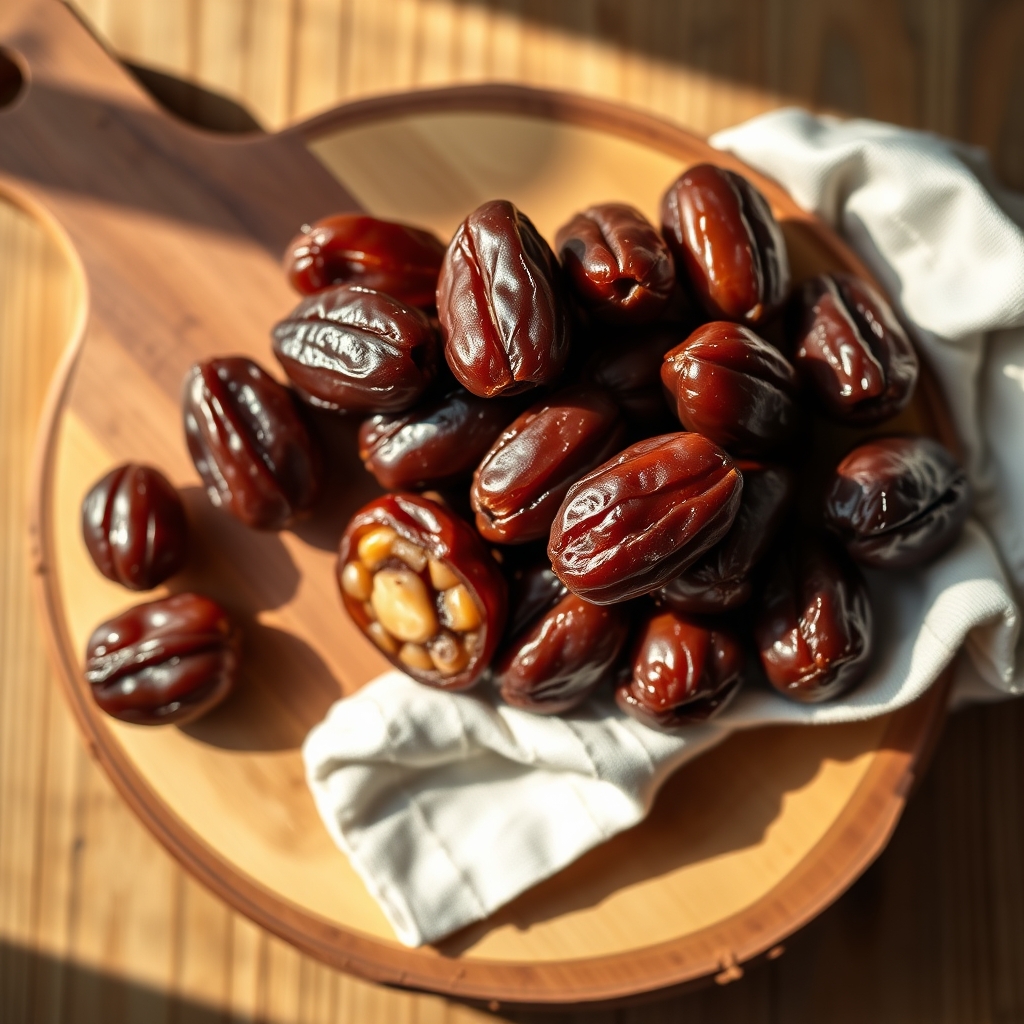
Fresh dates are a convenient, nutrient‑dense snack for any trimester.
How to add dates to a pregnancy‑friendly diet
Integrating dates into meals is easier than you might think. Because they’re naturally sticky, they blend well into porridges, oatmeal, and yogurt without extra sweeteners. A simple breakfast bowl could include rolled oats, a sliced banana, a handful of chopped dates, and a sprinkle of cinnamon—providing fiber, potassium, and a comforting flavor.
If you prefer savory options, dice dates and toss them into a quinoa salad with roasted vegetables, feta cheese, and a drizzle of olive oil. The sweet‑savory contrast makes the dish feel indulgent while still delivering essential micronutrients. For a quick snack, pair three pitted dates with a small handful of almonds; the protein and healthy fats from nuts help moderate the carbohydrate load, a tip often shared by dietitians at prenatal nutrition workshops.
Meal
Suggested date portion
Complementary foods
Breakfast oatmeal
2–3 chopped dates
Milk, berries, cinnamon
Snack
3 whole dates
Almonds or walnuts
Salad topping
4–5 diced dates
Mixed greens, quinoa, feta
Smoothie
2 dates blended
Banana, spinach, almond milk
When you’re counting carbs, remember that six Medjool dates equal roughly 30 g of carbohydrate. Pairing them with protein or fat will slow digestion and keep blood‑sugar levels steadier, a strategy echoed by the NHS’s “balanced plate” recommendations.
Potential side effects and how to manage them
While dates are generally well tolerated, a few side effects can arise if you overdo them. The most common issues are mild gastrointestinal discomfort—bloating, gas, or looser stools—due to the high fiber content. If you experience these symptoms, try reducing the portion size by a couple of dates and increase water intake to help the fiber move through your system.
Because dates are relatively high in natural sugars, women with gestational diabetes should monitor their blood glucose closely. The American Diabetes Association (ADA) suggests that a serving of six dates can be counted as a “medium‑carbohydrate” snack, so you may need to adjust other carbohydrate sources throughout the day.
Rarely, some people develop an allergic reaction to dates, manifesting as itching, hives, or swelling of the lips and tongue. In such cases, stop eating dates immediately and seek medical attention. If you suspect an allergy, discuss it with your provider, who may recommend an allergy test.
Finally, be cautious with processed date products—like date syrup, bar‑filled energy bites, or sweetened date paste—as they often contain added sugars or preservatives that can detract from the natural benefits of whole dates.
Dates vs. other dried fruits: Which is best for pregnancy?
All dried fruits are nutrient‑dense, but dates stand out for their balanced profile of carbohydrates, fiber, and minerals. Compared with raisins, apricots, or figs, dates typically contain more potassium and iron per serving, which are especially valuable during pregnancy.
Raisins are higher in calcium but lower in iron, while dried apricots provide more vitamin A and beta‑carotene. Fig varieties offer a good amount of calcium and magnesium but can be higher in added sugars if they’re coated in chocolate. A side‑by‑side comparison helps illustrate these differences.
Dried fruit
Typical serving
Key nutrients
Notes for pregnancy
Dates (Medjool)
6 dates
Iron 1.2 mg, potassium 900 mg, fiber 6 g
High iron & potassium; low added sugar.
Raisins
¼ cup
Iron 0.8 mg, calcium 30 mg, fiber 3 g
Good calcium; moderate sugar.
Dried apricots
¼ cup
Vitamin A 1500 IU, iron 0.6 mg, fiber 2 g
Rich in vitamin A; watch portion for sugar.
Figs
4 figs
Calcium 120 mg, magnesium 40 mg, fiber 4 g
High calcium; often sweetened.
If you enjoy variety, it’s perfectly fine to rotate dates with other dried fruits, as long as you keep total dried‑fruit intake to about a handful per day. This approach ensures a broader spectrum of micronutrients while preventing excess sugar consumption.
From our medical team: Dates are a safe, whole‑food option for most pregnant people. We recommend starting with a few dates in the second trimester, increasing to six‑eight in the weeks before delivery if you’re looking to support labor. Always discuss any dietary changes with your prenatal provider, especially if you have diabetes, a history of pre‑term birth, or other medical concerns.
Myth vs. fact
Myth: Eating dates will guarantee an early labor.
Fact: Dates may increase the chance of a spontaneous labor and modestly shorten its first stage, but they cannot force labor on demand. Labor timing remains primarily governed by hormonal and physiological factors.
Myth: Dates are too sugary and should be avoided in pregnancy.
Fact: While dates contain natural sugars, they also provide fiber, minerals, and antioxidants that offset rapid glucose spikes. Moderation—2–4 dates early, 6–8 later—is key.
Myth: Only Medjool dates have benefits; other varieties are useless.
Fact: All whole dates offer similar nutrients, though Medjool varieties are larger and may be easier to portion. Small or Deglet Nour dates work just as well when counted accurately.
Key takeaways
Start with 2–4 dates per day in the second trimester; increase to 6–8 from 36 weeks if you want labor‑support benefits.
Dates provide iron, potassium, magnesium, and fiber—nutrients that help with anemia, edema, constipation, and overall energy.
They are generally safe in early pregnancy, but keep portions modest to manage blood‑sugar levels.
Combine dates with vitamin C‑rich foods (citrus, berries) to enhance iron absorption.
If you have gestational diabetes, discuss carbohydrate counting with your provider before adding dates.
Use dates as a snack, in oatmeal, smoothies, or as a natural sweetener in baked goods.
Frequently asked questions
What are the health benefits of dates for pregnant women?
Dates deliver iron, potassium, magnesium, and fiber, supporting blood health, fluid balance, muscle relaxation, and regular bowel movements. Studies also suggest they may modestly shorten labor when eaten in the weeks before delivery.
Can I eat dates if I have gestational diabetes?
Yes, but you should monitor your carbohydrate intake closely. A typical serving of six dates provides about 30 g of carbs, so count them toward your daily allowance and pair them with protein or healthy fat to blunt blood‑sugar spikes, as recommended by NICE.
How do dates help with labor and delivery?
Dates contain natural sugars and flavonoids that may promote oxytocin release and improve cervical ripening. Clinical trials have shown a modest reduction in the length of the first stage of labor for women who ate six Medjool dates daily from 36 weeks.
Are dates a good source of fiber for pregnant women?
Absolutely. One medium date offers about 1 g of fiber; six dates provide roughly 6 g, contributing significantly toward the 25 g daily recommendation for pregnant adults.
Can dates help reduce the risk of pregnancy complications?
While dates alone won’t prevent complications, their iron and potassium content can lower anemia and edema risk, and the fiber may help prevent constipation—a factor linked to pre‑term labor.
Do dates have any effect on fetal development?
Dates supply micronutrients like iron, magnesium, and B‑vitamins that are essential for fetal growth. No evidence suggests dates cause harm to the fetus; in fact, adequate iron from dates supports healthy red‑blood‑cell production for both mother and baby.
Can I freeze dates for later use?
Yes. Freezing dates preserves their texture and nutrient content. Spread pitted dates on a tray, freeze until solid, then transfer to a zip‑top bag. Thaw them in the refrigerator or at room temperature before adding to recipes. This method is especially handy for bulk purchases.
Are there cultural traditions that involve dates during pregnancy?
Many cultures view dates as a “fertility fruit.” In parts of the Middle East, it’s traditional to offer dates to expectant mothers during the month of Ramadan, believing they provide sustained energy for both mother and baby. While these customs are rooted in heritage, they also align with modern nutritional science that highlights dates’ nutrient density.
Can I eat date paste or date syrup?
Date paste and syrup are made from pureed dates, but many commercial versions contain added sugars or preservatives. If you choose to use them, look for 100 % pure, unsweetened varieties and treat them as a concentrated source—one teaspoon equals about one whole date in sugar content.
Are organic dates better for pregnancy?
Organic dates are grown without synthetic pesticides, which may appeal to those seeking minimal exposure to residues. Nutritionally, they are comparable to conventional dates. If you have concerns about pesticide exposure, washing all dried fruit thoroughly (as recommended by the FDA) reduces any residual risk.
When to call your doctor
If you experience any of the following, contact your provider promptly: severe abdominal pain, heavy bleeding, signs of pre‑eclampsia (high blood pressure, swelling, headaches), persistent vomiting, or an inability to tolerate dates due to allergy symptoms. This article is for informational purposes only and does not replace personalized medical advice.
References
American College of Obstetricians and Gynecologists (ACOG). “Nutrition During Pregnancy.” Clinical Guidance, 2023.
National Institute for Health and Care Excellence (NICE). “Gestational Diabetes: Management.” Guideline NG3, 2022.
World Health Organization (WHO). “Maternal Nutrition: Recommendations for Healthy Pregnancy.” 2021.
Al‑Khadri, J. et al. “Effect of Date Fruit Consumption on Labor and Delivery Outcomes.” Journal of Obstetrics and Gynecology, 2021.
Jahan, S. et al. “Dates and Cervical Ripening: A Randomized Controlled Trial.” International Journal of Gynecology & Obstetrics, 2022.
Mayo Clinic. “Dietary Fiber: Why It’s Important and How to Get More.” 2023.
Centers for Disease Control and Prevention (CDC). “Nutrition for Pregnancy.” 2022.
National Health Service (NHS). “Eating Well During Pregnancy.” 2023.
International Journal of Gynecology & Obstetrics. “Date Fruit and Nausea in Early Pregnancy.” 2021.
Food and Drug Administration (FDA). “Food Labeling: Nutrient Content Claims.” 2020.
National Health Service (NHS). “Fruit and vegetables: why they’re good for you.” 2023.
Food and Drug Administration (FDA). “Food Safety: Dried Fruit.” 2020.
American Diabetes Association (ADA). “Gestational Diabetes Management.” 2023.
International Systematic Review of Dates and Labor Outcomes. “Meta‑analysis of Randomized Trials.” Nutrition Reviews, 2023.
British Nutrition Foundation. “Dried Fruit Guidance for Pregnant Women.” 2022.
Not sure about the label on When To Start Eating Dates In Pregnancy products?
Snap the ingredients list and SafeFilter checks every ingredient for your stage — only 3 free scans this month, then you're locked until reset. Unlimited from $7/mo or $50/yr.
When Shubhra Mishra was expecting her first child in 2016, she was overwhelmed by conflicting food advice — one site said yes, another said never. By the time her second baby arrived in 2019, she realized millions of mothers face the same confusion.
That sparked a five-year journey through clinical nutrition papers, cultural diets, and expert conversations — all leading to BumpBites: a calm, compassionate space where science meets everyday motherhood.
Her long-term vision is to build a global community ensuring safe, supported, and free deliveriesfor every mother — because no woman should face pregnancy alone or uninformed. 🌿
🌍 Stand with mothers, shape safer guidance
Join a small circle of experts who review BumpBites articles so expecting parents everywhere can decide with confidence.