Most women start gaining weight in the first trimester, with noticeable increases by weeks 12-14. Learn when and how much weight gain is normal during pregnancy.
By Shubhra Mishra — a mom of two who turned her own confusion during pregnancy into BumpBites, a global mission to make food choices clear, safe, and stress-free for every expecting mother. 💛
Check whether any food is safe during pregnancy with the BumpBites Food Safety Checker.
Quick take: Most people start to see a modest rise on the scale around weeks 4‑6, but the exact timing varies. In the first trimester, a typical gain is 0.5‑2 kg (1‑4 lb), mostly from fluid and uterine growth. If you’re under‑ or overweight, your target range shifts, and steady, healthy habits are more important than the numbers on the scale.
It’s 2 a.m., you’ve just taken a home pregnancy test, and the line says “positive.” Your heart races, and the next thing you do is tip the scale. “Did I already gain weight?” you wonder. You’re not alone—many new parents‑to‑be obsess over the numbers before they even know a baby’s heartbeat.
In this guide we’ll walk through exactly when you can expect the first pounds to appear, what “normal” looks like week by week, and how to keep the focus on nutrition and well‑being instead of the digits. We’ll cover the science behind early weight gain, practical ways to track it, foods that matter, and when a red flag warrants a call to your provider.
By the end you’ll have a clear timeline, realistic targets for each trimester, and a toolbox of tips to support a healthy pregnancy—no matter your starting weight.
At what week does pregnancy weight gain typically begin?
Most clinicians tell patients that measurable weight gain often shows up between weeks 4 and 6 after conception. The body’s first response to a new pregnancy is a surge of progesterone, which promotes fluid retention and prepares the uterine lining for implantation. This early “water weight” can add 0.5‑1 kg (1‑2 lb) before you even notice a baby bump.
However, individual timing can differ. Some people see a change on the scale as early as week 3, especially if they already have a higher baseline fluid volume or a fast metabolism. Others may not register a rise until week 7‑8, particularly if they have a low‑calorie diet or are very active. The key is that a slight uptick in weight during the first month is normal and usually reflects physiological changes rather than excess fat.
One reader told us she felt “bloated” at eight weeks and was relieved to see the scale move up just a pound. She later learned that the extra ounce was mostly plasma—the liquid component of blood—supporting the growing placenta.
It’s also worth noting that the first prenatal visit (often around 8‑10 weeks) is a good opportunity to discuss your weight‑gain expectations with your provider. They can calibrate your target range based on your pre‑pregnancy BMI, medical history, and any medications you’re taking.
How much weight should I gain in the first trimester?
The American College of Obstetricians and Gynecologists (ACOG) recommends a modest gain of 0.5‑2 kg (1‑4 lb) during the first 12‑13 weeks. This range accounts for the fluid, uterine tissue, and early fetal mass that together make up roughly 1‑2 lb of the total pregnancy weight.
Weight gain per week in the first trimester averages about 0.1‑0.2 kg (0.2‑0.4 lb). Because the fetus is still tiny—about the size of a raspberry by week 12—most of the gain is maternal. For people who start pregnancy underweight (BMI < 18.5), clinicians may suggest a slightly higher target, such as up to 2 kg, to support fetal growth. Conversely, those who begin overweight (BMI 25‑29.9) are often advised to aim for the lower end of the range.
Below is a quick reference table from the National Institute for Health and Care Excellence (NICE) and ACOG:
Pre‑pregnancy BMI
Total Recommended Gain
First‑Trimester Target
Underweight (<18.5)
12‑18 kg (26‑40 lb)
0.8‑2 kg (1.5‑4 lb)
Normal (18.5‑24.9)
11‑16 kg (24‑35 lb)
0.5‑2 kg (1‑4 lb)
Overweight (25‑29.9)
7‑11 kg (15‑25 lb)
0.5‑1 kg (1‑2 lb)
Obese (≥30)
5‑9 kg (11‑20 lb)
0.5‑1 kg (1‑2 lb)
These numbers are guidelines, not hard rules. Your provider will personalize recommendations based on your health history, activity level, and any pregnancy complications. For example, the NHS advises that women with gestational diabetes may need tighter monitoring of weight gain to keep blood‑sugar levels stable.
When do I start gaining baby weight versus water weight?
The first few weeks are dominated by fluid shifts. By week 8‑10, the fetus begins to contribute noticeably to the total weight gain—roughly the weight of a grape. From week 12 onward, fetal mass adds about 100 g (0.2 lb) each week, while placenta, amniotic fluid, and uterine growth collectively account for another 150‑200 g (0.3‑0.4 lb) weekly.
Distinguishing “baby weight” from “water weight” can be done by looking at patterns:
Fluid‑related gain tends to fluctuate daily—often higher in the evening and after salty meals.
Fetal weight increases steadily, with a smoother upward trajectory on a weekly chart.
If you notice a sudden jump of 2‑3 kg (4‑7 lb) in a single day, it’s likely fluid retention or a measurement error rather than fetal growth.
One mom we spoke with shared that she could feel the “baby weight” when her belly started to feel firmer around week 13, even though the scale only showed a few extra pounds. She described the sensation as a gentle pressure rather than the bloated feeling of earlier weeks.
Understanding this distinction helps you stay calm when the scale jumps unexpectedly after a salty dinner. It’s usually harmless, but if swelling becomes pronounced or you develop shortness of breath, it’s worth a quick check‑in with your clinician.
What factors affect early pregnancy weight gain timing?
Several variables influence when and how much you gain in the early months:
Metabolism: A higher basal metabolic rate can burn calories faster, potentially delaying visible weight gain.
Diet composition: High‑protein, nutrient‑dense meals support healthy tissue growth, while excessive refined carbs may increase fat storage.
Fluid retention: Hormonal shifts (especially progesterone) cause the kidneys to hold onto sodium, leading to “puffy” hands and feet.
Physical activity: Regular, moderate exercise (e.g., walking, prenatal yoga) can modestly blunt early weight gain without compromising fetal health.
Pre‑pregnancy weight status: Underweight individuals may gain sooner as the body prioritizes nutrient storage; overweight individuals may see a slower rise.
Medical conditions: Thyroid disorders, gestational diabetes, or anemia can each alter weight patterns.
In a survey of 500 pregnant people, those who reported vigorous exercise before pregnancy tended to see a 5‑day delay in measurable weight gain compared with sedentary peers, but their total gain by the end of the first trimester remained within recommended ranges.
Another subtle factor is sleep quality. Poor sleep can increase cortisol, a stress hormone that encourages fluid retention and abdominal bloating. Prioritizing a regular sleep schedule can therefore smooth out early weight fluctuations.
Is it normal to not gain weight until the second trimester?
Yes. About 10‑15% of pregnant people experience little to no weight increase in the first trimester. This can be perfectly healthy, especially if the individual started with a higher BMI or is maintaining a balanced diet and regular activity.
What matters most is the **trend** rather than a single data point. If the scale stays flat for the first six weeks but then shows a steady rise of 0.5‑1 kg per week afterward, it’s usually a sign that the body is shifting from early fluid adjustments to real tissue growth.
However, prolonged weight loss (>2 kg or 4 lb) or a sudden drop after a positive test should prompt a conversation with your provider. Possible causes include hyperemesis gravidarum (severe nausea/vomiting) or underlying metabolic issues. The NHS recommends that women with persistent vomiting be evaluated promptly to avoid dehydration and nutrient deficiencies.
It’s also helpful to track other signs of healthy pregnancy—energy levels, appetite, and the presence of morning sickness—because weight is just one piece of the puzzle.
How to track weight gain during early pregnancy?
Consistent monitoring helps you and your care team spot any concerning patterns early. Here’s a simple, low‑stress routine:
Pick a consistent time—most people weigh themselves first thing in the morning after using the bathroom, before breakfast.
Use the same scale and place it on a flat, hard surface for accuracy.
Log the numbers in a notebook or a pregnancy‑tracking app (e.g., Ovia, What to Expect). Include the date, week of pregnancy, and any notes about diet, activity, or symptoms.
Look for trends rather than day‑to‑day swings. A weekly increase of 0.1‑0.2 kg (0.2‑0.4 lb) is typical.
Combine with measurements like waist circumference (measured at the navel) to differentiate fluid retention from actual tissue growth.
If you prefer a visual cue, plot the data on a simple line graph. A gentle upward slope that aligns with the recommended gain ranges signals “on track.”
Weigh yourself at the same time each day for the most reliable trend.
For those who find daily weighing stressful, a weekly weigh‑in is acceptable as long as you keep the timing consistent. The key is to avoid obsessively checking the scale multiple times a day, which can increase anxiety without adding useful information.
What foods cause early pregnancy weight gain?
All foods contribute calories, but some are more likely to promote excess fluid retention or rapid fat accumulation. Here’s a quick guide:
High‑sodium processed foods (chips, deli meats, canned soups) encourage the body to hold onto water.
Sugary drinks and desserts spike insulin, which can increase fat storage if consumed in excess.
Refined carbs (white bread, pastries) may lead to quicker weight gain compared with whole‑grain alternatives.
Healthy fats (avocado, nuts, olive oil) are essential for fetal brain development and should be included, but portion control matters.
Protein‑rich foods (lean meats, legumes, Greek yogurt) support tissue growth without excessive calories.
Focus on nutrient‑dense choices: leafy greens, berries, whole grains, and lean proteins. A balanced plate—half vegetables, a quarter protein, a quarter complex carbs—helps keep weight gain steady and supports the baby’s needs.
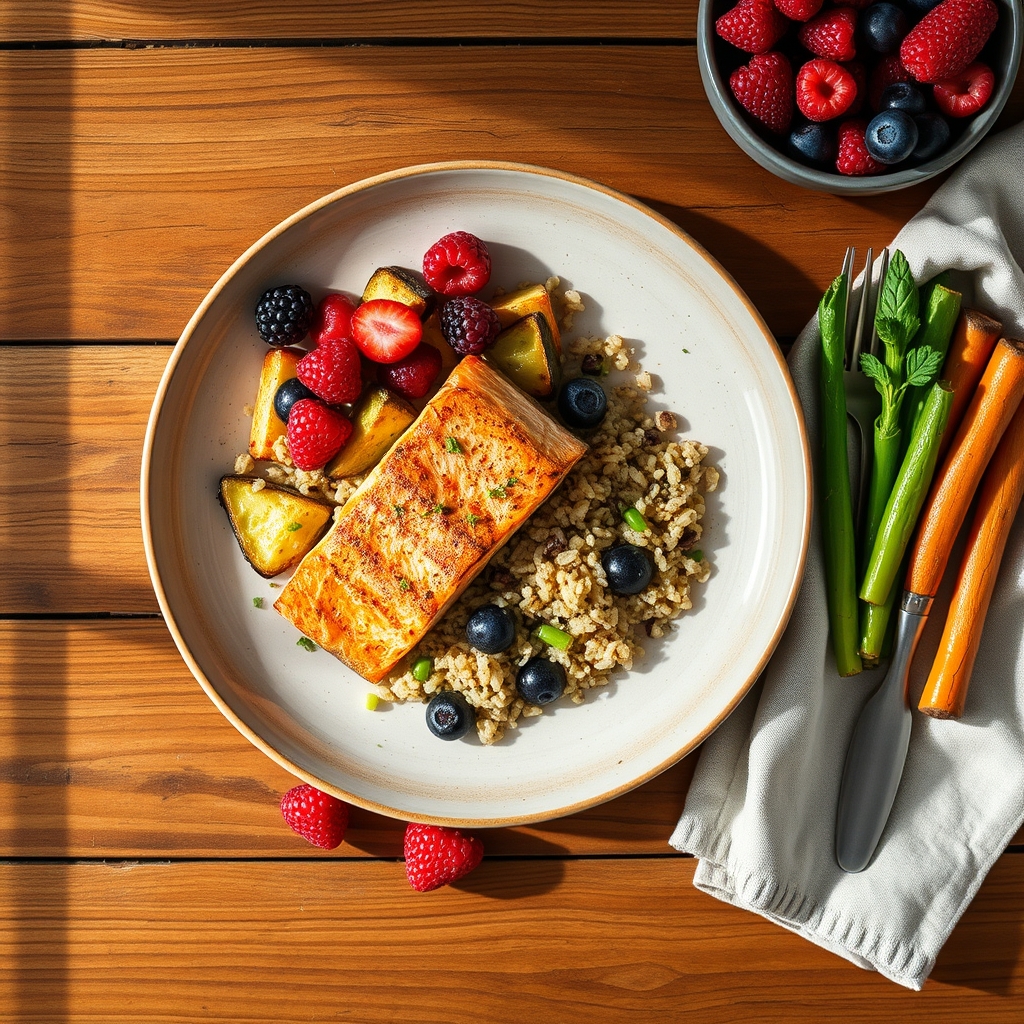
Balanced meals with protein, whole grains, and vegetables support healthy early weight gain.
Hydration matters, too. Aim for 8‑10 cups of water daily; swapping a sugary soda for sparkling water with a splash of fruit can curb sodium‑induced bloating while still satisfying cravings.
When should I see weight gain on the scale after confirming pregnancy?
After a positive test, most people notice a subtle shift on the scale within 2‑3 weeks. This aligns with the body’s early hormonal changes. If you’re weighing yourself daily, a change of 0.5‑1 kg (1‑2 lb) over that period is typical.
If you don’t see any change after four weeks, consider these possibilities:
Continued high‑intensity exercise that burns more calories than you’re consuming.
A diet that is still too low in calories or nutrients.
Severe morning sickness limiting food intake.
In such cases, it’s wise to schedule a check‑in with your obstetrician or midwife. They can assess whether your calorie intake meets the CDC recommendation of at least 1,800 kcal per day for most pregnant adults (more if you’re very active).
Remember that weight gain is not the only sign of a healthy pregnancy. Your provider will also look at blood pressure, blood‑type screening, and fetal heartbeat to ensure everything is progressing well.
How to manage weight gain if you’re pregnant and underweight?
Starting pregnancy underweight (BMI < 18.5) raises the risk of low birth‑weight infants, so clinicians often encourage a slightly higher gain—up to 2 kg (4 lb) in the first trimester. Strategies include:
Frequent, small meals to boost calorie intake without feeling overly full.
Calorie‑dense snacks such as nut butter on whole‑grain toast, Greek yogurt with honey, or smoothies with avocado and protein powder.
Strength‑training (light weights or resistance bands) to build lean muscle, which can increase weight healthily.
Prenatal vitamins that include iron, folic acid, and DHA to support both mother and baby.
Regular monitoring ensures the gain stays within the target range and that the baby’s growth is on track. Your provider may schedule an early ultrasound to confirm fetal development.
In addition to food, consider adding a tablespoon of olive oil to soups or a handful of nuts to salads. These modest additions can provide an extra 100‑150 kcal without feeling heavy.
What is considered excessive weight gain in the first trimester?
Gaining more than 2 kg (4 lb) by the end of week 13 is generally viewed as excessive for most BMI categories. Excessive early gain can signal over‑consumption of calories, high sodium intake, or underlying conditions like early‑onset gestational diabetes.
Signs that the gain may be too rapid include:
Sudden swelling of the hands, feet, or face (beyond normal pregnancy puffiness).
Rapid increase in waist circumference (>2 cm per week).
Feeling unusually short of breath or fatigued after minimal activity.
If you notice these symptoms, talk to your provider promptly. Adjustments to diet, activity, or fluid intake can often bring the gain back into a healthier range.
In some cases, clinicians may order a fasting blood‑glucose test to rule out gestational diabetes, especially if rapid weight gain is accompanied by increased thirst or frequent urination.
How does exercise impact early pregnancy weight gain?
Moderate exercise—such as brisk walking, swimming, or prenatal yoga—is safe for most pregnant people and can help regulate weight gain. The American College of Obstetricians and Gynecologists (ACOG) recommends at least 150 minutes of moderate‑intensity activity per week, spread across several days.
Benefits include:
Improved cardiovascular health, which supports placental blood flow.
Reduced risk of excessive fluid retention and swelling.
Better mood and sleep, which indirectly influence eating habits.
Exercise does not “stop” the baby’s weight gain—it simply ensures that the maternal portion of the weight gain is more likely to be lean tissue rather than excess fat. If you’re new to exercise, start with short 10‑minute walks and gradually increase duration.
For those who were highly active before pregnancy, the goal is to maintain fitness while avoiding overheating. The NHS advises pregnant runners to keep their heart rate below 140 beats per minute and to stay well‑hydrated.
From our medical team: “Weight gain in early pregnancy is a normal, healthy process. If you’re unsure whether your pattern is right for you, bring your scale log to your next prenatal visit. We’ll review it together and adjust nutrition or activity plans as needed.”
Eating for healthy weight gain in the first trimester
Nutrition is the cornerstone of safe weight gain. Aim for an extra 300‑500 kcal per day after the first trimester, but during the first 12 weeks many clinicians suggest focusing on nutrient density rather than strict calorie counting. Include:
Protein at every meal—think lean poultry, fish (low‑mercury options like salmon), beans, or tofu—to support uterine and fetal tissue formation.
Complex carbohydrates such as whole‑grain bread, brown rice, or oatmeal that provide steady energy and fiber, helping prevent constipation—a common pregnancy complaint.
Healthy fats—avocado, nuts, seeds, and olive oil—are vital for fetal brain development and can add calories without bulk.
Iron‑rich foods (spinach, lentils, fortified cereals) paired with vitamin C (citrus fruit, bell peppers) to improve absorption.
Sample breakfast: Greek yogurt topped with sliced banana, a drizzle of honey, and a sprinkle of chia seeds. This combo delivers protein, calcium, healthy fats, and fiber—all in a quick, pregnancy‑friendly package.
Hydration should be primarily water, but a glass of 100% fruit juice or a cup of fortified plant‑based milk can contribute extra calories and nutrients without adding excess sodium.
Understanding hormonal influences on early weight changes
Progesterone and estrogen rise dramatically after conception. Progesterone relaxes smooth muscle, which includes the walls of blood vessels, leading to increased blood volume and fluid retention. Estrogen stimulates the kidneys to retain sodium, which pulls water into the bloodstream. Together they create the “puffy” feeling many report in the first trimester.
These hormones also impact appetite. Many pregnant people experience heightened cravings or aversions, sometimes called “food cravings.” While it’s okay to indulge occasionally, aim to satisfy cravings with nutrient‑rich options—like a sweet potato instead of a bag of chips.
By the end of the first trimester, the placenta begins producing its own hormones, such as human chorionic gonadotropin (hCG), which can further influence metabolism. Understanding that these shifts are normal can reduce anxiety when the scale jumps unexpectedly.
Myth vs. fact
Myth: You must gain a steady pound every week from the moment you find out you’re pregnant.
Fact: Early weight gain is modest and often driven by fluid, not fat. A gradual weekly increase of 0.2‑0.4 lb is typical, and many people see little change until the second trimester.
Myth: If you don’t see the scale move in the first month, something is wrong.
Fact: It’s common for the scale to stay flat for 4‑6 weeks, especially if you’re active or eating a balanced diet. Focus on overall health signs rather than a single number.
Myth: All weight gain in pregnancy is “baby weight.”
Fact: Only about 10‑15 % of total gain is the fetus itself; the rest is placenta, amniotic fluid, uterine tissue, blood volume, and maternal fat stores.
Key takeaways
Most people notice a small weight rise between weeks 4‑6, mostly from fluid retention.
Typical first‑trimester gain is 0.5‑2 kg (1‑4 lb), varying by pre‑pregnancy BMI.
Track your weight at the same time each day and look for weekly trends, not daily fluctuations.
Choose nutrient‑dense foods and stay hydrated; limit high‑sodium and sugary items.
Moderate exercise supports healthy weight gain and reduces swelling.
Contact your provider if you lose weight after confirming pregnancy, gain >2 kg early, or develop sudden swelling or shortness of breath.
Frequently asked questions
When should I expect to see weight gain on the scale after a positive pregnancy test?
Most people see a modest increase within 2‑3 weeks, often due to fluid retention; a rise of 0.5‑1 kg (1‑2 lb) is typical.
Is it normal to gain weight in the first month of pregnancy?
Yes—early gain usually reflects water retention and uterine growth, not fetal mass, and is considered normal.
How much weight should I gain in each trimester?
Guidelines suggest total gains of 11‑16 kg (24‑35 lb) for a normal‑BMI pregnancy, with about 0.5‑2 kg (1‑4 lb) in the first trimester, ~0.5 kg (1 lb) per week in the second, and slower gains in the third.
What causes weight gain in early pregnancy?
Hormonal changes increase blood volume, cause fluid retention, and stimulate uterine and placental growth, all contributing to early weight gain.
Can I lose weight during the first trimester?
Small weight loss can occur if severe nausea limits intake, but intentional dieting is not recommended; focus on balanced nutrition and discuss any loss with your provider.
When does the baby start contributing to my weight gain?
The fetus begins adding measurable weight around week 12, roughly the weight of a grape, and then contributes about 100 g (0.2 lb) each week thereafter.
Should I avoid exercise because it might “stop” weight gain?
No. Moderate activity helps keep maternal weight gain in a healthy range and improves circulation. The baby will continue to grow regardless of your workout routine, as long as you stay within ACOG’s recommended intensity.
What if I’m consistently under the recommended weight gain?
Consistent under‑gain can increase the risk of low‑birth‑weight infants. Talk to your provider about adding calorie‑dense snacks, strength‑training, and possibly a nutrition referral to ensure both you and the baby are thriving.
When to call your doctor
If you experience any of the following, reach out to your obstetrician, midwife, or primary care provider right away: sudden weight loss of >2 kg (4 lb) after confirming pregnancy, rapid swelling of hands/feet/face, persistent shortness of breath, or a gain of >2 kg (4 lb) in the first trimester without a clear reason. This article is for informational purposes only and does not replace personalized medical advice.
References
American College of Obstetricians and Gynecologists (ACOG). “Weight Gain During Pregnancy.” 2023 clinical guidance.
National Institute for Health and Care Excellence (NICE). “Weight Management Before, During and After Pregnancy.” Updated 2022.
Centers for Disease Control and Prevention (CDC). “Nutrition During Pregnancy.” 2023 fact sheet.
World Health Organization (WHO). “Recommendations on Antenatal Care for a Positive Pregnancy Experience.” 2022.
U.S. Department of Agriculture (USDA). “Dietary Guidelines for Americans 2020‑2025.” Section on pregnancy nutrition.
Royal College of Obstetricians and Gynaecologists (RCOG). “Maternal Nutrition and Weight Gain.” Clinical advice 2021.
National Health Service (NHS). “Gestational Diabetes – Symptoms and Management.” Updated 2023.
American College of Obstetricians and Gynecologists (ACOG). “Physical Activity and Exercise During Pregnancy and the Postpartum Period.” 2022.
Not sure about the label on When In Pregnancy Do You Start Gaining Weight products?
Snap the ingredients list and SafeFilter checks every ingredient for your stage — only 3 free scans this month, then you're locked until reset. Unlimited from $7/mo or $50/yr.
When Shubhra Mishra was expecting her first child in 2016, she was overwhelmed by conflicting food advice — one site said yes, another said never. By the time her second baby arrived in 2019, she realized millions of mothers face the same confusion.
That sparked a five-year journey through clinical nutrition papers, cultural diets, and expert conversations — all leading to BumpBites: a calm, compassionate space where science meets everyday motherhood.
Her long-term vision is to build a global community ensuring safe, supported, and free deliveriesfor every mother — because no woman should face pregnancy alone or uninformed. 🌿
🌍 Stand with mothers, shape safer guidance
Join a small circle of experts who review BumpBites articles so expecting parents everywhere can decide with confidence.