Most women start showing between 12 and 16 weeks, though it can begin earlier or later depending on trimester and body type. Learn the timeline by trimester.
By Shubhra Mishra — a mom of two who turned her own confusion during pregnancy into BumpBites, a global mission to make food choices clear, safe, and stress-free for every expecting mother. 💛
Check whether any food is safe during pregnancy with the BumpBites Food Safety Checker.
Quick take: Most people notice a baby bump between 12 and 20 weeks, but the exact timing varies widely. Your uterus, body shape, weight gain, and whether it’s your first pregnancy all influence when you start showing. If you haven’t seen any change by 24 weeks, talk to your provider to rule out any concerns.
It’s 2 a.m., you’re scrolling through pregnancy forums, and a friend has just posted a photo of her “baby bump” at 10 weeks. Your stomach feels flat, and a knot of worry forms in your stomach: “Am I late? Is something wrong?” You’re not alone—many expectant parents wonder when the first visible sign of pregnancy appears. The good news is that there isn’t a single “right” week; the timeline depends on biology, body type, and even the position of your uterus.
In this guide we’ll walk through the typical weeks you might start seeing a bump in each trimester, unpack the factors that speed up or slow down that visibility, and give you practical tips for tracking growth or, if you prefer, discreetly hiding the early signs. We’ll also cover what to expect if you don’t see a bump right away, and when a quick check‑in with your provider is warranted.
Whether you’re on your first pregnancy or adding another member to the family, the information below will help you decode the “showing” timeline and feel more confident about what’s happening inside your body.
When does a baby bump appear in the first trimester?
Most first‑trimester bumps become noticeable between 10 and 14 weeks. Early on, the uterus is still tucked behind the pelvic bone, so the abdomen often looks unchanged. By the end of the first trimester the growing uterus pushes upward, and a subtle curve may appear.
During weeks 1‑6 the embryo is microscopic and the uterus expands only a few centimeters. Hormonal changes—especially the surge of progesterone—cause the abdominal muscles to relax, which can make the belly feel a little softer even before any visual change occurs. Around week 8, the uterus rises above the pelvic brim in most people, but the abdominal wall often masks this growth.
Typical signs that you’re starting to show in the first trimester include:
A gentle rounding of the lower abdomen, most noticeable when you’re standing straight.
A feeling of “fullness” or slight pressure in the lower belly.
Increased waistline measurements of 1–2 cm compared to pre‑pregnancy baseline.
Body type matters a lot. Women with a leaner build or a lower waist‑to‑hip ratio often notice the curve earlier, while those with a higher amount of abdominal fat may not see a visible change until the uterus rises further.
Uterine position also plays a role. A retroverted uterus (tilted toward the spine) can delay the outward appearance of a bump by a few weeks because the organ grows upward against the back rather than forward toward the belly.
Progesterone not only relaxes the muscles but also promotes fluid retention, which can make the abdomen feel “puffy” without a true bump. This is why many first‑time moms report a “bloated” sensation before they can actually see a curve. Remember, a soft abdomen is normal and not a sign of a problem (ACOG, 2023).
In addition to the physical signs, many people notice a subtle shift in how their clothing fits. Low‑rise jeans may start to feel tighter, and stretchy leggings can develop a faint “pinch” just above the hips. Paying attention to these early wardrobe cues can be an easy, non‑invasive way to gauge whether you’re on the typical first‑trimester showing timeline.
How many weeks until I start showing in the second trimester?
<
strong>In the second trimester most people start showing between 16 and 20 weeks. This is the period when the uterus expands rapidly, and the abdominal wall has less “cushion” to hide the growth.
From week 13 onward the uterus climbs higher into the abdominal cavity. By week 16 the fundus (top of the uterus) typically reaches the level of the belly button in a first‑time pregnancy. The baby’s size at this point—about the size of an avocado—adds enough volume that the curve becomes unmistakable for most people.
Several factors can shift this window forward or backward:
Placental location. An anterior placenta (on the front of the uterus) can make the bump appear earlier because the organ sits closer to the skin.
Weight gain rate. Gaining weight more quickly than the recommended 0.5–1 lb per week can add abdominal fat, which may mask the bump for a few extra weeks.
Previous pregnancies. If you’ve been pregnant before, the abdominal muscles have already been stretched, so the bump often shows earlier—sometimes as soon as week 12.
For those who are not yet seeing a curve by week 20, the situation is usually still normal. Some uterine positions (especially a very high‑lying uterus) and a higher body mass index (BMI) can keep the bump subtle until the third trimester.
Physical changes in the second trimester also include a softening of the skin (often called “stretch marks” in the making) and a shift in the center of gravity, which can make you feel a little wobbly when you stand up quickly. Choosing supportive clothing—such as high‑waisted leggings or maternity belts—can help you feel more comfortable while the bump becomes more pronounced (NHS, 2022).
Many people also report a pleasant “wave” of energy during this stage, which can make daily chores feel easier. This surge is linked to rising progesterone and estrogen levels, and it often coincides with the visual confirmation of a growing bump, reinforcing the emotional connection to the pregnancy.
What factors affect when you start showing during pregnancy?
A combination of anatomy, genetics, and lifestyle determines the showing timeline.
Below is a quick reference that summarizes the main contributors and how they typically influence visibility.
Factor
Typical Influence on Showing
Why It Matters
Uterine position (retroverted vs. anteverted)
Retroverted may delay showing by 2‑4 weeks
The uterus grows upward against the spine before moving forward.
Placenta location (anterior vs. posterior)
An anterior placenta can advance showing by ~1 week
The organ sits closer to the abdominal wall.
Maternal BMI
Higher BMI can delay showing 2‑6 weeks
More subcutaneous fat masks uterine growth.
Parity (first vs. subsequent pregnancy)
Multiparous women often show 2‑4 weeks earlier
Abdominal muscles and skin have already been stretched.
Fetal size (small vs. large baby)
Large baby may make bump appear earlier; small baby may delay it
Uterine volume correlates with fetal growth.
Weight‑gain rate
Rapid weight gain can obscure early showing
Extra fat adds thickness to the abdominal wall.
Other contributors include age (younger bodies often have more pliable abdominal muscles) and genetics (some families naturally carry more abdominal fat). Hormonal fluctuations also affect muscle tone; progesterone relaxes the abdominal wall, while estrogen can cause fluid retention, both influencing how “tight” the belly feels.
Lifestyle habits such as regular moderate exercise and adequate hydration can improve muscle tone, making the curve appear a little sooner. Conversely, a sedentary lifestyle may lead to weaker core muscles, which can mask early changes (CDC, 2023).
It’s also worth noting that mental stress can subtly affect uterine blood flow. While the effect on showing is modest, managing stress through mindfulness or gentle movement can keep overall pregnancy health on track, which indirectly supports a healthy growth pattern.
Can I see my baby bump at 12 weeks?
Yes—you can sometimes see a baby bump at 12 weeks, especially if it’s your first pregnancy and you have a low BMI.
By week 12 the uterus is usually sitting just above the pelvis, and the fetus is about the size of a plum. In many first‑time pregnancies the uterine fundus reaches the belly button around week 12‑13, creating a gentle outward curve. However, the visibility can vary:
Lean bodies. A thin abdominal wall lets the uterus’s shape show earlier.
Anterior placenta. When the placenta sits on the front wall, it adds a subtle bulge.
Previous pregnancies. Women who have been pregnant before often see a bump before week 12 because the abdominal skin and muscles have already been stretched.
If you’re not seeing a bump at 12 weeks, it’s usually still within the normal range. The uterus may still be tucked low, or a higher BMI may be softening the visual cue. Keep tracking your waistline and keep an eye on any other pregnancy symptoms.
Early ultrasound (typically performed around 8‑12 weeks) can confirm that the gestational sac and fetal heartbeat are developing as expected, providing reassurance even if a visible bump hasn’t appeared yet (ACOG, 2023).
Some people also notice a faint “ballooning” sensation when they lie on their back; this is the uterus pressing against the diaphragm and can be an early indicator that the baby is growing, even if a visual bump isn’t obvious.
Difference between showing and a baby bump in early pregnancy
“Showing” refers to the visible curve of the abdomen, while a “baby bump” is a broader term that includes any abdominal swelling caused by pregnancy.
In early pregnancy, the uterus expands but the abdominal wall may still be tight, so a person might feel “full” without a noticeable outward curve. This is often called “early showing.” A true baby bump, on the other hand, is the physical protrusion that becomes obvious when the uterus pushes the abdominal wall outward, typically after week 12.
The distinction matters because:
Showing can be subtle and sometimes mistaken for bloating or weight gain.
A baby bump is a clearer sign that the uterus has moved above the pelvic brim.
Medical professionals use the term “fundal height” (measured from the pubic bone to the top of the uterus) to assess growth, which correlates more with a true bump than with early showing.
Fundal height measurements become a routine part of prenatal visits after the first trimester, giving clinicians an objective way to track uterine growth regardless of how visible the bump looks (NHS, 2022).
Understanding the nuance helps you communicate more clearly with your provider. When you say you’re “starting to show,” clinicians may ask about both visual changes and measurable parameters, ensuring they have a full picture of your pregnancy’s progress.
When do most women start showing in the third trimester?
Most women notice a pronounced baby bump by 28‑32 weeks in the third trimester.
During the third trimester the uterus expands dramatically, reaching its maximum size of about 14 inches in diameter. By week 28 the fundus is often at the level of the rib cage, and the abdominal wall stretches to accommodate the growing baby, amniotic fluid, and placenta.
Even though the bump is obvious by this stage, the exact timing can still vary:
High‑BMI individuals. May see a smoother, less pronounced curve until later in the third trimester.
Low‑weight gain. Women who gain less than the recommended 1‑2 lb per week may have a more modest‑looking bump.
Multiparity. Those who have had several pregnancies may display a larger bump earlier because the skin and muscles have already been stretched.
By the end of the third trimester (around week 36‑38) most people have a clearly visible bump that can be felt easily through clothing, and the baby’s position may cause the belly to shift shape. This is also the time when many experience back pain, heartburn, and the need for supportive maternity wear (Mayo Clinic, 2022).
Because the uterus is now pressing against the diaphragm, many women notice increased shortness of breath and a feeling of heaviness. Adjusting posture—sitting upright with a small pillow behind the lower back—can alleviate some discomfort and keep the belly from sagging forward.
Does weight gain affect when I start showing?
Yes—both the amount and the rate of weight gain influence when a baby bump becomes visible.
The Institute of Medicine (IOM) recommends a total pregnancy weight gain of 25‑35 lb for women with a normal pre‑pregnancy BMI (18.5‑24.9). Gaining weight too quickly can add subcutaneous fat to the abdomen, which may mask the uterine expansion and delay the appearance of a bump. Conversely, gaining weight too slowly can make the bump appear more prominent, but it may also signal inadequate nutrition for the baby.
Here’s a quick guide to how weight gain patterns intersect with showing:
Early rapid gain (first trimester). Adds abdominal fat that can hide the uterus’s early rise.
Steady gain (0.5‑1 lb per week after week 12). Aligns with typical showing timelines.
Minimal gain. May cause a more pronounced bump earlier, but can increase the risk of low‑birth‑weight infants.
Tracking your weight gain with your prenatal appointments helps you and your provider ensure that the growth curve is healthy and that any delayed showing isn’t due to excessive abdominal fat. Your provider may also use a dietitian to fine‑tune nutrition if weight gain is off target (CDC, 2023).
It’s helpful to keep a simple journal of weekly weight, food intake, and how your clothes are fitting. This visual record can reassure you during weeks when the bump feels “invisible,” and it provides concrete data for your provider if any concerns arise.
How to tell if I'm showing early in pregnancy
Early signs of showing include a subtle curve, a feeling of fullness, and measurable waistline changes before week 12.
Because the uterus is still low in the pelvis, many first‑trimester women notice only a softening of the abdomen rather than a pronounced bulge. To detect early showing:
Stand in front of a full‑length mirror and look for a gentle outward curve just above the pubic bone.
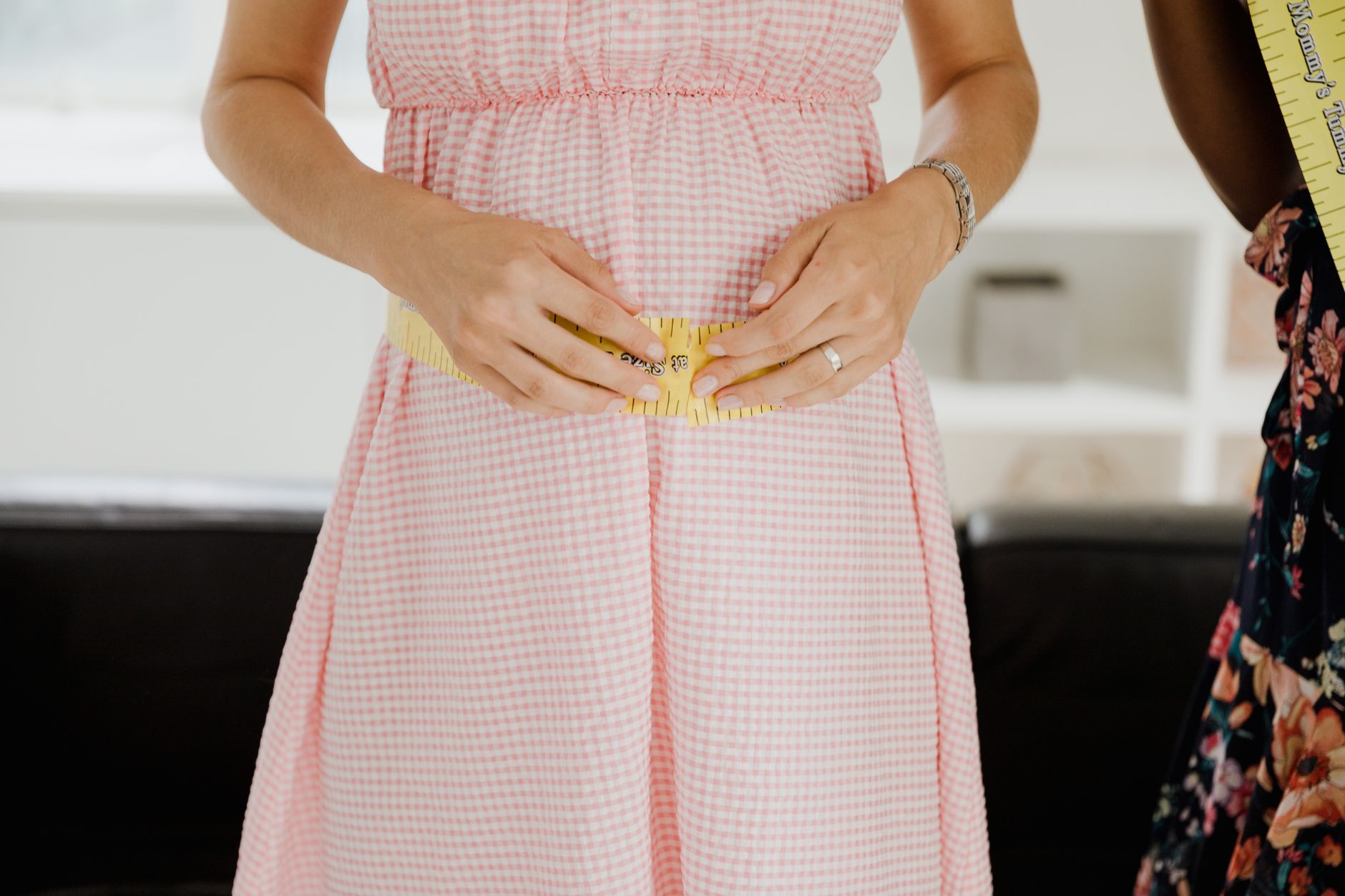
Measure your waistline at the narrowest point (usually just above the belly button). An increase of 1‑2 cm can be an early indicator.
Feel for a “hard” area just above the pelvic bone when you press lightly—this is the fundus rising.
Pay attention to how your clothes fit. A tighter fit in the lower abdomen, especially in stretchy leggings or low‑rise jeans, can signal early showing.
Combining these visual and tactile cues with other early pregnancy symptoms—such as fatigue, breast tenderness, and mild nausea—gives you a reliable picture of whether you’re on the showing timeline.
Some people also notice a faint “heartbeat” sensation when they place a hand over the lower abdomen; this is a subtle vibratory cue from the growing uterus and can be reassuring while you wait for a more obvious bump.
Use a flexible measuring tape to track subtle waist changes during early pregnancy.
How providers measure your bump: fundal height and ultrasound
Clinicians use two main tools to assess how your baby bump is growing: fundal height measurements and ultrasound scans. Fundal height is the distance (in centimeters) from the top of the pubic bone to the top of the uterus (the fundus). After week 20, the measurement should roughly match the gestational age in weeks (for example, a 24‑week pregnancy should have a fundal height of about 24 cm).
When fundal height falls outside the expected range, providers may order an ultrasound to double‑check fetal growth, amniotic fluid volume, and placental position. Early ultrasounds (around 8‑12 weeks) confirm that the gestational sac is where it should be, while later scans (mid‑pregnancy anatomy scan at 18‑22 weeks) give a detailed picture of the baby’s anatomy and growth trajectory (ACOG, 2023).
In some cases, especially when there is a discrepancy between the mother’s perception of showing and the measured fundal height, a targeted ultrasound can reassure both patient and provider that the uterus is expanding as expected.
Mid‑pregnancy ultrasounds help confirm growth when fundal height measurements vary.
Nutrition and lifestyle tips to support a healthy bump
While you can’t control how quickly your bump appears, you can create a supportive environment for both you and your growing baby. A balanced diet rich in protein, iron, calcium, and folic acid fuels fetal development and helps you maintain steady weight gain. Aim for at least 400 µg of folic acid daily, as recommended by the NHS, and consider a prenatal vitamin that includes DHA for brain development (FDA, 2022).
Staying active with low‑impact exercise—such as walking, prenatal yoga, or swimming—keeps core muscles toned, which can make the curve feel more defined and reduce common discomforts like back pain. Hydration is also key; drinking enough water helps prevent fluid retention that can make the abdomen feel bloated.
Finally, prioritize sleep and stress‑management techniques (deep breathing, meditation, or a supportive partner). Stress hormones can affect blood flow to the placenta, and good rest helps the body allocate resources to fetal growth (CDC, 2023).
Adding a daily serving of magnesium‑rich foods—like leafy greens, nuts, and legumes—can also help smooth muscle function and reduce cramping, which some people find useful as the uterus expands.
From our medical team: Seeing a baby bump is a normal part of pregnancy, but the exact week it appears varies widely. If you haven’t noticed any change by 24 weeks, schedule a quick ultrasound. It can confirm that the uterus is growing as expected and reassure you that everything is on track.
Showing timeline in twin or multiple pregnancies
Carrying more than one baby accelerates uterine growth, so many people with twins notice a bump earlier than singletons. In a typical twin pregnancy, the uterus may reach the belly button by 10‑12 weeks, and a pronounced curve can appear as early as 14 weeks.
However, the same factors that affect singleton showing—uterine position, maternal BMI, and abdominal muscle tone—still play a role. Women with higher BMI or a retroverted uterus may still experience a delayed visible bump despite the larger fetal volume.
Because twin pregnancies also come with higher nutritional demands, the recommended weight‑gain range is larger (approximately 37‑54 lb for a normal‑BMI mother, per ACOG). Rapid weight gain can again mask early showing, so regular monitoring of fundal height and early ultrasounds are especially important for twins (ACOG, 2023).
How diet and hydration influence early showing
What you eat and how much water you sip can subtly affect how soon you notice a bump. High‑fiber diets help prevent constipation—a common cause of abdominal bloating that can disguise early showing. Conversely, excessive salty foods promote fluid retention, which may make the belly feel “puffy” without a true curve.
Staying well‑hydrated supports healthy amniotic fluid levels and can reduce the feeling of tightness in the abdomen. Aim for at least 8‑10 cups of water daily, or more if you’re active or live in a warm climate (NHS, 2022).
Some nutrients, like vitamin C and protein, support collagen formation in the skin, potentially reducing the severity of stretch marks as the bump expands. Including citrus fruits, lean meats, beans, and dairy can therefore benefit both the appearance and comfort of your growing belly.
Clothing and posture tips to manage bump visibility
Even before a bump is obvious, the way you dress can influence how you feel about your showing status. High‑waisted maternity leggings or supportive belly bands can smooth the abdomen, creating a flatter silhouette if you’d rather keep the bump private.
Conversely, loose‑fitting tops, empire‑waist dresses, and stretchy fabrics can accentuate a subtle curve, helping you celebrate the early signs of pregnancy. Pairing these with a supportive bra can improve overall posture, reducing back strain as the uterus rises.
Good posture also plays a role. Keeping the spine straight and engaging the core gently (without over‑exertion) can prevent the uterus from pushing forward excessively, which may otherwise make the bump appear larger earlier than you’d like.
Myth vs. fact
Myth: If you don’t see a bump by 12 weeks, something is wrong.
Fact: Many healthy pregnancies don’t show a visible curve until the second trimester, especially in people with higher BMI or a retroverted uterus. Early ultrasound can confirm normal development.
Myth: A larger baby always means an earlier showing.
Fact: Fetal size does influence abdominal shape, but uterine position, maternal weight, and abdominal muscle tone have a stronger impact on when the bump becomes visible.
Key takeaways
Most first‑trimester showing appears between 10‑14 weeks; the second trimester usually brings a clear bump by 16‑20 weeks.
Uterine position, placenta location, BMI, and whether it’s a first or subsequent pregnancy are the biggest influencers.
Weight‑gain rate can mask or highlight the bump—steady gains align best with typical timelines.
Track waist measurements and use a mirror to notice subtle early curves.
If you haven’t seen a bump by 24 weeks or have any concerns, contact your provider for an ultrasound.
Fundal height checks and nutrition play vital roles in supporting healthy growth.
Twin pregnancies often show earlier, but the same anatomical factors still apply.
Hydration, fiber, and balanced nutrition can help you differentiate true showing from bloating.
Clothing choices and posture can either accentuate or soften the appearance of a growing belly.
Frequently asked questions
When do most women start showing?
Most women notice a visible baby bump between 12 and 20 weeks, with the majority seeing a clear curve around 16 weeks. The exact timing depends on body type, uterine position, and pregnancy history.
Can you see a baby bump at 12 weeks?
Yes—especially if you have a low BMI, an anterior placenta, or it’s your first pregnancy. At 12 weeks the uterus is often just above the pelvis, creating a subtle outward curve that can be seen in a mirror.
What causes some women to show earlier than others?
Factors include uterine tilt (anteverted vs. retroverted), placenta placement, maternal body shape, weight‑gain rate, and whether you’ve been pregnant before. Genetics and age also play minor roles.
Is it normal to not show until the second trimester?
Absolutely. Many women, especially those with higher BMI or a retroverted uterus, don’t see a visible bump until after week 14. An ultrasound can confirm that the pregnancy is progressing normally.
How does weight affect when I start showing?
Rapid early weight gain adds abdominal fat that can hide uterine growth, delaying the visible bump. Conversely, a slower, steady gain aligns with typical showing timelines. Tracking weight with your provider helps ensure healthy progress.
Can a small baby cause a later showing?
Yes—smaller fetal size can mean less uterine volume, which may delay the outward curve. However, uterine position and maternal body composition usually have a larger impact than fetal size alone.
Can a tight waistline hide a baby bump?
Yes. If you have a strong core or a higher amount of abdominal muscle tone, the uterus may push upward rather than outward, making the bump less obvious. Measuring fundal height at prenatal visits helps clinicians track growth regardless of visual appearance.
Is it safe to exercise if I haven’t started showing yet?
Generally, moderate exercise such as walking, swimming, or prenatal yoga is safe and even beneficial before you notice a bump. It supports circulation, keeps muscles toned, and can reduce pregnancy‑related discomfort. Always check with your provider before starting a new routine, especially if you have any pregnancy complications (ACOG, 2023).
Can a C‑section scar affect when I start showing?
A previous C‑section scar can slightly alter abdominal wall elasticity, but it usually does not change the timing of when a bump becomes visible. The uterus still expands in the same way; the scar may simply make the skin feel tighter.
Does smoking influence when I start showing?
Smoking can affect uterine blood flow and fetal growth, potentially leading to a smaller baby and a later‑appearing bump. It also increases the risk of placental problems, which can further impact how the abdomen expands. Quitting smoking is recommended for optimal pregnancy outcomes (CDC, 2023).
When to call your doctor
If you haven’t noticed any change in your abdomen by 24 weeks, experience sudden abdominal swelling, or have severe pain, bleeding, or fever, contact your obstetric provider right away. Remember, this article is for general information only and does not replace personalized medical advice.
References
American College of Obstetricians and Gynecologists (ACOG). “Routine Prenatal Care.” 2023 clinical guidance.
National Institute for Health and Care Excellence (NICE). “Antenatal Care Guidance.” Updated 2022.
World Health Organization (WHO). “Recommendations on Antenatal Care for a Positive Pregnancy Experience.” 2022.
Institute of Medicine (IOM). “Weight Gain During Pregnancy: Reexamining the Guidelines.” 2020.
Centers for Disease Control and Prevention (CDC). “Pregnancy and Birth Statistics.” 2023.
Mayo Clinic. “Uterine Position and Pregnancy.” 2022.
National Health Service (NHS). “Pregnancy: Weight gain and nutrition.” 2022.
Food and Drug Administration (FDA). “Prenatal Vitamins and Dietary Supplements.” 2022.
American College of Obstetricians and Gynecologists (ACOG). “Twin Pregnancy Management.” 2023.
National Health Service (NHS). “Hydration and Pregnancy.” 2022.
Not sure about the label on When Do You Start Showing Pregnancy Timeline By Trimester products?
Snap the ingredients list and SafeFilter checks every ingredient for your stage — only 3 free scans this month, then you're locked until reset. Unlimited from $7/mo or $50/yr.
When Shubhra Mishra was expecting her first child in 2016, she was overwhelmed by conflicting food advice — one site said yes, another said never. By the time her second baby arrived in 2019, she realized millions of mothers face the same confusion.
That sparked a five-year journey through clinical nutrition papers, cultural diets, and expert conversations — all leading to BumpBites: a calm, compassionate space where science meets everyday motherhood.
Her long-term vision is to build a global community ensuring safe, supported, and free deliveriesfor every mother — because no woman should face pregnancy alone or uninformed. 🌿
🌍 Stand with mothers, shape safer guidance
Join a small circle of experts who review BumpBites articles so expecting parents everywhere can decide with confidence.