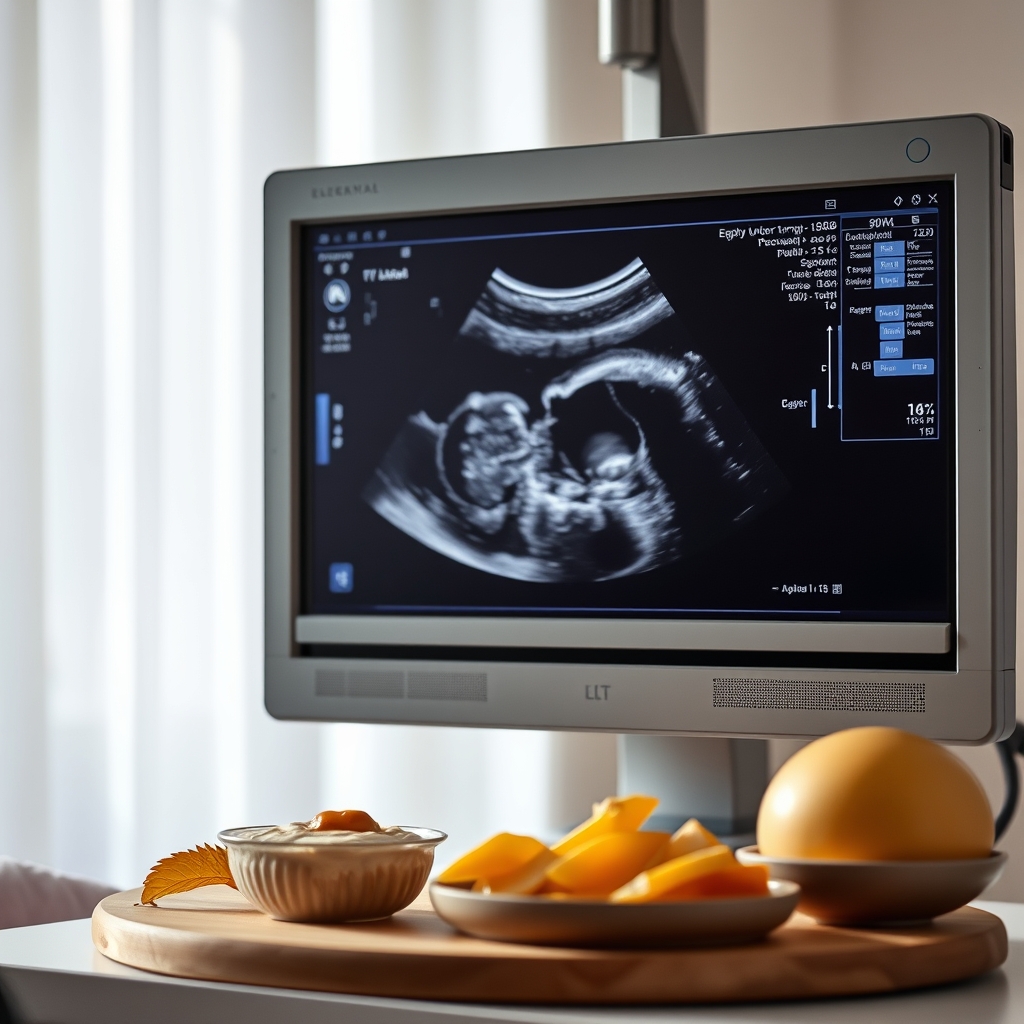
Discover when ectopic pregnancy starts to hurt and what symptoms to expect, including severe abdominal pain and vaginal bleeding, when does ectopic pregnancy start to hurt
By Shubhra Mishra — a mom of two who turned her own confusion during pregnancy into BumpBites, a global mission to make food choices clear, safe, and stress-free for every expecting mother. 💛
Check whether any food is safe during pregnancy with the BumpBites Food Safety Checker.
Quick take: Ectopic pregnancy pain usually starts 6–8 weeks after the last menstrual period, often as sharp or pulling pain on one side of the lower abdomen. It can be mild at first, but worsening pain, shoulder discomfort, dizziness, or heavy bleeding are red‑flag signs that require immediate medical attention.
It’s 2 a.m., you’ve just woken up with a dull ache in your lower belly and a twinge of worry. You’ve been trying to conceive for months, and the thought of “what if this is something wrong?” races through your mind. The good news is that most women who experience early‑pregnancy pain have benign causes, but ectopic pregnancy—a pregnancy that implants outside the uterus—needs prompt evaluation.
In this article we’ll walk through exactly when the pain usually starts, what it feels like, how to tell it apart from normal period cramps or a miscarriage, and which warning signs mean you should call emergency services right away. We’ll also cover the typical timeline of symptoms, risk factors, diagnostic tools, and treatment options, so you’ll know what questions to ask your provider.
By the end you’ll have a clear picture of the “pain timeline” for ectopic pregnancy, the safest steps to take, and reassurance that help is available if anything feels off.
When does ectopic pregnancy pain begin? How soon after conception does it hurt?
The first noticeable pain from an ectopic pregnancy most often appears between 6 and 8 weeks after the first day of your last menstrual period (LMP). That translates to roughly 4–6 weeks after fertilization, because implantation outside the uterus usually takes a few days after the embryo reaches the fallopian tube.
In the earliest weeks, many women feel only a mild, intermittent cramp on one side of the lower abdomen. The pain can be described as a “tugging” or “sharp” sensation that may come and go. For some, the discomfort is so subtle that it’s mistaken for gas, a pulled muscle, or typical period cramps.
Why does the pain start at this point? The embryo begins to grow, stretching the tube or other abnormal site (such as the ovary or abdominal cavity). As the tissue expands, it irritates the surrounding peritoneum—a thin lining that is highly sensitive to stretch and inflammation—triggering pain signals.
Most ectopic pregnancies are discovered before the tube ruptures, thanks to early prenatal visits and ultrasound screening. However, if you notice new, localized pain after you’ve missed a period, it’s wise to schedule an appointment promptly. A few women report feeling a faint ache as early as 5 weeks LMP, but this is less common and usually coincides with other early‑pregnancy symptoms.
When you feel a new ache in your lower belly, a quick check‑in with your provider can clarify whether it’s something like an ectopic pregnancy.
What are the early signs of ectopic pregnancy pain?
Early warning signs often include:
One‑sided lower‑abdominal or pelvic pain that may be constant or intermittent.
Shoulder pain, especially on the right side, caused by blood irritating the diaphragm (known as Kehr’s sign).
Light spotting or vaginal bleeding that is different from a normal period.
Dizziness, faintness, or a sudden drop in blood pressure.
Feeling unusually tired or experiencing nausea that is not typical for early pregnancy.
These symptoms can appear before any ultrasound is able to locate the pregnancy, especially if the embryo is still very small. According to the American College of Obstetricians and Gynecologists (ACOG), about 50 % of ectopic pregnancies present with abdominal pain as the primary complaint.
Spotting may be confused with implantation bleeding, but the timing and pattern differ—ectopic spotting often occurs later (after the missed period) and may be accompanied by cramping that does not subside with rest. Tracking these nuances can help you communicate more clearly with your provider.
What does ectopic pregnancy pain feel like, and how does it differ from period cramps?
Ectopic pain is often described as:
Sharp or stabbing—a sudden, intense sensation that may radiate to the back or thigh.
Pulling or tearing—a feeling that the tissue is being stretched or torn.
Persistent and worsening—the pain usually intensifies over hours or days, rather than easing.
In contrast, typical menstrual cramps (dysmenorrhea) are usually:
Bilaterally located (both sides of the lower abdomen).
Dull, throbbing, and often improve with heat or NSAIDs.
Accompanied by a predictable flow of menstrual blood.
Below is a quick comparison of key characteristics:
Feature
Ectopic Pregnancy Pain
Period Cramps (Dysmenorrhea)
Miscarriage Pain
Location
One side, often lower abdomen or pelvis
Both sides, lower abdomen
Both sides, may be diffuse
Quality
Sharp, pulling, may radiate to shoulder
Dull, throbbing
Cramping, may be cramp‑like
Onset
6–8 weeks LMP, sudden or gradual
Starts with menstrual flow
Often after spotting or bleeding begins
Progression
Gets worse, can become severe quickly
Improves with heat/meds
Can be constant, may lessen after tissue passes
Associated signs
Shoulder pain, dizziness, heavy bleeding
Regular period flow
Bleeding, tissue passage
Understanding these differences helps you decide whether to seek urgent care or wait for a routine appointment. Movement often aggravates ectopic pain, whereas menstrual cramps may ease with gentle stretching.
Can an ectopic pregnancy be painless at first?
Yes—up to 30 % of ectopic pregnancies initially cause no pain (CDC). Some women notice only light spotting or feel “off” without any abdominal discomfort. Because the tube can stretch a little before it ruptures, the early stage may be completely silent.
Even when pain is absent, other clues can signal a problem:
Unexplained drop in blood pressure or heart rate.
Persistent nausea or vomiting that isn’t typical for early pregnancy.
Elevated hCG levels that rise faster than expected for a normal intrauterine pregnancy.
If you have any risk factors (see the next section) or have missed a period and are experiencing any of these subtle signs, it’s worth getting a serum hCG test and possibly a transvaginal ultrasound, even if you don’t feel pain yet. Early detection is key to avoiding rupture.
How to differentiate ectopic pregnancy pain from miscarriage or normal early pregnancy?
Both miscarriage and ectopic pregnancy can produce abdominal pain and bleeding, but there are key distinctions:
Bleeding pattern
Miscarriage bleeding often resembles a heavy period, with clots and a gradual increase in flow. Ectopic bleeding may start as spotting and then become sudden and heavier, sometimes accompanied by bright red blood.
Pain location
Miscarriage pain tends to be centered in the lower abdomen and may radiate to the lower back. Ectopic pain is usually unilateral and can radiate to the shoulder if the tube ruptures.
hCG trends
In a healthy pregnancy, hCG (human chorionic gonadotropin) roughly doubles every 48 hours. In a miscarriage, hCG rises slower or plateaus. In an ectopic pregnancy, hCG may rise but not at the expected rate for a viable intrauterine pregnancy, and the level often peaks lower than 2,500 mIU/mL before plateauing.
Ultrasound findings
A transvaginal ultrasound will typically show an intrauterine gestational sac by 5–6 weeks LMP. If no sac is seen but hCG is above the discriminatory zone (≈1,500–2,000 mIU/mL), clinicians become suspicious of an ectopic location.
When you’re unsure, bring a list of these differences to your appointment. Your provider can order the appropriate blood tests and imaging to pinpoint the cause. Progesterone levels can also help—low progesterone is more common in miscarriage, while ectopic pregnancies may maintain normal progesterone early on.
When should I seek emergency care for ectopic pregnancy pain? What are the warning signs of a ruptured ectopic pregnancy?
Rupture is a medical emergency. Seek immediate care if you experience any of the following:
Sudden, severe abdominal or pelvic pain that worsens rapidly.
Shoulder pain, especially on the right side (Kehr’s sign).
Weakness, dizziness, fainting, or a rapid heartbeat.
Heavy vaginal bleeding or passing large clots.
Feeling of fullness or pressure in the abdomen.
These symptoms indicate internal bleeding into the abdomen, which can lead to shock if untreated. According to the Royal College of Obstetricians and Gynaecologists (RCOG), rupture can occur as early as 6 weeks LMP, but most cases happen between 6 and 10 weeks.
Even mild shoulder pain or faint dizziness should be taken seriously, because they can precede a sudden rupture. Prompt evaluation can prevent life‑threatening blood loss and preserve fertility.
What are the risk factors and warning signs of a ruptured ectopic pregnancy? Can ectopic pregnancy cause shoulder pain?
Several factors increase the likelihood of a painful or ruptured ectopic pregnancy:
History of pelvic inflammatory disease (PID) or sexually transmitted infections.
Tubal surgery or tubal ligation reversal.
Use of assisted reproductive technologies (IVF, IUI).
Smoking, which impairs tubal motility.
Age over 35 years, which correlates with higher ectopic rates.
Shoulder pain is a classic sign of intra‑abdominal bleeding. Blood that pools under the diaphragm irritates the phrenic nerve, transmitting pain to the shoulder tip. This symptom can appear before you even notice abdominal pain, making it a crucial early warning.
Being aware of these risk factors helps you and your provider decide on early ultrasound screening, especially if you have a known history of tubal disease. Smoking cessation and treating any active infections before trying to conceive can lower your risk.
Transvaginal ultrasound is the gold‑standard tool for locating an ectopic pregnancy early.
What are the treatment options and timeline for ectopic pregnancy symptoms? When does bleeding start and how long does it take for an ectopic pregnancy to rupture?
Once an ectopic pregnancy is diagnosed, treatment hinges on the size of the ectopic mass, the hCG level, and whether rupture has occurred.
Medical management
If the ectopic is small (< 3.5 cm) and the patient is stable, doctors may prescribe methotrexate, a medication that stops rapidly dividing cells. Methotrexate is given as a single intramuscular injection, followed by serial hCG measurements on days 4 and 7. A successful response shows a ≥15 % drop in hCG, after which levels are monitored weekly until they’re non‑detectable.
Surgical management
When the ectopic is larger, hCG is high, or there are signs of rupture, surgery is recommended. Options include:
Laparoscopic salpingostomy—removing the ectopic tissue while preserving the fallopian tube.
Laparoscopic salpingectomy—removing the affected tube entirely, often chosen if the tube is severely damaged.
Laparotomy—an open abdominal surgery, reserved for massive bleeding or when minimally invasive approaches aren’t feasible.
Post‑operative follow‑up includes weekly hCG checks until the hormone is undetectable, confirming that no residual trophoblastic tissue remains.
Bleeding timeline
Bleeding can begin at any point after implantation, but it most commonly starts when the ectopic mass reaches 2–4 cm and the tubal wall stretches. Light spotting may appear as early as 5 weeks LMP, while heavy bleeding often coincides with rupture around 6–10 weeks.
How long does it take for an ectopic pregnancy to rupture?
Rupture timing varies. Studies cited by the NHS indicate that most ruptures occur between 6 and 9 weeks LMP. The interval from pain onset to rupture can be as short as a few hours in aggressive cases, underscoring the importance of early detection.
Success rates for methotrexate exceed 90 % when criteria are met, and fertility after treatment remains high—most women conceive again within a year, according to ACOG data.
How long does ectopic pregnancy pain typically last if it doesn’t rupture?
When an ectopic pregnancy is identified before rupture, the pain often diminishes within a few days after treatment begins. With methotrexate, many patients report that the sharp discomfort fades within 48–72 hours as the trophoblastic tissue stops growing. Surgical removal usually provides immediate relief, though a mild ache may linger for a week as the abdomen heals.
If the ectopic remains untreated, pain can persist and progressively worsen. The peritoneal irritation caused by a growing mass does not resolve on its own; instead, it leads to increasing inflammation, which can become constant and severe. In practice, clinicians aim to intervene before pain exceeds a tolerable level, because prolonged discomfort often signals impending rupture.
What lifestyle or activity modifications can help manage ectopic pregnancy pain while awaiting care?
While waiting for an appointment, you can take gentle steps to keep the pain from escalating:
Rest and limit strenuous activity. Heavy lifting, intense exercise, or prolonged standing can increase intra‑abdominal pressure and aggravate the tube.
Apply warm (not hot) compresses. A warm pack for 15‑20 minutes can soothe muscle tension without increasing blood flow to the area, which might worsen bleeding.
Stay hydrated and eat small, frequent meals. Dehydration can heighten cramping, and balanced nutrition supports overall healing.
Avoid NSAIDs unless advised. Over‑the‑counter ibuprofen can mask warning signs and, in some cases, affect platelet function. Acetaminophen is generally safer for short‑term pain relief, but always check with your provider.
Track symptoms. Keep a brief log of pain intensity, location, any bleeding, and associated feelings (dizziness, nausea). This information speeds up the diagnostic conversation.
Prevent constipation. A high‑fiber diet and gentle movement can reduce pressure on the abdomen, which may otherwise exacerbate discomfort.
These measures are not a substitute for medical evaluation, but they can make the waiting period more comfortable and give your clinician a clearer picture of how the pain evolves.
What follow‑up care and future pregnancy planning look like after an ectopic pregnancy?
After treatment, most doctors recommend a follow‑up hCG series until the hormone is undetectable, typically over 4–6 weeks. This confirms that all ectopic tissue has been cleared. Your provider will also schedule a post‑operative ultrasound to assess any residual scarring in the fallopian tube.
When you’re ready to try again, a pre‑conception visit is valuable. Discuss any lingering risk factors—such as previous PID, smoking, or tubal surgery—and consider early ultrasound monitoring in the next cycle. The American College of Obstetricians and Gynecologists (ACOG) suggests a baseline transvaginal scan at 5–6 weeks LMP for women with a history of ectopic pregnancy, because early detection dramatically reduces the chance of recurrence.
Contraception is often recommended for at least one full menstrual cycle after treatment to allow the body to recover fully. When you do try again, many clinicians advise a “watchful waiting” approach with hCG testing on day 14 after a positive test, to catch any abnormal implantation early.
Emotional recovery is equally important. Many women experience grief, anxiety, or fear after an ectopic loss. Seeking support from a counselor, support group, or trusted friend can help you process those feelings and feel stronger when you decide to try again.
How can I monitor ectopic pregnancy pain at home before seeing a doctor?
While you should never rely on self‑diagnosis, a few home‑monitoring steps can help you describe your experience accurately. Use a simple pain‑scale (0 = no pain, 10 = worst imaginable) and note the exact time the pain starts, its location, and anything that worsens it (e.g., standing, coughing). A brief diary—one line per day—provides a clear picture for your provider.
Take a photo of any vaginal spotting with a clean, white background for reference, and write down the color (bright red, brown, or pink) and amount (a few drops versus a heavy flow). Pair this with a home hCG test if you have one; a positive result combined with pain should prompt an urgent appointment, even if the test line looks faint.
Remember, these tools are for communication, not for self‑treatment. If anything feels out of the ordinary, call your provider or go to the nearest emergency department.
Ectopic pregnancy after assisted reproductive technology (IVF) – what to expect?
Women who undergo in‑vitro fertilization (IVF) have a slightly higher risk of ectopic implantation, especially when multiple embryos are transferred or when tubal factor infertility is present. The timing of pain is similar—typically 6–8 weeks after embryo transfer—but the heightened vigilance of IVF clinics often leads to earlier detection.
Because IVF cycles include regular hCG monitoring, a sudden plateau or slower rise in hCG levels can be an early clue. Early transvaginal ultrasound is standard practice in IVF clinics, so many ectopic pregnancies are identified before symptoms develop. Nonetheless, the same warning signs (unilateral pain, shoulder discomfort, spotting) apply, and patients should still seek prompt care if they arise.
If an ectopic pregnancy is confirmed after IVF, treatment follows the same medical or surgical pathways. Fertility specialists may discuss the impact on future IVF attempts and may adjust protocols—such as using a single‑embryo transfer—to reduce recurrence risk.
Emotional recovery and coping strategies after an ectopic pregnancy
Loss of a pregnancy, even an ectopic one, can trigger a grief response similar to any miscarriage. Feelings of sadness, guilt, or anxiety are normal, and acknowledging them is the first step toward healing. Many couples find it helpful to set a “grief timeline” that allows space for emotions without feeling pressured to “move on” quickly.
Professional counseling, especially with a therapist experienced in reproductive loss, can provide tools for processing grief. Peer support groups—both in‑person and online—offer a sense of community; hearing that others have walked the same path often reduces isolation. Simple self‑care practices, such as gentle walks, journaling, or mindfulness meditation, can also ease stress while you await future pregnancy plans.
From our medical team: If you notice any new, persistent abdominal pain—especially if it’s one‑sided, sharp, or accompanied by shoulder discomfort—don’t wait for your next routine visit. A quick blood test and ultrasound can rule out an ectopic pregnancy before it becomes an emergency. Early care dramatically reduces the chance of rupture and preserves fertility.
Myth vs. fact
Myth: If you have no pain, you can’t have an ectopic pregnancy.
Fact: Up to one‑third of ectopic pregnancies are initially painless; subtle signs like spotting or a drop in hCG should still prompt evaluation.
Myth: Ectopic pregnancy always causes heavy bleeding.
Fact: Bleeding can be light, intermittent, or absent early on. Severe bleeding usually signals rupture.
Myth: You can treat an ectopic pregnancy at home with over‑the‑counter pain relievers.
Fact: While NSAIDs may temporarily ease discomfort, they do not address the underlying implantation and can mask symptoms that require urgent care.
Key takeaways
Ectopic pregnancy pain typically starts 6–8 weeks after the LMP and is often one‑sided, sharp, and worsening.
Shoulder pain, dizziness, or sudden heavy bleeding are emergency signs—call 911 or go to the ER immediately.
Early detection relies on serum hCG trends and transvaginal ultrasound; a “discriminatory zone” of ~1,500 mIU/mL guides imaging.
Medical management with methotrexate works for small, stable ectopics; surgery is needed for larger or ruptured cases.
Risk factors include prior ectopic pregnancy, PID, tubal surgery, smoking, and assisted reproductive technology.
Even painless early ectopics deserve prompt evaluation to avoid rupture and preserve future fertility.
While awaiting care, gentle rest, warm compresses, and careful symptom tracking can help manage discomfort.
After treatment, follow‑up hCG monitoring and a post‑operative scan are essential before trying again.
Emotional support and counseling are important parts of recovery after an ectopic loss.
Frequently asked questions
What are the first signs of an ectopic pregnancy?
The first signs often include unilateral lower‑abdominal pain, light spotting, and a slower‑than‑expected rise in hCG. If you notice any of these after a missed period, schedule an appointment right away.
Can an ectopic pregnancy cause abdominal pain without bleeding?
Yes—up to 30 % of ectopic pregnancies present with pain alone, especially early on. However, any new pain warrants a medical check, even if bleeding isn’t present.
When should I call my doctor if I suspect an ectopic pregnancy?
Call your provider immediately if you have persistent one‑sided abdominal pain, shoulder discomfort, dizziness, or any vaginal bleeding that is heavier than a typical period.
How is ectopic pregnancy diagnosed?
Diagnosis combines quantitative serum hCG testing with transvaginal ultrasound. When hCG exceeds the discriminatory zone and no intrauterine gestational sac is seen, clinicians suspect an ectopic location.
What is the difference between ectopic pregnancy pain and menstrual cramps?
Ectopic pain is usually sharp, unilateral, and worsening, while menstrual cramps are bilateral, dull, and often improve with heat or NSAIDs. Shoulder pain and rapid onset of severe discomfort are red flags for ectopic pregnancy.
Can an ectopic pregnancy be treated without surgery?
Yes—if the ectopic is small and the patient is stable, methotrexate can be used to dissolve the tissue. Surgical intervention is required for larger or ruptured ectopics.
Is it safe to take ibuprofen for ectopic pregnancy pain?
Acetaminophen is generally preferred for short‑term pain relief while you await evaluation. Ibuprofen may mask warning signs and, in rare cases, affect platelet function, so discuss any pain medication with your provider first.
Can a home pregnancy test detect an ectopic pregnancy?
A home test only tells you whether hCG is present, not where the pregnancy is located. A positive test combined with pain or spotting should prompt a professional hCG quantification and ultrasound to determine the pregnancy’s location.
Can I have sexual intercourse while awaiting evaluation for a possible ectopic pregnancy?
Sexual activity does not cause an ectopic pregnancy, but it can increase abdominal discomfort and, in rare cases, exacerbate bleeding. If you’re experiencing pain or spotting, it’s safest to abstain until a clinician has evaluated you.
What is the success rate of methotrexate treatment for ectopic pregnancy?
When the ectopic mass is ≤ 3.5 cm, hCG is < 5,000 mIU/mL, and the patient is hemodynamically stable, methotrexate cures over 90 % of cases according to ACOG data. Follow‑up hCG monitoring is essential to confirm resolution.
When to call your doctor
If you experience any of the following, seek medical attention right away: sudden severe abdominal or shoulder pain, heavy vaginal bleeding, dizziness, fainting, or a rapid heartbeat. This article is for informational purposes only and does not replace personalized medical advice. Always consult your healthcare provider with any concerns.
References
American College of Obstetricians and Gynecologists (ACOG). “Ectopic Pregnancy.” Practice Bulletin No. 193, 2023.
Centers for Disease Control and Prevention (CDC). “Ectopic Pregnancy.” 2022.
Royal College of Obstetricians and Gynaecologists (RCOG). “Management of Ectopic Pregnancy.” Green‑top Guideline No. 31, 2022.
National Health Service (NHS). “Ectopic pregnancy – symptoms and treatment.” Updated 2023.
World Health Organization (WHO). “Maternal health: early detection of ectopic pregnancy.” 2021.
Mayo Clinic. “Ectopic pregnancy.” 2023.
Society of Maternal‑Fetal Medicine (SMFM). “Clinical Management of Ectopic Pregnancy.” 2023.
Not sure about the label on When Does Ectopic Pregnancy Start To Hurt products?
Snap the ingredients list and SafeFilter checks every ingredient for your stage — only 3 free scans this month, then you're locked until reset. Unlimited from $7/mo or $50/yr.
When Shubhra Mishra was expecting her first child in 2016, she was overwhelmed by conflicting food advice — one site said yes, another said never. By the time her second baby arrived in 2019, she realized millions of mothers face the same confusion.
That sparked a five-year journey through clinical nutrition papers, cultural diets, and expert conversations — all leading to BumpBites: a calm, compassionate space where science meets everyday motherhood.
Her long-term vision is to build a global community ensuring safe, supported, and free deliveriesfor every mother — because no woman should face pregnancy alone or uninformed. 🌿
🌍 Stand with mothers, shape safer guidance
Join a small circle of experts who review BumpBites articles so expecting parents everywhere can decide with confidence.