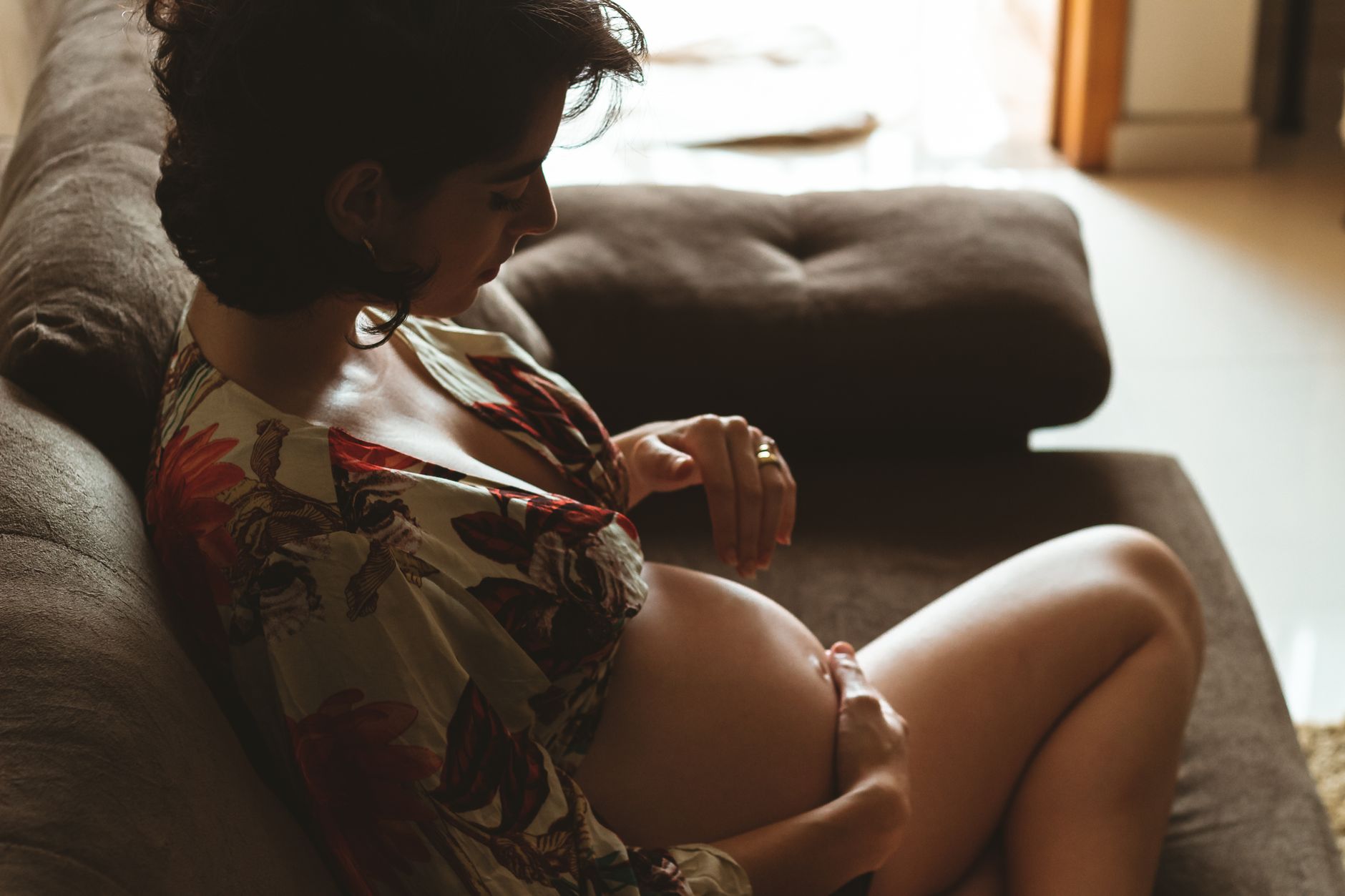
Pregnancy sickness usually ends by the end of the first trimester, around 12‑14 weeks, but some women feel it longer. Find out why it stops and what to expect.
By Shubhra Mishra — a mom of two who turned her own confusion during pregnancy into BumpBites, a global mission to make food choices clear, safe, and stress-free for every expecting mother. 💛
Check whether any food is safe during pregnancy with the BumpBites Food Safety Checker.
Quick take: Most pregnancy‑related nausea and vomiting—often called “morning sickness”—peaks around weeks 8‑12 and then eases for the majority of people. By the end of the first trimester, about 70% of pregnant people feel a noticeable reduction, and symptoms usually disappear by week 20. If they persist longer or become severe, it’s worth checking with a health professional.
It’s 2 a.m., you’re curled up on the couch, and the queasy feeling that’s been with you since the early weeks finally feels like it might be fading. You stare at the clock, wondering if this is the moment the nausea finally quits. You’re not alone—most expecting families wonder exactly when does pregnancy sickness stop and what to expect next.
Below we break down the typical timeline, why the symptoms flare and fade, and practical ways to soothe them. We’ll walk through each stage of pregnancy, answer the common “when‑does‑it‑stop?” questions, and give you actionable tips for coping at home or at work. All the information is grounded in guidance from ACOG, the NHS, and the WHO, and we’ll flag the signs that merit a call to your provider.
By the end of this article you’ll know the usual length of morning sickness, the reasons it often eases around week 12, how to manage it naturally, and when lingering nausea might need medical attention.
When does morning sickness stop in pregnancy?
Morning sickness—despite its name—can strike at any time of day, especially during the first trimester. The good news is that most people notice a decline by the end of the first trimester, roughly around weeks 10‑14. The exact timing varies, but 70‑80% of pregnant individuals report that nausea lessens after week 12. While this is the typical pattern, it’s important to remember that every pregnancy is unique, and your experience might fall outside this average without cause for concern.
The intensity and duration of nausea can also be influenced by factors like carrying multiples, a history of motion sickness, or previous experiences with severe nausea in pregnancy. The American College of Obstetricians and Gynecologists (ACOG) emphasizes that while the first trimester is the most common period for symptoms, a significant minority of women will experience them for longer. It's a spectrum, not a rigid deadline, and understanding this can help manage expectations and reduce anxiety.
Why it often eases after week 12
Hormonal shifts are the primary driver. Human chorionic gonadotropin (hCG) peaks around weeks 8‑10, and its rapid rise is strongly linked to nausea. By week 12, hCG levels start to plateau while progesterone, which helps relax the uterus, continues to rise more steadily, reducing the gut‑spasm effect. This stabilization allows your body to find a new equilibrium, lessening the initial shock of these powerful pregnancy hormones.
Another factor is the body’s adaptation to the new hormonal environment. The brain’s vomiting center (the chemoreceptor trigger zone) becomes less sensitive after a few weeks of exposure, leading to fewer nausea signals. Additionally, estrogen levels, which also contribute to nausea, begin to stabilize, further aiding in symptom reduction. Your digestive system, initially more sensitive due to hormonal influences, also starts to adapt, becoming more efficient at processing food without triggering discomfort.
Typical signs that it’s winding down
Reduced frequency of nausea episodes (e.g., from daily to a few times a week).
Improved appetite and ability to keep meals down.
Less reliance on anti‑nausea snacks like crackers or ginger.
Decreased dizziness and fewer episodes of vomiting.
Increased energy levels and a general feeling of well-being.
Ability to tolerate a wider variety of foods and smells without discomfort.
If you notice these changes, it’s usually a sign that the “morning sickness” phase is drawing to a close. Many women describe it as a gradual easing, rather than an abrupt stop, with good days slowly outnumbering the bad ones. Pay attention to these subtle shifts, as they often signal your body is adjusting to pregnancy and moving into a more comfortable phase.
Ginger tea is a gentle, evidence‑based option for soothing early‑trimester nausea.
How long does pregnancy sickness last?
On average, pregnancy‑related nausea and vomiting last about 12‑14 weeks. For many, the most intense period is between weeks 6‑12, with a gradual decline thereafter. However, there is a wide spectrum, and individual experiences can vary significantly. Understanding this range can help you prepare and manage your expectations.
Short‑lived nausea: Some feel it only for a few weeks, often resolving by week 8. This is less common but perfectly normal for some individuals whose bodies adapt quickly to hormonal changes.
Typical course: The classic pattern is onset at 5‑6 weeks, peak at 8‑10 weeks, and improvement by 13‑14 weeks. This is what most pregnant people will experience, aligning with the stabilization of hCG levels.
Extended nausea: About 10‑15% experience symptoms into the second trimester (beyond week 20). While less common, this can still be a normal variation and often improves with dietary and lifestyle adjustments, or mild medication.
Hyperemesis gravidarum: A severe form affecting less than 1% of pregnancies, lasting throughout pregnancy and requiring medical treatment. This condition is characterized by severe, unremitting nausea and vomiting, leading to dehydration, weight loss, and electrolyte imbalances. It requires close medical supervision and intervention.
Pregnancy sickness at 6 weeks
Week 6 is when many first notice queasiness. The uterus is still tiny, but the placenta begins producing hCG, which can trigger the chemoreceptor trigger zone. This early onset can be surprising, but it's a common signal that your body is undergoing significant changes. Many women describe it as a persistent queasy feeling, similar to motion sickness or a mild hangover, rather than just vomiting.
Common triggers at this stage include:
Strong odors (cooked fish, coffee, perfume, certain cleaning products). Your sense of smell can become incredibly sensitive.
Empty stomach—low blood sugar can worsen nausea. This is why many people feel worse first thing in the morning or if they go too long without eating.
Rapidly rising hormone levels, particularly hCG, which is increasing exponentially at this point.
Fatigue and stress, which can amplify the feeling of nausea.
At this early stage, focusing on small, frequent bland meals, staying hydrated, and avoiding known triggers can make a big difference.
Pregnancy sickness relief at 8 weeks
By week 8, some find relief by adjusting diet: small, frequent meals, high‑protein snacks, and ginger (fresh, tea, or chews). Hydration is crucial—sipping water or electrolyte drinks throughout the day can prevent dehydration, which intensifies nausea. This is often the peak period for nausea, so finding effective strategies is paramount.
During this peak, many women find comfort in cold foods like fruit, yogurt, or smoothies, as they have less odor. Bland carbohydrates like crackers, toast, or dry cereal can also be helpful. It's also a good time to consider vitamin B6 supplements, often recommended by healthcare providers for nausea relief (always check with your doctor first). Rest is also paramount, as fatigue can exacerbate feelings of queasiness.
What week does pregnancy sickness usually stop?
While individual experiences differ, the median week for symptom cessation is around week 13‑14. This means that by the time you enter your second trimester, you’ll likely begin to feel significantly better. This relief is often referred to as the "honeymoon phase" of pregnancy, as energy levels return and the persistent nausea subsides, allowing you to enjoy your pregnancy more fully.
The table below offers a quick reference that many patients find helpful for understanding the general trajectory of pregnancy sickness. It's a guide, not a definitive prediction, but it reflects the common patterns observed in most pregnancies. Remember that even within these stages, daily fluctuations are normal, and a sudden good day doesn't necessarily mean it's over for good, just as a bad day doesn't mean it will last forever.
Gestational Week
Typical Symptom Trend
What Most People Experience
5‑6
Onset
First wave of nausea, often mild, heightened smell sensitivity.
7‑9
Peak
Frequent nausea, possible vomiting; cravings may appear, significant fatigue.
10‑12
Plateau
Symptoms remain steady; many start noticing slight improvement, but still challenging.
13‑14
Decline
Most report reduced nausea; appetite returns, energy levels begin to rise.
15‑20
Resolution
Symptoms largely disappear for the majority, feeling more like yourself.
20+
Late‑onset (rare)
Occasional nausea may reappear, often linked to fatigue, stress, or specific triggers.
The table aligns with ACOG’s guidance that “most nausea resolves by the end of the first trimester.” If you’re still feeling queasy after week 20, it’s worth discussing with your provider. They can assess for any underlying issues or offer additional management strategies. It's important not to suffer in silence if your symptoms persist beyond the typical timeline.
Why does pregnancy sickness stop at 12 weeks?
The 12‑week mark coincides with several physiological changes that collectively contribute to the reduction of pregnancy sickness. This coordinated shift in your body is a remarkable aspect of pregnancy, signaling a transition to a new phase where your body has largely adapted to its new role.
Hormone stabilization: The most significant factor is the peaking and subsequent decline of human chorionic gonadotropin (hCG). After reaching its highest levels around 8-10 weeks, hCG begins to plateau and then gradually decrease, reducing its impact on the brain's vomiting center. Concurrently, progesterone and estrogen levels, while still high, become more stable, allowing the body to adjust to their presence rather than reacting to their rapid ascent.
Gastric motility: Progesterone’s relaxing effect on smooth muscle improves, allowing food to move more smoothly through the digestive tract. In early pregnancy, high progesterone can slow down digestion, leading to feelings of fullness, bloating, and nausea. As the body adapts, this effect becomes less pronounced, and gastric emptying returns closer to normal, alleviating digestive discomfort.
Metabolic adaptation: The body begins to adjust its glucose handling, lessening low‑blood‑sugar‑induced nausea. In early pregnancy, your body is working hard to establish the placenta and support fetal development, which can lead to rapid shifts in blood sugar. As pregnancy progresses, the body becomes more efficient at regulating glucose, reducing the likelihood of nausea triggered by an empty stomach or fluctuating sugar levels.
Researchers at the Mayo Clinic have observed that the combination of these factors often results in a noticeable drop in nausea frequency and intensity after week 12. This complex interplay of hormonal, digestive, and metabolic adjustments allows many pregnant individuals to experience significant relief, marking a much-anticipated milestone in their pregnancy journey.
Finding moments for rest and relaxation can significantly help in managing pregnancy sickness and overall well-being.
Can pregnancy sickness last the entire pregnancy?
For the vast majority, nausea fades in the first half of pregnancy. However, a small subset—roughly 0.5‑1%—experience persistent nausea, sometimes called “continuous morning sickness.” This can be due to a variety of factors, and it's important to differentiate between lingering mild queasiness and severe, debilitating symptoms.
Hormonal variations: Some individuals may have hormonal profiles where hCG levels remain elevated for longer, or their bodies are simply more sensitive to the sustained high levels of progesterone and estrogen throughout pregnancy.
Underlying gastrointestinal conditions: Pre-existing conditions like gastroesophageal reflux disease (GERD), irritable bowel syndrome (IBS), or even gallstones can be exacerbated by pregnancy hormones, leading to persistent nausea and vomiting.
Psychological stressors: High levels of stress, anxiety, or depression can amplify the perception of nausea and make it more difficult to manage. The emotional toll of ongoing sickness can also create a vicious cycle, worsening symptoms.
Hyperemesis Gravidarum (HG): This severe form of nausea and vomiting affects a small percentage of pregnancies and can, in some cases, last well into the third trimester or even until delivery. HG is characterized by intractable vomiting, significant weight loss (more than 5% of pre-pregnancy weight), and electrolyte imbalances, often requiring hospitalization for intravenous fluids and nutrition.
When nausea persists past week 20, clinicians evaluate for hyperemesis gravidarum or other secondary causes. Treatment may involve vitamin B6 (pyridoxine), antihistamines like doxylamine, or, in severe cases, antiemetic medications specifically approved for pregnancy, IV fluids, and hospital admission. The National Institute for Health and Care Excellence (NICE) guidelines recommend a stepped approach to managing persistent nausea, starting with conservative measures and escalating to medication when necessary.
How to stop pregnancy sickness naturally?
Non‑pharmacologic strategies are the first line of defense. Below are evidence‑backed methods that many expectant parents find helpful for managing mild to moderate symptoms. The key is often finding a combination of strategies that works best for your individual body and triggers.
Dietary changes
Ginger: Fresh ginger, ginger tea, or ginger chews (up to 1 g per day) have modest evidence for reducing nausea. The Food Standards Agency (FSA) generally considers moderate ginger intake safe during pregnancy. Try grating fresh ginger into hot water with a squeeze of lemon, or keeping ginger candies on hand.
Small, frequent meals: Aim for 5‑6 mini‑meals a day, each containing protein and complex carbs. An empty stomach can worsen nausea, so grazing throughout the day helps keep blood sugar stable. Think a handful of almonds, a piece of toast, or a small yogurt.
Avoid triggers: Strong odors, spicy foods, and fatty fried items can worsen symptoms. Pay attention to what foods or smells specifically bother you and try to avoid them. Cold foods often have less odor than hot ones and can be more palatable.
Stay hydrated: Sip water, herbal teas (peppermint or chamomile, in moderation), or electrolyte solutions throughout the day. Dehydration can intensify nausea and vomiting. If plain water is difficult, try sparkling water with lemon or diluted fruit juice.
Bland foods: The BRAT diet (bananas, rice, applesauce, toast) is often recommended for upset stomachs and can be helpful for pregnancy nausea. Saltine crackers, dry cereal, and plain pasta are also good options.
Lifestyle adjustments
Rest in a well‑ventilated room; avoid overheating. Fatigue and stuffy environments can exacerbate nausea. Fresh air can work wonders.
Acupressure wrist bands (P6 point) have mixed but promising results for some individuals. These bands apply pressure to a specific point on the wrist believed to relieve nausea.
Gentle prenatal yoga or stretching can reduce stress‑related nausea and improve circulation. Consult with your provider before starting any new exercise regimen.
Maintain a regular sleep schedule to mitigate fatigue‑induced queasiness. Aim for 7-9 hours of sleep and allow for short naps if needed.
Aromatherapy with lemon or peppermint essential oils (diffused, not ingested) can sometimes provide relief. Always ensure good ventilation and use high-quality oils.
Avoid sudden movements: Getting up too quickly can trigger dizziness and nausea. Move slowly and deliberately, especially in the morning.
Pregnancy sickness and fatigue often go hand‑in‑hand. Prioritizing short naps and limiting caffeine after the first trimester can help keep energy levels steadier. Listen to your body and don't push yourself when you're feeling unwell.
The Emotional Toll of Pregnancy Sickness
Beyond the physical discomfort, pregnancy sickness can take a significant emotional toll. It's not just about feeling sick; it's about the constant worry, the impact on daily life, and the potential for isolation. Many expectant parents feel guilty or ashamed about complaining, especially when they've wanted a baby for so long, but these feelings are valid and common.
The relentless nature of nausea and vomiting can lead to:
Anxiety and Depression: The constant feeling of illness, coupled with fear of vomiting in public or not being able to eat, can contribute to significant anxiety and even depression. Studies show a link between severe NVP (Nausea and Vomiting of Pregnancy) and increased risk of antenatal depression.
Social Isolation: Avoiding social events, work, or even family gatherings because of fear of nausea or vomiting can lead to feelings of loneliness and isolation.
Impact on Relationships: Partners may struggle to understand the severity of the symptoms, and the inability to participate in normal activities can strain relationships. Open communication about what you're experiencing is crucial.
Disrupted Daily Life: Simple tasks like grocery shopping or cooking can become impossible, affecting work, childcare for other children, and overall quality of life.
It's vital to acknowledge these emotional impacts and seek support. Talking to your partner, a trusted friend, or a mental health professional can provide immense relief. Your healthcare provider can also connect you with resources and support groups. Remember, you don't have to "tough it out" alone.
Nutritional Concerns with Pregnancy Sickness
One of the biggest worries for pregnant people experiencing prolonged nausea is whether their baby is getting enough nutrients. It's a natural concern, especially when you're struggling to keep anything down. The good news is that for most cases of mild to moderate pregnancy sickness, your baby is usually still getting what they need.
In the first trimester, the baby's nutritional needs are relatively small. Your body has stores of nutrients that it can draw upon, and the placenta is still developing. However, persistent severe vomiting (as in hyperemesis gravidarum) can lead to maternal weight loss and nutrient deficiencies, which can have an impact on both mom and baby. The American Academy of Pediatrics (AAP) emphasizes the importance of managing nausea to ensure adequate maternal nutrition.
Tips for ensuring nutrition despite sickness:
Focus on what you can tolerate: Don't force yourself to eat foods that make you feel worse. If all you can stomach is plain toast and fruit, that's okay for a while. Focus on small, nutrient-dense bites when you can.
Prenatal vitamins: Continue taking your prenatal vitamin, ideally at a time of day when you feel least nauseous (often evening). Some find chewable or gummy prenatal vitamins easier to tolerate.
Liquid nutrition: Smoothies, broths, and electrolyte drinks can provide calories and nutrients when solid food is difficult. You can blend fruits, vegetables, and protein powder into a smoothie.
Prioritize protein: Protein can help stabilize blood sugar and often reduces nausea. Try small amounts of lean protein like chicken, fish, eggs, or beans.
Seek professional advice: If you're losing weight, unable to keep fluids down, or worried about your nutritional intake, consult with your healthcare provider or a registered dietitian specializing in prenatal nutrition. They can offer personalized strategies or recommend supplements.
The goal is always to find a balance, ensuring you get enough to sustain yourself and your growing baby without exacerbating your symptoms. Be kind to yourself through this challenging period.
Does pregnancy sickness stop after the first trimester?
Statistically, yes—about three‑quarters of people see a decline after the first 12 weeks. Yet “stopping” can mean different things, and it’s important to understand the nuances. For many, the second trimester brings a welcome "honeymoon period" of increased energy and reduced nausea, allowing them to enjoy their pregnancy more fully.
Complete resolution: For some, nausea vanishes entirely, and they can eat normally with a healthy appetite. This is the ideal scenario many hope for.
Occasional bouts: Others may still experience mild queasiness triggered by certain smells, stress, fatigue, or specific foods. These are usually less intense and less frequent than in the first trimester.
Residual symptoms: A small number might have light, background nausea that fades with meals or is easily managed with simple remedies. It's there, but manageable.
Even after the first trimester, pregnancy sickness can intersect with other changes that can mimic or contribute to nausea:
Food aversions: Some cravings or aversions persist, influencing diet and making it harder to eat balanced meals. These are often less intense than early pregnancy aversions but can still be bothersome.
Breast tenderness: Hormonal shifts may cause sore breasts, which can indirectly affect nausea by contributing to overall discomfort and fatigue.
Mood swings: Emotional fluctuations can amplify perception of nausea. Stress and anxiety are well-known triggers for digestive upset.
Dizziness: Low blood pressure or rapid postural changes can cause light‑headedness, sometimes mistaken for “nausea.” As your blood volume expands, it's common to feel lightheaded, especially when standing up quickly.
Heartburn and reflux: As the uterus grows, it puts pressure on your stomach, pushing stomach acid upwards, which can cause heartburn and a sensation similar to nausea. This often becomes more prevalent in the second and third trimesters.
If you notice new or worsening symptoms after the first trimester, a quick chat with your midwife or obstetrician can rule out other causes. They can help distinguish between typical pregnancy discomforts and symptoms that might require further investigation.
What to do if pregnancy sickness doesn't stop?
Persistent nausea beyond week 20 warrants a professional evaluation. It's crucial not to dismiss prolonged symptoms as "just part of pregnancy," especially if they are affecting your ability to eat, drink, or function. Your healthcare provider can help identify the cause and recommend appropriate interventions.
Here’s a step‑by‑step plan if your pregnancy sickness persists:
Track symptoms: Keep a detailed log of the frequency and severity of nausea and vomiting, identifying any triggers (foods, smells, activities, times of day). Also note any weight loss, your hydration status (how much you're drinking, frequency of urination), and how you're feeling emotionally. This detailed information will be invaluable for your provider.
Schedule an appointment: Bring your symptom log to your prenatal visit. Be honest and thorough about how you're feeling and how it's impacting your life. Don't minimize your discomfort.
Discuss options: Your provider may suggest a range of interventions. This could include over-the-counter options like vitamin B6 (pyridoxine) and doxylamine (an antihistamine, often combined as Diclegis), or prescription antiemetic medications that are considered safe for pregnancy. They might also discuss dietary modifications or referral to a specialist.
Consider labs: Blood tests can check for electrolyte imbalances (common with persistent vomiting), thyroid function (thyroid issues can cause nausea), and other potential underlying conditions. Urine tests can check for dehydration.
Stay nourished: If oral intake is insufficient, a dietitian can recommend high‑calorie, easy‑to‑digest foods or supplements. In severe cases, intravenous (IV) fluids may be administered to correct dehydration and electrolyte imbalances. For hyperemesis gravidarum, more intensive treatments, including a feeding tube (nasogastric or PEG) for nutrition, may be necessary.
Remember, severe nausea can lead to dehydration, weight loss, or electrolyte disturbances—conditions that affect both you and your baby’s health. Prompt medical attention is key. Advocate for yourself and ensure your concerns are heard and addressed by your care team.
Simple snack combos like ginger, crackers, and water can calm an upset stomach.
From our medical team: “Most nausea in early pregnancy is benign and self‑limiting. If you’re struggling to keep fluids down or losing weight, we recommend a short course of vitamin B6 plus an antihistamine, which is safe for most pregnancies. Always discuss any new supplement or medication with your provider first. For those with severe, persistent symptoms, don't hesitate to seek further medical evaluation; we have effective treatments to prevent complications for both you and your baby.”
Myth vs. fact
Myth: “Morning sickness only happens in the morning.”
Fact: Nausea can strike at any time of day; the name comes from the historical observation that many felt it worse upon waking, but cravings, meals, or even evening activities can trigger symptoms. It's often an all-day affair for many.
Myth: “If I’m not nauseous, something is wrong with my pregnancy.”
Fact: While many experience some queasiness, a healthy pregnancy can occur without any nausea. Lack of symptoms does not indicate a problem with the pregnancy; every body responds differently to hormonal changes.
Myth: “All natural remedies are safe for pregnancy.”
Fact: Some herbs and supplements can interact with medications or be contraindicated. Always check with your provider before starting ginger capsules, herbal teas, or acupressure devices, as even "natural" doesn't always mean safe or effective for everyone.
Myth: “Severe morning sickness means you’re having a girl.”
Fact: This is a popular old wives' tale, but there's no scientific evidence to support it. While some studies have explored links between nausea severity and fetal sex, the findings are inconsistent and not strong enough to predict gender reliably.
Key takeaways
Most nausea peaks between weeks 8‑12 and eases by week 14, signaling the start of the second trimester's "honeymoon phase."
Small, frequent meals, ginger, and consistent hydration are the most effective natural strategies for managing symptoms.
Persistent symptoms after week 20 should be evaluated by a healthcare provider for conditions like hyperemesis gravidarum or other underlying causes.
Track triggers, severity, and any weight loss, and share this detailed information with your care team to tailor relief options.
If you experience severe vomiting, inability to keep fluids down, significant weight loss, or signs of dehydration, seek medical care promptly.
Remember the emotional toll of persistent sickness; seek support from your partner, friends, or a mental health professional.
Frequently asked questions
How long does morning sickness last during pregnancy?
For most people, morning sickness lasts about 12‑14 weeks, with the most intense period between weeks 8‑10; about 70% notice a reduction by the end of the first trimester. A small percentage may experience symptoms for longer, occasionally throughout the entire pregnancy.
What are the signs that pregnancy sickness is stopping?
Common signals include fewer nausea episodes, improved appetite, reduced reliance on crackers or ginger, less dizziness after meals, and a general increase in energy levels and ability to tolerate various foods and smells.
Can pregnancy sickness be a sign of a healthy pregnancy?
Yes, many clinicians view mild nausea as a reassuring sign of rising hCG levels, which are essential for early pregnancy development. However, its absence does not indicate a problem, as many healthy pregnancies occur without any significant nausea.
Why do some women experience pregnancy sickness all day?
Hormonal fluctuations (especially hCG, estrogen, and progesterone), heightened sensitivity to odors, low blood sugar, and stress can cause continuous queasiness; these factors often settle as hormone levels stabilize and the body adapts.
Is it normal for pregnancy sickness to come and go?
Absolutely. Nausea can wax and wane, especially with changes in diet, sleep, or stress levels; occasional relief followed by a fresh bout is common, and doesn't necessarily mean symptoms are returning permanently.
Can pregnancy sickness be managed with medication?
Yes—over‑the‑counter vitamin B6, doxylamine‑pyridoxine (Diclegis), and certain antihistamines are considered safe and effective for many. In more severe cases, prescription antiemetics may be prescribed. Always discuss medication use with your provider.
Can stress or anxiety make pregnancy sickness worse?
Yes, emotional factors like stress and anxiety can significantly amplify the perception and severity of nausea. Finding ways to manage stress, such as gentle exercise, mindfulness, or talking to a therapist, can often help alleviate symptoms.
What if I'm worried about not getting enough nutrients due to sickness?
For most mild to moderate cases, your baby will get the necessary nutrients from your body's stores. If you're experiencing significant weight loss, dehydration, or prolonged inability to eat, discuss this with your doctor or a dietitian, who can offer strategies or recommend supplements.
When to call your doctor
If you experience any of the following, contact your health care provider right away: vomiting more than twice a day, inability to keep fluids down for 12 hours or more, weight loss of more than 5% of pre‑pregnancy weight, signs of dehydration (dry mouth, dark urine, infrequent urination, dizziness, extreme fatigue), severe abdominal pain, or if you suspect your nausea is related to something other than typical pregnancy sickness (e.g., severe headache, fever, vision changes). This article provides general information and is not a substitute for personalized medical advice.
References
American College of Obstetricians and Gynecologists (ACOG). “Nausea and Vomiting of Pregnancy (NVP).” Clinical Guidance, 2023.
National Health Service (NHS). “Morning sickness.” Patient Information, 2022.
World Health Organization (WHO). “Guidelines for the Management of Hyperemesis Gravidarum.” 2021.
Mayo Clinic. “Pregnancy nausea and vomiting.” Health Topics, 2023.
National Institute for Health and Care Excellence (NICE). “Nausea and vomiting in pregnancy.” NG154, 2022.
American Academy of Pediatrics (AAP). “Nutrition During Pregnancy.” Child Health Handbook, 2023.
Centers for Disease Control and Prevention (CDC). “Pregnancy and Nutrition.” 2023.
Royal College of Obstetricians and Gynaecologists (RCOG). “Hyperemesis gravidarum.” Clinical Guidance, 2022.
Harvard Health Publishing. “Ginger for nausea.” Medical Review, 2023.
Gadsby, R. and Barnie-Adshead, A.M. (2001). "Nausea and vomiting in pregnancy: a prospective study of its duration." British Journal of General Practice, 51(469), 475-477.
Fejzo, M.S. (2020). "Hyperemesis Gravidarum: Clinical Manifestations and Management." UpToDate.
Not sure about the label on When Does Pregnancy Sickness Stop products?
Snap the ingredients list and SafeFilter checks every ingredient for your stage — only 3 free scans this month, then you're locked until reset. Unlimited from $7/mo or $50/yr.
When Shubhra Mishra was expecting her first child in 2016, she was overwhelmed by conflicting food advice — one site said yes, another said never. By the time her second baby arrived in 2019, she realized millions of mothers face the same confusion.
That sparked a five-year journey through clinical nutrition papers, cultural diets, and expert conversations — all leading to BumpBites: a calm, compassionate space where science meets everyday motherhood.
Her long-term vision is to build a global community ensuring safe, supported, and free deliveriesfor every mother — because no woman should face pregnancy alone or uninformed. 🌿
🌍 Stand with mothers, shape safer guidance
Join a small circle of experts who review BumpBites articles so expecting parents everywhere can decide with confidence.