You need a balanced mix of vitamins, minerals, protein, and healthy fats during pregnancy. Our daily RDA calculator shows exactly how much of each nutrient you should aim for for a healthy baby and mom.
By Shubhra Mishra — a mom of two who turned her own confusion during pregnancy into BumpBites, a global mission to make food choices clear, safe, and stress-free for every expecting mother. 💛
Check whether any food is safe during pregnancy with the BumpBites Food Safety Checker.
Quick take: You need more calories, protein, iron, folic acid, calcium, vitamin D, omega‑3s and plenty of water during pregnancy. The exact amounts shift each trimester, but a balanced diet plus a good prenatal vitamin usually covers the gaps. Use a pregnancy‑nutrition calculator to see how your personal needs line up with the recommendations.
It’s 2 a.m., you’re curled up on the couch, and a craving for a cheesy quesadilla turns into a quick Google search: “what nutrients do I need while pregnant?” You’re not alone—most expecting moms wonder if the foods on their plate are enough to support a growing baby. The good news is that the core nutrients you need are well‑defined, and you can meet them with everyday meals plus a prenatal supplement.
Below we break down the essential vitamins and minerals, how much you should aim for in each trimester, where to find them on your plate, and why a prenatal vitamin is often a safety net. We’ll also walk you through a simple calculator you can use to personalize these numbers, so you can feel confident that you and your baby are getting what you need.
By the end of this guide you’ll know the daily RDA targets for pregnancy, the safest upper limits, and practical tips to turn nutrition facts into tasty, real‑world meals. And if anything feels overwhelming, remember you’re doing a wonderful job simply by caring enough to look it up.
Key nutrients and why they matter
Pregnancy is a time of rapid growth, and each nutrient plays a specific role in building the baby’s organs, bones, and brain while keeping your body healthy. Here are the eight nutrients that show up most often in clinical guidelines:
Folate (folic acid) – Prevents neural‑tube defects such as spina bifida. Your body also uses folate to make DNA and red blood cells.
Iron – Supports the increase in blood volume (about 30 % more blood) and prevents anemia, which can cause fatigue and low birth weight.
Calcium – Essential for the baby’s developing skeleton and teeth; also helps you maintain bone density.
Vitamin D – Works with calcium to build strong bones and supports the immune system.
Vitamin A (beta‑carotene) – Needed for eye development and immune function, but excess retinol can be teratogenic, so limits are crucial.
Omega‑3 fatty acids (especially DHA) – Crucial for brain and retinal development; also reduces the risk of pre‑term birth.
Protein – Provides the building blocks for fetal tissue, placenta, and enlarged maternal organs.
Water & fiber – Keep you hydrated, support digestion, and help prevent constipation, a common pregnancy complaint.
Each of these nutrients does more than just “fill a gap.” For example, adequate iron helps carry oxygen to the placenta, while DHA is a structural component of the baby’s developing brain cells. Calcium and vitamin D work hand‑in‑hand to lay down the mineral matrix of the skeleton, and folate fuels the rapid cell division that underpins organ formation. When you look at the list as a whole, you can see how they collectively support both fetal growth and maternal well‑being.
While these eight cover the majority of nutritional needs, a balanced diet also supplies other micronutrients—zinc, iodine, magnesium, and B‑vitamins—each contributing to a healthy pregnancy. Ignoring these secondary players can still leave subtle gaps, so aim for variety whenever possible.
Recommended daily allowances by trimester
Guide
lines from the American College of Obstetricians and Gynecologists (ACOG), the UK’s NHS, and the World Health Organization (WHO) agree on a core set of values. The numbers change because your body’s demands grow as the baby gets bigger. Below is a concise table that summarizes the recommended dietary allowance (RDA) for each key nutrient across the three trimesters.
Nutrient
First trimester
Second trimester
Third trimester
Calories (extra)
+150 kcal
+340 kcal
+450 kcal
Protein
46 g
71 g
71 g
Folate (DFE)
600 µg
600 µg
600 µg
Iron
27 mg
27 mg
27 mg
Calcium
1,000 mg
1,000 mg
1,000 mg
Vitamin D
600 IU (15 µg)
600 IU (15 µg)
600 IU (15 µg)
Vitamin A (RAE)
770 µg
770 µg
770 µg
Omega‑3 DHA
200 mg
200–300 mg
200–300 mg
Water
2.3 L (≈ 9 cups)
2.7 L (≈ 11 cups)
3.0 L (≈ 12 cups)
Fiber
28 g
28 g
28 g
These numbers are averages; individual needs can vary based on activity level, body size, and health conditions. For instance, highly active moms may need a few extra calories beyond the modest increase shown, while women with gestational diabetes might have tighter carbohydrate targets. That’s why many health professionals recommend using a personalized tool—like the Pregnancy Nutrition Calculator—to fine‑tune your intake.
Notice that the calorie increase is relatively modest. The body primarily draws on stored energy and the increased efficiency of the placenta, so you won’t need to “eat for two” in the literal sense. Instead, focus on nutrient density: choose foods that pack a lot of vitamins, minerals, and protein per calorie.
Food sources that pack the nutrients you need
Eating a rainbow of foods makes it easier to hit each target without relying on supplements alone. Below, each nutrient is paired with a few of the richest, everyday options.
Folate: Dark leafy greens (spinach, kale), fortified cereals, lentils, oranges, and avocado. One cup of cooked lentils provides about 358 µg DFE, covering more than half your daily need.
Iron: Lean red meat, turkey, chicken liver, fortified breads, and plant‑based sources like chickpeas and pumpkin seeds. Pair non‑heme iron (from plants) with vitamin C‑rich foods (bell peppers, strawberries) to boost absorption.
Calcium: Low‑fat dairy (milk, yogurt, cheese), fortified plant milks, tofu set with calcium sulfate, and leafy greens such as bok choy.
Vitamin D: Fatty fish (salmon, mackerel), fortified orange juice, and egg yolks. Sunlight exposure also synthesizes vitamin D, but many pregnant women need a supplement, especially in northern latitudes.
Vitamin A (beta‑carotene): Sweet potatoes, carrots, pumpkin, and dark leafy greens. These provide provitamin A, which the body converts safely; avoid high‑dose retinol (liver) to stay below the upper limit.
Omega‑3 DHA: Wild‑caught salmon, sardines, algae‑derived supplements (vegetarian), and walnuts. A 3‑oz serving of salmon delivers roughly 1,200 mg of total omega‑3s, well above the recommended DHA.
Protein: Eggs, Greek yogurt, beans, quinoa, and lean meats. A single egg supplies about 6 g of high‑quality protein.
Water & fiber: Fresh fruit (berries, pears), vegetables, whole‑grain breads, and legumes. A medium apple with skin gives about 4 g of fiber and contributes to your hydration.
When you plan meals, think in terms of “nutrient clusters.” A breakfast of fortified oatmeal topped with berries and a glass of fortified soy milk supplies folate, iron, calcium, and vitamin D in one sitting. A mid‑day salad with spinach, grilled chicken, orange slices, and a drizzle of olive oil covers folate, iron, vitamin A, and healthy fats.
These foods also provide a host of secondary nutrients—zinc, iodine, B‑vitamins—that further support pregnancy health. If you have a restricted diet, fortified products can help bridge gaps without sacrificing taste.
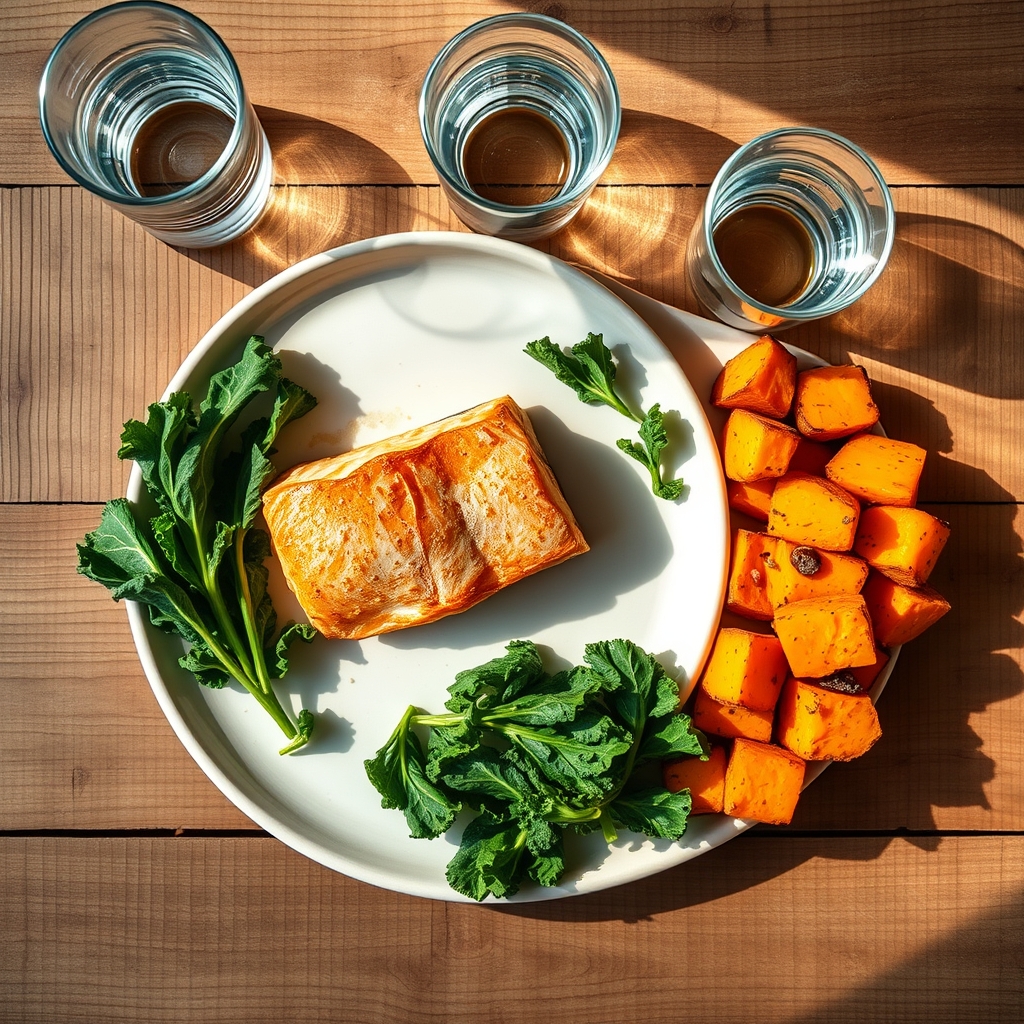
Combine protein, omega‑3s, and calcium in one plate for a nutrient‑dense meal.
Why prenatal vitamins are still recommended
Even the most varied diet can fall short of the exact amounts listed in the table above. Prenatal vitamins act as a safety net, ensuring you don’t miss the critical micronutrients that are hard to obtain in sufficient quantities.
When choosing a prenatal supplement, look for one that contains:
At least 600 µg of folic acid (or 800 µg for high‑risk cases).
27 mg of iron (often as ferrous fumarate or gluconate).
1000 mg of calcium (or a separate calcium supplement if the prenatal contains less).
600 IU of vitamin D.
At least 200 mg DHA (many brands combine DHA with EPA).
Vitamin A not exceeding 770 µg RAE (beta‑carotene is safe, but preformed retinol should be limited).
Check the label for “USP‑verified” or “NSF‑certified” to ensure purity. If you have dietary restrictions—vegan, gluten‑free, or allergy concerns—there are specialized formulas that meet those needs without sacrificing key nutrients.
Timing matters, too. Starting a prenatal vitamin before conception maximizes folate stores during the critical weeks of neural‑tube formation. If you begin later in pregnancy, the supplement still fills gaps, but you may need a short “catch‑up” period for iron or DHA under your provider’s guidance.
Remember, a prenatal vitamin is *supplemental*, not a replacement for food. It should complement a diet rich in whole foods, not cover for a fast‑food habit.
Risks of nutrient deficiencies and how to avoid them
Deficiencies can have subtle early signs—fatigue, hair loss, or mild leg cramps—but they can also lead to serious complications.
Low folate: Increases the chance of neural‑tube defects and may contribute to pre‑eclampsia.
Iron deficiency anemia: Causes severe fatigue, reduces oxygen delivery to the placenta, and raises the risk of pre‑term birth.
Insufficient calcium: May trigger bone loss in the mother and affect fetal bone mineralization.
Vitamin D shortage: Linked to gestational hypertension and impaired fetal skeletal development.
Omega‑3 deficiency: Associated with lower birth weight and reduced cognitive outcomes.
Beyond the immediate pregnancy, some deficiencies can have lasting effects on the child’s development. For example, inadequate DHA during the third trimester has been associated with lower IQ scores in early childhood, according to longitudinal studies referenced by the American Academy of Pediatrics.
To prevent these issues, aim for a balanced plate at each meal, keep a daily food journal for a week, and revisit the nutrient calculator whenever your weight changes or you enter a new trimester. Regular prenatal labs (hemoglobin, ferritin, vitamin D) help catch hidden gaps early.
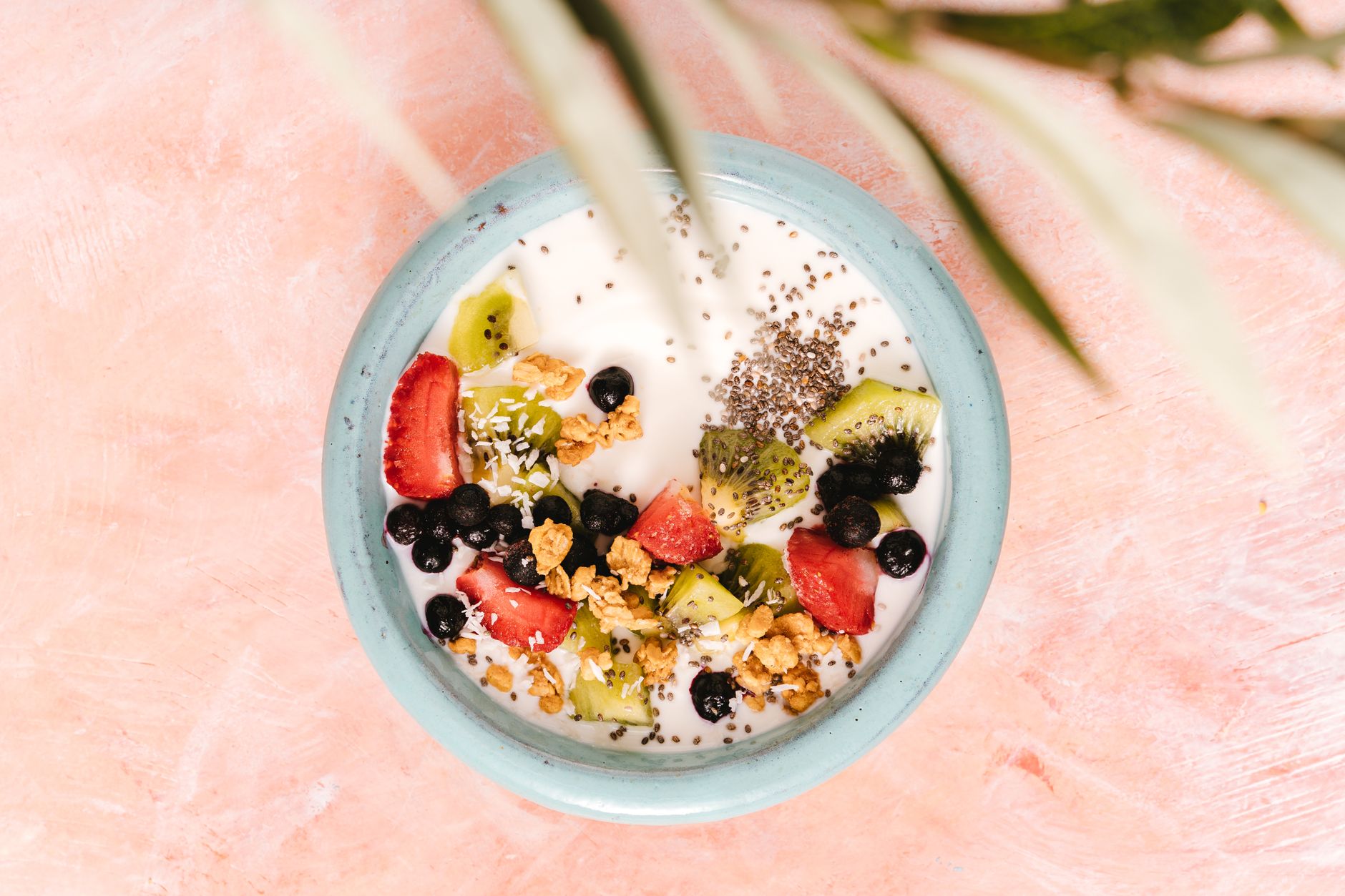
Breakfasts rich in calcium, protein, and fiber set a strong nutritional foundation.
Safe upper limits and avoiding excess
While meeting minimum requirements is essential, too much of certain vitamins can be harmful. The Institute of Medicine (now the National Academy of Medicine) defines tolerable upper intake levels (UL) for pregnant adults.
Vitamin A (preformed retinol): Upper limit 2,800 µg RAE. Exceeding this can cause birth defects. Stick to beta‑carotene sources (carrots, sweet potatoes) and avoid liver supplements.
Vitamin D: Upper limit 4,000 IU (100 µg). Doses above this may cause hypercalcemia. Most prenatal vitamins stay well below this threshold.
Iron: Upper limit 45 mg from supplements. Excess iron can cause gastrointestinal upset and, rarely, oxidative stress. Take iron with food and follow provider guidance.
Folate: Upper limit 1,000 µg from supplements. High folic acid can mask a B12 deficiency, so keep supplemental folate under the limit unless prescribed.
Omega‑3 DHA: No established UL, but most experts suggest staying under 1,000 mg per day to avoid bleeding risk.
Pregnant women who are already meeting the RDA through diet usually do not need extra doses beyond what a standard prenatal vitamin provides. If you’re considering additional supplements—such as a separate calcium tablet or high‑dose vitamin D—discuss the plan with your obstetrician to avoid crossing the UL.
Using a daily RDA calculator to personalize your plan
Every pregnancy is unique. Your height, pre‑pregnancy weight, activity level, and any medical conditions (like gestational diabetes) can shift nutrient needs. A calculator helps you translate the generic tables into a daily target that matches your reality.
Here’s how to get the most out of a pregnancy‑nutrition calculator:
Gather baseline data. Know your age, pre‑pregnancy weight, current trimester, and any existing health concerns.
Enter food preferences. Mark foods you love, avoid, or can’t eat due to allergies. The tool will suggest alternative sources.
Adjust for supplements. Input the brand and dosage of your prenatal vitamin; the calculator will subtract those amounts from your food targets.
Review the output. The result shows grams of protein, milligrams of iron, etc., you still need to obtain from meals.
Plan meals. Use the nutrient gaps to guide grocery lists—e.g., “add a serving of fortified cereal for extra folate” or “include a salmon dinner for DHA.”
Many calculators now sync with popular nutrition‑tracking apps, letting you log meals in real time and see how you stack up against your personalized goals. Revisiting the calculator each trimester keeps you on track without over‑ or under‑eating.
Hydration, fiber, and overall wellness
Water isn’t a “nutrient” in the traditional sense, but proper hydration supports amniotic fluid volume, nutrient transport, and kidney function. Aim for the progressive targets shown in the table—about 2.3 L in the first trimester, rising to 3 L by the end of pregnancy. A good rule of thumb is to drink a glass of water with every meal and snack.
Fiber helps prevent constipation, a common issue caused by the hormone progesterone slowing gut motility. Aim for 28 g daily, split across fruits, vegetables, whole grains, and legumes. If you find fiber causes gas, increase intake gradually and pair it with plenty of fluids.
Electrolytes—especially potassium and magnesium—also play a role in muscle function and blood pressure regulation. A modest glass of coconut water or a banana can replenish these minerals without adding excess sugar.
Finally, remember that sleep, stress management, and moderate exercise (as approved by your provider) complement nutrition. A holistic approach makes it easier to meet the numbers without feeling overwhelmed.
From our medical team: “Your body will naturally signal when it needs more of a certain nutrient—think cravings, fatigue, or changes in skin and hair. Use those cues as a guide, but always confirm with a health professional before adding supplements. A well‑rounded diet, a reputable prenatal vitamin, and regular check‑ups keep you and your baby thriving.”
Managing common pregnancy nutrition challenges
Morning sickness, heartburn, and food aversions are almost universal in the first two trimesters. Nausea can make it hard to eat enough calories, while heartburn may discourage you from enjoying nutrient‑dense meals like tomatoes or citrus.
Tips to keep nutrition on track despite these hurdles include: eating small, frequent meals; choosing bland, protein‑rich snacks (Greek yogurt, cheese sticks, or a handful of nuts); sipping ginger tea or sucking on peppermint lozenges for nausea relief; and raising the head of the bed to reduce reflux. If aversions are severe, a liquid nutrition plan (smoothies fortified with protein powder and calcium) can bridge the gap until appetite returns.
Cravings are real, but they don’t have to derail your diet. Satisfy a sweet tooth with fruit‑based desserts, and pair salty cravings with a small portion of cheese and whole‑grain crackers to add calcium and protein. Listening to your body while staying mindful of overall balance helps you enjoy pregnancy foods without compromising key nutrients.
Special dietary considerations
Many expecting parents follow vegetarian, vegan, gluten‑free, or culturally specific diets. These patterns can meet all nutrient needs, but they require intentional planning.
Vegetarian/vegan: Prioritize fortified plant milks for calcium and vitamin D, include legumes and tofu for iron and protein, and consider an algae‑derived DHA supplement to replace fish‑based sources.
Gluten‑free: Choose naturally gluten‑free whole grains like quinoa, buckwheat, and amaranth, which also provide B‑vitamins and fiber.
Low‑salt or low‑fat diets: Ensure you still get enough iodine (found in dairy, eggs, and seaweed) and healthy fats (avocado, nuts) for fetal brain development.
When you have dietary restrictions, a prenatal vitamin becomes even more essential. Look for formulas that are certified vegan or allergen‑free, and discuss any gaps with your obstetrician or a registered dietitian—especially for nutrients like vitamin B12, which are harder to obtain from plant foods alone.
Food safety during pregnancy
Pregnancy changes your immune system, making you more susceptible to food‑borne pathogens such as Listeria, Toxoplasma, and certain strains of E. coli. Following safe‑food practices protects both you and the baby.
Cook meats to an internal temperature of 165 °F (74 °C) and avoid rare or medium‑rare preparations.
Skip unpasteurized dairy, soft cheeses (like brie or feta), and raw milk products.
Wash fruits and vegetables thoroughly, and peel produce when possible.
Refrigerate leftovers promptly and discard any food that has been left out for more than two hours.
Avoid high‑mercury fish (shark, swordfish, king mackerel) and raw shellfish.
These precautions are endorsed by the CDC and the UK’s Food Standards Agency. If you suspect food poisoning—symptoms like severe vomiting, diarrhea, or fever—contact your provider right away.
Myth: “If I eat a healthy diet, I don’t need a prenatal vitamin.”
Fact: Even a balanced diet may fall short on folic acid, iron, and DHA. A prenatal supplement fills those gaps safely.
Myth: “All vitamin A is bad for pregnancy.”
Fact: Beta‑carotene (from carrots, sweet potatoes) is safe and beneficial; the risk lies with high‑dose preformed retinol (liver, cod liver oil).
Myth: “I can drink as much milk as I want for calcium.”
Fact: Calcium absorption peaks at about 500 mg per serving; excess calcium can interfere with iron and zinc absorption, so spread intake throughout the day.
Myth: “Morning sickness means I’m not getting enough nutrients.”
Fact: Nausea can reduce intake, but small frequent meals and nutrient‑dense smoothies can keep you on track without overloading your stomach.
Key takeaways
Target the core nutrients—folate, iron, calcium, vitamin D, vitamin A (beta‑carotene), omega‑3 DHA, protein, water, and fiber—each trimester.
Use the nutrient table as a baseline, then personalize with a pregnancy‑nutrition calculator.
Choose a prenatal vitamin that meets at least 600 µg folic acid, 27 mg iron, 1000 mg calcium, 600 IU vitamin D, and 200 mg DHA.
Eat a variety of whole foods: leafy greens, lean meats, fortified grains, dairy or fortified plant milks, fatty fish, nuts, and plenty of fruit and veg.
Stay within safe upper limits—especially for vitamin A and iron—to avoid toxicity.
Hydrate consistently and aim for 28 g fiber daily to support digestion and overall health.
Address common pregnancy challenges (nausea, cravings, food aversions) with strategic snack choices and gentle cooking methods.
Follow food‑safety guidelines to protect against Listeria, Toxoplasma, and other pathogens.
Frequently asked questions
What happens if I don’t get enough nutrients during pregnancy?
Insufficient intake can lead to anemia, low birth weight, pre‑term labor, and specific birth defects (e.g., neural‑tube defects from low folate). Your provider may monitor blood work and suggest supplements if gaps appear.
Can I take too many vitamins while pregnant?
Yes. Exceeding the upper limits for vitamin A, iron, or vitamin D can cause toxicity or interfere with nutrient absorption. Stick to the amounts listed on your prenatal label and discuss any additional supplements with your doctor.
Do I need to take prenatal vitamins if I eat healthy?
Even a nutritious diet may lack enough folic acid, iron, DHA, and vitamin D. A prenatal vitamin is a low‑risk way to ensure you meet the recommended levels.
What foods are high in folic acid for pregnancy?
Fortified breakfast cereals, lentils, chickpeas, spinach, and oranges are top sources. One cup of cooked lentils supplies about 358 µg DFE, nearly 60 % of the daily recommendation.
How can I increase my iron levels naturally during pregnancy?
Combine iron‑rich foods (red meat, fortified breads, beans) with vitamin C sources (citrus, bell peppers) to boost absorption. Cooking in a cast‑iron skillet also adds iron to meals.
Is it safe to take vitamin D supplements while pregnant?
Yes, when taken within the recommended 600 IU (15 µg) daily. Higher doses should only be taken under medical supervision, as excess vitamin D can cause hypercalcemia.
Can I eat sushi or raw fish while pregnant?
Most raw fish carries a risk of parasites and mercury. The FDA advises pregnant women to avoid sushi made with raw fish and to choose cooked seafood instead. Opt for cooked sushi rolls, smoked salmon, or fish that’s been frozen for at least seven days to reduce risk.
How much caffeine is safe during pregnancy?
Current guidance from the ACOG and NHS suggests limiting caffeine to 200 mg per day (about one 12‑oz coffee). Higher intake is linked to a modest increase in miscarriage risk, so monitor coffee, tea, chocolate, and energy drinks to stay within the limit.
When to call your doctor
If you experience any of the following, contact your provider promptly: persistent fatigue, dizziness, shortness of breath, palpitations, sudden swelling, severe constipation, dark stools, or signs of vitamin toxicity (e.g., nausea, vomiting, blurred vision). This article is for informational purposes only and does not replace personalized medical advice.
References
American College of Obstetricians and Gynecologists. “Nutrition During Pregnancy.” ACOG Committee Opinion, 2020.
National Health Service (UK). “Food and drink for pregnant women.” Updated 2022.
World Health Organization. “Guidelines on nutrient intake during pregnancy.” WHO, 2016.
U.S. Department of Agriculture. “Dietary Guidelines for Americans 2020‑2025.” USDA, 2020.
Mayo Clinic. “Prenatal vitamins: What to know.” Mayo Clinic, 2023.
Centers for Disease Control and Prevention. “Folic Acid.” CDC, 2021.
Institute of Medicine. “Dietary Reference Intakes for Calcium and Vitamin D.” National Academies Press, 2011.
Food and Agriculture Organization. “Vitamin A and Pregnancy.” FAO, 2019.
American Academy of Pediatrics. “Breastfeeding and Maternal Nutrition.” AAP, 2022.
British Dietetic Association. “Guidelines for nutrition in pregnancy.” BDA, 2021.
Centers for Disease Control and Prevention. “Food Safety for Pregnant Women.” CDC, 2022.
National Institute for Health and Care Excellence (NICE). “Nausea and vomiting in pregnancy: management.” NICE Guideline NG24, 2021.
U.S. Food and Drug Administration. “Pregnancy and Lactation Labeling Rule (PLLR).” FDA, 2020.
American College of Obstetricians and Gynecologists. “Caffeine Consumption During Pregnancy.” ACOG, 2021.
Not sure about the label on What Nutrients Do I Need While Pregnant Daily Rda Calculator products?
Snap the ingredients list and SafeFilter checks every ingredient for your stage — only 3 free scans this month, then you're locked until reset. Unlimited from $7/mo or $50/yr.
When Shubhra Mishra was expecting her first child in 2016, she was overwhelmed by conflicting food advice — one site said yes, another said never. By the time her second baby arrived in 2019, she realized millions of mothers face the same confusion.
That sparked a five-year journey through clinical nutrition papers, cultural diets, and expert conversations — all leading to BumpBites: a calm, compassionate space where science meets everyday motherhood.
Her long-term vision is to build a global community ensuring safe, supported, and free deliveriesfor every mother — because no woman should face pregnancy alone or uninformed. 🌿
🌍 Stand with mothers, shape safer guidance
Join a small circle of experts who review BumpBites articles so expecting parents everywhere can decide with confidence.