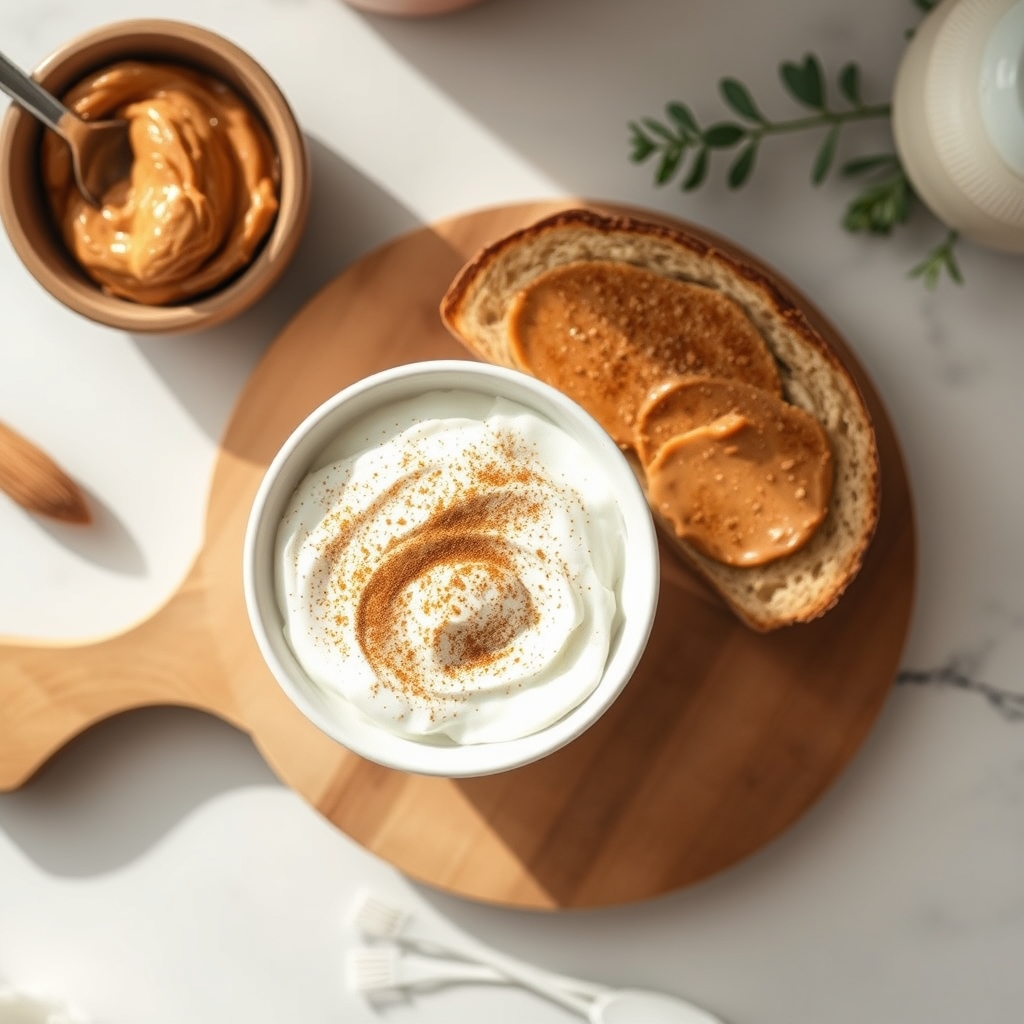
Wondering what to eat for breakfast before your pregnancy glucose test? Opt for a low-carb, high-protein meal like eggs with non-starchy vegetables or a small handful of nuts. Avoid sugary cereals, fruit juices, and excessive carbs to ensure accurate results and a smooth test experience. Prepare wisely for your glucose screening.
By Shubhra Mishra — a mom of two who turned her own confusion during pregnancy into BumpBites, a global mission to make food choices clear, safe, and stress-free for every expecting mother. 💛
Check whether any food is safe during pregnancy with the BumpBites Food Safety Checker.
Quick take: For a standard oral glucose tolerance test (OGTT) in pregnancy, you should eat a light, low‑sugar breakfast about 1 hour before the appointment, then fast for the next 8 hours. Choose foods that are low in simple carbs—think plain Greek yogurt, a small handful of nuts, or a slice of whole‑grain toast with a thin spread of nut butter. Avoid sugary cereals, fruit juices, and sweetened drinks, and keep coffee plain or skip it altogether. If you accidentally eat something high‑sugar, call your provider; a repeat test may be needed, but most labs can still give you useful results.
It’s 7 a.m., you’re rubbing sleep from your eyes, and the “Glucose Test” reminder on your phone is flashing. You’ve already Googled “what to eat for breakfast before pregnancy glucose test” and the answers feel scattered. You’re not alone—many expectant moms feel the same mix of nerves and hunger. The good news is that the test isn’t a trick; it just needs a consistent starting point so the lab can accurately measure how your body handles sugar.
In this guide we’ll walk through the fasting rules, the safest breakfast choices, drinks you can enjoy, and quick recipes that keep your cravings at bay without blowing your results. We’ll also cover what to do if you slip up, how long the appointment takes, and which questions to ask your provider. By the end you’ll have a clear, step‑by‑step plan for a calm morning and a reliable test result.
Best breakfast foods for a glucose tolerance test during pregnancy
When you’re planning the pre‑test meal, think “low‑glycemic, low‑sugar, modest protein.” The goal is to give your body a little fuel without spiking blood glucose before the official fasting period begins. Here are the top picks, ordered from most to least recommended:
Plain Greek yogurt (½ cup) with a sprinkle of cinnamon. The protein and fat slow digestion, and cinnamon adds flavor without sugar.
Whole‑grain toast (½ slice) topped with a thin layer of almond butter. Whole grains have a lower glycemic index than white bread, and the nut butter adds healthy fat.
A hard‑boiled egg. Simple, portable, and virtually carbohydrate‑free.
Small handful of raw almonds or walnuts (≈¼ cup). Nuts are low in carbs and high in satiety‑boosting protein.
Unsweetened oat‑milk latte (½ cup) or plain black coffee. Caffeine itself doesn’t affect glucose, but avoid added sugar or flavored syrups.
These foods provide about 15–20 grams of carbohydrate total, which is low enough to keep your blood sugar stable while still giving you enough energy to get through the morning. A typical recommendation from the American College of Obstetricians and Gynecologists (ACOG) is to keep pre‑test carbs under 30 g, and the options above stay well within that limit.
Why low‑glycemic choices matter
Foods that cause a rapid rise in blood sugar (high‑glycemic) can linger in your bloodstream for hours. If you start the test already elevated, the lab may interpret the result as a false positive for gestational diabetes. Low‑glycemic foods release glucose more slowly, creating a flatter baseline that lets the OGTT show the true response to the 75‑gram glucose drink you’ll consume later.
Sample quick menu
Imagine a tray with a small bowl of Greek yogurt, a slice of toast, a handful of almonds, and a cup of black coffee. This “breakfast combo” can be prepared in under five minutes, fits on a single plate, and keeps your carb count low. If you’re short on time, the hard‑boiled egg and a piece of cheese are equally effective.
A low‑glycemic breakfast that won’t spike your blood sugar before the OGTT.
What can I eat before a pregnancy glucose screening test?
Beyond the core foods listed above, you have flexibility to add small, safe accompaniments. Think of foods that are mostly protein or healthy fat with a tiny amount of carbohydrate. Here are some acceptable add‑ons:
½ cup cottage cheese with a dash of black pepper.
A few slices of avocado on a piece of whole‑grain cracker.
One small whole‑grain English muffin with a smear of plain cream cheese.
Unsweetened almond milk (½ cup) with a sprinkle of nutmeg.
These options are especially helpful if you’re dealing with morning nausea or a sudden craving for something savory. The key is to keep the total carbohydrate portion under 30 g, as advised by the National Institute for Health and Care Excellence (NICE) in the UK and the CDC’s guidelines for prenatal screening.
Balancing cravings and test accuracy
Many pregnant women report intense cravings in the first trimester, and you may be tempted to indulge in a sweet pastry. If you find yourself reaching for a croissant, pause and think: a typical croissant contains 25–30 g of carbs on its own, which would already fill your entire allowance. Instead, try a plain croissant without jam, or pair a small piece with a protein source like cheese. The protein will help blunt the glucose spike.
What to avoid
Stay clear of obvious sugar sources: sugary cereals (e.g., Frosted Flakes), fruit juices, sweetened yogurts, honey‑drizzled toast, and flavored coffee drinks. Even “healthy” items like granola bars can carry 15–20 g of sugar. If you’re unsure, check the nutrition label for total carbohydrate and sugar content. Remember, the test is looking for how your bloodstream handles a standardized glucose load; anything that pre‑loads your system can muddy the picture.
Low‑sugar breakfast ideas before prenatal glucose test
Here are three complete low‑sugar breakfast ideas you can throw together in under ten minutes. Each recipe stays under 20 g of carbohydrate and includes a protein or healthy fat component to keep you satisfied.
Protein‑packed oatmeal. Combine ¼ cup rolled oats with ¾ cup unsweetened almond milk, microwave for 90 seconds, then stir in 1 tablespoon chia seeds and a few sliced almonds. Total carbs ≈ 18 g.
Veggie egg scramble. Whisk two eggs with a splash of milk, pour into a non‑stick pan, add diced bell pepper and spinach, and cook until set. Serve with a single slice of whole‑grain toast. Total carbs ≈ 15 g.
Cottage cheese bowl. Mix ½ cup low‑fat cottage cheese with a handful of sliced cucumber, cherry tomatoes, and a pinch of cracked pepper. Add a small drizzle of olive oil for extra satiety. Total carbs ≈ 6 g.
These ideas give you variety without sacrificing the low‑sugar requirement. If you’re short on kitchen space, the cottage cheese bowl is especially portable—just pack it in a sealed container and take it to work.
Should I avoid carbs before a pregnancy glucose test breakfast?
Carbohydrates aren’t banned outright; they’re simply limited. The purpose of the fasting period is to standardize your baseline glucose level. A small amount of carbs before the test won’t invalidate the results, but a large carb load can artificially elevate your fasting glucose, leading to a false‑positive diagnosis.
Guidelines from ACOG and the UK's NHS recommend a fasting period of at least 8 hours after the glucose drink, but they also advise a light, low‑carb breakfast about 1 hour before the test. This timing allows the stomach to empty partially, reducing the risk that residual sugars interfere with the lab’s measurements.
Carb‑rich foods to skip
Sweet pastries, donuts, muffins.
White bagels, plain croissants.
Fruit smoothies or juice blends.
Honey‑sweetened oatmeal or granola.
Even foods like sweet potatoes or bananas can push your carb count higher than intended. If you love fruit, choose a small portion of berries (½ cup) and pair them with protein (Greek yogurt) to keep the net carb impact low.
How long before a pregnancy glucose test should I eat breakfast?
The optimal window is 45–60 minutes before your appointment. This gives your stomach enough time to start emptying without letting hunger drive you to binge later. Studies cited by the American Diabetes Association (ADA) show that a 1‑hour pre‑test meal leads to the most consistent fasting glucose values.
If you eat earlier—say, at 6 a.m. for an 8 a.m. test—you may feel hungry again by the time the test begins, increasing the temptation to snack on sugary items. Conversely, eating too close to the test (e.g., 15 minutes before) can cause lingering glucose in the bloodstream, which may be read as a higher baseline.
Practical timing tip
Set an alarm for “breakfast ready” at 7:15 a.m. if your appointment is at 8 a.m. Prepare the meal the night before (overnight oats, boiled eggs) so you only need to assemble and eat. This reduces stress, limits kitchen time, and ensures you’re ready to fast at the right moment.
Quick breakfast recipes for a glucose tolerance test in pregnancy
Below are three ultra‑quick recipes that can be assembled in under three minutes—perfect for the busy morning before your OGTT.
Nut‑butter banana bite. Spread 1 teaspoon almond butter on a half‑slice of whole‑grain toast, top with a few thin banana slices. Total carbs ≈ 12 g.
Cheese & cucumber roll‑ups. Lay a slice of low‑fat cheese on a piece of deli turkey, add cucumber strips, roll, and enjoy. No carbs, high protein.
Mini avocado toast. Mash ¼ avocado on a mini whole‑grain cracker, sprinkle with sea salt and pepper. Total carbs ≈ 8 g.
Each recipe provides a small amount of carbohydrate (under 15 g) and a dose of protein or healthy fat, keeping you full until the test begins. Pair any of these with a cup of plain black coffee or herbal tea (no honey).
What to drink with breakfast before a pregnancy glucose test?
Hydration is key, but the beverage you choose can affect your glucose levels. Here’s the safe list:
Water (plain or sparkling). Zero calories, zero carbs.
Black coffee. Caffeine doesn’t raise glucose, but avoid adding sugar, flavored syrups, or cream.
Unsweetened tea. Green, black, or herbal teas are fine as long as they’re not sweetened.
Unsweetened almond or soy milk. Keep the portion to ½ cup to stay within carb limits.
Avoid fruit juices, sweetened lattes, and flavored milks. Even “diet” sodas can contain hidden carbs in the form of maltodextrin or other sweeteners, which might interfere with the test.
Coffee concerns
Some women wonder if caffeine could affect the OGTT. Research from the Mayo Clinic indicates that moderate caffeine (up to 200 mg, roughly two cups of coffee) does not significantly alter glucose tolerance test results. However, if you’re sensitive to caffeine or experience heart palpitations, you may prefer decaf or stick with water.
Can I have fruit before a prenatal glucose screening test?
Fruit is a common craving, but most fresh fruit contains natural sugars that can add up quickly. A small serving—like ½ cup of berries or a single small apple—provides about 10–12 g of carbohydrate, which can still fit within the 15–20 g breakfast limit if you pair it with protein.
If you choose fruit, combine it with a protein source to blunt the glucose rise. For example, a half‑cup of blueberries mixed into plain Greek yogurt adds fiber and protein, keeping the overall impact modest. Avoid fruit juices, dried fruit, and canned fruit in syrup, as these are concentrated sources of sugar.
Green apples (slightly lower GI than red varieties).
Peaches (moderate carbs, good with protein).
When in doubt, use a nutrition tracker to confirm the total carbohydrate count of your fruit portion.
Managing morning nausea and cravings before the test
Morning nausea is common in early pregnancy and can make sticking to a low‑carb breakfast feel impossible. A few gentle strategies can keep nausea at bay while still protecting your test results. Sip warm ginger tea or suck on a small piece of crystallized ginger; the mild spice can settle the stomach without adding sugar. If you’re feeling queasy, keep the pre‑test meal ultra‑light—a single hard‑boiled egg or a spoonful of plain yogurt may be enough to stave off faintness.
When cravings hit, remember that the goal is stability, not deprivation. A pinch of sea salt on a slice of cheese can satisfy a salty desire, and a few raw veggie sticks (like cucumber or bell pepper) provide crunch without carbs. If you find yourself reaching for a sweet treat, try a few fresh berries with a dollop of unsweetened Greek yogurt; the protein slows the sugar absorption, and the fruit fulfills the sweet tooth.
Medications, prenatal vitamins, and supplements: what to take before the test
Most prenatal vitamins contain small amounts of iron and calcium, which can interfere with blood‑test readings if taken too close to the OGTT. ACOG advises taking prenatal vitamins with food, but spacing them at least two hours before the glucose drink is safest. If you’re on medication for a chronic condition (e.g., thyroid hormone, antihypertensives), discuss timing with your provider; many can be taken as usual, but a few may need a short adjustment on test day.
For over‑the‑counter supplements like calcium, magnesium, or vitamin D, the same two‑hour window applies. If you’re unsure whether a supplement contains added sugars, check the label—some chewable forms are sweetened and should be avoided. When in doubt, bring your supplement bottle to the appointment; your lab staff can advise whether it needs to be withheld.
Simple, low‑carb beverages and snacks that keep nausea at bay.
Reading nutrition labels to stay within carb limits
Understanding a food label is a quick way to keep your carb count in check. Look for the “Total Carbohydrate” line and note both the grams and the “Sugars” sub‑line. For a low‑carb pre‑test meal, aim for foods where total carbs are under 10 g per serving, and sugars are under 5 g. The % Daily Value (DV) can also help; a label showing “< 5 % DV” for carbs is usually safe for a single serving.
The FDA requires that nutrition facts be displayed on packaged foods sold in the U.S., and similar rules apply in the UK under the Food Standards Agency. If you’re buying bulk nuts or plain Greek yogurt, the label may be on the container rather than the individual package—just add up the carbs from the amount you plan to eat. Using a smartphone nutrition app can speed the process and reduce the chance of mis‑calculations.
Preparing a pre‑test breakfast the night before
Pre‑planning removes morning stress and ensures you stay within the recommended carb window. Overnight oats made with unsweetened almond milk, a pinch of cinnamon, and a handful of chia seeds can be portioned into a single jar. Boil a few eggs at the same time and store them in the fridge; they’ll be ready to grab. Even a slice of whole‑grain bread can be toasted ahead of time and kept in a breadbox.
When you wake up, simply reheat the oats (or enjoy them cold), slice the egg, and pour a cup of coffee. Having everything laid out on the counter makes the 5‑minute assembly feel effortless, and you’ll be less likely to reach for a sugary snack when you’re short on time.
Understanding and interpreting your OGTT results
After you finish the 75‑gram glucose drink, the lab will draw blood at fasting (0 minutes), 1 hour, and 2 hours. The thresholds for a positive screen vary slightly between organizations, but the general cut‑offs are:
Time point
Glucose level (mg/dL)
Fasting (0 min)
≥ 92
1 hour
≥ 180
2 hours
≥ 153
If any one of those numbers meets or exceeds the cut‑off, the screening is considered positive and your provider will likely order a diagnostic OGTT or discuss management options. A normal result means your blood sugar stayed below those thresholds, suggesting you do not have gestational diabetes at this time.
Should the test be positive, the next steps usually include dietary counseling, glucose monitoring at home, and possibly medication if diet alone isn’t enough. Remember that a single abnormal screen does not guarantee a diagnosis; the follow‑up test provides a more definitive picture.
Doctor’s note
From our medical team: The oral glucose tolerance test is a reliable screening tool when performed under standardized conditions. A light, low‑carb breakfast 45–60 minutes before the test, followed by an 8‑hour fast, gives the most accurate results. If you accidentally consume a high‑sugar item, contact your provider; many labs will still proceed, but a repeat test may be needed for definitive diagnosis. Always discuss any concerns about fasting or medication timing with your obstetrician.
Myth vs. fact
Myth: You must fast for the entire day before the glucose test.
Fact: A light, low‑carb breakfast is allowed as long as you fast for at least 8 hours after the glucose drink. This approach balances comfort with accurate testing.
Myth: Any coffee will ruin the test.
Fact: Black coffee or plain tea without added sugars is fine. Only sweetened beverages should be avoided.
Myth: Skipping breakfast altogether is the safest strategy.
Fact: Eating a small, appropriate meal helps prevent low blood sugar and cravings, which can improve your focus during the test.
Key takeaways
Eat a light, low‑sugar breakfast 45–60 minutes before the OGTT.
Choose foods under 20 g of total carbohydrate, emphasizing protein and healthy fat.
Avoid sugary cereals, fruit juices, sweetened coffee drinks, and high‑carb pastries.
Safe drinks include water, black coffee, unsweetened tea, and plain almond milk.
If you accidentally eat a high‑sugar item, call your provider; a repeat test may be required.
Prepare the meal the night before to reduce morning stress and ensure timing is right.
Space prenatal vitamins and supplements at least two hours before the glucose drink.
Know the OGTT thresholds (fasting ≥ 92 mg/dL, 1 hr ≥ 180 mg/dL, 2 hr ≥ 153 mg/dL) so you can understand your results.
Frequently asked questions
Can I eat before a glucose tolerance test during pregnancy?
Yes—you can have a small, low‑carb breakfast about an hour before the test; this is recommended by ACOG and the NHS to keep your baseline glucose stable.
What should I eat for breakfast before a pregnancy glucose test?
Opt for foods like plain Greek yogurt, a slice of whole‑grain toast with almond butter, a hard‑boiled egg, or a handful of nuts—each providing protein and keeping total carbs under 20 g.
How long should I fast before a prenatal glucose screening?
You need to fast for at least 8 hours after the glucose drink, but you can eat a light meal 45–60 minutes before the appointment.
Are there any foods I should avoid before a pregnancy glucose test?
Avoid sugary cereals, fruit juices, sweetened coffee drinks, pastries, and high‑carb fruits unless paired with protein to stay within the carb limit.
Will eating breakfast affect my glucose test results?
Only a high‑sugar breakfast can skew the fasting baseline; a low‑carb, protein‑rich meal will not significantly alter the results.
What is the best time to have breakfast before a glucose tolerance test?
Plan to eat 45–60 minutes before the test, allowing your stomach to start emptying while keeping you comfortable.
Can I drink water during the 8‑hour fasting period after the glucose drink?
Yes—plain water or sparkling water is allowed and encouraged to stay hydrated. Avoid any flavored or sweetened beverages.
Do I need to take my prenatal vitamins on the day of the test?
Take prenatal vitamins with food at least two hours before the glucose drink, or follow your provider’s specific instructions. If you’re unsure, bring the bottle to your appointment for guidance.
What if I accidentally eat a sugary snack before the test?
If you realize you’ve consumed a high‑sugar item, call your provider right away. Many labs will still proceed, but a repeat test may be recommended to ensure accurate screening.
Can I exercise before the glucose test?
Light activity, like a short walk, is generally fine and may even help calm nerves. However, vigorous exercise can lower blood glucose temporarily, potentially affecting the baseline. If you plan a workout, keep it moderate and finish at least an hour before the test.
When to call your doctor
If you experience any of the following, contact your provider immediately: severe nausea or vomiting that prevents you from completing the test, dizziness or fainting after the glucose drink, or a blood sugar reading that feels unusually high or low. Remember, this article provides general information and is not a substitute for personalized medical advice.
References
American College of Obstetricians and Gynecologists (ACOG). “Gestational Diabetes Mellitus.” Clinical Management Guidelines, 2023.
National Institute for Health and Care Excellence (NICE). “Gestational Diabetes: Screening and Diagnosis.” NG3, 2022.
Centers for Disease Control and Prevention (CDC). “Screening for Gestational Diabetes.” Updated 2023.
Mayo Clinic. “Oral Glucose Tolerance Test.” Patient Education, 2023.
World Health Organization (WHO). “Diagnostic Criteria and Classification of Hyperglycaemia in Pregnancy.” 2022.
National Health Service (NHS) UK. “Gestational Diabetes – Screening.” 2023.
American Diabetes Association (ADA). “Standards of Medical Care in Diabetes—2023.”
British Pregnancy Advisory Service (BPAS). “Managing Nausea in Early Pregnancy.” Clinical Guidance, 2022.
Food and Drug Administration (FDA). “Guidance for Industry: Food Labeling Requirements for Carbohydrate Content.” 2021.
American College of Obstetricians and Gynecologists (ACOG). “Nutrition and Supplements in Pregnancy.” Committee Opinion, 2022.
National Health Service (NHS) UK. “Reading Nutrition Labels.” 2023.
Not sure about the label on What To Eat For Breakfast Before Pregnancy Glucose Test products?
Snap the ingredients list and SafeFilter checks every ingredient for your stage — only 3 free scans this month, then you're locked until reset. Unlimited from $7/mo or $50/yr.
When Shubhra Mishra was expecting her first child in 2016, she was overwhelmed by conflicting food advice — one site said yes, another said never. By the time her second baby arrived in 2019, she realized millions of mothers face the same confusion.
That sparked a five-year journey through clinical nutrition papers, cultural diets, and expert conversations — all leading to BumpBites: a calm, compassionate space where science meets everyday motherhood.
Her long-term vision is to build a global community ensuring safe, supported, and free deliveriesfor every mother — because no woman should face pregnancy alone or uninformed. 🌿
🌍 Stand with mothers, shape safer guidance
Join a small circle of experts who review BumpBites articles so expecting parents everywhere can decide with confidence.