Pregnancy cravings can start as early as 6 weeks, learn when do pregnancy cravings start and how to manage them during your pregnancy journey
By Shubhra Mishra — a mom of two who turned her own confusion during pregnancy into BumpBites, a global mission to make food choices clear, safe, and stress-free for every expecting mother. 💛
Check whether any food is safe during pregnancy with the BumpBites Food Safety Checker.
Quick take: Pregnancy cravings can start as early as 2‑3 weeks into pregnancy, but they typically become more noticeable around the 6th week. These cravings are influenced by hormonal fluctuations, nutritional deficiencies, and psychological factors, and can vary greatly from one woman to another.
It's 2 a.m., and you're wide awake, craving something sweet and salty. You're not even sure what it is, but you can't shake off the feeling. As you reach for your phone to Google “when do pregnancy cravings start,” you wonder if this is a sign that you're really pregnant. Many women experience similar moments, and the search for answers begins. If you're trying to conceive or have just found out you're pregnant, you're probably wondering when these cravings will start, what they mean, and how to manage them. Let's dive into the world of pregnancy cravings and explore the answers to these questions.
When do pregnancy cravings typically begin?
Pregnancy cravings can start as early as 2‑3 weeks into pregnancy, but they often become more noticeable around the 6th week. This timing aligns with the rapid rise of human chorionic gonadotropin (hCG), the hormone that signals the placenta to form and that also sensitizes your taste buds and sense of smell. By the end of the first month, many women report a heightened awareness of flavors—sometimes a sudden desire for something sour, sometimes a longing for something creamy.
Individual variation is huge. Some people feel a faint tug toward a particular food as early as the first week after conception, while others don’t notice any cravings until the second trimester. The key is that the brain‑body communication loop—driven by hCG, estrogen, and progesterone—doesn’t follow a strict calendar. It’s normal for cravings to appear, disappear, and reappear as hormone levels fluctuate.
Research from the American College of Obstetricians and Gynecologists (ACOG) notes that the earliest hormonal shifts can alter taste perception even before many women realize they’re pregnant. In practice, this means a sudden craving for citrus or a specific snack can be an early clue, but it’s not a definitive sign on its own. If you’re tracking your cycle, noting the first week of cravings alongside other early symptoms (like mild breast tenderness) can help you and your provider pinpoint the start of pregnancy more accurately.
Keep in mind that lifestyle factors such as sleep deprivation, stress, or a recent diet change can also spark cravings. The overlap of these variables sometimes makes it tricky to attribute a craving solely to pregnancy. Observing patterns—like whether cravings intensify after meals or appear during the night—can give you a clearer picture of what’s driving them.
Pickles and ice cream, a classic pregnancy craving combination.
Can pregnancy cravings start before a positive test?
Y
es, cravings can appear before you have a positive home test. In the earliest weeks after fertilization—often before a missed period—hCG begins its climb, and estrogen subtly shifts your olfactory receptors. Those shifts can manifest as a sudden hankering for a particular flavor or an unexpected aversion to a favorite snack. Because the hormonal surge is modest at this stage, the cravings are usually milder and may be mistaken for a random food preference.
Research from the National Institutes of Health (NIH) notes that early‑pregnancy taste changes can precede detectable hCG in urine, meaning you might feel a craving even while a test would still read “negative.” If you’re actively trying to conceive and notice persistent cravings, a blood test can confirm pregnancy earlier than a urine test. However, cravings alone aren’t diagnostic—always follow up with a test and a prenatal visit.
In addition to hormonal cues, early cravings may be linked to subtle metabolic shifts. A modest rise in insulin resistance can cause blood‑sugar fluctuations, prompting your brain to seek quick energy sources—often sweet or salty foods. The NHS highlights that such metabolic changes can begin before implantation is complete, further blurring the line between pre‑pregnancy and early‑pregnancy cravings.
While it’s tempting to read too much into an early craving, most clinicians advise treating it as a cue to monitor your cycle rather than a definitive sign of pregnancy. If you notice a pattern of cravings that aligns with other early symptoms (like mild cramping or spotting), schedule a prenatal appointment for a serum hCG test.
What causes pregnancy cravings and aversions?
Pregnancy cravings and aversions arise from a blend of hormonal, nutritional, and psychological influences. Estrogen heightens taste sensitivity, especially for sweet and sour notes, while progesterone can slow gastric emptying, leaving you feeling fuller for longer and sometimes craving richer textures. Iron, zinc, and calcium deficits have also been linked to specific cravings—some women crave ice (a condition called pagophagia) when they’re low on iron, for example.
Beyond biology, the emotional landscape of pregnancy matters. Stress, anxiety, and even excitement can drive you toward comfort foods. The NHS explains that cravings can serve as a coping mechanism, offering a sense of control when other aspects of pregnancy feel unpredictable. Understanding that cravings are multifactorial helps you approach them with curiosity rather than guilt.
Recent studies published in *Nutrients* suggest that gut microbiota shifts during early pregnancy can also influence flavor preferences. As the microbiome adapts, certain metabolites may trigger cravings for fermented foods like kimchi or yogurt. While this research is still emerging, it adds another layer to why cravings can feel so specific.
Psychologically, cultural narratives about “what pregnant women should eat” can reinforce cravings. If you hear friends talk about pickles or ice cream, you might be more likely to notice those foods in your own cravings. Being aware of these external influences can help you separate genuine physiological urges from socially reinforced ones.
Are early pregnancy cravings normal in the first trimester?
Yes, early cravings are a hallmark of the first trimester for many expectant parents. This period is marked by the steepest hormonal swings, which is why you may notice an intensified desire for sweet, sour, or salty foods. Common first‑trimester cravings include citrus fruits, pickles, crackers, and chocolate. At the same time, aversions—like a sudden dislike for coffee or strong‑smelling foods—often appear side‑by‑side.
While most cravings are harmless, the first trimester is also when the embryo is most vulnerable to teratogens. The American College of Obstetricians and Gynecologists (ACOG) advises pregnant people to avoid unpasteurized cheeses, raw fish, and certain deli meats, even if those happen to be the objects of a craving. Moderation and safe‑food choices keep both you and the developing baby protected.
In addition to food safety, the first trimester is a time when nausea (often called morning sickness) can shape cravings. Some people find that cravings are strongest when nausea subsides, while others experience cravings that actually worsen nausea. Listening to your body and timing meals when your stomach feels settled can help you satisfy cravings without triggering excessive nausea.
Nutrition experts from the NHS recommend that first‑trimester cravings be balanced with a diverse diet rich in folate, iron, and vitamin D. Even if you’re craving a slice of pizza, pairing it with a side of leafy greens can boost nutrient intake and help mitigate any potential deficiencies.
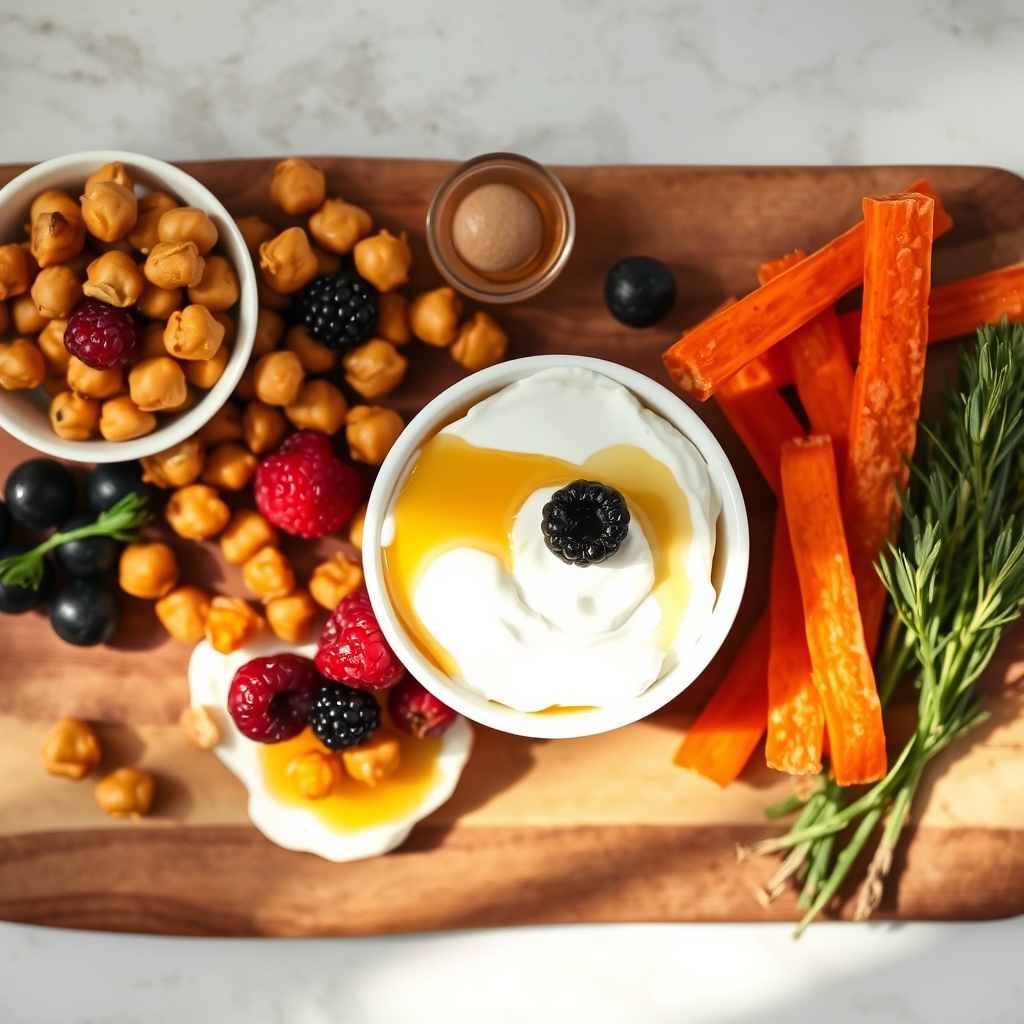
A healthy and delicious way to satisfy your sweet cravings during pregnancy.
Do pregnancy cravings last throughout the entire pregnancy?
Cravings can linger for the whole pregnancy, but their intensity and focus often shift as you move from one trimester to the next. Many people report that the sharp, almost obsessive cravings of the first three months mellow by the second trimester, when hormone levels begin to plateau. In the second trimester, cravings may lean toward protein‑rich foods—think cheese, lean meats, or legumes—reflecting the body’s growing need for amino acids.
By the third trimester, the fetus’s rapid growth drives a higher demand for minerals like iron and calcium, so cravings for red meat, leafy greens, or fortified cereals become more common. Some expectant parents experience a “second wind” of cravings for comfort foods, such as pasta or warm soups, which can also be a response to fatigue and the physical demands of a larger belly.
It’s also worth noting that some cravings can reappear after the baby is born, especially if you continue to experience hormonal fluctuations during the postpartum period. The ACOG notes that postpartum hormonal shifts, along with sleep deprivation, can reignite cravings for quick‑energy foods.
Overall, cravings are a dynamic part of pregnancy nutrition. Tracking which foods you crave and when can give you insight into your body’s evolving needs, and help you plan meals that satisfy both cravings and nutritional goals.
What are the most common pregnancy cravings by trimester?
Although every pregnancy is unique, patterns emerge when we look at large‑scale surveys. In the first trimester, sweet or sour flavors dominate—think berries, citrus, and pickles. The second trimester often brings a surge of savory and umami cravings, such as cheese, grilled chicken, or soy sauce‑based dishes. In the third trimester, many people gravitate toward nutrient‑dense comfort foods, like whole‑grain pasta, fortified breads, and iron‑rich stews.
These trends are not prescriptive; they simply reflect how hormonal shifts intersect with the body’s evolving nutritional needs. Listening to your cravings while maintaining a balanced diet can help you meet both your cravings and your prenatal nutrition goals.
Trimester
Common Cravings
First Trimester
Sweet or sour foods, salty snacks
Second Trimester
Savory or umami foods, cheese, meat
Third Trimester
Comfort foods, pasta, bread, iron‑rich foods
Beyond these broad categories, many people report niche cravings—like a sudden desire for pickled ginger, spicy salsa, or even specific textures such as crunchy carrots. The NHS suggests that if a craving aligns with a nutrient you might be lacking (for example, a craving for dairy when calcium needs are high), it can be a helpful cue to incorporate that food in a balanced way.
On the flip side, cravings for foods high in added sugars or saturated fats should be moderated. The FDA’s guidance on added sugars during pregnancy recommends keeping added sugar intake below 10 % of total calories, roughly 25 grams per day for a typical 2,000‑calorie diet. Balancing indulgence with nutrition is key to supporting both maternal health and fetal development.
What if I don't experience any pregnancy cravings?
Not experiencing cravings is completely normal. Hormonal responses vary widely, and some people simply don’t develop strong food preferences during pregnancy. The absence of cravings does not indicate a problem with the pregnancy, nor does it suggest a deficiency in any particular nutrient.
If you’re concerned because you’ve heard “everyone gets cravings,” remember that the scientific literature shows a broad spectrum of experiences. The NHS emphasizes that a balanced diet, regular prenatal vitamins, and routine check‑ups are more reliable indicators of a healthy pregnancy than cravings alone.
That said, the lack of cravings can sometimes be a subtle sign that your body is efficiently meeting its nutrient needs without prompting you. Still, it’s worthwhile to keep an eye on other signs of nutritional adequacy—energy levels, skin health, and fetal growth patterns observed during prenatal visits.
For those who never feel cravings, focusing on a varied diet rich in fruits, vegetables, whole grains, lean proteins, and healthy fats ensures you’re covering all essential nutrients. If you’re still unsure, a brief conversation with your provider about your diet can provide reassurance and personalized guidance.
How to manage intense or unhealthy pregnancy cravings?
Managing cravings is less about “fighting” the desire and more about channeling it into nutritious choices. Here are practical steps you can take right now:
Stay hydrated—thirst is sometimes mistaken for hunger.
Eat regular, balanced meals every 3–4 hours to prevent blood‑sugar dips that intensify cravings.
Choose whole‑food alternatives: swap a bag of chips for air‑popped popcorn seasoned with a pinch of sea salt and nutritional yeast.
If you crave something sweet, reach for fresh fruit, frozen berries, or a small serving of Greek yogurt with honey.
Practice mindful eating—pause, breathe, and assess whether you’re truly hungry or simply seeking comfort.
When cravings feel overwhelming, a brief walk, a glass of water, or a short meditation can reset your appetite hormones. If you notice persistent cravings for highly processed or sugary foods, discuss them with your provider; they can help you tailor a nutrition plan that satisfies both cravings and prenatal needs.
Another useful tactic is the “plate method”: fill half your plate with vegetables, a quarter with lean protein, and a quarter with whole grains or starchy vegetables. This visual guide can help you meet nutrient goals while still leaving space for a small indulgence that satisfies the craving.
Finally, consider pairing indulgent foods with nutrient‑dense sides. For example, enjoy a slice of pizza alongside a side salad topped with avocado; you get the pleasure of the craving plus a boost of fiber, healthy fats, and vitamins.
Practicing yoga and mindfulness can help you manage stress and reduce unhealthy cravings.
How cravings evolve as your belly grows
From the first to the third trimester, cravings often mirror the body’s shifting priorities. Early on, the brain’s reward pathways are highly sensitive, leading to intense cravings for sugary or salty foods. As the placenta develops, the demand for protein, iron, and calcium rises, nudging cravings toward meat, legumes, and dairy.
In the final weeks of pregnancy, physical discomfort—such as heartburn or reduced stomach capacity—can reshape cravings. Many expectant parents report a preference for softer textures, warm broths, or nutrient‑dense smoothies that are easier to digest. Understanding these patterns can help you anticipate and plan for changing food desires, reducing the likelihood of feeling “out of control.”
Research from the Mayo Clinic indicates that as the uterus expands, pressure on the stomach can increase reflux, making acidic or spicy foods less appealing. Consequently, cravings may shift toward milder, soothing options like oatmeal, bananas, or pureed soups.
It’s also common for cravings to become more “comfort‑oriented” in the third trimester, as fatigue sets in. Warm, familiar dishes—think baked sweet potatoes or chicken noodle soup—can provide both physical nourishment and emotional reassurance.
Healthy swaps for common cravings
Craving salty snacks? Try roasted chickpeas tossed with a dash of smoked paprika. They provide fiber, protein, and a satisfying crunch without the excess sodium found in many packaged chips. For sweet cravings, a frozen banana blended with a spoonful of almond butter mimics the creamy texture of ice cream while delivering potassium and healthy fats.
The table below offers quick, nutrient‑rich alternatives for five of the most reported cravings. Each swap balances flavor satisfaction with prenatal nutrition guidelines from ACOG and the FDA.
Craving
Typical Choice
Healthy Swap
Key Nutrients
Salty
Potato chips
Roasted sea‑salted edamame
Protein, fiber, iron
Sweet
Candy bars
Greek yogurt with honey & berries
Calcium, probiotics, antioxidants
Sour
Pickles
Fermented carrots with a splash of apple cider vinegar
Probiotics, vitamin A
Umami
Fast‑food burgers
Grilled turkey or lentil patty with avocado
Protein, omega‑3s, folate
Craving “ice” (pagophagia)
Ice cubes
Chilled cucumber slices or a small glass of fortified plant milk
Hydration, calcium, vitamin D
Beyond these swaps, consider incorporating herbs and spices to add excitement without extra sodium or sugar. A pinch of cinnamon on oatmeal, a drizzle of balsamic glaze on roasted vegetables, or a sprinkle of chili flakes on popcorn can satisfy flavor cravings while keeping the nutrient profile pregnancy‑friendly.
When you choose a swap, aim for a balance of macronutrients—carbohydrates, protein, and healthy fats—to keep blood‑sugar stable. This approach can reduce the frequency of sudden cravings and help you feel more satisfied after meals.
When cravings could signal a medical concern
Most cravings are benign, but a few patterns may warrant a closer look. Persistent cravings for non‑food items—known as pica—can indicate mineral deficiencies, especially iron or zinc. The World Health Organization (WHO) warns that pica can lead to gastrointestinal blockages or exposure to harmful substances.
Similarly, cravings that are accompanied by severe nausea, vomiting, or weight loss could be signs of hyperemesis gravidarum, a condition that sometimes requires medical intervention. If you notice sudden, intense cravings for raw or undercooked meats, unpasteurized dairy, or high‑mercury fish (like swordfish), discuss them with your provider; these foods pose infection or toxin risks to the developing baby.
Another red flag is an abrupt, strong craving for foods that are explicitly contraindicated during pregnancy, such as certain soft cheeses (e.g., brie, camembert) or deli meats without reheating. The FDA lists these as high‑risk for Listeria, a bacterial infection that can be dangerous for the fetus.
Finally, if cravings are driving you to consume excessive calories—leading to rapid weight gain beyond recommended guidelines—this could increase the risk of gestational diabetes. Regular prenatal check‑ups that monitor weight trajectory and blood glucose levels can catch these issues early.
Swap processed snacks for nutrient‑dense options that still satisfy your palate.
How stress and emotions influence pregnancy cravings
Stress, anxiety, and mood swings are common during pregnancy, and they can intensify cravings. The hormone cortisol, released during stress, can raise blood‑sugar levels and trigger a desire for quick‑energy foods like sweets or refined carbs. The NHS notes that emotional eating is a natural coping mechanism, especially when hormonal fluctuations already make the brain’s reward centers more sensitive.
Mind‑body practices such as gentle yoga, deep‑breathing exercises, or brief meditation sessions can lower cortisol and help regulate appetite. A study in *Psychology & Health* found that pregnant women who practiced daily mindfulness reported fewer intense cravings and better overall dietary quality.
It’s also helpful to identify emotional triggers. Keep a simple journal noting when a craving hits, what you were feeling, and what you ate. Over time, patterns often emerge—perhaps a craving for chocolate follows a stressful work call, or a desire for salty snacks appears after a long day of caregiving. Recognizing these links lets you address the underlying emotion (e.g., taking a short walk or calling a friend) instead of automatically reaching for the snack.
Safe foods to satisfy common pregnancy cravings
Even when cravings point toward foods that are typically “off‑limits,” there are safe alternatives that let you enjoy the flavor without compromising fetal health. For example, if you’re craving cheese, choose pasteurized varieties like cheddar, mozzarella, or Swiss, which are low in Listeria risk. If you’re eyeing sushi, opt for rolls made with cooked seafood (e.g., crab, tempura shrimp) or vegetarian fillings like avocado and cucumber.
When salty cravings hit, consider low‑sodium options like sea‑salted roasted nuts, hummus with whole‑grain crackers, or homemade pickles made from pasteurized vinegar. For sweet cravings, fruit‑based desserts—such as baked apples with cinnamon or a chia‑seed pudding sweetened with maple syrup—offer natural sugars plus fiber and omega‑3s.
The FDA’s Food Safety Guidelines for pregnant people recommend heating deli meats to an internal temperature of 165 °F (74 °C) before consumption. This simple step can make a craving for a classic ham sandwich safe while eliminating bacterial risk.
Keeping a cravings journal: tips for mindful eating
Documenting cravings can turn a vague urge into actionable insight. A cravings journal doesn’t have to be elaborate—just a small notebook or a notes app with three columns: “Time & Mood,” “Craving Description,” and “What I Ate.” Recording the time of day, your emotional state, and the actual food you chose helps you see patterns and make healthier swaps.
When you notice a pattern (e.g., craving salty snacks after late‑night work), pre‑emptively prepare a healthier alternative, such as a container of pre‑roasted chickpeas. Over a few weeks, many people find that their cravings become less frequent as they learn to meet underlying nutritional or emotional needs more directly.
In addition to tracking food, note any physical symptoms—like nausea, heartburn, or fatigue—that accompany cravings. Sharing this journal with your obstetrician can give them a clearer picture of your nutritional status and help them tailor advice or supplement recommendations.
From our medical team: Pregnancy cravings are a normal and natural part of pregnancy. While they can be intense and overwhelming at times, it's essential to remember that they're driven by hormonal fluctuations and nutritional needs. By staying hydrated, eating regular meals, and choosing healthy snacks, you can manage your cravings and maintain a healthy pregnancy. If you have concerns about your cravings or experience any unusual symptoms, always consult with your healthcare provider for guidance and support.
Myth vs. fact
Myth: Pregnancy cravings are only for sweet or salty foods.
Fact: Cravings can span the flavor spectrum, including sour, umami, and even bitter foods.
Myth: Pregnancy cravings are a sign of a specific nutrient deficiency.
Fact: While some cravings may hint at a deficiency (e.g., ice cravings and iron), many are driven by hormones or emotional factors.
Myth: You should always give in to your pregnancy cravings.
Fact: Indulging occasionally is fine, but prioritizing balanced nutrition supports both you and your baby.
Key takeaways
Pregnancy cravings can start as early as 2‑3 weeks into pregnancy.
Hormonal fluctuations, nutritional deficiencies, and psychological factors all play a role.
Cravings often shift from sweet/sour in the first trimester to savory/umami in later trimesters.
Healthy swaps—like roasted chickpeas for chips—can satisfy cravings while delivering essential nutrients.
If cravings become extreme, involve pica, or are paired with concerning symptoms, reach out to your provider.
Frequently asked questions
At what week do pregnancy cravings start?
Pregnancy cravings can start as early as 2‑3 weeks into pregnancy, but they often become more noticeable around the 6th week.
Can you have cravings at 2 weeks pregnant?
Yes, some women may experience cravings as early as 2 weeks pregnant, although these may be mild and not as noticeable as those that occur later in pregnancy.
What are the earliest signs of pregnancy cravings?
The earliest signs of pregnancy cravings can be subtle and may include a sudden aversion to certain foods or a strong desire for specific tastes or textures.
Is it normal to crave weird things in early pregnancy?
Yes, it's normal to experience unusual or intense cravings during early pregnancy, driven by hormonal fluctuations and nutritional deficiencies.
Do cravings mean you're having a boy or girl?
No, cravings do not indicate the baby's sex. Old wives' tales linking sweet cravings to girls or sour cravings to boys lack scientific support.
What are common cravings in the first trimester?
Common cravings in the first trimester include sweet or sour foods, like fruits or pickles, and salty snacks, like chips or popcorn.
Can I safely indulge in my cravings?
Indulging in cravings is generally safe when you choose nutrient‑rich options and avoid foods that the FDA flags as high‑risk during pregnancy (e.g., unpasteurized cheeses, raw fish).
Do cravings affect my baby's development?
Cravings themselves don’t directly affect fetal development, but the foods you choose to satisfy them can. Prioritizing balanced, prenatal‑approved foods supports healthy growth.
Can cravings cause excessive weight gain?
Cravings alone don’t cause excessive weight gain, but consistently choosing high‑calorie, low‑nutrient foods to satisfy cravings can contribute to gaining more weight than recommended. Monitoring portion sizes and selecting nutrient‑dense alternatives helps keep weight gain within healthy guidelines set by ACOG.
Do pregnancy cravings stop after I give birth?
Many people notice that cravings diminish after delivery, but some continue to experience them during the postpartum period due to lingering hormonal changes and sleep deprivation. If cravings persist, it’s a good idea to discuss them with your postpartum provider.
When to call your doctor
If you experience any of the following symptoms, call your doctor:
Severe or persistent cravings that interfere with daily life
Unusual or intense cravings for non‑food items, like dirt or ice
Signs of nutritional deficiency (e.g., fatigue, pallor, frequent dizziness)
Persistent nausea, vomiting, or weight loss
Any food‑related cravings that involve raw or undercooked animal products, unpasteurized dairy, or high‑mercury fish
Remember, this article is for informational purposes only and does not replace personalized medical advice. If you have questions or concerns about your cravings, always consult your healthcare provider.
References
American College of Obstetricians and Gynecologists (ACOG). (2020). Nutrition During Pregnancy.
National Health Service (NHS). (2021). Pregnancy cravings: why they happen and what to eat.
U.S. Food and Drug Administration (FDA). (2022). Food safety for pregnant people.
World Health Organization (WHO). (2020). Pica and micronutrient deficiencies in pregnancy.
National Institutes of Health (NIH). (2020). Pregnancy and Nutrition.
Mayo Clinic. (2020). Pregnancy cravings: What are they and how to manage them.
American College of Obstetricians and Gynecologists (ACOG). (2021). Managing nausea and vomiting in pregnancy.
National Health Service (NHS). (2022). Stress and pregnancy: coping strategies.
U.S. Food and Drug Administration (FDA). (2023). Guidelines on added sugars for pregnant people.
Psychology & Health. (2021). Mindfulness interventions for reducing pregnancy cravings.
Not sure about the label on When Do Pregnancy Cravings Start products?
Snap the ingredients list and SafeFilter checks every ingredient for your stage — only 3 free scans this month, then you're locked until reset. Unlimited from $7/mo or $50/yr.
When Shubhra Mishra was expecting her first child in 2016, she was overwhelmed by conflicting food advice — one site said yes, another said never. By the time her second baby arrived in 2019, she realized millions of mothers face the same confusion.
That sparked a five-year journey through clinical nutrition papers, cultural diets, and expert conversations — all leading to BumpBites: a calm, compassionate space where science meets everyday motherhood.
Her long-term vision is to build a global community ensuring safe, supported, and free deliveriesfor every mother — because no woman should face pregnancy alone or uninformed. 🌿
🌍 Stand with mothers, shape safer guidance
Join a small circle of experts who review BumpBites articles so expecting parents everywhere can decide with confidence.