Safe protein powders for pregnancy: Limit whey protein in first trimester, opt for plant-based alternatives
By Shubhra Mishra — a mom of two who turned her own confusion during pregnancy into BumpBites, a global mission to make food choices clear, safe, and stress-free for every expecting mother. 💛
Check whether any food is safe during pregnancy with the BumpBites Food Safety Checker.
Quick verdict: ⚠️ Safe with limits. Most protein powders can be part of a balanced pregnancy diet, but you should watch the ingredient list, stick to recommended serving sizes, and choose brands that meet prenatal standards.
It’s 2 a.m., the kitchen light is on, and you’ve just opened a new tub of protein powder wondering, “Is this safe for my baby?” You’re not alone—many expecting parents stare at nutrition labels and wonder if a scoop will harm the tiny life growing inside. The short answer is that safe protein powders for pregnancy do exist, but they require a little extra attention to ingredients, portion size, and timing.
In this guide we’ll walk you through the science behind protein powders, break down safety by trimester, and give you a curated list of the most pregnancy‑friendly options—including plant‑based and whey choices. We’ll also cover how much you can safely consume, what to avoid, alternatives that provide similar nutrition, and the red‑flag signs that mean it’s time to call your provider.
By the end, you’ll have a clear verdict, know how to read labels, and feel confident deciding whether to keep that powder on your pantry shelf or reach for a safer alternative.
Choosing a protein powder that fits your pregnancy nutrition goals can be as simple as checking the label for added caffeine or artificial sweeteners.
Protein powder option
Verdict for pregnancy
Safe amount per day
Notes
Orgain Organic Protein Powder
✅ Generally safe
1 scoop (≈20 g protein)
Organic, no added sugars, low‑fat, contains pea & rice protein.
Garden of Life Raw Organic Protein
✅ Generally safe
1 scoop (≈20 g protein)
Whole‑food blend, gluten‑free, no artificial sweeteners.
Vega One All‑in‑One Shake
✅ Generally safe
1 serving (≈20 g protein)
Includes vitamins, minerals, and omega‑3 DHA; watch for added stevia.
Bob’s Red Mill Pea Protein
✅ Generally safe
1 scoop (≈25 g protein)
Pure pea isolate, no soy, no gluten.
Naked Pea Protein
✅ Generally safe
1 scoop (≈25 g protein)
Single‑ingredient pea protein, non‑GMO, no additives.
Luna Protein Powder for Women
✅ Generally safe
1 scoop (≈20 g protein)
Formulated with iron, calcium, and folic acid; low caffeine.
Fortified Greek Yogurt
✅ Generally safe
1 cup (≈15 g protein)
Provides probiotics and calcium; choose low‑sugar varieties.
Egg White Protein Powder
✅ Generally safe
1 scoop (≈20 g protein)
High‑quality animal protein, no cholesterol; avoid if egg allergy.
What is protein powder?
Protein powder is a dietary supplement that delivers a concentrated source of protein in a convenient, often flavored, powdered form. It can be made from animal sources (whey, casein, egg white) or plant sources (pea, soy, rice, hemp). The powder is mixed with liquid—water, milk, or a smoothie—to create a shake that helps meet daily protein needs, especially when whole‑food intake falls short.
During pregnancy, protein supports the growth of the placenta, fetal tissue, and maternal breast tissue. Most prenatal guidelines recommend 71 g of protein per day for the second and third trimesters, up from 46 g in the first trimester. Protein powders can help bridge the gap, but they also vary widely in added sugars, artificial sweeteners, caffeine, and other ingredients that may not be ideal for a developing baby.
Because protein powders are not regulated as drugs, the responsibility for safety lies with the consumer and their health care team. Selecting a product with a short, transparent ingredient list and no hidden stimulants aligns with the cautious approach many obstetricians advise.
Is protein powder safe during pregnancy?
C
urrent guidance from the American College of Obstetricians and Gynecologists (ACOG) and the UK’s National Health Service (NHS) states that protein powders are not inherently unsafe, but they should be chosen carefully. ACOG notes that “protein supplements can be used to meet increased protein requirements when the diet is insufficient,” provided the product is free from harmful additives. The NHS advises pregnant people to avoid products with excessive caffeine, high‑intensity sweeteners, or undisclosed herbal extracts.
Most concerns revolve around hidden ingredients rather than the protein itself. For example, some whey powders contain added creatine, which lacks safety data in pregnancy, and certain plant blends may include soy isolates that could affect hormone levels. The FDA does not specifically regulate protein powders as drugs, so the onus is on the consumer to verify that the product is “Generally Recognized As Safe” (GRAS) for its ingredients.
Overall, the evidence suggests that when you select a powder with clean, minimal ingredients and stay within the recommended serving size, it is a safe way to supplement pregnancy protein needs. Misconceptions often arise from “high‑protein” marketing that pushes large servings or includes stimulants like caffeine, which can raise heart rate and blood pressure—concerns especially relevant for gestational hypertension.
Are protein powders safe to use in the first trimester of pregnancy?
The first trimester is the period of organogenesis, when the fetus’s major organs form. Because the baby is most vulnerable to teratogens (substances that can cause birth defects), many providers recommend limiting exposure to anything with uncertain safety data.
Most plain protein powders—those without added caffeine, herbal extracts, or excessive sweeteners—are considered low risk in the first trimester. ACOG advises that “any supplement taken in the first 12 weeks should be vetted for purity and lack of contaminants.” Therefore, a single scoop of a clean, organic protein powder is generally acceptable, but you should avoid products that list “proprietary blends” or contain high levels of added sugars.
If you’re unsure, talk with your obstetrician before adding protein powder to your diet during early pregnancy, especially if you have a history of miscarriage or have been advised to follow a low‑protein diet for any reason.
How much protein powder can a pregnant woman safely consume per day?
The recommended daily protein intake for pregnant people rises to 71 g in the second and third trimesters (NHS). Most protein powders provide 20‑25 g of protein per scoop, so one serving per day typically satisfies a portion of that requirement without exceeding it.
Guidelines from the Academy of Nutrition and Dietetics suggest limiting protein supplement intake to no more than 30 % of total daily protein. For a pregnant woman, that translates to roughly 1‑2 scoops (20‑50 g) per day, depending on the rest of her diet. Exceeding 100 g of supplemental protein daily could strain the kidneys and increase nitrogen waste, a concern especially for those with pre‑existing kidney issues.
In practice, most clinicians recommend starting with one scoop mixed into a smoothie and adjusting based on dietary intake and blood work. If you’re already meeting protein goals through foods like lean meats, dairy, legumes, and nuts, you may not need any powder at all.
Which plant‑based protein powders are recommended for pregnant women?
Plant‑based powders are popular because they’re typically free of dairy, cholesterol, and common allergens. The safest options are those with a simple ingredient list and no added caffeine or artificial sweeteners. Our top picks include:
Orgain Organic Protein Powder – pea and rice blend, organic, no added sugars.
Garden of Life Raw Organic Protein – sprouted pea, chia, and quinoa, gluten‑free, no artificial flavors.
Bob’s Red Mill Pea Protein – pure pea isolate, non‑GMO, no soy or gluten.
Naked Pea Protein – single‑ingredient pea protein, no additives, low‑carb.
Vega One All‑in‑One Shake – pea protein plus added vitamins, watch for stevia.
These powders provide a balanced profile of essential amino acids and are generally recognized as safe by the FDA when the ingredients are listed as GRAS. Always check for hidden sources of soy or dairy if you have allergies, and verify that the product is free of added caffeine, which can affect blood pressure.
What are the safest whey protein powder brands for pregnancy?
Whey protein is a high‑quality animal protein that is quickly absorbed, making it a favorite among athletes and pregnant women who need an efficient protein source. The safest whey options are those that are low‑fat, low‑sugar, and free from added stimulants.
Top whey brands that meet these criteria include:
Luna Protein Powder for Women – formulated with iron, calcium, and folic acid, low caffeine.
Orgain Organic Whey Protein – organic, no artificial sweeteners, 20 g protein per scoop.
Transparent Labs Whey Protein Isolate – pure isolate, no added hormones or growth factors.
When selecting whey, look for “unflavored” or “naturally flavored” varieties and avoid those that list “proprietary blends” or contain high levels of added sugars, which can contribute to excessive caloric intake and gestational diabetes risk.
What side effects should expect when taking protein powder while pregnant?
Most pregnant people tolerate protein powders well, but a few side effects can arise, especially when the product contains sugar alcohols, caffeine, or high amounts of fiber:
Digestive upset – bloating, gas, or constipation can occur with pea or soy powders; start with a half‑scoop and increase gradually.
Blood sugar spikes – powders high in added sugars may raise glucose levels, a concern for gestational diabetes.
Elevated blood pressure – caffeine or high‑salt formulations can increase blood pressure, important for those with gestational hypertension.
These effects are usually mild and reversible by adjusting the serving size or switching brands. If you experience persistent nausea, severe abdominal pain, or swelling, contact your provider promptly.
Can protein powders cause issues for gestational diabetes or hypertension?
Yes, but only if the powder contains high amounts of added sugars, artificial sweeteners, or caffeine. For gestational diabetes, the NHS recommends choosing powders with ≤5 g of sugar per serving and avoiding high‑glycemic sweeteners like maltodextrin. For hypertension, avoid powders that list “electrolyte blends” with added sodium or caffeine exceeding 100 mg per serving.
Choosing a low‑sugar, caffeine‑free option such as Naked Pea Protein or a whey isolate without added flavors can help you meet protein goals without aggravating these conditions. Always discuss any supplement changes with your obstetrician or a registered dietitian.
Are there protein powder alternatives that provide similar nutrition during pregnancy?
If you’d rather skip powders altogether, there are whole‑food alternatives that supply comparable protein and micronutrients:
Greek yogurt (½ cup provides ~10 g protein plus calcium and probiotics).
Cooked lentils or chickpeas (½ cup provides ~9 g protein and fiber).
Hard‑boiled eggs (1 large egg supplies ~6 g protein and choline).
Almond butter (2 tbsp offers ~7 g protein and healthy fats).
Low‑fat cheese sticks (1 stick provides ~6 g protein and calcium).
Quinoa (1 cup cooked provides ~8 g protein and magnesium).
Chia seed pudding (½ cup provides ~6 g protein and omega‑3 DHA).
Low‑sugar, fortified milk (1 cup provides ~8 g protein and vitamin D).
These foods are naturally free of added sweeteners and can be incorporated into meals and snacks throughout the day, providing a balanced nutrient profile without the need for a supplement.
How do protein powders differ in safety between each trimester?
Safety considerations shift slightly as pregnancy progresses:
First trimester – focus on clean labels; avoid any powder with caffeine, herbal extracts, or proprietary blends.
Second trimester – protein needs increase; a single daily scoop of a low‑sugar powder is generally safe.
Third trimester – monitor for excessive calcium or iron from fortified powders, which can cause constipation.
Breastfeeding – protein needs stay high; powders can aid recovery, but watch for added sugars that may affect milk composition.
Each trimester presents a different balance of nutritional needs and potential risks, so adjusting your protein source and portion size accordingly is prudent.
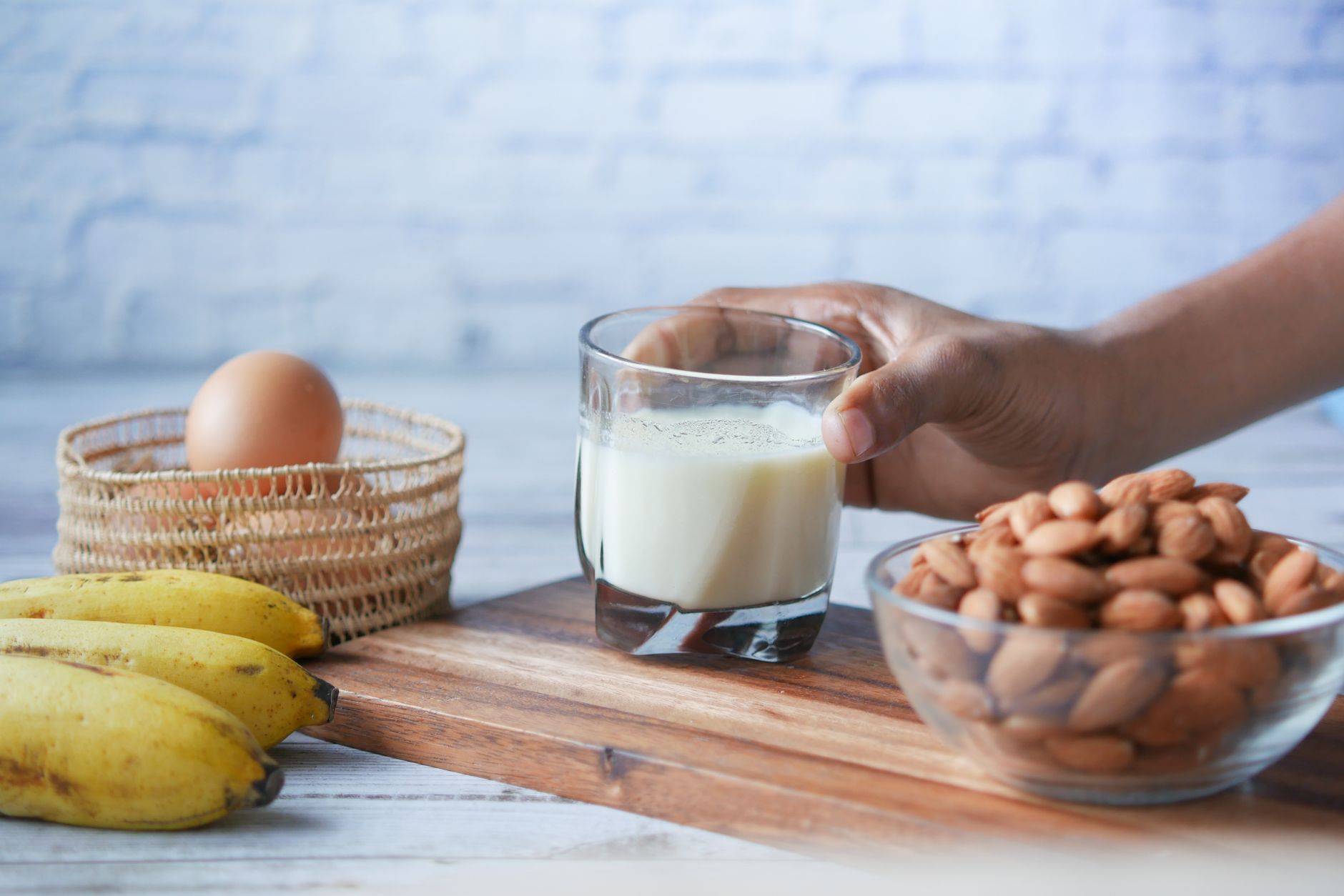
Mixing a clean protein powder with fruit and milk creates a nutrient‑dense snack that supports both you and your baby.
Safe dosage / amount / brands
Brand
Typical protein per scoop
Recommended max per day
Key safety notes
Orgain Organic Protein
20 g
1 scoop
Organic, no added sugar, low‑fat.
Garden of Life Raw Organic
20 g
1 scoop
Whole‑food blend, gluten‑free.
Vega One All‑in‑One
20 g
1 serving
Includes vitamins; watch for stevia.
Bob’s Red Mill Pea
25 g
1 scoop
Pure pea; may cause mild gas.
Naked Pea Protein
25 g
1 scoop
Single‑ingredient, no additives.
Luna Protein for Women
20 g
1 scoop
Iron & folic acid added; low caffeine.
Fortified Greek Yogurt
15 g per cup
1 cup
Choose low‑sugar; provides calcium.
Egg White Protein Powder
20 g
1 scoop
High‑quality animal protein; avoid if egg‑allergic.
Side effects and risks
While most pregnant users experience no serious issues, be alert for the following:
Allergic reactions – rare, but possible if you’re sensitive to dairy, soy, or egg proteins. Symptoms include hives, swelling, or trouble breathing.
Excessive calcium intake – fortified whey powders can push calcium above 1,200 mg/day, leading to kidney stones.
Hyperglycemia – high‑sugar powders can raise blood glucose levels, a concern for gestational diabetes.
Elevated blood pressure – caffeine or high‑sodium blends may increase blood pressure, especially in women prone to hypertension.
Most of these risks are mitigated by reading labels, limiting servings, and choosing clean‑ingredient products. If any of these symptoms appear, contact your obstetrician promptly.
Safer alternatives
Greek yogurt – natural protein, calcium, and probiotics.
Cooked lentils – plant‑based protein plus fiber and iron.
Low‑sugar, fortified milk – adds protein and vitamin D.
Deep dives on top recommended options
Orgain Organic Protein Powder
Orgain’s blend of pea and rice protein is certified organic, non‑GMO, and free from added sugars or artificial sweeteners. Each scoop delivers 20 g of protein, 3 g of fiber, and a modest amount of iron—useful for the second and third trimesters. The brand’s clean label aligns with ACOG’s recommendation to avoid “proprietary blends” and hidden stimulants. Mix it with milk or a fruit smoothie for a balanced snack.
Garden of Life Raw Organic Protein
This product combines sprouted peas, chia seeds, and quinoa, providing a complete amino‑acid profile. It’s gluten‑free, dairy‑free, and contains no artificial flavors. The inclusion of probiotics supports gut health, which can be beneficial for pregnancy‑related constipation. The protein content (20 g per scoop) fits well within the daily protein target when paired with whole‑food sources.
Vega One All‑in‑One Shake
Vega One offers a plant‑based protein blend plus a vitamin‑mineral package designed for prenatal nutrition. While it includes a stevia‑based sweetener, most studies show stevia is safe in moderate amounts. The added DHA (omega‑3) can support fetal brain development. Pregnant users should monitor total DHA intake to stay under the recommended 200 mg per day from supplements.
Bob’s Red Mill Pea Protein
Pure pea protein isolate with no added flavors or sweeteners makes this a low‑risk choice. At 25 g of protein per scoop, it’s a potent source, so a half‑scoop may be enough if you already eat protein‑rich meals. Some users report mild gas; soaking the powder in warm water before mixing can reduce this effect.
Naked Pea Protein
As a single‑ingredient product, Naked Pea Protein is essentially just dried peas ground into a fine powder. It contains no additives, preservatives, or sweeteners, meeting the “clean label” criteria highlighted by the FDA for GRAS ingredients. Its high lysine content complements the typically low lysine levels in grain‑based proteins.
Luna Protein Powder for Women
Luna is marketed specifically for women, with added iron (18 mg), calcium (300 mg), and folic acid (400 µg) per scoop—key nutrients for pregnancy. The product contains only 90 mg of caffeine, well below the 200 mg daily limit set by the NHS for pregnant women. This makes it a solid whey option for those who prefer dairy‑based protein.
Fortified Greek Yogurt
Greek yogurt delivers about 15 g of protein per cup, along with calcium, probiotics, and often added vitamin D. Choose low‑sugar varieties to limit extra calories. It can be eaten straight or blended into a smoothie with fruit for extra vitamins.
Egg White Protein Powder
Egg white protein provides a high‑quality, fast‑absorbing protein source without cholesterol or fat. It’s especially useful for women who need to keep dietary fat low but still meet protein goals. Ensure you have no egg allergy before use, and consider pairing with a source of vitamin B12 if you’re following a vegetarian diet.
Protein powder and prenatal vitamin interactions
Many prenatal vitamins already contain calcium, iron, and folic acid—nutrients that are sometimes added to fortified protein powders. Taking both a fortified powder and a prenatal vitamin can lead to excess intake of these minerals, potentially causing constipation or, in rare cases, kidney stones. It’s wise to review the nutrient content of both products with your provider to avoid duplication.
Storing protein powder safely during pregnancy
Protein powder can spoil if exposed to moisture, heat, or light. Keep the container tightly sealed, store it in a cool, dry place, and use a clean, dry scoop each time. If you notice clumping, off‑colors, or an unusual odor, discard the product—contaminated powders can harbor bacteria that pose a risk to both you and your baby.
Myth vs. fact
Myth: All protein powders are safe because they’re “just protein.”
Fact: The safety of a protein powder depends on its added ingredients—caffeine, artificial sweeteners, and proprietary blends can pose risks during pregnancy.
Myth: More protein always means a healthier pregnancy.
Fact: Excessive protein, especially from supplements, can strain the kidneys and increase nitrogen waste; the goal is to meet, not exceed, the recommended 71 g per day.
Myth: Plant‑based powders are automatically safer than whey.
Fact: Some plant powders contain soy or high‑levels of antinutrients; each product must be evaluated on its own ingredient list.
Key takeaways
Most protein powders are safe for pregnancy when they are free of added caffeine, artificial sweeteners, and high sugar.
Limit intake to 1‑2 scoops per day, adjusting based on your overall dietary protein.
Choose clean‑label brands like Orgain, Garden of Life, or Naked Pea for the lowest risk.
Read nutrition labels for hidden sugars, sodium, and stimulants that could affect gestational diabetes or hypertension.
Whole‑food alternatives (Greek yogurt, lentils, eggs) provide comparable protein without supplement concerns.
If you experience allergic reactions, digestive upset, or blood‑pressure changes, contact your provider.
Frequently asked questions
Can I drink protein shakes while pregnant?
Yes, you can enjoy a protein shake during pregnancy as long as the powder is low in added sugars, caffeine‑free, and you stay within the recommended serving size (typically one scoop per day).
What type of protein powder is best for a pregnant diet?
Clean‑ingredient powders such as Orgain Organic Protein, Garden of Life Raw Organic Protein, or plain whey isolates are best because they lack artificial sweeteners, added caffeine, and unnecessary fillers.
Is whey protein safe during pregnancy?
Whey protein is generally safe when you choose a low‑sugar, low‑caffeine brand and stick to the recommended serving size; it provides high‑quality protein that supports fetal growth.
How many servings of protein powder are safe each week for a pregnant woman?
Most experts recommend no more than 3‑4 servings per week (about 1 scoop per day), ensuring you meet protein needs without over‑supplementing.
Do protein powders contain ingredients that should be avoided in pregnancy?
Some do—common red flags include added caffeine, high‑intensity sweeteners like sucralose, and proprietary herbal blends; always read the ingredient list to avoid these.
Can protein powder help with morning sickness?
Protein can stabilize blood sugar and may lessen nausea for some people, but a bland, low‑sugar shake should be tried cautiously, and you should discuss persistent morning sickness with your provider.
What are the risks of using protein powder if I have gestational diabetes?
If the powder contains added sugars or high‑glycemic sweeteners, it can raise blood glucose levels; choose sugar‑free or low‑sugar options and monitor your glucose as advised by your care team.
Is protein powder safe for vegetarians or vegans during pregnancy?
Yes, plant‑based protein powders can be safe for vegetarians and vegans as long as they are free from hidden animal‑derived ingredients and fortified with essential nutrients like vitamin B12, iron, and calcium.
Should I take protein powder together with my prenatal vitamins?
It’s usually fine, but check the combined nutrient totals—especially calcium, iron, and folic acid—to avoid exceeding recommended daily amounts; your provider can help you balance the two.
When to call your doctor
Contact your obstetrician or midwife if you notice any of the following after using protein powder:
Persistent abdominal pain or cramping beyond normal digestion.
Swelling of hands, feet, or face (possible pre‑eclampsia).
Sudden spikes in blood pressure (≥140/90 mmHg).
Signs of allergic reaction: hives, swelling, difficulty breathing.
Unexplained rapid weight gain or persistent high blood glucose readings.
These symptoms may signal a condition that requires medical evaluation. Remember, this article provides general information and is not a substitute for personalized medical advice.
References
American College of Obstetricians and Gynecologists (ACOG). “Nutrition During Pregnancy.” Practice Bulletin No. 190, 2022.
National Health Service (NHS). “Protein and Pregnancy.” Updated 2023.
U.S. Food and Drug Administration (FDA). “GRAS Notice – Protein Ingredients.” 2021.
Academy of Nutrition and Dietetics. “Nutrition Care Manual: Pregnancy.” 2022.
World Health Organization (WHO). “Guidelines on Antenatal Care for a Positive Pregnancy Experience.” 2022.
Mayo Clinic. “Gestational Diabetes.” 2023.
Centers for Disease Control and Prevention (CDC). “High Blood Pressure in Pregnancy.” 2022.
National Institute for Health and Care Excellence (NICE). “Antenatal Care.” Updated 2023.
Not sure about the label on Safe Protein Powders During Pregnancy products?
Snap the ingredients list and SafeFilter checks every ingredient for your stage — only 3 free scans this month, then you're locked until reset. Unlimited from $7/mo or $50/yr.
When Shubhra Mishra was expecting her first child in 2016, she was overwhelmed by conflicting food advice — one site said yes, another said never. By the time her second baby arrived in 2019, she realized millions of mothers face the same confusion.
That sparked a five-year journey through clinical nutrition papers, cultural diets, and expert conversations — all leading to BumpBites: a calm, compassionate space where science meets everyday motherhood.
Her long-term vision is to build a global community ensuring safe, supported, and free deliveriesfor every mother — because no woman should face pregnancy alone or uninformed. 🌿
🌍 Stand with mothers, shape safer guidance
Join a small circle of experts who review BumpBites articles so expecting parents everywhere can decide with confidence.