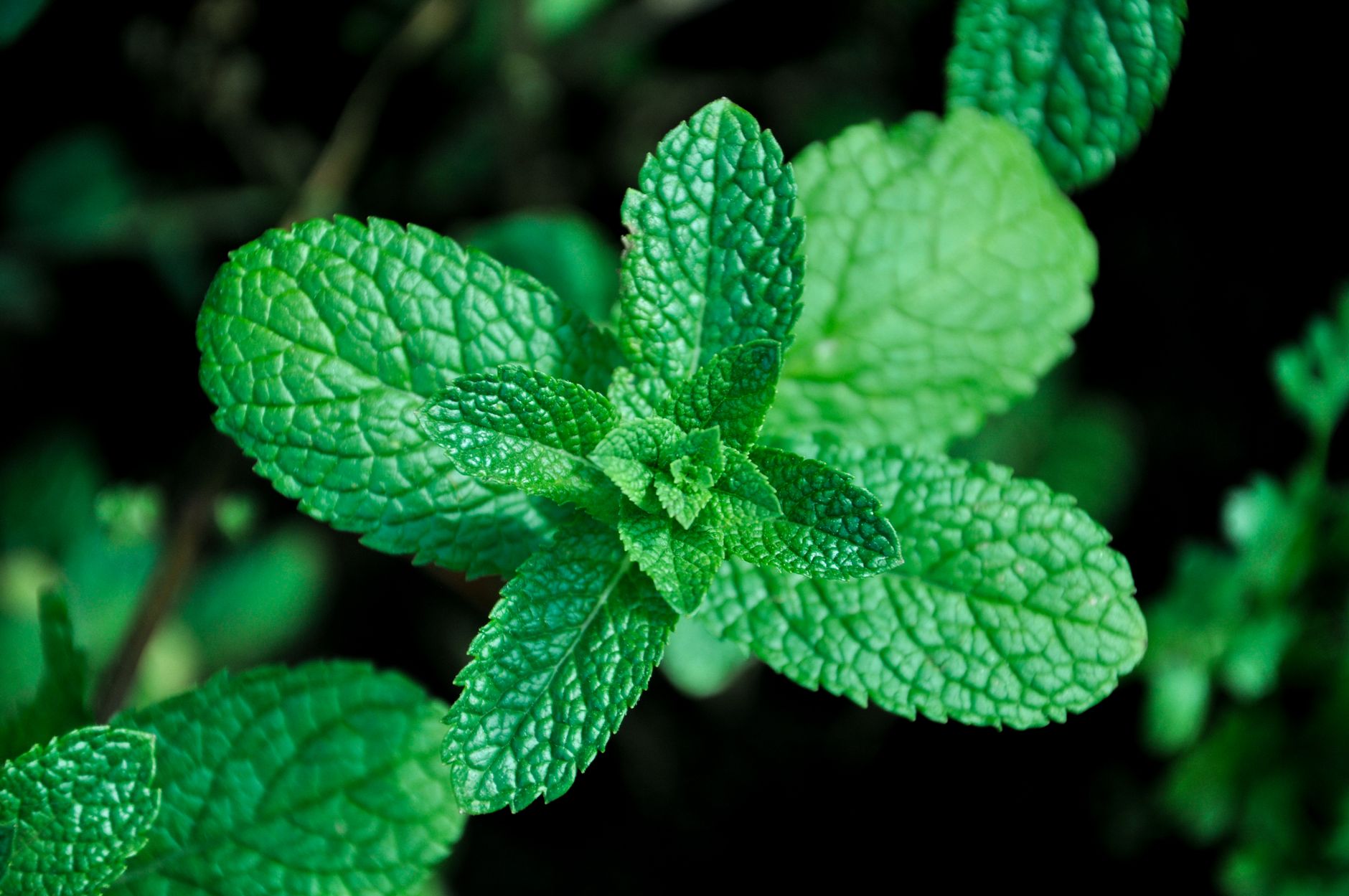
Safe teas for pregnancy include peppermint, limited to 2 cups a day in the first trimester, to minimize side effects
By Shubhra Mishra — a mom of two who turned her own confusion during pregnancy into BumpBites, a global mission to make food choices clear, safe, and stress-free for every expecting mother. 💛
Check whether any food is safe during pregnancy with the BumpBites Food Safety Checker.
Quick verdict: ⚠️ Safe with limits – most caffeine‑free herbal teas are considered safe for most pregnant people, but keep intake to 2–3 cups a day and avoid those with known uterine‑stimulating properties. Choose reputable brands and watch for individual sensitivities.
It’s 3 a.m., the kitchen light is on, and you’re staring at a tin of tea wondering if that soothing cup will harm your growing baby. You’re not alone – countless expecting parents search “safe teas for pregnancy” at the same hour, hoping for a clear answer. The good news is that many herbal teas are indeed compatible with pregnancy, especially when you stay within recommended limits and pick the right varieties.
In this guide we’ll break down which herbal teas are generally regarded as safe, how many cups you can enjoy each day, and what to look for on a label. We’ll also flag teas that should be avoided, discuss caffeine‑free options, and suggest non‑tea alternatives for hydration. By the end, you’ll have a practical roadmap for sipping confidently throughout each trimester.
We’ll also cover practical brewing tips, how to read ingredient lists, and what to do if you’ve already had a cup that you’re unsure about. All of the information is drawn from reputable sources such as ACOG, the NHS, and the CDC, and we’ll point you toward safer alternatives whenever a particular herb raises a red flag.
Herbal tea
Verdict
Safe amount (cups per day)
Notes
Rooibos tea
✅ Generally safe
2–3
Caffeine‑free, rich in antioxidants; watch for added sugar.
Ginger tea (caffeine‑free)
✅ Generally safe
2–3
Helps nausea; limit if you have gallstones.
Peppermint tea
✅ Generally safe
2–3
Soothes indigestion; avoid if you have reflux‑related heartburn.
Lemon balm tea
✅ Generally safe
2–3
Calming; limited data but no known teratogenic effects.
Chamomile tea (pregnancy‑safe brand)
✅ Generally safe in moderation
1–2
Potential mild uterine stimulant; choose brands tested for pregnancy safety.
Honeybush tea
✅ Generally safe
2–3
Similar to rooibos; low caffeine.
Red raspberry leaf tea (in moderation)
⚠️ Safe after 2nd trimester
1–2
May stimulate uterine muscles; best to start after 20 weeks.
What is herbal tea?
Herbal tea, also called “tisane,” is an infusion made from the leaves, flowers, seeds, or roots of plants other than the Camellia sinensis tea bush. Unlike black, green, or white tea, most herbal blends are naturally caffeine‑free, though some (like yerba mate) contain caffeine. People turn to herbal teas for flavor, soothing properties, and potential health benefits such as easing nausea, reducing stress, or supporting digestion. Because the plants are diverse, each tea carries its own set of phytochemicals, which can interact with the body in different ways. During pregnancy, the key considerations are whether any compounds cross the placenta, affect uterine tone, or interfere with medications you might be taking.
Most reputable tea manufacturers sell their blends in tea bags or loose‑leaf form, often with a suggested steeping time and dosage. When evaluating safety, look for products that are labeled “pregnancy safe,” have undergone third‑party testing, and contain no added herbal blends that are known teratogens. The following sections will walk you through the evidence from leading health authorities such as the American College of Obstetricians and Gynecologists (ACOG) and the UK’s National Health Service (NHS).
It’s also useful to know that “herbal” does not always mean “harmless.” Some herbs have potent medicinal actions, and a few can trigger uterine contractions or interact with prenatal vitamins. That’s why we emphasize checking each specific herb rather than assuming all teas are interchangeable.
Start your day with a cup of caffeine‑free rooibos tea for a gentle antioxidant boost.
Is herbal tea safe during pregnancy?
Current guidance from ACOG and the NHS indicates that most caffeine‑free herbal teas are safe when consumed in moderation. The ACOG Committee Opinion on nutrition during pregnancy (2020) states that “moderate intake of herbal teas, particularly those without known uterine‑stimulating effects, can be part of a healthy diet.” The NHS similarly advises that “herbal infusions such as peppermint, ginger, and rooibos are generally safe, but pregnant people should avoid teas containing licorice root, sage, and certain high‑dose herbal extracts.”
Safety hinges on two factors: the presence of caffeine and the pharmacologic activity of the herb. Caffeine crosses the placenta and can increase fetal heart rate; the CDC recommends limiting caffeine to less than 200 mg per day (roughly one 12‑oz cup of coffee). Most herbal teas contain little to no caffeine, making them a lower‑risk alternative to traditional black or green tea.
Some herbs, however, have uterine‑contracting properties (e.g., red raspberry leaf, sage, and certain essential oils). While modest amounts of red raspberry leaf tea appear safe after the second trimester, the same herb taken earlier may increase the risk of uterine irritability. The FDA has not issued specific warnings for most herbal teas, but it does caution that “herbal products are not regulated as drugs, and safety data may be limited.” Therefore, you should always check for reputable sourcing and discuss any new herbal infusion with your provider, especially if you have a history of miscarriage or preterm labor.
Finally, remember that many herbal teas are blended with other botanicals. A “herbal blend” might contain a safe herb alongside one that isn’t recommended for pregnancy, so reading the full ingredient list is essential.
Safety by trimester
First trimester
The first trimester is when the baby’s major organs form (organogenesis), making it the most sensitive period for potential teratogens. During this window, it’s safest to stick with well‑studied, caffeine‑free teas such as rooibos, ginger, peppermint, and lemon balm. Limit consumption to no more than 2 cups per day, and avoid teas with known uterine stimulants like red raspberry leaf, sage, or high‑dose licorice root. If you’re unsure, choose a brand that specifically labels the product as “pregnancy‑safe.”
Because nausea is common early on, ginger tea can be a soothing ally, but keep the amount to 2–3 cups and watch for heartburn. If you experience any unexpected cramping after a new tea, pause its use and contact your provider.
Second trimester
From weeks 13 to 27, many pregnant people begin to experience nausea and digestive discomfort. Herbal teas like ginger, peppermint, and lemon balm can be especially helpful. Red raspberry leaf tea becomes an option after week 20, but keep the amount modest (1 cup per day) and observe how your body reacts. Continue to avoid high‑caffeine teas unless you stay under the 200 mg daily limit.
Hydration needs increase during the second trimester, so consider pairing your tea with a glass of water or a slice of fruit‑infused water to maintain electrolyte balance.
Third trimester
In the final months, hydration and gentle relaxation are priorities. Caffeine‑free teas remain a good choice, and some providers even recommend a small amount of red raspberry leaf tea to help tone uterine muscles for labor—though evidence is mixed. Stick to 1–2 cups a day of any herbal tea, and be mindful of any herbal blends that contain stimulants or diuretics, which could increase nighttime bathroom trips.
Because iron absorption can be hindered by certain teas, it’s wise to separate tea consumption from prenatal iron supplements by at least an hour.
Breastfeeding
Most caffeine‑free herbal teas are considered safe while nursing, but caffeine does pass into breast milk. The CDC advises limiting caffeine to 200 mg per day while breastfeeding as well. Herbs such as peppermint, ginger, and rooibos are generally well‑tolerated, whereas high‑dose licorice or strong uterine stimulants should still be avoided. As always, monitor your baby for any signs of irritability after you consume a new tea.
If you notice your infant becoming unusually fussy after you’ve had a particular tea, consider reducing the amount or switching to a different herb and discuss the observation with your pediatrician.
Fresh peppermint and ginger can be steeped together for a soothing, nausea‑relieving brew.
Safe dosage, amount, and brands
Because most herbal teas are caffeine‑free, the primary safety metric is the volume you drink. ACOG recommends staying below 3 cups (about 720 ml) of any herbal infusion per day, unless a specific herb has a lower threshold (e.g., chamomile, which some clinicians advise limiting to 1–2 cups). For caffeine‑containing teas, the CDC’s 200 mg limit translates to roughly 2 cups of brewed black tea or 3 cups of lightly brewed green tea.
When choosing a brand, look for the following hallmarks of quality:
Third‑party testing for contaminants (e.g., heavy metals, pesticides).
Clear labeling of ingredients with no hidden blends.
“Pregnancy‑safe” certification from a reputable organization such as the American Herbal Products Association (AHPA).
Organic or non‑GMO sourcing, which reduces exposure to residual chemicals.
Below is a quick reference for popular, pregnancy‑friendly brands:
Brand
Tea type
Verdict
Notes
Traditional Medicinals
Ginger, Peppermint, Rooibos
✅ Generally safe
Certified organic, third‑party tested.
Yogi Tea
Chamomile (Pregnancy Safe), Lemon Balm
✅ Generally safe
Labels indicate pregnancy‑compatible blends.
Choice Organic
Honeybush, Rooibos
✅ Generally safe
USDA organic, no added herbs.
Celestial Seasonings
Red Raspberry Leaf (moderate)
⚠️ Safe after 2nd trimester
Start after week 20; limit to 1 cup.
How to brew herbal tea safely during pregnancy
Brewing a tea the right way can reduce the chance of extracting excess compounds that might cause irritation. Use the recommended water temperature—usually just below boiling (90‑95 °C) for most herbal blends—to avoid over‑extracting bitter tannins. Steep for the time indicated on the package (often 5‑7 minutes); longer steeping can increase the concentration of active constituents, which isn’t necessary for flavor and may raise the risk of side effects.
Store brewed tea in a clean, covered container and consume it within 24 hours. If you prefer cold‑brew, let the herbs sit in cold water for 6‑8 hours in the refrigerator; this method yields a milder infusion, which can be gentler on the stomach. Always discard the used herbs after brewing—re‑steeping can concentrate unwanted compounds.
Side effects and risks
Most caffeine‑free herbal teas are well tolerated, but a few side effects can arise, especially if you exceed recommended amounts:
Allergic reactions: Rare, but possible with herbs like chamomile (related to ragweed) or peppermint.
Digestive upset: High‑dose ginger can cause heartburn or diarrhea in some people.
Uterine stimulation: Red raspberry leaf tea, when consumed in large quantities early in pregnancy, may increase uterine contractility.
Interaction with medications: Certain herbs (e.g., peppermint) can affect the absorption of iron supplements; always separate tea consumption from medication by at least an hour.
If you notice persistent nausea, abdominal cramps, unusual bleeding, or a rapid heartbeat after drinking tea, contact your provider promptly. For most minor symptoms like mild heartburn, adjusting the steeping time or switching to a different herb usually resolves the issue.
Safer alternatives
Flavored water with a splash of citrus – provides hydration without any herbal compounds.
Warm milk (dairy or fortified plant‑based) – soothing, calcium‑rich, and caffeine‑free.
Infused water with cucumber, mint, or berries – gentle flavor without potential herb‑drug interactions.
Decaf black or green tea – keeps you within caffeine limits while offering antioxidants.
Broth‑based soups – especially in the third trimester, they help with fluid intake and electrolytes.
Electrolyte‑enhanced coconut water – natural source of potassium and magnesium, great for staying hydrated.
Recommended tea options
Rooibos tea
Rooibos (Aspalathus linearis) hails from South Africa and is naturally caffeine‑free. It contains antioxidants such as aspalathin and quercetin, which may support cardiovascular health. Because it lacks stimulatory compounds, ACOG classifies rooibos as “generally safe” for all trimesters. Many pregnant people enjoy it hot or iced, often flavored with a splash of lemon or a dash of honey. Stick to 2–3 cups per day, and choose organic brands to avoid pesticide residues.
Rooibos also has a low oxalate content, making it a friendly option for those who need to watch kidney‑stone risk. Its mild flavor pairs well with cinnamon sticks or a slice of fresh orange for a festive twist.
Ginger tea (caffeine‑free)
Ginger (Zingiber officinale) is a well‑studied remedy for nausea, a common pregnancy symptom. The Mayo Clinic notes that ginger, in doses up to 1 g per day (roughly the amount in 2–3 cups of ginger tea), is safe for most pregnant individuals. It also has anti‑inflammatory properties. However, if you have gallstones or are on blood‑thinning medication, discuss ginger intake with your provider, as it may increase bleeding risk.
When brewing ginger tea, use fresh slices for the most potent flavor and limit steeping to 5‑7 minutes to avoid excessive spiciness, which can exacerbate heartburn.
Peppermint tea
Peppermint (Mentha piperita) is prized for its calming aroma and ability to ease digestive discomfort. The NHS lists peppermint tea as a safe option for relieving heartburn and nausea. While generally safe, peppermint can relax the lower esophageal sphincter, potentially worsening reflux in some people; if you notice increased heartburn, limit intake to 1–2 cups daily.
For a refreshing twist, add a few fresh lemon slices or a drizzle of honey; both add flavor without introducing caffeine.
Lemon balm tea
Lemon balm (Melissa officinalis) offers a mild, citrusy flavor and mild anxiolytic (anxiety‑reducing) effects. Limited research suggests it is safe in moderate amounts (up to 2 cups per day) during pregnancy. Its gentle nature makes it a good bedtime tea, especially when combined with a splash of honey. As with any herb, avoid excessive dosing beyond what is typical for a cup of tea.
Lemon balm can also be paired with a small amount of chamomile for a calming blend, provided both are pregnancy‑safe varieties.
Chamomile tea (pregnancy‑safe brand)
Chamomile (Matricaria chamomilla) is often sought for its calming properties. While some clinicians caution against high‑dose chamomile due to potential uterine stimulation, most pregnancy‑safe brands limit the herb to a modest amount per bag. The ACOG notes that “limited chamomile exposure (1–2 cups per day) is unlikely to cause harm.” Choose a brand that explicitly states its product is tested for pregnancy safety, and keep intake to no more than 2 cups daily.
If you have a known ragweed allergy, test a tiny sip first, as cross‑reactivity can trigger a mild allergic response.
Honeybush tea
Honeybush (Cyclopia spp.) is a cousin of rooibos and shares its caffeine‑free profile. It contains flavonoids that may support antioxidant defenses. Because it is less widely studied, the safest approach is to treat it like rooibos: enjoy 2–3 cups per day, and select organic, third‑party‑tested products. No known uterine‑stimulating compounds have been identified.
Honeybush has a naturally sweet taste, so many people find they need little or no added sweetener.
Red raspberry leaf tea (in moderation)
Red raspberry leaf (Rubus idaeus) is often recommended to tone the uterus and potentially shorten labor, but the evidence is mixed. The NHS advises that it should be avoided in the first trimester and used cautiously after 20 weeks. If you choose to drink it, limit to 1 cup per day and monitor for any cramping. Always discuss raspberry leaf use with your obstetric provider, especially if you have a history of preterm labor.
Some clinicians recommend starting with a half‑cup of tea and gradually increasing to a full cup if no uterine symptoms appear.
Which teas are safe to drink during the first trimester?
During the first trimester, the safest herbal teas are caffeine‑free and lack uterine‑stimulating properties. Rooibos, ginger, peppermint, lemon balm, and a pregnancy‑safe chamomile blend fit these criteria. Keep total consumption to no more than 2–3 cups per day, and avoid red raspberry leaf, sage, and licorice root until after week 13.
It’s also wise to stay hydrated with plain water between tea servings, as excessive fluid from tea alone can lead to frequent bathroom trips and dilute essential electrolytes.
How many cups of tea can I have safely each day while pregnant?
For most caffeine‑free herbal teas, 2–3 cups daily is considered safe across all trimesters. If you include a caffeinated tea (black, green, or white), stay under 200 mg of caffeine total, which is roughly 1 cup of strong black tea or 2–3 cups of lightly brewed green tea. Always count the caffeine from other sources (coffee, soda, chocolate) when calculating your daily limit.
Pregnant people who experience heartburn may find it helpful to spread tea consumption throughout the day rather than drinking several cups at once.
Are caffeine‑free herbal teas a safer alternative for pregnancy?
Yes. Because caffeine can cross the placenta and increase fetal heart rate, many clinicians recommend caffeine‑free herbal teas as a lower‑risk alternative for hydration and comfort. Herbs such as rooibos, ginger, peppermint, and lemon balm have been studied and are generally regarded as safe when consumed in moderation.
In addition to lower caffeine, these teas often contain antioxidants and soothing compounds that can help with common pregnancy discomforts like nausea and mild anxiety.
What are the safest tea brands for pregnant women?
Brands that prioritize organic sourcing, third‑party testing, and clear “pregnancy‑safe” labeling tend to be the most reliable. Notable options include Traditional Medicinals, Yogi Tea (Pregnancy Safe line), Choice Organic, and Celestial Seasonings’ raspberry leaf blend (used after the second trimester). Always read the ingredient list to ensure no hidden stimulants or untested herbs are present.
When possible, buy from retailers that offer a satisfaction guarantee, so you can return any product that causes an unexpected reaction.
Which teas should be avoided during pregnancy and why?
Tea blends containing licorice root, sage, high‑dose red raspberry leaf (before week 20), and certain essential‑oil‑rich herbs (such as wintergreen) should be avoided. Licorice can raise blood pressure, sage may cause uterine contractions, and excessive raspberry leaf may stimulate the uterus prematurely. Additionally, any tea with added caffeine should be limited to stay within the 200 mg daily ceiling.
Herbal teas that include unknown or exotic botanicals without clear safety data—such as certain “detox” blends—should also be avoided until more research becomes available.
Can red raspberry leaf tea be consumed safely in the second trimester?
Red raspberry leaf tea is generally considered safe after week 20, when the uterus is more developed. Limit intake to 1 cup per day and monitor for any cramping. Discuss with your obstetric provider before starting, especially if you have a history of preterm labor or miscarriage.
Some providers suggest a “half‑cup” starter dose to gauge tolerance before moving to a full cup.
How does tea consumption affect pregnancy‑related conditions like nausea?
Herbal teas such as ginger and peppermint can alleviate nausea and vomiting, common in early pregnancy. Ginger tea, in particular, has been shown to reduce the severity of nausea without adverse fetal effects when limited to 1–2 g per day (approximately 2–3 cups). Peppermint tea can also calm an upset stomach, but be cautious if you experience severe heartburn, as it may relax the lower esophageal sphincter.
In addition to nausea, mild anxiety can be soothed by lemon balm or chamomile, offering a calming ritual that also contributes to daily fluid intake.
Myth vs. fact
Myth: All herbal teas are automatically safe because they’re “natural.”
Fact: “Natural” does not guarantee safety; some herbs can stimulate the uterus or interact with medications. Always verify each specific herb’s safety profile.
Myth: Caffeine‑free means you can drink unlimited amounts.
Fact: Even caffeine‑free teas contain compounds that can cause digestive upset or allergic reactions if consumed in excess. Moderation (2–3 cups daily) is still recommended.
Myth: Red raspberry leaf tea guarantees a shorter labor.
Fact: Research is inconclusive; the herb may help tone uterine muscles but does not guarantee labor outcomes. Use it only after the second trimester and under medical guidance.
Key takeaways
Most caffeine‑free herbal teas (rooibos, ginger, peppermint, lemon balm) are generally safe throughout pregnancy when limited to 2–3 cups per day.
Red raspberry leaf tea is best avoided in the first trimester and limited after week 20.
Choose reputable, third‑party‑tested brands that label the product as pregnancy‑safe.
Stay under 200 mg of caffeine total per day if you drink any caffeinated tea.
Watch for side effects such as allergic reactions, digestive upset, or uterine cramping, and contact your provider if they occur.
Hydrate with water or infused water between tea servings to keep total fluid intake balanced.
Frequently asked questions
Can I drink green tea while pregnant?
Yes, you can, but limit intake to about 1–2 cups per day to stay under the 200 mg caffeine limit recommended by the CDC.
How many cups of tea are safe during pregnancy?
For caffeine‑free herbal teas, 2–3 cups daily is generally safe; for caffeinated teas, keep total caffeine under 200 mg, which is roughly 1 cup of strong black tea.
Is herbal tea safe in the second trimester?
Most caffeine‑free herbal teas (rooibos, ginger, peppermint, lemon balm) are safe in the second trimester, while red raspberry leaf tea can be introduced in moderation after week 20.
What are the risks of caffeine in pregnancy?
Excess caffeine can raise fetal heart rate and may increase the risk of miscarriage or low birth weight; the CDC advises staying below 200 mg per day.
Which tea brands are safe for pregnant women?
Brands such as Traditional Medicinals, Yogi Tea (Pregnancy Safe line), Choice Organic, and Celestial Seasonings (for post‑20‑week raspberry leaf) meet quality and safety standards.
Can I drink rooibos tea during pregnancy?
Yes, rooibos is caffeine‑free and considered generally safe throughout pregnancy; enjoy up to 2–3 cups per day.
Is chamomile tea safe for pregnant women?
Chamomile is safe in moderation (1–2 cups daily) when you choose a brand that labels the product as pregnancy‑safe; avoid large quantities.
What should I do if I accidentally drank a tea that isn’t recommended?
If you realize you’ve had a cup of a tea that’s generally advised against (e.g., licorice root or high‑dose sage), stay calm, note the amount, and contact your provider for guidance; most single servings are unlikely to cause harm.
Can I combine herbal teas with other supplements?
Generally, yes, but keep a gap of at least an hour between tea and prenatal vitamins or iron supplements to avoid absorption issues; always check with your provider if you’re taking prescription medications.
When to call your doctor
If you experience any of the following after drinking tea, contact your obstetric provider right away:
Persistent or severe abdominal cramping.
Unusual vaginal bleeding or spotting.
Rapid heartbeat (over 100 bpm) that does not subside.
Allergic reactions such as hives, swelling, or difficulty breathing.
Signs of dehydration despite adequate fluid intake.
These symptoms could indicate an underlying issue that needs medical evaluation. This article provides general information and is not a substitute for personalized medical advice.
References
American College of Obstetricians and Gynecologists. Committee Opinion No. 797: Nutrition During Pregnancy, 2020.
National Health Service (NHS). “Herbal teas and pregnancy,” UK, 2022.
U.S. Food and Drug Administration (FDA). “Guidance for Industry: Dietary Supplements,” 2021.
Centers for Disease Control and Prevention (CDC). “Caffeine and Pregnancy,” 2023.
Mayo Clinic. “Ginger: Uses and Benefits,” 2023.
World Health Organization (WHO). “Guidelines on caffeine consumption,” 2022.
American Academy of Pediatrics (AAP). “Breastfeeding and Maternal Nutrition,” 2021.
Not sure about the label on Safe Teas During Pregnancy products?
Snap the ingredients list and SafeFilter checks every ingredient for your stage — only 3 free scans this month, then you're locked until reset. Unlimited from $7/mo or $50/yr.
When Shubhra Mishra was expecting her first child in 2016, she was overwhelmed by conflicting food advice — one site said yes, another said never. By the time her second baby arrived in 2019, she realized millions of mothers face the same confusion.
That sparked a five-year journey through clinical nutrition papers, cultural diets, and expert conversations — all leading to BumpBites: a calm, compassionate space where science meets everyday motherhood.
Her long-term vision is to build a global community ensuring safe, supported, and free deliveriesfor every mother — because no woman should face pregnancy alone or uninformed. 🌿
🌍 Stand with mothers, shape safer guidance
Join a small circle of experts who review BumpBites articles so expecting parents everywhere can decide with confidence.