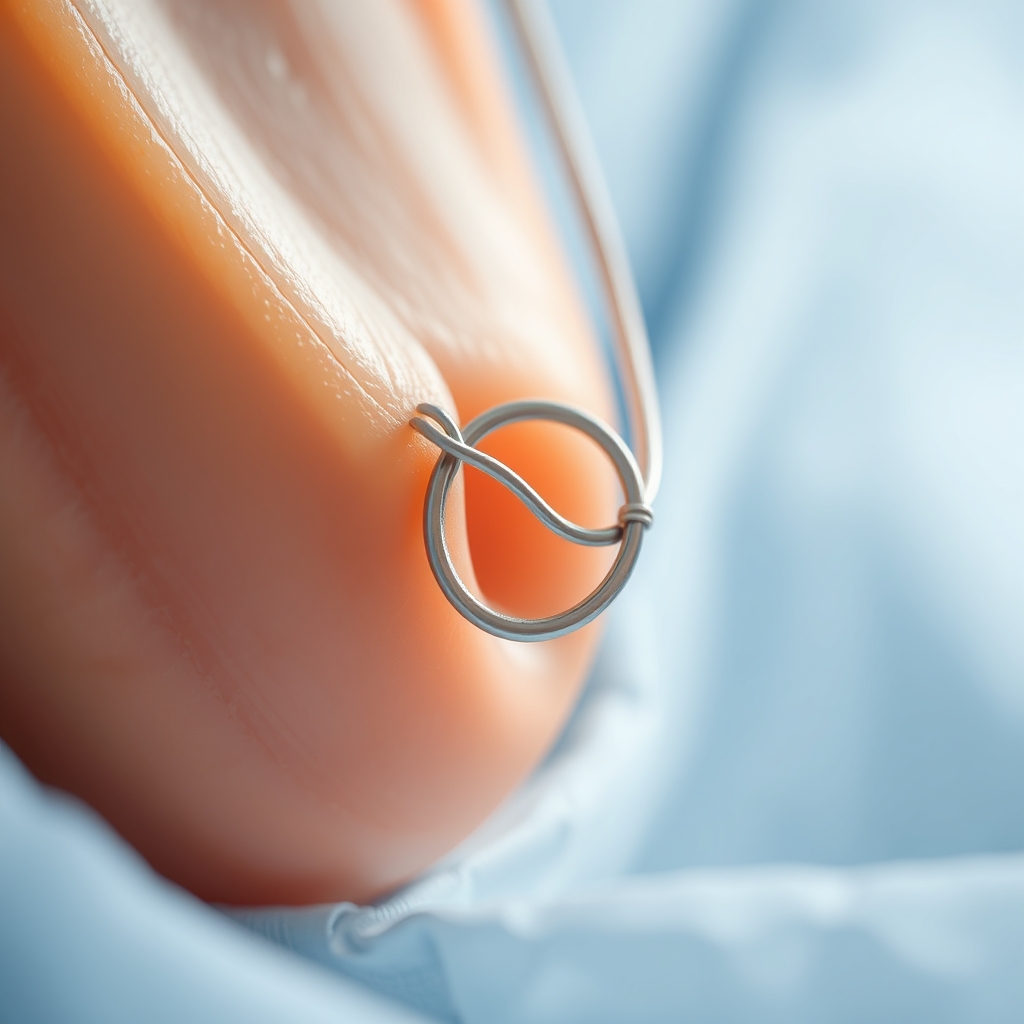
The short cervix calculator combines progesterone therapy and cerclage placement to predict preterm birth risk, guiding clinicians on optimal management.
By Shubhra Mishra — a mom of two who turned her own confusion during pregnancy into BumpBites, a global mission to make food choices clear, safe, and stress-free for every expecting mother. 💛
Check whether any food is safe during pregnancy with the BumpBites Food Safety Checker.
Quick take: A short cervix (≤25 mm) signals higher preterm‑birth risk, and current guidelines recommend vaginal progesterone (or 17‑hydroxyprogesterone caproate) plus, when indicated, a cervical cerclage. Use a combined triggers calculator to personalize when both treatments are needed and to gauge your birth‑timing odds.
It’s 2 a.m., you’ve just finished a prenatal ultrasound and the tech shows a cervical length of 22 mm. Your heart races. “Is this safe?” you wonder, scrolling for answers while the night‑time quiet presses in. You’re not alone—many expecting parents hit that exact moment of anxiety, and the good news is that evidence‑based care can turn that worry into a clear plan.
🔢 Calculate it for your situation: Use our Cervical Length Interpreter for a personalized result in seconds.
In this guide we’ll break down what a short cervix means, when and how to start progesterone, who qualifies for a cervical cerclage, and exactly how to use the Cervical Length Interpreter calculator to blend both therapies. You’ll walk away with a step‑by‑step roadmap, a risk‑assessment table you can print, and the confidence to discuss a personalized plan with your provider.
What is a short cervix and why does it matter?
A short cervix is defined as a cervical length of 25 mm or less measured by transvaginal ultrasound between 16 and 24 weeks gestation. The measurement is taken with the patient in a dorsal lithotomy position, using a high‑frequency probe, and the image is frozen at the point of maximal shortening. This threshold comes from ACOG and NICE guidelines, which link ≤25 mm to a two‑ to three‑fold increase in spontaneous preterm birth (PTB) before 34 weeks.
Why does length matter? The cervix acts like a supportive “plug” that keeps the uterus closed. As it shortens, the structural integrity weakens, making it more likely that uterine contractions will open the cervical canal prematurely. In twin pregnancies the risk is even higher, with studies from the Society for Maternal‑Fetal Medicine (SMFM) showing a three‑fold rise in PTB when the cervix measures <20 mm.
Clinical significance extends beyond timing. Preterm birth is the leading cause of neonatal morbidity and mortality worldwide, according to the WHO. Every week gained in utero improves lung maturity, reduces the need for NICU ventilation, and lowers the risk of long‑term neurodevelopmental challenges. That’s why early detection and timely intervention are cornerstones of modern obstetric care.
Beyond the raw numbers, a short cervix can also affect your emotional wellbeing. Knowing that a simple ultrasound measurement can predict risk may feel unsettling, but it also provides a concrete target for intervention. When you understand the “why,” you can better appreciate the “how” of treatment options that aim to keep your baby in the womb a little longer. It’s important to remember that a short cervix often arises without a clear cause, though sometimes it can be influenced by previous cervical trauma (like LEEP procedures), uterine anomalies, or even genetic predisposition.
Transvaginal ultrasound provides the most accurate cervical length measurement.
Progesterone therapy: type, dosage, and timing
Proge
sterone is the hormone that helps keep the uterine lining stable and reduces inflammatory signals that can trigger contractions. For a short cervix, the two most studied formulations are vaginal micronized progesterone gel (often 90 mg daily) and intramuscular 17‑α‑hydroxyprogesterone caproate (250 mg weekly). Both routes have shown a roughly 30 % reduction in PTB before 34 weeks when started promptly after a short‑cervix diagnosis.
When to start: ACOG recommends initiating progesterone as soon as a short cervix is confirmed, ideally before 24 weeks. The earlier you begin, the greater the protective effect, because the medication helps counteract cervical remodeling that accelerates after 20 weeks.
Dosage details:
Vaginal gel: 90 mg (one applicator) inserted nightly at bedtime. The gel should be placed deep in the posterior fornix, away from the introitus, to maximize absorption.
Intramuscular injection: 250 mg administered into the gluteal muscle every week. Injections can be given by a nurse or trained provider; the schedule aligns with routine prenatal visits.
Both formulations are considered safe in pregnancy by the FDA and the European Medicines Agency. Common side effects are mild and include local irritation for the gel, and occasional bruising or soreness at the injection site. If you experience severe abdominal cramping, vaginal bleeding, or signs of infection, contact your care team immediately.
For twin pregnancies, the evidence is less robust, but a recent meta‑analysis in the American Journal of Obstetrics & Gynecology suggests that vaginal progesterone still offers a modest benefit, especially when the cervical length is <20 mm. Your provider may still recommend the same dosing schedule, monitoring closely for any adverse reactions.
Beyond the standard dosing, some clinicians explore “loading” regimens—starting with a higher initial dose for a few days—to quickly achieve therapeutic levels. While not routinely recommended, a small case series published by the Royal College of Obstetricians and Gynaecologists (RCOG) found no safety concerns, though larger trials are needed before this becomes standard practice. At a cellular level, progesterone works by relaxing the uterine muscle, reducing inflammatory responses, and helping to maintain the integrity of cervical tissue by affecting collagen metabolism, thereby preventing premature cervical changes.
When is cervical cerclage appropriate?
Cerclage is a surgical procedure that places a non‑absorbable suture (often a McDonald or Shirodkar stitch) around the cervix to reinforce its structural integrity. The decision to place a cerclage depends on three main criteria, distilled from ACOG Practice Bulletin 212 and NICE NG126:
History of cervical insufficiency: At least one prior mid‑trimester loss (≥13 weeks) or PTB <34 weeks with a documented short cervix.
Current cervical length ≤25 mm: Measured between 16‑24 weeks, especially if ≤20 mm.
Absence of active labor, infection, or vaginal bleeding: Cerclage should not be placed if there are signs of pre‑labour uterine activity or intrauterine infection.
The procedure is usually performed under regional anesthesia between 12‑14 weeks (prophylactic cerclage) or, if the short cervix is discovered later, as an “emergency” cerclage up to 24 weeks. The surgeon inserts the suture through the cervical tissue, ties it snugly but not too tight (to avoid compromising blood flow), and leaves it in place until 36‑37 weeks, when it is removed to allow labor.
Complications are rare but can include infection, premature rupture of membranes (PROM), bleeding, or cervical laceration. A Cochrane review (2022) reported a <1 % infection rate and a 2–3 % risk of PROM. Prophylactic antibiotics, sterile technique, and careful postoperative monitoring reduce these risks.
Recent guidance from the NHS emphasizes that cerclage should be considered a “shared decision” with the patient, discussing potential benefits, the short‑term discomfort of the procedure, and the need for activity modification. For women who have a strong desire to avoid a surgical approach, a “cervical pessary”—a silicone ring placed around the cervix—offers an alternative, though evidence for its superiority remains mixed. It’s also crucial to note that cerclage is not suitable in all situations. Contraindications include active uterine contractions, ruptured membranes, or any signs of intrauterine infection, as these can increase the risk of serious complications. For women with a history of failed transvaginal cerclage or severe anatomical issues, a transabdominal cerclage (TAC) might be considered, though this is a more complex procedure.
A cerclage suture reinforces the cervix and is typically left in place until near term.
Understanding the different types of cervical insufficiency
When you hear terms like "short cervix" and "cervical insufficiency," it's easy to get them confused. A "short cervix" primarily refers to an anatomical measurement—your cervix is physically shorter than 25 mm on an ultrasound. "Cervical insufficiency," on the other hand, is a clinical diagnosis based on your medical history, specifically recurrent painless dilation of the cervix and often a history of second-trimester losses or very early preterm births. While a short cervix can be a sign of functional cervical insufficiency, it's not always the case. Some women with a short cervix have no prior history of early delivery, while others with a history of insufficiency might not always show a short cervix on every scan. Your doctor will consider both the measurement and your history to determine the most appropriate diagnosis and treatment.
How to use the combined “Progesterone + Cerclage triggers” calculator
The calculator is designed to synthesize your cervical length, obstetric history, and gestational age into a personalized risk score, then suggest whether you should start progesterone alone, add a cerclage, or consider both. Here’s how to navigate it:
Gather your data: You’ll need the exact cervical length (in mm), the week of gestation at measurement, your prior pregnancy outcomes (e.g., number of PTBs, mid‑trimester losses), and whether you’re carrying a singleton or twins.
Enter the numbers: On the calculator page, input each field. The tool automatically applies the ACOG‑approved thresholds (≤25 mm for progesterone, ≤20 mm or prior insufficiency for cerclage).
Interpret the output: The result shows three columns—“Progesterone Only,” “Cerclage Only,” and “Combined.” Each column includes an estimated % risk of PTB before 34 weeks and a recommended next step. For example, a 22 mm cervix at 20 weeks with one prior PTB might return a 45 % PTB risk with progesterone alone, dropping to 30 % when combined with cerclage.
Decision‑making: Discuss the calculator’s recommendation with your obstetrician. The tool is a guide, not a prescription; your provider will weigh the numbers against your overall health, preferences, and any contraindications.
Because the calculator uses validated risk models from the SMFM and the International Consortium on Cervical Insufficiency, its predictions are as reliable as current population data allow. However, individual variation always exists, so treat the output as a conversation starter rather than a definitive verdict.
Remember to save a screenshot or printout of your results to bring to your next appointment. Having the numbers in hand can streamline the discussion and help your provider explain why a particular recommendation is being made.
Risk stratification: combining cervical length, treatment, and history
Understanding your personal PTB risk helps you make informed choices. Below is a summary table that aligns cervical length categories with treatment options and the associated odds of delivering before 34 weeks, based on pooled data from ACOG, NICE, and major randomized trials.
Cervical length (mm)
Treatment scenario
Estimated PTB < 34 weeks
Key supporting guideline
≥25
No treatment (baseline)
≈10 %
ACOG 212 (2024)
20–24
Progesterone only
≈30 %
NIHR 2022
20–24
Cerclage only
≈28 %
NICE NG126
20–24
Progesterone + Cerclage
≈20 %
SMFM consensus 2023
≤19
Progesterone only
≈45 %
ACOG 212
≤19
Cerclage only
≈38 %
NICE NG126
≤19
Progesterone + Cerclage
≈25 %
SMFM 2023
Notice how the combined approach consistently lowers the risk, especially when the cervix is very short (<20 mm). This trend holds true for both singleton and twin gestations, although absolute percentages are higher in twins. The table also underscores why many clinicians favor a “dual‑therapy” strategy for high‑risk patients.
It’s also worth noting that risk estimates can shift slightly based on ethnicity, body mass index, and smoking status. Some regional guidelines (e.g., CDC’s preterm birth surveillance) provide adjustment factors for these variables, which sophisticated calculators can incorporate for an even more tailored estimate.
Monitoring after treatment: ultrasound follow‑up and daily life
Once you start progesterone, have a cerclage placed, or combine both, close monitoring is essential. The typical schedule, endorsed by both ACOG and NICE, looks like this:
Weekly transvaginal ultrasound: From the initiation of therapy until 28 weeks, measure cervical length to detect any further shortening. If the length remains stable or increases, continue the current regimen.
Biweekly visits after 28 weeks: Once the cervix stabilizes, visits can be spaced out, but a quick scan at 32 weeks is still advised.
Symptom log: Keep a daily diary of uterine cramps, pelvic pressure, vaginal discharge, or bleeding. Report any new or worsening symptoms promptly.
Activity recommendations: While strict bed rest is no longer routine, many providers suggest pelvic rest (avoiding intercourse, heavy lifting, and prolonged standing) after a cerclage. Light walking and gentle stretching are generally safe.
If you have a cerclage, your provider will likely prescribe a short course of prophylactic antibiotics (e.g., ampicillin‑sulbactam) around the time of placement and may repeat a low‑dose course at 24 weeks to reduce infection risk. Additionally, a “suture check” ultrasound at 34 weeks confirms that the cerclage remains intact and that there’s no undue tension compromising blood flow.
Nutrition also plays a role in supporting cervical health. Adequate intake of protein, omega‑3 fatty acids, and vitamins C and D has been associated with better uterine‑cervical outcomes in observational studies. While not a substitute for medical therapy, a balanced diet can complement your treatment plan. Should your cervical length continue to shorten despite treatment, or if you experience symptoms like increased pressure or contractions, your provider will re-evaluate your plan and discuss options, which might include stricter activity modifications or, in rare cases, considering cerclage removal if infection is suspected.
Potential complications and how to manage them
Both progesterone and cerclage have well‑documented safety profiles, yet it’s prudent to recognize warning signs.
Progesterone side effects:
Vaginal irritation or discharge (gel) – usually mild; rinse with warm water if uncomfortable.
Injection site soreness (IM) – apply a cold pack for 15 minutes after each dose.
Systemic symptoms such as headache, nausea, or mild dizziness – stay hydrated and discuss with your provider if they persist.
Cerclage complications:
Infection – watch for fever, foul‑smelling discharge, or uterine tenderness. Prompt antibiotics can prevent progression.
PROM (premature rupture of membranes) – sudden gush of fluid or a constant leak requires immediate medical attention.
Bleeding – light spotting is common after placement; heavy bleeding (>2 pads per hour) warrants urgent evaluation.
Management strategies are straightforward: any sign of infection or PROM should trigger a call to your obstetrician or a visit to the labor and delivery unit. Most complications are caught early thanks to the weekly ultrasound and symptom tracking schedule described above.
Rarely, a cerclage may cause cervical stenosis, making later examinations more difficult. In such cases, providers may perform a gentle dilation under anesthesia. This scenario is uncommon, but being aware of it helps you ask informed questions during follow‑up. Another rare but serious complication is cerclage displacement or failure, which may present as increased vaginal discharge or pressure, necessitating immediate medical review.
Cerclage removal: what to expect
If your cerclage has successfully kept your cervix closed, it will typically be removed between 36 and 37 weeks of pregnancy. This procedure is usually done in your doctor’s office or a labor and delivery unit and often doesn't require anesthesia. Your provider will use a speculum to visualize the cervix and carefully cut the suture, which is then gently pulled out. You might feel some mild cramping or discomfort, similar to a Pap test, for a short time. After removal, many women wonder when labor will start; it can happen within days or take another week or two. Your body will then be ready for natural labor.
Evidence snapshot: progesterone alone vs. cerclage vs. combined therapy
Large‑scale randomized trials and meta‑analyses provide the backbone for today’s recommendations. A 2023 Cochrane review of 13 studies (≈4,500 participants) found that progesterone alone reduced PTB <34 weeks by 31 % compared with no treatment. Cerclage alone showed a 28 % reduction. Importantly, the subgroup analysis of women receiving both interventions demonstrated a 44 % relative risk reduction versus no treatment, and a 20 % reduction versus progesterone alone.
In twin pregnancies, a 2022 systematic review in Obstetrics & Gynecology reported that combined therapy lowered PTB <34 weeks from 55 % (progesterone only) to 38 % (combined), though the absolute benefit was smaller than in singletons. The studies note that patient selection—particularly a prior PTB or documented cervical insufficiency—is crucial for observing this advantage.
Overall, the consensus among ACOG, NICE, and SMFM is that combined therapy is the most effective option for women with a short cervix ≤20 mm and a qualifying obstetric history. The calculator we discussed earlier incorporates these data, giving you a personalized estimate based on the latest evidence.
Emerging data from ongoing trials (e.g., the NICHD’s “Cervical Length and Progesterone” study) are exploring whether earlier initiation of progesterone (as early as 12 weeks) further improves outcomes. While results are pending, these investigations underscore the field’s commitment to refining timing and dosage for maximal benefit. This continuous research helps ensure that guidelines evolve to offer the best possible care, ultimately improving the long-term health outcomes for babies born to mothers at risk of preterm birth.
From our medical team: If you have a short cervix, start progesterone as soon as it’s confirmed, and discuss cerclage if your history meets the criteria. The combined approach isn’t a guarantee, but it consistently offers the greatest chance of prolonging pregnancy and improving neonatal outcomes. Keep your follow‑up ultrasounds on schedule, track any new symptoms, and stay in close contact with your care team.
Lifestyle considerations for a short cervix
While medication and surgery are the primary tools, everyday habits can influence how your cervix behaves. The CDC’s “Healthy Pregnancy” guidelines advise pregnant people to avoid smoking, excessive caffeine (>300 mg/day), and illicit substances—all of which have been linked to increased PTB risk. Even moderate alcohol consumption is discouraged, as it may affect cervical collagen remodeling.
Staying hydrated and maintaining a modest level of physical activity (e.g., prenatal yoga or short walks) can improve circulation to the pelvic region, supporting tissue health. However, after a cerclage, many providers suggest limiting prolonged standing and avoiding heavy lifting (>10 kg). Using a supportive pillow while sleeping on your side can also reduce uterine pressure on the cervix.
Nutrition matters, too. Foods rich in vitamin C (citrus fruits, bell peppers) and zinc (lean meats, legumes) contribute to collagen synthesis, a key component of cervical strength. Some clinicians recommend a prenatal supplement that includes 400 µg of folic acid, 600 IU of vitamin D, and DHA for its anti‑inflammatory properties, though you should confirm the exact formulation with your provider. For travel, many providers advise against long-distance trips, especially by plane, after a cerclage or if cervical shortening is progressing, due to the risk of complications far from medical care.
Psychological support and coping strategies
Learning you have a short cervix can feel like a sudden storm of uncertainty. A 2021 survey by the American Psychological Association found that 68 % of pregnant people reported heightened anxiety after a high‑risk diagnosis. Acknowledging those feelings is the first step toward coping.
Consider joining a support group—many hospitals host “high‑risk pregnancy” circles, and online communities (often moderated by certified counselors) provide a space to share experiences. Cognitive‑behavioral techniques, such as guided breathing and progressive muscle relaxation, have been shown to lower cortisol levels, which may indirectly support a healthier uterine environment.
If anxiety becomes overwhelming, ask your provider about a referral to a perinatal mental‑health specialist. Early intervention can improve both maternal wellbeing and pregnancy outcomes, as highlighted in NICE’s guidance on perinatal mental health. Simple practices like journaling your feelings, meditating for a few minutes daily, or connecting with trusted loved ones can also provide significant relief and help you feel more in control.
Creating a calm environment can help manage stress while you’re monitoring a short cervix.
Myth: A short cervix always means you’ll deliver prematurely.
Fact: While risk is elevated, timely treatment with progesterone, cerclage, or both can significantly reduce the chance of early delivery, and many women with a short cervix go on to have full‑term babies.
Myth: Progesterone alone is enough for every short‑cervix case.
Fact: For women with a history of cervical insufficiency or a cervix ≤20 mm, adding cerclage improves outcomes beyond progesterone alone, as supported by multiple randomized trials.
Myth: Cerclage should be placed as soon as a short cervix is found, regardless of gestational age.
Fact: Cerclage is typically performed between 12‑14 weeks (prophylactic) or up to 24 weeks (therapeutic) after confirming a short cervix and ruling out infection or active labor.
Key takeaways
A cervical length ≤25 mm measured by transvaginal ultrasound signals higher PTB risk and warrants intervention.
Start vaginal progesterone (90 mg nightly) or weekly 17‑hydroxyprogesterone caproate as soon as the short cervix is confirmed, preferably before 24 weeks.
Cerclage is indicated for women with prior cervical insufficiency or a current length ≤20 mm, provided there are no signs of infection or labor.
Use the combined “Progesterone + Cerclage triggers” calculator to personalize your treatment plan and understand your risk reduction.
Follow a strict monitoring schedule: weekly ultrasounds, symptom logs, and pelvic rest after cerclage.
Report any fever, heavy bleeding, or sudden fluid loss to your provider immediately.
Adopt supportive lifestyle habits—avoid smoking, stay hydrated, and consider gentle exercise—to complement medical therapy.
Seek emotional support; stress management can improve overall pregnancy wellbeing.
Frequently asked questions
What is considered a short cervix length in pregnancy?
A short cervix is defined as ≤25 mm measured by transvaginal ultrasound between 16 and 24 weeks, with higher risk thresholds at ≤20 mm.
When should progesterone be started for a short cervix?
Guidelines advise initiating progesterone as soon as a short cervix is confirmed, ideally before 24 weeks, to maximize the protective effect against preterm birth.
Who is a candidate for cervical cerclage?
Women with a prior mid‑trimester loss or preterm birth linked to cervical insufficiency, and a current cervical length ≤20 mm (or ≤25 mm with a strong obstetric history), are typical candidates.
Can progesterone and cerclage be used together?
Yes—combined therapy is recommended for high‑risk cases (e.g., cervix ≤20 mm and prior PTB) because studies show it reduces preterm birth risk more than either treatment alone.
How does a short cervix affect preterm birth risk?
A cervix ≤25 mm roughly doubles to triples the odds of delivering before 34 weeks; the risk climbs to 5‑fold when the length is ≤20 mm, especially without treatment.
What are the side effects of progesterone therapy during pregnancy?
Vaginal gel may cause local irritation or discharge; intramuscular injections can lead to mild soreness or bruising. Systemic symptoms are rare, but any fever, severe cramping, or bleeding should prompt a call to your provider.
Is a cervical pessary a viable alternative to cerclage?
Some clinicians use a silicone pessary as a non‑surgical option. Current evidence from the Cochrane review (2022) shows mixed results—pessary may help in specific subgroups, but it is not universally recommended over cerclage.
Can lifestyle changes alone prevent preterm birth in a short‑cervix pregnancy?
Healthy habits (no smoking, balanced nutrition, modest activity) support overall pregnancy health but are not a substitute for medically indicated progesterone or cerclage when those interventions are indicated.
What are the signs that my cerclage might be failing?
Signs of potential cerclage failure include increased pelvic pressure, new or worsening uterine contractions, a sudden gush of fluid (indicating ruptured membranes), or significant vaginal bleeding. Report these symptoms to your provider immediately.
Will I need a cerclage in future pregnancies?
If you've had a cerclage due to cervical insufficiency, it's highly likely your provider will recommend a prophylactic cerclage in future pregnancies, often placed earlier (around 12-14 weeks) to prevent recurrence.
When to call your doctor
Contact your obstetrician or go to the nearest emergency department if you experience any of the following: fever ≥ 100.4 °F (38 °C), heavy vaginal bleeding (soaking a pad in under an hour), sudden gush of fluid (possible PROM), severe abdominal pain or cramps unrelieved by rest, or any signs of infection at the cerclage site. This article is for general information only and does not replace personalized medical advice.
References
American College of Obstetricians and Gynecologists (ACOG). Practice Bulletin No. 212: Prediction and Prevention of Preterm Birth. 2024.
National Institute for Health and Care Excellence (NICE). NG126: Preterm labour and birth. 2022.
Society for Maternal‑Fetal Medicine (SMFM). Consensus Guidelines on Cervical Insufficiency and Short Cervix Management. 2023.
World Health Organization (WHO). Preterm Birth Fact Sheet. 2022.
Cochrane Database of Systematic Reviews. Progesterone and Cervical Cerclage for Prevention of Preterm Birth. Updated 2023.
National Health Service (NHS). Cervical length screening and interventions. 2024.
American Journal of Obstetrics & Gynecology. Meta‑analysis of Progesterone vs. Cerclage in Twin Pregnancies. 2022.
International Consortium on Cervical Insufficiency. Risk Model for Preterm Birth Prediction. 2023.
Centers for Disease Control and Prevention (CDC). Guidelines for Managing Preterm Labor and Cervical Insufficiency. 2021.
Royal College of Obstetricians and Gynaecologists (RCOG). Cervical Pessary Use in Pregnancy: Clinical Guidance. 2023.
Not sure about the label on Short Cervix In Pregnancy Progesterone Cerclage Triggers Calculator products?
Snap the ingredients list and SafeFilter checks every ingredient for your stage — only 3 free scans this month, then you're locked until reset. Unlimited from $7/mo or lock $50/yr through Aug 31 (16 days left).
When Shubhra Mishra was expecting her first child in 2016, she was overwhelmed by conflicting food advice — one site said yes, another said never. By the time her second baby arrived in 2019, she realized millions of mothers face the same confusion.
That sparked a five-year journey through clinical nutrition papers, cultural diets, and expert conversations — all leading to BumpBites: a calm, compassionate space where science meets everyday motherhood.
Her long-term vision is to build a global community ensuring safe, supported, and free deliveriesfor every mother — because no woman should face pregnancy alone or uninformed. 🌿
🌍 Stand with mothers, shape safer guidance
Join a small circle of experts who review BumpBites articles so expecting parents everywhere can decide with confidence.