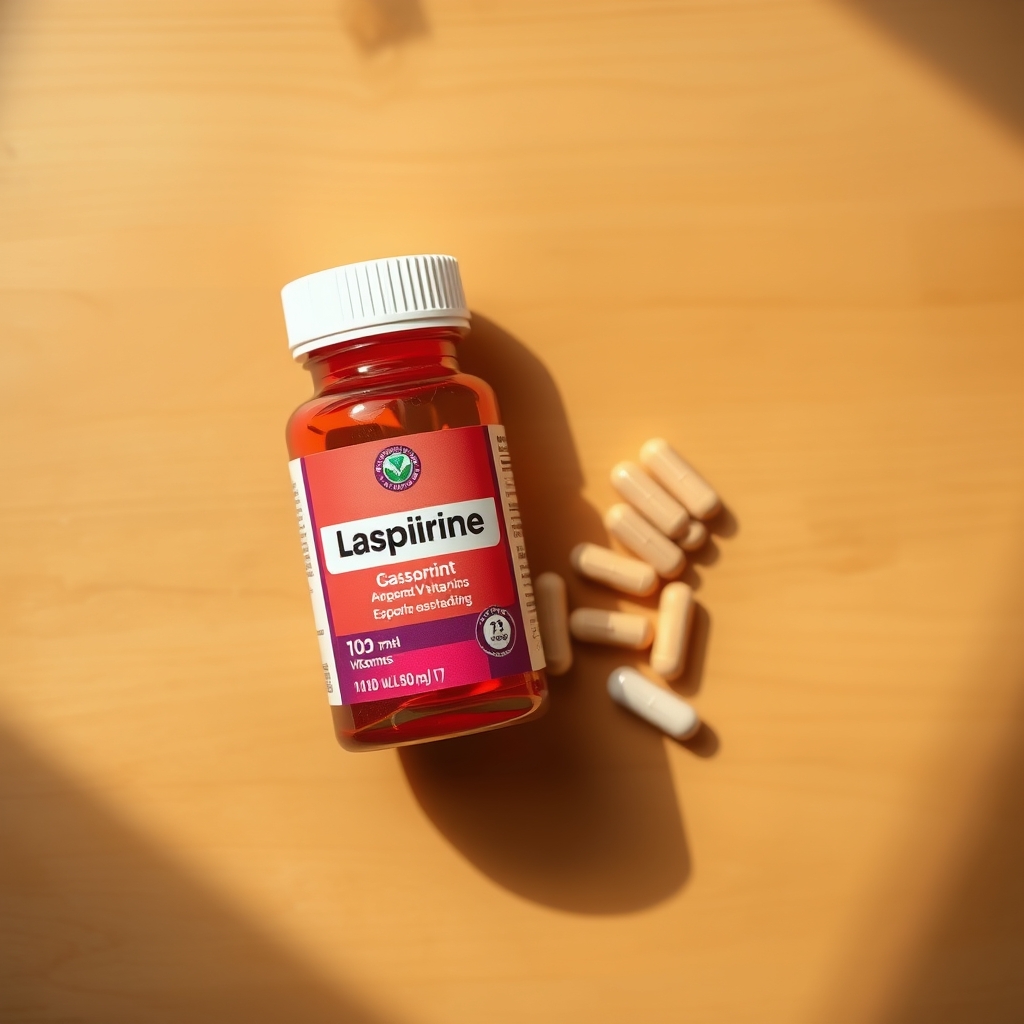
Yes—low-dose aspirin (81 mg) daily after 12 weeks can lower the risk of preeclampsia in high‑risk pregnancies. Learn who should take it, dosage, timing, and safety.
By Shubhra Mishra — a mom of two who turned her own confusion during pregnancy into BumpBites, a global mission to make food choices clear, safe, and stress-free for every expecting mother. 💛
Check whether any food is safe during pregnancy with the BumpBites Food Safety Checker.
Quick take: Low‑dose aspirin (usually 81 mg daily) is recommended for pregnant people who have certain risk factors for preeclampsia. Start it between 12 weeks and 16 weeks gestation, keep taking it through delivery, and discuss the plan with your provider. Most women tolerate it well, but you should watch for unusual bleeding and talk to your clinician if you have any concerns.
It’s 2 a.m., you’re curled up with a pillow, and the thought that keeps looping is, “Can I safely take aspirin to stop preeclampsia?” You’ve read headlines, heard a friend mention “baby aspirin,” and now you’re scrolling through endless forums. The good news is that low‑dose aspirin is one of the few proven medicines that can lower the chance of a serious pregnancy complication, but it isn’t a blanket recommendation for everyone.
🔢 Calculate it for your situation: Use our Preeclampsia Risk for a personalized result in seconds.
In this article we’ll break down exactly what low‑dose aspirin does, who‑should‑consider it, how much and when to start, and what side‑effects to watch for. We’ll also walk you through a preeclampsia‑prevention calculator, explain how to talk with your obstetric team, and summarize the latest guidance from ACOG, NICE, WHO and other authorities. By the end you’ll have a clear, evidence‑based answer to the question “Should I take low‑dose aspirin?” and a concrete next step for your own pregnancy.
Whether you’re a first‑time parent or have been through pregnancy before, the information below is designed for quick scanning on a phone and deeper reading when you have a few minutes. Let’s get started.
What low‑dose aspirin is and why it’s used in pregnancy
Low‑dose aspirin (often called “baby aspirin”) is a formulation of acetylsalicylic acid that delivers 81 mg of the drug per tablet—roughly one‑quarter the dose found in regular over‑the‑counter pain relievers. In pregnancy the goal isn’t pain relief; it’s to gently inhibit platelet clotting and improve blood flow to the placenta. This modest antiplatelet effect helps prevent the cascade that can lead to preeclampsia, a condition marked by high blood pressure, protein in the urine, and potential organ damage for both mother and baby.
Research spanning more than two decades shows that daily low‑dose aspirin started in the late first trimester reduces the risk of preeclampsia by about 20 percent in high‑risk groups and cuts the incidence of severe disease by 30‑40 percent. The drug also appears to lower the chance of delivering a baby who is small for gestational age, likely because better placental perfusion supports healthier growth.
Because the medication works through a subtle, long‑term mechanism, timing matters. The earlier the platelets are “softened” in pregnancy—ideally before the placenta fully matures—the more protective the effect. That is why guidelines advise initiating therapy between 12 and 16 weeks gestation, a window when the placenta is still forming but the embryo is already safely beyond the organ‑formation stage that is most vulnerable to teratogenic agents.
On a cellular level, low‑dose aspirin irreversibly blocks the enzyme cyclo‑oxygenase‑1 (COX‑1) in platelets, reducing the production of thromboxane A₂, a potent vasoconstrictor and clot promoter. The reduction in thromboxane shifts the balance toward prostacyclin, a vasodilator that improves uterine‑placental blood flow. Large trials such as the ASPRE study (Aspirin for Evidence‑Based Preeclampsia Prevention) demonstrated that this shift translates into measurable improvements in uterine artery Doppler indices, a proxy for placental health.
Low‑dose aspirin is the “baby” version of the common pain reliever, typically 81 mg per tablet.
Who is eligible? Risk factors that make aspirin prophylaxis worthwhile
Not e
very pregnant person needs a daily aspirin. Major professional bodies recommend it only for those with an elevated risk of preeclampsia. The most widely used eligibility algorithm includes any of the following:
History of preeclampsia or eclampsia in a previous pregnancy, especially if it occurred before 34 weeks.
Chronic hypertension diagnosed before pregnancy or before 20 weeks gestation.
Multifetal gestation (twins, triplets, etc.).
Pre‑existing diabetes (type 1 or type 2) or gestational diabetes requiring insulin.
Maternal age 35 years or older combined with other risk factors.
Body mass index (BMI) ≥ 30 kg/m² in the first trimester.
Having one of these factors usually meets the threshold for aspirin prophylaxis. Having two or more markedly increases your calculated risk, and many clinicians will start aspirin even if you have only a single moderate risk factor, especially if you’re older or have a high BMI.
Conversely, most low‑risk pregnancies—those without the above markers—do not benefit from routine aspirin, and unnecessary exposure could increase bleeding risk without added protection. When you’re unsure where you fall, the preeclampsia risk calculator (see below) can translate your individual data into a percentage that both you and your provider can discuss.
Dosage, timing, and how long to stay on low‑dose aspirin
The standard dose endorsed by ACOG, NICE and WHO is 81 mg (one “baby” aspirin) taken once daily. Some U.S. protocols list 75 mg as an alternative, but the difference is clinically negligible. The dose should be taken at the same time each day, preferably in the evening after dinner, because platelet inhibition peaks roughly 8‑12 hours after ingestion and aligns with the body’s natural circadian dip in clotting activity.
Starting between 12 and 16 weeks gestation is critical. If you begin later—say at 20 weeks—the protective effect diminishes, as the placenta has already undergone most of its vascular remodeling. Most guidelines advise continuing the medication until delivery, because stopping early could reverse the benefit and increase the risk of late‑onset preeclampsia.
Adherence matters. Missing a dose occasionally is unlikely to erase the benefit, but regular gaps can reduce the overall platelet‑inhibition effect. If you experience stomach upset, ask your provider whether an enteric‑coated formulation might be gentler on your gut while still delivering the same low dose.
Below is a quick reference that aligns major guidelines:
Organization
Recommended dose
When to start
When to stop
American College of Obstetricians and Gynecologists (ACOG, 2023)
81 mg daily
12‑16 weeks
Delivery
National Institute for Health and Care Excellence (NICE, UK, 2022)
75 mg daily
≤ 16 weeks (ideally 12 weeks)
Delivery
World Health Organization (WHO, 2024)
75‑81 mg daily
12‑20 weeks (earlier better)
Delivery
Because aspirin is inexpensive and widely available, many providers will write a prescription for you, but over‑the‑counter purchases are also acceptable. Just be sure the label reads “81 mg” (or “75 mg”) and that you’re not inadvertently taking a higher‑strength product meant for pain relief.
Mark week 13 on your pregnancy calendar—most guidelines recommend starting aspirin around this time.
Safety considerations and potential side effects for mom and baby
Low‑dose aspirin is generally safe in pregnancy when used as directed, but it does carry a few cautions. The most common side‑effects are mild gastrointestinal upset—such as heartburn or a slight stomach ache—and easy bruising. These usually resolve with food or a switch to a coated tablet.
More serious, but rare, complications include:
Excessive vaginal bleeding or postpartum hemorrhage. Studies report a 0.5‑1 percent increase in bleeding events, which is still lower than the risk reduction for severe preeclampsia.
Allergic reactions (hives, swelling) in people with aspirin intolerance.
Potential fetal effects are minimal; no increase in major congenital anomalies has been documented at low doses.
If you have a history of stomach ulcers, clotting disorders, or are on other anticoagulants (e.g., heparin, warfarin), discuss the plan thoroughly with your provider. Aspirin can also interact with certain supplements like high‑dose vitamin E or omega‑3 fatty acids, which may potentiate bleeding risk.
Current evidence from the ASPRE trial and subsequent meta‑analyses shows no association between low‑dose aspirin and adverse neurodevelopmental outcomes in infants. In fact, by reducing the incidence of preterm birth—a known risk factor for later developmental challenges—aspirin may indirectly support healthier long‑term outcomes.
Overall, the consensus among ACOG, NICE and WHO is that the benefits outweigh the risks for eligible patients. Nevertheless, any new bleeding, severe abdominal pain, or sudden swelling should prompt an immediate call to your care team.
How to use a preeclampsia prevention calculator and interpret the results
Quantifying your personal risk can help you and your provider decide whether aspirin is appropriate. Most calculators ask for basic data—age, BMI, blood pressure, pregnancy history, and any chronic conditions. They then apply a validated algorithm (often based on the U.S. Preventive Services Task Force or the Fetal Medicine Foundation model) to estimate a percentage risk of developing preeclampsia.
Here’s a step‑by‑step guide:
Gather your most recent prenatal measurements: weight, blood pressure, and any lab values you’ve received.
Enter the requested details. The tool will ask about past pregnancy complications, chronic diseases, and lifestyle factors (e.g., smoking).
Review the output. A risk estimate of ≥ 10 percent is typically considered “high” and would prompt a discussion about aspirin prophylaxis.
Print or screenshot the result to bring to your next appointment. Your provider can use it as a conversation starter and may adjust the recommendation based on additional clinical judgment.
The calculator is not a diagnostic tool—it simply aggregates known risk factors. If the result feels surprising (for instance, a low risk despite a history of preeclampsia), bring it up with your clinician; they may consider additional testing such as uterine artery Doppler studies or placental‑growth ultrasounds.
Remember that risk scores are population‑based estimates. They do not guarantee that you will or will not develop preeclampsia, but they help frame the discussion around preventive strategies, including aspirin.
Talking to your provider: prescription, contraindications, and drug interactions
Bring a clear, concise summary to your prenatal visit: “I’ve read that low‑dose aspirin can lower preeclampsia risk, and my calculator shows a 12 percent chance. Can we discuss starting 81 mg daily?” This frames the conversation around evidence rather than anxiety.
Key points to cover with your provider include:
Exact dosage and formulation (e.g., enteric‑coated vs. plain tablet).
Best time of day to take the medication.
Any existing medications, supplements, or herbal products you’re using.
Potential contraindications such as active peptic ulcer disease, known aspirin hypersensitivity, or severe thrombocytopenia.
Plans for monitoring—your provider may schedule more frequent blood pressure checks or blood work.
Contraindications are relatively few but important. Absolute contraindications include:
Known allergy to aspirin or other NSAIDs.
Active gastrointestinal bleeding or ulcer disease.
Severe liver disease that impairs clotting factor production.
Relative contraindications (where the decision is individualized) encompass:
Controlled hypertension without other risk factors—some clinicians still recommend aspirin, while others prefer watchful waiting.
Concurrent use of other antiplatelet agents (e.g., clopidogrel) or strong anticoagulants.
Placenta previa diagnosed after 20 weeks—most guidelines advise stopping aspirin if significant bleeding occurs, but low‑dose aspirin may be continued if the placenta is low‑lying and bleeding is absent.
If you’re prescribed a medication like heparin for another indication (e.g., antiphospholipid syndrome), discuss whether both agents are needed. In many cases, low‑dose aspirin alone is sufficient, but some high‑risk protocols combine both for additive protection.
Summary of current evidence and guidelines (2024)
Across the globe, the key recommendation is consistent: low‑dose aspirin is a safe, cost‑effective strategy for preventing preeclampsia in pregnant people who meet specific risk criteria. The evidence base includes:
Large meta‑analyses of randomized controlled trials showing a 20‑30 percent reduction in preeclampsia incidence when aspirin is started before 16 weeks.
Observational cohort studies confirming lower rates of severe hypertension, placental abruption, and preterm birth among aspirin users.
Guidelines from ACOG (2023), NICE (2022), and WHO (2024) that converge on an 81‑mg daily dose, initiation between 12‑16 weeks, and continuation until delivery.
The ASPRE trial, which enrolled over 4,000 high‑risk women across Europe, is often cited as the gold‑standard proof. Women who began 150 mg of aspirin before 16 weeks (a slightly higher dose used in the trial) experienced a 62 percent reduction in preterm preeclampsia, reinforcing the importance of early initiation. Subsequent analyses suggest that the 81‑mg dose used in routine care captures most of that benefit while preserving an excellent safety profile.
The consensus also emphasizes individualized care. While the calculator and risk‑factor checklist are useful tools, the final decision rests with your obstetric team, who will weigh your full medical history, preferences, and any emerging complications. Ongoing research is exploring whether extending aspirin use into the postpartum period might further reduce late‑onset hypertension, but current guidelines still focus on the antepartum window.
From our medical team: “If you fall into a high‑risk category, the modest increase in bleeding risk with low‑dose aspirin is far outweighed by the protection it offers against preeclampsia and its downstream complications. Always keep the conversation open with your provider, and never stop the medication without medical guidance.”
Understanding how aspirin works alongside other preventive measures
Aspirin is not a stand‑alone miracle; it works best when paired with healthy lifestyle habits. Adequate hydration, balanced nutrition rich in calcium and omega‑3 fatty acids, and regular moderate exercise (as approved by your provider) all support optimal vascular health. Some studies suggest that a diet low in processed sodium and high in fruits, vegetables, and whole grains can modestly lower blood pressure, complementing aspirin’s antiplatelet effect.
Screening for sleep apnea, managing chronic stress, and avoiding tobacco are additional strategies that reduce the overall burden on the cardiovascular system. While none of these measures replace aspirin for those who meet the risk criteria, they create a supportive environment that maximizes the medication’s benefit and may lower the dose of other antihypertensive drugs if needed later in pregnancy.
Monitoring and follow‑up while you’re on low‑dose aspirin
Once you start aspirin, your prenatal care schedule may include a few extra touchpoints. Your provider might check platelet counts and basic coagulation labs early in the second trimester to confirm that the low dose isn’t causing unexpected changes. Blood pressure checks typically become more frequent after 20 weeks, especially if you have a history of hypertension.
If you notice any new bruising, prolonged bleeding from gums, or unusual nosebleeds, note the timing and severity. Bring this information to your next appointment—or call sooner if the bleeding seems excessive. Most clinicians will advise a brief pause in aspirin if a serious bleeding episode occurs, but they will usually restart the medication once the cause is addressed, given the overall benefit for preeclampsia prevention.
Some providers also recommend a low‑dose aspirin “check‑in” at the 28‑week anatomy scan. This allows them to assess fetal growth, placental position, and any emerging signs of preeclampsia, ensuring the prophylactic strategy remains appropriate.
Special considerations: twins, IVF pregnancies, and other scenarios
Multifetal pregnancies (twins or higher-order multiples) carry a higher baseline risk of preeclampsia, often quoted as 10‑15 percent compared with 5‑8 percent in singleton pregnancies. Consequently, most guidelines automatically recommend low‑dose aspirin for anyone carrying multiples, regardless of other risk factors.
In vitro fertilization (IVF) pregnancies, especially those resulting from donor eggs or involving ovarian hyperstimulation, may also have an elevated risk profile. While the evidence is still emerging, many clinicians extend aspirin prophylaxis to IVF‑conceived pregnancies when additional risk markers (such as maternal age ≥ 35 or a prior preeclampsia) are present.
Women with antiphospholipid syndrome (APS) often receive a higher dose of aspirin (often 81‑150 mg) combined with low‑molecular‑weight heparin. The exact regimen should be individualized by a maternal‑fetal medicine specialist, but the principle remains the same: aspirin’s antiplatelet action is a cornerstone of the preventive strategy.
Keeping aspirin with your nightly routine can help you remember to take it consistently.
🔢 Ready to crunch your numbers? Use our Preeclampsia Risk for a personalized result in seconds.
Myth vs. fact
Myth: “Aspirin always causes bleeding in pregnancy.”
Fact: At low doses (81 mg), aspirin only modestly impairs clotting. Major bleeding is rare and is outweighed by the reduction in severe preeclampsia, which itself can cause hemorrhage.
Myth: “Only women with a previous preeclampsia diagnosis can take aspirin.”
Fact: Multiple risk factors—such as chronic hypertension, diabetes, or a BMI ≥ 30 kg/m²—also qualify a pregnant person for aspirin prophylaxis under current guidelines.
Myth: “You need a prescription; over‑the‑counter aspirin is unsafe.”
Fact: Over‑the‑counter low‑dose aspirin is chemically identical to prescription tablets. The key is confirming the strength (81 mg or 75 mg) and using it under your provider’s recommendation.
Key takeaways
Low‑dose aspirin (81 mg) is recommended for pregnant people at increased risk of preeclampsia, typically started between 12‑16 weeks.
Eligibility includes a prior preeclampsia pregnancy, chronic hypertension, diabetes, multifetal gestation, autoimmune disease, or a BMI ≥ 30 kg/m².
Continue the medication daily until delivery; most guidelines advise taking it in the evening.
Common side‑effects are mild (heartburn, bruising); serious bleeding is rare but should prompt immediate medical contact.
Use a preeclampsia risk calculator—like BumpBites’ Preeclampsia Risk tool—to quantify your personal risk and discuss the results with your provider.
Always review your full medication list and any contraindications (e.g., aspirin allergy, active ulcers) with your obstetric team.
Pair aspirin with healthy habits—balanced diet, adequate hydration, regular prenatal visits, and stress management—to maximize protection.
Frequently asked questions
Can I take low‑dose aspirin to prevent preeclampsia?
Yes—if you have one or more established risk factors, daily low‑dose aspirin (81 mg) started between 12‑16 weeks can lower your chance of developing preeclampsia, according to ACOG, NICE and WHO guidance.
When should I start taking aspirin in pregnancy?
Start between 12 and 16 weeks gestation; the earlier you begin within this window, the greater the protective effect, especially before the placenta finishes its major vascular remodeling.
What is the recommended dose of aspirin for preeclampsia prevention?
The standard dose is 81 mg (one “baby” aspirin) taken once daily. Some international guidelines list 75 mg, but both fall within the low‑dose range that has been shown to be effective and safe.
Are there any risks of taking aspirin during pregnancy?
Low‑dose aspirin is generally safe, but it can cause mild stomach upset, increased bruising, or rarely, excessive bleeding. It should be avoided if you have an aspirin allergy, active ulcer disease, or severe liver dysfunction.
How does a preeclampsia calculator work?
The calculator combines your age, BMI, blood pressure, pregnancy history and chronic conditions into a validated risk algorithm. It outputs a percentage that helps you and your provider gauge whether aspirin prophylaxis is advisable.
Do I need a doctor's prescription for low‑dose aspirin in pregnancy?
No—over‑the‑counter low‑dose aspirin is chemically identical to prescription tablets. However, you should always discuss the plan with your obstetric provider, who can confirm the dose and ensure there are no contraindications.
What should I do if I miss a dose of aspirin?
If you forget a dose, take it as soon as you remember—unless it’s close to the time of your next scheduled dose. In that case, skip the missed one and resume your regular nightly schedule. Missing an occasional dose does not erase the overall benefit, but try to keep the routine consistent.
Can aspirin affect my baby’s heart rate or overall activity?
At the low doses used for preeclampsia prevention, aspirin does not cross the placenta in amounts that influence fetal heart rate or activity. Large studies have found no difference in fetal movement patterns or heart rate variability between aspirin users and non‑users.
When to call your doctor
If you notice any of the following, contact your obstetric team right away: severe or sudden abdominal pain, heavy vaginal bleeding, unexplained bruising, persistent nosebleeds, or a sudden rise in blood pressure (> 140/90 mm Hg). Remember, this article is for information only and does not replace personalized medical advice.
References
American College of Obstetricians and Gynecologists. “Low‑Dose Aspirin Use to Prevent Preeclampsia.” ACOG Practice Bulletin No. 222, 2023.
National Institute for Health and Care Excellence. “Aspirin for Prevention of Preeclampsia.” NICE Guideline NG133, 2022.
World Health Organization. “Recommendations for Prevention of Preeclampsia.” WHO Guidelines, 2024.
Roberge S, et al. “Low‑Dose Aspirin for Prevention of Preeclampsia: A Systematic Review and Meta‑analysis.” *American Journal of Obstetrics & Gynecology*, 2022.
American Heart Association. “Aspirin Therapy in Pregnancy.” Clinical Guidance, 2023.
Royal College of Obstetricians and Gynaecologists. “Aspirin for Preeclampsia Prevention.” RCOG Green‑top Guideline, 2021.
US Preventive Services Task Force. “Preventive Medication for Preeclampsia.” USPSTF Recommendation Statement, 2023.
Centers for Disease Control and Prevention. “Preeclampsia Fact Sheet.” CDC, 2024.
Rolnik DL, et al. “The ASPRE Trial: Low‑Dose Aspirin for Prevention of Early‑Onset Preeclampsia.” *Lancet*, 2017.
National Health Service (NHS). “Aspirin in Pregnancy: Guidance for Women and Healthcare Professionals.” NHS England, 2023.
Not sure about the label on Should I Take Low Dose Aspirin Preeclampsia Prevention Calculator products?
Snap the ingredients list and SafeFilter checks every ingredient for your stage — only 3 free scans this month, then you're locked until reset. Unlimited from $7/mo or $50/yr.
When Shubhra Mishra was expecting her first child in 2016, she was overwhelmed by conflicting food advice — one site said yes, another said never. By the time her second baby arrived in 2019, she realized millions of mothers face the same confusion.
That sparked a five-year journey through clinical nutrition papers, cultural diets, and expert conversations — all leading to BumpBites: a calm, compassionate space where science meets everyday motherhood.
Her long-term vision is to build a global community ensuring safe, supported, and free deliveriesfor every mother — because no woman should face pregnancy alone or uninformed. 🌿
🌍 Stand with mothers, shape safer guidance
Join a small circle of experts who review BumpBites articles so expecting parents everywhere can decide with confidence.