Wondering if sushi is safe during pregnancy? Learn which types are safe to eat, which to limit, and which to avoid for a healthy pregnancy.
By Shubhra Mishra — a mom of two who turned her own confusion during pregnancy into BumpBites, a global mission to make food choices clear, safe, and stress-free for every expecting mother. 💛
Check whether any food is safe during pregnancy with the BumpBites Food Safety Checker.
Quick take: Most sushi is safe in pregnancy if it’s made with fully cooked fish, shellfish, or vegetables, and if you choose low‑mercury options that have been handled with strict hygiene. Avoid raw, undercooked fish and high‑mercury species; stick to cooked rolls, nigiri with cooked seafood, or vegetarian sushi. If you’re ever unsure, ask your provider or use our Pregnancy Food Safety calculator to double‑check your intake.
It’s 2 a.m., you’re scrolling through a late‑night cravings list, and a photo of a glossy, seaweed‑wrapped roll pops up. “Is sushi okay now that I’m pregnant?” you wonder, feeling a mix of excitement and anxiety. You’re not alone—many expectant parents grapple with the same question, especially when a favorite restaurant launches a new “spicy tuna” roll just as you’re planning your baby‑month menu.
🔢 Calculate it for your situation: Use our Pregnancy Food Safety for a personalized result in seconds.
In this guide we’ll break down exactly which sushi choices are safe, why raw fish can be risky, and how you can still enjoy those bright, bite‑size flavors without compromising your baby’s health. We’ll cover trimester‑specific tips, highlight low‑mercury fish, and give you a quick‑reference table so you can make confident decisions at the sushi bar or kitchen counter.
Why sushi raises questions during pregnancy
Sushi isn’t a single food; it’s a family of preparations that can involve raw fish, cooked seafood, pickled vegetables, and a variety of sauces. The main safety concerns for pregnant people revolve around two issues: bacterial or parasitic infection from raw or undercooked seafood, and exposure to mercury or other environmental contaminants that accumulate in certain fish.
When you’re pregnant, your immune system is modulated to tolerate the developing fetus, which can make you more susceptible to food‑borne illnesses like listeriosis, salmonella, and especially Anisakis parasites that live in marine fish. An infection can cause severe gastrointestinal distress, fever, and in rare cases, complications that threaten the pregnancy.
Mercury is another worry because it can affect the developing brain and nervous system of the fetus. High‑mercury fish such as shark, swordfish, king mackerel, and tilefish should be avoided altogether, while moderate‑mercury species need to be limited to a safe weekly amount. Both the FDA and the UK’s NHS stress that the risk is dose‑dependent, meaning occasional small portions are less concerning than regular large servings.
Beyond the obvious risks, many pregnant people worry about the “ick” factor of eating raw fish. The texture and flavor of sashimi can feel foreign, and the thought of a parasite lurking in a delicate slice is enough to make anyone double‑check the menu. Understanding the science behind these concerns helps you separate myth from reality and make choices that feel both safe and satisfying.
Raw fish versus cooked fish: what the science says
Raw f
ish can harbor Vibrio, Listeria monocytogenes, and Anisakis parasites. Studies from the CDC and the FDA show that pregnant people are 10–20 times more likely to develop severe listeriosis after consuming contaminated ready‑to‑eat foods, including sushi that contains raw fish. Symptoms include fever, muscle aches, and gastrointestinal upset, and the infection can spread to the bloodstream, placenta, or amniotic fluid.
Cooking fish to an internal temperature of 145 °F (63 °C) kills these pathogens. That’s why cooked sushi—such as tempura rolls, eel (unagi) glazed with sweet sauce, or crab meat that’s been heated—poses far less risk. The same principle applies to shellfish; shrimp, scallops, and octopus should be fully cooked before being rolled.
Mercury exposure is not eliminated by cooking, but it is managed by choosing low‑mercury species. The FDA and EPA recommend that pregnant people consume up to 8–12 ounces (about two average meals) of low‑mercury fish per week. This guidance aligns with the UK’s NHS advice, which also emphasizes variety and moderation. Recent reviews in the American Journal of Clinical Nutrition confirm that moderate consumption of low‑mercury fish provides essential omega‑3 fatty acids without measurable mercury risk for most pregnant women.
It’s worth noting that “cooking” can include methods like steaming, poaching, or even a quick flash‑sear—provided the interior reaches the safe temperature. Lightly seared fish (tataki) is acceptable in many countries if the chef verifies the temperature, but the safest route for most U.S. and U.K. patients remains fully cooked fish.
Official guidelines for safe sushi consumption
Both the American College of Obstetricians and Gynecologists (ACOG) and the U.K.’s Royal College of Obstetricians and Gynaecologists (RCOG) advise pregnant individuals to avoid raw fish entirely. Their recommendations can be summed up in three points:
No raw or undercooked seafood: This includes sashimi, nigiri with raw fish, and any roll that lists “raw” in the description.
Choose low‑mercury fish: Stick to salmon, sardines, trout, and pollock, which are under the FDA’s 0.1 ppm mercury threshold.
Prioritize proper handling: Ensure the sushi is from a reputable source that follows strict cold‑chain and hygiene protocols.
In the first trimester, many clinicians recommend limiting sushi even further because nausea and food aversions can make it harder to gauge safe portion sizes. By the second trimester, most providers feel comfortable with cooked sushi options as long as the above rules are followed. The third trimester is often a time when cravings intensify, and the guidance remains the same—choose cooked, low‑mercury options and keep portions moderate.
It’s also worth noting that some national guidelines differ slightly on the definition of “cooked.” For example, the Australian Department of Health classifies “lightly seared” fish (often called “tataki”) as cooked, provided the interior reaches 145 °F. If you travel abroad, check the local health authority’s stance on seared fish before ordering.
Sushi types that are generally safe in pregnancy
Below is a quick‑scan of common sushi varieties and whether they’re safe for pregnant people, assuming they’re prepared with fully cooked ingredients and proper hygiene.
Sushi Type
Raw or Cooked?
Safety Verdict
California roll (crab stick, avocado, cucumber)
Cooked (imitation crab is pre‑cooked)
Safe
Spicy tuna roll (raw tuna, chili mayo)
Raw
Not safe
Tempura roll (fried shrimp or vegetables)
Cooked
Safe
Eel (unagi) nigiri
Cooked (grilled)
Safe
Veggie roll (cucumber, carrot, avocado)
Vegetarian
Safe
Salmon nigiri (raw salmon)
Raw
Not safe
Yellowtail sashimi
Raw
Not safe
Cooked shrimp roll
Cooked
Safe
Octopus nigiri
Cooked
Safe
Seaweed salad (no fish)
Vegetarian
Safe
When ordering, look for descriptors like “cooked,” “grilled,” “tempura,” or “vegetarian.” If the menu isn’t clear, ask the server or sushi chef to confirm that the fish has been heated through. Many establishments now include icons—such as a flame for cooked or a leaf for vegetarian—to aid quick decision‑making.
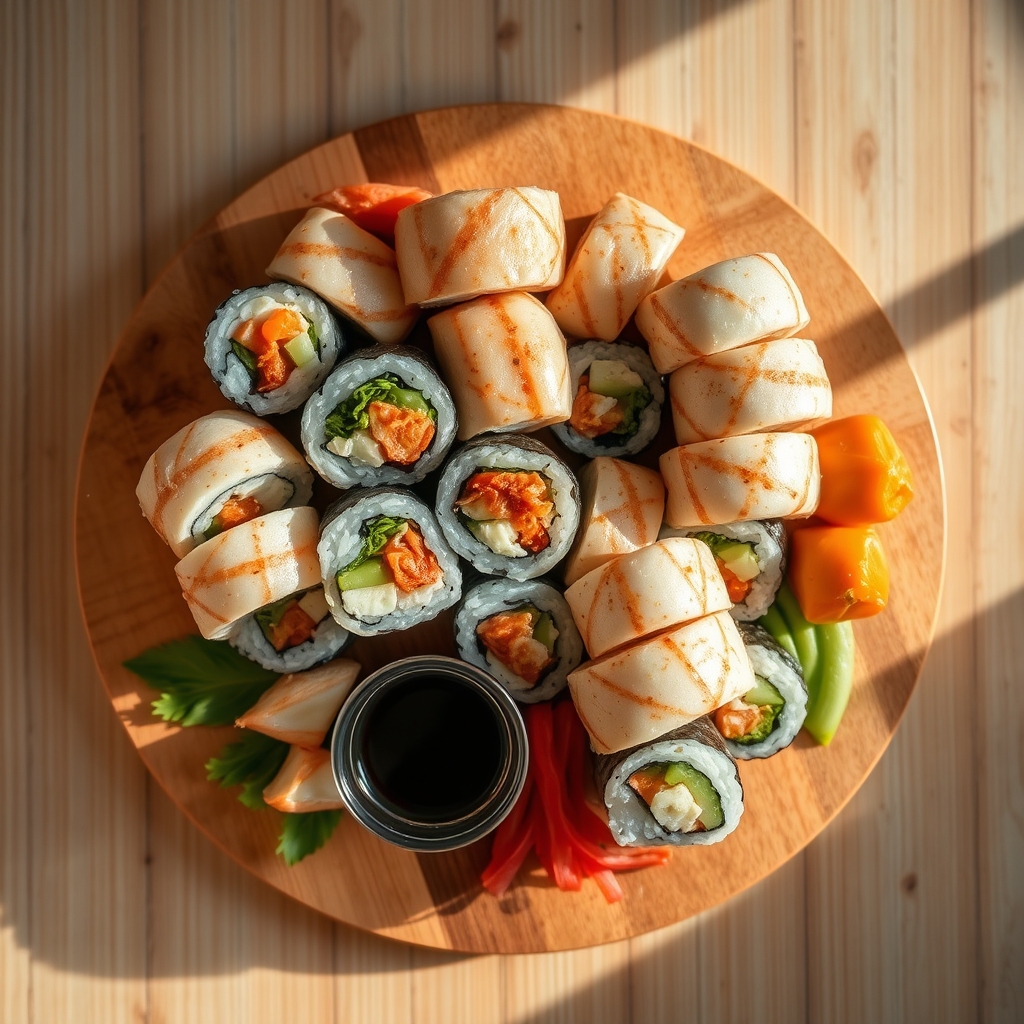
Choose rolls that are clearly cooked or vegetarian for a worry‑free sushi night.
Safe fish choices and portion limits
Even when the fish is cooked, you still want to stay within mercury guidelines. Below is a practical reference that matches common sushi fish with their average mercury content and the recommended weekly servings for pregnancy.
Fish (common in sushi)
Mercury level (ppm)
Weekly servings (8‑oz portions)
Salmon (Atlantic, farmed)
0.01
Up to 3 servings
Pollock
0.02
Up to 3 servings
Sardines (canned, small)
0.01
Up to 3 servings
Trout (rainbow)
0.04
Up to 2 servings
Halibut
0.07
Up to 2 servings
Tilefish (Gulf of Mexico)
0.54
Avoid
King mackerel
0.73
Avoid
Shark
0.98
Avoid
These numbers are based on FDA and EPA data. “Serving” refers to a typical sushi portion of about 2–3 ounces of fish. If you enjoy sushi multiple times a week, keep track of your total fish intake to stay under the recommended limits. The NHS also suggests spacing fish meals by at least two days to give the body time to clear any trace mercury.
For those who love the buttery texture of tuna but can’t have it raw, consider “seared tuna” (also called “aburi tuna”). The brief high‑heat sear reduces parasite risk while preserving the pink interior, making it a pregnancy‑friendly compromise when the chef confirms the internal temperature reached 145 °F.
How to ensure proper preparation and storage
Even the safest sushi can become risky if it’s mishandled. Here are the key steps to verify that the restaurant or home prep follows best practices:
Cold chain integrity: Fresh fish should be stored at 32–38 °F (0–3 °C). Look for a clean, well‑stocked sushi bar with visible refrigeration units.
Freshness indicators: Fresh fish should be firm, translucent, and have a mild sea scent. Any off‑color, slime, or strong “fishy” odor is a red flag.
Cross‑contamination guard: Separate cutting boards and knives should be used for raw and cooked items. Ask the staff if they follow this protocol.
Turnover speed: High‑volume sushi bars often prepare rolls to order, reducing the time fish spends at unsafe temperatures.
Home safety: If you make sushi at home, purchase sushi‑grade fish from a reputable fishmonger, keep it on ice until preparation, and cook it to 145 °F (63 °C) before rolling.
When in doubt, choose a reputable chain or a sushi chef who can show you the temperature logs. Many upscale Japanese restaurants post their food‑safety certifications on their websites. The FDA’s Food Code also requires that ready‑to‑eat seafood be held at 41 °F (5 °C) or lower until served, a standard you can ask about discreetly.
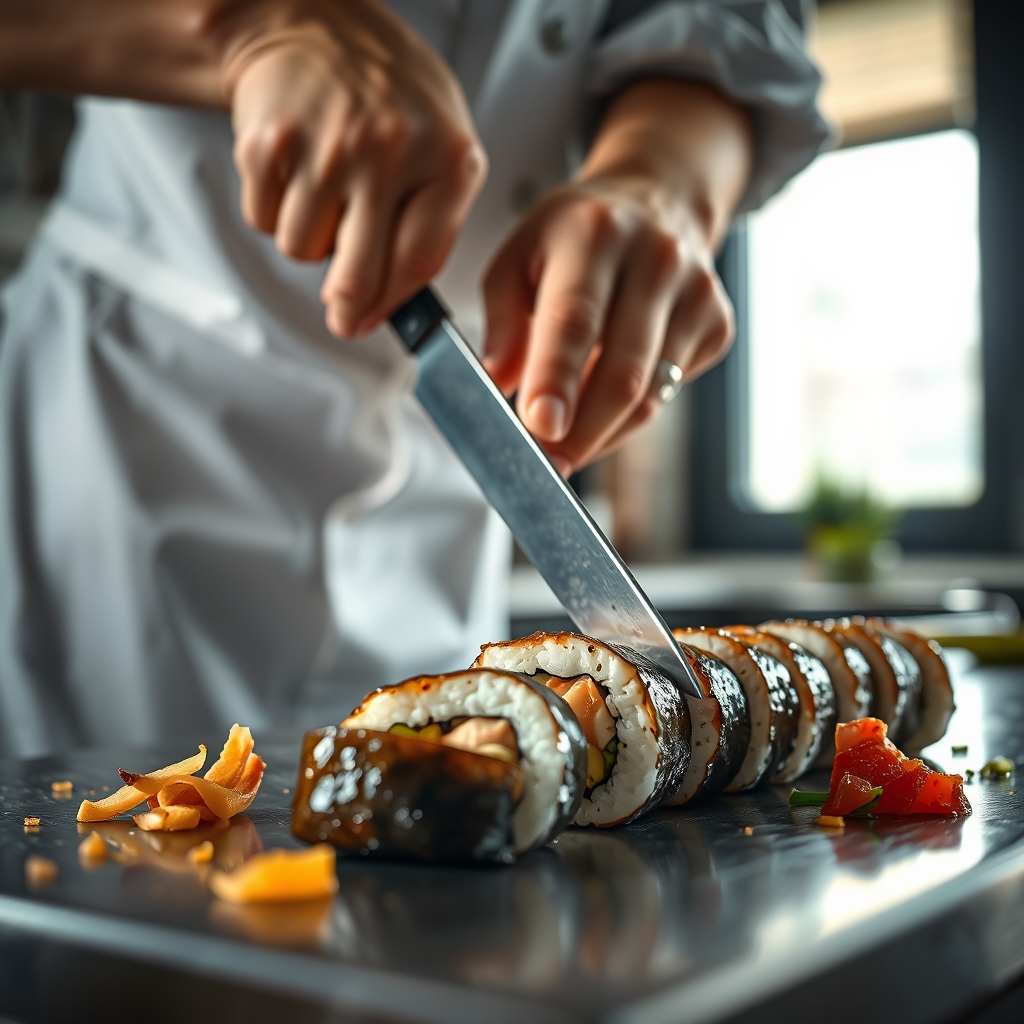
Professional preparation reduces the risk of contamination.
Tips for enjoying sushi while pregnant
Now that you know which rolls are safe, here are some practical ways to keep sushi on your menu without worry:
Order “cooked” or “tempura” rolls: Rolls that contain shrimp tempura, crab stick, or smoked salmon (which is cured, not raw) are generally safe.
Swap raw fish for avocado or cucumber: Many sushi chefs will happily replace raw tuna with avocado for a creamy texture.
Limit sauces high in sodium or alcohol: Soy sauce, eel sauce, and certain spicy mayo blends can be salty or contain trace alcohol. Use them sparingly.
Pair with a side of edamame or seaweed salad: These add protein and fiber without raising infection risk.
Plan your weekly fish budget: Use the table above to track how many ounces of fish you’ve had. If you reach the limit, choose a vegetarian roll instead.
Remember, occasional indulgence is fine as long as you stick to the safety rules. If you’re craving the buttery melt of raw tuna, try a heated “seared tuna” roll, where the fish is briefly torched on the outside—this gives you the flavor without the raw‑fish risk. And don’t forget the simple pleasure of a cucumber‑avocado roll; it’s refreshing, nutrient‑dense, and completely pregnancy‑friendly.
Nutritional benefits of sushi for pregnancy
Sushi can be more than a treat; it can contribute valuable nutrients that support both you and your growing baby. Low‑mercury fish such as salmon and trout are rich in omega‑3 fatty acids—particularly DHA, which is crucial for fetal brain and eye development. The NHS notes that DHA intake of at least 200 mg per day is beneficial, and a typical 3‑ounce sushi serving of salmon provides roughly 400 mg.
Beyond omega‑3s, sushi often includes seaweed (nori), which supplies iodine, iron, and calcium. Iodine is essential for thyroid function, and a deficiency during pregnancy can affect neurodevelopment. A single nori sheet contributes about 16 µg of iodine—roughly 10 % of the recommended daily intake for pregnant adults. Combine this with a side of edamame for plant‑based protein, and you have a balanced snack that aligns with ACOG’s guidance on diverse, nutrient‑dense diets.
Reading sushi menus: decoding terms and symbols
Modern sushi menus use a mix of Japanese terminology and Western descriptors, which can be confusing if you’re not familiar with the language. Here’s a quick cheat‑sheet:
Sashimi: Thin slices of raw fish served without rice—*avoid* during pregnancy.
Nigiri: A hand‑pressed rice ball topped with fish; safe only if the topping is cooked.
Maki: Rolls wrapped in seaweed; safety depends on the filling.
Temaki: Hand‑rolled cone; same rules as maki.
Aburi: Lightly seared fish; confirm the interior temperature.
Ikura, Tobiko: Fish roe; generally safe when cooked, but many places serve them raw—ask first.
Many Japanese restaurants now include small icons next to each item: a flame for cooked, a leaf for vegetarian, and a fish silhouette for raw. If the menu lacks these cues, don’t hesitate to ask the server to point out which items meet the “cooked” criterion. This small step can prevent accidental exposure to raw fish.
Safe sushi at home: DIY tips for pregnant cooks
Preparing sushi at home gives you full control over ingredients and cooking methods. Start with sushi‑grade fish from a trusted fishmonger—these are flash‑frozen within 24 hours of catch, which reduces parasite risk. Still, the safest route is to cook the fish yourself. A quick pan‑sear, oven bake, or grill to 145 °F (63 °C) eliminates pathogens while preserving flavor.
Invest in a bamboo rolling mat, a sharp non‑porous knife, and a rice cooker to get consistent results. For rice, use short‑grain sushi rice and season it with a mixture of rice vinegar, sugar, and salt—keep the sugar modest to avoid spikes in blood glucose, especially if you have gestational diabetes. Pair your rolls with low‑sodium soy sauce and pickled ginger, which can aid digestion and provide a probiotic boost.
Managing sushi cravings in the third trimester
The third trimester often brings intensified cravings, and sushi’s bright flavors can feel especially appealing. Cravings are normal and usually harmless, but they can lead you to overlook safety rules when you’re hungry and tired. One strategy is to keep a “pregnancy sushi cheat sheet” on your fridge: a list of your favorite cooked rolls, the low‑mercury fish you’ve already eaten that week, and a few vegetarian alternatives you enjoy.
Another tip is to schedule sushi nights earlier in the day rather than as a late‑night snack. Eating a balanced meal with protein, healthy fats, and complex carbs earlier can reduce the urge to binge on sushi after midnight, when judgment may be clouded. If you find yourself craving raw fish specifically, try a “mock‑raw” roll that uses thinly sliced, cooked fish seasoned with citrus and a dash of soy—this mimics the texture without the infection risk.
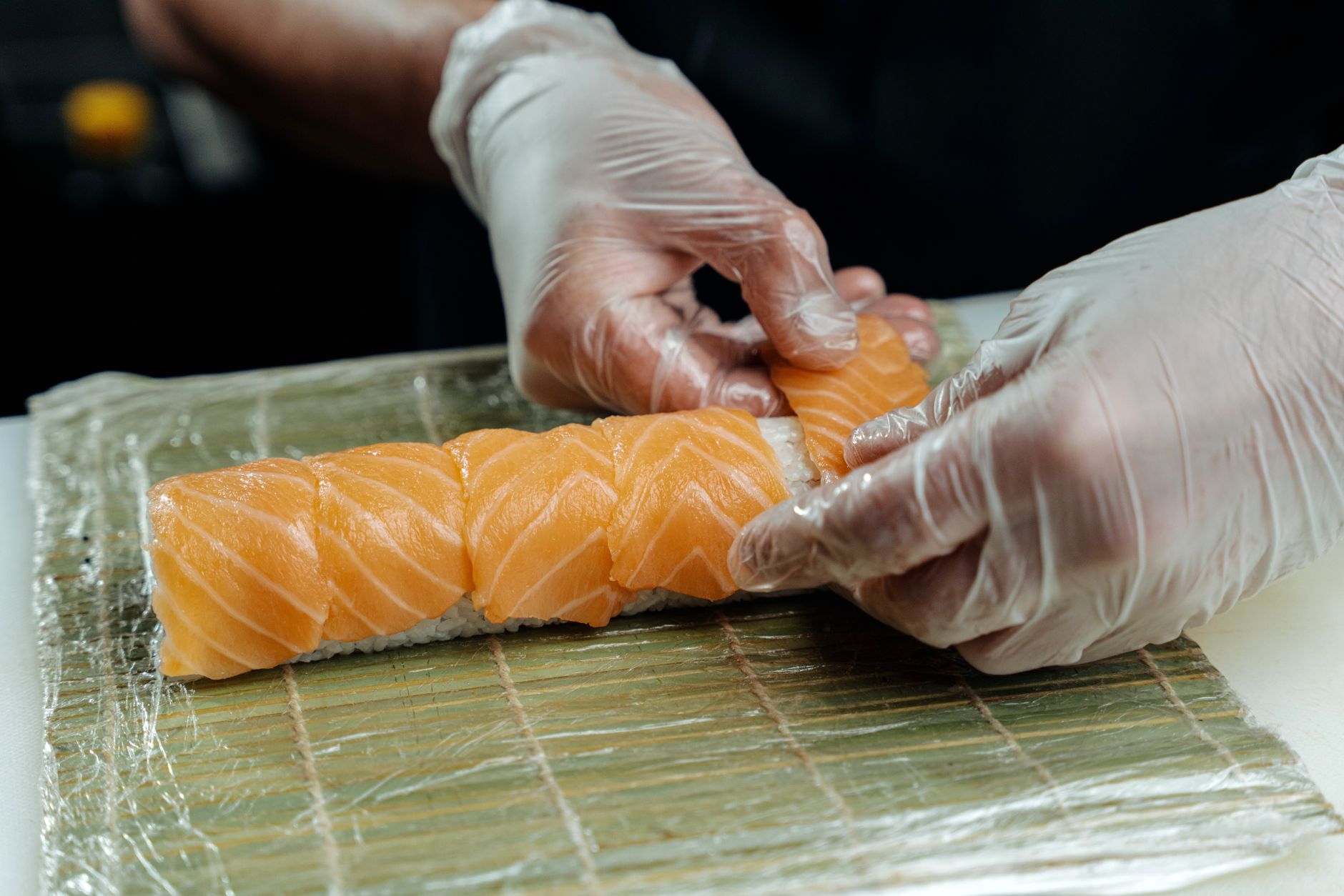
Home‑made sushi lets you control every ingredient.
Sushi and gestational diabetes considerations
If you’ve been diagnosed with gestational diabetes, sushi can still fit into your meal plan—but you’ll need to watch carbohydrate and sugar content more closely. Sushi rice is a source of simple carbs, and many rolls include sweet sauces that can quickly add hidden sugars. A good rule is to limit each roll to about ½ cup of rice and ask for sauce on the side.
Pairing sushi with fiber‑rich sides like edamame, seaweed salad, or a small mixed greens salad can help blunt blood‑sugar spikes. Some providers also recommend swapping white sushi rice for a “brown rice” or “cauliflower rice” version, which has a lower glycemic impact. Always check your glucose readings after a sushi meal; if you notice a rapid rise, discuss portion adjustments with your diabetes educator.
Choosing sushi‑friendly beverages
What you drink with sushi matters, too. Alcoholic beverages are best avoided throughout pregnancy, and many sushi sauces contain trace amounts of sake or mirin. Opt for low‑caffeine drinks like sparkling water with a splash of citrus, herbal teas (e.g., ginger or peppermint), or a small glass of pasteurized fruit juice. If you prefer something warm, a cup of decaf green tea can provide antioxidants without the caffeine spike.
Be mindful of sodium in soy sauce; a high‑sodium intake can exacerbate swelling, a common third‑trimester complaint. Consider a low‑sodium soy sauce or a diluted version (half soy sauce, half water) to keep flavor without the extra salt. A simple drizzle of lemon juice can also brighten the palate while keeping the sodium load low.
Doctor's note
From our medical team: If you’re ever uncertain about a specific sushi item, ask your obstetrician or midwife to review the ingredient list with you. Most providers appreciate a proactive approach and can help you balance cravings with nutrition goals.
🔢 Ready to crunch your numbers? Use our Pregnancy Food Safety for a personalized result in seconds.
Myth vs. fact
Myth: All sushi is unsafe during pregnancy because of parasites.
Fact: Only raw or undercooked fish carries a parasite risk. Cooked sushi, vegetarian rolls, and properly heated fish are considered safe when prepared correctly.
Myth: You must avoid all fish to protect the baby from mercury.
Fact: Low‑mercury fish like salmon, sardines, and trout provide essential omega‑3 fatty acids that support fetal brain development. The key is moderation and choosing the right species.
Myth: Spicy sushi is always unsafe because the sauce contains alcohol.
Fact: The heat from chili mayo does not make the roll unsafe, but you should verify that any added sauces are alcohol‑free or used in tiny amounts. The spice itself does not pose a risk.
Key takeaways
Raw fish should be avoided; choose cooked, smoked, or vegetarian sushi.
Stick to low‑mercury fish (salmon, trout, sardines) and keep weekly portions under 8‑12 oz.
Ensure sushi is prepared with strict cold‑chain and hygiene standards.
Use the tables above to track fish intake and stay within FDA/EPA guidelines.
Ask your provider if you’re unsure about any menu item—most will gladly help you decode the ingredients.
Homemade sushi gives you full control; always cook fish to 145 °F (63 °C) before rolling.
If you have gestational diabetes, watch rice portions, choose low‑sugar sauces, and pair rolls with fiber‑rich sides.
Stay hydrated with non‑alcoholic, low‑caffeine beverages and keep soy sauce use moderate.
Frequently asked questions
Can I eat sushi when pregnant?
Yes, you can enjoy sushi during pregnancy as long as the fish is fully cooked or the roll is vegetarian, and you stay within low‑mercury fish limits.
What are the risks of eating sushi during pregnancy?
The main risks are food‑borne infections from raw fish (like listeria or Anisakis) and mercury exposure from high‑containing species, both of which can affect fetal development.
How often can I eat sushi while pregnant?
Most guidelines suggest up to two cooked‑fish sushi meals per week, provided each serving stays under 4 oz of fish and you avoid raw fish entirely.
Is cooked sushi safe during pregnancy?
Cooked sushi—such as tempura rolls, eel, or crab stick—is considered safe because heat eliminates harmful bacteria and parasites.
Can I eat raw fish when pregnant?
No. Raw or undercooked fish carries a higher risk of infection and should be avoided throughout pregnancy, regardless of the fish type.
What types of fish are safe to eat during pregnancy?
Low‑mercury options like salmon, trout, sardines, pollock, and cooked shrimp are safe. Aim for no more than 8‑12 oz of these fish per week.
Is sushi from a grocery store safe?
Pre‑packaged sushi from reputable grocery chains can be safe if it’s labeled “ready‑to‑eat” and contains only cooked ingredients. Check the packaging for a “use by” date, ensure the fish is cooked, and verify that the product has been kept refrigerated.
Is smoked salmon sushi safe?
Smoked salmon is cured, not raw, and is generally considered safe in pregnancy when it’s been properly refrigerated. However, some smoked salmon is “cold‑smoked,” which may not reach the same temperatures as hot‑smoked varieties; ask the vendor to confirm the smoking method if you’re unsure.
Can I eat sushi if I have gestational diabetes?
Yes, but you should limit the amount of sushi rice, choose rolls with minimal sweet sauces, and pair them with high‑fiber sides like edamame. Monitoring your blood‑glucose after a sushi meal can help you fine‑tune portion sizes.
Is sushi safe after my C‑section?
Post‑C‑section recovery doesn’t change the basic food‑safety rules. Stick to cooked or vegetarian sushi, watch mercury intake, and follow any specific dietary guidance your surgeon or obstetrician gives you.
When to call your doctor
If you experience fever, severe stomach cramps, vomiting, diarrhea, or any flu‑like symptoms after eating sushi, contact your obstetric provider right away. Also call if you notice signs of mercury toxicity such as tingling in the fingers, vision changes, or unexplained fatigue. This article is for informational purposes only and does not replace personalized medical advice.
References
American College of Obstetricians and Gynecologists (ACOG). “Nutrition During Pregnancy.” Clinical Guidance, 2023.
U.S. Food and Drug Administration (FDA) & Environmental Protection Agency (EPA). “Advice About Eating Fish.” 2022.
Centers for Disease Control and Prevention (CDC). “Listeriosis – Pregnancy.” 2023.
National Health Service (NHS) UK. “Food safety for pregnant women.” 2022.
World Health Organization (WHO). “Mercury in fish and shellfish – recommendations for pregnant women.” 2021.
Royal College of Obstetricians and Gynaecologists (RCOG). “Food safety in pregnancy.” 2022.
Mayo Clinic. “Sushi and pregnancy: What’s safe?” 2023.
Australian Department of Health. “Food safety – Raw fish and pregnancy.” 2022.
American Journal of Clinical Nutrition. “Omega‑3 fatty acids and pregnancy outcomes.” 2021.
National Institute for Health and Care Excellence (NICE). “Gestational diabetes: management.” 2023.
British Nutrition Foundation. “Low‑sodium soy sauce and pregnancy.” 2022.
Not sure about the label on Sushi In Pregnancy Which Types Are Safe products?
Snap the ingredients list and SafeFilter checks every ingredient for your stage — only 3 free scans this month, then you're locked until reset. Unlimited from $7/mo or lock $50/yr through Aug 31 (16 days left).
When Shubhra Mishra was expecting her first child in 2016, she was overwhelmed by conflicting food advice — one site said yes, another said never. By the time her second baby arrived in 2019, she realized millions of mothers face the same confusion.
That sparked a five-year journey through clinical nutrition papers, cultural diets, and expert conversations — all leading to BumpBites: a calm, compassionate space where science meets everyday motherhood.
Her long-term vision is to build a global community ensuring safe, supported, and free deliveriesfor every mother — because no woman should face pregnancy alone or uninformed. 🌿
🌍 Stand with mothers, shape safer guidance
Join a small circle of experts who review BumpBites articles so expecting parents everywhere can decide with confidence.