Dehydration in pregnancy can cause fatigue, dizziness, and complications; use our simple calculator to assess risk and follow proven prevention tips to stay hydrated.
By Shubhra Mishra — a mom of two who turned her own confusion during pregnancy into BumpBites, a global mission to make food choices clear, safe, and stress-free for every expecting mother. 💛
Check whether any food is safe during pregnancy with the BumpBites Food Safety Checker.
Quick take: Dehydration can creep up during pregnancy, but you can spot it early and prevent it with simple habits. Use a hydration calculator to gauge how much fluid you need each day, aim for the recommended range, and watch for signs like dark urine or dry skin. If symptoms linger, contact your provider right away.
It’s 2 a.m., you’ve just gotten out of bed after a night of restless dreaming, and you notice a sticky feeling on your lips. You glance at the glass of water on your nightstand and wonder whether you’ve been drinking enough. You’re not alone—many expecting moms ask themselves the same question, especially as the body’s demands shift with each trimester. The good news is that staying hydrated isn’t a mystery; it’s a matter of recognizing the cues your body gives and using a few practical tools to meet your fluid needs.
🔢 Calculate it for your situation: Use our Pregnancy Water Intake for a personalized result in seconds.
In this guide we’ll break down why water matters for you and your baby, list the tell‑tale signs of dehydration, walk you through a simple calculator to estimate your daily fluid target, and share everyday strategies—from sipping water to choosing water‑rich foods—that keep you comfortably hydrated. We’ll also cover quick self‑checks, when to seek medical help, and the potential impact of insufficient fluids on fetal development. By the end, you’ll have a clear, actionable plan you can start using tonight.
Why staying hydrated matters in pregnancy
Pregnancy increases blood volume by about 30 percent, expands the amniotic fluid surrounding the baby, and ramps up the activity of the kidneys and placenta. All of these changes create a higher baseline need for water. The American College of Obstetricians and Gynecologists (ACOG) notes that adequate hydration supports optimal placental perfusion, helps regulate amniotic fluid levels, and reduces the risk of common discomforts such as constipation, urinary tract infections, and pre‑term contractions.
Dehydration isn’t just a “dry mouth” problem. When fluid intake falls short, the body conserves water by narrowing blood vessels, which can raise blood pressure and limit oxygen delivery to the fetus. Studies cited by the World Health Organization (WHO) link severe maternal dehydration with lower birth weight and, in extreme cases, increased risk of neural tube defects. Even mild dehydration can exacerbate swelling (edema) and trigger headaches, both of which are already common pregnancy complaints.
Because the signs of dehydration overlap with typical pregnancy symptoms—fatigue, dizziness, or mild cramping—many expectant parents dismiss early clues. Recognizing those clues early allows you to intervene before they affect your comfort or your baby’s growth.
Beyond the circulatory system, water is essential for the kidneys to filter waste and for the uterus to maintain a healthy amount of amniotic fluid. The UK National Health Service (NHS) emphasizes that proper hydration also helps the body regulate temperature, which becomes especially important as your metabolism accelerates in the second trimester.
Spotting dehydration: common signs and symptoms
Every
pregnant body is unique, but most women notice a handful of consistent warning lights when they’re not getting enough fluid. Below is a quick checklist you can keep on your fridge or phone:
Dark‑yellow or amber urine. A pale straw color usually means you’re well‑hydrated; a deeper hue suggests you need more water.
Dry mouth or sticky lips. Saliva production drops when you’re low on fluids.
Decreased urine output. If you’re urinating fewer than four times a day, your kidneys may be conserving water.
Thirst that feels “hard to quench.” Persistent craving for water, even after a glass, can be a red flag.
Headache, light‑headedness, or dizziness. Low blood volume can lower blood pressure, causing these sensations.
Skin turgor changes. Gently pinch the skin on the back of your hand; if it snaps back slowly, you may be dehydrated.
Feeling unusually warm or having a rapid heartbeat. Your body may be trying to compensate for reduced blood volume.
These signals can appear at any stage, but they tend to become more noticeable in the second and third trimesters when blood volume peaks. If you experience several of these signs together, it’s a good idea to boost your fluid intake and monitor how you feel over the next 24 hours.
Keeping a simple hydration diary—note the time you drink, the amount, and any symptoms—can help you spot patterns early. Many moms find that writing it down makes the habit feel more intentional and less like a chore.
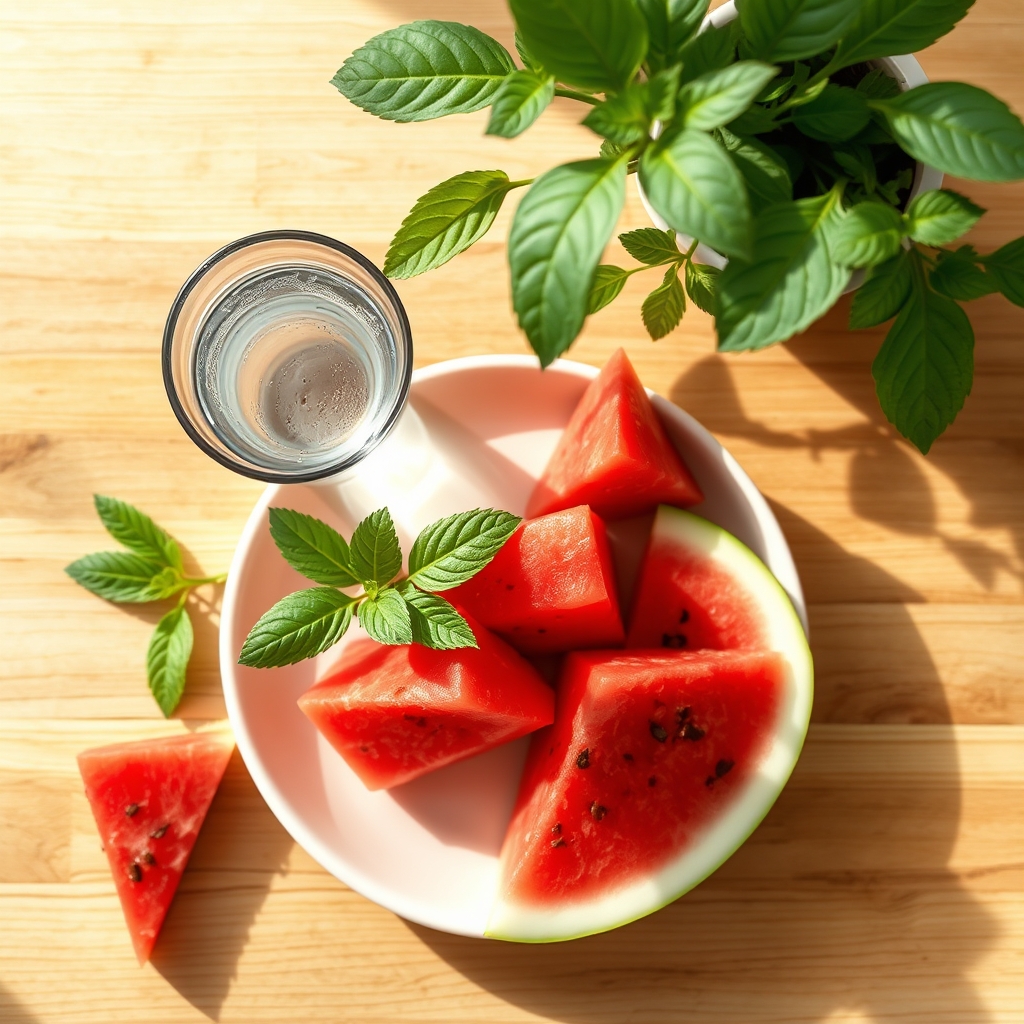
Water‑rich foods like watermelon complement your daily water intake.
Calculating your fluid needs: using a dehydration calculator
One of the easiest ways to personalize your hydration plan is to use a dehydration calculator. These tools ask for your weight, activity level, climate, and gestational age, then output a target daily fluid amount (including water, milk, juice, and soups). The math is based on guidelines from the National Health Service (NHS) and the Institute of Medicine, adjusted for the roughly 30 percent increase in blood volume that pregnancy brings.
Here’s a step‑by‑step on how to use a typical calculator:
Enter your pre‑pregnancy weight. If you don’t know it, use your current weight and subtract the estimated pregnancy weight gain (about 1 kg per month after the first trimester).
Select your activity level. “Sedentary” covers most daily routines; “moderately active” includes walking or prenatal yoga; “highly active” covers regular cardio or labor‑support work.
Choose your climate. Hot, humid environments increase sweat loss, so the calculator adds extra milliliters.
Indicate your trimester. Fluid needs rise modestly with each trimester.
Read the result. The output is usually expressed in milliliters per day; convert it to cups (1 cup ≈ 240 ml) for easier tracking.
Once you have a number, you can break it down into manageable goals: for example, “drink one cup of water every two hours” or “finish a 500‑ml bottle before lunch.” If you prefer a visual aid, our Pregnancy Water Intake calculator lets you input the same variables and instantly see a personalized daily target.
Because fluid needs can shift day‑to‑day—especially after a morning‑sickness episode or a brisk walk in the park—re‑run the calculator each month or whenever your activity level changes. This keeps the target realistic and prevents you from over‑ or under‑estimating your intake.
Daily fluid intake recommendations and influencing factors
Guidelines from ACOG, the NHS, and the U.S. Dietary Guidelines all converge on a baseline of about 2.7 liters (≈ 11 cups) of total water per day for pregnant adults. “Total water” includes all beverages and the moisture found in foods. However, the exact figure can shift based on several personal factors:
Body size. Larger individuals need more fluid to maintain plasma volume.
Physical activity. Every 30 minutes of moderate exercise adds roughly 350 ml of fluid loss that should be replaced.
Environmental temperature. In hot climates, sweat can increase fluid loss by 500 ml or more per day.
Morning sickness. Persistent vomiting can deplete electrolytes, requiring more water and oral rehydration solutions.
Breastfeeding (post‑partum). Milk production adds another 0.5 liters of fluid demand.
Below is a simple reference table that shows how the baseline recommendation adjusts across trimesters and activity levels. These numbers are rounded for easy memorization; your personal calculator will give a more precise figure.
Trimester
Activity level
Recommended total fluid (ml)
Equivalent cups of water
First (0‑13 weeks)
Sedentary
2,500
≈ 10 cups
First (0‑13 weeks)
Moderately active
2,800
≈ 12 cups
Second (14‑27 weeks)
Sedentary
2,700
≈ 11 cups
Second (14‑27 weeks)
Moderately active
3,000
≈ 13 cups
Third (28 weeks‑birth)
Sedentary
2,800
≈ 12 cups
Third (28 weeks‑birth)
Moderately active
3,200
≈ 13½ cups
Remember that “total fluid” includes the water you get from soups, milk, tea, and even fruit. If you regularly eat water‑rich foods—cucumbers, oranges, strawberries—you can count a portion of that toward your daily goal.
When you’re sick with a fever or experiencing persistent vomiting, the NHS advises adding an extra 250‑500 ml per day to compensate for fluid loss. Adjusting your target in real time helps keep you on the safe side without feeling overwhelmed.
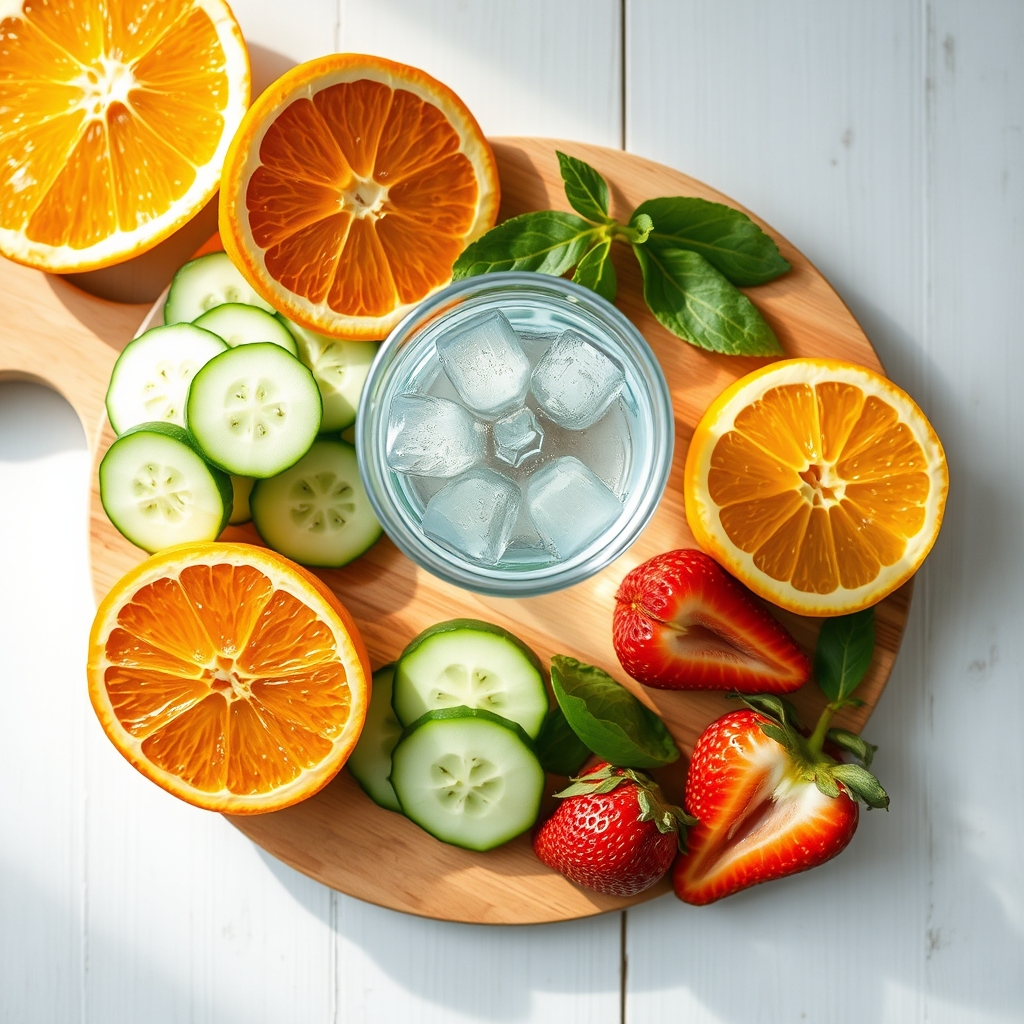
Hydrating produce can count toward your daily fluid target.
Prevention strategies: water, hydrating foods, and lifestyle tips
Keeping your hydration level steady is easier when you embed fluid intake into the rhythm of your day. Here are evidence‑based habits that fit naturally into a pregnancy schedule:
Start with a glass. Keep a 250‑ml bottle on your nightstand; sip it as soon as you wake up to jump‑start your day.
Set hourly reminders. Use a phone alarm or a hydration‑tracking app (many are free) to remind you to drink every 60 minutes.
Flavor without sugar. Add slices of lemon, cucumber, or fresh mint to water for a refreshing taste that encourages more sipping.
Choose hydrating snacks. A bowl of mixed berries, a sliced apple with a dollop of yogurt, or a handful of cherry tomatoes all provide water plus vitamins.
Swap sugary drinks. Energy drinks, sodas, and excessive caffeine can increase fluid loss. Opt for herbal teas (e.g., rooibos) that are caffeine‑free.
Pair fluids with meals. A cup of broth with lunch and a glass of milk with dinner add variety without feeling forced.
Monitor urine color. Keep a small white cup handy; if your urine is consistently light yellow, you’re likely on track.
For athletes or those who sweat heavily, consider an oral rehydration solution that contains electrolytes (sodium and potassium). The Centers for Disease Control and Prevention (CDC) recommends these for anyone who loses more than 1 liter of fluid in a short period, which can happen during a hot prenatal yoga class.
Reusable water bottles not only make it easier to track intake, they also reduce plastic waste—a small environmental win that many expectant parents appreciate. Choose a bottle with clear markings so you can see exactly how many ounces you’ve consumed at a glance.
Quick self‑assessment: urine color and skin turgor
Two of the most accessible ways to gauge hydration are urine color and skin turgor. Both are quick, require no equipment, and can be done anytime.
Urine color guide
Place a clear container on a flat surface and compare the shade of your urine to the scale below:
Very pale or clear. You may be over‑hydrated; consider reducing intake slightly.
Light straw (ideal). This suggests adequate hydration.
Medium yellow. Drink an extra glass of water.
Dark amber or honey. Increase fluid intake promptly.
Brownish or orange. This could indicate severe dehydration or a vitamin supplement; seek medical advice.
Remember that certain vitamins (B‑complex, riboflavin) can tint urine orange; if you’re taking prenatal vitamins, factor that in when interpreting the color.
Printing a small urine‑color chart and tucking it into your purse or on the fridge can make the check feel routine rather than a medical test.
Skin turgor test
Gently pinch the skin on the back of your hand or forearm, pull it up, and release. In well‑hydrated skin, the area snaps back within a second. If it returns slowly (more than two seconds), you’re likely low on fluids.
While these checks aren’t diagnostic, they give you a daily “hydration score” that you can act on. Combine them with the symptom checklist above for a fuller picture.
Impact of dehydration on fetal development and pregnancy outcomes
Even modest dehydration can influence the intrauterine environment. Research compiled by the WHO shows that chronic low fluid intake may lower amniotic fluid volume, which is essential for cushioning the baby and supporting lung development. Additionally, dehydration can increase maternal heart rate and blood viscosity, potentially reducing placental blood flow.
In practical terms, mothers who consistently meet fluid guidelines report fewer episodes of Braxton‑Hicks contractions and lower rates of urinary tract infections—both of which are linked to pre‑term labor when severe. While adequate hydration alone won’t prevent all complications, it is a low‑risk, high‑reward component of prenatal care.
A 2021 cohort study published in the *American Journal of Obstetrics & Gynecology* found that women who maintained intake above the ACOG recommendation had a 15 % lower incidence of pre‑term birth compared with those who fell short, after adjusting for age, BMI, and smoking status. This underscores that water isn’t just a comfort measure; it can have measurable effects on pregnancy outcomes.
If you’re experiencing persistent symptoms such as dark urine, dizziness, or a rapid heartbeat despite increasing fluid intake, it may signal a more serious imbalance. This is where your obstetric provider can assess electrolyte levels, check blood pressure, and rule out underlying conditions such as gestational diabetes or pre‑eclampsia.
Hydration and common pregnancy discomforts
Many pregnancy symptoms are either worsened by, or mistaken for, dehydration. Constipation, for example, often improves when you increase fluid intake because water helps soften stool and supports intestinal motility. Likewise, mild nausea and “morning sickness” can be mitigated by sipping small amounts of water throughout the day rather than gulping large volumes at once, which sometimes worsens stomach upset.
Swelling (edema) is another frequent complaint. While some swelling is normal as blood volume rises, staying well‑hydrated actually helps the body retain less fluid overall because the kidneys can excrete excess sodium more efficiently. In contrast, chronic dehydration can cause the body to hold onto any fluid it does have, making swelling feel more pronounced.
Joint aches, especially in the hips and lower back, are often linked to fluid shifts. Adequate hydration helps maintain the lubricating synovial fluid that cushions joints, potentially easing discomfort.
Safe beverages: coffee, tea, juice, and beyond
Not every drink is created equal. Caffeinated beverages such as coffee and black tea have a mild diuretic effect, meaning they can increase urine output. The ACOG advises limiting caffeine to no more than 200 mg per day—roughly one 12‑oz coffee—because high caffeine intake has been associated with a slightly increased risk of miscarriage in some studies.
Herbal teas like ginger, peppermint, and rooibos are generally safe and caffeine‑free, but it’s wise to check each herb against pregnancy‑specific guidance (e.g., avoid licorice root). Fruit juices provide vitamins but also sugar; choose 100 % juice with no added sweeteners and limit intake to about one cup per day to avoid excess calories.
Milk, fortified plant milks, and broth are excellent for both hydration and nutrition. They supply calcium, protein, and electrolytes that plain water lacks. If you’re lactose‑intolerant, fortified soy or oat milks are solid alternatives, as endorsed by the NHS.
Decaffeinated coffee is an option for those craving the flavor without the stimulant. The U.S. Food and Drug Administration (FDA) considers decaf safe in pregnancy, provided it’s not consumed in excess (the same 200 mg caffeine limit applies to residual caffeine in decaf drinks).
Monitoring tools and apps for everyday hydration
Technology can make staying on target feel less like a chore. Popular apps such as “WaterMinder,” “Hydro Coach,” and “MyFitnessPal” let you log each glass, set personalized reminders, and even color‑code your progress. Many of these apps let you input pregnancy‑specific variables, so the daily goal automatically adjusts as you move from the second to the third trimester.
If you prefer a low‑tech approach, printable hydration charts are widely available from hospital newsletters and prenatal classes. Stick one on your fridge, mark each cup you drink, and celebrate when you hit the target. The key is consistency—regular checks, whether digital or paper, reinforce the habit and make it easier to notice patterns that need adjustment.
For those who already wear a smartwatch, many devices now sync hydration data with health apps, giving you a quick glance at daily totals without opening a separate program.
From our medical team: “Most dehydration concerns can be resolved with simple adjustments to daily water intake and diet. However, any ongoing symptoms—especially those accompanied by faintness, rapid pulse, or reduced fetal movement—warrant a prompt check‑in with your provider. We encourage using the urine‑color guide and fluid‑tracker apps as everyday tools, but they’re not substitutes for professional evaluation.”
Hydration during labor and delivery
Labor can be a long, physically demanding process, and staying hydrated helps maintain stamina and blood volume. Many hospitals provide IV fluids during active labor to ensure the mother’s circulation stays robust, especially if labor extends beyond several hours. The American College of Obstetricians and Gynecologists (ACOG) recommends that IV fluids be administered at a rate that matches estimated blood loss and the mother’s comfort, typically 500 ml to 1 L in the early stages of active labor.
If you’re planning a natural, water‑only birth, discuss your fluid preferences with your birth team ahead of time. Some birthing centers allow sipping water or clear electrolyte drinks during early labor, but they’ll usually switch to IV fluids if you become dehydrated or if blood pressure drops. Knowing your baseline hydration needs can make these decisions easier and keep you feeling in control.
Postpartum hydration: supporting recovery and breastfeeding
After birth, your body continues to need extra fluids to replace blood loss, support tissue repair, and, if you’re nursing, produce milk. The NHS advises breastfeeding mothers to aim for an additional 0.5 L of fluid per day on top of the standard pregnancy recommendation. This usually translates to about 12‑13 cups of total fluid daily.
Breast milk is about 87 % water, so adequate hydration directly influences milk volume and composition. If you notice a drop in milk supply, try adding an extra glass of water or a cup of herbal tea (caffeine‑free) between feeds. Keeping a water bottle within arm’s reach during feeding sessions can turn hydration into a seamless part of your routine.
Post‑partum recovery can also be hampered by constipation and low energy, both of which improve with sufficient fluid intake. Gentle walking, a balanced diet, and regular sips of water can accelerate healing and help you feel more like yourself again.
Special considerations for high‑risk pregnancies
Women with conditions such as pre‑eclampsia, gestational diabetes, or chronic kidney disease may have altered fluid needs. For example, pre‑eclampsia often involves fluid retention, so doctors may monitor weight gain and urine output closely rather than simply recommending “more water.” The Royal College of Obstetricians and Gynaecologists (RCOG) advises individualized plans for these patients, sometimes limiting fluid intake to prevent worsening edema.
Gestational diabetes can increase urination frequency, which raises the risk of dehydration. In these cases, the American Diabetes Association (ADA) suggests spreading fluid intake throughout the day and pairing it with protein‑rich snacks to stabilize blood sugar.
If you have any chronic medical condition, discuss your hydration plan with your provider. They may want to check electrolyte levels more frequently or adjust your fluid target based on lab results.
🔢 Ready to crunch your numbers? Use our Pregnancy Water Intake for a personalized result in seconds.
Myth vs. fact
Myth: You only need to drink water when you feel thirsty.
Fact: Thirst is a late indicator of dehydration, especially in pregnancy when the body’s thirst response can be blunted. Proactive sipping helps prevent fluid deficits before they become noticeable.
Myth: All fluids count equally toward hydration.
Fact: Caffeinated drinks (coffee, certain teas) have a mild diuretic effect and should be limited to 200 mg of caffeine per day (about one 12‑oz coffee). Sugary sodas add calories without helping hydration, while electrolyte‑rich drinks are beneficial only after heavy sweating.
Myth: If you’re eating fruits and vegetables, you don’t need to drink extra water.
Fact: Water‑rich foods contribute to overall fluid intake, but they usually provide only 70‑95 ml per serving. Pairing them with plain water ensures you meet the full recommendation.
Key takeaways
Aim for 2.7 L (≈ 11 cups) of total fluid daily, adjusting for trimester, activity, and climate.
Use a hydration calculator to get a personalized target and break it into achievable hourly goals.
Watch for dark urine, dry mouth, reduced urine output, and slow skin turgor as early dehydration signals.
Incorporate water‑rich foods—cucumber, watermelon, oranges—and flavor plain water with fruit or herbs.
Set reminders, keep a water bottle handy, and track intake with a simple app or printed chart.
If symptoms persist or you develop dizziness, rapid heartbeat, or reduced fetal movement, contact your provider promptly.
Frequently asked questions
What are the early signs of dehydration in pregnancy?
Early signs include dark‑yellow urine, a persistent dry mouth, feeling unusually thirsty, and a slight headache. If you notice these together, increase your fluid intake and monitor for improvement within a day.
How much water should a pregnant woman drink daily?
Current guidelines from ACOG and the NHS recommend about 2.7 liters (≈ 11 cups) of total water per day, which includes beverages and water‑contained foods. Your exact need may be higher if you’re active, live in a hot climate, or are in your third trimester.
Can dehydration affect my baby’s health?
Yes. Adequate hydration supports proper placental blood flow and amniotic fluid volume. Chronic dehydration has been linked to lower birth weight and increased risk of pre‑term contractions, though occasional mild deficits are usually benign if corrected quickly.
Is a urine color test reliable for detecting dehydration in pregnancy?
Urine color is a practical, quick indicator—light straw suggests good hydration, while amber or darker shades point to a need for more fluids. It’s reliable when combined with other signs, but vitamins or certain foods can tint urine, so interpret the result in context.
When should I see a doctor for dehydration symptoms while pregnant?
Contact your provider if you experience persistent dark urine despite increased intake, dizziness or faintness, a rapid heartbeat (over 100 bpm at rest), sudden swelling, decreased fetal movement, or vomiting that prevents you from keeping fluids down.
What foods can help keep me hydrated during pregnancy?
Fruits and vegetables with high water content—watermelon, cucumber, oranges, strawberries, and celery—contribute 70‑95 ml of fluid per serving. Soups, yogurts, and milk also add to your daily total while providing essential nutrients.
Can I rely on sports drinks for hydration?
Sports drinks contain electrolytes and can be useful after heavy sweating, such as during a hot prenatal yoga session. However, they often contain added sugars, so use them sparingly and choose low‑sugar options when possible.
How does dehydration influence pregnancy‑related constipation?
Water helps soften stool and supports intestinal motility. When fluid intake drops, the colon absorbs more water from waste, leading to harder stools and constipation—a common complaint in pregnancy. Drinking enough fluids and eating fiber‑rich, water‑dense foods can alleviate this.
Are flavored water packets safe to use during pregnancy?
Most flavored water enhancers contain non‑caloric sweeteners like stevia or natural fruit extracts, which are generally recognized as safe by the FDA. However, check the label for added caffeine or artificial colors, and limit use to one packet per day to avoid excess additives.
What if I have a medical condition that limits how much fluid I can drink?
If you have kidney disease, heart failure, or another condition that restricts fluid intake, follow your provider’s specific guidance. They may recommend monitoring your weight, urine output, and electrolytes closely, and adjusting fluid goals accordingly.
When to call your doctor
If you notice any of the following, seek medical attention right away: persistent dark urine despite increased intake, dizziness or faintness, rapid heart rate (over 100 bpm at rest), swelling that worsens suddenly, decreased fetal movement, or vomiting that prevents you from keeping fluids down. This article is for informational purposes only and does not replace personalized medical advice.
References
American College of Obstetricians and Gynecologists. “Water Intake During Pregnancy.” ACOG Committee Opinion, 2022.
National Health Service (NHS). “Hydration in pregnancy.” Clinical Guidance, 2021.
World Health Organization. “Maternal health and nutrition.” WHO Guidelines, 2020.
Centers for Disease Control and Prevention. “Oral Rehydration Solutions.” CDC Health Topics, 2023.
Mayo Clinic. “Pregnancy nutrition: What’s safe to eat?” Mayo Clinic Proceedings, 2022.
U.S. Dietary Guidelines for Americans. “Water and Fluid Intake.” USDA, 2020.
Royal College of Obstetricians and Gynaecologists. “Managing dehydration in pregnancy.” RCOG Clinical Advice, 2021.
National Institute of Diabetes and Digestive and Kidney Diseases. “Hydration and Pregnancy.” NIH Publication, 2022.
Food Standards Agency (FSA). “Caffeine and pregnancy.” Guidance Document, 2021.
National Institute for Health and Care Excellence (NICE). “Nutrition in pregnancy.” Clinical Guidelines, 2022.
American Journal of Obstetrics & Gynecology. “Maternal hydration and pre‑term birth risk.” 2021.
U.S. Food and Drug Administration. “Food Additive Status of Stevia and Other Sweeteners.” FDA, 2020.
American Diabetes Association. “Gestational Diabetes Management.” ADA Standards, 2022.
Not sure about the label on Signs Of Dehydration In Pregnancy Calculator Prevention Tips products?
Snap the ingredients list and SafeFilter checks every ingredient for your stage — only 3 free scans this month, then you're locked until reset. Unlimited from $7/mo or lock $50/yr through Aug 31 (16 days left).
When Shubhra Mishra was expecting her first child in 2016, she was overwhelmed by conflicting food advice — one site said yes, another said never. By the time her second baby arrived in 2019, she realized millions of mothers face the same confusion.
That sparked a five-year journey through clinical nutrition papers, cultural diets, and expert conversations — all leading to BumpBites: a calm, compassionate space where science meets everyday motherhood.
Her long-term vision is to build a global community ensuring safe, supported, and free deliveriesfor every mother — because no woman should face pregnancy alone or uninformed. 🌿
🌍 Stand with mothers, shape safer guidance
Join a small circle of experts who review BumpBites articles so expecting parents everywhere can decide with confidence.