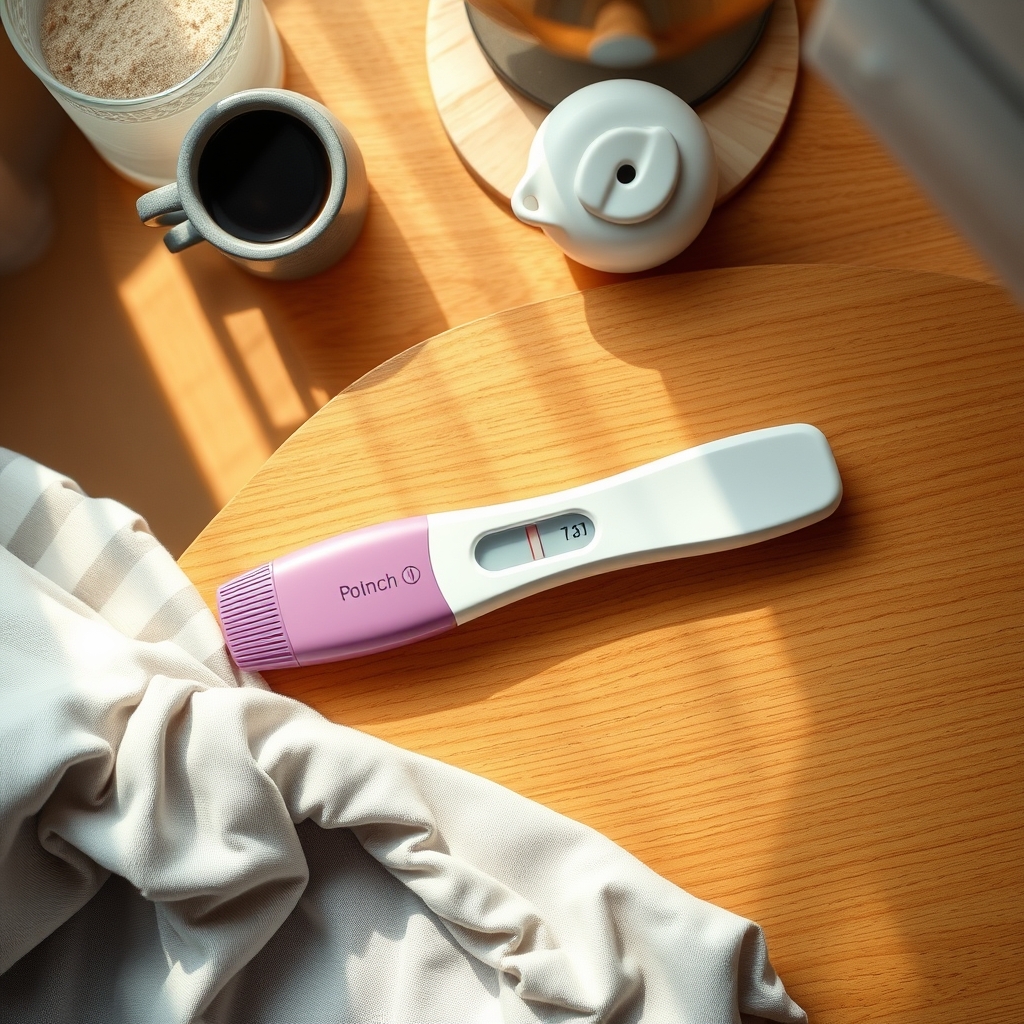
The most common signs of miscarriage are vaginal bleeding, abdominal cramping, and passing tissue; spotting these early signs helps you get medical attention.
By Shubhra Mishra — a mom of two who turned her own confusion during pregnancy into BumpBites, a global mission to make food choices clear, safe, and stress-free for every expecting mother. 💛
Check whether any food is safe during pregnancy with the BumpBites Food Safety Checker.
Quick take: Most early miscarriages present with vaginal bleeding, cramping, and the passage of tissue, but some happen without obvious bleeding. If you notice sudden bleeding, severe pain, or notice tissue passing, contact your care provider right away. Emotional reactions are normal, and support is available.
It’s 2 a.m., you’re curled up in bed, and a sudden gush of blood wakes you. Your mind races: “Is this a miscarriage? Did I do something wrong?” You’re not alone—many expecting parents face that exact moment of uncertainty.
First, breathe. A miscarriage can feel sudden and frightening, but understanding the signs, causes, and what to expect can help you make informed choices and find the right support.
In this guide we’ll walk through the common physical and emotional signs at each stage of early pregnancy, explain different types of miscarriage, outline risk factors, and give practical steps for recovery and future conception. All information follows guidance from ACOG, NHS, CDC, and other leading health bodies.
What are the early signs of miscarriage at 5 weeks?
At five weeks gestation, the embryo is only about the size of a sesame seed, yet the body can already signal trouble. The most typical early warning signs include:
Spotting or light bleeding: Pink or brown discharge that may be mistaken for a period.
Cramping: Persistent lower‑abdominal or pelvic pain, often described as “period‑like.”
Loss of pregnancy symptoms: Sudden decrease in breast tenderness, nausea, or fatigue.
Passing tissue: Small clots or grayish tissue that may look like clotted blood.
Because the gestational sac is still forming, an ultrasound may not yet show a heartbeat. A transvaginal scan performed by a qualified provider can often confirm whether the pregnancy is progressing.
Many women experience minor spotting in the first trimester that resolves on its own. However, if bleeding is heavier than a normal period, accompanied by severe cramping, or you notice tissue, it’s prudent to seek medical evaluation promptly.
It’s also helpful to track any changes in basal temperature or hCG trends if you’re monitoring them at home; a sudden plateau or drop can be an early clue, though home testing should never replace a professional exam.
What are the signs of miscarriage at 6 weeks pregnant?
B
y six weeks, a tiny heartbeat may be detectable. Yet, miscarriage can still occur, and the symptoms are similar to those at five weeks, with a few nuances:
Increasing bleeding: Bright red bleeding that soaks a pad within an hour.
Intense cramping: Pain that radiates toward the lower back or radiates to the thighs.
Absence of fetal movement: At six weeks, most people don’t feel movement yet, but a sudden loss of early “flutter” sensations can be a clue.
Sudden loss of early symptoms: A rapid decline in nausea, breast tenderness, or fatigue.
When a heartbeat is visible on ultrasound, the loss of that heartbeat is a definitive sign of miscarriage. If you’re unsure, a quick appointment with your obstetrician can provide clarity.
According to ACOG, about 15‑20 % of recognized pregnancies end in miscarriage before 12 weeks, and many occur around this six‑week mark.
In addition to bleeding and cramping, some patients report a feeling of heaviness or a “pressure” in the pelvic area, which can be caused by the uterus beginning to contract and expel tissue.
What are the signs of a missed miscarriage?
A missed miscarriage—also called a silent miscarriage—occurs when the embryo stops developing but the body does not expel the tissue right away. Because there may be little to no bleeding, the signs can be subtle:
Absence of fetal heartbeat: Detected on ultrasound despite ongoing bleeding or cramping.
Very mild or no bleeding: Some women notice only a light spotting.
Persistent pregnancy symptoms: Nausea and breast tenderness may linger despite a non‑viable pregnancy.
Sudden loss of symptoms: A quick fade of early signs can indicate a missed miscarriage.
Often the first clue is an ultrasound that shows a gestational sac without a heartbeat. In such cases, healthcare providers may discuss medical management (misoprostol) or expectant management, letting the body pass the tissue naturally.
RCOG advises that a missed miscarriage can be confirmed when there is no growth on serial ultrasounds over a week or more, or when the fetal pole is absent.
Because the physical signs can be minimal, many patients experience significant emotional distress when the diagnosis is delivered. A gentle, step‑by‑step explanation from the provider can help reduce anxiety during this difficult moment.
What are the physical signs of miscarriage in early pregnancy?
Physical manifestations vary, but the most common early‑pregnancy signs include:
Sign
Typical Timing
What It May Indicate
Light spotting
4‑6 weeks
Implantation bleeding or early loss
Heavy bleeding
5‑12 weeks
Active miscarriage
Cramping
All trimesters
Uterine contraction to expel tissue
Passage of clots/tissue
5‑12 weeks
Miscarriage in progress
Sudden loss of symptoms
4‑8 weeks
Possible missed miscarriage
Other physical cues can include a low‑grade fever, foul‑smelling discharge, or a feeling of “pressure” in the lower abdomen. While mild cramping can be normal, worsening pain or bleeding that soaks a pad within an hour is a red flag.
In the second trimester, signs shift toward heavier bleeding, severe abdominal pain, and the sudden loss of fetal movement. The CDC notes that second‑trimester loss, though less common, often presents with these more pronounced symptoms.
When any of these signs appear, a prompt visit for a quantitative hCG test and possibly a repeat ultrasound can clarify whether the pregnancy is viable, helping you avoid unnecessary worry.
What are the emotional signs of miscarriage and grief?
Every miscarriage carries an emotional weight, even when the physical signs are minimal. Common emotional reactions include:
Shock and disbelief: Feeling “numb” or “unreal” immediately after loss.
Sadness and grief: Deep sorrow that may last weeks to months.
Guilt or self‑blame: Questioning whether personal actions caused the loss.
Anxiety about future pregnancies: Fear of recurrence.
Feeling isolated: Perceiving that others don’t understand the loss.
Studies published by the Mayo Clinic highlight that up to 50 % of women experience clinically significant grief after a miscarriage, and many benefit from counseling or support groups.
It’s normal to feel a range of emotions, and you don’t have to navigate them alone. Talking with a therapist, joining a miscarriage support community, or simply sharing with a trusted friend can help process grief.
Many health systems now offer integrated mental‑health referrals as part of miscarriage care, acknowledging that emotional recovery can be as important as physical healing.
How can I distinguish signs of miscarriage vs. normal cramping?
Cramping is common in early pregnancy due to the uterus expanding and the ligaments stretching. However, certain characteristics suggest a miscarriage rather than typical “pregnancy cramping”:
Intensity and duration: Miscarriage cramps are often sharp, persistent, and last longer than the brief “twinges” of normal cramping.
Accompanied bleeding: Any spotting that progresses to bright red bleeding is a key warning sign.
Pain radiation: Miscarriage pain may radiate to the lower back or thighs, whereas normal cramping stays localized.
Passage of tissue: Seeing clots or grayish tissue is a definitive indication of miscarriage.
If you experience cramping that’s mild, intermittent, and not accompanied by bleeding, it’s likely normal. Nonetheless, if you’re unsure, contacting your provider for an ultrasound can provide peace of mind.
Some clinicians recommend keeping a symptom diary—recording the timing, intensity, and any associated bleeding—to help differentiate patterns and aid discussions with your care team.
What are the common signs of miscarriage after IVF?
Pregnancies achieved through in‑vitro fertilization (IVF) often carry heightened emotional stakes, and early‑pregnancy loss rates are slightly higher than natural conception. The signs mirror those of any early miscarriage, but some IVF patients notice additional clues:
Early bleeding before the expected implantation window: IVF cycles are closely monitored; any bleeding before the embryo transfer can be a warning.
Sudden drop in hCG levels: Hormone tests that show a rapid decline may indicate miscarriage before symptoms appear.
Absence of heartbeat on early scan: IVF pregnancies are often scanned at 6‑7 weeks; lack of a heartbeat is a clear sign.
Because IVF patients are usually under close medical supervision, any concerning sign is typically addressed quickly. If you’re undergoing IVF and notice any bleeding or cramping, call your fertility clinic right away.
Many fertility clinics also schedule a “beta‑hCG” test 10–14 days after embryo transfer; a plateau or drop in this value often prompts an early ultrasound to confirm viability.
What are the miscarriage risk factors and signs of a threatened miscarriage?
Understanding risk factors can help you recognize when you’re more susceptible to a threatened miscarriage—where bleeding and cramping occur but the pregnancy may still continue.
Maternal age: Women over 35 have a higher risk of chromosomal abnormalities leading to miscarriage (CDC).
Previous miscarriage: A history of one or more losses increases recurrence risk.
Uterine abnormalities: Fibroids, septum, or scarring can affect implantation.
Chronic conditions: Uncontrolled diabetes, thyroid disease, or hypertension.
Lifestyle factors: Smoking, excessive alcohol, or high caffeine intake (>200 mg/day).
Signs of a threatened miscarriage include light bleeding, mild cranking, and no tissue passage. While many threatened miscarriages resolve and result in healthy births, close monitoring is essential.
Guidelines from NICE suggest that patients with threatened miscarriage be offered pelvic rest and a follow‑up ultrasound within a week to assess fetal heartbeat and growth.
How common are miscarriages at 8 weeks and what signs appear at 12 weeks?
By eight weeks, the embryo has grown to about the size of a kidney bean, and the miscarriage rate begins to decline. Approximately 10‑15 % of recognized pregnancies end in loss around this time. Typical signs include:
Bleeding that becomes heavier: Transition from spotting to a flow that soaks pads.
Strong cramping: Pain that may feel like menstrual cramps but more intense.
Passage of tissue: Small clots or grayish material.
At twelve weeks, the fetus is fully formed with limbs and facial features. Miscarriage signs at this stage can be more pronounced:
Heavy bleeding: Bright red flow that may include clots.
Severe abdominal pain: Often localized to one side, sometimes radiating to the back.
Fetal movement loss: If movement was felt earlier, its sudden absence can be a clue.
Both the NHS and ACOG stress that any sudden increase in bleeding or pain warrants immediate medical evaluation, regardless of gestational age.
Ultrasound at 12 weeks typically visualizes fetal cardiac activity and limb movement; loss of these markers is a definitive sign of pregnancy loss.
Seeing a positive test can be thrilling; knowing the signs of loss helps you stay prepared.
What are the signs of a threatened miscarriage?
A threatened miscarriage is defined by vaginal bleeding or spotting with or without cramping, while the pregnancy is still viable. The key indicators are:
Light to moderate bleeding: Pink or brown discharge that does not soak a pad.
Mild cramping: Period‑like aches that are not severe.
Fetal heartbeat present: Confirmed by ultrasound, indicating the embryo is still alive.
Management typically involves pelvic rest (avoiding intercourse and heavy lifting) and close monitoring. Most threatened miscarriages (about 60‑70 %) progress to a healthy pregnancy, according to a study referenced by the WHO.
Some clinicians also recommend a repeat quantitative hCG test 48 hours after the initial assessment; a rising level usually reassures that the pregnancy is continuing.
What are the signs of impending miscarriage?
“Impending” miscarriage suggests that warning signs are present before tissue is expelled. Watch for:
Increasing bleeding intensity: From spotting to a flow that requires a pad.
Worsening cramping: Pain that becomes constant or radiates.
Feeling of pressure or “something coming out”: Sensation of tissue moving through the cervix.
Sudden loss of early pregnancy symptoms: Nausea and breast tenderness fade quickly.
If you notice these patterns, schedule an urgent appointment. Early intervention, such as medical management with misoprostol, can sometimes reduce complications.
In some cases, a low‑dose aspirin regimen is prescribed to improve uterine blood flow, though this is typically reserved for patients with specific risk factors and must be guided by a provider.
How common are recurrent miscarriage signs and symptoms?
Recurrent miscarriage is defined as three or more consecutive pregnancy losses. Women experiencing this often report:
Repeated early bleeding and cramping: Each loss typically occurs before 12 weeks.
Persistent low hCG levels: Hormone measurements that never rise as expected.
Underlying health issues: Autoimmune disorders, antiphospholipid syndrome, or genetic abnormalities.
Research from the ACOG indicates that about 1‑2 % of women face recurrent miscarriage. Comprehensive evaluation—including hormonal testing, uterine imaging, and genetic screening—helps identify treatable causes.
Therapies such as low‑molecular‑weight heparin for antiphospholipid syndrome or progesterone supplementation for luteal‑phase deficiency can improve outcomes, but they must be individualized.
Eating a balanced diet supports overall reproductive health.
From our medical team: A miscarriage is a medical event, not a personal failure. If you notice any bleeding, pain, or passage of tissue, seek care promptly. Emotional support is equally important—reach out to a counselor or trusted friend, and remember that many people go on to have healthy pregnancies after a loss.
Myth vs. fact
Myth: “If you don’t bleed heavily, you’re not having a miscarriage.” Fact: Light spotting or even no bleeding can still accompany a miscarriage, especially a missed miscarriage.
Myth: “Stress alone causes miscarriage.” Fact: While chronic stress can affect overall health, most research (CDC) shows that stress alone is not a direct cause of miscarriage.
Myth: “If you’re over 35, every miscarriage is due to age.” Fact: Age increases risk, but many other factors—chromosomal, anatomical, hormonal—play a role regardless of age.
How long should I wait before trying to conceive again after a miscarriage?
Most guidelines, including those from ACOG and NICE, advise waiting until you’ve had at least one normal menstrual cycle before attempting another pregnancy. This typically means 4–6 weeks after a spontaneous loss, but the exact timing depends on how you feel physically and emotionally.
If you received medical or surgical management, your provider may recommend a short period of pelvic rest and a follow‑up ultrasound to confirm that the uterus has cleared. Once cleared, many clinicians suggest waiting 2–3 months to allow the endometrium to fully regenerate, especially after a surgical curettage.
However, a growing body of evidence (e.g., a 2022 ACOG review) shows that conceiving sooner—once you’ve had a normal period—does not increase the risk of another loss. The most important factor is that you feel ready, both physically and emotionally.
What lifestyle and nutrition tips support recovery after a miscarriage?
Recovery is faster when you give your body the nutrients it needs. Prioritize iron‑rich foods (lean red meat, lentils, spinach) to replenish blood loss, and include vitamin C sources (citrus, berries) to aid iron absorption. Hydration is also key; aim for 8‑10 cups of water daily.
Gentle movement, such as short walks or prenatal yoga, can improve circulation and reduce stress. Avoid heavy lifting or high‑impact exercise until your provider clears you, usually after a follow‑up ultrasound.
Sleep hygiene matters, too. A consistent bedtime routine and a supportive pillow can help manage fatigue and hormonal fluctuations. If you’re struggling with mood, consider a brief course of counseling or a support group, which many hospitals now integrate into post‑miscarriage care.
What is the role of progesterone testing in early pregnancy loss?
Progesterone is a hormone that maintains the uterine lining in early pregnancy. Low serum progesterone (<10 ng/mL) in the first trimester can be associated with an increased risk of miscarriage, especially in women with a history of recurrent loss.
ACOG notes that routine progesterone screening is not recommended for all pregnant patients, but it may be useful in specific cases—such as those with unexplained recurrent miscarriage or luteal‑phase defects. If low progesterone is identified, a course of vaginal progesterone supplementation (often 200‑400 mg nightly) may be prescribed, but only under medical guidance.
Testing is usually done via a simple blood draw around 6‑8 weeks gestation, and results are interpreted alongside ultrasound findings and hCG trends to form a comprehensive picture.
Key takeaways
Bleeding, cramping, and the passage of tissue are the most common physical signs of early miscarriage.
Missed miscarriages may have minimal bleeding; an ultrasound is essential for confirmation.
Risk factors include age, previous loss, uterine abnormalities, and lifestyle choices.
After a loss, most women recover physically within a few weeks and can try to conceive again when they feel ready.
If you experience heavy bleeding, severe pain, or pass tissue, call your provider immediately.
Nutrition, gentle activity, and adequate rest aid physical and emotional healing.
Progesterone testing may help in recurrent loss cases, but it’s not routine for every pregnancy.
Frequently asked questions
What are the symptoms of a miscarriage at 6 weeks?
Bleeding that progresses from spotting to a flow that soaks a pad, intense cramping, and the passage of clots or grayish tissue are typical; a missing heartbeat on ultrasound confirms the loss.
Can you have a miscarriage without bleeding?
Yes—especially in a missed miscarriage, where the embryo stops developing but the body does not expel tissue immediately, resulting in little or no bleeding.
How long does a miscarriage last?
Most miscarriages resolve within a few days to two weeks after the onset of bleeding; however, medical or surgical management may be advised to expedite tissue removal.
What happens to your body after a miscarriage?
Physically, the uterus contracts and returns to its pre‑pregnancy size within a few weeks; hormone levels (hCG) drop, and most women resume normal cycles within a month.
Can stress cause a miscarriage?
Current evidence suggests that everyday stress does not directly cause miscarriage, though chronic stress can affect overall health and pregnancy outcomes.
How common are miscarriages in the first trimester?
About 15‑20 % of recognized pregnancies end in miscarriage during the first trimester, according to ACOG and the CDC.
Is cramping after a miscarriage normal?
Yes—after tissue passes, the uterus continues to contract for a few days, which can cause mild cramping similar to menstrual cramps; persistent or severe pain should be evaluated.
Can a miscarriage be prevented?
While many causes (like chromosomal abnormalities) cannot be controlled, maintaining a healthy lifestyle—avoiding smoking, limiting caffeine, and managing chronic conditions—can reduce some risk factors.
When to call your doctor
If you experience any of the following, seek medical care right away: heavy bleeding (soaking a pad in an hour), severe or worsening abdominal pain, fever over 100.4 °F (38 °C), foul‑smelling discharge, or the passage of large tissue clots. This article provides general information and is not a substitute for personalized medical advice. Always consult your obstetrician, midwife, or emergency services if you’re concerned.
References
American College of Obstetricians and Gynecologists (ACOG). “Early Pregnancy Loss.” Clinical Guidance, 2023.
National Health Service (NHS). “Miscarriage.” Patient Information, 2022.
Centers for Disease Control and Prevention (CDC). “Pregnancy Loss.” Data & Statistics, 2023.
World Health Organization (WHO). “Maternal Health – Miscarriage.” Guidelines, 2021.
Royal College of Obstetricians and Gynaecologists (RCOG). “Management of Miscarriage.” Green‑top Guideline No. 73, 2022.
Mayo Clinic. “Miscarriage.” Health Library, 2023.
National Institute for Health and Care Excellence (NICE). “Early Pregnancy and Miscarriage.” Clinical Guideline, 2022.
Fetal Medicine Foundation. “Ultrasound Diagnosis of Missed Miscarriage.” Research Review, 2021.
American College of Obstetricians and Gynecologists (ACOG). “Progesterone Supplementation in Recurrent Pregnancy Loss.” Practice Bulletin, 2022.
National Institute for Health and Care Excellence (NICE). “Guidance on Post‑Miscarriage Care.” Clinical Guideline, 2023.
Not sure about the label on Signs Of Miscarriage products?
Snap the ingredients list and SafeFilter checks every ingredient for your stage — only 3 free scans this month, then you're locked until reset. Unlimited from $7/mo or lock $50/yr through Aug 31 (16 days left).
When Shubhra Mishra was expecting her first child in 2016, she was overwhelmed by conflicting food advice — one site said yes, another said never. By the time her second baby arrived in 2019, she realized millions of mothers face the same confusion.
That sparked a five-year journey through clinical nutrition papers, cultural diets, and expert conversations — all leading to BumpBites: a calm, compassionate space where science meets everyday motherhood.
Her long-term vision is to build a global community ensuring safe, supported, and free deliveriesfor every mother — because no woman should face pregnancy alone or uninformed. 🌿
🌍 Stand with mothers, shape safer guidance
Join a small circle of experts who review BumpBites articles so expecting parents everywhere can decide with confidence.