Quick take: A sip and see party is a low‑key gathering where parents introduce their newborn to friends and family over drinks and snacks. It’s a celebration of the baby’s arrival, not a formal baby shower, and can be as simple or as elaborate as you like. Most families host it within the first few weeks after birth, keep the guest list small, and focus on safety and comfort for the infant.
Imagine scrolling through your phone at 2 a.m., the baby’s soft whimper in the background, and suddenly a thought pops up: “I want to share this tiny miracle with our loved ones, but I’m not ready for a big baby shower.” You’re not alone. Many new parents feel the urge to celebrate, yet they want something intimate, relaxed, and safe for their newborn. That’s where a sip and see party fits in.
In this 2026 guide we answer every question you might have about a sip and see party, from its origins to budgeting, décor, invitations, and newborn safety. Whether you’re planning a cozy living‑room gathering, a virtual celebration, or a DIY‑styled event, we’ve got you covered. Let’s walk through the steps, share real‑world tips, and help you host a memorable “sip and see” that honors your baby and your family.

What is a sip and see party and how does it work?
A sip and see party is a relaxed, usually informal gathering where parents introduce their newborn to friends and family while sharing drinks (often non‑alcoholic) and light bites. The focus is on “seeing” the baby rather than “showering” the parents with gifts. It typically takes place at home or a small venue within the first two to four weeks after birth, giving the baby time to settle into a routine.
The name reflects the dual purpose: guests sip a beverage and get a chance to see the new arrival. Unlike a baby shower, which often centers on gift‑giving and games, a sip and see party emphasizes connection, support, and a gentle environment for the infant.
Origin of the sip and see party
The concept grew out of the “welcome baby” gatherings popular in the early 2000s, but it gained momentum during the COVID‑19 pandemic when many families sought low‑key, socially distanced ways to celebrate. Parenting blogs and community groups highlighted its simplicity and adaptability, making it a favorite for parents who prefer intimacy over extravagance.
Typical flow of a sip and see party
- Welcome: Guests arrive, greet the parents, and are offered a beverage.
- First look: The baby is gently presented, often in a swaddle or a comfy chair.
- Snacks & chat: Light finger foods are served while guests share congratulations.
- Photo moments: Quick snapshots capture the milestone.
- Goodbyes: Guests leave, often taking a small token or a printed photo.
Because the baby’s comfort is paramount, the party usually lasts 60–90 minutes, allowing for feeding and diaper changes without rush.
Sip and see party ideas for newborns 2026
When planning a sip and see party in 2026, think about comfort, safety, and sensory-friendly elements. Here are fresh ideas that many families have tried this year.
Cozy comfort stations
Set up a “baby lounge” with a soft blanket, a portable bassinet, and a white‑noise machine. A few plush pillows give parents a place to sit while feeding. Adding a small humidifier can keep the air gentle for the newborn’s delicate skin.
Sensory‑friendly snacks
Offer bite‑size options that are easy to eat without strong aromas, such as mini cucumber sandwiches, fruit kebabs, and cheese cubes. Avoid overly spicy or heavily scented foods, which can overwhelm a baby’s senses.
Interactive memory jar
Provide small cards and a jar where guests can write a wish, a piece of advice, or a favorite quote. Later, parents can read these aloud as a keepsake.
Virtual participation
For relatives far away, set up a simple video call using a tablet on a stable stand. A “virtual sip” can be coordinated by sending a small care package of tea bags or mocktails ahead of time, so remote guests feel included.
Photo booth with soft props
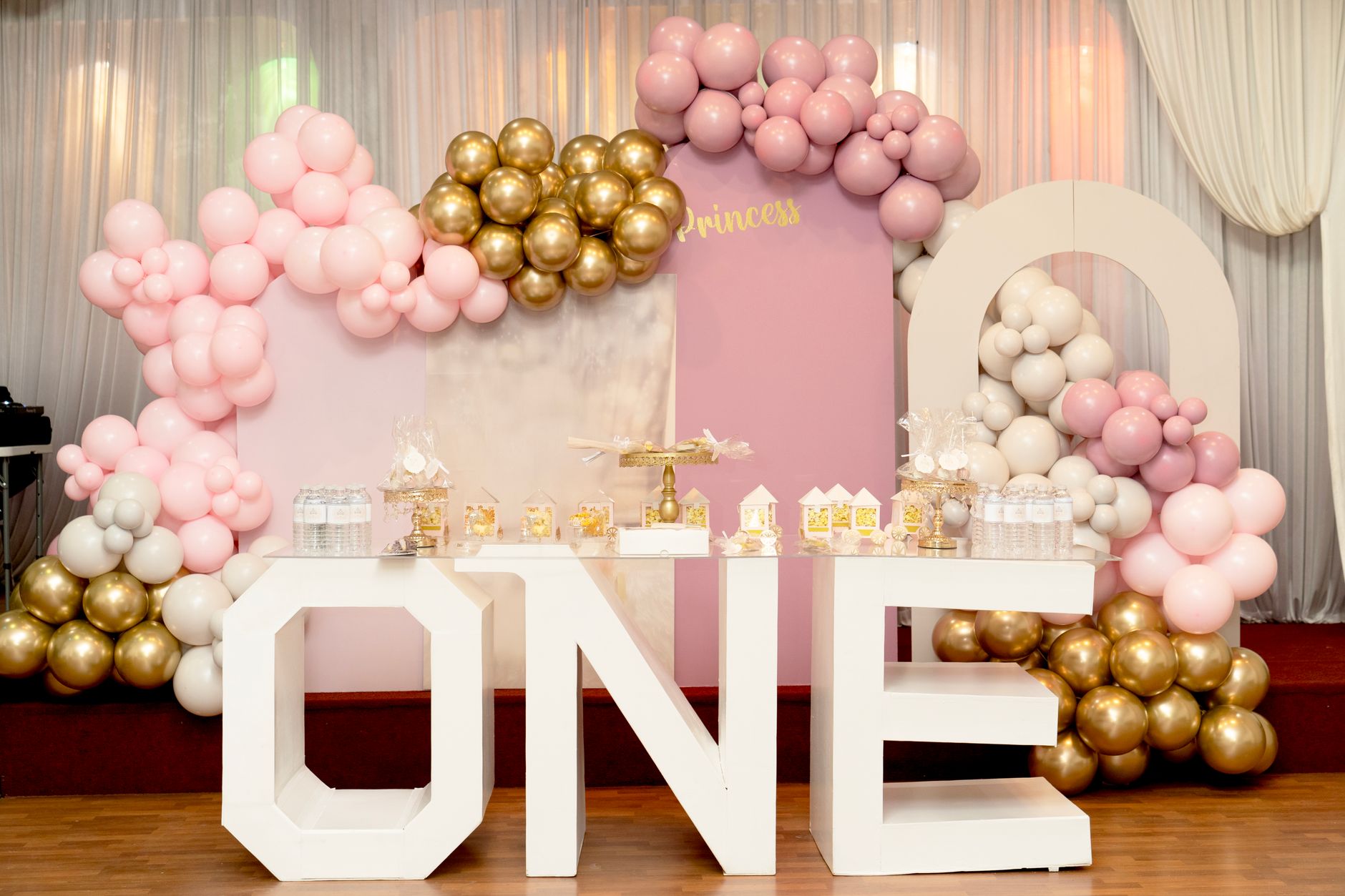
DIY a photo backdrop using pastel streamers and a few plush toys. Keep the lighting soft to avoid startling the newborn. Capture candid moments rather than posed shots for a natural feel.
Newborn‑focused activities
Consider a gentle hand‑print activity: place a non‑toxic, washable ink pad on a piece of paper and let the baby’s tiny hand create a keepsake. Have a professional photographer on standby if you want high‑quality images.
Sip and see party invitation wording examples
Invitations set the tone. Whether you send paper cards, e‑cards, or a simple text, keep the language warm, concise, and clear about the baby’s arrival and any safety considerations.
Classic paper invitation
“We’re thrilled to introduce our little star, Emma 🌟. Join us for a Sip & See on Saturday, May 15 at 2 p.m. at our home. Light refreshments will be served. Please RSVP by May 10. We can’t wait to share this moment with you!”
Digital e‑card
Subject: Sip & See – Meet Baby Liam!
Body: Hi [Name], we’re excited to invite you to a relaxed Sip & See honoring our newest family member. Date: June 3, 2 p.m. – 3:30 p.m. Location: 123 Maple St. RSVP: link. Light snacks & non‑alcoholic drinks provided. See you soon!”
Text message invitation
“Hey! We’d love for you to stop by on Thursday at 4 p.m. for a quick Sip & See to meet our baby girl. Snacks & tea will be ready. Let us know if you can make it!”
Key elements to include
- Baby’s name (if you wish to share)
- Date, time, and address
- RSVP details
- Brief note about the informal nature (e.g., “no gifts, just your presence”)
- Any safety notes (e.g., “please wash hands before holding the baby”)
Sip and see party etiquette tips for guests
Guests want to celebrate, but they also want to know how to behave around a newborn. Here’s a quick etiquette guide that keeps everyone comfortable.
Before you arrive
- Confirm the RSVP – hosts appreciate a firm headcount.
- Wash your hands thoroughly; consider using hand sanitizer before holding the baby.
- Dress comfortably and avoid strong fragrances.
During the party
- Offer a brief hello, then let the parents introduce you to the baby.
- If you’re invited to hold the infant, keep your movements gentle and support the head.
- Respect the baby’s cues – if they’re fussy or sleeping, give them space.
- Keep conversations light; avoid topics that might cause stress for new parents.
Gift etiquette
Most sip and see parties request “no gifts” or suggest practical items like diapers, wipes, or a meal delivery service. If you do bring something, a handwritten note or a small keepsake is always appreciated.
Leaving the party
Say a brief thank‑you, and if a photo was taken, ask for a copy. Departing a little early is fine, especially if the baby seems tired.
How to plan a sip and see party on a budget
Celebrating doesn’t have to break the bank. Below are budget‑friendly strategies that let you host a beautiful sip and see without overspending.
Venue and décor
- Host at home or a friend’s living room – no rental fees.
- Use items you already own: a soft blanket, a few candles, and a reusable banner.
- DIY décor: cut out paper stars or hearts from cardstock, or create a simple garland with string and pastel tissue paper.
Food and drinks
Buy bulk packages of crackers, cheese, and fruit, then portion them into mini trays. For drinks, make a large pitcher of infused water (cucumber‑mint or citrus) and a batch of non‑alcoholic sparkling mocktail. Both are inexpensive and easy to replenish.
Printing invitations
Print invitations at home on cardstock you already have, or use free e‑card services like Canva or Evite to send digital invites.
Entertainment and activities
Handprint art, a memory jar, and a simple playlist of soft instrumental music can be curated for free using streaming platforms.
Reusable supplies
Invest in a small set of reusable plates, cups, and napkins. They’re eco‑friendly and can be used for future gatherings.
Sample budget breakdown
Total estimated cost: $70. Adjust as needed based on your guest count and personal preferences.
Sip and see party vs baby shower differences
While both celebrate a new arrival, the two events serve distinct purposes and have different expectations. Below is a side‑by‑side comparison to help you decide which fits your style.
Understanding these differences lets you tailor the celebration to your family’s needs. If you prefer a quick, low‑stress introduction, the sip and see is the clear winner.
Best time to host a sip and see party after birth
Choosing the right moment balances the baby’s health, the parents’ recovery, and the practicalities of gathering friends and family.
Ideal window
Most experts, including the American Academy of Pediatrics (AAP), suggest a window of 7–21 days after birth. This allows the baby to settle into a feeding routine, while still being early enough that grandparents and other relatives can attend before the baby’s schedule becomes too rigid.
Factors to consider
- Parent recovery: If you had a C‑section, you might need a bit more rest before hosting.
- Newborn health: Ensure the baby’s jaundice (if present) is under control and that they’re feeding well.
- Seasonal weather: In hot or cold extremes, plan an indoor venue with comfortable temperature control.
- Family schedules: Coordinate with key guests (e.g., grandparents) to find a date that works for them.
When to postpone
If the baby is premature, has a medical condition, or if you’re still on maternity leave with limited support, it’s perfectly okay to delay the party until you feel ready. Communicate openly with your guests; most will understand and appreciate your focus on safety.
Sip and see party safety guidelines for newborns
Safety is the cornerstone of any newborn‑focused gathering. Below are evidence‑based guidelines from the AAP and the CDC to keep your baby comfortable and protected.
Hand hygiene
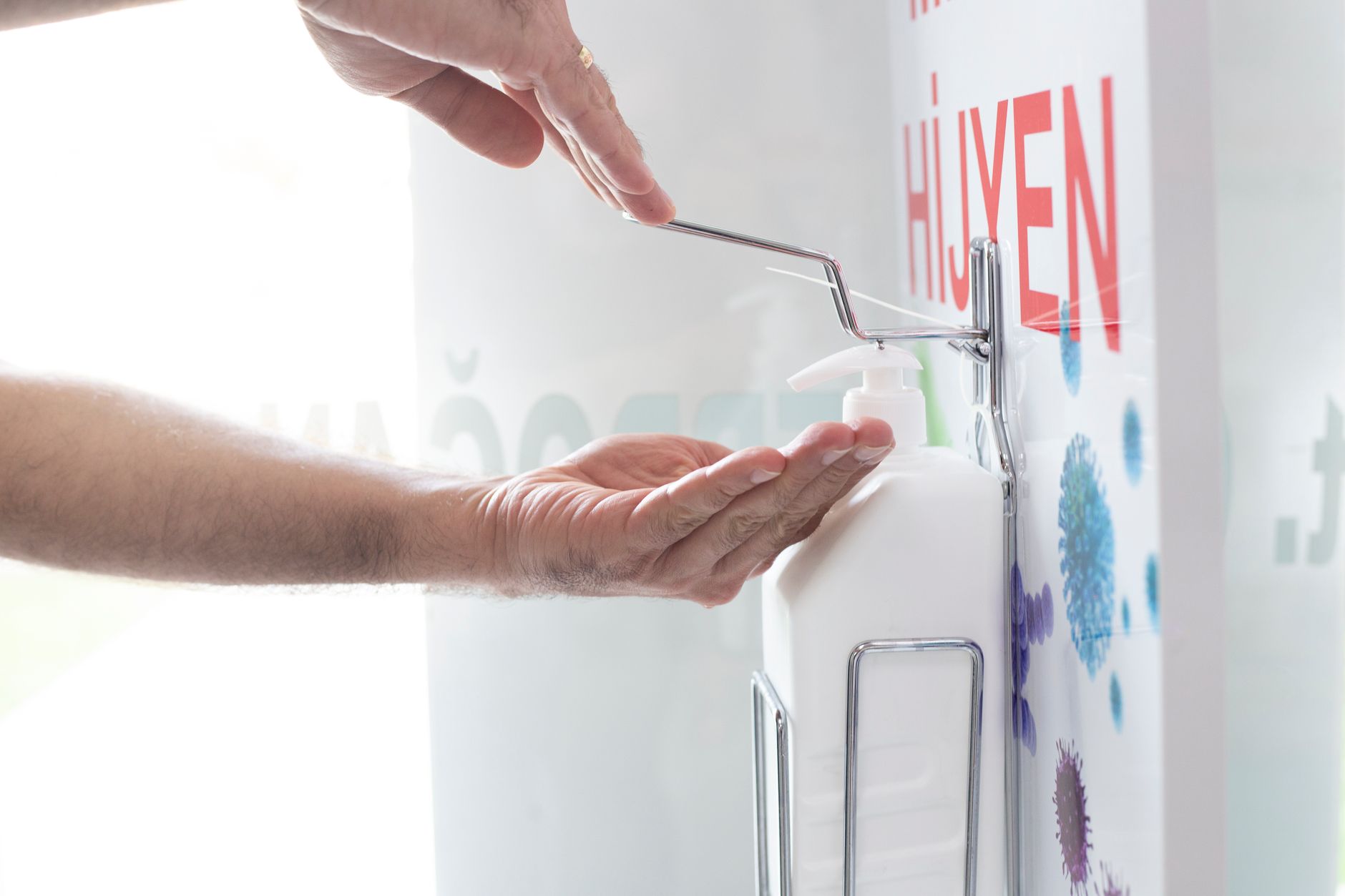
Ask every guest to wash their hands with soap for at least 20 seconds before holding the baby. Provide a hand‑sanitizer station at the entry as a backup.
Environmental considerations
- Maintain room temperature between 68–72 °F (20–22 °C).
- Avoid direct sunlight or drafts.
- Keep the space free of small objects that could be choking hazards.
- Use a stable, flat surface for the baby’s bassinet or swaddle.
Feeding and diaper changes
Plan a quiet corner where the baby can be fed or changed without interruption. Have extra diapers, wipes, and a change of clothes on hand.
Limit overstimulation
Keep music volume low (no louder than 50 dB) and avoid strong scents. If the baby shows signs of fussiness—crying, turning away, or clenching fists—give them a break.
Guest count and space
For safety, aim for a guest-to‑baby ratio of no more than 5 adults per newborn. This reduces the chance of accidental bumps and allows the parents to manage the crowd comfortably.
First‑aid readiness
Have a basic first‑aid kit nearby, and know the nearest pediatrician’s contact information. In case of any sudden infant distress, call 911 or your pediatric provider immediately.
Special considerations for newborns with health concerns
If your baby requires special care (e.g., NICU follow‑up, feeding tubes), discuss any extra precautions with your pediatrician ahead of time. Some families choose a virtual sip and see to avoid exposing a vulnerable infant to additional people.
Myth vs. fact
Myth: You must serve alcohol at a sip and see party to make it festive.
Fact: Non‑alcoholic drinks are the norm; many parents prefer mocktails or tea to keep the focus on the baby’s health.
Myth: A sip and see party is just a mini‑baby shower and requires a large gift registry.
Fact: The event is low‑key, and most hosts ask for no gifts or only practical items like diapers or meals.
Myth: Newborns should not be exposed to any visitors for the first month.
Fact: With proper hand hygiene and a short, controlled gathering, a sip and see can safely occur as early as the first week, per AAP guidance.
Key takeaways
- A sip and see party celebrates the newborn’s arrival with drinks and light snacks, usually within 1–3 weeks post‑birth.
- Keep the event short (60–90 minutes), intimate (5–10 guests), and focused on safety—hand washing, temperature control, and a calm environment.
- DIY décor, bulk‑buy snacks, and home‑based venues keep costs under $100.
- Invitation wording should be warm, clear, and include any health or safety notes.
- Non‑alcoholic beverages are the standard; mocktails, infused water, and tea work well.
- Follow AAP and CDC guidelines for hand hygiene, visitor limits, and newborn comfort.
Frequently asked questions
What is the purpose of a sip and see party?
The purpose is to introduce the newborn to friends and family in a relaxed setting, allowing loved ones to meet the baby and offer support while sharing light refreshments. It’s less about gifts and more about connection.
When is the right time to host a sip and see after birth?
Most parents host it between 7 and 21 days after delivery, once the baby has established a feeding routine and is medically stable. Adjust the timing based on recovery, baby health, and family availability.
Do you need to serve alcohol at a sip and see party?
No. The tradition leans toward non‑alcoholic drinks, such as sparkling mocktails, infused water, or tea. If you choose to offer a light wine or beer, keep quantities modest and ensure all guests know the baby’s safety comes first.
How many people can you invite to a sip and see party?
Aim for a guest-to‑baby ratio of about 5 adults per newborn. For most families, this translates to 6–12 close friends and relatives, which keeps the environment calm and manageable.
What should I include in a sip and see party invitation?
Include the baby’s name (optional), date, time, address, RSVP details, a brief note about the informal nature (e.g., “no gifts, just your presence”), and any safety reminders such as hand‑washing.
Are sip and see parties appropriate for newborns?
Yes, when following safety guidelines—hand hygiene, limited guest count, a comfortable temperature, and a short duration—newborns can safely attend a sip and see party as early as the first week after birth.
Can I host a virtual sip and see party?
Absolutely. Set up a video call, send a small care package with tea or mocktail mixes to remote guests, and synchronize a “toast” moment. Virtual options are especially helpful for long‑distance family.
When to see a doctor / specialist
If your newborn shows any of the following signs during or after the party, contact your pediatrician right away:
- Persistent high fever (≥100.4 °F / 38 °C) or low body temperature.
- Difficulty breathing, bluish lips, or rapid heartbeat.
- Excessive crying that doesn’t calm with feeding or soothing.
- Vomiting more than once or refusing to feed.
- Rash, swelling, or signs of infection at the site of any recent medical procedure.
These symptoms may indicate an infection, dehydration, or another medical issue that warrants prompt evaluation. Remember, this guide is informational only and not a substitute for personalized medical advice. Always discuss any concerns with your health care provider.
References
- American Academy of Pediatrics. “Newborn Care and Safety.” Updated 2023.
- Centers for Disease Control and Prevention. “Hand Hygiene for Parents and Caregivers.” 2022.
- World Health Organization. “Guidelines on Infant Feeding.” 2021.
- Harvard T.H. Chan School of Public Health. “Non‑Alcoholic Beverages for Social Events.” 2022.
- National Association of Professional Organizers. “DIY Party Decor on a Budget.” 2022.



