Quick take: Most sitting positions are safe, but certain postures—like prolonged slouching, deep cross‑legging, or lying flat on a recliner for hours—can increase pressure on the uterus, limit circulation, and raise the risk of discomfort or, in rare cases, miscarriage. Choose supported, upright seats, take regular movement breaks, and use pregnancy‑friendly pillows or ergonomic chairs to protect both you and your baby.
Imagine it’s 2 a.m.; you’ve just felt a flutter and, half‑asleep, you wonder whether the way you’ve been sitting on the couch could be harming your little one. You’re not alone. Pregnant women often ask, “What sitting positions should I avoid?” and “How can I stay comfortable without risking miscarriage?” The answer isn’t a blanket rule—it’s a blend of anatomy, circulation, and everyday ergonomics.
In this guide we’ll unpack why posture matters from the first trimester through postpartum recovery, flag the high‑risk positions, and give you trimester‑specific, evidence‑based recommendations. We’ll also dive into chair ergonomics, pillow support, break schedules, and common myths, so you can sit confidently knowing you’re supporting both your health and your baby’s development.
Whether you’re working from a desk, binge‑watching a series, or relaxing in a recliner, the tips below will help you choose the safest sitting positions and make small adjustments that add up to big comfort gains.

What sitting positions increase risk of miscarriage during pregnancy?
First, let’s clarify the science. Miscarriage—spontaneous loss of a pregnancy before 20 weeks—is primarily linked to genetic factors, hormonal issues, or infections. However, certain extreme sitting positions can theoretically increase uterine pressure or reduce uterine blood flow, which might contribute to a higher risk in vulnerable pregnancies.
Research from the American College of Obstetricians and Gynecologists (ACOG) notes that prolonged supine (lying flat on the back) after the first trimester can compress the inferior vena cava, a large vein that returns blood from the lower body. This compression can lower cardiac output and, in turn, reduce blood flow to the placenta.
High‑risk positions include:
- Flat on the back for long periods (especially after 20 weeks)—risk of vena cava compression.
- Deep cross‑legging that forces the hips into extreme external rotation, potentially limiting pelvic circulation.
- Sitting on a very low seat that forces the pelvis into a forward tilt, increasing lumbar strain.
- Sitting with a pronounced forward lean (e.g., hunching over a laptop) for hours without support—can exacerbate back pain and reduce diaphragmatic breathing.
These positions do not directly cause miscarriage, but they can create discomfort, increase uterine pressure, and, in rare cases, trigger uterine irritability that may lead to early labor in high‑risk pregnancies. The safest approach is to avoid prolonged periods in any position that feels restrictive, painful, or forces you to hold your breath.
Safe sitting posture for first trimester pregnant women
The first trimester is a time of rapid hormonal change, and many women experience nausea, fatigue, and heightened sensitivity to pressure. A supportive, upright posture can ease these symptoms and protect the growing uterus.
Key elements of a safe first‑trimester sitting posture:
- Neutral spine: Keep your ears, shoulders, and hips in a straight line. Use a small lumbar cushion if needed.
- Feet flat on the floor or on a footstool to keep knees at or slightly below hip level.
- Hip‑knee angle of about 90 degrees to reduce strain on the lower back.
- Shoulders relaxed and not hunched forward.
- Breathing freely—avoid holding your breath; practice diaphragmatic breathing.
For office work, adjust your chair height so that your thighs are parallel to the floor and your lower back is supported. If you’re on a couch, prop a pillow behind your lower back and keep a pillow under your knees to relieve pressure.
Many women report that simply placing a rolled towel behind the lower back makes a noticeable difference. “I started using a pregnancy pillow in my living‑room chair, and by week 8 my back pain was almost gone,” says one reader who shared her experience anonymously.
How long can a pregnant woman sit in a recliner without harm?
Recliners are tempting for a quick nap or a binge‑watch session, but the angle matters. The American Pregnancy Association advises keeping the recline angle above 30 degrees after the first trimester to prevent uterine compression.
In practical terms:
- First trimester: Short naps (15‑20 minutes) are fine, but avoid staying flat for more than an hour at a time.
- Second trimester: Limit recliner use to 30 minutes per session, and keep the backrest tilted forward slightly (30‑45 degrees).
- Third trimester: Use a recliner only for brief rests, and consider a wedge pillow under your hips to tilt the pelvis forward.
Even with the right angle, it’s wise to stand, stretch, or walk for a few minutes every hour. This promotes circulation and reduces the risk of swelling in the legs—a common concern for pregnant women.
Sitting cross‑legged while pregnant and fetal health
Cross‑legged sitting (often called “Indian style”) is comfortable for many, but during pregnancy the hips and pelvis undergo significant changes. Deep external rotation can compress the pelvic veins, potentially limiting blood return from the legs and increasing swelling.
Evidence from the International Society of Obstetric Medicine indicates that occasional cross‑legged sitting is unlikely to harm the fetus, provided you:
- Switch positions every 30‑45 minutes.
- Avoid forcing the legs into an extreme stretch—keep the hips relaxed.
- Use a cushion or folded blanket under the hips to maintain a neutral pelvic tilt.
If you experience numbness, tingling, or increased pelvic pressure while cross‑legged, it’s a sign to change posture. A simple alternative is “half‑cross‑legged” (one leg tucked, the other relaxed) or sitting on a yoga ball to keep the hips more open.
Effects of slouching on pregnancy complications
Slouching—rounded shoulders, forward head, and a curved lower back—does more than just hurt your posture. It can exacerbate common pregnancy complaints and, in some cases, contribute to complications.
Key impacts of chronic slouching:
- Back pain: Increased load on lumbar discs can lead to chronic discomfort, a symptom reported by up to 70 % of pregnant women (Mayo Clinic).
- Poor diaphragmatic breathing: A slouched thorax restricts lung expansion, reducing oxygen intake for both mother and baby.
- Circulatory slowdown: A forward‑leaned posture can compress abdominal vessels, worsening swelling and varicose veins.
- Potential preterm labor triggers: While not a direct cause, increased uterine pressure from a slouched posture can irritate the uterus in women with a history of preterm labor.
To counter slouching, practice “wall angels”: stand with your back against a wall, elbows at 90 degrees, and slide your arms up and down while keeping contact. This simple exercise can reset your posture throughout the day.
Best chair ergonomics for pregnant women in the third trimester
The third trimester brings a larger belly, altered center of gravity, and increased lower‑back strain. Choosing the right chair can make a world of difference.
When possible, pair the chair with a small footstool to keep knees slightly lower than hips. A pregnancy pillow placed behind the lower back adds extra lumbar support and can be moved as you shift throughout the day.
Sitting on a yoga ball during pregnancy safety tips
Yoga balls (or stability balls) are popular for active sitting, but safety hinges on proper use.
- Ball size: Choose a 65‑cm ball for women under 165 cm tall or a 75‑cm ball for taller individuals. The ball should allow you to sit with hips and knees at a 90‑degree angle.
- Stability: Place the ball on a non‑slippery surface and avoid using it on carpeted floors where it can roll unexpectedly.
- Duration: Start with 15‑20 minutes at a time, working up to 45 minutes. Stand up and stretch every 30 minutes.
- Movement: Gentle rocking is fine, but avoid bouncing or vigorous shifting that could strain the abdomen.
Many obstetricians, including those at the Johns Hopkins Hospital, suggest using a yoga ball for short periods to promote core activation and improve circulation, provided you follow these guidelines.
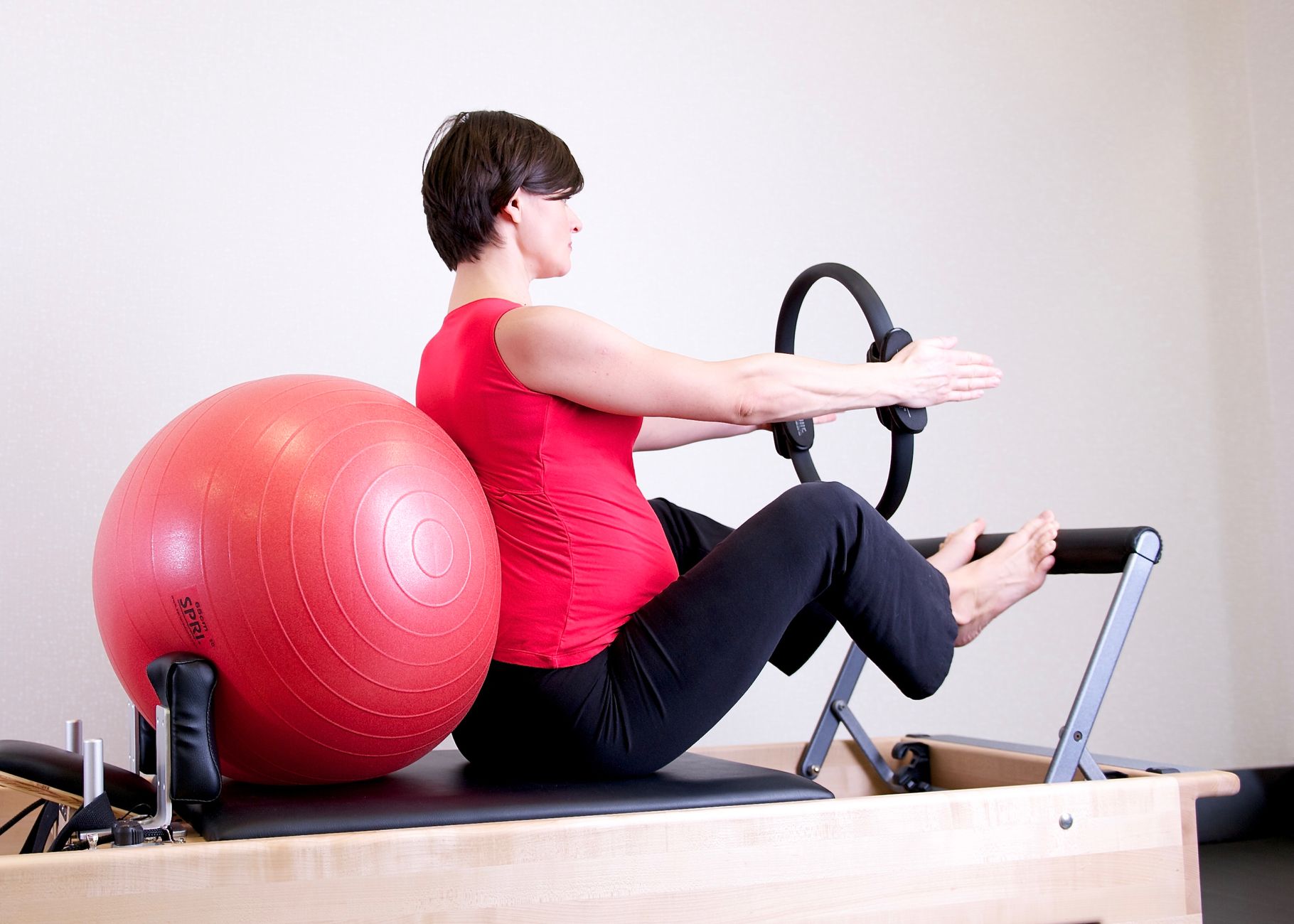
Pregnancy safe yoga poses for sitting
Gentle seated yoga stretches can relieve tension without compromising safety. Here are three poses you can do right from your chair:
- Seated cat‑cow: Inhale, lift the chest and gaze upward; exhale, round the back and tuck the chin. Repeat 5‑10 breaths.
- Seated forward fold: Keep feet hip‑width, hinge at the hips, and let the torso drape over the thighs. Hold for 20‑30 seconds.
- Seated spinal twist: Place one hand on the opposite knee, gently turn the torso, and look over the shoulder. Switch sides after 20 seconds.
These poses improve spinal mobility, encourage diaphragmatic breathing, and can be performed several times a day without risk to the baby.
How to adjust office chair for pregnant comfort
Most office chairs are designed for a neutral adult spine, not for a growing belly. Follow these simple steps to customize your chair:
- Raise the seat so your feet rest flat on the floor and your knees are at or slightly below hip level.
- Activate lumbar support or add a small cushion to fill the natural curve of your lower back.
- Reposition armrests so your shoulders stay relaxed; they should be just below elbow height.
- Use a seat cushion (e.g., a wedge or maternity pillow) to offset the forward tilt caused by the belly.
- Angle the backrest slightly forward (about 100‑110 degrees) to keep the pelvis in a neutral position.
After making these adjustments, set a timer to stand up and stretch at least once per hour. Even a two‑minute walk to the water cooler can reset circulation.
Pregnancy pillow recommendations for sitting support
Supportive pillows can transform a hard chair into a comfortable, pregnancy‑friendly seat. Consider these options:
- Maternity wedge pillow (e.g., Boppy or Leachco): Provides a gentle incline that reduces uterine pressure and supports the lower back.
- Full‑body pregnancy pillow (e.g., PharMeDoc or Boppy): Can be folded into a lumbar cushion for sitting and then used for sleep.
- Memory‑foam seat cushion with a cut‑out for the belly: Keeps hips level while accommodating a growing abdomen.
When choosing a pillow, look for breathable fabrics and removable, washable covers—important for hygiene during pregnancy.
Impact of prolonged sitting on gestational diabetes
Gestational diabetes (GDM) affects roughly 7 % of pregnancies in the United States (CDC). While genetics and diet are primary drivers, prolonged sedentary behavior can worsen insulin resistance.
Studies from the Endocrine Society show that each additional hour of sitting per day is associated with a 5‑10 % increase in fasting glucose levels for pregnant women. Breaking up sitting time with short walks or light resistance exercises (e.g., standing calf raises) can improve glucose control.
Practical tip: For every 30 minutes of sitting, stand, stretch, or walk for at least 2‑3 minutes. A simple hallway stroll or a set of squats can make a measurable difference in blood sugar trends.
Alternatives to sitting for pregnant women during work
If you have a desk job, you don’t have to stay glued to a chair. Here are three safe, workplace‑friendly alternatives:
- Standing desk: Alternate between sitting and standing every 30‑45 minutes. Keep a small anti‑fatigue mat for comfort.
- Mini‑stepper or pedal exerciser under the desk: Allows gentle leg movement without leaving your workstation.
- Frequent “micro‑breaks”: Set a timer for 20‑minute intervals; during each break, do a 5‑minute walk, stretch, or a few deep‑breathing cycles.
These strategies support circulation, lower back health, and glucose regulation while still allowing you to meet work responsibilities.
Recommended breaks for pregnant employees who sit all day
Occupational health guidelines from the National Institute for Occupational Safety and Health (NIOSH) recommend the following break schedule for pregnant employees:
- Every 30 minutes: Stand up, roll your shoulders, and take a few deep breaths.
- Every hour: Walk at least 2‑3 minutes—around your office or up and down a hallway.
- Mid‑day: Perform a 5‑minute seated stretch routine (see “Pregnancy safe yoga poses for sitting”).
Documenting these breaks can also help you discuss accommodations with your employer, ensuring both safety and productivity.
Postpartum recovery and sitting habits
After delivery, the body continues to heal, and proper sitting posture remains crucial. The first six weeks postpartum are particularly sensitive as the uterus contracts back to its pre‑pregnancy size.
Key postpartum sitting tips:
- Use a supportive cushion for the first few weeks—especially if you’re breastfeeding or caring for a newborn.
- Avoid deep cross‑legged sitting until you’ve cleared any pelvic floor concerns with your provider.
- Maintain short, frequent breaks if you’re nursing or bottle‑feeding at a desk.
- Gradually re‑introduce yoga ball sitting after the 6‑week check‑up, starting with 10‑minute sessions.
Listening to your body and adjusting as needed will aid in a smoother recovery and reduce the risk of lingering back pain.

Myth vs. fact
Myth: Sitting on your stomach while pregnant can crush the baby.
Fact: The uterus is protected by the amniotic fluid and strong muscular walls; however, lying flat on your back for extended periods can compress major blood vessels and should be avoided after 20 weeks.
Myth: You must avoid all sitting after the first trimester.
Fact: Moderate sitting is safe; the key is to maintain good posture, use supportive cushions, and break up long periods with movement.
Myth: Crossing your legs will cause the baby to be born in a breech position.
Fact: Leg position does not dictate fetal presentation. Consistent, comfortable positioning and regular pelvic tilts can help encourage optimal fetal alignment.
Key takeaways
- Maintain an upright, neutral spine and keep feet flat on the floor while sitting.
- Avoid prolonged supine (flat‑on‑back) positions after 20 weeks to prevent vena cava compression.
- Use pregnancy‑specific cushions, wedge pillows, or ergonomic chairs to support the lower back and belly.
- Break up sitting every 30 minutes with a brief walk or stretch to improve circulation and glucose control.
- Cross‑legged sitting is okay in short bursts if you stay comfortable and switch positions regularly.
- Postpartum, continue using supportive seating and avoid deep cross‑legging until cleared by your provider.
Frequently asked questions
Can sitting too much cause preterm labor?
While excessive sitting alone is not a direct trigger for preterm labor, prolonged pressure on the uterus and reduced circulation can increase uterine irritability in women with a history of preterm birth. Staying active with regular movement breaks is recommended (ACOG).
Is it safe to sit on my stomach while pregnant?
It’s best to avoid lying flat on your stomach after the first trimester because the growing uterus can compress the abdomen and limit blood flow. Side‑lying positions with a pillow between the knees are safer for rest.
What is the best sitting position for a pregnant woman in her second trimester?
Aim for a neutral spine with hips and knees at 90 degrees, feet flat on the floor, and lumbar support behind the lower back. A slightly forward‑tilted backrest (100‑110 degrees) helps keep the pelvis aligned.
How many hours a day should a pregnant woman sit?
There’s no strict limit, but experts advise breaking up sitting every 30‑45 minutes. If you have a desk job, aim for no more than 4‑5 hours of continuous sitting per day, interspersed with movement.
Do certain sitting positions affect baby’s position?
Directly, no. Fetal position is mainly guided by uterine space and natural movements. However, maintaining good posture and avoiding prolonged pressure on the abdomen can help the baby settle comfortably.
Can crossing my legs while pregnant harm my baby?
Cross‑legged sitting in moderation is generally safe. The main concern is comfort and circulation; if you notice numbness or swelling, switch positions or use a cushion.
What should I do if I experience sudden pelvic pressure while sitting?
Stop the activity, gently stand, and walk for a few minutes. If the pressure persists, is accompanied by bleeding, or you feel contractions, contact your OB‑GYN or go to the nearest emergency department.
When to see a doctor / specialist
If you notice any of the following, reach out to a healthcare provider promptly:
- Sudden, severe abdominal or pelvic pain that doesn’t improve with movement.
- Bleeding or spotting after a period of sitting that doesn’t resolve within a few minutes.
- Persistent swelling, numbness, or discoloration in the legs despite regular breaks.
- Signs of preterm labor: regular contractions, low‑back pressure, or fluid leakage.
- Uncontrolled blood glucose levels in gestational diabetes despite lifestyle changes.
For most posture‑related concerns, schedule an appointment with your OB‑GYN or a certified prenatal physical therapist. They can assess spinal alignment, recommend supportive equipment, and tailor a movement plan that fits your pregnancy stage.
This article is for informational purposes only and does not replace personalized medical advice. Always discuss any new sitting habits or concerns with your healthcare provider.
References
- American College of Obstetricians and Gynecologists (ACOG). “Physical Activity and Exercise During Pregnancy and the Postpartum Period.” 2023.
- Mayo Clinic. “Pregnancy symptoms: Common signs and what they mean.” Updated 2024.
- Centers for Disease Control and Prevention (CDC). “Gestational Diabetes.” 2023.
- Endocrine Society. “Clinical practice guidelines for gestational diabetes mellitus.” 2022.
- Johns Hopkins Medicine. “Yoga for Pregnancy.” 2024.
- National Institute for Occupational Safety and Health (NIOSH). “Guidelines for pregnant workers.” 2022.
- International Society of Obstetric Medicine. “Maternal positioning and uterine blood flow.” 2021.
- Harvard T.H. Chan School of Public Health. “Ergonomics and pregnancy.” 2023.



