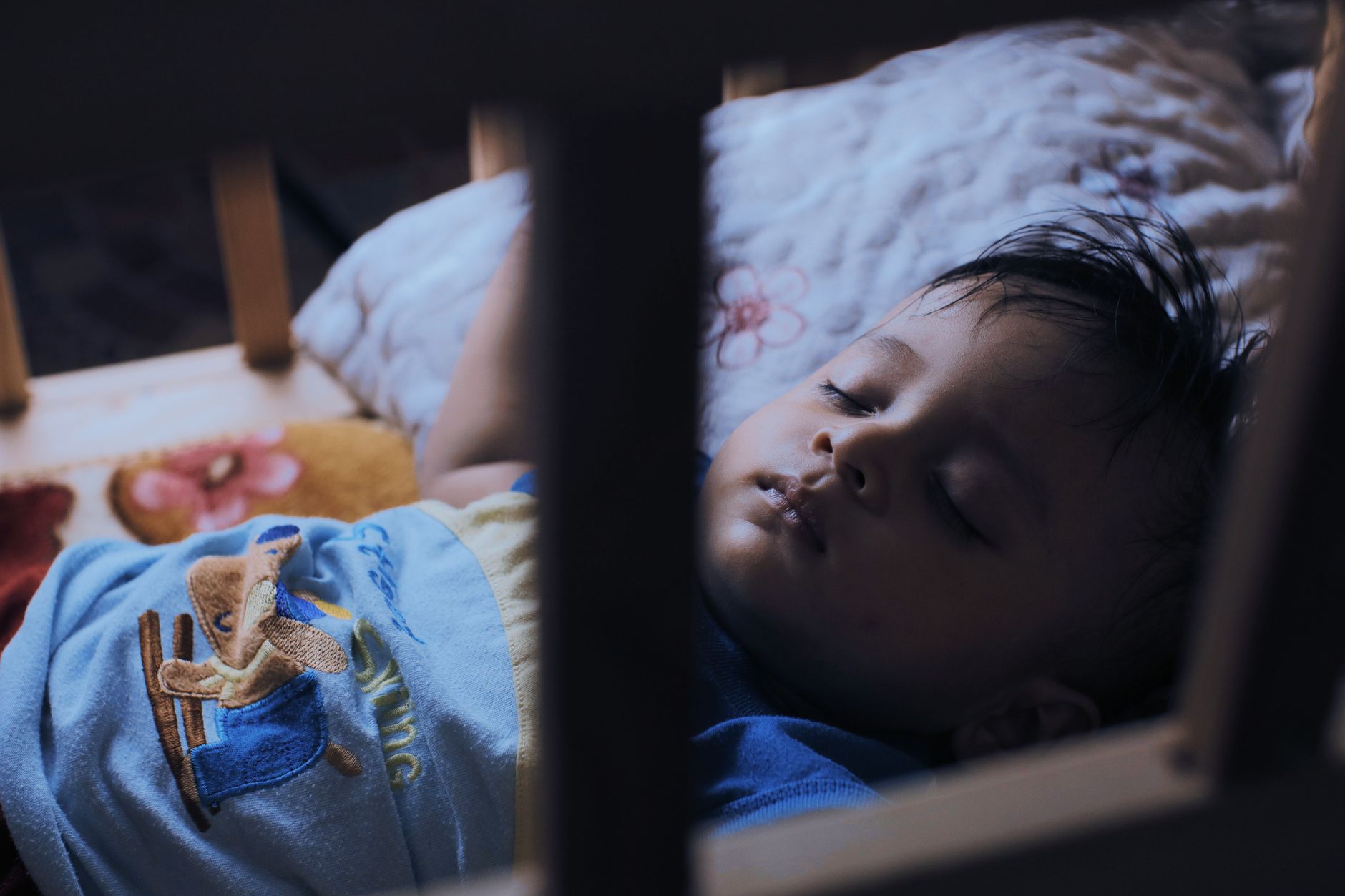
Sleep regression at 12 months is common, learn what causes it and how to help your baby sleep through the night, overcoming sleep regression 12 months
By Shubhra Mishra — a mom of two who turned her own confusion during pregnancy into BumpBites, a global mission to make food choices clear, safe, and stress-free for every expecting mother. 💛
Check whether any food is safe during pregnancy with the BumpBites Food Safety Checker.
Quick take: A 12‑month sleep regression is common, usually lasts a few weeks, and is often linked to teething or new developmental milestones. Gentle routine tweaks and a consistent nap schedule can help you and your baby get through it.
It’s 2 a.m., the house is quiet, and you’ve just heard the familiar whimper of your 12‑month‑old waking up again. You’re wondering whether this is “normal” or a sign that something is wrong. You’re not alone—many parents hit this spot of sleeplessness right around the one‑year mark.
In this article we’ll explain what a 12‑month sleep regression looks like, why it happens, how long it typically lasts, and what you can do tonight to calm the night‑time chaos. We’ll also compare it to other common regressions, walk through nap‑time adjustments, and tell you exactly when a pediatrician should be in the loop.
By the end you’ll have a clear plan, realistic expectations, and a few self‑care ideas to keep you from feeling completely exhausted.
What are the signs of a 12‑month sleep regression?
At twelve months babies are mastering a flood of new skills—walking, saying “mama” or “dada,” and asserting independence. Sleep, which once felt predictable, can become fragmented. Typical signs include:
Sudden increase in night‑time awakenings (often 2–3 times per night).
Shorter total sleep time, with the baby waking earlier in the morning.
Resisting bedtime that previously felt easy.
Increased clinginess at bedtime or after night wakings.
More frequent “self‑soothing” attempts that don’t succeed.
These changes differ from a normal, occasional night wake‑up because they tend to be consistent night after night, and the baby often seems more “fussy” overall. The regression may also be accompanied by a shift in nap patterns, such as shorter naps or a sudden need for an extra nap.
One parent we spoke with described the moment: “One night my 12‑month‑old, who never cried at night before, started waking up every hour. I thought I’d done something wrong, but then I realized it was the same pattern for a week.” This experience is typical, and recognizing the pattern helps you respond with confidence rather than panic.
Typical night‑time signs of a 12‑month sleep regression.
How long does a 12‑month sleep regression usually last, and how does it compare to other regressions?
Most experts, including the American Academy of Pediatrics (AAP), note that a 12‑month regression generally lasts **2–6 weeks**, though some families report it stretching to eight weeks. The duration is linked to how quickly the child adapts to new motor or language milestones.
To put this in perspective, here’s a quick comparison of the three most talked‑about regressions:
Age
Typical Trigger
Usual Duration
Key Sleep Change
4 months
Shift to lighter sleep cycles (more REM)
2–4 weeks
Shorter night sleep, more frequent night wakings
8–10 months
Separation anxiety, crawling
3–5 weeks
Resisting bedtime, increased night waking
12 months
Teething, language explosion, walking
2–6 weeks (up to 8)
Multiple night wakings, shorter naps
Notice the overlap: all regressions share a spike in night wakings, but the underlying trigger changes. The 12‑month regression often feels more “active” because the baby is learning to walk and talk, which can be both exciting and exhausting for a tiny brain.
In the UK, the NHS echoes these timelines, advising parents to expect a few weeks of disrupted sleep before patterns settle. If the regression stretches beyond eight weeks or is accompanied by concerning symptoms (fever, weight loss, persistent pain), it’s worth discussing with a pediatrician.
Why does my 12‑month‑old suddenly wake up at night?
Three main factors usually converge around the one‑year mark:
Teething pain
Most babies begin to experience teething discomfort between 10 and 14 months. The eruption of the first molars can cause gum swelling, drooling, and a low‑grade fever. The pain often peaks at night, making it harder for a baby to stay asleep. The American Dental Association (ADA) recommends offering a chilled teething ring or a gentle massage of the gums before bedtime.
Developmental milestones
Walking, saying first words, and developing object permanence are huge cognitive leaps. Babies start to practice new motor skills even while in their sleep, which can lead to brief arousals. Additionally, the newfound ability to understand “no” can spark frustration, prompting night‑time crying.
Separation anxiety
By twelve months, many children recognize that parents are separate entities, and they may feel anxious when left alone in the crib. This anxiety often surfaces at night when the comforting presence of a parent is missing.
All three triggers can coexist. A parent who notices a swollen gum, a new step taken in the morning, and a clingy bedtime routine is likely dealing with the perfect storm of teething, milestone excitement, and separation anxiety.
Tips to help a 12‑month‑old get through a sleep regression
Because the regression is usually temporary, the goal is to provide consistency and comfort without creating long‑term sleep associations that could become problematic later.
Best bedtime routine for a 12‑month‑old during regression
A soothing routine signals to the brain that it’s time to wind down. Aim for a 20‑minute sequence that includes:
Dim lights and a quiet room (soft white noise or a lullaby).
A warm bath, which can calm teething inflammation.
Gentle massage with a baby‑safe, fragrance‑free lotion.
A short story or a song that includes the baby’s name.
One final cuddle, then place the baby in the crib drowsy but awake.
Keep the routine the same every night; predictability reduces anxiety.
What foods to avoid before bedtime for a 12‑month‑old
Heavy or sugary foods can interfere with sleep cycles. Try to avoid:
Large portions of cheese or yogurt right before bed (high protein can keep them alert).
Fruit juices or sweetened cereals (the sugar spike can cause a brief wake‑up).
Spicy or highly seasoned foods that may cause reflux.
Instead, offer a small, easily digestible snack if the baby seems hungry—such as a banana slice or a few crackers—about an hour before the routine.
Soothing techniques that don’t create dependence
When your child wakes, try these steps before picking them up:
Give a few seconds for self‑soothing. Many babies will settle on their own.
Offer a gentle pat or rub on the back, keeping the interaction brief.
If the crying persists, use a “shush” sound or white‑noise machine to mask sudden noises.
Only pick up if the baby is truly distressed; otherwise, stay seated and let them settle.
Parental self‑care
Sleep loss affects your mood and immune system. Try to:
Take 20‑minute power naps when the baby naps.
Share nighttime duties with a partner or trusted caregiver.
Stay hydrated and eat balanced meals; low blood sugar can amplify irritability.
Ask for help from friends or family for an evening “break” once a week.
Creating a calm bedtime environment can ease a 12‑month regression.
How should I adjust the nap schedule during a 12‑month sleep regression?
Nap timing is a crucial lever. At twelve months most children need **2 – 3 naps** per day, totaling 2–3 hours of daytime sleep. During a regression, naps often become shorter or more fragmented.
How many naps should a 12‑month‑old have during sleep regression?
Maintain two naps if your child is already on that schedule. If they still take three, you can gently shift to two by moving the morning nap a bit later (around 10 a.m.) and the afternoon nap closer to 2 p.m. This helps prevent overtiredness, which can worsen night wakings.
Tips for nap‑time adjustments
Watch for sleepy cues. Rub eyes, yawning, or a loss of interest in play signals it’s time for a nap.
Keep the nap environment consistent. Use the same crib, same darkness level, and a brief pre‑nap routine.
Limit nap length to 90 minutes. Longer naps can cut into night sleep, especially if the baby wakes up late in the afternoon.
Stay flexible. If the child resists a scheduled nap, a short “quiet time” with books may be better than forcing sleep.
Adjusting nap timing by as little as 15–30 minutes can make a noticeable difference in how rested the baby feels at bedtime.
When should I seek pediatric help for a 12‑month sleep regression?
Most regressions resolve on their own, but certain red‑flag signs warrant a professional opinion:
Night wakings persist for more than eight weeks despite consistent routine.
Baby shows signs of pain that don’t improve with teething remedies (high fever, refusal to eat, persistent crying).
Significant weight loss or failure to thrive (less than two pounds lost over a month).
Any breathing difficulty, wheezing, or choking episodes at night.
If you notice any of these, schedule an appointment with your pediatrician. They can rule out medical issues such as reflux, ear infections, or allergies that may be masquerading as a sleep problem.
Regarding sleep training, the AAP says it can be introduced after the regression stabilizes—usually after the child has settled into a more predictable sleep pattern for at least a month. Gentle “no‑cry” methods (like the “pick‑up‑put‑down” technique) are generally safe at twelve months, but always discuss your plan with the pediatrician first.
From our medical team: A 12‑month regression is usually a phase, not a chronic condition. If you keep a calm, consistent routine and address teething discomfort, most families see improvement within a few weeks. Don’t hesitate to call your doctor if pain, fever, or rapid weight loss accompany the sleep changes.
Myth vs. fact
Myth: A 12‑month regression means the baby will never sleep through the night again.
Fact: For most children the regression is temporary; night‑time sleep usually consolidates by 14–16 months.
Myth: You should let the baby “cry it out” to break the regression.
Fact: Abrupt “cry‑it‑out” can increase stress for both baby and parent. Gentle, responsive methods are safer and align with AAP guidelines.
Myth: Teething always causes a full‑blown regression.
Fact: While teething can disrupt sleep, many babies experience only mild changes; other factors like language milestones often play a larger role.
Key takeaways
Expect 2–6 weeks of disrupted sleep around the one‑year mark.
Teething, walking, and language explosions are the main triggers.
Maintain a consistent, soothing bedtime routine and adjust naps gently.
Avoid heavy or sugary foods close to bedtime.
Seek pediatric advice if night wakings exceed eight weeks or accompany pain, fever, or weight loss.
Frequently asked questions
What causes a sleep regression at 12 months?
Most often it’s a combo of teething pain, rapid developmental milestones like walking and first words, and emerging separation anxiety—all of which can interrupt a previously stable sleep pattern.
How many nights will a 12‑month sleep regression last?
Typically 2–6 weeks, though some families report up to eight weeks; the exact length depends on how quickly the child adapts to new skills and how well the sleep routine is supported.
Is it normal for a 12‑month old to wake up multiple times a night?
Yes. Frequent night wakings are a hallmark of the 12‑month regression, especially when accompanied by new motor or language abilities.
Can teething be the reason for a 12‑month sleep regression?
Teething often coincides with the regression and can intensify night discomfort, but it usually works together with developmental changes rather than acting alone.
Should I change my baby’s bedtime during a sleep regression?
Only minor adjustments—like moving bedtime 15‑30 minutes earlier or later—are recommended. Drastic shifts can further destabilize sleep.
When should I be concerned about a 12‑month sleep regression?
If night wakings persist beyond eight weeks, are accompanied by fever, significant weight loss, or signs of persistent pain, it’s time to contact your pediatrician.
When to call your doctor
If your baby experiences any of the following, reach out promptly:
Fever higher than 100.4 °F (38 °C) lasting more than 24 hours.
Persistent crying that doesn’t improve with teething remedies.
Noticeable weight loss or failure to gain weight.
Breathing difficulties, wheezing, or choking episodes at night.
Night wakings that continue for more than eight weeks despite consistent routines.
This article provides general information and is not a substitute for personalized medical advice. Always discuss your baby’s specific situation with a qualified healthcare provider.
References
American Academy of Pediatrics. “Sleep Guidelines for Infants and Toddlers.” AAP Clinical Report, 2023.
National Health Service (UK). “Baby sleep and teething.” NHS website, updated 2024.
American Dental Association. “Teething and infant oral health.” ADA Guidance, 2022.
World Health Organization. “Infant and Young Child Feeding.” WHO, 2021.
National Institute of Child Health and Human Development. “Developmental Milestones: 12 months.” NICHD, 2023.
American Academy of Family Physicians. “Sleep Regression in the First Year.” AAFP, 2023.
Royal College of Paediatrics and Child Health. “Guidelines on Sleep in Early Childhood.” RCPCH, 2022.
U.S. Food and Drug Administration. “Safe Use of Over‑the‑Counter Pain Relievers for Infants.” FDA, 2023.
Not sure about the label on Sleep Regression 12 Months products?
Snap the ingredients list and SafeFilter checks every ingredient for your stage — only 3 free scans this month, then you're locked until reset. Unlimited from $7/mo or $50/yr.
When Shubhra Mishra was expecting her first child in 2016, she was overwhelmed by conflicting food advice — one site said yes, another said never. By the time her second baby arrived in 2019, she realized millions of mothers face the same confusion.
That sparked a five-year journey through clinical nutrition papers, cultural diets, and expert conversations — all leading to BumpBites: a calm, compassionate space where science meets everyday motherhood.
Her long-term vision is to build a global community ensuring safe, supported, and free deliveriesfor every mother — because no woman should face pregnancy alone or uninformed. 🌿
🌍 Stand with mothers, shape safer guidance
Join a small circle of experts who review BumpBites articles so expecting parents everywhere can decide with confidence.