Quick take: ✅ Yes, you can enjoy a pedicure while pregnant, but choose a clean, well‑ventilated salon, opt for low‑chemical polish, and avoid deep foot massages or prolonged soaking in hot water. Keep an eye on infection signs and talk to your provider if you have any concerns.
Imagine it’s a rainy Tuesday evening. You’re curled up on the couch, scrolling through a list of “self‑care ideas for pregnant moms,” and a bright‑colored ad for a nearby nail salon catches your eye. A quick pampering session sounds perfect, but a knot of worry tightens in your stomach—“Is it safe to get a pedicure during pregnancy?” You’re not alone. Many expectant mothers wonder if a simple foot soak could put their baby at risk.
In this guide we’ll walk you through everything you need to know about prenatal pedicures, from infection‑control basics to trimester‑specific tweaks. By the end you’ll feel confident deciding whether to book that appointment, how to choose a pregnancy‑friendly salon, and what after‑care steps protect both you and your little one.
We’ll cover the most common questions people type into Google, such as “can pregnant women get a foot soak at a salon” and “should I avoid nail polish while pregnant.” You’ll also get practical tips for swollen feet, safe polish alternatives, and a quick‑reference table that makes choosing a salon a breeze.
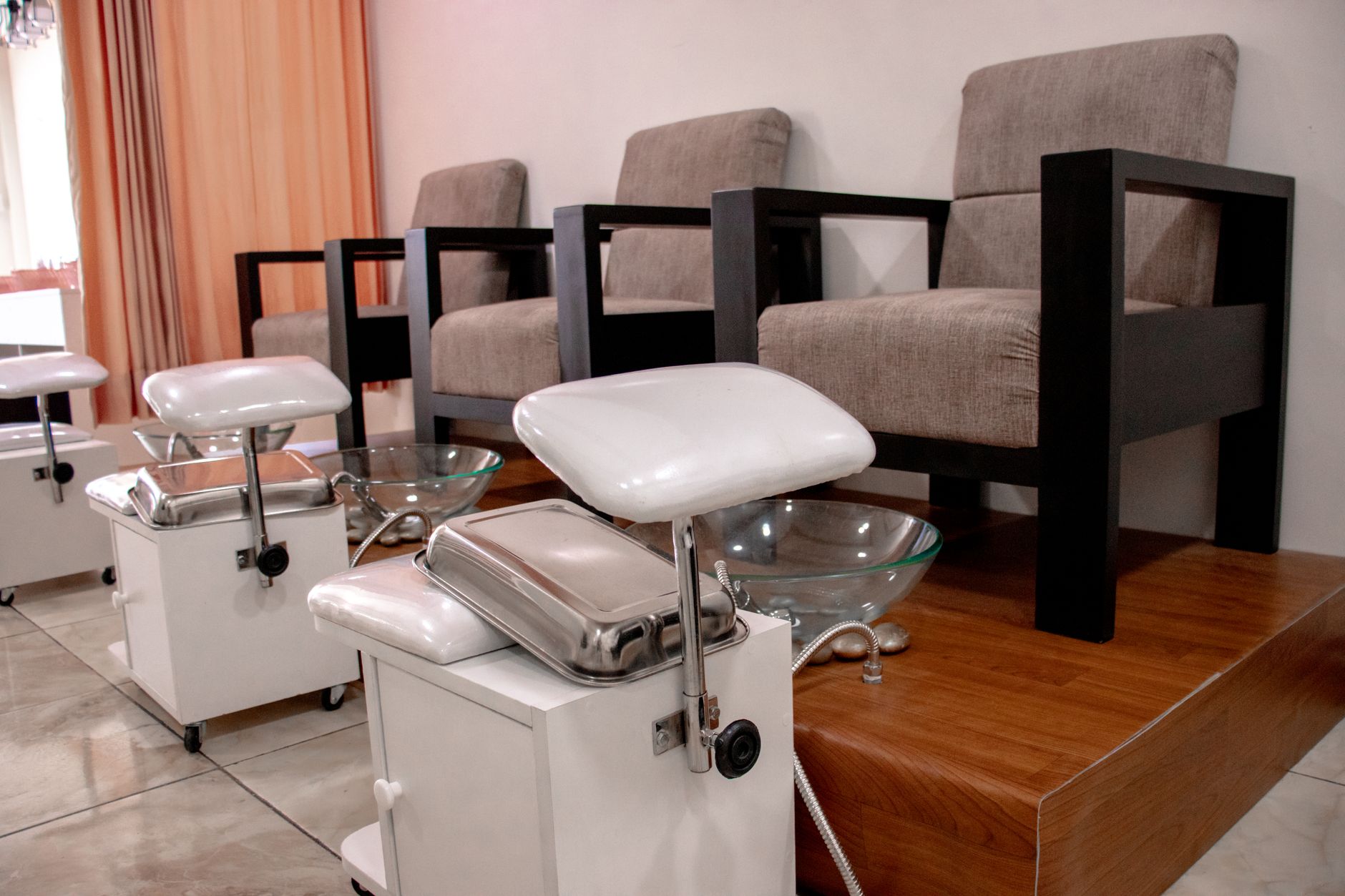
Is it safe to get a pedicure during pregnancy?
The short answer is yes—most standard pedicures are safe for pregnant women when basic hygiene and comfort guidelines are followed. Professional salons are required to sterilize tools, and reputable technicians use disposable files and buffers. However, safety hinges on three main factors: infection risk, chemical exposure, and pressure on the lower limbs.
Infection risk is the biggest concern. Pregnant bodies experience a modest immune shift, making you slightly more susceptible to bacterial or fungal infections. A clean salon that follows CDC‑recommended sanitation—using autoclave‑sterilized metal tools, disposable foot files, and fresh towels—greatly reduces this risk.
Chemical exposure mainly comes from nail polish, remover, and sometimes the foot soak solution. Most modern “3‑free” or “5‑free” polishes avoid the most infamous toxins (toluene, dibutyl phthalate, formaldehyde). Still, the FDA advises pregnant women to minimize inhalation of volatile organic compounds (VOCs). Choosing a well‑ventilated space or a salon that offers a “no‑smell” polish can keep you in the clear.
Finally, pressure matters. Prolonged foot soaking in water hotter than 100°F (38°C) can raise core body temperature, a known risk for fetal development, especially in the first trimester. A gentle foot soak at lukewarm temperature (around 95°F/35°C) for no longer than 10‑15 minutes is considered safe.
Bottom line: a pedicure is generally fine, but ask your technician about sanitation, choose low‑chemical polish, and keep the soak warm—not hot.
It’s also wise to let your OB‑GYN know you plan to get a pedicure, especially if you’ve had a history of skin infections or circulatory issues. A quick note in your prenatal chart helps your provider keep an eye out for any red‑flag symptoms later on.
Y
es—if the soak meets a few safety criteria. A foot soak can be soothing for swollen ankles, a common pregnancy complaint, but the water temperature, duration, and additives matter.
Temperature: Keep the water at or below 100°F (38°C). Hot water can raise maternal core temperature, which the American College of Obstetricians and Gynecologists (ACOG) warns against, especially during the first trimester.
Duration: Limit the soak to 10‑15 minutes. Longer exposures increase the chance of overheating and can also dry out your skin.
Additives: Avoid strong antiseptic solutions like iodine or chlorine, which may irritate the skin. Simple warm water with a splash of mild, fragrance‑free soap is sufficient.
If a salon offers a “spa foot soak” with essential oils, ask about the ingredients. Some essential oils (e.g., rosemary, peppermint) are generally safe, but others (e.g., clary sage) are best avoided during pregnancy. When in doubt, request a plain water soak.
Many salons now provide a “pregnancy‑friendly” foot soak option—warm water, no strong fragrances, and a short duration. If you’re unsure, bring your own basin of lukewarm water to the appointment.
Remember to keep a glass of water nearby during the soak. Staying hydrated helps regulate your body temperature and reduces the likelihood of dizziness.
What are the risks of a pedicure for pregnant moms?
While most pedicures are low‑risk, a few potential hazards deserve attention:
- Infections: Bacterial (Staphylococcus aureus) or fungal (Candida) infections can arise from unsterilized tools or damp environments. Symptoms include redness, swelling, pain, or unusual discharge.
- Chemical exposure: Volatile compounds in traditional nail polish (toluene, formaldehyde, dibutyl phthalate) and strong nail‑remover fumes can be inhaled. Although occasional exposure is unlikely to cause harm, chronic exposure should be minimized.
- Pressure & circulation: Deep foot massage or aggressive filing can compress blood vessels, potentially worsening swelling or, rarely, triggering a faint.
- Heat: Prolonged hot water soaks can raise core temperature, a particular concern in the first trimester when organ formation is occurring.
- Allergic reactions: Some pregnant women develop heightened skin sensitivity, leading to contact dermatitis from polish or lotion.
Being aware of these risks helps you ask the right questions at the salon and take steps to protect yourself.
If you have a history of eczema or allergic skin reactions, bring a list of known triggers to your appointment. This lets the technician avoid products that could provoke a flare‑up.
Should I avoid nail polish while pregnant?
The simple answer: you don’t have to quit nail polish, but you should choose safer formulas.
Traditional “3‑free” polishes eliminate the three most concerning chemicals—toluene, dibutyl phthalate (DBP), and formaldehyde. Many brands go further, offering “5‑free” (adding camphor and formaldehyde resin) or “10‑free” options that avoid a broader list of VOCs.
Look for these labels:
- 3‑free, 5‑free, or 10‑free: Indicates avoidance of the most problematic ingredients.
- Water‑based or “non‑toxic”: Uses fewer solvents and often dries faster.
- Fragrance‑free: Reduces the chance of inhalation irritation.
If you’re especially cautious, you can opt for a clear, non‑pigmented polish, which typically contains fewer additives. Another low‑risk alternative is a breathable, “nail‑strengthening” base coat that’s free of harsh chemicals.
Regardless of the product, ensure the salon’s ventilation is good. A fresh‑air fan or open window helps disperse any lingering fumes.
The FDA’s Cosmetic Ingredient Review (CIR) panel continues to monitor nail‑polish ingredients for safety. While no ingredient is outright banned, the panel recommends limiting exposure to high‑VOC products during pregnancy.
Are there any special pedicure precautions for the third trimester?
The third trimester (weeks 28‑40) brings increased swelling, reduced balance, and a higher chance of blood‑clotting issues. Here’s a quick checklist for safe third‑trimester pedicures:
In the third trimester, you may also notice varicose veins or spider veins. Ask the technician to avoid aggressive filing near these areas, as that could cause bruising.
Additionally, because blood circulation slows, it’s wise to keep your feet elevated after the appointment. A quick 5‑minute leg‑raise on a stool can reduce post‑pedicure swelling.
If you experience sudden, severe swelling or pain that doesn’t improve with elevation, contact your OB‑GYN promptly. These could be signs of pre‑eclampsia, a condition that requires immediate medical attention.
Bringing your own tools is not required if the salon follows proper sterilization standards, but many pregnant clients feel more comfortable with their own kit. Here’s what to consider:
- Disposable tools: Most salons use single‑use files, buffers, and toe separators. If these are provided, you’re covered.
- Reusable metal tools: If the salon uses metal clippers or cuticle nippers, they should be autoclaved. You can ask to see the sterilization log; a reputable salon will gladly share it.
- Personal kits: Bringing a small, sanitized kit—your own file, buffer, and a bottle of non‑toxic polish—gives you full control. Just let the technician know ahead of time.
If you decide to bring your own items, keep them in a clean zip‑lock bag and store them in a cool, dry place until the appointment.
When you arrive, place your kit on a fresh towel and ask the technician to wipe down the work surface with an EPA‑registered disinfectant. This extra step adds a layer of reassurance without disrupting the salon flow.
Can a pedicure cause infections during pregnancy?
Infection is the most common complication linked to pedicures, but it’s preventable with proper hygiene. The CDC recommends that salons:
- Use an autoclave for all metal instruments.
- Replace disposable items after each client.
- Wash towels and linens in hot water (at least 160°F/71°C).
- Maintain a clean work surface and hand‑wash staff between clients.
If a salon cannot demonstrate these practices, it’s best to skip the appointment. Signs of infection after a pedicure include:
- Redness or warmth spreading beyond the nail bed.
- Pain that worsens rather than improves.
- Fever, chills, or flu‑like symptoms.
- Unusual discharge or pus.
Should any of these appear, contact your OB‑GYN promptly. Infections like cellulitis or a severe fungal infection can affect pregnancy outcomes if left untreated.
Women with gestational diabetes should be especially vigilant, as higher blood sugar can promote fungal growth. A quick check of blood glucose after a pedicure can help you catch any spikes early.
Gentle foot massage is generally safe and can actually relieve swelling, improve circulation, and reduce stress—benefits that many pregnant women appreciate. However, a few guidelines keep it pregnancy‑friendly:
- Pressure: Avoid deep, firm pressure on the arch or ankle. Light strokes and kneading are sufficient.
- Position: Sit comfortably with your feet elevated on a pillow or footstool. This helps prevent dizziness.
- Duration: Keep the massage to 10‑15 minutes to avoid overstimulating the nerves.
- Avoid certain points: Reflexology points that correspond to the uterus are sometimes discouraged by some practitioners, though evidence is limited. If you’re uncomfortable, ask the therapist to focus on general relaxation rather than specific reflex points.
Always let the therapist know you’re pregnant. A qualified massage therapist trained in prenatal care will adapt their technique accordingly.
If you have a history of blood clots or varicose veins, discuss foot massage with your OB‑GYN first. In rare cases, vigorous massage could dislodge a clot, so a medical green light is prudent.
How to choose a pregnancy‑friendly pedicure (and safe alternatives)
Choosing the right salon is the cornerstone of a worry‑free pedicure. Here’s a step‑by‑step checklist:
- Research reviews: Look for comments about cleanliness, staff professionalism, and any mention of “pregnancy‑friendly” services.
- Call ahead: Ask specific questions—“Do you use autoclave‑sterilized tools?” “What polish brands do you use?” “Can you provide a low‑heat foot soak?”
- Check ventilation: A well‑ventilated space or a salon that uses a low‑odor polish reduces inhalation risks.
- Ask about alternatives: Many salons now offer “gel‑free” or “water‑based” polish, as well as a simple buff‑only option that skips polish entirely.
- Bring your own kit if you prefer: As mentioned earlier, a personal set of tools and a favorite non‑toxic polish can give you extra peace of mind.
If you’d rather stay home, consider these safe at‑home alternatives:
- DIY foot soak: Warm water with a teaspoon of Epsom salt (magnesium sulfate) can soothe swelling. Limit to 10‑15 minutes.
- Natural polish: Nail polish made from plant‑based pigments (e.g., beetroot, coffee) often contains fewer chemicals.
- Buff‑only care: A gentle buff removes surface shine without any polish, reducing chemical exposure altogether.
Remember, the goal is to keep your feet healthy, comfortable, and infection‑free while enjoying a little pampering.
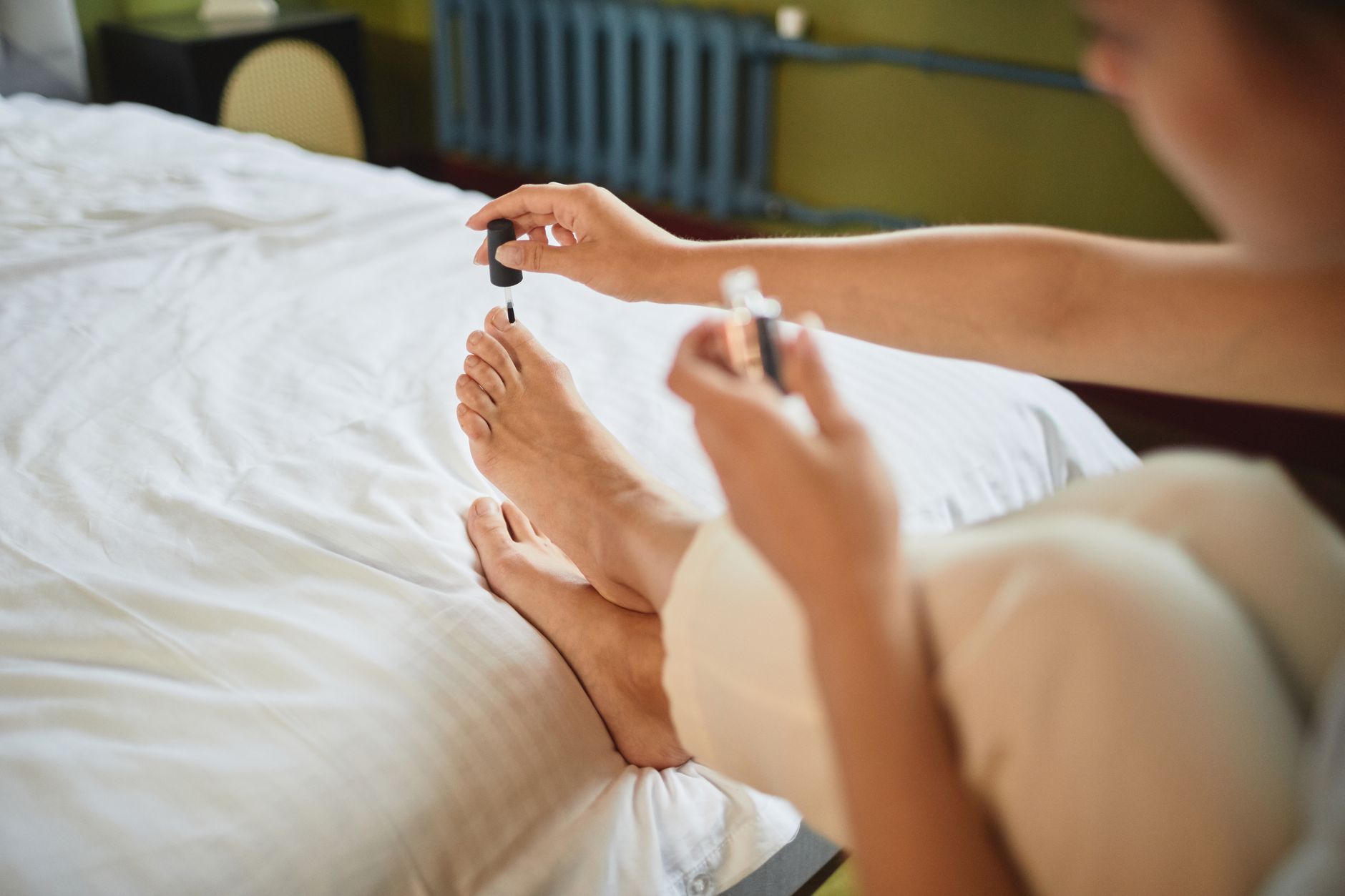
Swollen feet—medically known as edema—affect up to 80 % of pregnant women, especially in the third trimester. Here are evidence‑based strategies to keep your feet feeling lighter:
- Elevate your feet: Whenever you sit, prop your feet on a stool or pillow to promote venous return.
- Stay hydrated: Drinking enough water helps your body retain less fluid overall.
- Compression socks: Graduated compression socks (15‑20 mmHg) can reduce swelling. Choose a breathable, cotton blend for comfort.
- Gentle movement: Simple ankle circles, calf raises, or a short walk each hour improves circulation.
- Cool compress: After a pedicure, apply a cool (not ice‑cold) cloth to the ankles for 10 minutes to decrease swelling.
These tips work hand‑in‑hand with a safe pedicure routine, helping you feel refreshed rather than puffy.
In addition, consider a magnesium‑rich diet (leafy greens, nuts, seeds) which can help reduce fluid retention. If swelling becomes severe or sudden, it could signal pre‑eclampsia, so contact your provider right away.
What to expect at a prenatal pedicure appointment
Knowing the flow of a pregnancy‑friendly pedicure helps you relax and ask the right questions. A typical appointment looks like this:
- Consultation: The technician asks about your due date, any foot issues, and any sensitivities.
- Sanitation check: You’ll see the autoclave or disposable tools laid out.
- Foot soak: Warm (not hot) water for up to 15 minutes, often with a mild soap.
- Gentle exfoliation: A soft scrub or pumice stone to remove dead skin.
- Nail shaping: Using a clean file; no aggressive cutting of cuticles.
- Polish application (optional): Low‑VOC, “3‑free” polish applied in a well‑ventilated area.
- Finish: A brief hand massage (if desired) and a quick check for any signs of irritation.
Throughout the session, you should feel comfortable speaking up. If anything feels too hot, too tight, or otherwise uncomfortable, let the technician pause.
After the session, the technician will typically hand you a small card with after‑care instructions—keep it handy for reference when you’re at home.
Post‑pregnancy pedicure recovery tips
After you’ve given birth, your feet may still be swollen or sore. Here’s how to transition back to regular pedicures safely:
- Wait until your doctor clears you: Most providers advise waiting 4‑6 weeks postpartum before any foot soak that involves hot water.
- Start with a gentle buff: Avoid harsh filing until your nails have grown out a bit.
- Hydrate skin: Use a fragrance‑free foot cream with ingredients like urea or lactic acid to keep skin soft.
- Watch for infection: Post‑partum immune changes can still make you susceptible. If redness, pain, or discharge appear, contact your OB‑GYN.
When you feel ready, resume a low‑chemical polish and a brief foot soak—just as you did during pregnancy—but now you can also enjoy a slightly warmer temperature if your provider says it’s okay.
Many new moms find that a short, weekly foot massage helps alleviate lingering soreness from labor. Choose a therapist who is certified in postpartum care for the safest experience.

Pedicures for pregnant women with gestational diabetes
Gestational diabetes raises the risk of fungal infections because higher blood‑sugar levels create a favorable environment for yeast. If you have this condition, extra precautions are wise.
Ask the salon to use fresh, clean water for each client and to disinfect all tools with an EPA‑registered disinfectant. Opt for a short, lukewarm soak and avoid any sugary or scented additives that could leave residue on the skin.
After the pedicure, inspect your feet for any signs of redness, itching, or a white‑yellow coating on the nails—early signs of a candida infection. If you notice anything unusual, schedule a follow‑up with your OB‑GYN or endocrinologist.
Because gestational diabetes can affect circulation, keep your feet elevated and wear compression socks as recommended by your provider. These steps help prevent swelling and reduce infection risk.
Gel vs. regular polish: what’s safest in pregnancy?
Gel polish requires a UV or LED lamp to cure, exposing your skin to light and sometimes higher levels of VOCs. While the FDA has not classified gel polish as unsafe, the ACOG advises minimizing prolonged exposure to UV light during pregnancy, especially in the first trimester.
If you love the durability of gel, look for “no‑lamp” gel alternatives that harden air‑dry. Otherwise, stick with traditional water‑based, low‑VOC polishes that don’t need a lamp. If a salon insists on a UV lamp, ask to keep the exposure under 30 seconds per hand and avoid direct skin contact with the lamp.
Another option is a dip‑in polish, which uses a powder and a binding solution that hardens without a lamp. These tend to have fewer chemicals and no UV exposure, making them a safer middle ground.
Regardless of the type, ensure the salon ventilates the area well and uses a low‑odor, low‑VOC formula. This combination protects both you and your developing baby.
At‑home pedicure safety checklist for pregnant women
If you prefer the comfort of home, follow this quick checklist before you start:
- Sanitize tools: Soak metal tools in boiling water for 10 minutes or run them through an autoclave if you have access.
- Use fresh water: Change the soak water every 5 minutes to prevent bacterial growth.
- Temperature check: Use a thermometer; keep the water at ≤100°F (38°C).
- Choose low‑VOC polish: Pick a “3‑free” or water‑based brand and work in a well‑ventilated room.
- Limit soak time: Set a timer for 10‑15 minutes.
- After‑care: Pat feet dry, apply a fragrance‑free moisturizer, and elevate for a few minutes.
Having these steps written down can calm anxiety and ensure you stay within safe parameters. If you ever feel dizzy or notice your skin turning red during the soak, stop immediately and cool down with a cool compress.
Myth vs. fact
Myth: All nail polish is unsafe during pregnancy.
Fact: Most modern “3‑free” or “5‑free” polishes are considered low‑risk when used in a well‑ventilated area. The key is to avoid high‑VOC products and limit exposure.
Myth: You must avoid any foot massage while pregnant.
Fact: Gentle foot massage is safe and can relieve swelling and stress. Deep pressure or reflexology points related to the uterus should be avoided unless advised otherwise by a qualified prenatal therapist.
Myth: Pedicures cause preterm labor.
Fact: There is no evidence linking a standard, low‑temperature pedicure to preterm labor. Overheating from very hot water or prolonged exposure could raise core temperature, which is why temperature limits are recommended.
Key takeaways
- Pedicures are generally safe during pregnancy when salons follow strict sanitation and use low‑chemical polish.
- Keep foot soaks warm (≤100°F), short (10‑15 min), and free of strong additives.
- Choose “3‑free” or “5‑free” nail polish, or opt for a natural, water‑based alternative.
- Third‑trimester feet need extra elevation, gentle pressure, and careful monitoring of swelling.
- Bring your own tools or verify the salon’s sterilization process if you feel uneasy.
- Gentle foot massage is beneficial; avoid deep pressure and overheating.
- If you have gestational diabetes, be extra vigilant about fungal infection risk.
- Prefer traditional polish over gel to limit UV exposure; if you use gel, keep lamp time brief.
Frequently asked questions
Can a pregnant woman get a pedicure without any risk?
While no procedure is 100 % risk‑free, a pedicure performed in a clean, well‑ventilated salon using low‑VOC polish and a lukewarm foot soak is considered low risk for most pregnant women. Always discuss any concerns with your OB‑GYN.
Yes, a gentle foot massage is safe and can help reduce swelling and stress. Keep the pressure light, limit the session to 10‑15 minutes, and avoid deep reflexology points that target the uterus.
What type of nail polish is safe for pregnant women?
Look for “3‑free,” “5‑free,” or “10‑free” polishes that omit toluene, dibutyl phthalate, formaldehyde, camphor, and formaldehyde resin. Water‑based or plant‑based polishes are also low‑risk options.
Prefer salons that use disposable files and buffers. If metal tools are reused, they should be autoclaved. Bringing your own sanitized kit is another safe option.
Can a pedicure cause a yeast infection in pregnant women?
Yes, if the salon’s foot soak water is overly warm or not changed between clients, it can foster Candida growth. Ensure the salon uses fresh, clean water and that tools are sterilized.
How often can a pregnant woman get a pedicure safely?
Most experts suggest spacing pedicures 4‑6 weeks apart, allowing your nails to grow and reducing cumulative chemical exposure. If you have severe swelling or a history of infections, consult your provider for a personalized schedule.
Is spray‑on nail polish safe during pregnancy?
Spray‑on polishes can release more aerosolized VOCs than brush‑applied versions. If you choose a spray, use it in a well‑ventilated room, keep the nozzle at least 12 inches from the skin, and limit the number of coats. Opting for a traditional brush application is generally a safer choice.
What should I do if my feet swell after a pedicure?
First, elevate your feet on a pillow for 10‑15 minutes and apply a cool compress. If swelling persists beyond a day, or if you notice pain, redness, or warmth, contact your OB‑GYN. Persistent swelling could signal a circulatory issue that needs medical evaluation.
When to see a doctor / specialist
If you notice any of the following after a pedicure, contact your OB‑GYN or a dermatologist promptly:
- Rapidly spreading redness, warmth, or swelling around the nail beds.
- Pain that intensifies rather than eases within 24‑48 hours.
- Fever (temperature ≥ 100.4°F/38°C) or chills.
- Unusual discharge, pus, or foul odor from the toe or nail area.
- Severe itching, blistering, or signs of a fungal infection (white patches, thickened nails).
These symptoms could signal an infection that might affect pregnancy outcomes if left untreated. Early evaluation ensures both you and your baby stay healthy.
References
- American College of Obstetricians and Gynecologists (ACOG). “Guidelines for Prenatal Care.” 2023.
- Centers for Disease Control and Prevention (CDC). “Infection Control in Beauty Salons.” 2022.
- U.S. Food and Drug Administration (FDA). “Cosmetics: Safety and Labeling.” Updated 2021.
- American Academy of Dermatology (AAD). “Nail Care During Pregnancy.” 2022.
- Harvard T.H. Chan School of Public Health. “Understanding Volatile Organic Compounds (VOCs) in Cosmetics.” 2020.
- National Institute of Child Health and Human Development (NICHD). “Maternal Hyperthermia and Fetal Development.” 2021.
- World Health Organization (WHO). “Safe Practices for Personal Care Services.” 2022.
- American Diabetes Association (ADA). “Gestational Diabetes Mellitus.” 2023.
- National Institute of Health (NIH). “UV Light Exposure During Pregnancy.” 2022.



