Yes, you can safely manage sciatica during pregnancy by using gentle stretches, proper posture, heat therapy, and doctor‑approved exercises. Learn safe steps now.
By Shubhra Mishra — a mom of two who turned her own confusion during pregnancy into BumpBites, a global mission to make food choices clear, safe, and stress-free for every expecting mother. 💛
Check whether any food is safe during pregnancy with the BumpBites Food Safety Checker.
Quick take: Sciatica during pregnancy is common and usually manageable with gentle movement, supportive positioning, and safe home remedies. Most women find relief without medication, and symptoms often improve after delivery. If pain becomes severe, sudden, or is accompanied by numbness or loss of bladder control, contact your provider right away.
Imagine it’s 2 a.m., you’ve just settled into bed after a long day of waddling around the nursery, and a sharp, shooting pain shoots from your lower back down the back of your thigh. Your mind races: “Is this something serious? Can I still carry my baby safely?” You’re not alone. Sciatica—pain along the sciatic nerve—affects up to one‑third of pregnant people, especially as the belly grows and the pelvis shifts.
In this guide we’ll explain exactly what sciatica is, why pregnancy makes it more likely, and how you can ease the ache without resorting to medication. We’ll walk through safe exercises, nighttime positioning tricks, and lifestyle tweaks you can start today. By the end you’ll have a clear plan for managing nerve pain, plus answers to the most common questions that pop up on Google and in the doctor’s office.
We’ll also cover when sciatica might signal another issue, how it differs from ordinary back soreness, and what to expect after your baby arrives. All recommendations are grounded in guidance from ACOG, the NHS, and the UK’s NICE guidelines, so you can feel confident that you’re following evidence‑based advice.
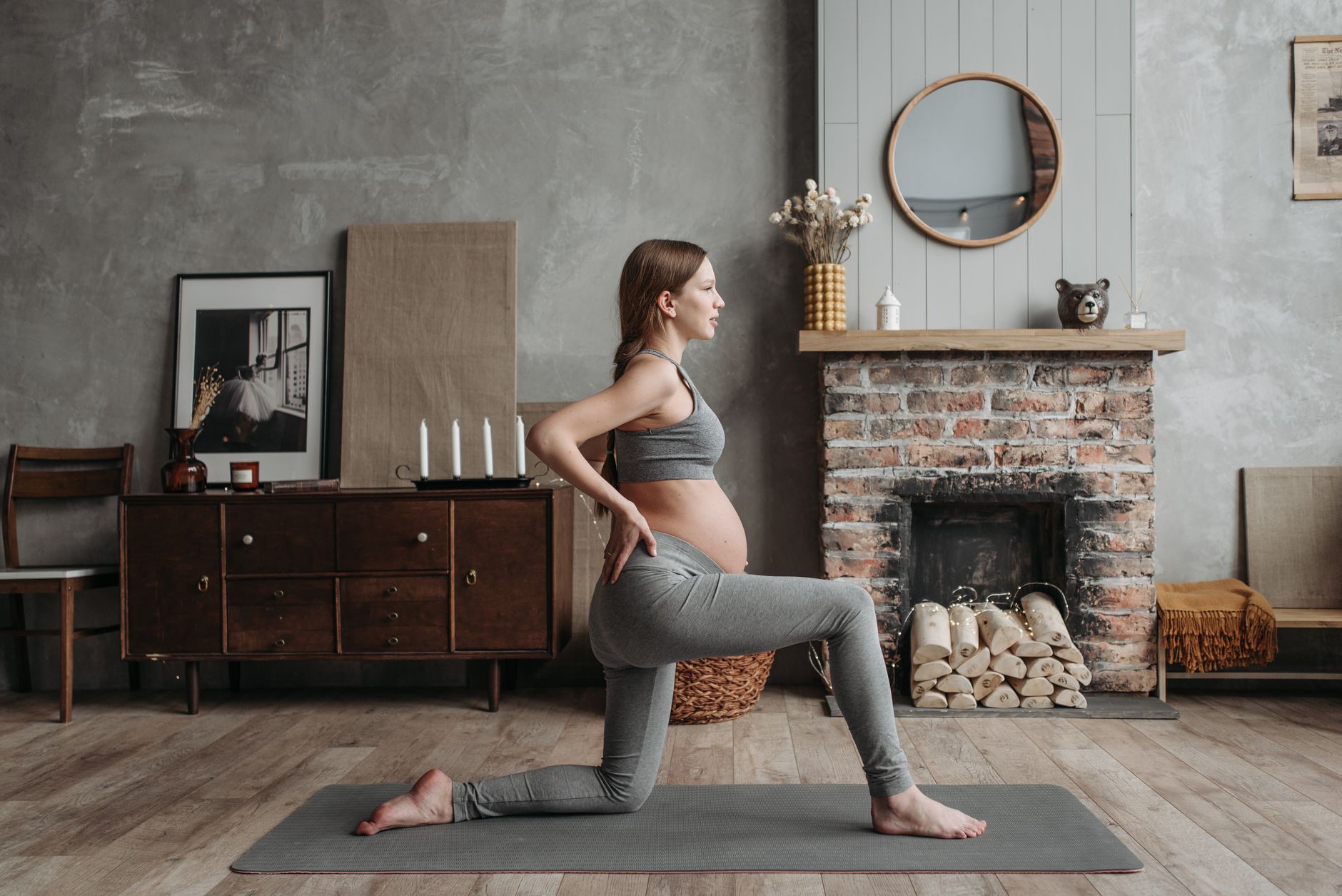
Gentle stretches can ease sciatic nerve pressure without harming your baby.
What causes sciatica during pregnancy?
Pregnancy reshapes your body in ways that can compress the sciatic nerve—the largest nerve in the body that runs from the lower spine, through the buttocks, and down each leg. The most common culprits are:
Uterine growth: As the uterus expands, it can press on the pelvic nerves, especially the piriformis muscle that sits near the sciatic nerve.
Hormonal changes: The hormone relaxin loosens ligaments to prepare the pelvis for birth, but this also reduces spinal stability, increasing pressure on nerves.
Weight gain and posture shifts: Extra weight shifts your center of gravity forward, causing the lower spine to curve (lumbar lordosis) and narrowing the space where the nerve travels.
Pregnancy‑related edema: Fluid retention can swell surrounding tissues, adding another layer of compression.
These factors often work together, which is why sciatica can flare up suddenly or linger for weeks. The risk rises in the second and third trimesters when the uterus is biggest and the pelvis is most relaxed. Studies cited by the American College of Obstetricians and Gynecologists (ACOG) note that women with a prior history of back pain, a larger baby, or a higher pre‑pregnancy BMI are more likely to develop sciatica.
Beyond the mechanical forces, some researchers suggest that altered gait patterns—how you walk—and the increased stiffness of the sacroiliac joint can further aggravate the nerve. A 2021 systematic review in the Journal of Orthopaedic & Sports Physical Therapy found that gait changes in late pregnancy correlate with higher rates of sciatic symptoms, reinforcing the idea that dynamic factors matter as much as static pressure.
Understanding these mechanisms helps you target the right strategies. For example, if edema is a major contributor, simple measures like elevating the feet and staying well‑hydrated can make a noticeable difference. If ligament laxity is the main issue, a maternity support belt may provide the extra stability your pelvis needs.
Sciatica pregnancy symptoms and signs
T
he hallmark of sciatica is a deep, burning or stabbing pain that starts in the lower back or buttock and travels down the back of the thigh, sometimes reaching the calf or foot. Other clues include:
Numbness or tingling: A “pins‑and‑needles” sensation on the affected side.
Weakness: Difficulty lifting the foot (foot drop) is rare but warrants immediate medical attention.
Worsening with certain movements: Pain often intensifies when sitting, standing up, or twisting the torso.
Relief with lying flat: Lying on the opposite side or with knees bent can temporarily ease pressure.
Distinguishing sciatica from ordinary lower‑back soreness is important. While both cause discomfort, sciatica radiates down the leg and may be accompanied by numbness, whereas generic backache stays in the lumbar region. The NHS advises that a clinician can confirm sciatica through a physical exam that checks reflexes and leg strength; imaging is rarely needed unless red‑flag symptoms appear.
Red‑flag signs include sudden loss of bladder or bowel control, severe weakness, or fever—these may indicate a more serious spinal condition. In such cases, the provider may order an MRI to rule out disc herniation or cauda equina syndrome, a rare but urgent emergency.
Because the pain often fluctuates, many women keep a simple symptom diary. Recording the time of day, activity, and any relief measures gives your care team concrete data to tailor treatment and to rule out other causes.
Exercises for sciatica relief during pregnancy
Movement is your ally—staying active helps keep the spine flexible and reduces nerve compression. Below are three pregnancy‑safe exercises that target the piriformis and surrounding muscles without overloading the abdomen.
1. Seated piriformis stretch
Sit on a sturdy chair with both feet flat on the floor.
Place your right ankle over your left knee, forming a “figure‑four.”
Gently press down on the right knee while leaning forward a few inches, feeling a stretch in the right buttock.
Hold for 20‑30 seconds, then switch sides.
2. Cat‑Cow on hands‑and‑knees
Start on all fours, wrists under shoulders, knees under hips.
Inhale, arch your back (cow), dropping the belly toward the mat.
Exhale, round the spine (cat), tucking the chin toward the chest.
Repeat 10 times, moving slowly to avoid jerking the pelvis.
3. Side‑lying leg lifts
Lie on your non‑painful side with a pillow under the head.
Keep the top leg straight and lift it a few inches, then lower it slowly.
Do 12‑15 repetitions, then switch sides.
These moves can be performed daily, even in the third trimester. The Mayo Clinic recommends stopping any activity that triggers sharp pain; a mild stretch should feel like a comfortable pull, not a burn.
For added safety, consider using a yoga strap or a rolled towel to deepen the piriformis stretch without straining the hips. ACOG’s 2022 practice bulletin notes that incorporating proprioceptive cues—such as focusing on the breath—can enhance the effectiveness of each stretch and reduce the risk of over‑exertion.
If you’re new to these exercises, start with just one set and gradually build up. Consistency, not intensity, is the key to long‑term relief.
How to alleviate sciatica pain at night while pregnant
Nighttime is when sciatica can feel worst because the body is still and the nerve has nowhere to “escape” pressure. Try these bedtime strategies:
Supportive pillow placement: Slip a firm pillow between your knees while lying on your side. This keeps the pelvis aligned and reduces nerve irritation.
Pregnancy‑specific wedge pillow: A wedge under the belly can relieve pressure on the lower back and sciatic nerve when you sleep on your back (only recommended in early pregnancy before the uterus is too large).
Warm compresses: Applying a heating pad for 15 minutes before bed can relax the piriformis muscle. Use a low‑heat setting and never fall asleep with the pad on.
Gentle bedtime stretch: Perform the seated piriformis stretch (see above) while seated on the edge of the bed, then lie down with pillows supporting the knees.
Many mothers report that a combination of pillow support and a short warm shower before bed reduces nighttime sciatica spikes. If you find yourself constantly waking to move, it may be a sign to reassess your daytime posture and activity levels.
In addition to pillows, consider a mattress topper made of memory foam; it can distribute weight more evenly and reduce pressure points. The NHS recommends a firm but comfortable sleeping surface for pregnant women, as a too‑soft mattress may exacerbate lower‑back strain.
Finally, keep a night‑time routine that includes gentle breathing or a short guided meditation. Reducing overall stress can lower the perception of pain, making it easier to drift off.
Sciatica treatment options during pregnancy
Because many medications cross the placenta, treatment choices focus on non‑pharmacologic methods first. Here’s what the NICE guidelines and ACOG suggest:
Approach
Safety in pregnancy
Typical benefit
Physical therapy (stretching, core strengthening)
Highly safe
Reduces nerve compression, improves mobility
Heat or cold therapy
Safe (avoid excessive heat)
Relieves muscle tension, temporary pain relief
Acupuncture
Considered safe when performed by certified practitioner
May decrease pain intensity
Prescription NSAIDs (e.g., ibuprofen)
Generally avoided after 20 weeks (risk to fetal kidney)
Short‑term pain relief
Opioids
Reserved for severe pain, limited use
Effective but risk of dependence and neonatal withdrawal
Most clinicians will start with physical therapy, ergonomic adjustments, and home remedies. If pain persists despite these measures, a low‑dose acetaminophen (paracetamol) is usually the first medication recommended, as it has a long safety record in pregnancy. Always discuss any drug—over‑the‑counter or prescription—with your provider before use.
Recent FDA guidance (2023) re‑affirms that acetaminophen remains the preferred analgesic in pregnancy when used at ≤3 g per day. The agency also notes that prolonged high‑dose use may be linked to rare developmental concerns, so short‑term, symptom‑directed dosing is advised.
For women who cannot tolerate acetaminophen, some providers may consider a short course of low‑dose opioids under strict monitoring, but this is uncommon and always coordinated with obstetric care.
Can sciatica during pregnancy be prevented?
While you can’t eliminate the anatomical changes of pregnancy, you can lower the odds of nerve compression by adopting preventive habits early:
Maintain a healthy weight gain: Follow ACOG’s guidelines for gestational weight gain based on pre‑pregnancy BMI.
Strengthen core muscles: Gentle prenatal yoga or Pilates keeps the spine supported.
Practice good posture: Use a lumbar roll when sitting, keep shoulders back, and avoid crossing legs for long periods.
Stay hydrated and reduce swelling: Drinking enough water and elevating feet can limit edema that adds pressure on the sciatic nerve.
Many women who incorporate these steps in the first trimester report fewer sciatica flare‑ups later on. If you’ve already experienced sciatica, these preventive measures still help keep new episodes from worsening.
Another practical tip is to wear low‑heeled, supportive shoes rather than high heels or flats that lack arch support. The NHS cites footwear as a modifiable factor that can reduce lower‑back strain and consequently sciatic irritation.
Finally, consider a brief daily “body‑scan” routine—standing with feet hip‑width apart, gently shifting weight from side to side, and noting any areas of tightness. This mindfulness practice can alert you early to emerging tension before it turns into full‑blown pain.
Sciatica in early pregnancy vs late pregnancy
Sciatica can appear at any point, but the pattern often shifts as the pregnancy progresses:
First and early second trimester: Hormonal relaxation of ligaments may cause subtle pelvic instability, leading to occasional tingling.
Mid‑second to third trimester: The growing uterus exerts direct pressure on the sciatic nerve, and the added weight intensifies lumbar lordosis. Pain is usually stronger, more consistent, and may radiate further down the leg.
Post‑delivery (first six weeks): Most women notice a rapid decline in symptoms as the uterus contracts and pelvic ligaments tighten again. However, lingering nerve irritation can persist, especially if you’ve had prolonged compression.
Understanding where you are in this timeline helps set realistic expectations. For example, a woman in her 28 week third trimester may need more frequent pillow adjustments and targeted stretches, whereas a first‑trimester patient might focus on core activation and posture.
It’s also worth noting that hormonal fluctuations in the early weeks after delivery can cause a brief resurgence of pelvic laxity. If sciatica returns during this window, gentle re‑introduction of the same stretches that helped earlier usually suffices.
Because the nervous system adapts slowly, some women experience a “delayed” flare‑up weeks after a stressful day. Recognizing this pattern can prevent unnecessary worry and keep you from over‑medicating.
Managing sciatica pain during pregnancy without medication
If you prefer to avoid drugs, combine the following evidence‑based strategies:
Daily movement: Short walks (10‑15 minutes) keep blood flowing and prevent stiffness.
Ergonomic modifications: Use a firm mattress, a supportive chair with lumbar padding, and a standing desk if you work from home.
Heat and cold: Alternate a warm shower with a cold pack to reduce inflammation.
Mind‑body techniques: Prenatal yoga, deep breathing, and guided meditation can lower the perception of pain.
Professional support: A licensed physical therapist can tailor a program that respects your trimester and any other pregnancy‑related conditions.
Most women find that a blend of these approaches yields enough relief to get through daily tasks, prenatal appointments, and even labor preparation. Remember, individual response varies, so keep a symptom diary to track what works best for you.
In addition to the strategies above, some mothers find relief using a low‑intensity TENS (transcutaneous electrical nerve stimulation) unit. The FDA classifies TENS as a Class II medical device, and a 2022 review in Physical Therapy Reviews concluded that TENS may modestly reduce pain scores in pregnant women with sciatica when used under professional guidance.
When trying any new technique, start slowly and monitor how your body reacts. If a particular stretch or heat application worsens the pain, discontinue it and discuss alternatives with your provider.
A well‑arranged sleep space can make a big difference for nighttime sciatica comfort.
From our medical team: “Sciatica in pregnancy is usually a mechanical issue, not a sign of serious disease. Simple positioning changes, regular low‑impact exercise, and safe home therapies resolve symptoms for most patients. If pain escalates or you notice numbness, weakness, or changes in bladder function, seek evaluation promptly.”
Pregnancy‑safe supportive devices and footwear
Beyond pillows, a few specially designed products can off‑load pressure from the sciatic nerve. A maternity support belt that wraps around the lower abdomen and hips can help keep the pelvis in a neutral position, especially during the second trimester when ligament laxity peaks. The FDA lists such belts as “non‑prescription medical devices,” and the NHS notes that a well‑fitted belt should feel snug but not restrictive.
When choosing a belt, look for adjustable straps, breathable fabric, and a wide, supportive base that distributes weight evenly. Many clinicians recommend wearing the belt for short periods—15‑30 minutes at a time—while standing or walking, rather than continuously, to avoid over‑compression of the abdomen.
Footwear matters, too. Shoes with a low, stable heel (no higher than 1‑2 inches) and built‑in arch support can improve alignment of the entire kinetic chain, reducing strain on the lower back and sciatic nerve. Avoid flat slippers and high heels, which force the pelvis into a forward tilt that aggravates lumbar lordosis.
Some mothers find that a custom orthotic insert adds extra cushioning without sacrificing stability. If you’re unsure which shoe style is best, ask a certified podiatrist for a quick gait assessment.
When to consider professional therapies: acupuncture, chiropractic, and massage
If home measures aren’t enough, you may explore complementary therapies that have growing evidence of safety in pregnancy. Acupuncture, performed by a certified practitioner, is endorsed by ACOG as a reasonable adjunct for low‑back and sciatic pain when conventional methods fail. A 2020 randomized trial in the American Journal of Obstetrics & Gynecology reported a 30 % reduction in pain scores after eight weekly acupuncture sessions, with no adverse fetal outcomes.
Chiropractic adjustments, particularly those that focus on the sacroiliac joint rather than high‑velocity spinal manipulation, can also relieve pelvic misalignment. The Canadian Chiropractic Association recommends that pregnant patients receive care from a chiropractor experienced in prenatal techniques to ensure gentle, safe maneuvers.
Therapeutic massage—especially myofascial release targeting the gluteal and piriformis muscles—can improve circulation and decrease muscle tension. The American Massage Therapy Association (AMTA) advises that massage therapists use a light‑to‑moderate pressure and avoid the abdomen. A single 30‑minute session has been shown to produce short‑term pain relief for many pregnant women.
Before booking any of these services, confirm that the practitioner is familiar with pregnancy‑specific modifications. A brief pre‑session consultation can clarify which techniques will be avoided (e.g., deep abdominal work) and set realistic expectations.
Postpartum sciatica: what to expect and how to recover
After delivery, most women notice a rapid improvement as the uterus shrinks and the pelvic ligaments regain tension. However, some experience lingering discomfort for weeks or months, especially if they had prolonged nerve compression during pregnancy.
Post‑natal physiotherapy can be invaluable. A program that combines gentle core re‑education, hip‑strengthening, and progressive stretching helps restore normal biomechanics. The Royal College of Obstetricians and Gynaecologists (RCOG) recommends initiating a supervised exercise plan within six weeks postpartum, provided the mother’s incision (if any) has healed and there are no contraindications.
Breastfeeding positions can also influence sciatica. Using a nursing pillow to elevate the baby reduces forward bending of the spine. If you find that nursing on one side consistently triggers pain, alternate sides and consider a reclining chair with good lumbar support.
Many new parents report that carrying the baby in a front‑carrier (with proper lumbar support) can actually alleviate sciatica by promoting a neutral spine posture, as long as the carrier is adjusted correctly and the baby’s weight is evenly distributed.
Nutrition and supplements that may ease sciatica symptoms
While diet won’t cure sciatica, certain nutrients support nerve health and reduce inflammation, which can make pain more tolerable. Aim for a balanced prenatal diet rich in:
Omega‑3 fatty acids: Found in low‑mercury fish (e.g., salmon) and fortified eggs, omega‑3s have anti‑inflammatory properties that may lessen nerve irritation.
Magnesium: A deficiency can contribute to muscle cramps and nerve excitability. Good sources include leafy greens, pumpkin seeds, and fortified whole‑grain cereals. The NHS recommends 300–400 mg daily for pregnant women.
Vitamin B12 and B6: These B‑vitamins are essential for nerve conduction. Include lean meats, fortified plant milks, and legumes to meet the recommended intake.
Calcium and Vitamin D: Strong bones and proper neuromuscular function rely on these nutrients. ACOG advises at least 1,000 mg of calcium and 600 IU of vitamin D daily during pregnancy.
Before adding any supplement, check with your provider to avoid excesses that could interfere with pregnancy (e.g., high‑dose vitamin A). A prenatal vitamin that already contains these nutrients is usually sufficient, but a targeted magnesium supplement may be helpful if you experience frequent cramps.
Hydration also plays a role. Dehydration can increase muscle tension and exacerbate sciatica. Aim for 8–10 cups of water a day, and consider adding a pinch of sea salt after heavy sweating to maintain electrolyte balance.
Safe use of heat and cold therapy: guidelines and precautions
Heat and cold are among the simplest home remedies, but they must be applied correctly to avoid skin injury or fetal risk. The NHS advises the following safe practices:
Heat therapy: Use a low‑heat heating pad (no higher than 104 °F/40 °C) for 15‑20 minutes at a time. Place a thin towel between the pad and skin, and never fall asleep with the pad on.
Cold therapy: Apply a cold pack wrapped in a cloth for 10‑15 minutes, especially after an activity that worsened pain. Cold can reduce swelling and numb the area temporarily.
Alternating method: Some women find relief by alternating 10 minutes of heat with 10 minutes of cold, which improves circulation without over‑heating the tissue.
Women with certain conditions—such as pre‑eclampsia or compromised circulation—should discuss heat use with their provider first. In the third trimester, avoid heat sources that raise core body temperature, as sustained overheating can affect fetal development.
Documenting the timing and intensity of each session in your symptom diary helps you and your care team determine the most effective pattern.
Myth vs. fact
Myth: “If I have sciatica, I must stop all exercise.”
Fact: Gentle, targeted movement often eases nerve pressure. The NHS and ACOG both endorse low‑impact activities like walking, swimming, and prenatal yoga, provided they don’t trigger sharp pain.
Myth: “Pain medication is the only way to get relief.”
Fact: Non‑pharmacologic options—including heat, stretching, and posture support—are first‑line treatments and are safe throughout pregnancy. Medication is reserved for persistent pain after these measures.
Myth: “Sciatica will cause permanent nerve damage.”
Fact: Temporary compression rarely leads to lasting injury. Most women recover fully after delivery, though a small minority may experience lingering tingling that improves with post‑natal physiotherapy.
Key takeaways
Sciatica is common in pregnancy, especially in the second and third trimesters.
Gentle stretches, especially piriformis and core‑strengthening moves, are safe and effective.
Use pillows to keep the pelvis aligned while sleeping and sitting.
Heat, hydration, and regular short walks help reduce nerve compression.
Medication should be a last resort; acetaminophen is the preferred option if needed.
If you develop numbness, weakness, or loss of bladder control, call your provider immediately.
Frequently asked questions
Can sciatica during pregnancy be a sign of something else?
Yes—while most cases are due to mechanical pressure, sciatica can sometimes indicate a herniated disc or, rarely, a vascular issue. If pain is accompanied by sudden weakness, loss of sensation, or bowel/bladder changes, seek urgent medical evaluation.
How long does sciatica last during pregnancy?
For many, sciatica improves after the third trimester and resolves within a few weeks postpartum. However, some women experience intermittent flare‑ups throughout pregnancy, especially if they return to high‑impact activities too quickly after delivery.
What are the best stretches for sciatica during pregnancy?
The seated piriformis stretch, cat‑cow on hands‑and‑knees, and side‑lying leg lifts are consistently recommended by ACOG and physical‑therapy specialists as safe, effective moves that target the nerve without stressing the abdomen.
Can I still exercise with sciatica during pregnancy?
Absolutely—low‑impact activities like walking, swimming, and prenatal yoga are encouraged. Avoid high‑impact or heavy‑lifting exercises that increase pelvic pressure. Always listen to your body; stop any movement that triggers sharp pain.
Will sciatica during pregnancy go away after delivery?
In most cases, yes. The relief of uterine weight and the return of ligament tension usually diminish nerve compression. If symptoms persist, a post‑natal physiotherapy program can help restore normal function.
Is sciatica during pregnancy more common in first pregnancies?
Research suggests a slightly higher incidence in first‑time mothers, likely because their bodies are adjusting to the new biomechanical demands for the first time. However, sciatica can affect anyone regardless of parity.
Is it safe to use a heating pad for sciatica in pregnancy?
Yes—applying a low‑heat heating pad for 15 minutes before bedtime can relax the piriformis muscle and ease nerve pain. The FDA advises using a temperature below 104 °F (40 °C) and never leaving the pad on while you sleep.
Can a pregnancy support belt help with sciatica?
A well‑fitted maternity belt can provide gentle lumbar and pelvic support, reducing the strain on the sciatic nerve. Use it for short periods while standing or walking, and discontinue if you feel any abdominal tightness or discomfort.
Should I take additional magnesium supplements for sciatica?
Magnesium supports muscle relaxation and nerve function, so a modest supplement (often 200–300 mg) may help if you have frequent cramps. Always check with your provider first, as excessive magnesium can cause digestive upset.
Can I travel by plane with sciatica in my third trimester?
Travel is generally safe, but prolonged sitting can worsen sciatica. Stand and stretch every hour, use a lumbar pillow, and stay hydrated. If you’re beyond 36 weeks, discuss travel plans with your obstetrician to ensure it’s appropriate for your specific pregnancy.
When to call your doctor
If you experience any of the following, contact your obstetric provider right away: sudden loss of bladder or bowel control, severe numbness or weakness in the leg, worsening pain that doesn’t improve with rest, or fever accompanying back pain. This information is for educational purposes only and does not replace personalized medical advice.
References
American College of Obstetricians and Gynecologists (ACOG). “Low Back Pain and Pelvic Girdle Pain in Pregnancy.” Practice Bulletin No. 171, 2022.
National Institute for Health and Care Excellence (NICE). “Low Back Pain and Sciatica in Pregnancy.” Clinical Guideline CG88, 2021.
National Health Service (NHS). “Sciatica.” Updated 2023.
Mayo Clinic. “Sciatica: Symptoms and Causes.” Accessed July 2026.
World Health Organization (WHO). “Pregnancy Care Guidelines.” 2020.
Centers for Disease Control and Prevention (CDC). “Prenatal Care.” 2022.
Food and Drug Administration (FDA). “Acetaminophen Use During Pregnancy.” Safety Communication, 2023.
Royal College of Obstetricians and Gynaecologists (RCOG). “Postnatal Physiotherapy Guidance.” 2022.
American Journal of Obstetrics & Gynecology. “Acupuncture for Low Back Pain in Pregnancy.” 2020.
Physical Therapy Reviews. “TENS for Pregnancy‑Related Sciatica.” 2022.
Canadian Chiropractic Association. “Guidelines for Prenatal Chiropractic Care.” 2021.
American Massage Therapy Association (AMTA). “Safety Recommendations for Prenatal Massage.” 2022.
Not sure about the label on Sciatica Pregnancy Managing Nerve Pain Safely products?
Snap the ingredients list and SafeFilter checks every ingredient for your stage — only 3 free scans this month, then you're locked until reset. Unlimited from $7/mo or lock $50/yr through Aug 31 (7 days left).
When Shubhra Mishra was expecting her first child in 2016, she was overwhelmed by conflicting food advice — one site said yes, another said never. By the time her second baby arrived in 2019, she realized millions of mothers face the same confusion.
That sparked a five-year journey through clinical nutrition papers, cultural diets, and expert conversations — all leading to BumpBites: a calm, compassionate space where science meets everyday motherhood.
Her long-term vision is to build a global community ensuring safe, supported, and free deliveriesfor every mother — because no woman should face pregnancy alone or uninformed. 🌿
🌍 Stand with mothers, shape safer guidance
Join a small circle of experts who review BumpBites articles so expecting parents everywhere can decide with confidence.