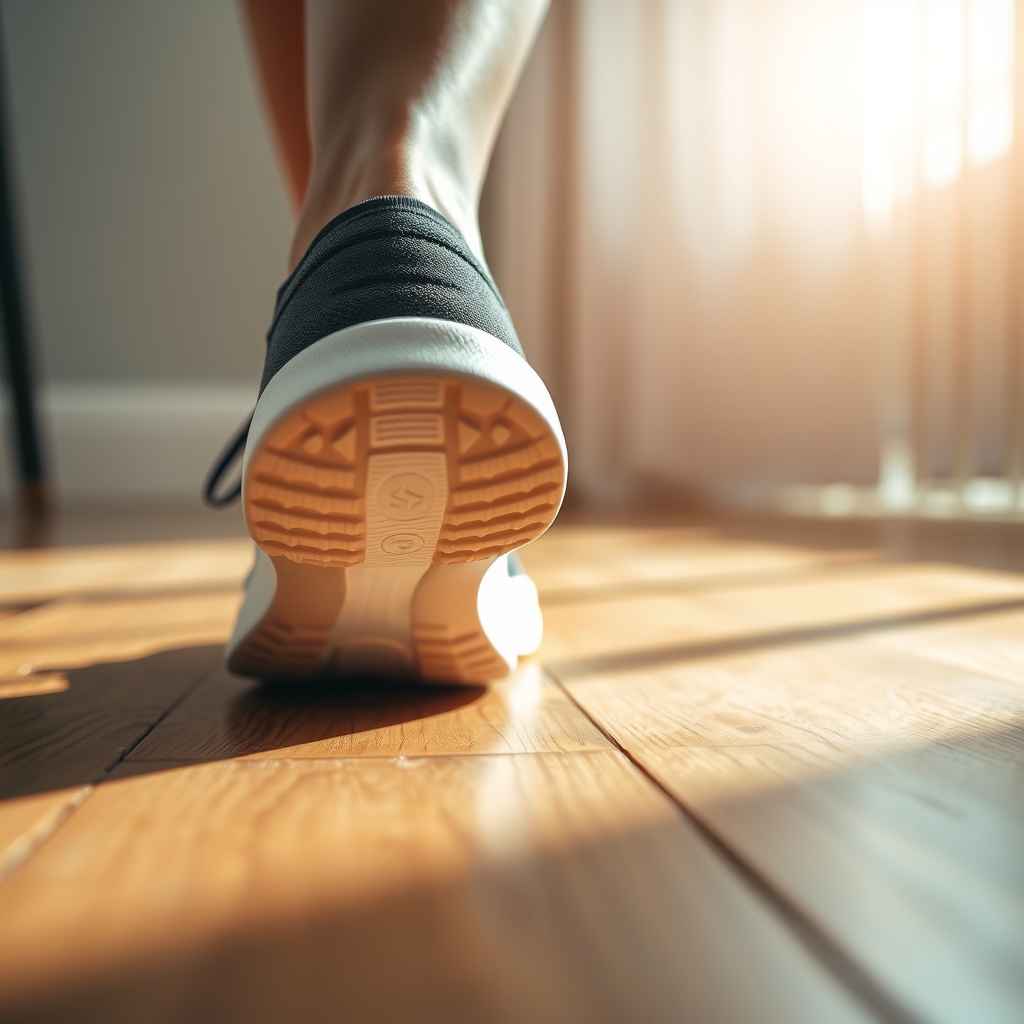
Relieve sciatic nerve pain during pregnancy with safe, doctor-approved exercises. Reduce discomfort fast with gentle stretches and movements for expectant mothers.
By Shubhra Mishra — a mom of two who turned her own confusion during pregnancy into BumpBites, a global mission to make food choices clear, safe, and stress-free for every expecting mother. 💛
Check whether any food is safe during pregnancy with the BumpBites Food Safety Checker.
Quick take: Gentle, targeted stretches and low‑impact cardio can ease sciatic nerve pain during pregnancy. Focus on piriformis stretches, pelvic tilts, and modified squats, and listen to your body—stop if pain sharpens or new symptoms appear. Talk with your provider before beginning any new routine.
It’s 2 a.m., your lower back is throbbing, and you’re wondering whether that ache is just “pregnancy‑related” or something more like sciatica. You’ve probably Googled “sciatic nerve pain pregnancy exercises” and are hoping for a clear plan that won’t jeopardize your baby. You’re not alone—many expectant moms feel that sharp, shooting pain down the back of the leg and wonder if a simple stretch could bring relief.
Below is a step‑by‑step guide that explains why sciatica shows up in pregnancy, which movements are safe, how to weave them into a weekly prenatal routine, and when you should pause and call your provider. We’ve drawn on guidance from ACOG, the NHS, and physical‑therapy experts, so you can feel confident that each recommendation is grounded in current research.
Read on for safe exercises, yoga poses, cardio ideas, and practical tips for posture, sleep, and supportive gear that together can help you manage sciatic nerve pain throughout each trimester.
What are safe exercises for sciatic nerve pain during pregnancy?
The first step is understanding what “safe” means in the context of a growing uterus. During pregnancy, the hormone relaxin loosens ligaments, and the expanding uterus can compress the sciatic nerve, especially in the second and third trimesters. Safe exercises are those that maintain mobility, strengthen supporting muscles, and avoid excessive compression of the pelvis.
According to the American College of Obstetricians and Gynecologists (ACOG), low‑impact aerobic activity, gentle stretching, and core‑stability work are all appropriate for most pregnant women, provided they’re pain‑free or have mild, manageable discomfort.
Walking – 20‑30 minutes at a brisk pace, 3‑5 times a week keeps circulation flowing without jarring the spine.
Swimming or water aerobics – buoyancy reduces weight‑bearing pressure, making it ideal for sciatica.
Prenatal yoga and pilates‑style stretches – focus on lengthening the piriformis and hamstrings while keeping the spine neutral.
Modified strength moves – such as wall‑supported squats and pelvic tilts that engage the glutes without deep hip flexion.
Always start each session with a few minutes of gentle warm‑up (march in place, shoulder rolls) and finish with a calming cool‑down. If a movement triggers a sharp or radiating pain, stop immediately and try a milder alternative.
Research from the NHS indicates that regular, low‑intensity exercise can improve blood flow to the lower back and reduce inflammation, which together help keep sciatic irritation at bay. Remember to stay hydrated and wear supportive shoes to protect your joints.
Gentle walking supports circulation and reduces sciatic pressure.
How to stretch the piriformis muscle to relieve sciatic pain in pregnancy?
The piriformis sits deep in the gluteal region and can irritate the sciatic nerve when it becomes tight. A safe, pregnancy‑friendly piriformis stretch can be performed seated or lying down, avoiding excessive lumbar extension.
Seated piriformis stretch – Sit on a sturdy chair with both feet flat on the floor. Place your right ankle on your left knee, forming a figure‑four. Gently lean forward from the hips, keeping your back straight, until you feel a stretch in the right glute. Hold for 20‑30 seconds, then switch sides. Repeat 2‑3 times per side.
Lying piriformis stretch – Lie on your back with knees bent. Cross your right ankle over your left thigh, then pull the left thigh toward your chest. The stretch should be felt deep in the right glute. Hold 20‑30 seconds, switch sides, and repeat.
Maintain a breath‑to‑movement rhythm: inhale to prepare, exhale as you deepen the stretch. Avoid bouncing; the goal is a gentle, sustained lengthening.
For added comfort, place a folded towel under your lower back while seated. The NHS notes that using props can help maintain proper alignment and prevent the lower back from over‑arching during the stretch.
Can prenatal yoga help with sciatic nerve discomfort?
Yes. Prenatal yoga classes that emphasize hip opening, gentle backbends, and core engagement have been shown to reduce sciatic symptoms in up to 70 % of participants (NHS guidance). The key is to choose poses that do not compress the abdomen or force the spine into deep flexion.
Three yoga poses that consistently ease sciatica are:
Cat‑Cow (Marjaryasana‑Bitilasana) – Moves the spine through flexion and extension, loosening the lower back.
Supported Child’s Pose (Balasana) with a bolster – Relieves pressure on the sacrum and promotes gentle hip stretch.
Reclining Figure‑Four (Supta Kapotasana) – Mirrors the piriformis stretch but with the support of a pillow or block under the upper back.
Most reputable prenatal yoga studios have instructors trained in safe modifications. If you’re practicing at home, use props like blocks, cushions, and a sturdy chair to keep the spine neutral.
In addition to physical relief, yoga’s focus on mindful breathing can calm the nervous system, which may lower the perception of pain. ACOG recommends incorporating at least one mindfulness session per week for overall well‑being.
Best low‑impact cardio workouts for pregnant women with sciatica
Low‑impact cardio maintains heart health without aggravating sciatic compression. Below is a comparison of three safe options, highlighting duration, impact level, and pregnancy‑specific considerations.
Activity
Typical Session Length
Impact Level
Pregnancy Adjustments
Walking (outdoors or treadmill)
20‑30 minutes
Low
Maintain upright posture, use supportive shoes; avoid steep hills.
Stationary cycling (upright bike)
15‑25 minutes
Low
Adjust seat height so knees stay slightly bent; keep back supported.
Water aerobics
30‑45 minutes
Very low
Use a pool noodle for balance; avoid deep lunges that stress hips.
Start each cardio session with a 5‑minute warm‑up (slow march, arm circles) and end with a gentle stretch of the hamstrings and glutes. If you notice increased sciatic pain during or after cardio, reduce intensity or switch to a different activity.
Because water supports up to 90 % of body weight, many women find water aerobics especially soothing for nerve-related aches. The CDC’s physical‑activity guidelines for pregnant people list water‑based workouts as a top recommendation for joint‑friendly cardio.
When should I stop exercising for sciatic nerve pain in pregnancy?
Exercise is beneficial, but certain warning signs mean you need to pause and seek professional advice:
Sharp, shooting pain that worsens after a few minutes of activity.
New numbness, tingling, or weakness in the leg.
Persistent swelling or a feeling of “pins and needles” that doesn’t resolve with rest.
Any vaginal bleeding, fluid leakage, or severe abdominal cramping.
When any of these symptoms appear, stop the exercise, apply a gentle ice pack if comfortable, and contact your obstetrician or midwife. In most cases, a brief break and a modified routine will be enough, but it’s crucial to rule out complications such as pre‑eclampsia or nerve compression that requires medical intervention.
ACOG advises that any new or worsening neurological symptoms warrant immediate evaluation, especially after the 28‑week mark when the uterus exerts more pressure on the sciatic nerve.
How to modify squats for sciatic nerve relief while pregnant?
Standard deep squats can compress the sciatic nerve, especially as the uterus enlarges. A modified “wall‑supported squat” keeps the pelvis stable while still activating the glutes and quads.
Stand with your back against a wall, feet hip‑width apart, toes slightly turned out.
Slide down the wall until your knees are at a comfortable 45‑degree angle (avoid going deeper than a “chair” position).
Engage your core, keep your spine neutral, and hold for 5‑10 seconds.
Rise slowly, squeezing the glutes at the top. Perform 2 sets of 10‑12 repetitions.
If you feel any radiating pain down the leg, reduce the depth or switch to a seated “chair‑squat” using a sturdy chair for support.
Physical therapists often recommend pairing the wall squat with a light resistance band around the thighs to further engage the outer hip muscles, which can help stabilize the pelvis and lessen sciatic strain.
Do pelvic tilts reduce sciatic nerve pain in the second trimester?
Pelvic tilts are a gentle, low‑impact way to strengthen the lower abdominal muscles and relieve pressure on the sciatic nerve. They are especially helpful in the second trimester when the baby’s weight starts to shift the pelvis forward.
To perform a pelvic tilt:
Lie on your back with knees bent, feet flat on the floor.
Inhale, then exhale as you gently flatten your lower back against the floor by tilting the pelvis upward.
Hold for 3‑5 seconds, then release. Repeat 10‑15 times.
For those who find lying on the back uncomfortable after 20 weeks, perform the tilt seated on a stability ball or standing against a wall, keeping the same movement pattern.
Studies from the Royal College of Obstetricians and Gynaecologists (RCOG) suggest that regular pelvic‑tilt practice can improve lumbar lordosis and reduce the forward tilt that often aggravates sciatic symptoms.
What physical therapy exercises are recommended for sciatica in pregnancy?
Physical therapists often prescribe a combination of stretching, strengthening, and neuromuscular re‑education to address sciatica. The following three exercises are frequently recommended by the NHS and American Physical Therapy Association (APTA):
Standing hip abduction – Using a resistance band around the ankles, lift one leg out to the side while keeping the torso upright. This strengthens the gluteus medius, which supports pelvic alignment.
Supine hamstring stretch with a strap – Lying on your back, loop a yoga strap around the ball of one foot and gently pull the leg toward you, keeping the knee soft. Hold 20 seconds, switch sides.
Core stabilization “dead bug” – Lie on your back, arms extended toward the ceiling, knees bent at 90°. Slowly lower one arm and the opposite leg, keeping the lower back pressed into the floor. Return to start and repeat on the other side.
These moves can be performed 3‑4 times per week, with each session lasting 10‑15 minutes. A licensed prenatal physical therapist can tailor the program to your specific pain pattern and stage of pregnancy.
When done correctly, these exercises improve neuromuscular control, which reduces abnormal pelvic tilt and, consequently, sciatic irritation.
Sciatic nerve pain relief exercises third trimester
The third trimester brings additional challenges: the uterus is larger, and the pelvis tilts forward, increasing sciatic compression. Focus on exercises that keep the spine neutral, avoid deep hip flexion, and promote circulation.
Recommended third‑trimester routine (perform 3 times weekly):
5‑minute warm‑up: gentle marching in place.
Pelvic tilts (10 repetitions).
Wall‑supported squats (2 sets of 10).
Piriformis stretch (both sides, 30 seconds each).
Standing hip abduction with band (2 sets of 12 per side).
Cool‑down: seated forward fold with a pillow under the knees, 1‑minute hold.
Because balance can be compromised in the third trimester, use a sturdy chair or wall for support during standing moves.
Adding a short session of gentle side‑lying breathing stretches after the routine can further release tension in the lower back and glutes, making the final stretch feel more restorative.
Prenatal yoga poses for sciatica
Beyond the general yoga suggestions earlier, the following specific poses are praised in the “Yoga for Pregnancy” guidelines (Yoga Alliance):
Bound Angle (Baddha Konasana) with a block – Sit with soles of feet together, place a folded blanket under the knees for support, and gently hinge forward to stretch the inner thighs and glutes.
Half‑Pigeon (Eka Pada Rajakapotasana) using a bolster – Position a bolster under the front hip to reduce strain; the pose opens the piriformis without extreme hip flexion.
Side‑lying leg lifts – Lie on your left side, support the head with a pillow, and lift the top leg slowly, keeping the foot flexed. This strengthens the outer hip and reduces sciatic irritation.
Hold each pose for 30‑45 seconds, breathing deeply. Avoid any pose that requires lying flat on the belly after 20 weeks.
Yoga Alliance notes that using props not only protects the abdomen but also encourages proper alignment, which is key to preventing nerve irritation.
How often should I do sciatic stretches while pregnant?
Consistency beats intensity. The ACOG recommends incorporating gentle stretches at least once daily, especially after periods of prolonged sitting or standing. A typical schedule might look like:
Morning: 5‑minute stretch routine after getting out of bed.
Mid‑day: Quick piriformis stretch during a work break.
Evening: Longer session (10‑15 minutes) after dinner, combined with pelvic tilts.
If you feel any increase in pain after a stretch, reduce the duration or intensity. Over‑stretching can inflame the nerve rather than soothe it.
Tracking your stretch routine in a simple notebook or phone app can help you notice patterns—such as which time of day offers the most relief—so you can fine‑tune your plan.
Can I use a foam roller for sciatic nerve pain during pregnancy?
Foam rolling can be beneficial for muscle tension, but caution is needed when the uterus is large. The NHS advises using a softer foam roller (density 2‑3) and limiting pressure to the glutes, avoiding direct pressure on the lower back.
Safe foam‑roller technique:
Sit on the floor, place the roller under the right glute.
Cross the left ankle over the right knee (figure‑four).
Gently roll back and forth for 30‑60 seconds, stopping if you feel sharp pain.
Switch sides.
Always keep a supportive hand on the floor for balance. If you’re unsure, ask a prenatal physical therapist for a demonstration.
Remember that foam rolling should feel like a mild massage; any “pin‑point” pain is a sign to ease off.
Home exercises for sciatica after childbirth
Post‑partum sciatica can linger as the body readjusts. Gentle, weight‑bearing exercises help restore core strength and pelvic stability. The following moves are safe after a normal vaginal delivery (or after clearance from your provider following a cesarean):
Supine heel slides – Slide one heel toward the buttocks, keeping the lower back flat, then alternate sides. Improves lumbar mobility.
Modified side‑lying clamshells – With knees bent, lift the top knee while keeping feet together, then lower. Strengthens gluteus medius.
Walking with a stroller – Provides low‑impact cardio and encourages upright posture.
Start with 5‑minute sessions and gradually build to 15‑20 minutes as tolerated. Use a supportive postpartum belt if recommended by your physiotherapist.
Post‑partum hormonal changes can temporarily loosen ligaments, so continue to prioritize proper alignment and avoid any sudden, jerky movements.
Difference between sciatica and round ligament pain in pregnancy
Both conditions cause lower‑abdominal or groin discomfort, but they stem from different structures:
Sciatica – Originates from irritation of the sciatic nerve (L4‑S3). Pain radiates from the buttock down the back of the thigh, often sharp or burning, and may be worsened by sitting or standing for long periods.
Round ligament pain – Involves the round ligament that supports the uterus. Pain is usually a sudden, sharp “stabbing” sensation in the lower abdomen or groin, triggered by sudden movements, coughing, or rolling over.
Distinguishing the two helps you target the right treatment—stretching the piriformis for sciatica versus gentle abdominal breathing and support for round ligament pain.
While both pains are common, the NHS notes that round ligament pain typically resolves on its own within a few weeks, whereas sciatica may require ongoing management.
When is sciatic nerve pain considered a medical emergency in pregnancy?
Most sciatica is benign, but certain red‑flag symptoms require immediate medical attention:
Sudden, severe weakness or loss of movement in the leg.
New onset of bladder or bowel incontinence.
Persistent, worsening pain despite rest and stretching, especially if accompanied by fever.
Signs of pre‑eclampsia (headache, visual changes, swelling, high blood pressure).
If any of these appear, call your obstetrician, midwife, or go to the nearest emergency department. Prompt evaluation can prevent complications such as nerve damage or underlying vascular issues.
ACOG emphasizes that any neurologic change after the 28‑week mark should be assessed promptly, as the growing uterus can increase pressure on the sciatic nerve.
How to choose supportive footwear for sciatic relief during pregnancy
Footwear plays a surprisingly big role in pelvic alignment. Shoes with good arch support and a modest heel (about 1–2 inches) can help keep the pelvis in a neutral position, reducing strain on the sciatic nerve.
Look for sneakers that offer a cushioned midsole, a wide toe box, and a firm heel counter. Avoid high‑heeled or completely flat flip‑flops, which can force the hips into a forward tilt and exacerbate nerve compression.
The NHS recommends replacing shoes every six months, especially if you notice uneven wear. A simple test—standing barefoot on a piece of paper to see if both arches leave a clear imprint—can help you gauge whether your current shoes provide enough support.
Choosing shoes with arch support can ease pelvic strain and sciatic pressure.
Using resistance bands for gentle strengthening
Resistance bands are pregnancy‑friendly tools that add just enough load to activate muscles without over‑exertion. A light (15–20 lb) band is ideal for hip‑abduction, glute bridges, and seated leg presses.
To perform a seated banded leg press: sit on a chair, loop the band around the soles of both feet, and gently push your feet forward while keeping your knees soft. This engages the quadriceps and glutes, helping stabilize the pelvis and relieve sciatic tension.
Because bands are portable, you can do these moves while watching TV or during a short break at work—making consistency easier. The ACOG’s exercise guidelines endorse resistance‑band work as a safe strength‑training option throughout pregnancy.
Mindful breathing and relaxation techniques to complement exercises
Stress hormones can amplify the perception of pain, so pairing movement with breathing helps both the mind and the nervous system. A simple diaphragmatic breathing pattern—inhale for four counts, hold for two, exhale for six—can lower cortisol levels and promote muscle relaxation.
Try a 5‑minute “body scan” after each workout: close your eyes, breathe deeply, and mentally note any areas of tightness, especially in the lower back and hips. Gently release tension with each exhale. Over time, this practice can make your stretches feel more effective and reduce the overall discomfort of sciatica.
Mind‑body approaches are endorsed by both the NHS and the American College of Obstetricians and Gynecologists as adjuncts to physical therapy for chronic low‑back pain, including sciatica.
Myth vs. fact
Myth: You must stop all exercise once sciatica starts.
Fact: Light, targeted activity often eases nerve irritation. Only stop if pain becomes sharp, radiates, or is accompanied by red‑flag symptoms.
Myth: Only deep backbends can help sciatica.
Fact: Gentle hip openers, piriformis stretches, and pelvic tilts are safer and equally effective for most pregnant bodies.
Myth: Sciatic pain always means a serious problem.
Fact: While sciatica is common in pregnancy, it’s usually manageable with the right movement plan. Persistent or worsening symptoms should be evaluated promptly.
Key takeaways
Gentle piriformis stretches, pelvic tilts, and wall‑supported squats are the core moves for sciatica relief.
Low‑impact cardio (walking, stationary cycling, water aerobics) keeps circulation flowing without extra nerve pressure.
Practice stretches at least once daily; a short morning routine plus a longer evening session works well.
Use supportive gear—maternity belt, cushioned shoes, and a firm pillow for sleep—to reduce pelvic strain.
Stop exercising and contact your provider if you experience sharp radiating pain, leg weakness, or any signs of pre‑eclampsia.
Consider a prenatal physical‑therapy or yoga class for personalized guidance and safe progression.
Incorporate mindfulness breathing and resistance‑band strengthening to boost overall comfort.
Frequently asked questions
Is it safe to do Pilates for sciatica during pregnancy?
Yes, modified Pilates that avoids deep spinal flexion is generally safe and can improve core stability, which helps support the sciatic nerve. Choose moves that keep the spine neutral and use props for support.
What are the signs that sciatic nerve pain is worsening in pregnancy?
Worsening signs include sharp shooting pain that spreads down the leg, new numbness or tingling, leg weakness, or pain that doesn’t improve with rest. If any of these appear, contact your provider promptly.
Can a maternity support belt help relieve sciatic nerve pain?
Many women find that a well‑fitted maternity belt redistributes abdominal weight and reduces pelvic tilt, which can lessen sciatic pressure. Look for a belt that offers lumbar support and adjust it to a comfortable snugness.
How long does it take to see relief from sciatic exercises in pregnancy?
Most people notice a reduction in discomfort within a few days to two weeks of consistent stretching and low‑impact cardio, though individual timelines vary based on severity and adherence.
Should I see a doctor before starting exercises for sciatica while pregnant?
It’s a good idea to discuss a new exercise plan with your obstetrician or midwife, especially if you have moderate to severe pain. A brief evaluation ensures the moves are appropriate for your stage of pregnancy and overall health.
Are there any foods that can help reduce sciatic nerve inflammation during pregnancy?
Anti‑inflammatory foods such as omega‑3‑rich salmon, leafy greens, berries, and nuts can support overall joint health. Staying well‑hydrated and limiting processed sugars also helps reduce systemic inflammation.
Can I sleep on my side to relieve sciatica?
Yes, side‑sleeping on the left side is often recommended because it improves blood flow to the uterus and reduces pressure on the sciatic nerve. Placing a pillow between the knees can further align the hips and lessen nerve irritation.
Is heat therapy safe for sciatic pain during pregnancy?
Applying a warm (not hot) compress to the affected area for 15‑20 minutes can relax tight muscles and ease nerve pain. Avoid direct heat on the abdomen and stop if the skin becomes red or uncomfortable. Always check with your provider if you’re unsure.
When to call your doctor
If you experience any of the following, seek medical care right away: sudden leg weakness, loss of bladder or bowel control, severe or worsening pain despite rest, fever, or signs of pre‑eclampsia (high blood pressure, swelling, headaches, visual changes). This article provides general information and is not a substitute for personalized medical advice.
References
American College of Obstetricians and Gynecologists (ACOG). “Physical Activity and Exercise During Pregnancy and the Postpartum Period.” Practice Bulletin, 2023.
National Health Service (NHS). “Sciatica during pregnancy.” Clinical Guidance, 2022.
American Physical Therapy Association (APTA). “Physical Therapy Management of Sciatica in Pregnancy.” Position Statement, 2021.
World Health Organization (WHO). “Maternal health guidelines.” 2022.
Yoga Alliance. “Yoga for Pregnancy Safety Guidelines.” 2023.
Centers for Disease Control and Prevention (CDC). “Pregnancy and Physical Activity.” 2022.
Mayo Clinic. “Sciatica – Symptoms and causes.” Updated 2023.
Royal College of Obstetricians and Gynaecologists (RCOG). “Managing low back pain and sciatica in pregnancy.” 2022.
Not sure about the label on Sciatic Nerve Pain Pregnancy Exercises For Relief products?
Snap the ingredients list and SafeFilter checks every ingredient for your stage — only 3 free scans this month, then you're locked until reset. Unlimited from $7/mo or lock $50/yr through Aug 31 (7 days left).
When Shubhra Mishra was expecting her first child in 2016, she was overwhelmed by conflicting food advice — one site said yes, another said never. By the time her second baby arrived in 2019, she realized millions of mothers face the same confusion.
That sparked a five-year journey through clinical nutrition papers, cultural diets, and expert conversations — all leading to BumpBites: a calm, compassionate space where science meets everyday motherhood.
Her long-term vision is to build a global community ensuring safe, supported, and free deliveriesfor every mother — because no woman should face pregnancy alone or uninformed. 🌿
🌍 Stand with mothers, shape safer guidance
Join a small circle of experts who review BumpBites articles so expecting parents everywhere can decide with confidence.