Key things to know about Safe Stool Softeners During Pregnancy in pregnancy
Docusate sodium is a frequent pregnancy go-to for hard stools when hydration + fiber aren’t enough. If you have severe pain, bleeding, or no bowel movement for days, call your clinician — don’t keep escalating OTCs alone.
Safe: Low‑dose docusate (2‑4 mg) is considered safe throughout pregnancy, especially after the first trimester, and psyllium fiber offers a natural, pregnancy‑friendly alternative.
By Shubhra Mishra — a mom of two who turned her own confusion during pregnancy into BumpBites, a global mission to make food choices clear, safe, and stress-free for every expecting mother. 💛
Check whether any food is safe during pregnancy with the BumpBites Food Safety Checker.
Quick verdict: ✅ Generally safe – most stool softeners and gentle fiber options are considered safe for pregnancy when used as directed, but always check dosage and talk to your provider if you have complications.
It’s 3 a.m., you’re scrolling through the pharmacy aisle, and a bottle of “Colace” catches your eye. You’ve been constipated for weeks, and the thought of a gentle stool softener feels like a lifeline. But now you’re wondering: “Is this safe for my baby?” If you’re searching for safe stool softeners for pregnancy, you’re not alone. Constipation is one of the most common pregnancy complaints, affecting up to 40 % of expectant mothers, and the right relief can make a huge difference in how you feel day‑to‑day.
Good news: the bulk of the evidence, including guidance from the American College of Obstetricians and Gynecologists (ACOG) and the UK’s National Health Service (NHS), supports the use of several over‑the‑counter (OTC) stool softeners and natural fiber sources during pregnancy. In this guide we’ll walk through the safety of each option, how dosing changes across trimesters, what to watch for, and a handful of gentler alternatives if you prefer to stay away from medication.
We’ll also answer the most common “first‑trimester,” “dose,” and “brand” questions, so you can stop the 3 a.m. worry and feel confident about what you put in your body. Let’s dive in.
Keep a stool softener on hand for occasional use, but follow dosage guidelines.
Option
Verdict
Safe amount (per day)
Notes
Docusate sodium (Colace)
✅ Generally safe
100 mg once or twice (max 400 mg)
OTC; works by drawing water into stool.
Psyllium husk (Metamucil)
✅ Generally safe
5–10 g (1–2 Tbsp) mixed with liquid
High‑fiber supplement; may cause gas.
Prune juice
✅ Generally safe
4–8 oz (½–1 cup) daily
Natural sorbitol; watch sugar intake.
Warm water with lemon
✅ Generally safe
1–2 cups daily
Gentle laxative effect from fluid.
High‑fiber oatmeal
✅ Generally safe
½–1 cup cooked
Provides soluble fiber; add fruit for extra fiber.
Fiber gummies (Benefiber)
✅ Generally safe
1–2 gummies (5 g fiber) daily
Convenient; check for added sugars.
What are stool softeners?
Stool softeners are a class of laxatives that make bowel movements easier by increasing the amount of water in the stool. Unlike stimulant laxatives, which trigger the intestinal muscles to contract, stool softeners work more gently, reducing strain and the risk of hemorrhoids—an especially important consideration during pregnancy when blood flow to the pelvic area is already heightened. The most common active ingredient is docusate sodium, but other fiber‑based products (like psyllium husk) and natural foods (such as prune juice) also act as softeners by adding bulk and moisture to stool.
These products are typically taken orally, available in capsules, tablets, liquids, or powdered forms that can be mixed into beverages. Because they do not directly stimulate the gut, they are generally regarded as low‑risk for both mother and baby, making them a first‑line option for constipation that many obstetricians recommend before turning to stronger agents.
When you choose a stool softener, you’re essentially helping your digestive system move waste more smoothly, which can relieve the bloating, discomfort, and occasional nausea that constipation often brings. For many pregnant people, incorporating a softener into a balanced diet rich in fiber and fluids is enough to keep things regular throughout the nine months.
Is it safe to use stool softeners during pregnancy?
Current guidance from ACOG, the NHS, and the FDA indicates that most OTC stool softeners—especially docusate sodium—are safe for use during pregnancy when taken at the recommended dose. ACOG’s “Nutrition During Pregnancy” committee notes that “non‑prescription stool softeners such as docusate are considered compatible with pregnancy,” provided there are no contraindications like intestinal blockage or severe inflammatory bowel disease.
The FDA classifies docusate sodium as a Category B drug, meaning animal studies have not shown a risk to the fetus and there are no adequate human studies, but the overall clinical experience has been reassuring. Similarly, the NHS advises that “fiber supplements like psyllium are safe for pregnant women and can help maintain regular bowel movements.”
It’s worth noting that while these agents are low‑risk, they are not “magic bullets.” They work best when paired with adequate hydration (at least 8‑10 cups of water daily) and a diet rich in fruits, vegetables, and whole grains. If you have a history of bowel obstruction, severe Crohn’s disease, or are taking certain prescription medications (e.g., some antacids that contain aluminum), you should discuss any new laxative with your provider first.
Are stool softeners safe to use during the first trimester of pregnancy?
The first trimester is the period of organogenesis, when the baby’s major organs are forming. During this window, obstetricians advise extra caution with any medication that could potentially affect fetal development. Fortunately, docusate sodium and fiber‑based softeners have not been linked to teratogenic effects, and ACOG specifically lists them as “compatible with pregnancy” even in the first three months.
That said, it’s still prudent to start with the lowest effective dose—often 100 mg of docusate once daily—and monitor how you feel. If constipation persists, you can increase to twice daily under medical guidance. For natural options like prune juice, a modest ½ cup in the morning is sufficient; there’s no evidence of harm at this dosage.
In short, most stool softeners are considered safe in the first trimester when used responsibly, but always keep your prenatal care provider in the loop, especially if you have any pre‑existing gastrointestinal conditions.
What is the recommended dosage of docusate sodium for pregnant women?
For pregnant adults, the typical OTC dosage of docusate sodium is 100 mg (one capsule or tablet) taken once or twice daily, not exceeding 400 mg per day. This aligns with the FDA’s labeling for the product and the dosing recommendations found on the NHS website. If you’re using a liquid formulation, the equivalent dose is usually 2.5 mL per 100 mg; always read the product label for exact conversion.
Most clinicians suggest taking the dose with a full glass of water (8 oz) and pairing it with a fiber‑rich meal to maximize the softening effect. If you need to take it for more than a week, check in with your OB‑GYN to ensure there’s no underlying issue causing persistent constipation.
Which over‑the‑counter stool softeners are considered safe during pregnancy?
Beyond docusate sodium (Colace), the following OTC products have strong safety records for pregnant users:
Psyllium husk (Metamucil) – a soluble fiber supplement that expands in the gut, encouraging softer stools.
Calcium carbonate‑based fiber gummies (Benefiber) – convenient chewable form of soluble fiber.
Bulk‑forming fiber powders – such as Citrucel (methylcellulose); while technically a bulk‑forming laxative, it’s often used interchangeably with softeners and is considered safe.
All of these products are labeled as “Pregnancy Category B” or “Generally Recognized as Safe” by the FDA, and the NHS endorses them as part of a fiber‑rich diet for pregnant women.
Can natural stool softeners like prune juice be used safely in pregnancy?
Yes. Prune juice contains sorbitol, a natural sugar alcohol that draws water into the colon, easing bowel movements. The American Pregnancy Association lists prune juice as a “pregnancy‑friendly” natural laxative, and the NHS includes it among recommended home remedies for constipation.
Because prune juice is also a source of vitamins A and K, it’s best to limit intake to ½–1 cup per day to avoid excessive sugar and calorie consumption. If you’re diabetic or need to monitor blood glucose, discuss the amount with your provider.
What are the risks of using stimulant laxatives while pregnant?
Stimulant laxatives—such as bisacodyl (Dulcolax) or senna (Senokot)—work by forcing the intestine to contract. While they can be effective, they carry higher risks during pregnancy, including electrolyte imbalance, dehydration, and, in rare cases, uterine cramping that could trigger preterm labor.
ACOG advises that stimulant laxatives should be used only under direct medical supervision and typically as a last resort after fiber, fluids, and stool softeners have been tried. The NHS echoes this caution, noting that “regular use of stimulant laxatives is not recommended for pregnant women.”
Is polyethylene glycol (Miralax) safe for constipation in pregnancy?
Polyethylene glycol 3350, marketed as Miralax, is an osmotic laxative that retains water in the stool. The FDA classifies it as Category B, and several studies have shown no increase in birth defects when used at standard doses (17 g powder dissolved in 8 oz of liquid daily). The ACOG Committee Opinion (2020) states that Miralax may be considered when other measures fail, but it should be used only after consulting a provider.
Because Miralax is more potent than a typical stool softener, it’s usually reserved for moderate to severe constipation, and the recommended duration is short‑term (usually not longer than two weeks without medical oversight).
How do stool softeners interact with prenatal vitamins?
Most stool softeners do not directly interfere with prenatal vitamins. However, fiber supplements like psyllium can bind to certain minerals (e.g., iron, calcium) and reduce their absorption if taken at the same time. To avoid this, space the intake of fiber products at least two hours apart from prenatal vitamins, especially if your vitamin contains iron—a common source of constipation itself.
Taking your prenatal vitamin with a glass of water and then waiting before consuming a stool softener helps maintain optimal nutrient absorption while still relieving constipation.
Safe stool softener brands for pregnant women with IBS
For those managing Irritable Bowel Syndrome (IBS) alongside pregnancy, the following brands balance safety with gentle efficacy:
Colace (docusate sodium) – low‑dose, non‑stimulant, good for occasional use.
Metamucil (psyllium husk) – adds bulk without harsh cramping.
Benefiber (wheat‑dextran fiber gummies) – chewable and easy to incorporate.
Organic Prune Juice (no added sugar) – natural sorbitol without artificial sweeteners.
These products have been highlighted by both ACOG and the NHS as compatible with pregnancy and IBS, provided dosing follows label instructions.
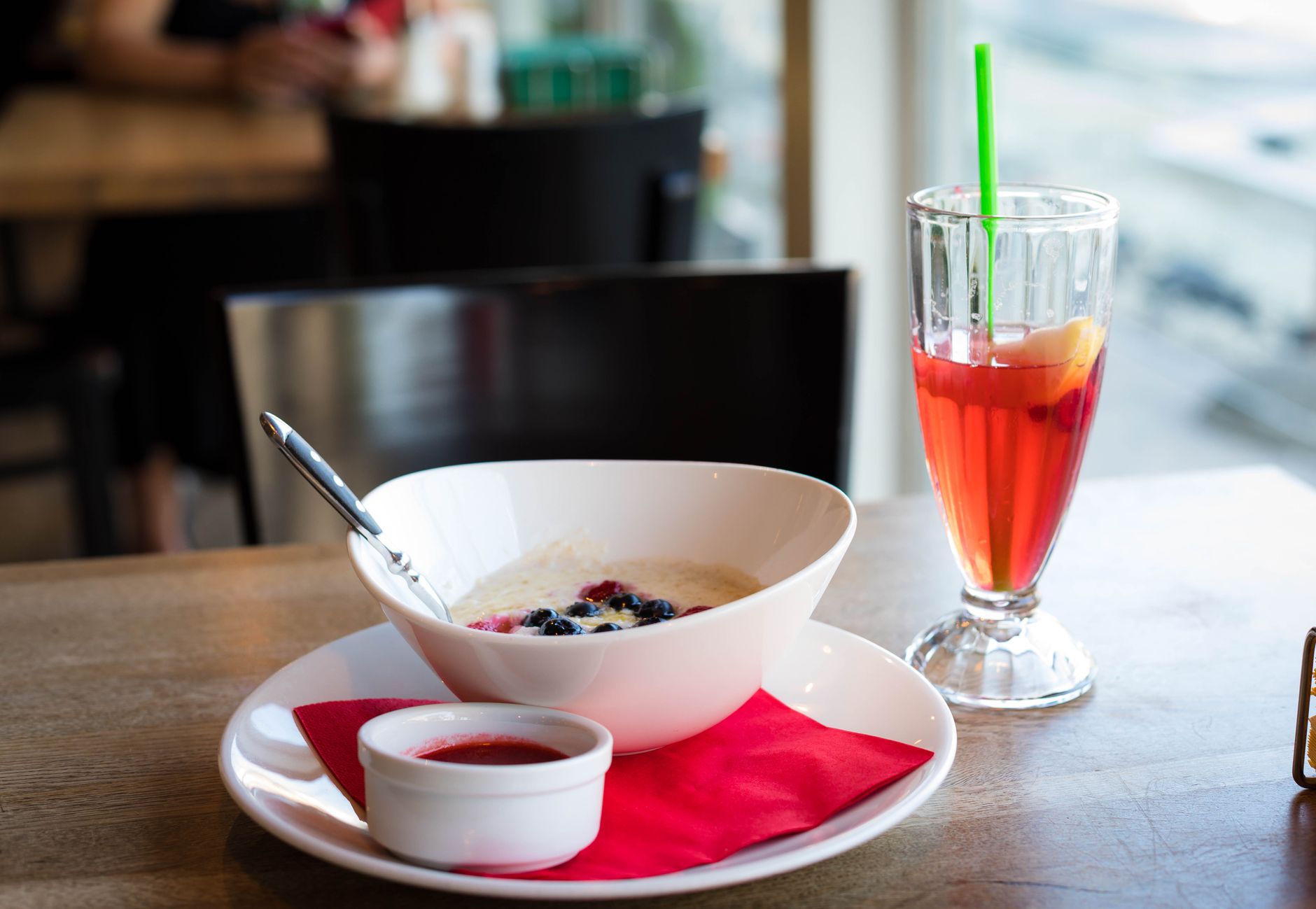
Combining oatmeal with prune juice can boost fiber intake while keeping stools soft.
Safety by trimester
First trimester
During weeks 1–13, the baby’s organs are forming, so any medication is scrutinized. Docusate sodium and psyllium husk have been used safely in clinical practice for decades, and there’s no evidence they cross the placenta in harmful amounts. The key is to keep dosages low (e.g., 100 mg docusate once daily) and avoid excessive fiber that could cause bloating.
Second trimester
From weeks 14–27, many pregnant people experience increased constipation due to slowed gut motility. This is an ideal time to incorporate regular fiber sources—such as oatmeal, prune juice, or fiber gummies—alongside a gentle stool softener. Doses can be modestly increased (e.g., up to 200 mg docusate twice daily) if needed, but always under provider guidance.
Third trimester
In weeks 28–40, the uterus exerts pressure on the intestines, making constipation even more common. Maintaining hydration and using a stool softener like docusate sodium (up to 400 mg/day) can prevent straining during bowel movements, which is important to reduce the risk of hemorrhoids or pelvic discomfort. If you develop severe constipation, discuss the short‑term use of Miralax with your OB‑GYN.
Breastfeeding
Most stool softeners are compatible with lactation. Docusate sodium passes into breast milk in minimal amounts and is considered safe for nursing infants. Psyllium husk also poses no known risk. However, always confirm with your pediatrician if you’re using any new supplement while breastfeeding.
Safe dosage / amount / brands
Option
Typical safe dose
Recommended brands
Brands to avoid
Docusate sodium (Colace)
100 mg 1–2×/day (max 400 mg)
Colace, generic store‑brand docusate
Products with added stimulants
Psyllium husk (Metamucil)
5–10 g (1–2 Tbsp) mixed with 8 oz liquid
Metamucil, NOW Foods Psyllium
Flavored powders with high sugar
Prune juice
4–8 oz daily
Organic 100 % prune juice, no added sugar
Juices with added high‑fructose corn syrup
Warm water with lemon
1–2 cups daily
Freshly squeezed lemon, filtered water
Pre‑packaged lemon drinks with additives
High‑fiber oatmeal
½–1 cup cooked
Quaker Old‑Fashioned Oats, gluten‑free oats
Instant flavored packets with excess sodium
Fiber gummies (Benefiber)
1–2 gummies (5 g fiber) daily
Benefiber Daily Fiber Gummies, Nature’s Bounty
Gummies with artificial colors or high sugar
Side effects and risks
Most stool softeners are well tolerated, but a few mild side effects can occur:
Gas and bloating – common with fiber powders like psyllium; try starting with a smaller dose.
Loose stools – if you exceed the recommended dose, stools may become watery.
Electrolyte shifts – rare with docusate, but possible with osmotic agents like Miralax if used long‑term.
Allergic reactions – very uncommon, but watch for rash, itching, or swelling.
If you notice any of the following, call your provider promptly: severe abdominal pain, blood in stool, persistent diarrhea (> 2 days), or signs of dehydration (dry mouth, dizziness, reduced urine output).
Safer alternatives
Increase daily water intake to at least 2 L (helps soften stool naturally).
Eat a serving of high‑fiber fruit such as kiwi or berries each day.
Incorporate a daily tablespoon of ground flaxseed into smoothies or oatmeal.
Gentle abdominal massage in a clockwise direction after meals.
Warm foot soak before bedtime to relax pelvic muscles.
Docusate sodium (Colace)
Docusate sodium is the most commonly recommended OTC stool softener for pregnant women. It works by reducing surface tension, allowing water and fats to penetrate the stool more easily. The typical adult dose is 100 mg once or twice daily, with a maximum of 400 mg per day. Because it does not stimulate intestinal muscles, it’s less likely to cause cramping or electrolyte disturbances.
Clinical experience, reflected in ACOG’s guidelines, shows that docusate is compatible with pregnancy and breastfeeding. When taking docusate, drink a full glass of water to maximize its softening effect. If you have a known bowel obstruction or severe inflammatory bowel disease, your provider may advise against its use.
Psyllium husk (Metamucil)
Psyllium husk is a soluble fiber that expands when mixed with liquid, forming a gel that adds bulk and draws water into the colon. The standard dose is 5–10 g (about 1–2 tablespoons) mixed into 8 oz of water or juice, taken once or twice daily. It’s a favorite among pregnant people because it also helps maintain healthy cholesterol levels.
Both the NHS and the FDA list psyllium as a safe fiber supplement during pregnancy. The main side effect is mild gas, which can be minimized by starting with a lower dose and gradually increasing. As with all fiber, it’s important to stay well‑hydrated to prevent constipation from worsening.
Prune juice
Prune juice provides natural sorbitol, a sugar alcohol that pulls water into the large intestine. A typical serving is ½–1 cup daily. It also supplies vitamins A and K, which are beneficial during pregnancy. The American Pregnancy Association includes prune juice among its “safe home remedies” for constipation.
While generally safe, prune juice is relatively high in natural sugars, so diabetic pregnant individuals should monitor blood glucose levels and possibly limit intake to ½ cup or choose a low‑sugar variety.
Warm water with lemon
A simple, soothing option is a cup of warm water with the juice of half a lemon. The warm fluid stimulates peristalsis, while the citric acid may have a mild laxative effect. This remedy is completely free of medication and can be taken multiple times a day, provided you stay hydrated.
Because there’s no active drug, there’s no risk of drug‑food interactions, making it a safe choice for anyone, including those with sensitivities to other laxatives.
High‑fiber oatmeal
Oatmeal is a soluble fiber powerhouse that not only softens stool but also stabilizes blood sugar—a double benefit for pregnancy. A half‑cup of dry oats (cooked with water or milk) provides about 4 g of fiber. Add a handful of berries or a splash of prune juice for extra fiber and flavor.
Both ACOG and the NHS recommend oatmeal as part of a balanced prenatal diet. It’s low‑risk, nutrient‑dense, and easy to prepare, making it a staple for many pregnant people seeking gentle relief.
Fiber gummies (Benefiber)
For those who dislike the texture of powders, fiber gummies offer a chewable alternative. Each gummy typically contains about 5 g of soluble fiber. The recommended amount is 1–2 gummies per day, taken with a full glass of water.
When choosing gummies, look for options without added sugars or artificial colors. Benefiber and Nature’s Bounty both produce pregnancy‑friendly versions that have been reviewed by the FDA as “Generally Recognized as Safe.”
Myth vs. fact
Myth: All laxatives are unsafe during pregnancy.
Fact: Gentle stool softeners like docusate sodium and fiber supplements are considered safe when used as directed; stimulant laxatives should be avoided or used only under medical supervision.
Myth: Drinking a lot of water alone will cure constipation.
Fact: While hydration is essential, a combination of adequate fluid intake, fiber, and, if needed, a stool softener provides the most reliable relief.
Myth: Natural remedies such as prune juice are automatically safe for everyone.
Fact: Natural options are generally safe, but they can affect blood sugar and may contain added sugars; personalized guidance is still important.
Key takeaways
Most OTC stool softeners, especially docusate sodium, are considered safe for pregnancy when taken at recommended doses.
Fiber‑based options (psyllium husk, oatmeal, prune juice) work well alongside water and are safe across all trimesters.
Avoid stimulant laxatives unless prescribed; they carry higher risks of cramping and electrolyte imbalance.
Space fiber supplements at least two hours from prenatal vitamins to ensure optimal nutrient absorption.
Contact your provider if you experience severe abdominal pain, blood in stool, or persistent diarrhea.
Frequently asked questions
Can I take stool softeners while pregnant?
Yes—gentle stool softeners like docusate sodium and fiber supplements such as psyllium are generally safe during pregnancy when used as directed.
What stool softener is safest during pregnancy?
Docusate sodium (Colace) is often considered the safest OTC option because it works without stimulating the gut and is classified as a Category B drug by the FDA.
How many times a day can I use docusate sodium when pregnant?
Most guidelines recommend 100 mg once or twice daily, not exceeding 400 mg per day; always follow the product label and your provider’s advice.
Are natural laxatives like prune juice safe for pregnant women?
Yes—prune juice is a natural, sorbitol‑rich beverage that is safe in moderate amounts (½–1 cup daily) and is endorsed by both ACOG and the NHS.
What are the side effects of stool softeners for pregnant women?
Common mild side effects include gas, bloating, or loose stools; severe abdominal pain, blood in stool, or persistent diarrhea should prompt a call to your healthcare provider.
Is Miralax safe to use during pregnancy?
Miralax (polyethylene glycol 3350) is Category B and may be used under medical supervision when other measures fail, but it’s typically reserved for short‑term use.
When should I avoid stool softeners in pregnancy?
Avoid stool softeners if you have a known bowel obstruction, severe inflammatory bowel disease, or are advised by your provider to limit fiber due to a specific medical condition.
When to call your doctor
If you experience any of the following, contact your obstetric provider promptly:
Severe or persistent abdominal pain.
Blood in stool or rectal bleeding.
Diarrhea lasting more than 48 hours.
Signs of dehydration (dry mouth, dizziness, scant urine).
Sudden swelling of the legs or sudden weight gain.
These symptoms may indicate a condition that requires medical evaluation beyond over‑the‑counter relief. Remember, this article provides general information and is not a substitute for personalized medical advice.
References
American College of Obstetricians and Gynecologists. “Nutrition During Pregnancy.” ACOG Committee Opinion, 2020.
National Health Service (UK). “Constipation in Pregnancy.” NHS website, 2023.
U.S. Food and Drug Administration. “Drug Approval Package: Docusate Sodium.” FDA, 2022.
Centers for Disease Control and Prevention. “Pregnancy and Medication Safety.” CDC, 2021.
World Health Organization. “Guidelines for the Management of Constipation.” WHO, 2020.
American Pregnancy Association. “Safe Home Remedies for Constipation.” APA, 2022.
Mayo Clinic. “Stool softeners: Are they safe for pregnant women?” Mayo Clinic, 2023.
National Institute for Health and Care Excellence (NICE). “Constipation in Pregnancy: Clinical Guidelines.” NICE, 2021.
Not sure about the label on Safe Stool Softeners During Pregnancy products?
Snap the ingredients list and SafeFilter checks every ingredient for your stage — only 3 free scans this month, then you're locked until reset. Unlimited from $7/mo or $50/yr.
When Shubhra Mishra was expecting her first child in 2016, she was overwhelmed by conflicting food advice — one site said yes, another said never. By the time her second baby arrived in 2019, she realized millions of mothers face the same confusion.
That sparked a five-year journey through clinical nutrition papers, cultural diets, and expert conversations — all leading to BumpBites: a calm, compassionate space where science meets everyday motherhood.
Her long-term vision is to build a global community ensuring safe, supported, and free deliveriesfor every mother — because no woman should face pregnancy alone or uninformed. 🌿
🌍 Stand with mothers, shape safer guidance
Join a small circle of experts who review BumpBites articles so expecting parents everywhere can decide with confidence.