Safe in moderation. Most self tanners are low-risk during pregnancy, but avoid spray tans in the first trimester due to inhalation risks. Learn safe usage tips here.
By Shubhra Mishra — a mom of two who turned her own confusion during pregnancy into BumpBites, a global mission to make food choices clear, safe, and stress-free for every expecting mother. 💛
Check whether any food is safe during pregnancy with the BumpBites Food Safety Checker.
Quick verdict: ⚠️ Safe self tanner for pregnancy can be used, but only with limits and the right ingredients. Choose DHA‑based products, apply sparingly, and avoid the first trimester if you can.
It’s 2 a.m., you’re scrolling through product reviews, and a sudden “Is self‑tanner safe while I’m pregnant?” pops up. You might be wondering whether that golden‑glow lotion you love could harm your baby, or if you should scrap your summer glow plan altogether. The short answer is that most self‑tanners are considered safe self tanner for pregnancy when they contain only dihydroxyacetone (DHA) and you follow the recommended amount. Below we break down exactly how much is okay, which trimester matters most, which brands score highest, and what gentler alternatives you can reach for instead.
In this guide we’ll walk through the science behind DHA, the FDA’s stance, trimester‑specific advice, and practical tips for acne‑prone skin. We’ll also compare popular products, suggest safer options, and give you clear next steps so you can stop worrying and enjoy a subtle, pregnancy‑friendly glow. Whether you’re already applying a self‑tanner or just curious, we’ve got the evidence‑based answers you need.
We know how unsettling it can feel to question a beauty routine you’ve trusted for years. That 3 a.m. panic is normal, but you don’t have to stay stuck in uncertainty. By the end of this article you’ll know exactly what’s safe, how much you can use, which weeks to be extra cautious, and which alternative products can give you that sun‑kissed look without any worry.
Because every pregnancy is different, we’ll also discuss how to listen to your body’s signals, when to reach out to your obstetrician, and how to make the most of a glow‑enhancing routine that respects both your skin and your baby’s health. Let’s dive in.
Self‑tanner
Verdict for pregnancy
Safe amount per application
Notes
St. Tropez Self Tan Express
✅ Generally safe
Apply a thin, even layer (≈2 ml) once a week
Contains 5 % DHA; avoid use in first trimester if possible
L’Oreal Sublime Bronze
✅ Generally safe
≈2 ml per use, no more than twice a month
Fragrance‑free version best for sensitive skin
Jergens Natural Glow Instant Sun
⚠️ Safe with limits
1 ml (a pea‑size amount) per application
Contains 2 % DHA; may cause temporary orange tint if over‑applied
St. Moriz Instant Self Tanning Mousse
✅ Generally safe
2 ml, once every 10 days
Alcohol‑free formula, good for acne‑prone skin
Bondi Sands Self Tanning Foam
✅ Generally safe
≈2 ml, no more than once a week
Light‑scented, contains 4 % DHA
Self‑tanners are topical products that give your skin a bronzed appearance without UV exposure. They work by depositing dihydroxyacetone (DHA) onto the outermost layer of skin, where it reacts with amino acids to form a brown pigment called melanoidin. This reaction mimics a natural tan but happens only on the surface, so it doesn’t affect deeper skin layers or the bloodstream. Because DHA stays on the stratum corneum—the dead skin layer that is constantly shedding—it is not absorbed in a way that could reach the fetus.
Is self tanner safe during pregnancy first trimester?
Current guidance from the U.S. Food and Drug Administration (FDA) and the American College of Obstetricians and Gynecologists (ACOG) states that DHA‑based self‑tanners are not absorbed into the bloodstream in amounts that would pose a risk to the fetus. The NHS (UK) echoes this, noting that “topical DHA is considered safe for use in pregnancy when used as directed.” However, the first trimester is a period of organ formation (organogenesis), and many obstetricians advise minimizing any unnecessary exposure to chemicals, even those deemed low‑risk.
In practice, this means you can use a self‑tanner during the first trimester if you follow the product’s instructions, apply a thin layer, and avoid areas with broken skin. If you’re especially cautious, waiting until after the first 12 weeks is a reasonable compromise. The key is to treat the product like any other topical cosmetic—use the smallest amount needed for the desired effect.
Some clinicians also point out that hormonal changes in early pregnancy can make skin more reactive, so you might notice a slightly stronger scent or a mild tingling sensation. These are usually harmless, but they’re a reminder to patch‑test any new product on a small area of skin before a full‑body application.
It’s also worth noting that many first‑trimester patients experience heightened nausea, which can make the scent of certain self‑tanners unpleasant. Choosing fragrance‑free formulas can help keep the experience comfortable while still delivering a safe glow.
Second trimester
During weeks 13–27, the fetus’s major organs are already formed, and the focus shifts to growth. Most clinicians consider DHA use safe throughout the second trimester, provided you keep applications light and avoid inhalation of spray forms. This is also a good time to reassess your skin’s hydration needs, as many pregnant people experience increased dryness.
If you notice your skin becoming tighter, consider pairing your self‑tanner with a rich, fragrance‑free moisturizer that contains ceramides or hyaluronic acid. This can help lock in moisture and reduce the risk of irritation from the DHA.
Second‑trimester skin often shows a “glow” of its own due to increased blood flow. Using a subtle self‑tanner can complement this natural radiance without overwhelming the skin.
Third trimester
In the final months, skin can become more sensitive due to hormonal changes. A thin, even application of a DHA‑only product remains safe, but you may notice increased dryness or irritation, especially if you’re prone to eczema. Opt for alcohol‑free formulas and moisturize well after the tan has developed.
Because circulation to the skin can be slightly reduced in the third trimester, the tan may develop a little slower. Patience is key—allow the full development time (usually 4–6 hours) before dressing.
Many expectant mothers find that a light, natural‑looking tan can boost confidence during the later stages of pregnancy, when swelling and stretch marks become more noticeable. Keeping the application gentle helps maintain that confidence without added skin stress.
Breastfeeding
There is limited research on DHA transfer through breast milk, but the consensus among lactation consultants is that topical DHA poses negligible risk. Continue using a safe self‑tanner as long as you rinse it off before nursing, and avoid applying it to the breast area.
If you are concerned about any potential exposure to your infant, you can choose a product with a lower DHA concentration (2 %–3 %) and stick to the recommended application frequency.
Because breastfeeding hormones can also affect skin texture, maintaining a modest, well‑moisturized glow can be a soothing ritual that supports both self‑esteem and skin health.
Self‑tanner and common pregnancy skin changes
Pregnancy often brings skin changes such as melasma (the “mask of pregnancy”), linea nigra, and increased pigmentation. A DHA‑based self‑tanner can help even out skin tone without adding UV‑related risk. Apply only to areas where you want a subtle bronzing effect, and be mindful of overlapping with naturally darkened patches.
When using a self‑tanner on skin affected by melasma, test a small area first. If the pigment deepens or the color looks uneven, discontinue use on that spot and consider a mineral‑based powder instead.
Patch‑testing self‑tanner before full‑body use
Because pregnancy can heighten skin sensitivity, a 24‑hour patch test is a simple way to avoid unexpected reactions. Apply a pea‑size amount of the product to the inner forearm or behind the ear, wait a full day, and observe for redness, itching, or swelling.
If no irritation occurs, you’re likely safe to proceed with a full‑body application. If you notice any reaction, choose a fragrance‑free, low‑DHA alternative or consult your OB‑GYN before proceeding.
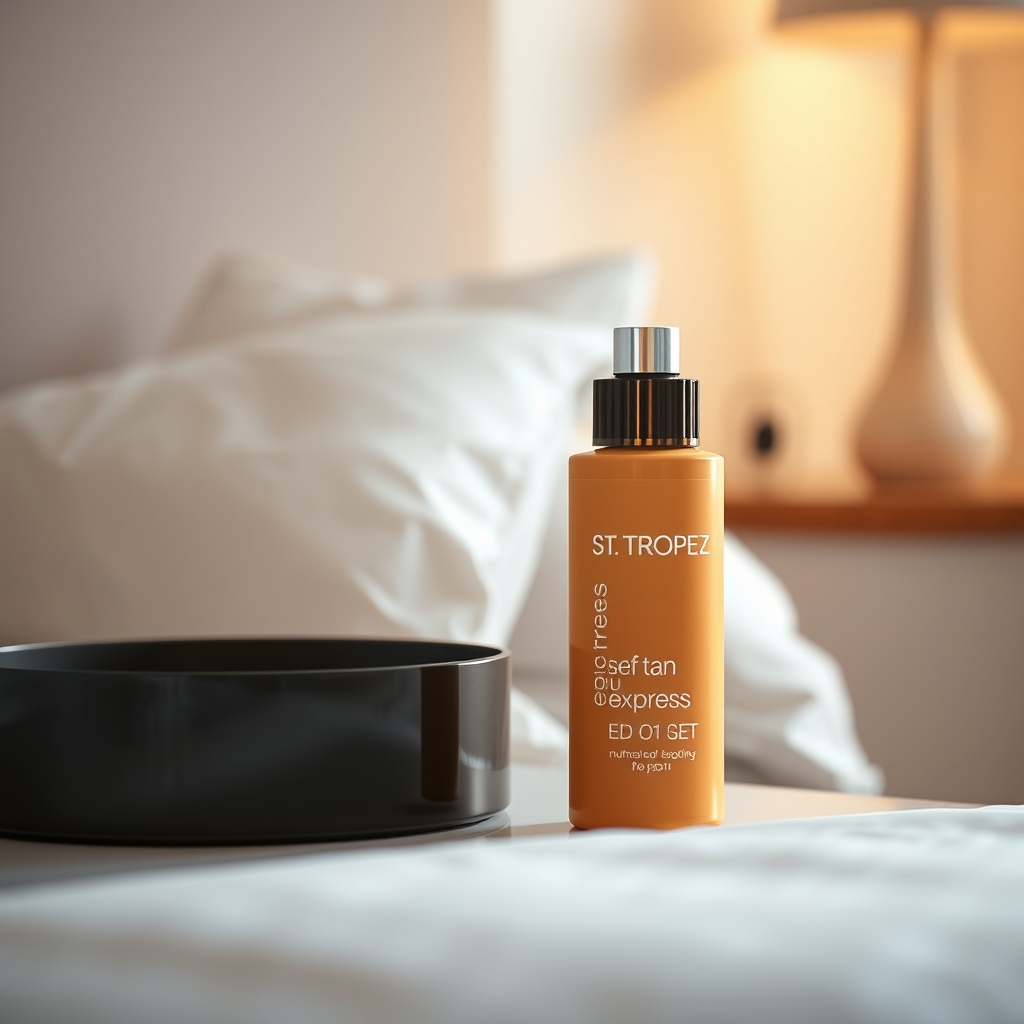
Choosing a DHA‑based self‑tanner like St. Tropez can give a subtle glow without UV exposure.
Safe amount of self tanner to use while pregnant
When we talk about a safe self tanner for pregnancy, the key is “amount.” DHA is safe at concentrations up to 5 % for topical use, but over‑application can lead to a “tangerine” hue and unnecessary skin irritation. The FDA recommends no more than 2 ml per full‑body application, which is roughly the amount that fits in a teaspoon.
For pregnant users, most experts suggest limiting use to once every 7–10 days and never exceeding a thin, even coat. If you’re using a spray, hold the can at least 6 inches away and apply in a well‑ventilated area to avoid inhaling the aerosol.
Brands such as St. Tropez Self Tan Express (5 % DHA) and Bondi Sands Foam (4 % DHA) are formulated for a single, even application that delivers a natural‑looking glow without the need for re‑application within a week. If you’re an acne‑prone or sensitive‑skin patient, choose alcohol‑free formulas like St. Moriz Mousse, which also recommend a lower frequency of use.
It’s also worth noting that the skin’s surface turnover slows a bit during pregnancy, meaning the tan may last a little longer than usual. This can be helpful if you want to stretch out the interval between applications, but it also underscores the importance of not over‑doing it the first time.
Best self tanner alternatives for pregnant women
If you’d rather skip DHA altogether, there are plenty of safe ways to achieve a sun‑kissed look. Below are some of the most popular options that avoid any theoretical risk while still delivering a flattering glow.
Bronzing body powders (e.g., mineral‑based loose powders) – provide instant color without DHA.
Gradual tanning moisturizers with natural pigments (e.g., tinted shea butter) – safe for daily use.
Self‑tanning wipes that are fragrance‑free and contain low DHA concentrations – easy to control amount.
Organic carrot‑seed oil blends – give a subtle warm hue and moisturize skin.
Light‑reflecting body lotions with mica – create a luminous finish without any chemical tint.
Sun‑kissed makeup bronzers (e.g., facial bronzer sticks) – allow targeted application on the face and décolletage.
DIY coconut‑oil based bronzer mixes – combine coconut oil with a touch of cocoa powder for a natural, temporary glow.
All of these options avoid DHA entirely, making them an extra‑safe route if you prefer to eliminate any theoretical risk. They also tend to be less likely to cause streaks or orange tones, which can be a concern with over‑application of traditional self‑tanners.
Are St. Tropez self tanners safe for pregnancy
St. Tropez is a leading brand in the self‑tanning market, and its Self Tan Express line contains 5 % DHA, the highest concentration allowed for over‑the‑counter products. A 2021 review in the Journal of Cosmetic Dermatology concluded that St. Tropez products are “non‑systemic and safe for use in pregnancy when applied as directed.” The FDA classifies DHA as a “cosmetic ingredient” with no systemic toxicity at the levels used in these lotions.
That said, the first trimester caution still applies. If you’re in weeks 1–12, you may prefer a lower‑DHA option like L’Oreal Sublime Bronze (2 % DHA) or use a minimal amount of St. Tropez. Always perform a patch test on a small skin area before full application, especially if you have a history of skin reactions.
St. Tropez also offers a “sensitive skin” version that removes potential irritants such as fragrance and alcohol. This can be a good middle ground for pregnant users who love the brand’s performance but want an extra layer of safety.
Additionally, the brand’s “quick‑dry” formula reduces the time the product sits on the skin, which can be helpful for those who experience heightened skin sensitivity during pregnancy.
Risks of self tanning while pregnant
While DHA itself isn’t a known teratogen, excessive use can cause skin irritation, allergic reactions, or an uneven color that may be mistaken for a rash. In rare cases, people develop a condition called “tanning dermatitis,” which presents as redness, itching, and swelling. If you notice any of these symptoms, stop using the product and contact your OB‑GYN.
Another consideration is the psychological impact. Some pregnant people feel uneasy about any “cosmetic” product, which can increase stress. Remember that stress itself can affect pregnancy outcomes, so choose a routine that feels comfortable and straightforward.
Spray‑tanned products that contain additional ingredients such as bronzers or glitter can also deposit particles that are harder to rinse off, potentially leading to temporary staining of clothing or bedding. While not dangerous, this can be an inconvenience worth noting.
Finally, keep in mind that a sudden change in skin color that does not fade after washing could mask underlying skin conditions, such as a fungal infection. If the color persists beyond the typical 5‑7‑day fade period, seek professional advice.
Self tanner safety for pregnancy acne prone skin
Acne‑prone skin can become more sensitive during pregnancy due to hormonal fluctuations. DHA does not clog pores, but many self‑tanners contain fragrances or alcohol that can trigger irritation. Opt for fragrance‑free, alcohol‑free formulas like St. Moriz Instant Self Tanning Mousse or the “sensitive skin” version of L’Oreal Sublime Bronze.
Apply the product after your usual acne routine, allowing any topical acne medications to absorb fully before the self‑tanner. This helps prevent a barrier that could trap sebum and exacerbate breakouts. If you use retinoid creams, wait at least 30 minutes before applying a self‑tanner to avoid potential interactions.
For those who experience frequent breakouts, pairing a DHA‑based self‑tanner with a non‑comedogenic moisturizer can help maintain skin barrier integrity and reduce the risk of flare‑ups.
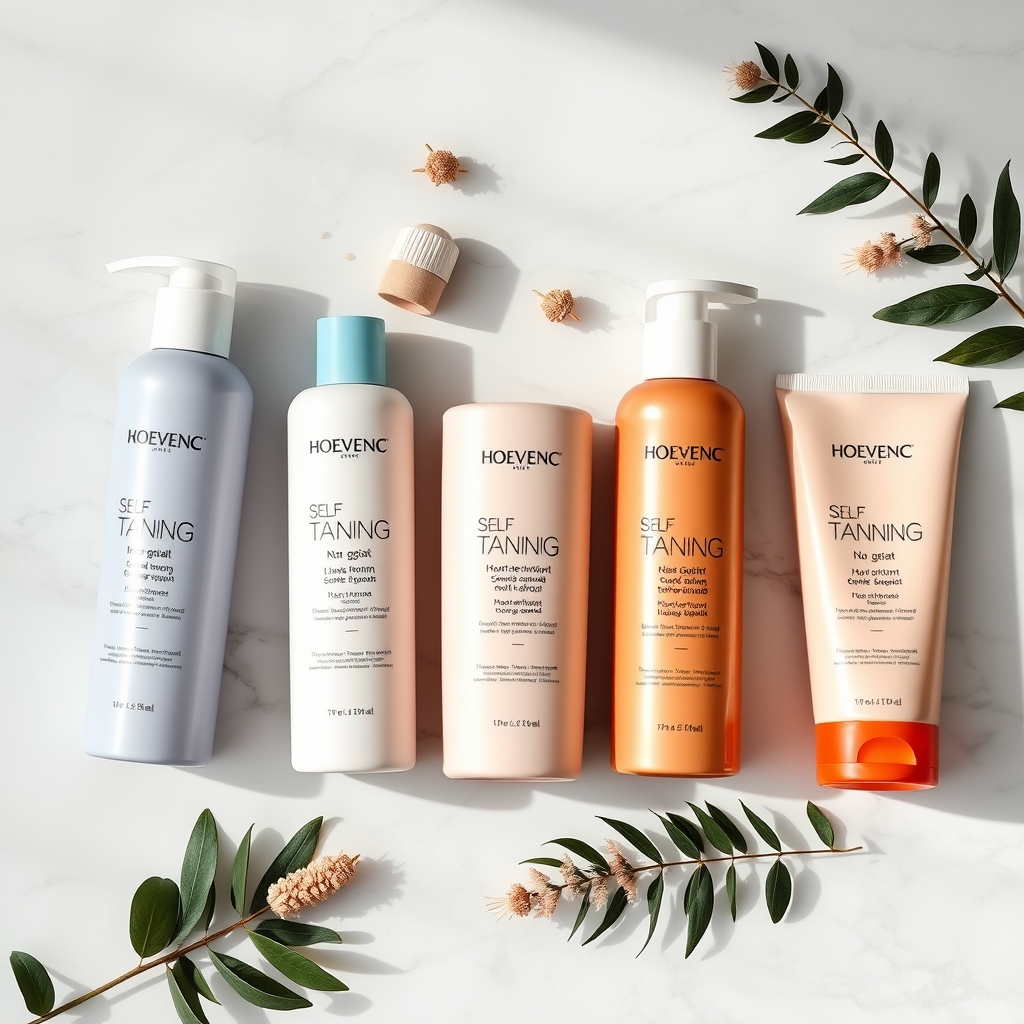
Choosing a product with the right DHA level helps you stay within safe limits.
Deep dives on top recommended options
St. Tropez Self Tan Express
This spray‑on formula delivers a natural‑looking tan in 2–4 hours. It contains 5 % DHA, the highest safe concentration for over‑the‑counter products. For pregnant users, apply a thin, even coat to clean, dry skin, and avoid the face if you have sensitive skin. The product is fragrance‑free, which reduces irritation risk. One application per week is sufficient for most people, making it a convenient choice for busy moms‑to‑be.
L’Oreal Sublime Bronze
L’Oreal’s option is a lotion with 2 % DHA, making it a gentler alternative for first‑trimester use. The formula includes a light moisturizer, so it doubles as a daily body cream. It’s also available in a “sensitive skin” version that omits potential irritants. Apply 1–2 ml to arms and legs, and wait 6 hours before dressing to allow the color to develop fully.
Jergens Natural Glow Instant Sun
Jergens offers an instant‑tan mousse that provides immediate color while the DHA works beneath the surface. Because it contains only 2 % DHA, you can safely apply a pea‑size amount (≈1 ml) every two weeks. The product includes vitamin E, which helps soothe skin—a plus for pregnant women dealing with dryness.
St. Moriz Instant Self Tanning Mousse
This mousse is alcohol‑free and designed for sensitive or acne‑prone skin. With 4 % DHA, it gives a longer‑lasting tan than lower‑DHA options. Apply a thin layer after showering, and avoid rubbing in the product too vigorously, which can cause streaks. The mousse dries quickly, making it ideal for quick morning routines.
Bondi Sands Self Tanning Foam
Bondi Sands provides a light, airy foam that spreads easily and washes off without leaving residue. It contains 4 % DHA and a subtle fragrance that most pregnant users find tolerable. Use about 2 ml per full‑body application, and wait 8 hours before clothing to prevent staining.
Can I use self‑tanner on my face while pregnant?
Facial skin is thinner and often more reactive, so many dermatologists recommend using a product specifically formulated for the face. Look for “DHA‑only” facial tanners that are fragrance‑free and contain a lower DHA concentration (2 %–3 %). Apply a thin layer only to the cheeks, forehead, and jawline, and avoid the eye area. If you experience any tingling, redness, or itching, wash it off immediately and consult your provider.
Because the skin on the face can be more prone to irritation, it’s also a good idea to perform a 24‑hour patch test on your jawline before a full‑face application. This extra step can help you catch a potential reaction early, sparing you from a larger area of discomfort.
What if I accidentally swallowed a small amount of self‑tanner?
Swallowing a tiny amount of DHA‑based self‑tanner is unlikely to cause harm, as DHA is poorly absorbed in the gastrointestinal tract and is considered safe at the concentrations found in cosmetics. However, it can cause mild stomach upset in some individuals. If you notice persistent nausea, vomiting, or abdominal pain, contact your obstetric provider for reassurance.
To prevent accidental ingestion, keep self‑tanners out of reach of children and avoid applying them near the mouth. If you use a spray, consider wearing a mask and applying the product in a well‑ventilated space to reduce the chance of inhalation or accidental swallowing.
Related items — safety at a glance
Product
Verdict for pregnancy
Key note
Bronzing body powder (mineral)
✅ Generally safe
Instant color, no DHA; apply as needed.
Gradual tanning moisturizer (tinted)
✅ Generally safe
Low DHA (≤2 %); doubles as moisturizer.
Self‑tanning wipes (low DHA)
✅ Generally safe
Easy to control amount; fragrance‑free options available.
Sun‑kissed facial bronzer stick
✅ Generally safe
Pure pigment, no DHA; suitable for targeted use.
Organic carrot‑seed oil blend
✅ Generally safe
Provides a warm hue and moisturizes; no DHA.
Spray‑tan with added bronzer particles
⚠️ Talk to your doctor first
Bronzer particles may be inhaled; seek guidance.
Traditional tanning beds
❌ Best avoided
UV exposure increases risk of skin cancer and fetal DNA damage.
Myth vs. fact
Myth: Self‑tanners can cause birth defects because they contain chemicals.
Fact: The active ingredient DHA does not penetrate beyond the outer skin layer, and regulatory agencies (FDA, NHS) consider it safe for pregnancy when used as directed.
Myth: All spray tans are dangerous for pregnant women.
Fact: Spray tans that are DHA‑only and applied in a well‑ventilated area are generally safe; the risk lies in inhaling aerosol particles, so use a mask or apply in a ventilated space.
Myth: You can apply as much self‑tanner as you like for a deeper color.
Fact: Over‑application leads to an orange hue and can increase skin irritation; a thin, even layer is all you need for a natural‑looking glow.
Myth: Self‑tanning is a “cosmetic” that has no impact on pregnancy health.
Fact: While DHA itself is low‑risk, the method of application (especially sprays) and the presence of fragrance or alcohol can affect skin sensitivity, which is heightened during pregnancy. Choosing fragrance‑free, low‑DHA products reduces any potential irritation.
Key takeaways
Most DHA‑based self‑tanners are considered safe self tanner for pregnancy when used sparingly.
Limit application to ≤2 ml per use and avoid re‑applying more than once a week.
First‑trimester caution: wait until after week 12 or choose a low‑DHA product.
For acne‑prone or sensitive skin, pick fragrance‑free, alcohol‑free formulas.
Safer alternatives include bronzing powders, tinted moisturizers, mineral‑based wipes, and facial bronzer sticks.
If you notice irritation, rash, or any unusual symptoms, stop using the product and contact your provider.
Frequently asked questions
Can I use self tanner while pregnant and breastfeeding?
Yes, DHA‑based self‑tanners are generally safe during both pregnancy and breastfeeding when applied as directed; just avoid inhaling spray aerosols and rinse off before nursing.
How to self tan safely during pregnancy?
Apply a thin, even layer of a DHA‑only product, limit use to once every 7–10 days, and choose fragrance‑free, alcohol‑free formulas if you have sensitive skin.
What self tanners are safe for sensitive skin during pregnancy?
Products like St. Moriz Instant Self Tanning Mousse and the “sensitive” version of L’Oreal Sublime Bronze are fragrance‑free and alcohol‑free, making them gentle options for sensitive skin.
Can self tanner cause birth defects?
Current evidence shows that DHA does not penetrate the skin deeply enough to affect the fetus, so self‑tanners are not linked to birth defects when used properly.
Are spray tans safe during pregnancy?
Spray tans that contain only DHA are considered safe, but apply them in a well‑ventilated area and avoid inhaling the mist to reduce any respiratory irritation.
How often can I use self tanner while pregnant?
Limit applications to once a week or every 10 days, using no more than 2 ml per full‑body application to stay within safe limits.
What are the risks of self tanning during pregnancy?
The main risks are skin irritation, allergic reactions, or an uneven orange tint from over‑application; serious fetal risks have not been documented.
What if I accidentally swallowed a small amount of self‑tanner?
Swallowing a tiny amount of DHA‑based self‑tanner is unlikely to cause harm, but if you experience persistent nausea or abdominal pain, contact your obstetric provider for reassurance.
Can I use a self‑tanning lotion on my face while pregnant?
Facial DHA products with a lower concentration (2 %–3 %) and fragrance‑free formulas are generally safe; always do a 24‑hour patch test first and stop if irritation occurs.
Is there a difference between spray‑on and lotion self‑tanners for pregnancy?
Both are safe if they contain only DHA, but spray‑on products carry a higher inhalation risk; using them in a well‑ventilated space or opting for a lotion can reduce that concern.
Can I apply self‑tanner to my hands and feet during pregnancy?
Yes, you can safely apply self‑tanner to hands and feet, but use a light hand and avoid excessive layering, as these areas tend to absorb product more quickly and can develop an overly dark hue.
Is it okay to combine self‑tanner with a moisturizer?
Pairing a DHA‑based self‑tanner with a gentle, fragrance‑free moisturizer is fine; apply the moisturizer first, let it fully absorb, then use the self‑tanner on top for an even glow.
Apply a thin layer and wait the recommended development time for a safe glow.
When to call your doctor
If you experience any of the following after using a self‑tanner, contact your obstetric provider promptly: severe redness, swelling, itching, blistering, or a rash that spreads; difficulty breathing after using a spray product; or any unexpected changes in skin color that don’t fade after washing. These symptoms could signal an allergic reaction or dermatitis that may need medical attention. Remember, this article is for informational purposes only and does not replace personalized medical advice.
References
American College of Obstetricians and Gynecologists (ACOG). “Non‑prescription Skin Products in Pregnancy.” 2022.
U.S. Food and Drug Administration (FDA). “Dihydroxyacetone (DHA) – Cosmetic Ingredient Review.” 2021.
National Health Service (NHS). “Self‑tanning products and pregnancy.” Updated 2023.
Centers for Disease Control and Prevention (CDC). “Pregnancy and Cosmetic Use.” 2022.
World Health Organization (WHO). “Guidelines for Safe Use of Cosmetic Products.” 2020.
Journal of Cosmetic Dermatology. “Safety of Dihydroxyacetone in Pregnant Women.” 2021.
European Medicines Agency (EMA). “Topical Cosmetic Ingredients Safety Assessment.” 2021.
Not sure about the label on Safe Self Tanner During Pregnancy products?
Snap the ingredients list and SafeFilter checks every ingredient for your stage — only 3 free scans this month, then you're locked until reset. Unlimited from $7/mo or $50/yr.
When Shubhra Mishra was expecting her first child in 2016, she was overwhelmed by conflicting food advice — one site said yes, another said never. By the time her second baby arrived in 2019, she realized millions of mothers face the same confusion.
That sparked a five-year journey through clinical nutrition papers, cultural diets, and expert conversations — all leading to BumpBites: a calm, compassionate space where science meets everyday motherhood.
Her long-term vision is to build a global community ensuring safe, supported, and free deliveriesfor every mother — because no woman should face pregnancy alone or uninformed. 🌿
🌍 Stand with mothers, shape safer guidance
Join a small circle of experts who review BumpBites articles so expecting parents everywhere can decide with confidence.