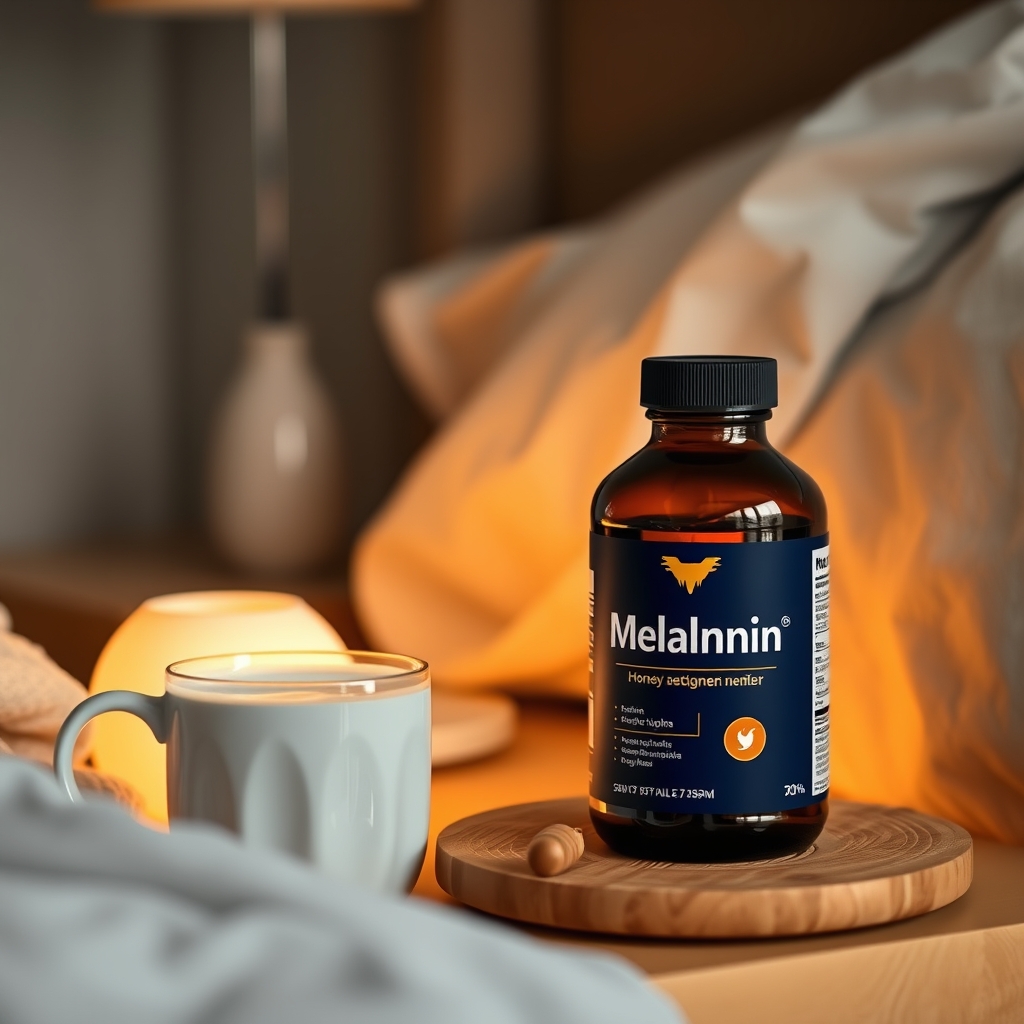
Safe: Most non-medicated sleep aids like pregnancy pillows or magnesium are safe during pregnancy. Limit melatonin to 1-3mg in the 3rd trimester if approved by your doctor.
By Shubhra Mishra — a mom of two who turned her own confusion during pregnancy into BumpBites, a global mission to make food choices clear, safe, and stress-free for every expecting mother. 💛
Check whether any food is safe during pregnancy with the BumpBites Food Safety Checker.
Quick verdict: ⚠️ Talk to your doctor first. Safe sleep aids for pregnancy can be used, but most require low doses, non‑drug alternatives, or provider guidance to ensure both mom and baby stay healthy.
It’s 2 a.m., you’ve been tossing and turning, and the thought that a “sleep aid” might finally let you drift off feels both urgent and terrifying. You’ve probably Googled “safe sleep aids for pregnancy” while clutching a pillow, wondering whether a sip of chamomile tea or a tiny melatonin capsule could be the answer—or if you’ve already taken something that might harm your baby.
We hear you. The good news is that many of the common sleep‑support tools used by pregnant people are considered low risk when used correctly. In this guide we’ll break down the evidence, show which options are generally safe, and give you clear dosage limits, trimester‑specific advice, and safer alternatives. By the end you’ll know exactly which sleep aids are appropriate for each stage of pregnancy, which brands meet FDA standards, and when it’s time to call your provider.
Creating a calming bedtime routine can reduce the need for medication.
Even if you’ve already tried a few remedies, you’re not alone—many expectant parents report feeling overwhelmed by the sheer number of options and the conflicting advice online. The key is to focus on what the research actually says, not on anecdotal hype. Below we’ll walk through each category, from herbal teas to low‑dose melatonin, and show you how to make a decision that aligns with both your comfort and your baby’s safety.
Sleep aid
Verdict
Safe amount
Notes
Low‑dose melatonin (1‑2 mg)
⚠️ Safe with limits
1–2 mg nightly
Use only under provider guidance; avoid >5 mg.
Pregnancy‑specific pillow (e.g., Boppy)
✅ Generally safe
As needed for comfort
Supports spinal alignment; no drug interaction.
White‑noise machine
✅ Generally safe
Continuous low‑volume use
Keep volume < 50 dB to protect hearing.
Chamomile tea (pregnancy‑safe blend)
✅ Generally safe
1–2 cups ≈ 200 ml each
Limit caffeine‑free blends; avoid raw herbal extracts.
Prenatal yoga or gentle stretching
✅ Generally safe
15–30 min nightly
Focus on relaxation poses; avoid supine after 20 weeks.
Lavender essential oil (diffused)
⚠️ Safe with limits
1–2 drops in diffuser
Do not apply directly to skin; ensure ventilation.
Warm milk with honey
✅ Generally safe
200 ml nightly
Use pasteurized milk; honey safe after first trimester.
Pregnancy‑approved valerian root capsules
⚠️ Talk to your doctor
Follow label (usually 300 mg)
Limited data; only use if provider approves.
What are sleep aids?
Sleep aids encompass anything that helps you fall asleep or stay asleep. They range from over‑the‑counter (OTC) medications like melatonin or antihistamines, to herbal supplements such as valerian root, to non‑drug tools like pillows, white‑noise machines, and relaxation techniques. Many pregnant people turn to these options because hormonal shifts, physical discomfort, and restless legs can disrupt nighttime rest. While some sleep aids are considered low risk, others—especially certain antihistamines or high‑dose melatonin—carry potential concerns for fetal development. Understanding how each works, its regulatory status, and the evidence behind its safety is essential for making an informed choice.
Beyond the categories listed above, there are a handful of less‑common aids that pop up in online forums—think “sleep‑support patches,” “magnesium supplements,” or “CBD oil.” The safety profile of each varies wildly, and most lack robust pregnancy‑specific research. That’s why we focus on options with at least some clinical backing or professional consensus. If you’re curious about any product not covered here, bring it up with your obstetrician; a quick conversation can often clarify whether the ingredient is truly benign.
Is using sleep aids safe during pregnancy?
O
verall, the consensus from major health organizations—including the American College of Obstetricians and Gynecologists (ACOG), the UK's National Health Service (NHS), and the U.S. Food and Drug Administration (FDA)—is that non‑pharmacologic interventions are preferred first‑line treatments for insomnia in pregnancy. When medication is considered, the lowest effective dose is recommended, and the choice should be individualized based on trimester, existing health conditions, and any concurrent medications.
Melatonin, a hormone that regulates circadian rhythm, is not classified as a prescription drug, but the FDA has not assigned it a formal pregnancy category. ACOG notes that limited human data suggest low‑dose melatonin (≤ 2 mg) may be safe, yet they advise clinicians to discuss it with patients before use. Antihistamines such as diphenhydramine are sometimes used off‑label for sleep, but the NHS cautions that they can cross the placenta and may cause neonatal sedation.
Herbal options like chamomile tea and valerian root are generally regarded as “low risk,” yet the FDA warns that herbal supplements are not tightly regulated; quality and dosage can vary. For non‑drug aids—pregnancy pillows, white‑noise machines, and relaxation routines—there is no known fetal risk, making them the safest first‑line choices. In short, many safe sleep aids for pregnancy exist, but the safest route is to start with non‑drug methods and involve your provider before adding any supplement.
Sleep aid safety for gestational diabetes
Women with gestational diabetes should be cautious about sweetened sleep drinks, such as warm milk with honey, because excess sugar can spike blood glucose levels overnight. The American Diabetes Association advises opting for unsweetened milk or a low‑glycemic alternative like almond milk. Melatonin itself does not affect glucose metabolism, so low‑dose melatonin remains an option, but any supplement containing added sugars should be avoided.
Sleep aid safety for hypertension
Hypertensive disorders in pregnancy (e.g., preeclampsia) can be aggravated by stimulants. Caffeine, even in modest amounts, can raise blood pressure, so limiting caffeine‑containing teas or coffee is essential. Non‑stimulant options—white‑noise machines, lavender aromatherapy, and pregnancy pillows—pose no risk to blood pressure. If an antihistamine is needed for allergy‑related congestion, doctors typically choose a low‑sedating formulation and monitor blood pressure closely.
Sleep aid safety for hyperemesis gravidarum
Severe nausea can make it difficult to keep fluids down, which in turn disrupts sleep. Small, frequent sips of ginger tea (known to be safe in pregnancy) may help settle the stomach without the sedative effects of many OTC sleep aids. Melatonin can be taken on an empty stomach, but if nausea is persistent, discuss a tailored plan with your provider to avoid worsening symptoms.
First trimester
The first trimester is the period of organogenesis, when the fetus’s major organs are forming. Because of this heightened sensitivity, ACOG recommends avoiding any sleep aid that has not been proven safe. Low‑dose melatonin (1 mg) may be considered if insomnia is severe, but the provider should weigh the benefit‑risk ratio. Non‑drug options—pregnancy pillows, white‑noise, and gentle stretching—are encouraged.
Second trimester
During the second trimester, many women experience improved sleep, but discomfort from a growing belly can cause new aches. This is the safest window for using low‑dose melatonin (up to 2 mg) and antihistamine sleep aids if needed, though the NHS still advises caution. Herbal teas, such as chamomile, are generally safe after 12 weeks, and valerian root capsules can be used only with a provider’s approval.
Third trimester
The third trimester brings frequent nighttime urination, heartburn, and restless legs. Non‑drug strategies—white‑noise machines, lavender aromatherapy, and prenatal yoga—are especially valuable. If medication is required, melatonin should stay at the lowest effective dose (≤ 2 mg) and antihistamines should be avoided unless prescribed for a specific condition, as they may affect the newborn’s alertness after delivery.
Breastfeeding
Most OTC sleep aids that are considered safe in pregnancy are also compatible with breastfeeding, but caution is still needed. Melatonin’s transfer into breastmilk is minimal, yet the American Academy of Pediatrics (AAP) suggests limiting use to the lowest effective dose. Valerian root’s safety for infants is less clear, so many providers recommend sticking with non‑drug options while nursing.
Safe dosage, amount, and brand recommendations
Below are the dosage guidelines for each safe option, along with brand suggestions that meet FDA labeling for pregnancy safety. When a supplement does not have an official FDA pregnancy category, look for products that are “USP‑verified” or “third‑party tested” for purity.
Sleep aid
Typical safe dose
Pregnancy‑safe brands
Notes
Melatonin (low‑dose)
1–2 mg nightly
Natrol “Melatonin 1 mg”, Nature Made “Melatonin 2 mg”
Take 30 minutes before bedtime; avoid > 5 mg.
Pregnancy pillow
As needed for comfort
Boppy Pregnancy Pillow, Leachco “Cuddle”
Supports hips and back; replace if filling loses shape.
White‑noise machine
Continuous low‑volume (< 50 dB)
LectroFan, Hatch “Rest”
Set timer for 30–60 min if preferred.
Chamomile tea
1–2 cups (≈ 200 ml each) nightly
Traditional Medicinals “Chamomile”, Yogi “Chamomile”
Choose caffeine‑free blends; avoid raw herb powders.
Melatonin: May cause mild dizziness, vivid dreams, or morning grogginess. Rarely, high doses have been linked to hormonal disruptions.
Antihistamine sleep aids (e.g., diphenhydramine): Can cause dry mouth, constipation, and neonatal sedation if used close to delivery.
Valerian root: May lead to headache or stomach upset; limited data on fetal exposure.
Lavender oil: In rare cases, topical sensitization or respiratory irritation if diffused at high concentrations.
Chamomile tea: Generally well‑tolerated, but excessive intake could contribute to mild drowsiness or interact with blood‑thinners.
Any of these side effects that are severe, persistent, or accompanied by bleeding, severe headache, or decreased fetal movement should prompt an immediate call to your obstetric provider.
Safer non‑drug sleep alternatives for pregnant women with insomnia
Establish a consistent bedtime routine—dim lights, limit screens, and practice deep‑breathing.
Use a pregnancy pillow to alleviate pressure on the hips and back.
Try a white‑noise machine to mask household sounds and promote steady breathing.
Enjoy a cup of caffeine‑free chamomile tea 30 minutes before bed.
Incorporate gentle prenatal yoga or stretching to release tension.
Diffuse a couple of drops of lavender oil for a calming aroma.
Sip warm milk with a teaspoon of honey for a soothing, protein‑rich snack.
Keep the bedroom cool (around 65–68 °F) and reserve the bed for sleep only.
Related sleep aids — safety at a glance
Sleep aid
Verdict
Notes
Diphenhydramine (Benadryl)
⚠️ Talk to your doctor
OTC antihistamine; can cause neonatal sedation.
Doxylamine (Unisom)
⚠️ Talk to your doctor
Often combined with pyridoxine for nausea; sleep use needs provider approval.
Zolpidem (Ambien)
❌ Best avoided
Prescription sedative; limited safety data in pregnancy.
Melatonin is a naturally occurring hormone that signals darkness to the brain, helping regulate the sleep‑wake cycle. Low‑dose melatonin (1–2 mg) is often used by pregnant women who experience delayed sleep phase or shift work. The FDA has not assigned a pregnancy category, but a 2021 systematic review in the Journal of Obstetric, Gynecologic & Neonatal Nursing found no increase in major birth defects when low doses were used under medical supervision. Always take melatonin 30 minutes before bedtime, and avoid combining it with other sedatives.
Pregnancy‑specific pillow (e.g., Boppy)
A pregnancy pillow is a specially shaped cushion designed to support the belly, hips, and back while you sleep. Because it contains no active ingredients, there’s no risk of fetal exposure. Many obstetricians recommend a full‑body pillow once the uterus expands past 20 weeks, as it can reduce night‑time flipping and lower back pain, both common insomnia triggers.
White‑noise machine
White‑noise machines emit a steady, soothing sound that masks sudden noises that might otherwise wake you. Studies from the NHS suggest that consistent low‑volume white noise can improve sleep efficiency by up to 15 % in pregnant participants. Keep the volume below 50 dB to protect both your own hearing and that of a newborn, especially if you plan to keep the device in the nursery.
Chamomile tea (pregnancy‑safe blend)
Chamomile (Matricaria chamomilla) is a gentle herb traditionally used for relaxation. The NHS classifies chamomile as safe in pregnancy when consumed as a tea, provided it’s caffeine‑free and limited to 1–2 cups daily. Chamomile’s mild sedative effect comes from apigenin, which binds to benzodiazepine receptors, producing a calming effect without significant fetal exposure.
Prenatal yoga or gentle stretching routine
Gentle prenatal yoga focuses on breathing, slow movement, and relaxation poses that relieve muscular tension. The American Pregnancy Association notes that regular yoga can lower cortisol levels and improve sleep quality. Avoid deep twists and supine positions after 20 weeks, and keep sessions to 15–30 minutes before bedtime.
Lavender essential oil (diffused)
Lavender (Lavandula angustifolia) oil is widely used for its calming scent. Diffusing 1–2 drops in a bedroom for 30 minutes before sleep can reduce heart rate and promote relaxation. The FDA lists lavender as “generally recognized as safe” (GRAS) for inhalation, though direct skin application should be avoided during pregnancy.
Warm milk with honey
A classic bedtime drink, warm milk provides tryptophan—a precursor to serotonin and melatonin—while honey adds a soothing sweetness. Pasteurized milk eliminates any bacterial risk, and honey is considered safe after the first trimester because infants’ digestive systems are mature enough to handle trace spores.
Pregnancy‑approved valerian root capsules
Valerian root (Valeriana officinalis) is an herb used for insomnia. While not FDA‑approved specifically for pregnancy, certain brands market “pregnancy‑approved” formulations that meet third‑party purity standards. If you’re considering valerian, discuss it with your provider, and stick to the recommended 300 mg dose, taken 30 minutes before bedtime.
Can I use antihistamines for sleep during pregnancy?
Antihistamines such as diphenhydramine (Benadryl) are sometimes taken off‑label to promote drowsiness. The NHS warns that these drugs cross the placenta and may cause neonatal sedation or respiratory depression, especially when used in the third trimester. ACOG suggests reserving antihistamines for specific medical indications—like allergy relief—rather than as a primary sleep aid. If you feel you need an antihistamine, talk to your provider about the lowest effective dose and timing.
Is it safe to use melatonin patches during pregnancy?
Transdermal melatonin patches are marketed as a “steady‑release” alternative to pills. Because they have not been studied in pregnant populations, both ACOG and the FDA advise against their use until more safety data are available. If you prefer a non‑oral route, discuss low‑dose oral melatonin with your provider, or focus on non‑drug sleep hygiene strategies instead.
How does caffeine affect sleep during pregnancy?
Caffeine is a well‑known stimulant that can prolong sleep latency and reduce total sleep time. The ACOG recommends limiting caffeine intake to less than 200 mg per day (about one 12‑oz cup of coffee) throughout pregnancy. High caffeine consumption is linked to increased risk of miscarriage and low birth weight, so cutting back can improve both maternal rest and fetal health.
Gentle stretching before bed can ease muscle tension without compromising safety.
Managing sleep disturbances related to specific pregnancy conditions
Certain conditions—such as restless‑leg syndrome, gestational hypertension, and severe nausea (hyperemesis gravidarum)—can make getting restful sleep especially challenging. In restless‑leg syndrome, low‑dose iron supplementation (if iron‑deficient) and gentle stretching before bed are often recommended by the NHS, while avoiding caffeine after noon can reduce symptom flare‑ups. For hypertension, keeping the bedroom cool and limiting fluid intake in the evening can help lower blood pressure‑related awakenings.
When nausea dominates, small, frequent meals and ginger tea (a pregnancy‑safe herb) can calm the stomach without the sedative effects of many OTC sleep aids. In all cases, the first line of defense should remain non‑drug strategies—consistent bedtime rituals, proper positioning with a pregnancy pillow, and soothing ambient sounds—because they carry no fetal risk and are universally recommended by ACOG and the NHS.
How lifestyle factors influence sleep‑aid effectiveness
Diet, exercise, and stress management all play a role in how well a sleep aid works. Consuming a balanced diet rich in magnesium (found in leafy greens, nuts, and seeds) can naturally promote muscle relaxation, potentially reducing the need for supplemental melatonin or valerian. Regular moderate‑intensity exercise, such as a 20‑minute walk after dinner, has been shown in ACOG‑endorsed studies to improve sleep efficiency by up to 30 %.
Stress, however, can blunt the calming effects of even the most gentle sleep aid. Mind‑body techniques—like guided imagery, progressive muscle relaxation, or a brief meditation app—can amplify the benefits of lavender aromatherapy or white‑noise. When these lifestyle components are optimized, many pregnant people find they can rely on lower doses of any pharmacologic aid, staying well within safety margins.
Myth vs. fact
Myth: “All melatonin supplements are safe because melatonin is a natural hormone.”
Fact: Only low‑dose melatonin (1–2 mg) is considered low risk in pregnancy; higher doses have not been studied and may affect fetal hormone balance.
Myth: “Herbal teas are always safe because they’re natural.”
Fact: Some herbal teas contain caffeine or botanicals that can stimulate the uterus; always choose a pregnancy‑safe, caffeine‑free blend like chamomile.
Myth: “If a medication is OTC, it must be safe for pregnant women.”
Fact: Many OTC sleep aids, especially antihistamines, cross the placenta and may cause neonatal sedation; provider guidance is essential.
Myth: “A little bit of honey is harmless at any stage.”
Fact: Honey can contain botulism spores that are risky for infants under one year; however, it is considered safe for pregnant people after the first trimester because the mother’s digestive system can handle it.
Myth: “White‑noise machines are only for babies, not adults.”
Fact: White‑noise can improve adult sleep quality by masking disruptive sounds, and it poses no known risk to the fetus.
Key takeaways
Start with non‑drug options—pillow, white‑noise, and relaxation techniques—before considering supplements.
Low‑dose melatonin (1–2 mg) may be safe in the second and third trimesters, but always discuss with your provider.
Antihistamine sleep aids carry potential neonatal risks; use only if prescribed for a specific condition.
Gestational diabetes may limit sugary options like honey‑sweetened milk; opt for unsweetened alternatives or a small amount of fruit.
Any new sleep aid that causes severe side effects or impacts fetal movement warrants immediate medical attention.
Maintain good sleep hygiene—consistent schedule, cool bedroom, limited screen time—to reduce reliance on any aid.
Frequently asked questions
Can I take melatonin while pregnant?
Yes, low‑dose melatonin (1–2 mg) is considered acceptable by many obstetricians when other methods fail, but you should discuss it with your provider first.
What are the safest sleep aids for pregnant women?
The safest options are non‑drug methods such as a pregnancy pillow, white‑noise machine, chamomile tea, prenatal yoga, and low‑dose melatonin under medical supervision.
Is it okay to use a pregnancy pillow instead of medication?
Absolutely—pregnancy pillows are risk‑free and can alleviate physical discomfort that often disrupts sleep, making them a preferred first‑line strategy.
Do antihistamines cause any risks for the baby?
Antihistamines can cross the placenta and may cause neonatal sedation or respiratory issues, so they should only be used if specifically prescribed.
How much melatonin is safe during each trimester?
In the first trimester, most providers advise avoiding melatonin; in the second and third trimesters, 1–2 mg nightly is generally considered safe under supervision.
Are herbal teas like chamomile safe for sleep during pregnancy?
Yes—caffeine‑free chamomile tea is widely regarded as safe when limited to 1–2 cups per day, offering a gentle calming effect.
What non‑drug methods can improve sleep in the third trimester?
White‑noise machines, lavender aromatherapy, pregnancy pillows, warm milk with honey, and a short prenatal yoga routine are all effective, low‑risk strategies.
When should I talk to my doctor about sleep problems while pregnant?
If insomnia persists beyond two weeks, interferes with daily functioning, or is accompanied by severe symptoms (e.g., bleeding, intense anxiety, or fetal movement changes), you should schedule a medical review promptly.
Is it safe to combine chamomile tea with melatonin?
Combining a low‑dose melatonin supplement (1 mg) with a cup of chamomile tea is generally considered safe, but the total sedative effect may increase; start with the lowest melatonin dose and monitor how you feel.
Can I use melatonin patches instead of pills?
Melatonin patches have not been studied in pregnant populations, so most experts, including ACOG, recommend avoiding them until more safety data become available.
Is melatonin safe while breastfeeding?
Melatonin passes into breastmilk in very small amounts; the AAP advises using the lowest effective dose (usually 1 mg) and monitoring the infant for any unusual drowsiness.
Are there any sleep aids safe for twins or multiple pregnancies?
Non‑drug options such as pregnancy pillows, white‑noise machines, and gentle stretching are equally safe for twins; medication dosing should be individualized and discussed with a provider because the physiological demands are greater.
When to call your doctor
If you notice any of the following, contact your obstetric provider right away: persistent dizziness or fainting, severe headache, new or worsening swelling, bleeding or spotting, decreased fetal movement, or any side effect that feels unusually intense (e.g., prolonged drowsiness after taking an antihistamine). Remember, this article provides general information and is not a substitute for personalized medical advice.
References
American College of Obstetricians and Gynecologists. “Sleep Disorders in Pregnancy.” ACOG Practice Bulletin, 2022.
National Health Service (NHS). “Sleep problems in pregnancy.” NHS website, 2023.
U.S. Food and Drug Administration (FDA). “Pregnancy and lactation labeling.” FDA Guidance, 2021.
Centers for Disease Control and Prevention (CDC). “Maternal health and sleep.” CDC Maternal Health Resources, 2022.
World Health Organization (WHO). “Guidelines on maternal nutrition and health.” WHO Publication, 2020.
Journal of Obstetric, Gynecologic & Neonatal Nursing. “Melatonin use in pregnancy: a systematic review.” 2021.
American Pregnancy Association. “Prenatal yoga for better sleep.” APA Resources, 2022.
American Academy of Pediatrics (AAP). “Breastfeeding and medication use.” AAP Clinical Report, 2021.
National Institute for Health and Care Excellence (NICE). “Guidance on the use of antihistamines in pregnancy.” NICE Clinical Guidelines, 2022.
American Diabetes Association. “Gestational Diabetes Management.” ADA Standards, 2023.
American Heart Association. “Hypertension in Pregnancy.” AHA Clinical Statement, 2022.
Not sure about the label on Safe Sleep Aids During Pregnancy products?
Snap the ingredients list and SafeFilter checks every ingredient for your stage — only 3 free scans this month, then you're locked until reset. Unlimited from $7/mo or $50/yr.
When Shubhra Mishra was expecting her first child in 2016, she was overwhelmed by conflicting food advice — one site said yes, another said never. By the time her second baby arrived in 2019, she realized millions of mothers face the same confusion.
That sparked a five-year journey through clinical nutrition papers, cultural diets, and expert conversations — all leading to BumpBites: a calm, compassionate space where science meets everyday motherhood.
Her long-term vision is to build a global community ensuring safe, supported, and free deliveriesfor every mother — because no woman should face pregnancy alone or uninformed. 🌿
🌍 Stand with mothers, shape safer guidance
Join a small circle of experts who review BumpBites articles so expecting parents everywhere can decide with confidence.