Safe drinks for pregnancy include water, pasteurized milk, and decaf coffee (≤200mg caffeine/day). Avoid alcohol, raw juices, and excess herbal teas—especially in the first trimester.
By Shubhra Mishra — a mom of two who turned her own confusion during pregnancy into BumpBites, a global mission to make food choices clear, safe, and stress-free for every expecting mother. 💛
Check whether any food is safe during pregnancy with the BumpBites Food Safety Checker.
Quick verdict: ⚠️ Safe with limits – most non‑alcoholic beverages are fine for pregnancy when consumed in moderation, but caffeine, sugar, and certain herbs need careful attention.
It’s 2 a.m., the kitchen light is on, and you’re wondering if the sparkling water you just poured is truly safe drinks for pregnancy. You’re not alone—many expecting parents hit that late‑night “did I just make a mistake?” moment. The good news is that the majority of everyday drinks are compatible with a healthy pregnancy, as long as you stay within the guidelines set by organizations like ACOG, the NHS, and the FDA.
In this guide we’ll break down which beverages are considered safe, how much caffeine you can have, what brands are trustworthy, and which drinks to steer clear of. We’ll also dive into trimester‑specific advice, discuss the impact of gestational diabetes, and suggest tasty alternatives to alcoholic drinks. By the end, you’ll have a clear roadmap for staying hydrated and satisfied throughout your pregnancy.
Staying properly hydrated supports amniotic fluid volume, helps prevent constipation—a common complaint in pregnancy—and can even reduce the risk of urinary‑tract infections. Because your body is processing more blood and supporting a growing baby, the amount of fluid you need rises noticeably. That’s why understanding not just “what” but “how much” of each drink matters for both you and your baby.
Drink
Verdict
Safe amount per day
Notes
Sparkling water
✅ Generally safe
Up to 2 L
Choose brands without added sugar or artificial sweeteners.
Coconut water
✅ Generally safe
250‑300 ml
Watch for extra sodium in flavored varieties.
Ginger herbal tea
✅ Generally safe
2‑3 cups
Limit to 1 cup per day if you have gallbladder issues.
Freshly squeezed orange juice
✅ Generally safe
150‑200 ml
Prefer whole fruit for fiber; watch vitamin C excess.
Lemonade (no added sugar)
✅ Generally safe
200 ml
Use natural sweeteners sparingly.
Cucumber‑mint infused water
✅ Generally safe
Unlimited
Hydrating and low‑calorie.
Low‑fat milk
✅ Generally safe
250‑300 ml
Great source of calcium; choose pasteurized.
Pasteurized aloe vera juice
⚠️ Safe with limits
100 ml
Avoid if you have laxative sensitivity.
When we talk about safe drinks for pregnancy, we’re referring to any beverage that doesn’t contain harmful levels of caffeine, alcohol, artificial additives, or teratogenic substances. Most non‑alcoholic drinks fall into this category, but the key is moderation and choosing products that are free from contaminants. Below we’ll unpack what each drink type is, why it’s popular, and what you should know before reaching for the next glass.
Which drinks are safe to consume during each trimester of pregnancy?
Overall, hydration is essential at every stage of pregnancy. The ACOG recommends at least 2.7 L (about 10 cups) of fluids daily, including water, milk, and juice. In the first trimester, the focus is on avoiding teratogens—substances that could interfere with organ formation. By the second trimester, you can expand your beverage options, but it’s still wise to limit added sugars. The third trimester calls for extra calcium and iron, so drinks like low‑fat milk and fortified juices become valuable.
Below is a quick guide:
First trimester: Prioritize plain water, sparkling water, and low‑caffeine teas. Avoid unpasteurized juices and any herbal teas with unknown safety profiles.
Second trimester: You can add coconut water and fresh fruit juices, but keep portions moderate to control sugar intake.
Third trimester: Calcium‑rich drinks such as low‑fat milk and fortified orange juice support fetal bone development.
Breastfeeding: Hydration needs increase; continue safe drinks and add extra water to maintain milk supply.
If you ever feel thirsty, dizzy, or notice dark‑colored urine, those are signs you may need to increase fluid intake. Aim to sip regularly throughout the day rather than gulping large amounts at once, which helps maintain steady blood‑volume levels and reduces swelling.
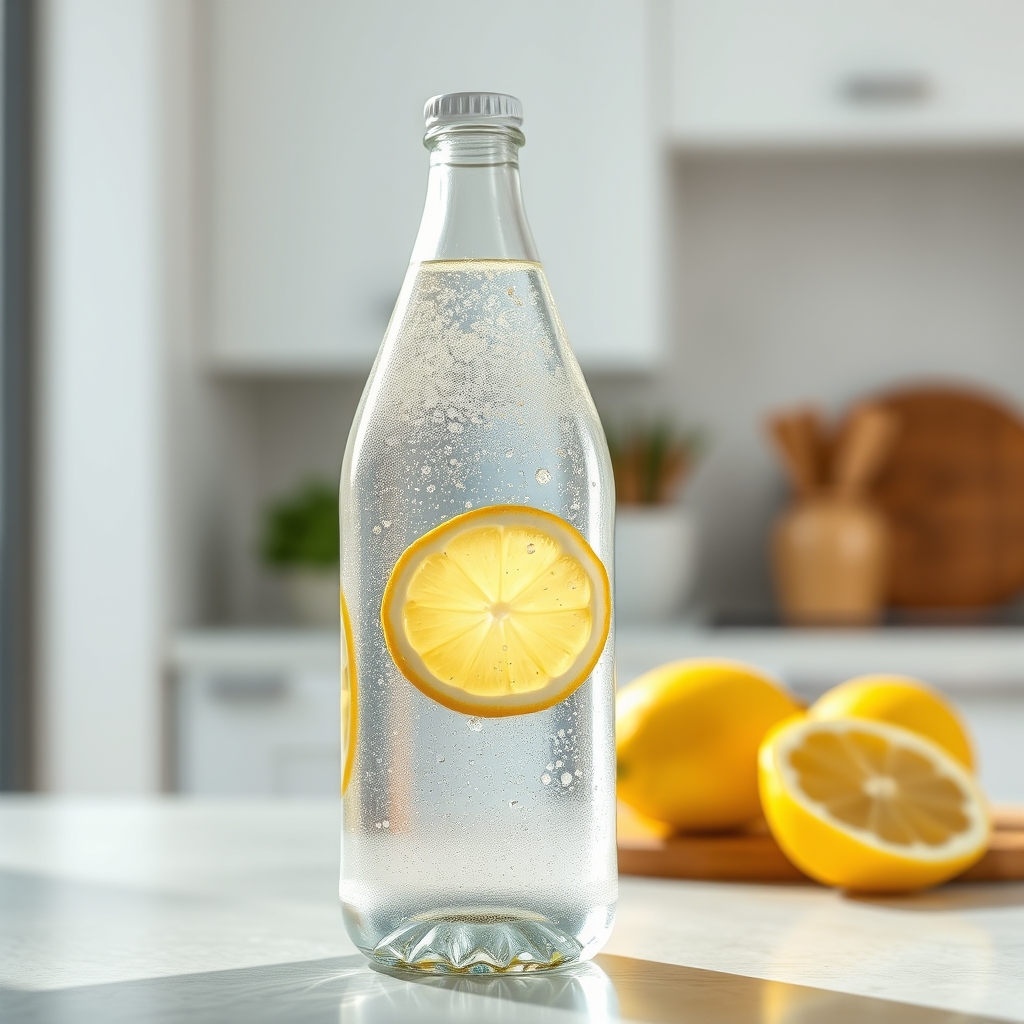
Choosing unsweetened sparkling water can keep you hydrated without added sugars.
How much caffeine is safe for pregnant women in coffee and tea?
The FDA and ACOG agree that up to 200 mg of caffeine per day is generally considered safe during pregnancy. That’s roughly one 12‑oz cup of brewed coffee or two 8‑oz cups of black tea. Exceeding this limit has been linked in some studies to a modest increase in miscarriage risk, though the evidence is not definitive.
Guidelines from the NHS suggest limiting caffeine to “no more than two cups of tea or one cup of coffee a day.” Decaf coffee and herbal teas that are caffeine‑free are good ways to stay within the limit while still enjoying a warm beverage.
Keep in mind that caffeine is also present in chocolate, certain sodas, and some energy drinks—count those toward your daily total. As pregnancy progresses, the body metabolizes caffeine more slowly, so the same amount can cause a longer-lasting stimulant effect in the second and third trimesters.
What are the safest non‑alcoholic beverage brands for pregnant women?
When choosing a brand, look for products that are:
Certified “pasteurized” or “UHT” (ultra‑high temperature) to eliminate harmful bacteria.
Free from added sugars, artificial sweeteners, and high‑fructose corn syrup.
Transparent about ingredient sourcing and contain no hidden alcohol.
Some widely‑recommended brands include:
La Croix (unsweetened sparkling water) – no added sugars or artificial sweeteners.
Traditional Medicinals (ginger tea) – caffeine‑free, organic ginger.
Suja (cold‑pressed orange juice) – pasteurized, no added sugars.
Hint Water (flavored water) – natural fruit essence, no sweeteners.
Always read the label for any added ingredients that might not be pregnancy‑friendly. Look for “no added sugar” statements, and verify that any “natural flavors” are derived from whole‑food sources rather than synthetic additives.
Are fruit juices safe for pregnancy and how much should be consumed?
Fruit juices can provide vitamins and antioxidants, but they also contain concentrated sugars and lack the fiber of whole fruit. The CDC advises limiting 100 % fruit juice to no more than 150 ml (5 oz) per day for pregnant women to avoid spikes in blood glucose.
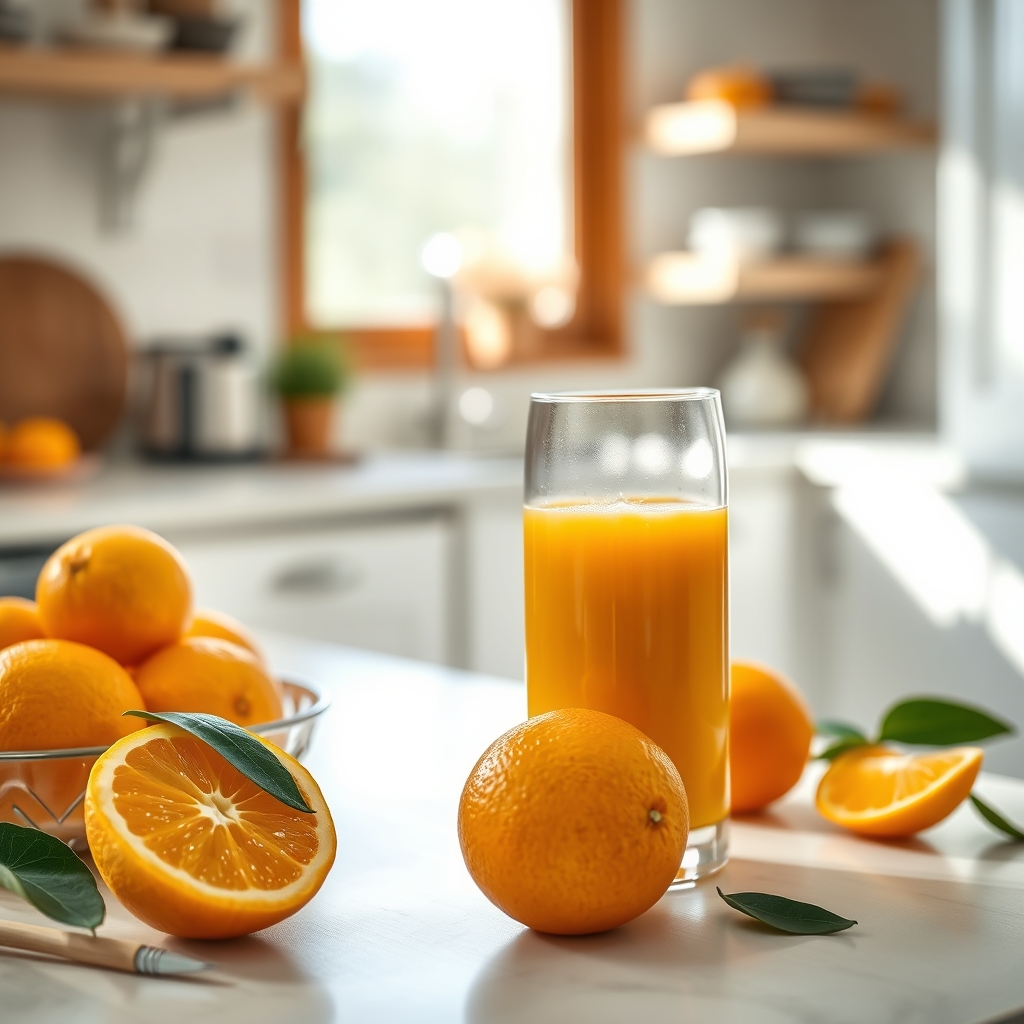
Freshly squeezed orange juice is a top choice because it supplies vitamin C and folate. However, always choose pasteurized juice or make it at home and refrigerate promptly to prevent bacterial contamination. Pairing a small glass of juice with a protein source—like a handful of nuts—helps blunt the glucose rise.
When you crave juice, consider diluting it with water (half‑and‑half) to lower sugar intake while still enjoying the flavor. This simple trick can keep you within the recommended limit without feeling deprived.
Can herbal teas be safe during pregnancy and which ones are recommended?
Many herbal teas are safe, but a few contain herbs that can stimulate uterine contractions (e.g., peppermint, sage, and certain “detox” blends). According to the NHS, the safest choices are ginger, rooibos, and chamomile (in moderation).
Ginger tea is especially helpful for nausea, a common first‑trimester symptom. Roast‑free, caffeine‑free blends that list only one or two recognizable herbs are the easiest to trust. When brewing, use fresh, filtered water and steep for no longer than five minutes to avoid extracting excessive plant compounds.
If you’re unsure about a particular blend, check the ingredient list for unfamiliar botanicals and consult your provider before making it a daily habit.
What are the risks of drinking soda while pregnant?
Sodas—especially those with added sugars or artificial sweeteners—pose several concerns:
High sugar content can contribute to excessive weight gain and gestational diabetes.
Artificial sweeteners like aspartame have mixed safety data; the FDA deems them “acceptable” within the ADI (acceptable daily intake), but many clinicians suggest limiting them.
Caffeine in colas adds to your daily caffeine total.
Choosing water, sparkling water, or 100 % fruit juice is a healthier way to stay hydrated. If you miss the fizz, try carbonated water flavored with a splash of fruit‑puree or a sprig of mint.
Safe alternatives to alcoholic drinks for pregnant women
If you’re craving the ritual of a cocktail, there are plenty of non‑alcoholic options that feel just as festive:
Mocktail sparkling water with a splash of fresh citrus.
Virgin mojito made with mint, lime, and club soda.
Non‑alcoholic wine that is specifically labeled “alcohol‑free” (≤0.5% ABV) and pasteurized.
Herbal iced tea (ginger or rooibos) served over ice.
These alternatives keep the flavor profile you love without the risks associated with alcohol. For extra flair, garnish with fresh berries or a rosemary sprig—both safe and aromatic.
How does gestational diabetes affect safe drink choices?
Gestational diabetes (GDM) requires tighter control of carbohydrate and sugar intake. The ACOG recommends focusing on low‑glycemic beverages such as water, unsweetened tea, and low‑fat milk. If you enjoy fruit juice, limit it to a small glass (≈100 ml) and pair it with a protein source to blunt glucose spikes.
Artificial sweeteners are permissible within the FDA’s ADI, but many clinicians advise using natural sweeteners sparingly. Coconut water can be a good electrolyte source, but choose “unsweetened” varieties.
Freshly squeezed orange juice provides nutrients without the added sugars of packaged drinks.
Safe dosage / amount / brands
Below is a quick reference for how much of each safe option you can comfortably enjoy each day:
Drink
Typical safe serving
Recommended brands
Notes
Sparkling water
Up to 2 L
La Croix, Spindrift (no sugar)
Avoid flavors with added sugar.
Coconut water
250‑300 ml
Vita Coco, Harmless Harvest
Choose “pure” without added flavors.
Ginger herbal tea
2‑3 cups
Traditional Medicinals, Yogi
Steep for 5 minutes; avoid excessive ginger if gallbladder issues.
Freshly squeezed orange juice
150‑200 ml
Suja, local farm‑fresh
Consume within 24 hours; keep refrigerated.
Lemonade (no added sugar)
200 ml
DIY with fresh lemons & a touch of honey
Limit honey if you have GDM.
Cucumber‑mint infused water
Unlimited
DIY
Refresh every 2 hours for best flavor.
Low‑fat milk
250‑300 ml
Organic Valley, Horizon
Ensure it is pasteurized.
Pasteurized aloe vera juice
≤100 ml
Lily of the Desert (pasteurized)
Do not exceed; can act as a laxative.
When you’re shopping, the ingredient list is your best friend. Look for “no added sugar,” “unsweetened,” and “pasteurized” language. If a product contains “natural flavors,” verify that the source is a fruit or herb rather than a synthetic compound that could contain hidden caffeine or alcohol.
Side effects and risks
Even safe drinks can cause minor issues if over‑consumed:
Excessive caffeine may lead to insomnia, increased heart rate, or mild tremors.
High‑sugar beverages can trigger gestational diabetes, weight gain, and dental decay.
Artificial sweeteners are generally regarded as safe within the ADI, but some people experience gastrointestinal upset.
Aloe vera juice in large amounts can cause cramping or diarrhea.
If you notice persistent abdominal pain, rapid heartbeat, or unusual swelling after a drink, contact your provider promptly. For milder symptoms—like a brief headache after a caffeine surge—consider cutting back on the source and staying hydrated with water.
Safer alternatives
Swap sugary soda for sparkling water with a splash of citrus.
Replace coffee with chicory‑based herbal coffee substitutes.
Choose low‑fat milk or fortified plant milks instead of sweetened flavored milks.
Opt for homemade fruit‑infused water instead of store‑bought juice drinks.
Use ginger tea to soothe nausea rather than peppermint tea, which can be too stimulating for some.
Try a cucumber‑lime mocktail for a refreshing, low‑calorie treat.
Blend a handful of berries with sparkling water for a naturally sweet, antioxidant‑rich beverage.
Sparkling water
Sparkling water provides hydration without the calories of soda. It’s essentially carbonated plain water, so it poses no risk to the fetus. The ACOG notes that carbonated drinks are acceptable as long as they contain no added sugars or artificial sweeteners. Brands like La Croix and Spindrift (which uses natural fruit essence without added sugar) are popular choices.
For flavor, add a slice of lemon, lime, or cucumber. One 12‑oz serving counts toward your daily fluid goal; you can safely enjoy up to two liters per day.
Coconut water
Coconut water is a natural source of electrolytes—potassium, magnesium, and calcium—making it a great post‑exercise beverage. The FDA classifies it as a “food” and requires pasteurization for commercial products. Unsweetened varieties are low in calories and free from added sugars, which aligns with NHS recommendations for limiting sugar intake during pregnancy.
Limit intake to about 250 ml per day, especially if you have gestational diabetes, because even natural sugars can affect blood glucose.
Ginger herbal tea
Ginger has a long history of use for nausea relief. The American College of Obstetricians and Gynecologists cites ginger as a safe, non‑pharmacologic option for morning sickness when taken in typical culinary amounts (up to 1 g per day). Herbal teas that list only ginger as the ingredient, such as those from Traditional Medicinals, fit this profile.
Steep 1‑2 teaspoons of fresh ginger or a ginger tea bag in hot water for 5 minutes; limit to 2‑3 cups daily.
Freshly squeezed orange juice
Orange juice supplies vitamin C, folate, and potassium—nutrients essential for fetal development. The CDC recommends using pasteurized juice to avoid bacterial contamination, especially Listeria, which can be harmful in pregnancy. A 150‑ml serving provides roughly 120 % of the daily recommended vitamin C.
Because juice lacks fiber, keep portions to 150‑200 ml per day and consider pairing it with a protein source to moderate glucose spikes.
Lemonade (no added sugar)
Homemade lemonade made with fresh lemons, a touch of honey, and water can be a refreshing, vitamin‑C‑rich drink. The key is to avoid added refined sugars, which the NHS flags as a risk factor for excessive weight gain and gestational diabetes. For a pregnancy‑friendly version, use 1‑2 teaspoons of honey per 250 ml of water.
One 200‑ml glass fits comfortably within daily fluid goals and provides a pleasant flavor without overloading on sugar.
Cucumber‑mint infused water
This infused water is essentially plain water with natural flavor. It adds virtually no calories or sugars, making it ideal for the “drink plenty of water” advice from ACOG. Mint can aid digestion, and cucumber offers a subtle, refreshing taste.
Because it’s just water, you can drink it throughout the day—unlimited amounts are safe.
Low‑fat milk
Low‑fat (1 % or 2 %) milk is a reliable source of calcium, vitamin D, and protein. The FDA requires all commercial milk sold in the U.S. to be pasteurized, eliminating the risk of harmful bacteria. The NHS advises pregnant women to consume 3 servings of dairy daily; a 250‑ml glass counts as one serving.
Choose organic or reputable brands like Organic Valley for added peace of mind.
Pasteurized aloe vera juice
Aloe vera juice is marketed for its soothing properties, but it contains anthraquinones that can act as a laxative. The FDA permits pasteurized aloe vera juice for consumption, but the ACOG cautions against high doses because of potential uterine stimulation. Limit intake to 100 ml per day, and avoid if you have a history of bowel sensitivity.
Opt for brands that clearly state “pasteurized” on the label, such as Lily of the Desert.
Specialty drinks and pregnancy safety
Beyond the basics, many pregnant people wonder about trendy beverages like kombucha, energy drinks, and plant‑based milks. These drinks can be nutritious, but they also carry unique considerations for pregnancy.
Is kombucha safe during pregnancy?
Kombucha is a fermented tea that contains a small amount of alcohol (usually <0.5 % ABV) and live probiotic cultures. Because of the trace alcohol and the potential for high acidity, most obstetric guidelines, including ACOG, advise pregnant people to avoid kombucha or choose a “non‑alcoholic” version that has been pasteurized and verified to contain <0.01 % alcohol. If you love the probiotic boost, opt for a pasteurized kefir or a probiotic‑rich yogurt instead.
Are energy drinks safe while pregnant?
Energy drinks often combine high levels of caffeine, sugar, and herbal stimulants such as guarana or taurine. The FDA classifies caffeine over 200 mg per serving as “high,” and most energy drinks exceed that limit. Consuming them can push you well beyond the recommended caffeine ceiling and increase heart rate and blood pressure—both undesirable in pregnancy. The NHS recommends avoiding energy drinks altogether and sticking to water, herbal tea, or low‑caffeine options.
Are plant‑based milks safe for pregnancy?
Plant‑based milks—such as almond, soy, oat, and coconut milks—can be safe when they are fortified with calcium, vitamin D, and vitamin B12, and when they are pasteurized. Choose unsweetened varieties to keep sugar intake low. Soy milk provides comparable protein to cow’s milk, while almond and oat milks are lower in protein but still a good source of calcium if fortified. Always check the label for added sugars and ensure the product is labeled “pasteurized” or “UHT.”
When you crave probiotics, opt for pasteurized yogurt instead of kombucha.
Myth vs. fact
Myth: All sparkling beverages are safe because they’re just water.
Fact: Some sparkling drinks contain added sugars or artificial sweeteners, which can affect blood sugar and should be limited.
Myth: Herbal teas are always safe during pregnancy.
Fact: Certain herbs like sage, peppermint, and some “detox” blends can stimulate uterine activity; stick to ginger, rooibos, and chamomile in moderation.
Myth: A small glass of wine alternative is harmless.
Fact: Even low‑alcohol “wine coolers” can contain trace alcohol; true alcohol‑free drinks (≤0.5% ABV) are safer, but many clinicians still advise complete avoidance.
Key takeaways
Most non‑alcoholic beverages are safe for pregnancy when consumed in moderation.
Keep caffeine under 200 mg per day (≈1 coffee or 2 teas).
Choose pasteurized, unsweetened, and low‑sugar options to support gestational diabetes management.
Hydration needs rise to about 2.7 L daily; prioritize water, sparkling water, and low‑fat milk.
If you’re craving cocktails, opt for mocktails made with citrus, herbs, and sparkling water.
For probiotic benefits, select pasteurized yogurt or fortified plant milks rather than kombucha.
Frequently asked questions
Can I drink coffee while pregnant?
Yes, but limit intake to no more than 200 mg of caffeine per day, which is roughly one 12‑oz cup of brewed coffee.
Is it safe to drink tea during pregnancy?
Most caffeine‑free herbal teas (ginger, rooibos, chamomile) are safe; limit caffeinated tea to 2 cups per day to stay under the 200 mg caffeine threshold.
What non‑alcoholic drinks are safe for pregnant women?
ACOG recommends at least 2.7 L (about 10 cups) of total fluids daily, including water, milk, and juice.
Are fruit juices safe for pregnant women?
Yes, but limit to about 150 ml per day of 100 % pasteurized juice to avoid excess sugar and potential bacterial contamination.
Can I have soda while pregnant?
Soda is best limited; high sugar and caffeine content can increase gestational diabetes risk and exceed caffeine limits.
What herbal teas should I avoid during pregnancy?
Avoid sage, peppermint, and “detox” blends that contain strong uterine‑stimulating herbs; stick to ginger, rooibos, and chamomile in moderation.
Is decaf coffee safe during pregnancy?
Decaf coffee contains only trace amounts of caffeine (usually under 5 mg per cup) and is generally considered safe, but choose brands that are certified caffeine‑free and avoid added sugars.
Can I drink herbal tea every day?
Yes, as long as the tea is caffeine‑free and made from pregnancy‑approved herbs such as ginger, rooibos, or chamomile; limit consumption to 2‑3 cups per day and read the label for any hidden stimulants.
When to call your doctor
Contact your obstetric provider if you experience any of the following after drinking a beverage:
Persistent abdominal pain or cramping.
Rapid heartbeat (>100 bpm) that doesn’t subside.
Swelling of hands or feet accompanied by shortness of breath.
Sudden, severe headache or visual disturbances.
Signs of low blood sugar (dizziness, shakiness) after a sugary drink.
These symptoms could indicate an underlying issue that needs professional assessment. This article provides general information and is not a substitute for personalized medical advice.
References
American College of Obstetricians and Gynecologists (ACOG). “Nutrition During Pregnancy.” 2023.
National Health Service (NHS). “Food and drink safety in pregnancy.” Updated 2022.
U.S. Food and Drug Administration (FDA). “Guidance for Industry: Food Safety.” 2021.
Centers for Disease Control and Prevention (CDC). “Pregnancy and Listeria.” 2022.
World Health Organization (WHO). “Caffeine consumption during pregnancy.” 2020.
U.S. Department of Agriculture (USDA). “Dietary Guidelines for Americans, 2020‑2025.”
Not sure about the label on Safe Drinks During Pregnancy products?
Snap the ingredients list and SafeFilter checks every ingredient for your stage — only 3 free scans this month, then you're locked until reset. Unlimited from $7/mo or $50/yr.
When Shubhra Mishra was expecting her first child in 2016, she was overwhelmed by conflicting food advice — one site said yes, another said never. By the time her second baby arrived in 2019, she realized millions of mothers face the same confusion.
That sparked a five-year journey through clinical nutrition papers, cultural diets, and expert conversations — all leading to BumpBites: a calm, compassionate space where science meets everyday motherhood.
Her long-term vision is to build a global community ensuring safe, supported, and free deliveriesfor every mother — because no woman should face pregnancy alone or uninformed. 🌿
🌍 Stand with mothers, shape safer guidance
Join a small circle of experts who review BumpBites articles so expecting parents everywhere can decide with confidence.