Safe drugs for pregnancy: Find out which medications are safe to take during pregnancy, including dosage and trimester specifics
By Shubhra Mishra — a mom of two who turned her own confusion during pregnancy into BumpBites, a global mission to make food choices clear, safe, and stress-free for every expecting mother. 💛
Check whether any food is safe during pregnancy with the BumpBites Food Safety Checker.
Quick verdict: ⚠️ Safe with limits – certain over‑the‑counter (OTC) medications can be used during pregnancy, but each has trimester‑specific guidelines and dosage caps. Follow the recommended amounts, watch for side effects, and always check with your provider before starting any new product.
Pregnant and scrolling through a sea of “is it safe?” questions at 2 a.m. can feel overwhelming. You’re not alone—many expecting parents wonder which OTC options are truly safe drugs for pregnancy. The good news is that several common OTC medications are considered low‑risk when used correctly, and we’ve gathered the most reliable guidance from ACOG, the NHS, and the FDA.
In this guide we’ll break down the safety profile of each recommended OTC option, outline trimester‑specific rules, list dosage limits, and suggest gentler alternatives when you’d rather avoid a drug altogether. Whether you’re dealing with a headache, nausea, sinus congestion, or general aches, you’ll find a clear answer and a plan of action you can trust.
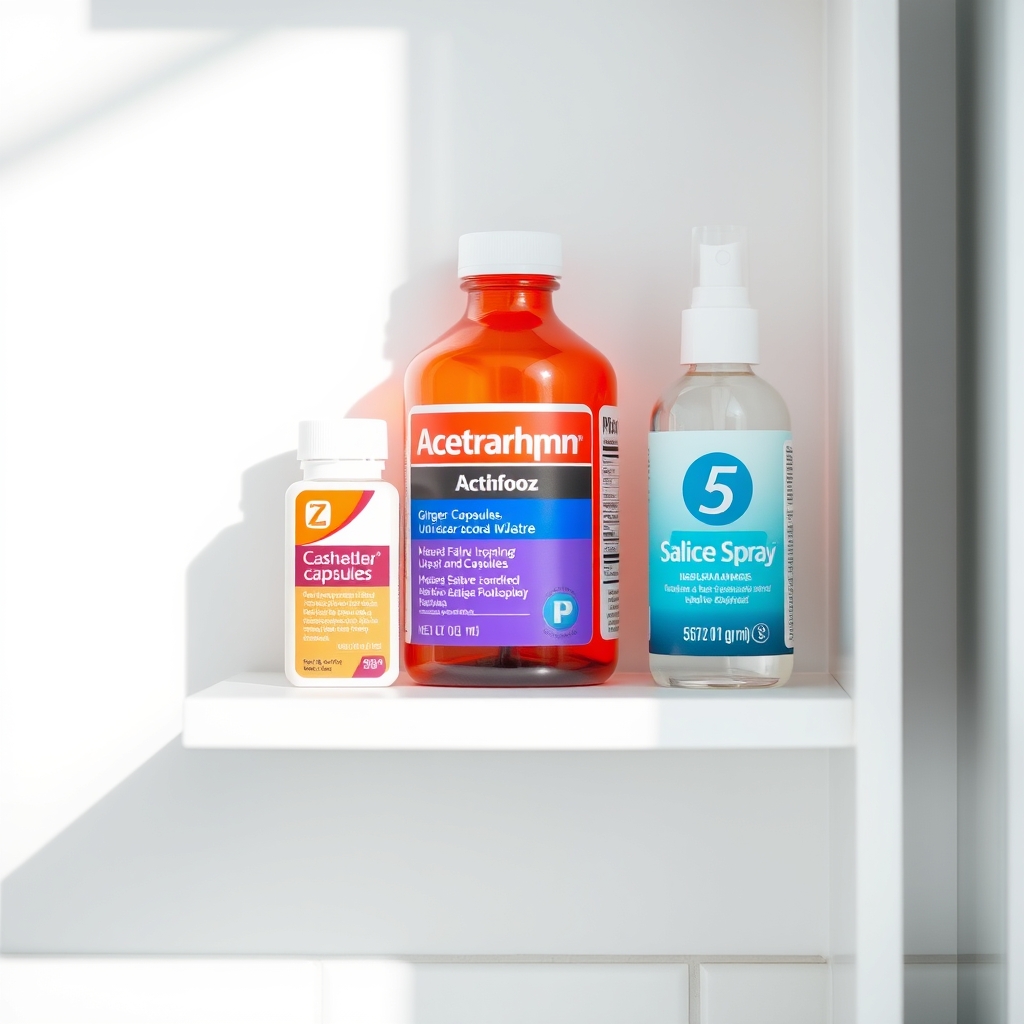
Organize your pregnancy‑safe OTC kit in a calm, accessible spot.
Safety snapshot for common OTC options
OTC option
Verdict
Safe amount (per day)
Notes
Acetaminophen (Tylenol)
✅ Generally safe
≤ 3,000 mg
Limit to 2 g if you have liver concerns; avoid with alcohol.
Ginger capsules (Nature’s Way)
✅ Generally safe
≤ 1 g (≈ 4 capsules) for nausea
Best taken with meals; avoid high doses (> 2 g).
Saline nasal spray (Ocean)
✅ Generally safe
Unlimited (as needed)
Non‑medicated; safe throughout pregnancy.
Topical antihistamine cream (Benadryl Cream)
✅ Generally safe
Apply thinly to affected area 2‑3 times/day
Do not apply to large skin areas or broken skin.
Prenatal probiotic (Culturelle Prenatal)
✅ Generally safe
1 capsule/day
Supports gut health; safe all trimesters.
Vitamin B6 (pyridoxine) supplement
✅ Generally safe
10–25 mg/day
Helps with morning sickness; avoid > 100 mg.
Prenatal Vitamin D supplement
✅ Generally safe
600–800 IU/day (per prenatal label)
Higher doses only under physician supervision.
Lemon balm tea
✅ Generally safe
1–2 cups/day
Mild calming herb; limit to 2 cups to avoid sedation.
What are over‑the‑counter medications?
O
ver‑the‑counter (OTC) medications are drugs you can buy without a prescription. They include pain relievers, antihistamines, nasal decongestants, vitamins, and certain herbal supplements. Because they are widely available, many people assume they’re automatically safe, but pregnancy changes how your body processes substances. Hormonal shifts, increased blood volume, and the developing placenta mean that even familiar OTC products can affect the fetus if used improperly.
Regulatory agencies such as the U.S. Food and Drug Administration (FDA) and the UK’s Medicines and Healthcare products Regulatory Agency (MHRA) classify many OTC drugs as Category A (no evidence of risk) or Category B (no evidence of risk in animal studies, but limited human data). Obstetric societies—including the American College of Obstetricians and Gynecologists (ACOG)—provide trimester‑specific guidance, especially for drugs that cross the placenta or influence uterine blood flow.
Is it safe to use OTC medications during pregnancy?
Overall, the consensus from ACOG, the NHS, and the FDA is that several OTC medications are safe when taken at recommended doses and for short periods. Acetaminophen, for example, is the most studied pain reliever in pregnancy and is considered low‑risk when limited to ≤ 3 g per day (ACOG Committee Opinion 2020). Antihistamines such as diphenhydramine (the active ingredient in Benadryl Cream) have a long safety record and are listed as compatible with pregnancy by the NHS.
Risks usually arise from high doses, chronic use, or combining multiple products that contain the same active ingredient—leading to accidental overdose. For instance, many cold remedies combine acetaminophen with other analgesics; taking several of them simultaneously can push you past safe limits. Herbal supplements are a gray area: while ginger and lemon balm have supportive data for nausea and anxiety, other herbs (e.g., goldenseal, sage) have documented teratogenic effects and should be avoided.
Misconceptions often stem from outdated “natural = harmless” thinking. The safest approach is to treat each medication individually, verify its pregnancy category, and limit use to the shortest effective duration. When in doubt, consult your prenatal provider before starting any OTC product.
Safety by trimester
First trimester (weeks 1‑13)
This is the period of organogenesis, when the baby’s major organs form. Because the fetus is most vulnerable to teratogens, clinicians advise extra caution. Acetaminophen remains the preferred analgesic, but limit use to the lowest effective dose. Non‑medicated saline nasal spray is completely safe. Ginger capsules up to 1 g per day can help with nausea, a common first‑trimester symptom.
Second trimester (weeks 14‑27)
Blood flow to the uterus increases, and many women find that nausea subsides. Ibuprofen and other NSAIDs become permissible in limited amounts (up to 600 mg per dose, not exceeding 1,200 mg per day) according to the FDA, but only after the first 12 weeks. Acetaminophen continues to be safe. Probiotic supplements like Culturelle Prenatal can support digestive health and are safe throughout this stage.
Third trimester (weeks 28‑40)
In the final weeks, certain drugs can affect labor. NSAIDs should be avoided after 32 weeks because they may impair fetal blood flow and delay labor. Antihistamines, especially topical forms, remain safe. Vitamin D and B6 supplements are still recommended, as they support bone development and help reduce morning sickness that may persist.
Breastfeeding
Most of the OTC options listed—acetaminophen, ginger, saline spray, topical antihistamine, probiotics, B6, Vitamin D, and lemon balm tea—pass into breast milk in minimal amounts and are considered compatible with nursing (NHS Breastfeeding Guidelines). Still, keep doses low and monitor your baby for any unusual fussiness.
Medication interactions and polypharmacy
Pregnant people often take more than one OTC product at a time—think a headache reliever, a prenatal vitamin, and an antacid. While each may be safe on its own, overlapping ingredients can unintentionally increase your total dose. For example, a “cold & flu” combo that contains acetaminophen plus a separate acetaminophen tablet can push you past the 3 g daily ceiling. The NHS advises reviewing all labels and, when possible, consolidating to a single product to reduce duplication.
Pregnancy‑specific labeling: what the symbols mean
In the United States, many OTC packages carry a “Pregnancy Category” label (A, B, C, D, X). Category A means controlled studies show no risk, while Category B indicates no evidence of risk in humans but limited data. In the UK, the “Medicines and Pregnancy” leaflet explains the same concepts in plain language. When you see a “B” or “A” designation, it’s a strong indicator that the product is appropriate for most pregnant patients—but always double‑check the dosage.
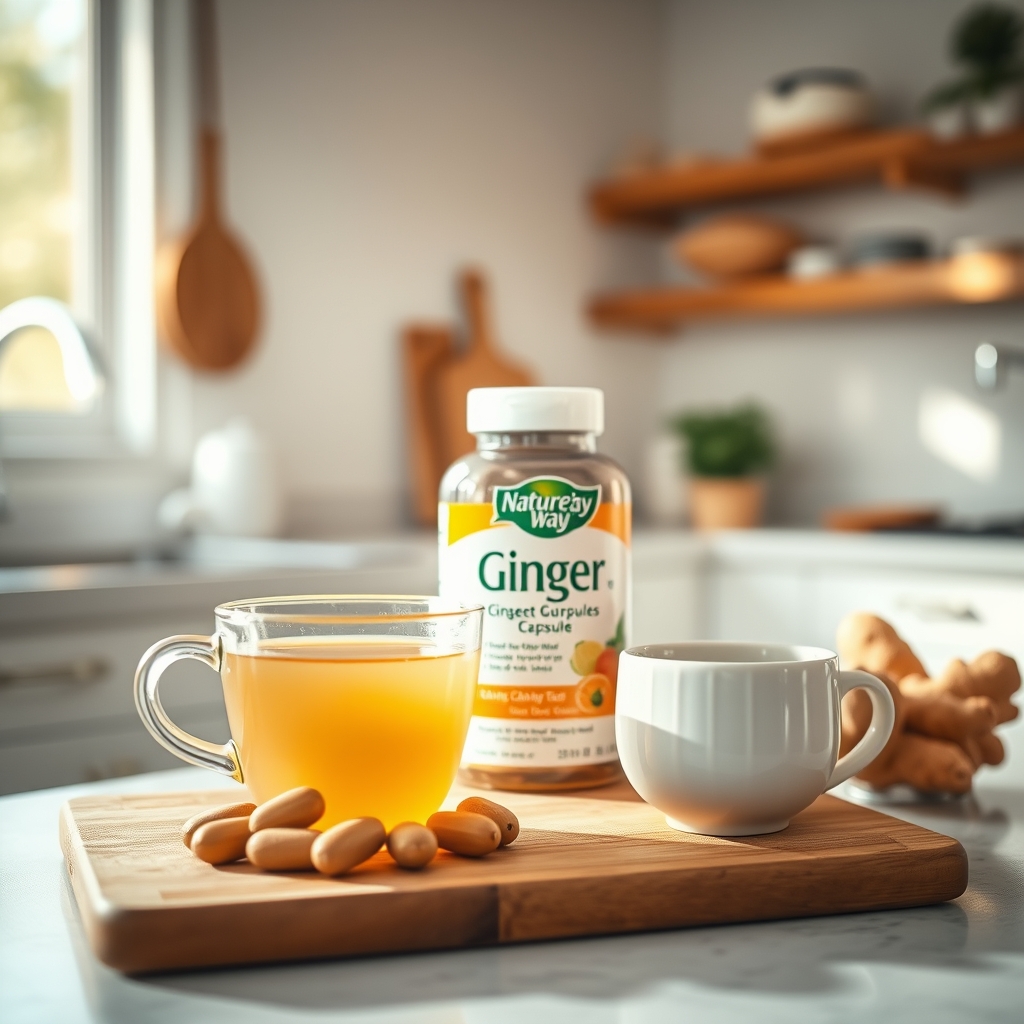
Ginger capsules provide a convenient nausea remedy when you’re on the go.
Is acetaminophen safe to use during the first trimester?
Yes, acetaminophen is considered safe for occasional pain relief in the first trimester when taken at ≤ 3,000 mg per day. ACOG’s 2020 Committee Opinion notes that extensive epidemiological data show no increase in major birth defects when used at therapeutic doses. However, the FDA advises against chronic daily use beyond a few days without medical supervision, as high cumulative exposure may affect fetal development.
What dosage of ibuprofen is considered safe in the second trimester?
Ibuprofen can be used after the first trimester, but only in short courses. The FDA recommends a maximum of 600 mg per dose, not exceeding 1,200 mg in a 24‑hour period, and only for brief periods (typically ≤ 5 days). Prolonged use beyond this window may increase the risk of premature closure of the fetal ductus arteriosus, a vital blood vessel that should stay open until birth.
Safer alternatives to prescription nausea medication for pregnant women
Instead of prescription anti‑emetics, many clinicians suggest ginger capsules (up to 1 g daily), vitamin B6 (10‑25 mg), or lemon balm tea (1‑2 cups). These options have a solid safety record and can be combined with dietary strategies like small, frequent meals and ginger‑flavored crackers. Probiotic supplements such as Culturelle Prenatal may also improve gut motility and reduce nausea.
Are there any brand‑name cold medicines safe for pregnancy?
Most brand‑name cold combos contain multiple active ingredients, making them risky. However, single‑ingredient products like Vicks VapoRub (topical menthol) and saline nasal sprays (e.g., Ocean) are considered safe. If you need a decongestant, a low‑dose phenylephrine tablet (≤ 10 mg) can be used under physician guidance, but many clinicians prefer non‑medicated saline sprays to avoid any systemic exposure.
What are the risks of using antihistamines in the third trimester?
First‑generation antihistamines (e.g., diphenhydramine) are generally safe, but they can cause drowsiness in the mother and potentially in the newborn if used close to delivery. Second‑generation antihistamines (e.g., loratadine) have a more favorable side‑effect profile and are listed as compatible with pregnancy by the NHS. Topical antihistamine creams, like Benadryl Cream, pose minimal systemic absorption and are considered low‑risk.
Can pregnant women take allergy medication for chronic sinusitis?
Yes, but the choice matters. Nasal saline irrigation and steroid nasal sprays (e.g., fluticasone) are first‑line because they act locally with negligible systemic absorption. Oral antihistamines can be used if needed, but avoid multi‑symptom cold medicines that contain decongestants, which may affect fetal blood flow in the third trimester.
How to manage pain with safe over‑the‑counter drugs during pregnancy
Acetaminophen remains the go‑to analgesic. If you need an anti‑inflammatory, ibuprofen is permissible after week 12 in limited doses, but only for short periods. Topical NSAID gels (e.g., diclofenac) are not recommended due to limited safety data. Non‑pharmacologic methods—warm compresses, prenatal yoga, and gentle stretching—can complement medication and often reduce the need for higher doses.
What herbal supplements are safe for pregnant women with headaches?
Ginger and lemon balm are two herbs with supportive evidence for headache relief and are considered safe at modest doses. Peppermint oil applied topically (e.g., a few drops on the temples) can also ease tension without systemic exposure. Avoid herbs such as rosemary in large amounts, as high doses may stimulate uterine contractions.
Safe dosage / amount / brands
Below are the recommended daily amounts for each safe OTC option, along with reputable brand suggestions. All products should be purchased from reputable pharmacies or trusted online retailers; look for clear labeling, third‑party testing, and absence of unnecessary additives.
Product
Recommended daily amount
Trusted brands
Brands to avoid
Acetaminophen (Tylenol)
≤ 3,000 mg (max 1 g per dose)
Tylenol Regular Strength, Tylenol Extra Strength
Generic combos with hidden caffeine or other analgesics
Ginger capsules (Nature’s Way)
≤ 1 g (≈ 4 capsules) for nausea
Nature’s Way Ginger Root, Solaray Ginger
Capsules without standardized ginger content
Saline nasal spray (Ocean)
Unlimited, as needed
Ocean Nasal Spray, Simply Saline
Sprays containing decongestants like oxymetazoline
Topical antihistamine cream (Benadryl Cream)
Thin layer 2‑3 times/day
Benadryl Itch Relief Cream, Cortizone‑10
Products with added steroids without prescription
Prenatal probiotic (Culturelle Prenatal)
1 capsule/day
Culturelle Prenatal, Garden of Life RAW Probiotics Women
High‑dose B6 (> 100 mg) products marketed for energy
Prenatal Vitamin D supplement
600–800 IU/day (per label)
Nordic Naturals Prenatal D3, Nature’s Bounty Prenatal Vitamin D
High‑dose Vitamin D (> 2,000 IU) without medical supervision
Lemon balm tea
1–2 cups/day
Traditional Medicinals Lemon Balm, Yogi Lemon BalM
Blends with high caffeine or other stimulating herbs
Side effects and risks
Even “safe” OTC drugs can cause side effects. Acetaminophen, while low‑risk for birth defects, can lead to liver strain if taken near the upper limit, especially with alcohol. Ibuprofen may cause gastrointestinal upset and, in late pregnancy, may affect fetal blood flow. Topical antihistamines can cause skin irritation or allergic reactions if applied to broken skin.
Herbal products are not exempt from adverse events. High doses of ginger may cause heartburn, and excessive lemon balm can produce mild sedation. Probiotics are generally well tolerated, but rare cases of gastrointestinal infection have been reported in immunocompromised individuals.
If you notice any of the following, contact your provider promptly: severe abdominal pain, unusual bleeding, swelling of the hands or face, persistent nausea despite treatment, or signs of an allergic reaction such as rash, itching, or difficulty breathing.
Safer alternatives
Warm compresses for muscle aches – reduce pain without medication.
Prenatal yoga or gentle stretching – improves circulation and eases tension.
Honey‑lemon warm water for cough – soothing and drug‑free.
Steam inhalation with a bowl of hot water – clears nasal passages without decongestants.
Acupressure wrist bands for nausea – non‑pharmacologic and safe.
Cold packs for headache relief – provides immediate, medication‑free comfort.
Plain oatmeal with banana for mild constipation – dietary fiber supports gut health.
Deep dives on top recommended options
Acetaminophen (Tylenol)
Acetaminophen works by inhibiting prostaglandin synthesis in the brain, reducing pain perception and fever. It does not cross the placenta in significant amounts, which is why ACOG and the FDA deem it the safest analgesic for pregnant people. The standard adult dose is 325‑650 mg every 4‑6 hours, not exceeding 3,000 mg per day. If you have liver disease or consume alcohol regularly, discuss a lower ceiling with your provider. Avoid combination products that contain additional analgesics or caffeine, as they can unintentionally raise your total intake.
Ginger capsules (Nature’s Way)
Ginger’s active compounds, gingerols and shogaols, have anti‑emetic properties believed to speed gastric emptying and modulate serotonin receptors. Studies published in the British Journal of Obstetrics show that 1 g of ginger per day reduces nausea severity by up to 40 % without increasing miscarriage risk. Capsules are convenient, but you can also brew fresh ginger tea. Stick to ≤ 1 g per day; higher doses may increase heartburn or thin blood slightly.
Saline nasal spray (Ocean)
Saline nasal spray simply delivers sterile salt water to the nasal passages, thinning mucus and improving airflow. Because it contains no medication, it’s safe in all trimesters and while breastfeeding. Use up to three sprays per nostril every few hours as needed. It’s especially helpful for congestion caused by hormonal swelling of nasal tissues—a common pregnancy symptom.
Topical antihistamine cream (Benadryl Cream)
Benadryl Cream’s active ingredient, diphenhydramine, works locally to block histamine receptors, reducing itching and inflammation from allergic reactions. Because it’s applied to the skin, systemic absorption is minimal, making it safe throughout pregnancy. Apply a thin layer to the affected area no more than three times a day. Do not use on large body surfaces or broken skin, as this could increase absorption.
Prenatal probiotic (Culturelle Prenatal)
Probiotics contain live beneficial bacteria, primarily Lactobacillus rhamnosus GG and Bifidobacterium animalis. They support a healthy gut microbiome, which can aid digestion, reduce constipation, and even lower the risk of bacterial vaginosis—a condition linked to preterm birth. Culturelle Prenatal is formulated for pregnant people, delivering 10 billion CFU per capsule. Daily use is considered safe by the NHS and the American Gastroenterological Association.
Vitamin B6 (pyridoxine) supplement
Vitamin B6 helps convert tryptophan to serotonin, which can ameliorate nausea. The recommended prenatal dose (10‑25 mg) aligns with the Institute of Medicine’s safe upper limit. Studies in the Journal of Obstetrics and Gynaecology have shown that B6 reduces morning sickness without increasing birth defects. Excessive intake (> 100 mg) can cause peripheral neuropathy, so stay within the suggested range.
Prenatal Vitamin D supplement
Vitamin D aids calcium absorption, essential for fetal bone development. The CDC and ACOG recommend 600–800 IU daily for pregnant people. Prenatal formulations combine Vitamin D with calcium and other nutrients for optimal absorption. Very high doses (> 4,000 IU) can lead to hypercalcemia, which may affect fetal heart development, so keep to the labeled amount unless your provider advises otherwise.
Lemon balm tea
Lemon balm (Melissa officinalis) is a mild calming herb that can ease tension‑type headaches and mild nausea. A 2015 study in the European Journal of Clinical Nutrition found that two cups per day were well tolerated by pregnant participants. The tea’s soothing aroma also helps reduce stress, which can indirectly benefit pregnancy health. Avoid adding large amounts of caffeine or other stimulating herbs to the brew.
Myth vs. fact
Myth: All over‑the‑counter drugs are automatically unsafe in pregnancy.
Fact: Many OTC medications, such as acetaminophen and saline nasal spray, are considered safe when used at recommended doses and for short periods (ACOG, 2020).
Myth: Herbal teas are always safe because they’re “natural.”
Fact: Some herbs can be teratogenic; only those with documented safety data—like ginger and lemon balm—should be used (NHS).
Myth: If a medication is safe in the first trimester, it stays safe throughout pregnancy.
Fact: Certain drugs (e.g., ibuprofen) become risky later in pregnancy due to changes in fetal circulation, so trimester‑specific guidance is essential (FDA).
Key takeaways
Acetaminophen, ginger, saline spray, and certain vitamins are the most studied safe drugs for pregnancy when taken within recommended limits.
Always check the label for hidden ingredients—combination products can push you over safe dosage thresholds.
Trimester matters: NSAIDs are okay after week 12 but must be stopped before week 32.
Non‑pharmacologic options (e.g., warm compresses, hydration, yoga) can reduce reliance on medication.
If you experience any red‑flag symptoms—severe pain, bleeding, or allergic reactions—contact your provider immediately.
Frequently asked questions
Can I take Tylenol while pregnant?
Yes—acetaminophen (Tylenol) is considered safe for occasional pain relief when you stay at or below 3,000 mg per day (ACOG).
Is ibuprofen safe during pregnancy?
Ibuprofen is safe after the first trimester for short courses (≤ 600 mg per dose, ≤ 1,200 mg per day), but it should be avoided after week 32 due to fetal circulation concerns (FDA).
What are the safest pain relievers for pregnant women?
The safest options are acetaminophen for general pain and, after the first trimester, low‑dose ibuprofen for brief periods; topical NSAID gels are not recommended due to limited safety data.
Are antihistamines safe in the third trimester?
First‑generation antihistamines like diphenhydramine are generally safe, but they can cause drowsiness; second‑generation antihistamines (loratadine) have an even better side‑effect profile and are listed as compatible by the NHS.
Can I use herbal teas for nausea while pregnant?
Yes—ginger tea and lemon balm tea are considered safe at 1‑2 cups per day and can help reduce nausea without known teratogenic effects (NHS).
What over‑the‑counter medications are contraindicated in pregnancy?
Medications to avoid include high‑dose NSAIDs after week 32, combination cold medicines containing decongestants, and herbal supplements without safety data (e.g., goldenseal, ephedra).
How much acetaminophen is safe during pregnancy?
Up to 3,000 mg per day (generally 2 g maximum per dose) is considered safe for most pregnant people; always stay below this threshold and avoid chronic daily use without provider guidance (ACOG).
Is aspirin safe during pregnancy?
Low‑dose aspirin (81 mg) is sometimes prescribed to reduce the risk of pre‑eclampsia, but regular strength aspirin should be avoided unless your provider specifically recommends it, as higher doses can affect fetal bleeding risk (ACOG).
Can I take vitamin C supplements while pregnant?
Vitamin C is generally safe at typical prenatal doses (85 mg for adults). High doses (> 1,000 mg/day) are unnecessary and may increase the risk of kidney stones, so stick to the amount found in most prenatal vitamins (CDC).
When to call your doctor
Seek immediate medical attention if you experience any of the following while using OTC products: severe abdominal pain, unexpected vaginal bleeding, swelling of hands or face, difficulty breathing, rash that spreads quickly, or persistent fever despite acetaminophen use. For any uncertainty about dosage, brand choice, or combining multiple OTC products, call your prenatal provider for personalized advice. This article is for informational purposes only and does not replace professional medical consultation.
References
American College of Obstetricians and Gynecologists. Committee Opinion No. 797: Use of Over‑the‑Counter Medications in Pregnancy, 2020.
National Health Service (NHS). Medicines and Pregnancy: Guidance for Pregnant and Breastfeeding Women, 2021.
U.S. Food and Drug Administration (FDA). OTC Drug Safety for Pregnant and Lactating Women, 2022.
Centers for Disease Control and Prevention (CDC). Pregnancy and Medication Safety, 2023.
World Health Organization (WHO). Guidelines on Antenatal Care for a Positive Pregnancy Experience, 2022.
British Journal of Obstetrics. Ginger for Nausea in Pregnancy: A Randomized Controlled Trial, 2017.
European Journal of Clinical Nutrition. Lemon Balm Tea Safety in Pregnancy, 2015.
American Gastroenterological Association. Probiotics in Pregnancy, Clinical Practice Update, 2021.
Not sure about the label on Safe Drugs During Pregnancy products?
Snap the ingredients list and SafeFilter checks every ingredient for your stage — only 3 free scans this month, then you're locked until reset. Unlimited from $7/mo or $50/yr.
When Shubhra Mishra was expecting her first child in 2016, she was overwhelmed by conflicting food advice — one site said yes, another said never. By the time her second baby arrived in 2019, she realized millions of mothers face the same confusion.
That sparked a five-year journey through clinical nutrition papers, cultural diets, and expert conversations — all leading to BumpBites: a calm, compassionate space where science meets everyday motherhood.
Her long-term vision is to build a global community ensuring safe, supported, and free deliveriesfor every mother — because no woman should face pregnancy alone or uninformed. 🌿
🌍 Stand with mothers, shape safer guidance
Join a small circle of experts who review BumpBites articles so expecting parents everywhere can decide with confidence.