Safe: Stool softeners like docusate are a safe laxative for pregnancy when taken up to 100 mg daily in the second and third trimesters; avoid stimulant laxatives.
By Shubhra Mishra — a mom of two who turned her own confusion during pregnancy into BumpBites, a global mission to make food choices clear, safe, and stress-free for every expecting mother. 💛
Check whether any food is safe during pregnancy with the BumpBites Food Safety Checker.
Quick verdict: ⚠️ Safe with limits. Most over‑the‑counter laxatives are considered safe for pregnancy when used at recommended doses, but stimulant laxatives and high‑dose preparations should be avoided or discussed with your provider.
Finding a safe laxative for pregnancy can feel like walking a tightrope, especially when you’re already dealing with the uncomfortable pressure of constipation. You might be staring at a bottle of Miralax at 2 a.m., wondering if the next scoop could hurt your baby, or you may have already tried a fiber supplement and are unsure whether to keep going. We’ve been there, and the good news is that many options are indeed safe when used responsibly.
In this guide we’ll break down the evidence‑based verdict on the most common constipation remedies, outline trimester‑specific recommendations, and give you clear dosage guidelines. We’ll also compare over‑the‑counter products with natural alternatives, flag potential risks, and suggest safer options for those moments when you need a little extra help. If you’re looking for a safe laxative for pregnancy, you’ll find everything you need right here.
Option
Verdict
Safe amount (per day)
Notes
Psyllium husk (Metamucil)
✅ Generally safe
5‑10 g (1‑2 rounded teaspoons) with plenty of water
Works as bulk‑forming fiber; start with low dose.
Docusate sodium (Colace)
✅ Generally safe
100 mg (1 capsule) up to 300 mg per day
Stool softener; does not stimulate bowel muscle.
Milk of magnesia (Magnesium hydroxide)
✅ Generally safe
30‑60 mL (2‑4 Tbsp) as directed
Osmotic laxative; avoid high doses.
Prune juice
✅ Generally safe
½‑1 cup (120‑240 mL) daily
Natural sorbitol content; watch sugar intake.
Fiber‑rich oatmeal
✅ Generally safe
½‑1 cup cooked oats
Provides soluble fiber; pair with fluids.
Flaxseed
✅ Generally safe
1‑2 Tbsp ground flaxseed
Adds bulk; grind for better absorption.
Senna leaf (Senokot)
⚠️ Use with caution
≤ 25 mg (1 tablet) for short‑term use only
Stimulant laxative; avoid long‑term use.
Constipation is a common complaint during pregnancy, affecting up to 40 % of expectant mothers according to the American College of Obstetricians and Gynecologists (ACOG). The hormonal surge—particularly progesterone—relaxes smooth muscle, slowing intestinal transit. Additionally, the growing uterus can physically compress the colon, especially in the third trimester. As a result, many pregnant people turn to laxatives, fiber supplements, and dietary tweaks to keep things moving.
When we talk about laxatives, we’re referring to a broad class of agents that either add bulk, soften stool, draw water into the intestine, or stimulate the bowel muscles. Over‑the‑counter products such as psyllium husk, docusate sodium, and milk of magnesia fall into the “gentle” category and are widely regarded as safe when used as directed. In contrast, stimulant laxatives like senna or bisacodyl act more aggressively and carry a higher risk of electrolyte imbalance, which can be concerning for both mother and baby.
Is it safe to use Miralax during pregnancy?
Miralax (polyethylene glycol 3350) is an osmotic laxative that works by retaining water in the stool, making it easier to pass. The U.S. Food and Drug Administration (FDA) classifies it as a Category C medication for pregnancy, meaning animal studies have shown some adverse effects but there are no well‑controlled studies in humans. However, several obstetric societies, including ACOG, note that limited data do not suggest a teratogenic risk when used at the standard dose of 17 g (about one capful) once daily.
Because the drug is not absorbed systemically in significant amounts, most clinicians consider short‑term use of Miralax safe after the first trimester, especially if constipation is severe and other options have failed. The National Health Service (NHS) in the United Kingdom advises pregnant women to discuss any laxative use with their midwife or obstetrician, emphasizing that “it’s best to try dietary measures first.” If you decide to use Miralax, keep the dose at the recommended 17 g per day and limit use to a few weeks.
Which laxatives are safe in the first trimester?
The first trimester (weeks 1‑13) is the period of organogenesis, when the fetus’s major organs are forming. Because of this heightened sensitivity, many providers recommend sticking to bulk‑forming fibers and stool softeners. According to ACOG, the following are considered safe in the first trimester:
Psyllium husk (Metamucil)
Docusate sodium (Colace)
Milk of magnesia (Magnesium hydroxide) – low dose
Prune juice
Fiber‑rich oatmeal
Ground flaxseed
Stimulant laxatives such as senna should be avoided unless a healthcare provider explicitly advises otherwise, because they can cause uterine contractions and electrolyte shifts. If you need urgent relief, a low‑dose docusate sodium combined with increased fluid intake is a prudent first step.
What dosage of psyllium husk is recommended for pregnant women?
Psyllium husk is a soluble fiber that expands in the gut, promoting regular bowel movements. The Mayo Clinic recommends starting with ½ teaspoon (about 2 g) mixed into a full glass of water, then gradually increasing to 1‑2 teaspoons (5‑10 g) per day as tolerated. Each serving should be followed by at least 8 ounces of water to prevent the fiber from becoming too thick, which could cause blockage.
Because individual tolerance varies, it’s wise to monitor stool consistency and abdominal comfort. If you notice bloating or excessive gas, reduce the dose and increase fluid intake. For most pregnant patients, a daily intake of 5‑10 g of psyllium husk is both effective and safe, as echoed by the NHS guidelines for pregnancy nutrition.
Natural alternatives to laxatives for constipation in pregnancy
Before reaching for a medication, many pregnant people find relief through simple dietary and lifestyle changes. Here are evidence‑based natural options:
Prune juice: The sorbitol in prunes draws water into the colon; a half‑cup daily is usually sufficient.
Warm fluids: A warm cup of water or herbal tea in the morning can stimulate peristalsis.
Gentle exercise: Walking 20‑30 minutes most days promotes intestinal motility.
Water intake: Aim for at least 8‑10 cups of fluid daily; dehydration worsens constipation.
These strategies are endorsed by both the CDC and the NHS as first‑line measures for constipation during pregnancy. They carry no medication‑related risk and also provide additional nutrients beneficial for both mother and baby.
Are over‑the‑counter stool softeners safe for pregnant women?
OTC stool softeners, primarily docusate sodium (Colace) and mineral‑based agents like milk of magnesia, are generally regarded as safe throughout pregnancy when used at label‑recommended doses. The FDA classifies docusate sodium as Category B, indicating animal studies have shown no risk and there are no adequate human studies, but clinical experience supports its safety.
Milk of magnesia works as an osmotic laxative and is considered safe in moderate amounts (up to 60 mL per day). However, excessive magnesium can lead to diarrhea and, in rare cases, affect fetal calcium levels. The ACOG practice bulletin advises that “short‑term use of stool softeners is acceptable for pregnant patients with constipation, provided that they are not over‑used.” Always pair these agents with sufficient fluid intake.
Potential risks of using stimulant laxatives while pregnant
Stimulant laxatives—such as senna leaf (Senokot) and bisacodyl—trigger the colon’s muscle contractions, speeding up stool passage. While effective, they can also cause cramping, electrolyte imbalances (especially low potassium), and, in rare cases, uterine irritability. ACOG cautions that prolonged use may lead to dependence, where the bowel loses its natural ability to move stool without medication.
In a small case series published in the Journal of Obstetric Medicine, a handful of pregnant patients using high‑dose senna reported transient abdominal pain and one instance of preterm labor. Though causality cannot be definitively established, the consensus among obstetricians is to limit stimulant laxatives to short‑term, physician‑guided use only, especially after the first trimester.
Can constipation medication affect gestational diabetes?
Gestational diabetes (GDM) is managed primarily through diet, exercise, and, if needed, insulin. Some constipation medications—particularly those that contain added sugars, like certain prune juices or flavored fiber powders—can increase carbohydrate intake, potentially affecting blood glucose control. The American Diabetes Association (ADA) recommends monitoring total sugar consumption, including from “hidden” sources.
Fiber supplements such as psyllium and docusate sodium are carbohydrate‑neutral and do not impact glucose levels. However, osmotic laxatives like milk of magnesia can cause mild dehydration, which may affect blood sugar monitoring accuracy. If you have GDM, discuss any constipation remedies with your diabetes care team to ensure they fit within your dietary plan.
Best brand‑name laxatives approved for use during pregnancy
While many generic formulations are equally effective, certain brand‑name products have been specifically highlighted in obstetric guidelines for their safety profile:
Metamucil® (psyllium husk) – bulk‑forming fiber, widely recommended by ACOG.
Colace® (docusate sodium) – stool softener with a Category B rating from the FDA.
Phillips’ Milk of Magnesia® (magnesium hydroxide) – osmotic laxative, safe at standard doses.
Senokot® (senna leaf) – stimulant laxative; safe only for short‑term, physician‑guided use.
Organic Prune Juice (no added sugar) – natural laxative; choose brands without added sweeteners.
When selecting a product, read the label for any hidden ingredients (e.g., artificial sweeteners) that could be problematic for certain pregnancy conditions.
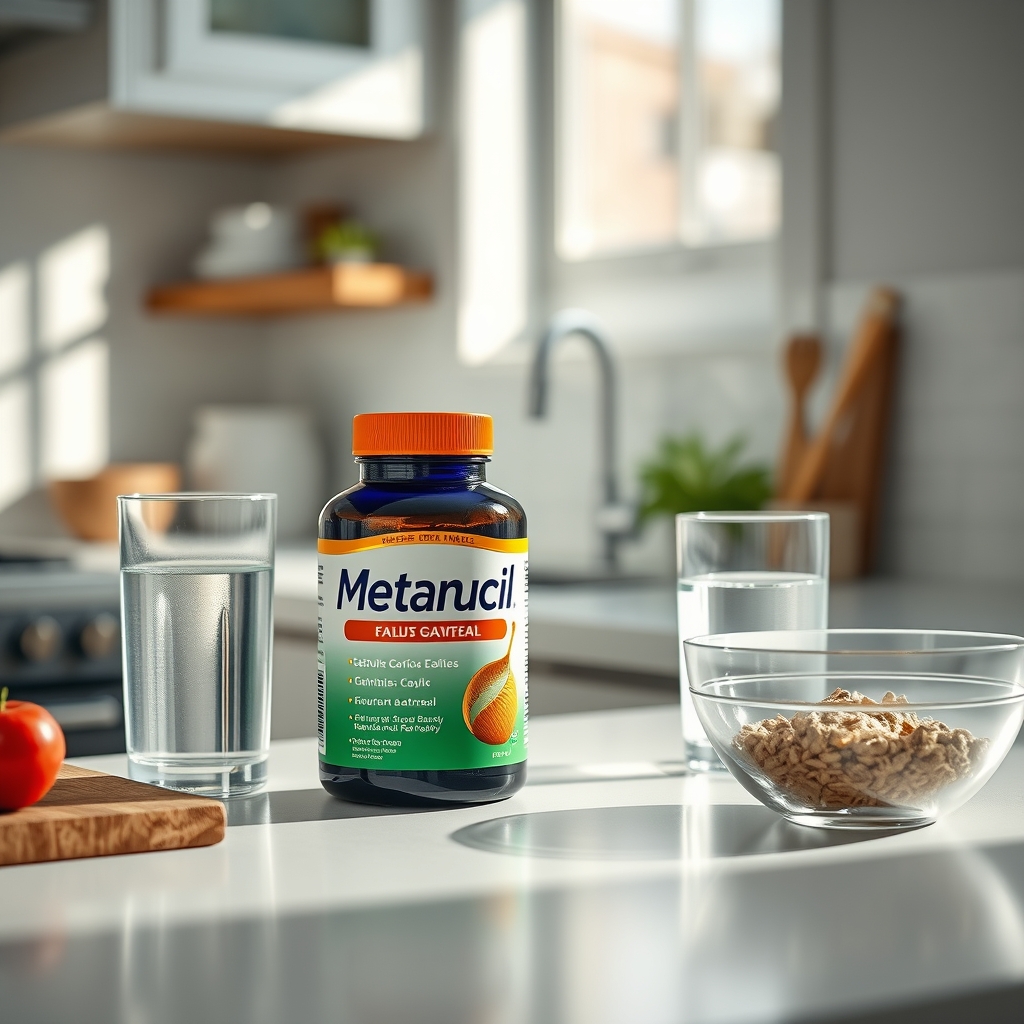
Pair a fiber supplement like Metamucil with plenty of water and a fiber‑rich breakfast for gentle relief.
Safety overview of laxatives during pregnancy
Overall, most laxatives fall into three safety categories for pregnancy:
Generally safe (bulk‑forming fibers, stool softeners, mild osmotic agents): Psyllium husk, docusate sodium, milk of magnesia, prune juice, oatmeal, flaxseed.
Safe with caution (short‑term, low‑dose stimulant agents): Senna leaf—use only under medical supervision.
Best avoided or limited: High‑dose stimulant laxatives, chronic use of osmotic agents, and any product with added caffeine or high sugar.
These categories reflect guidance from ACOG, the NHS, and the FDA, which all emphasize starting with dietary measures, then moving to gentle pharmacologic options if needed. The key is to avoid excessive dosing, stay well‑hydrated, and involve your healthcare provider in decisions that extend beyond short‑term use.
Safety by trimester
First trimester
During weeks 1‑13, the fetus’s organs are forming, making it the most sensitive window for potential teratogens. The safest choices are bulk‑forming fibers (psyllium, oatmeal, flaxseed) and stool softeners (docusate sodium). These agents work locally in the gut and are not systemically absorbed, minimizing any theoretical risk. If you need a quick fix, a low‑dose milk of magnesia can be used, but limit it to 30 mL per day and monitor for diarrhea.
Second trimester
From weeks 14‑27, many women experience a slowdown in bowel motility due to progesterone. This is an ideal time to incorporate a steady fiber regimen (e.g., ½ cup cooked oatmeal daily) and maintain adequate fluid intake. Docusate sodium remains a safe option, and modest use of prune juice can provide natural sorbitol without added sugars. Stimulant laxatives should still be avoided unless prescribed for a specific indication.
Third trimester
In the final months, the growing uterus can compress the colon, increasing constipation risk. Continue with fiber and fluid, and consider a gentle osmotic laxative like milk of magnesia if stool remains hard. If constipation becomes severe, a short course of senna (≤ 25 mg) under obstetric supervision may be appropriate, but it should not be used long‑term.
Breastfeeding
Most of the same laxatives that are safe during pregnancy are also compatible with breastfeeding. Psyllium husk, docusate sodium, and milk of magnesia are minimally absorbed and pose little risk to the infant. However, stimulant laxatives can pass into breast milk in small amounts and may cause mild gastrointestinal upset in the baby; therefore, they are generally discouraged while nursing.
Safe dosage / amount / brands
Option
Typical safe dose
Recommended brands
Brands to avoid
Psyllium husk (Metamucil)
5‑10 g (1‑2 tsp) with 8 oz water
Metamucil®, Generic psyllium husk
Flavored mixes with high‑fructose corn syrup
Docusate sodium (Colace)
100 mg (1 capsule) up to 300 mg/day
Colace®, Generic docusate
Combination products with stimulant agents
Milk of magnesia (Magnesium hydroxide)
30‑60 mL (2‑4 Tbsp) per day
Phillips’ Milk of Magnesia®, Generic magnesium hydroxide
Formulations with added sodium bicarbonate
Prune juice
½‑1 cup (120‑240 mL) daily
Organic, no‑added‑sugar prune juice
Sweetened fruit drinks labeled “prune juice blend”
Even “safe” laxatives can cause unwanted side effects if misused:
Gas, bloating, and mild abdominal cramping: Common with bulk‑forming fibers like psyllium and flaxseed; usually resolve with gradual dose escalation.
Diarrhea: Over‑consumption of osmotic agents (milk of magnesia) or stimulant laxatives can lead to watery stools and dehydration.
Electrolyte imbalance: Prolonged stimulant laxative use may lower potassium, which is especially concerning for women with pre‑eclampsia.
Uterine irritability: Rarely, strong stimulant agents can trigger uterine contractions, potentially increasing the risk of preterm labor.
Allergic reactions: Though uncommon, some individuals may react to excipients in flavored products.
If you experience severe abdominal pain, persistent diarrhea, faintness, or signs of dehydration (dry mouth, reduced urine output), contact your provider promptly. These symptoms may signal a complication that requires medical attention.
Safer alternatives
Increase daily water intake to at least 8‑10 cups – hydration softens stool naturally.
Eat a high‑fiber diet with whole grains, fruits, and vegetables – fiber adds bulk without medication.
Try a warm glass of water with lemon each morning – gentle stimulant for the gut.
Gentle physical activity, such as a 30‑minute walk, can promote peristalspasm.
Prune puree (unsweetened) – natural sorbitol without added sugars.
Ground flaxseed mixed into yogurt – adds fiber and omega‑3s.
Probiotic‑rich foods (e.g., kefir, yogurt) – support healthy gut flora.
Deep dives on top recommended options
Psyllium husk (Metamucil)
Psyllium is a soluble fiber that absorbs water and expands, forming a gel that softens stool and encourages regular bowel movements. Because it works locally in the colon and isn’t absorbed into the bloodstream, it’s considered safe throughout pregnancy. The Mayo Clinic recommends starting with a half‑teaspoon mixed in a full glass of water, gradually increasing to two teaspoons if tolerated. In addition to relieving constipation, psyllium can help manage gestational cholesterol levels, a secondary benefit noted by the NHS.
Docusate sodium (Colace)
Docusate sodium is a surfactant that allows water and fats to penetrate the stool, making it softer and easier to pass. It has a Category B rating from the FDA, indicating no evidence of fetal harm in animal studies. A typical adult dose is 100 mg once to three times daily, not exceeding 300 mg. Because it does not stimulate bowel muscle contractions, it’s gentle on the uterus and suitable for use at any stage of pregnancy, as endorsed by ACOG.
Milk of magnesia (Magnesium hydroxide)
Milk of magnesia acts as an osmotic laxative, drawing water into the intestines to soften stool. Magnesium is an essential mineral for both mother and baby, and moderate doses are considered safe. The FDA lists it as Category C, but clinical experience shows no teratogenic risk when limited to the recommended 30‑60 mL per day. Pregnant patients with kidney disease should consult their provider before use, as excess magnesium can accumulate.
Prune juice
Prune juice contains natural sorbitol and dietary fiber, both of which promote bowel movements. A half‑cup serving provides about 5 g of fiber and a mild laxative effect without added chemicals. The American Pregnancy Association notes that prune juice is safe for all trimesters, provided the sugar content is monitored—especially important for those with gestational diabetes. Choose 100 % prune juice without added sweeteners for the cleanest option.
Fiber‑rich oatmeal
Oatmeal delivers soluble fiber (beta‑glucan) that can improve stool consistency and also help regulate blood glucose—beneficial for women with gestational diabetes. A half‑cup cooked portion supplies roughly 4 g of fiber. Adding a splash of milk and a sprinkle of ground flaxseed can boost nutrient density while keeping the meal gentle on the digestive system.
Flaxseed
Ground flaxseed is a source of both soluble and insoluble fiber, as well as omega‑3 fatty acids. Because whole flaxseeds pass through the gut largely undigested, grinding them maximizes their fiber benefits. A tablespoon of ground flaxseed mixed into oatmeal or yogurt provides about 3 g of fiber and is considered safe throughout pregnancy, according to the NHS.
Senna leaf (Senokot)
Senna is a stimulant laxative that triggers colonic muscle contractions. While it can be effective for occasional severe constipation, ACOG advises limiting its use to short periods (no more than a few days) and only under medical supervision. The typical adult dose is 25 mg (one tablet) taken at bedtime. Because it may cause uterine cramping, it should be avoided in the first trimester and used with caution later in pregnancy.
Myth vs. fact
Myth: All laxatives are unsafe during pregnancy.
Fact: Gentle, bulk‑forming fibers and stool softeners are widely endorsed as safe; only stimulant laxatives carry notable risk when overused.
Myth: If a laxative works for the general population, it’s automatically safe for pregnant people.
Fact: Pregnancy changes gut motility and fluid balance, so dosing and choice must be adjusted; always follow pregnancy‑specific guidance.
Myth: Natural remedies like prune juice are always risk‑free.
Fact: While generally safe, natural options can still affect blood sugar or cause diarrhea if consumed in excess, especially in gestational diabetes.
Key takeaways
Most over‑the‑counter laxatives—psyllium husk, docusate sodium, and milk of magnesia—are considered safe for pregnancy when used at recommended doses.
Stimulant laxatives such as senna should be limited to short‑term, physician‑guided use, especially after the first trimester.
Start with dietary fiber and hydration; medication is a backup, not the first line of treatment.
Monitor for side effects like severe cramping, diarrhea, or signs of dehydration, and contact your provider if they occur.
If you have gestational diabetes or hypertension, choose sugar‑free or low‑sodium options and discuss any new supplement with your care team.
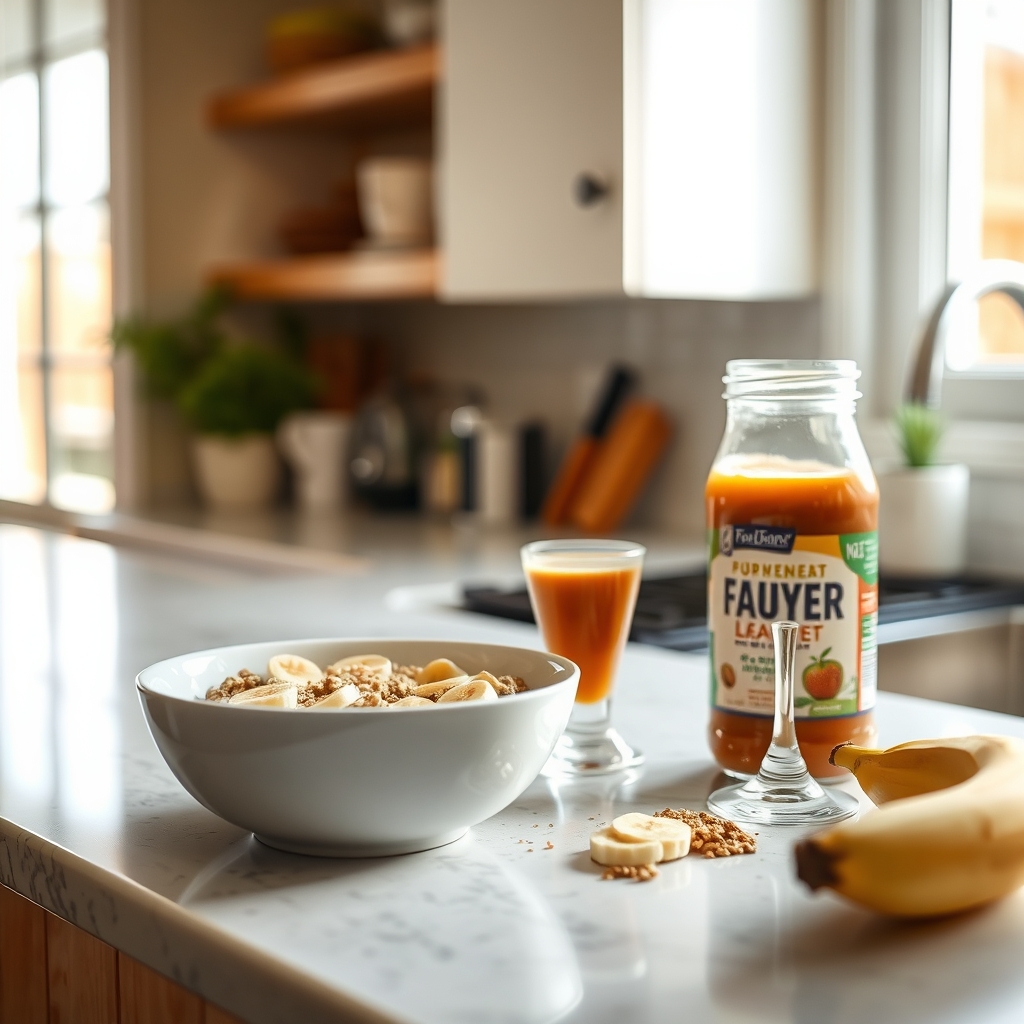
Combine oatmeal, prune juice, and ground flaxseed for a fiber‑rich, pregnancy‑friendly breakfast.
Frequently asked questions
Can I take laxatives while pregnant?
Yes, you can use certain laxatives during pregnancy, but it’s best to stick with bulk‑forming fibers (like psyllium) or stool softeners (like docusate sodium) at the recommended dose.
What is the safest laxative for pregnant women?
The safest option is generally a fiber supplement such as psyllium husk (Metamucil) combined with plenty of water, as it works locally and has a strong safety record.
How long can I use a stool softener during pregnancy?
Stool softeners like docusate sodium can be used throughout pregnancy, but you should limit continuous use to a few weeks and reassess with your provider if constipation persists.
Are natural laxatives like prune juice safe in pregnancy?
Yes, prune juice is considered safe for all trimesters when consumed in moderate amounts (½‑1 cup daily) and without added sugars.
Do laxatives cause birth defects?
Current evidence from ACOG and the FDA does not link recommended doses of bulk‑forming fibers or stool softeners to birth defects; stimulant laxatives have a higher theoretical risk and should be used only under medical guidance.
Is it okay to use Miralax in the second trimester?
Miralax can be used in the second trimester if needed, but limit it to the standard 17 g dose and discuss it with your obstetrician, especially if you have other medical conditions.
What are the side effects of constipation medication during pregnancy?
Common side effects include gas, mild cramping, and occasional diarrhea; more serious symptoms like severe abdominal pain or dehydration warrant a call to your provider.
Can I combine fiber supplements with laxatives while pregnant?
Yes, combining a fiber supplement (like psyllium) with a stool softener (like docusate) is often recommended to enhance effectiveness while staying within safe dosage limits.
When to call your doctor
If you experience any of the following, contact your obstetrician or midwife right away:
Severe or persistent abdominal pain that doesn’t improve with laxative use.
Continuous diarrhea lasting more than 48 hours, leading to dehydration.
Signs of electrolyte imbalance such as muscle cramps, weakness, or irregular heartbeat.
Bleeding or spotting that isn’t explained by a known condition.
Sudden swelling of hands, feet, or face, which could signal pre‑eclampsia.
These guidelines are informational only and do not replace personalized medical advice. Always discuss any concerns or medication changes with your healthcare provider.
References
American College of Obstetricians and Gynecologists. “Constipation in Pregnancy.” ACOG Practice Bulletin, 2022.
National Health Service (NHS). “Constipation and Pregnancy.” NHS Website, 2023.
U.S. Food and Drug Administration. “Drug Categories for Pregnancy.” FDA Database, accessed 2024.
Centers for Disease Control and Prevention. “Guidelines for Managing Constipation in Pregnancy.” CDC, 2023.
Mayo Clinic. “Psyllium Fiber: Uses, Side Effects, and Dosage.” Mayo Clinic, 2023.
American Diabetes Association. “Gestational Diabetes Nutrition Therapy.” ADA Standards of Care, 2023.
World Health Organization. “Maternal Nutrition and Health.” WHO Guidelines, 2022.
Not sure about the label on Safe Laxative During Pregnancy products?
Snap the ingredients list and SafeFilter checks every ingredient for your stage — only 3 free scans this month, then you're locked until reset. Unlimited from $7/mo or $50/yr.
When Shubhra Mishra was expecting her first child in 2016, she was overwhelmed by conflicting food advice — one site said yes, another said never. By the time her second baby arrived in 2019, she realized millions of mothers face the same confusion.
That sparked a five-year journey through clinical nutrition papers, cultural diets, and expert conversations — all leading to BumpBites: a calm, compassionate space where science meets everyday motherhood.
Her long-term vision is to build a global community ensuring safe, supported, and free deliveriesfor every mother — because no woman should face pregnancy alone or uninformed. 🌿
🌍 Stand with mothers, shape safer guidance
Join a small circle of experts who review BumpBites articles so expecting parents everywhere can decide with confidence.