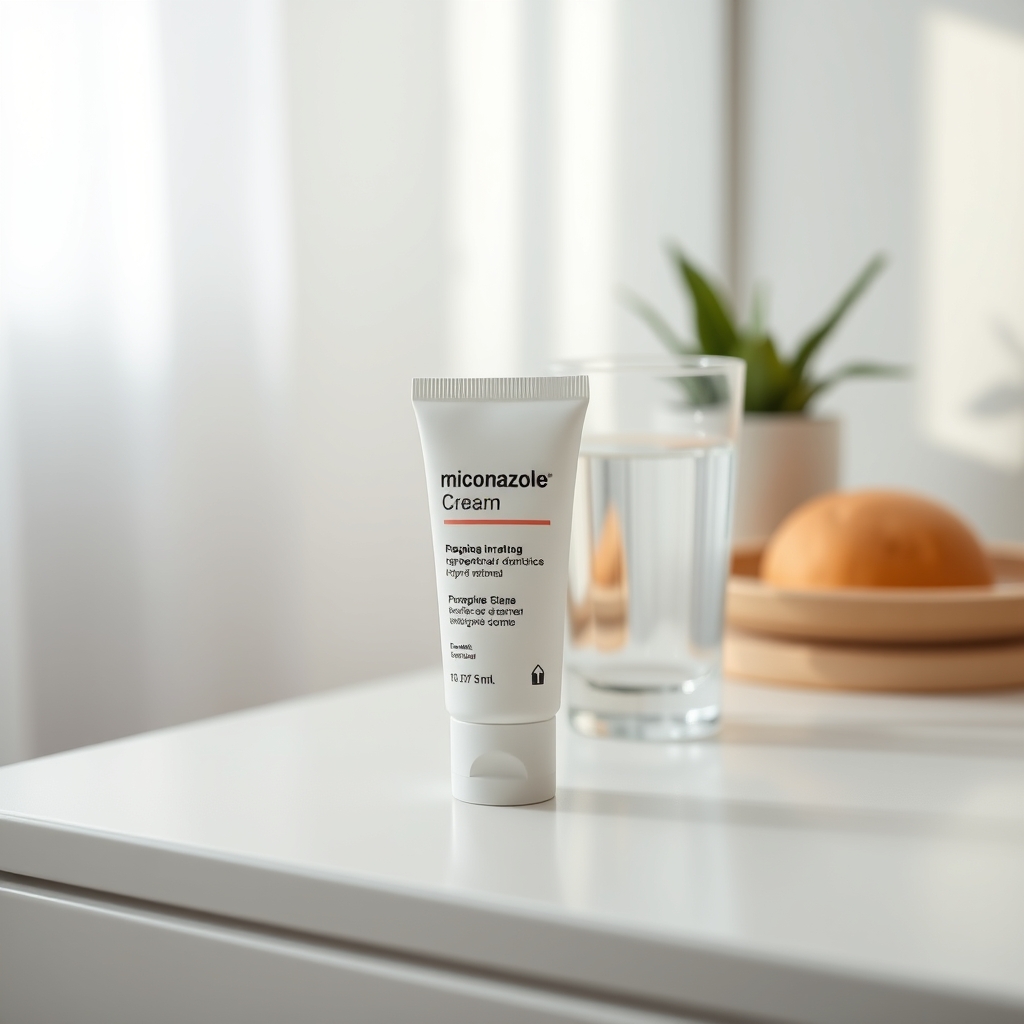
Safe: Topical clotrimazole and miconazole creams are safe for yeast infection during pregnancy, especially in the first trimester, with no systemic absorption.
By Shubhra Mishra — a mom of two who turned her own confusion during pregnancy into BumpBites, a global mission to make food choices clear, safe, and stress-free for every expecting mother. 💛
Check whether any food is safe during pregnancy with the BumpBites Food Safety Checker.
Quick verdict: ⚠️ Talk to your doctor first. Some over‑the‑counter creams such as miconazole 2 % and clotrimazole 1 % are generally considered safe, but oral fluconazole and many natural remedies should be used only under medical guidance.
It’s 2 a.m., you’ve just felt that familiar itching, and the thought “is there a safe medicine for yeast infection during pregnancy?” is looping in your mind. You’re not alone—many expecting parents panic the moment they suspect a candida overgrowth. The good news is that, with a few evidence‑based choices, you can treat the infection while protecting your baby.
In this guide we answer the most common “safe medicine for yeast infection during pregnancy” questions, break down what’s safe in each trimester, explain dosing and brand options, and suggest gentler alternatives when you’d rather avoid chemicals altogether. By the end you’ll have a clear plan, know when to call your provider, and feel confident that you’re making the best choice for both you and your baby.
Having a trusted over‑the‑counter cream on hand can ease nighttime worries.
Option
Verdict
Safe amount / frequency
Notes
Miconazole 2 % cream (generic)
✅ Generally safe
Apply 2–3 times daily for 7 days
ACOG and NHS list as first‑line OTC treatment
Clotrimazole 1 % cream (generic)
✅ Generally safe
Apply 2 times daily for 7 days
Same safety profile as miconazole
Terbinafine topical (1 % cream)
⚠️ Use with caution
Apply once daily for up to 7 days
Limited data; reserve for refractory cases
Probiotic Lactobacillus supplement
✅ Generally safe
One capsule daily
Supports vaginal flora; not a primary cure
Boric acid suppositories (600 mg)
⚠️ Use with caution
One suppository nightly for up to 14 days
Avoid if pregnant without provider approval
Tea tree oil diluted gel (≤ 1 % oil)
⚠️ Use with caution
Apply a thin layer once daily
Potential skin irritation; limited human data
Apple cider vinegar sitz bath
✅ Generally safe
1 cup ACV in 2 L warm water, 15 min daily
Adjunct relief; avoid if skin is broken
Hydrocortisone 1 % cream (adjunct)
✅ Generally safe
Apply sparingly for itching only
Does not treat infection, only symptom relief
Yeast infections, medically known as vulvovaginal candidiasis, occur when the fungus Candida albicans multiplies excessively in the vaginal canal. Hormonal shifts, increased glucose in vaginal secretions, and a damp environment during pregnancy all create a perfect storm for overgrowth. Typical symptoms include itching, burning, a thick white discharge, and occasional redness. While uncomfortable, the infection itself rarely harms the baby; however, untreated or improperly treated infections can lead to irritation, secondary bacterial infections, or, in rare cases, preterm labor if the infection spreads.
When you ask whether a safe medicine for yeast infection during pregnancy exists, the answer is yes—certain topical antifungals have been studied and are endorsed by leading bodies such as the American College of Obstetricians and Gynecologists (ACOG) and the UK’s National Health Service (NHS). These organizations consider miconazole and clotrimazole creams first‑line because they have low systemic absorption and extensive safety data. Oral fluconazole, especially a single high‑dose (≥150 mg), is generally discouraged in the first trimester due to a possible association with birth defects, though low‑dose regimens may be used later under specialist supervision. Natural remedies like tea tree oil or boric acid lack robust clinical trials, so they fall into a “caution” category.
Is fluconazole safe for yeast infection in the first trimester?
Fluconazole is an oral antifungal that penetrates the bloodstream and reaches the fetus. The FDA classifies a single 150 mg dose as “Category C” (risk cannot be ruled out), and ACOG advises against its routine use in the first trimester. Some studies have reported a modest increase in rare birth defects when high‑dose fluconazole is taken early in pregnancy. If you’re in the first trimester, most providers will recommend a topical cream instead of oral fluconazole. In later trimesters, a low‑dose (≤ 100 mg) regimen may be considered if topical therapy fails, but only under close obstetric supervision.
Because the first trimester is a critical window of organ formation, clinicians err on the side of caution. The CDC notes that oral antifungals are not contraindicated per se, but the risk–benefit balance should be evaluated individually. If you have already taken fluconazole before knowing you were pregnant, don’t panic—most single‑dose exposures have not been linked to adverse outcomes, but discuss it with your provider to decide on any needed monitoring.
What over‑the‑counter yeast infection creams are safe during pregnancy?
Both miconazole 2 % and clotrimazole 1 % creams are listed by the NHS, ACOG, and the FDA as safe for pregnant women. They work locally, with minimal systemic absorption, and have been used for decades without evidence of fetal harm. Brands such as Monistat 1 (miconazole) and Canesten (clotrimazole) are widely available. Apply the cream as directed—usually twice a day for a week—and you’ll likely see symptom relief within a few days. If irritation persists, discontinue use and contact your provider.
These creams are also compatible with most other prenatal vitamins and supplements, making them easy to incorporate into a daily routine. For women who prefer fragrance‑free options, look for “plain” or “sensitive‑skin” formulations, which reduce the chance of irritation while maintaining efficacy.
Can I use probiotic supplements for yeast infection while pregnant?
Probiotic supplements containing Lactobacillus strains are considered safe in pregnancy and may help restore a healthy vaginal microbiome, especially after a course of antifungal medication. The CDC notes that probiotics are “generally regarded as safe for most pregnant women.” While they are not a primary cure for active infection, they can reduce recurrence rates when taken daily throughout pregnancy. Look for products such as Florastor that specify ≥10 billion CFU per capsule.
Probiotics are also a gentle option for women who experience mild symptoms and want to avoid medicated creams. Some research published in the *Journal of Obstetrics and Gynaecology* suggests that daily Lactobacillus supplementation can modestly lower the odds of recurrent candidiasis, though the evidence is still emerging. Always choose a supplement without added sugars or artificial flavors, as those could contribute to yeast growth.
Are there any prescription yeast infection medications safe in the second trimester?
In the second trimester, oral fluconazole (low‑dose) may be prescribed if topical agents fail, but the decision rests with your obstetrician. Terbinafine cream (1 %) is another prescription‑only option that some clinicians use when miconazole or clotrimazole are ineffective; limited data suggest it is low‑risk, but it is still considered a “caution” medication. Always follow the exact dose your provider prescribes and avoid self‑medicating.
Some obstetricians also consider a short course of oral itraconazole for refractory cases, but this is far less common because of limited safety data. When a prescription is needed, your pharmacy can often provide a “pregnancy‑safe” label that confirms the medication has been reviewed for use during pregnancy.
What dosage of miconazole is recommended for pregnant women?
For pregnant women, the standard OTC dosage of miconazole 2 % cream is two applications per day (morning and night) for seven days. This regimen is endorsed by both ACOG and NHS guidelines. If symptoms improve before day 7, you may stop early, but completing the full course reduces the chance of recurrence. Do not exceed the recommended frequency, as higher systemic absorption has not been studied in pregnancy.
When using a cream, wash your hands before and after application, and avoid contact with the infant’s skin until the medication is fully absorbed. If you experience persistent itching after the treatment course, it may indicate a resistant strain or another condition such as bacterial vaginosis, and you should seek further evaluation.
Are natural remedies like tea tree oil safe for treating yeast infection during pregnancy?
Tea tree oil possesses antifungal properties in vitro, but human data are scarce. The FDA has not approved it for vaginal use, and the NHS advises caution because undiluted oil can cause skin irritation or allergic reactions. If you choose to use a tea tree oil gel, it should be diluted to ≤ 1 % (roughly one drop in a teaspoon of carrier oil) and applied sparingly. Always perform a patch test on a non‑sensitive area first.
Even with dilution, the evidence base is limited, so many clinicians recommend using tea tree oil only as an adjunct to proven treatments, not as a standalone therapy. If you have a history of eczema or sensitive skin, you may want to skip this option entirely.
Which yeast infection treatments are safe for women with diabetes during pregnancy?
Pregnant women with diabetes are at higher risk for recurrent candidiasis because excess glucose fuels fungal growth. Topical miconazole and clotrimazole remain first‑line because they do not affect blood glucose. Oral fluconazole should be avoided unless absolutely necessary, as it may interfere with glycemic control. Probiotic supplements can be especially helpful for diabetic patients, as they promote a balanced vaginal flora without influencing blood sugar.
Good glycemic control itself is a preventive strategy—maintaining blood glucose within target ranges reduces the substrate that Candida needs to thrive. Your diabetes care team can work with your obstetrician to develop a plan that includes both infection treatment and tight glucose monitoring.
Can I use clotrimazole vaginal tablets safely while pregnant?
Clotrimazole vaginal tablets (often 500 mg) are a prescription form of the same active ingredient found in OTC creams. Because the tablets dissolve locally, systemic exposure remains low. ACOG considers them safe when used as directed—typically one tablet inserted nightly for three nights. However, some clinicians prefer the cream formulation for ease of use and because it allows for more precise dosing.
If you experience any burning or irritation after inserting a tablet, remove it if possible and contact your provider. The tablets are also a good option for women who have difficulty applying creams due to physical discomfort or limited mobility.
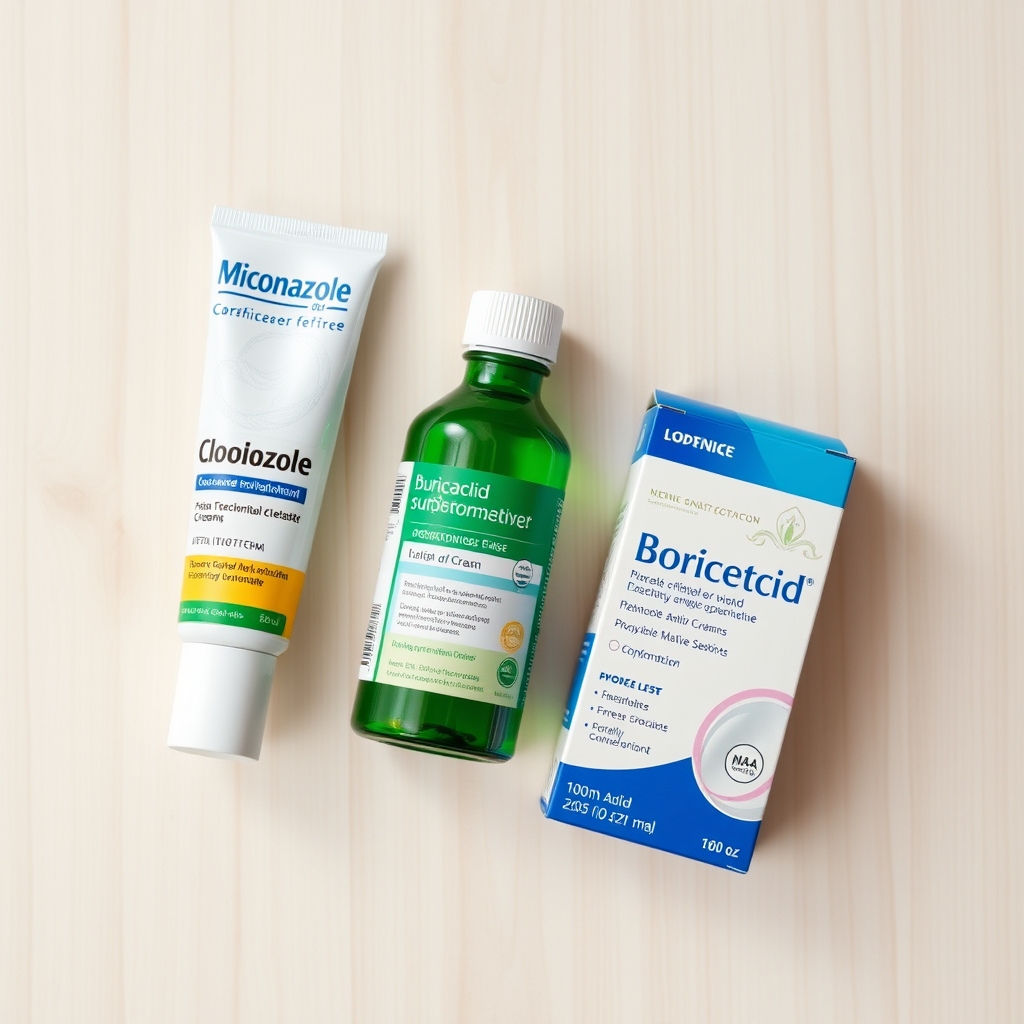
Comparing product types helps you choose the safest option for your trimester.
Safety by trimester
First trimester (weeks 1–13)
The first trimester is the period of organogenesis, when the fetus’s major organs form. Because any substance that reaches the bloodstream could theoretically affect development, most guidelines recommend topical agents only. Miconazole and clotrimazole creams are considered safe; oral fluconazole is discouraged unless a specialist deems it essential. Natural remedies such as tea tree oil and boric acid should be avoided unless a provider explicitly approves them.
For women with a history of recurrent yeast infections, a short course of topical treatment is usually sufficient. If symptoms persist beyond a week, it is wise to contact your obstetrician rather than self‑escalate to oral therapy.
Second trimester (weeks 14–27)
During the second trimester, the placenta is more selective, and the risk of teratogenic effects drops. Low‑dose oral fluconazole (≤ 100 mg) may be prescribed if topical therapy fails, but many clinicians still prefer to stay with creams. Terbinafine cream can be tried under supervision, and probiotic supplements are encouraged to maintain vaginal health.
Women with diabetes or a prior preterm birth may benefit from closer monitoring. In such cases, your provider might order a urine culture to confirm the Candida species before selecting a treatment.
Third trimester (weeks 28–40)
In the third trimester, the fetus is largely formed, and the primary concern is maternal comfort and preventing ascending infection. All the topical options—miconazole, clotrimazole, terbinafine, and even boric acid suppositories—are generally regarded as safe if used correctly. Some providers may allow a short course of oral fluconazole for severe, recurrent cases, but this is rare.
Because labor can be triggered by infection, it’s important to resolve any active yeast infection before delivery. If you develop a new infection late in pregnancy, a prompt course of a topical azole is the fastest way to reduce irritation.
Breastfeeding
Most topical antifungals have negligible systemic absorption, so they are safe while breastfeeding. The infant’s exposure through breast milk is minimal. However, oral fluconazole does pass into milk in low amounts; the CDC advises that occasional use is acceptable, but prolonged therapy should be discussed with a pediatrician.
Safe dosage / amount / brands
Medication
Typical dosage for pregnancy
Recommended brands
Brands to avoid
Miconazole 2 % cream
Apply 2 times daily for 7 days
Monistat 1, Vagistat‑1
Any brand with added fragrance
Clotrimazole 1 % cream
Apply 2 times daily for 7 days
Canesten, Azid
Products combining steroids without guidance
Terbinafine 1 % cream
Apply once daily for up to 7 days
Prescription only (consult pharmacist)
Over‑the‑counter versions (rare)
Probiotic Lactobacillus
One capsule (≥10 billion CFU) daily
Florastor, Culturelle
Supplements with added sugars
Boric acid suppositories (600 mg)
One nightly for up to 14 days
Prescription‑grade boric acid
OTC kits without medical guidance
Tea tree oil gel (≤ 1 % oil)
Thin layer once daily
Specialty natural‑product brands with dilution instructions
Pure undiluted oil
Apple cider vinegar sitz bath
1 cup ACV in 2 L warm water, 15 min daily
Homemade preparation
High‑concentration undiluted ACV
Hydrocortisone 1 % cream
Apply sparingly for itching only
Generic OTC hydrocortisone
Higher‑strength steroid creams
Side effects and risks
Topical antifungals can cause mild skin irritation, burning, or a temporary increase in itching—usually resolving within a few days. Rarely, an allergic reaction may present as swelling, rash, or severe burning; stop the product and contact your provider immediately. Oral fluconazole may cause gastrointestinal upset, headache, or, in very rare cases, liver enzyme elevation. Boric acid can be toxic if ingested; never swallow suppositories and keep them out of reach of children. Tea tree oil, if not properly diluted, can cause contact dermatitis or a burning sensation.
Miconazole disrupts fungal cell membranes by inhibiting ergosterol synthesis. Because it stays largely on the skin, less than 1 % is absorbed systemically, making it safe for pregnant women. ACOG lists it as a first‑line therapy, and the NHS recommends a 7‑day course. Typical side effects are mild burning or itching that resolves quickly. If symptoms persist beyond the treatment window, contact your obstetrician.
For women who experience recurrent infections, a second course after a short drug‑free interval is often effective. However, if you need more than two courses in a single pregnancy, discuss a longer‑term strategy with your provider, as repeated antifungal exposure may affect the vaginal microbiome.
Clotrimazole 1 % cream (generic)
Clotrimazole works similarly to miconazole, targeting the fungal cell wall. Its safety profile mirrors that of miconazole, with negligible systemic exposure. Over‑the‑counter brands like Canesten are widely used and trusted. Apply twice daily for a week; if you notice a rash or worsening irritation, discontinue and seek medical advice.
Because clotrimazole is available in both cream and tablet forms, you can choose the format that feels most comfortable. Creams are especially helpful for women who have skin sensitivity, while tablets may be preferred by those who find insertion easier.
Terbinafine topical (limited use)
Terbinafine inhibits fungal squalene epoxidase, a different pathway than azoles. Limited pregnancy data exist, but the drug’s low absorption suggests a relatively low risk. It is reserved for cases where azole creams fail. Because it is prescription‑only, your provider will weigh the benefits against the uncertain data before recommending it.
If you are prescribed terbinafine, your clinician may schedule a follow‑up visit after the 7‑day course to ensure the infection has cleared and to assess any lingering irritation.
Probiotic Lactobacillus supplement
These supplements supply beneficial bacteria that compete with Candida for adhesion sites and nutrients. While they don’t eradicate an active infection, they can prevent recurrence and support overall vaginal health. The CDC and Mayo Clinic consider them safe for all trimesters. Choose a product with at least 10 billion CFU per capsule and no added sugars.
For best results, take the probiotic daily throughout pregnancy, especially after completing an antifungal course. Some clinicians also recommend a probiotic yogurt snack as a dietary complement.
Boric acid suppositories (use with caution)
Boric acid creates an acidic environment hostile to yeast. Though widely used for recurrent or resistant infections, the FDA has not approved it for pregnancy, and ACOG advises caution. If your provider approves, use the 600 mg suppository at night for up to 14 days, and never ingest it.
Because boric acid is a chemical agent, it should be stored in a child‑proof container. If you experience any burning or unusual discharge while using suppositories, stop immediately and contact your obstetrician.
Tea tree oil diluted topical gel
Tea tree oil has demonstrated antifungal activity in lab studies, but human data are limited. When diluted to ≤ 1 %, it may be used as an adjunct for mild symptoms. Perform a patch test first, and stop if any burning or rash develops. Because safety data are sparse, discuss use with your obstetrician.
When selecting a tea tree oil product, choose one that lists the exact concentration on the label and provides clear dilution instructions. Avoid “pure” or “undiluted” formulations, which are more likely to cause irritation.
Apple cider vinegar sitz bath
A sitz bath with a cup of ACV in warm water can lower vaginal pH, making it less hospitable to Candida. This method is safe, inexpensive, and can be repeated daily. Avoid using undiluted vinegar, which can irritate mucous membranes.
To make the bath more comfortable, add a soft towel at the bottom of the tub and keep the water temperature lukewarm—not hot—to prevent additional irritation.
Hydrocortisone 1 % cream (adjunct for itching)
Hydrocortisone reduces inflammation and itching but does not treat the fungal infection itself. It is safe for short‑term use during pregnancy and can be combined with antifungal creams to improve comfort.
Limit use to a few days; prolonged steroid exposure can thin the skin and may predispose you to secondary infections. If itching returns after stopping hydrocortisone, it likely signals that the underlying yeast infection is still active.
Myth vs. fact
Myth: All oral antifungals are unsafe in pregnancy.
Fact: Low‑dose fluconazole may be used in the second and third trimesters under medical supervision, while high‑dose regimens are discouraged, especially in the first trimester.
Myth: Natural remedies are always safer for pregnant women.
Fact: “Natural” does not guarantee safety; undiluted tea tree oil and boric acid can cause irritation or toxicity if used improperly.
Myth: If the itching stops, the infection is cured.
Fact: Symptoms may improve before the infection is fully eradicated; completing the full treatment course prevents recurrence.
Key takeaways
Topical miconazole and clotrimazole creams are the most evidence‑backed safe medicine for yeast infection during pregnancy.
Reserve oral fluconazole for later trimesters and only under obstetric guidance.
Probiotic supplements and gentle sitz baths can support vaginal health and reduce recurrence.
Use natural products like tea tree oil or boric acid only with provider approval and proper dilution.
Seek medical attention if symptoms worsen, you develop fever, or you have diabetes or recurrent infections.
Frequently asked questions
Can I take fluconazole while pregnant?
In the first trimester, fluconazole is generally avoided due to potential birth‑defect risks; in the second and third trimesters, a low‑dose regimen may be prescribed under specialist supervision.
What are the safest over‑the‑counter yeast infection treatments during pregnancy?
Miconazole 2 % cream and clotrimazole 1 % cream are the safest OTC options, endorsed by ACOG and NHS for all trimesters.
How long should I use yeast infection medication when pregnant?
Follow the product’s instructions—typically a 7‑day course for creams; if symptoms persist after the full course, contact your provider for further evaluation.
Are probiotic pills safe for treating yeast infections in pregnancy?
Yes, probiotic Lactobacillus supplements are considered safe and can help maintain a healthy vaginal microbiome, though they are an adjunct rather than a primary cure.
Is it safe to use tea tree oil for yeast infection while pregnant?
Only if the oil is diluted to ≤ 1 % and used under medical guidance; undiluted oil can cause irritation and lacks robust safety data.
Can I use boric acid suppositories during pregnancy?
Boric acid can be used with caution if prescribed by your provider; it is not FDA‑approved for pregnancy and should be avoided without professional oversight.
Do yeast infection creams affect the baby?
Topical azole creams have minimal systemic absorption, so they do not pose a risk to the developing baby when used as directed.
What symptoms indicate I need medical treatment for a yeast infection while pregnant?
Severe itching, burning, thick white discharge, fever, or any signs of spreading infection (such as abdominal pain) warrant prompt medical evaluation.
What should I avoid while being treated for a yeast infection during pregnancy?
Avoid scented soaps, douches, and tight synthetic underwear, as they can disrupt vaginal pH and moisture balance, potentially worsening the infection. Stick to gentle, fragrance‑free cleansers and breathable cotton garments.
Can I use a vaginal douche for yeast infection while pregnant?
Vaginal douches are not recommended during pregnancy because they can upset the natural flora and may push infection deeper. Instead, opt for a sitz bath or prescribed antifungal treatment.
When to call your doctor
Contact your obstetrician or midwife right away if you experience any of the following: fever, pelvic or abdominal pain, heavy vaginal bleeding, a sudden increase in discharge volume or color change (especially green or yellow), signs of an allergic reaction (hives, swelling, difficulty breathing), or if you have diabetes and notice persistent symptoms despite treatment. This article provides general information and is not a substitute for personalized medical advice.
References
American College of Obstetricians and Gynecologists. “Treatment of Vaginal Candidiasis in Pregnancy.” ACOG Practice Bulletin, 2022.
National Health Service (UK). “Vaginal thrush (yeast infection) – treatment.” NHS website, updated 2023.
U.S. Food and Drug Administration. “Drug Safety Communication: Fluconazole Use During Pregnancy.” FDA, 2021.
Centers for Disease Control and Prevention. “Probiotics and Pregnancy.” CDC, 2022.
Mayo Clinic. “Yeast infection (candidiasis) – treatment.” Mayo Clinic, 2023.
World Health Organization. “Guidelines on the Management of Recurrent Vaginal Candidiasis.” WHO, 2020.
Not sure about the label on Safe Medicine For Yeast Infection During Pregnancy products?
Snap the ingredients list and SafeFilter checks every ingredient for your stage — only 3 free scans this month, then you're locked until reset. Unlimited from $7/mo or $50/yr.
When Shubhra Mishra was expecting her first child in 2016, she was overwhelmed by conflicting food advice — one site said yes, another said never. By the time her second baby arrived in 2019, she realized millions of mothers face the same confusion.
That sparked a five-year journey through clinical nutrition papers, cultural diets, and expert conversations — all leading to BumpBites: a calm, compassionate space where science meets everyday motherhood.
Her long-term vision is to build a global community ensuring safe, supported, and free deliveriesfor every mother — because no woman should face pregnancy alone or uninformed. 🌿
🌍 Stand with mothers, shape safer guidance
Join a small circle of experts who review BumpBites articles so expecting parents everywhere can decide with confidence.